
Why is my dog panting at night?
It’s not always just heat, and ignoring steady nighttime panting can let a small problem grow into something serious.
This post walks you through common causes, from room temperature and anxiety to pain or underlying illness, and how to tell them apart.
You’ll get quick fixes to try at home tonight, clear red flags that need an urgent vet visit, and simple steps to reduce panting over time.
Common Reasons Dogs Pant at Night
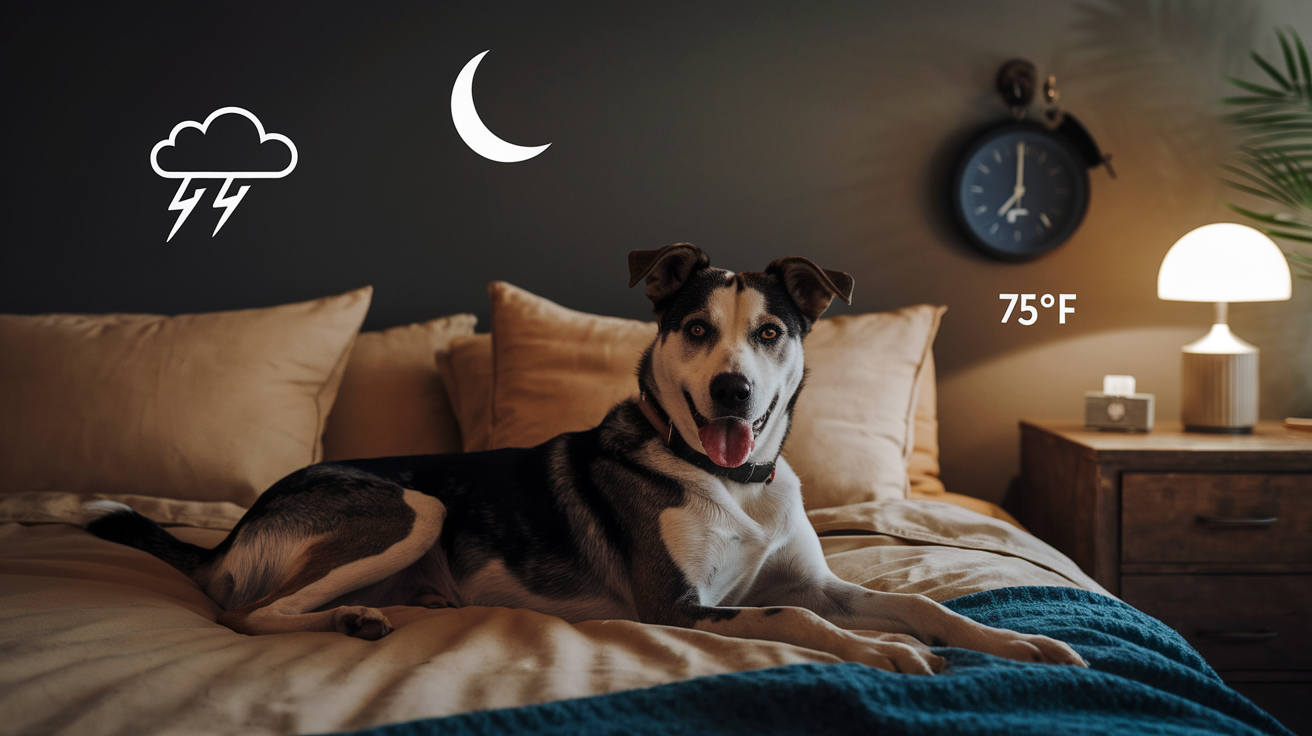
Panting is your dog’s main cooling system. It works like a built-in fan that lowers body temperature through moisture evaporation. During the day or after a walk, panting is completely normal. But when your dog’s panting heavily at night while lying still, it can mean something else is going on. The cause might be as simple as a warm bedroom or as serious as an illness that needs attention.
Some nighttime panting happens because your dog’s environment changed, they’re feeling anxious, or their body’s working harder than usual to stay comfortable. Older dogs often pant more at night because age brings joint pain, weaker temperature regulation, and sometimes confusion that disrupts rest. Puppies and young dogs can pant from leftover excitement. Or because they haven’t settled into a calm nighttime routine yet.
The key is recognizing when panting crosses from “my dog is just warm” into “something doesn’t feel right.” Heavy panting that lasts more than a few minutes without an obvious reason, panting that happens every single night, or panting paired with restlessness, whining, or pacing usually points to a trigger that needs your attention.
Most common nighttime panting triggers:
- Room temperature too high – Dogs struggle to cool down when sleeping areas stay above 75°F (24°C), especially thick-coated or short-nosed breeds.
- Stress or anxiety – Thunderstorms, fireworks, separation worry, or changes in household routine can keep dogs tense and panting after dark.
- Pain or discomfort – Arthritis, dental pain, or injuries often worsen at night when dogs lie still for long periods.
- Illness or metabolic issues – Fever, respiratory disease, heart problems, or hormonal imbalances like Cushing’s disease frequently cause excessive panting.
- Overexertion before bed – Intense play or exercise right before sleep can leave dogs panting for 20 to 30 minutes as their body cools and heart rate drops.
Medical Conditions That Can Trigger Nighttime Panting

Pain is one of the most overlooked reasons dogs pant at night. Arthritis, hip dysplasia, dental disease, and old injuries tend to flare up when a dog lies in one position for hours. You might notice your dog shifting around constantly, groaning softly when they stand, or panting more after they’ve been still. Pain-related panting often comes with reluctance to jump onto furniture, limping in the morning, or flinching when you touch certain areas.
Respiratory disease makes it harder for your dog to take in enough oxygen, so their body compensates by panting more. Conditions like pneumonia, bronchitis, lung tumors, or chronic airway inflammation force dogs to work harder just to breathe. You’ll often hear noisy breathing, wheezing, or coughing alongside the panting. Short-nosed breeds like bulldogs, pugs, and Boston terriers have naturally narrower airways and can develop severe breathing struggles at night, especially if they’re overweight or the room’s too warm.
Heart disease reduces circulation efficiency. Your dog’s body tries to move more oxygen by breathing faster. Dogs with heart problems often pant after minimal activity, like walking to their water bowl, and the panting may worsen when they lie flat because fluid backs up in the lungs. Watch for a pot-bellied look, coughing (especially at night or after excitement), pale or blue-tinged gums, or fainting spells.
Cushing’s disease happens when a dog’s body produces too much cortisol, a stress hormone that revs up metabolism and makes them feel restless and overheated. Dogs with Cushing’s pant constantly, day and night, drink and pee much more than normal, lose hair in patches, and develop a sagging, round belly. It’s most common in middle-aged and senior dogs. Fever from infection, heatstroke that wasn’t fully resolved, or metabolic disorders like diabetes and kidney disease also drive excessive panting because the body’s under strain and trying to regulate itself.
Behavioral and Environmental Factors Behind Night Panting
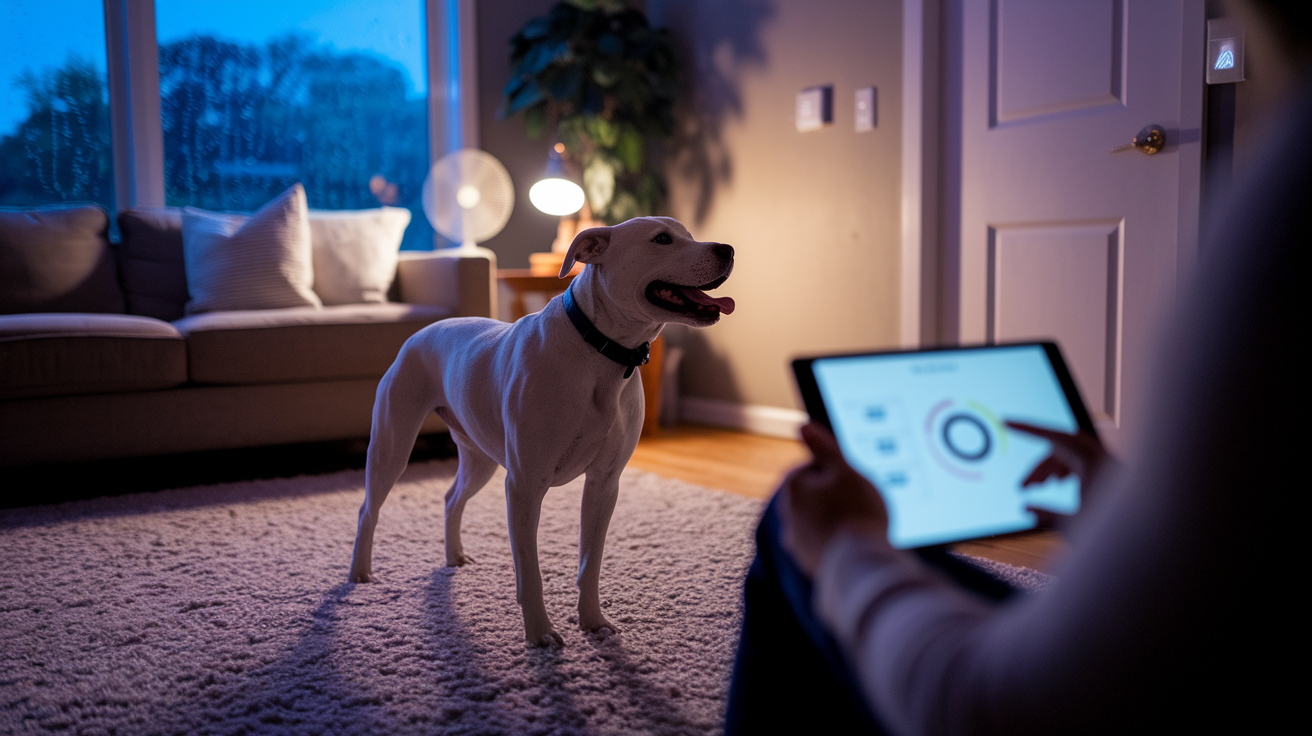
Stress and anxiety don’t shut off at bedtime. Dogs can pant heavily at night if they’re worried about being alone, if they hear unfamiliar sounds outside, or if recent changes like a new pet, a move, or a family member leaving have unsettled them. Separation anxiety often peaks when the house goes quiet and your dog realizes you’re not nearby. You might also see pacing, whining, scratching at doors, or accidents in the house.
Environmental discomfort plays a bigger role than most owners expect. A room that’s too hot, bedding that traps heat, or sleeping near a heater or in direct sunlight during the day can leave your dog panting all night. Humidity makes it worse because panting relies on moisture evaporation to cool the body, and thick air slows that process down. Some dogs pant simply because their bed’s uncomfortable, they’re lying on a hard surface that hurts their joints, or they can’t find a cool spot to stretch out.
Older dogs with canine cognitive dysfunction, which works a lot like dementia, often experience “sundowning.” That’s a pattern where confusion and anxiety ramp up in the evening and overnight. Affected dogs wander aimlessly, pant without clear cause, stare at walls, forget familiar routines, and may bark or whine for no obvious reason. This condition gradually worsens and usually shows up in dogs over age 10.
Warning Signs That Nighttime Panting Requires Immediate Veterinary Attention

If your dog’s panting comes with any of the signs below, get to an emergency vet or call your regular vet immediately if it’s during office hours. These symptoms point to life-threatening conditions like heatstroke, heart failure, bloat, internal bleeding, or severe respiratory distress.
- Pale, white, blue, or grey gums or tongue – This means oxygen isn’t reaching tissues properly.
- Collapse, weakness, or inability to stand – Your dog may be going into shock or experiencing organ failure.
- Bloated, hard, or visibly swollen abdomen – Can indicate bloat (gastric dilatation-volvulus), a surgical emergency.
- Vomiting, especially if repeated or containing blood – Paired with panting, this can signal poisoning, internal injury, or severe illness.
- Sudden, intense panting after trauma or a fall – May indicate internal bleeding, broken bones, or head injury.
- Loud, labored breathing with gagging or choking sounds – Suggests airway obstruction or severe respiratory crisis.
Even if your dog seems stable, panting combined with drooling, disorientation, refusal to eat or drink, trembling, or rapid heart rate (you can feel this by placing your hand on their chest) means something serious is happening. Don’t wait to see if it passes. Heatstroke can cause organ damage within minutes, heart failure can worsen rapidly overnight, and bloat is fatal without surgery.
Trust your instincts. If the panting feels wrong or your dog looks scared, uncomfortable, or “off,” treat it as urgent. It’s always better to have a vet say “false alarm” than to wait too long.
How Vets Diagnose Excessive Nighttime Panting
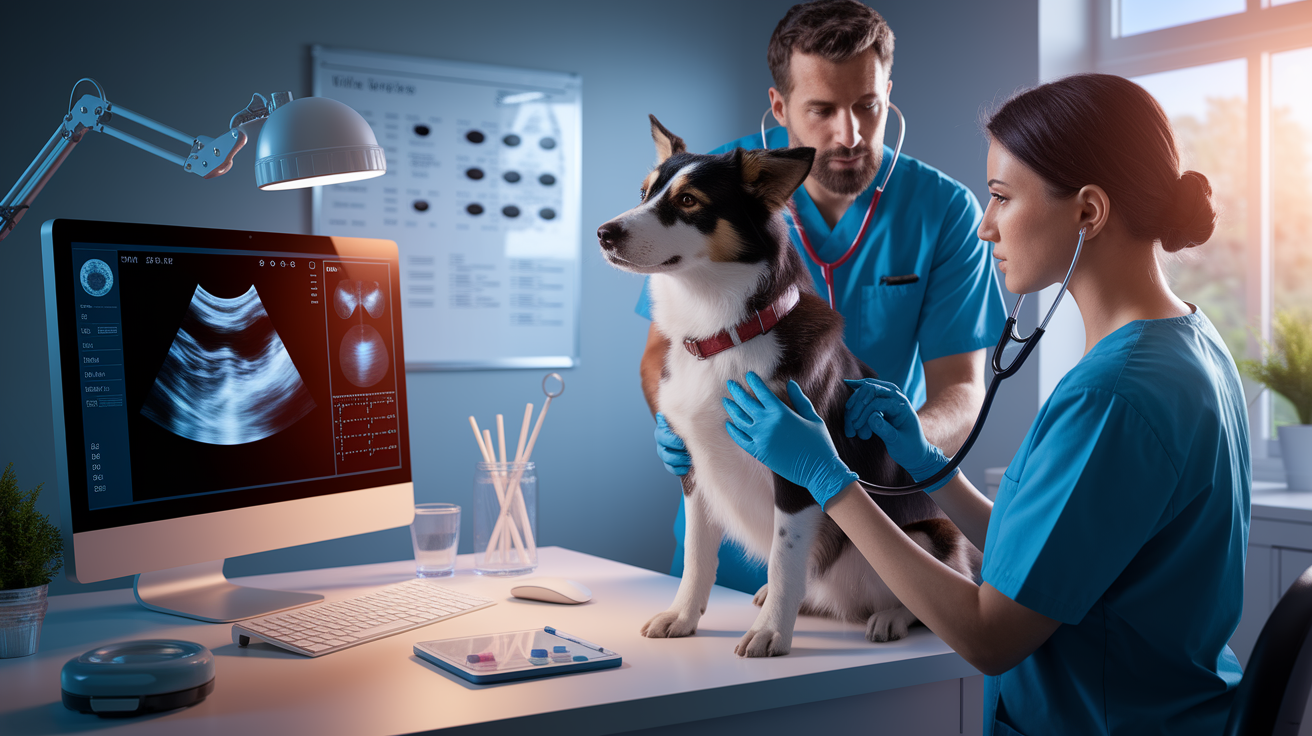
When you bring your dog in for nighttime panting, the vet will start with a physical exam. They’ll check heart rate, breathing sounds, gum color, temperature, and whether your dog shows pain when touched. They’ll ask about the panting’s timing, duration, any recent changes in routine, medications, diet, and whether you’ve noticed other symptoms like coughing, limping, drinking more water, or behavior shifts.
Depending on what the exam reveals, common next steps include bloodwork to check organ function, infection markers, and hormone levels, especially if Cushing’s disease or diabetes is suspected. Chest X-rays help identify heart enlargement, fluid in the lungs, tumors, or airway problems. An ECG or ultrasound might be recommended if the vet hears an irregular heartbeat or suspects heart disease. For dogs showing pain, the vet may gently manipulate joints and limbs to pinpoint arthritis or injury.
In most cases, you’ll have preliminary answers the same day. Blood and urine tests often come back within 24 to 48 hours. If your dog needs referral imaging like an echocardiogram or CT scan, expect another few days. Bring notes or a short video of the panting episodes, record when they happen and how long they last, and mention anything that seems to make the panting better or worse. That information speeds up diagnosis and helps the vet focus testing on the most likely causes.
Practical At-Home Strategies to Reduce Nighttime Panting
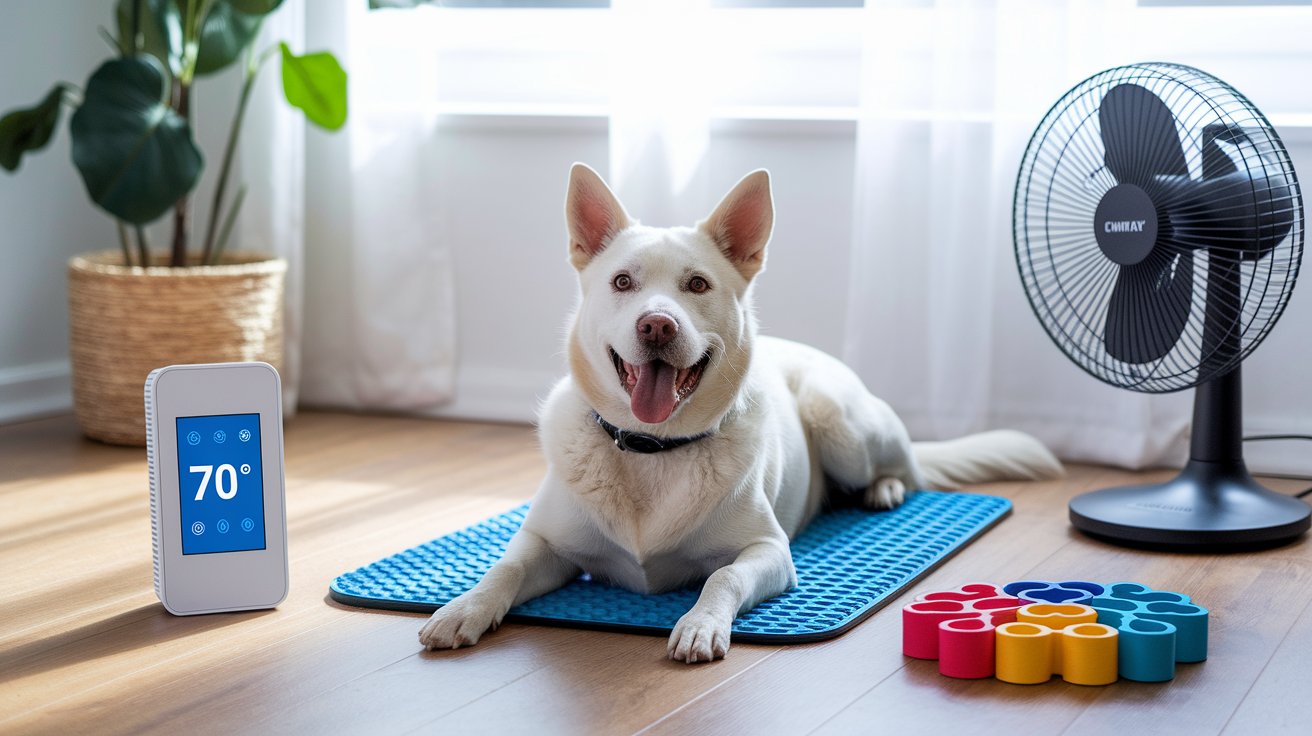
Small environmental changes can make a big difference. Start with temperature. Keep your dog’s sleeping area between 65°F and 72°F (18°C to 22°C). Use a fan to move air, crack a window if it’s cool outside, or run the AC on warm nights. Cooling mats, which don’t require refrigeration, give dogs a comfortable cold surface to lie on. Avoid heavy blankets or bedding that traps heat, especially for thick-coated breeds.
Adjust exercise timing so your dog isn’t revved up right before bed. Aim to finish walks, play, and any intense activity at least 60 to 90 minutes before lights out. This gives their heart rate and body temperature time to return to baseline. Keep evening meals light and serve them at least two hours before bedtime. A full stomach can make dogs uncomfortable and raise body temperature slightly during digestion. Always leave fresh water available, but if your dog’s drinking excessively at night and then panting, mention that to your vet.
For anxious dogs, create a predictable bedtime routine. Use the same sequence every night. Dim the lights, play soft music or white noise, and give your dog a safe, enclosed space like a crate or a quiet corner with their bed. Pheromone diffusers or calming collars can help some dogs relax. If anxiety is severe or ongoing, talk to your vet about short-term medications like trazodone or gabapentin, or ask for a referral to a certified veterinary behaviorist.
Five simple steps to reduce nighttime panting:
- Lower the room temperature – Set your thermostat to 70°F (21°C) or below, and provide a cooling mat or tile floor for your dog to lie on.
- Time exercise earlier – Finish walks and play by early evening so your dog’s body cools before bed.
- Use calming aids – Try a pheromone diffuser, white noise machine, or soft music to reduce nighttime stress.
- Offer a comfortable, cool sleeping spot – Avoid thick bedding and provide options like elevated cots that allow air circulation.
- Track weight and activity – Overweight dogs pant more. Work with your vet on a gradual weight-loss plan and add mental enrichment like puzzle toys to tire your dog’s brain without overheating their body.
When to Schedule a Non-Emergency Vet Appointment

If your dog’s nighttime panting isn’t paired with emergency warning signs but it’s happening regularly (more than three nights a week for a week or longer), schedule a vet visit within the next few days. Chronic panting often signals low-grade pain, early-stage disease, or behavioral issues that benefit from early intervention.
Write down what you observe: how long each panting episode lasts, what time of night it starts, whether your dog paces or seems restless, and if anything like a noise, temperature change, or activity seems to trigger it. Note any other changes. Drinking more, eating less, limping, coughing, or new lumps. This log helps your vet spot patterns and decide which tests to run first.
Even if the panting seems mild, don’t wait months to bring it up. Conditions like arthritis, early heart disease, and hormonal imbalances are much easier to manage when caught early. Your vet can also rule out simple fixes, like adjusting medication timing, switching to joint supplements, or tweaking your dog’s nighttime routine. If the panting turns out to be behavioral, you’ll get a referral and a plan before it becomes a bigger problem that disrupts everyone’s sleep.
Final Words
If your dog is panting at night, key causes include heat, anxiety, pain, and medical issues. Normal cooling breaths are short and settle with comfort, while steady or frantic panting needs attention.
Try easy fixes first — lower the room temperature, offer a cool spot, keep a calm bedtime routine, and note when it happens. Those steps often help and give useful details for your vet.
If you’re still asking why is my dog panting at night, bring your notes to the vet. You’ll get clearer answers and a plan to help both of you sleep better.
FAQ
Q: Should I be worried about my dog panting at night?
A: You should be worried about your dog panting at night when it’s heavy, new, or comes with collapse, pale gums, vomiting, blue tongue, trouble breathing, or confusion—seek urgent care then.
Q: Why is my dog suddenly panting and restless?
A: Sudden panting and restlessness often result from pain, anxiety, overheating, fever, or heart and respiratory issues; check the room, temperature, and other signs, and call your vet if it doesn’t improve.
Q: Does a dog panting mean they are in pain?
A: Dog panting doesn’t always mean they’re in pain; it can be cooling, stress, or illness. Pain-related panting usually pairs with whining, guarding, limping, or appetite changes—contact your vet if you see those.