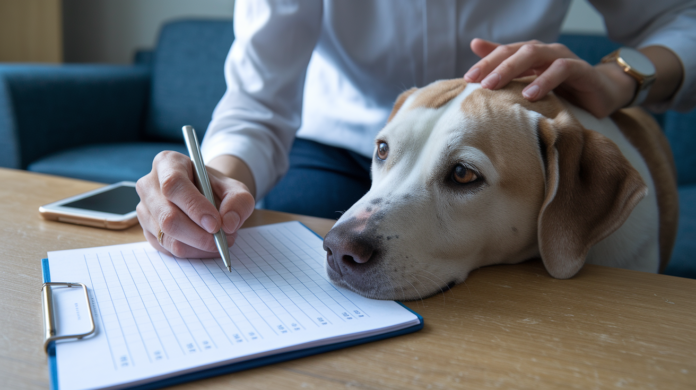

Think vet visits are the only way to spot problems early?
They’re not.
A two- to five-minute daily health check at home often finds small issues, like a limp, bad breath, or a weird lump, before they turn into big, costly problems.
The goal is simple. Build a baseline so changes stand out.
Tie the check to something you already do, after the morning walk or before bed, and you’ll do it more often.
Read on for easy, real-life signs to watch and what to do next.
Core Components of a Daily Pet Health Check Routine

A daily health check takes two to five minutes once you’ve got the hang of it. You’re not looking for perfection. You’re building a baseline, so when something’s off, it actually registers.
The point isn’t to stress yourself out. It’s to catch stuff early. Small injuries. Dental issues brewing. Weight creeping up. All of that gets worse when ignored, and you’d rather spot it on a Tuesday than discover it’s been a problem for three weeks.
The easiest way to make this stick? Tie it to something you already do. After the morning walk. Before dinner. Right before bed. Pick one, keep the order the same, stay calm. Your pet will get used to it. Finish with a treat or a good scratch, and they’ll tolerate it just fine.
Here’s what to check:
Eyes: Clear, no cloudiness, no thick or yellow gunk. No squinting or puffiness.
Ears: No redness, no smell, no head shaking. Should look clean and smell like nothing.
Nose: Watch for thick discharge, crusting, blood, or weird color shifts.
Gums: Lift the lip. Light pink, no swelling, breath that doesn’t knock you over.
Coat and skin: Run your hands over the whole body. Feel for lumps, fleas, ticks, scabs, bald spots.
Paws: Check pads for cracks or debris between the toes. Nails shouldn’t be clicking loud on the floor.
Gait: Watch how they move. Stiffness, limping, reluctance to get up? Write it down.
Behavior: Energy, appetite, weird habits like excessive licking or hiding.
A lump you catch on Monday can get checked Tuesday. A limp you notice early gets traced back to rough play instead of being mistaken for arthritis weeks later. The more you do this, the faster it goes. And the more confident you’ll feel about when to watch and when to call.
Daily Health Checks for Pet Vitals and What’s Considered Normal
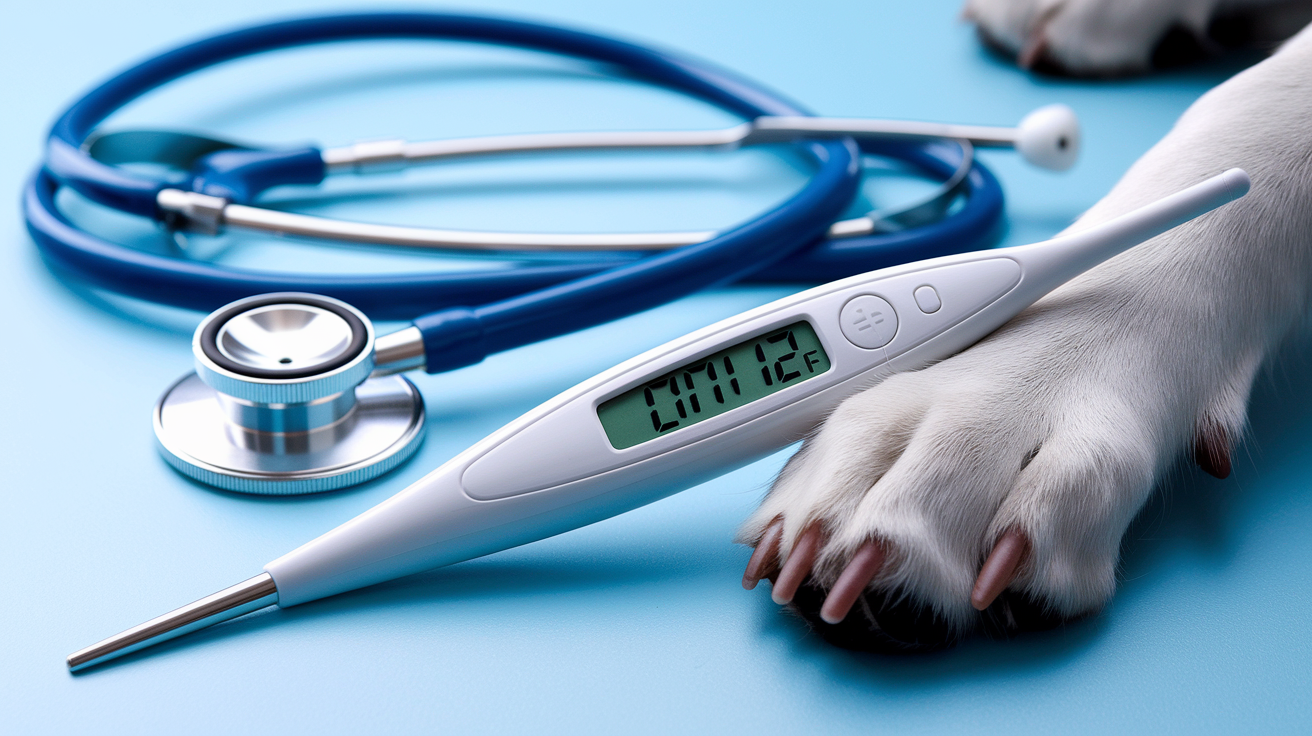
Vitals tell you how the core systems are running. You don’t need to check temperature, pulse, and breathing every single day. But knowing how keeps you ready when something feels wrong.
Once or twice a week builds familiarity. Bump it up if your pet’s recovering from something, very young, very old, or dealing with a known issue.
Dogs run around 101 to 102.5°F. Cats sit closer to 100.5 to 102.5°F. A rectal thermometer gives you the most reliable read. Use a digital pet thermometer, lube the tip with petroleum jelly, insert gently about one inch for dogs or half an inch for cats, wait for the beep. Done.
Pulse is easiest on the inside of the hind leg where the femoral artery runs. Count beats for 15 seconds, multiply by four. Dogs average 60 to 140 beats per minute depending on size. Smaller dogs run faster. Cats usually land around 140 to 220.
Breathing’s the simplest. Count chest rises while your pet’s resting. One full inhale and exhale equals one breath. Normal dogs breathe 10 to 35 times per minute. Cats do 20 to 30.
Here’s what to compare against normal:
Temperature too high (over 103°F): Possible fever, infection, heatstroke, or just overdid it on exercise.
Temperature too low (under 100°F): Could be hypothermia, shock, or something serious going on inside.
Pulse too fast or irregular: Maybe pain, stress, heart trouble, dehydration.
Breathing too fast at rest: Respiratory distress, pain, anxiety, heart problems.
Gums pale, blue, or brick red: Poor circulation, low oxygen, shock, overheating.
To take temperature safely, stay calm. Use a helper if you can. Hold your pet gently, lift the tail, insert the thermometer slowly, pull it as soon as it beeps. Wipe clean, note the number.
For pulse, press two fingers lightly on the femoral artery. Don’t press hard or you’ll block it. Count the steady throb.
Count breathing by watching the ribcage. If any vital falls outside normal or your pet’s showing other symptoms like lethargy, vomiting, trouble standing, contact your vet.
Daily Oral and Gum Checks for Pets
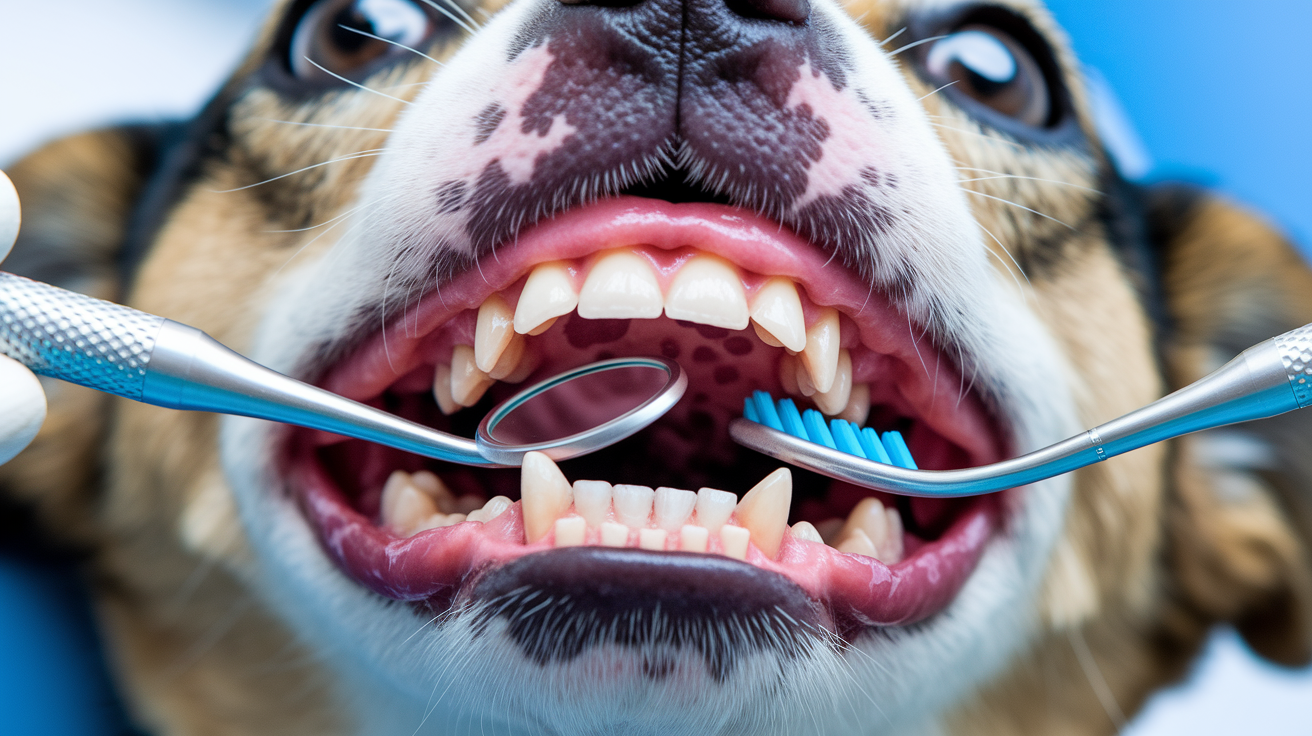
Gum color and mouth health reveal a lot. Healthy gums should be light pink, moist, smooth. No swelling, no bleeding.
Lift your pet’s lip gently. Press a finger against the gum. The spot turns white briefly, then goes back to pink within two seconds. That’s capillary refill time. It tells you blood’s flowing well. If the color takes longer than two seconds to return, it can mean poor circulation, dehydration, or shock.
Breath won’t smell minty fresh. But it shouldn’t smell rotten either. Really bad breath can point to dental disease, an oral infection, or even systemic stuff like diabetes or liver issues.
While you’re looking, scan the teeth for yellow or brown buildup along the gum line. Check for loose teeth, missing teeth, any sign your pet’s chewing on one side only. Plaque hardens into tartar fast, and tartar irritates gums. That leads to gingivitis and eventually tooth loss or infection that can spread elsewhere.
| Issue | What It May Indicate |
|---|---|
| Bad breath | Dental disease, oral infection, kidney disease, diabetes, or liver problems |
| Swollen or bleeding gums | Gingivitis, periodontal disease, or mouth injury |
| Loose or missing teeth | Advanced dental disease, trauma, or infection |
| Delayed capillary refill (over 2 seconds) | Dehydration, shock, poor circulation, or low blood pressure |
Daily brushing with pet toothpaste is the single best thing you can do to reduce plaque. Use a soft pet toothbrush or a finger brush. Go for 30 to 60 seconds. Start slow if your pet’s not used to it. Just lift the lip, touch the teeth with the brush, build up over a few days. Even 20 seconds beats nothing.
Dental chews and toys help. But they don’t replace brushing. If you spot swollen gums, heavy tartar, or breath that won’t quit, schedule a vet dental exam. Professional cleanings may be needed to stop serious disease.
Skin, Coat, and Parasite Detection in Daily Pet Checks
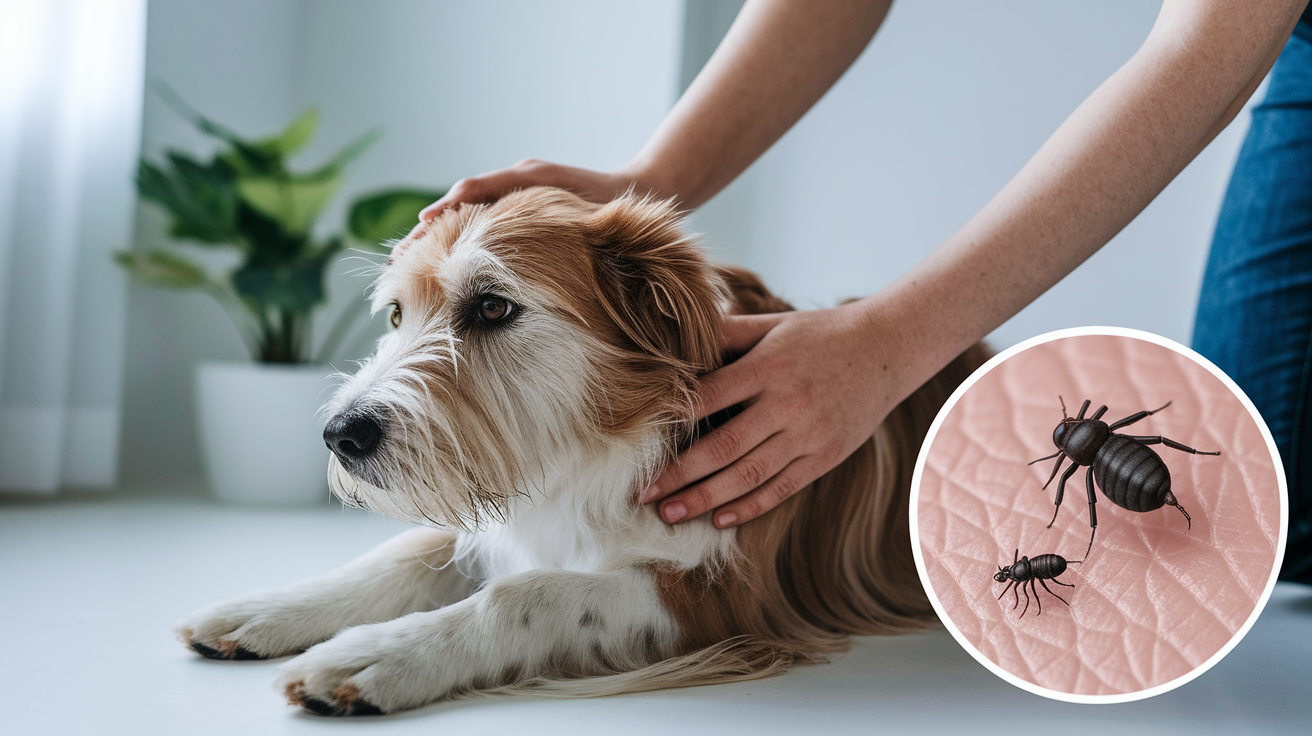
Your pet’s coat and skin are frontline indicators. A smooth, shiny coat with no irritation tells you nutrition, grooming, and parasite control are dialed in.
Run your hands slowly over your pet’s entire body every day. Head to tail, down each leg, across the belly, around the neck. You’re feeling for lumps, bumps, scabs, dry patches, or any spot that feels hot, swollen, or painful. Watch for bald patches, redness, flaking, or areas your pet licks, scratches, or bites obsessively.
Parasites hide in warm, protected spots. Check ears, armpits, groin, between the toes, under the tail. Fleas leave behind tiny black specks that look like dirt but turn red when wet. That’s flea waste.
If you spot a tick, remove it with fine tweezers. Grip close to the skin, pull straight out without twisting. Clean the bite and watch for signs of infection or illness over the next few weeks.
Regular brushing removes loose fur and prevents mats. But it also gives you a chance to spot parasites and skin changes early.
Common skin stuff to watch for:
Lumps or bumps: Could be benign cysts, warts, abscesses, or tumors. Any new or growing lump should get checked.
Hot spots: Red, moist, painful patches often from allergies, bites, or excessive licking.
Scabs or crusts: Can mean scratching, infections, parasites, or allergic reactions.
Bald patches: Could signal parasites, fungal infections, allergies, or stress grooming.
Excessive dryness or oiliness: Can point to nutritional gaps, hormonal imbalances, or skin disease.
Visible fleas, ticks, or flea dirt: Active infestation. Needs treatment.
Breed matters. Long haired breeds and double coated dogs need daily brushing to avoid mats and shedding chaos. Use a slicker brush for long or curly coats, a bristle brush for short, smooth ones. Cats with dense undercoats benefit from regular combing to cut down on hairballs.
If you notice sudden coat changes, dullness, or intense itching that doesn’t improve with brushing and flea control, talk to your vet. Skin and coat problems often reflect deeper stuff like allergies, thyroid disease, or diet gaps.
Paws, Nails, and Gait Observations During Daily Pet Health Checks

Paws take a beating. Especially if your pet walks on pavement, gravel, or rough terrain.
Check the pads for cracks, cuts, dryness, peeling. In winter, salt and ice melt chemicals irritate pads. In summer, hot asphalt burns them. Look between the toes for debris like grass seeds, burrs, or small stones. That stuff causes limping or infection. Trim any long hair between the paw pads if it collects mud or ice balls.
If your pet’s nails click loud on hard floors, they’re too long. Overgrown nails can split, curl into the pad, or force the toes into weird positions that strain joints over time.
Gait tells you how joints, muscles, and nerves are functioning. Watch your pet walk, trot, sit, stand. Healthy movement is smooth, balanced, confident.
Stiffness after rest, especially in the morning or after a nap, can be an early sign of arthritis. Limping, favoring one leg, reluctance to climb stairs or jump onto furniture, or a sudden drop in activity all deserve attention.
Sometimes a minor injury clears up with a day or two of rest. But persistent or worsening lameness needs vet evaluation.
Common mobility red flags:
Limping or favoring one leg during or after activity.
Stiffness when getting up from rest.
Reluctance to climb, jump, or play like usual.
Swelling around a joint or along a limb.
Yelping or pulling away when a specific area is touched.
Daily paw and gait checks catch small issues before they turn chronic. A cracked pad can be treated with a pet balm before it splits open. A tiny limp noticed early can be linked to a thorn or minor sprain instead of being mistaken for sudden arthritis weeks later.
If you see persistent lameness, swelling, or pain, or if your pet won’t put weight on a leg, contact your vet. Joint problems, torn ligaments, fractures, and nerve issues all benefit from early diagnosis and treatment.
Daily Monitoring of Eating, Drinking, and Elimination Patterns
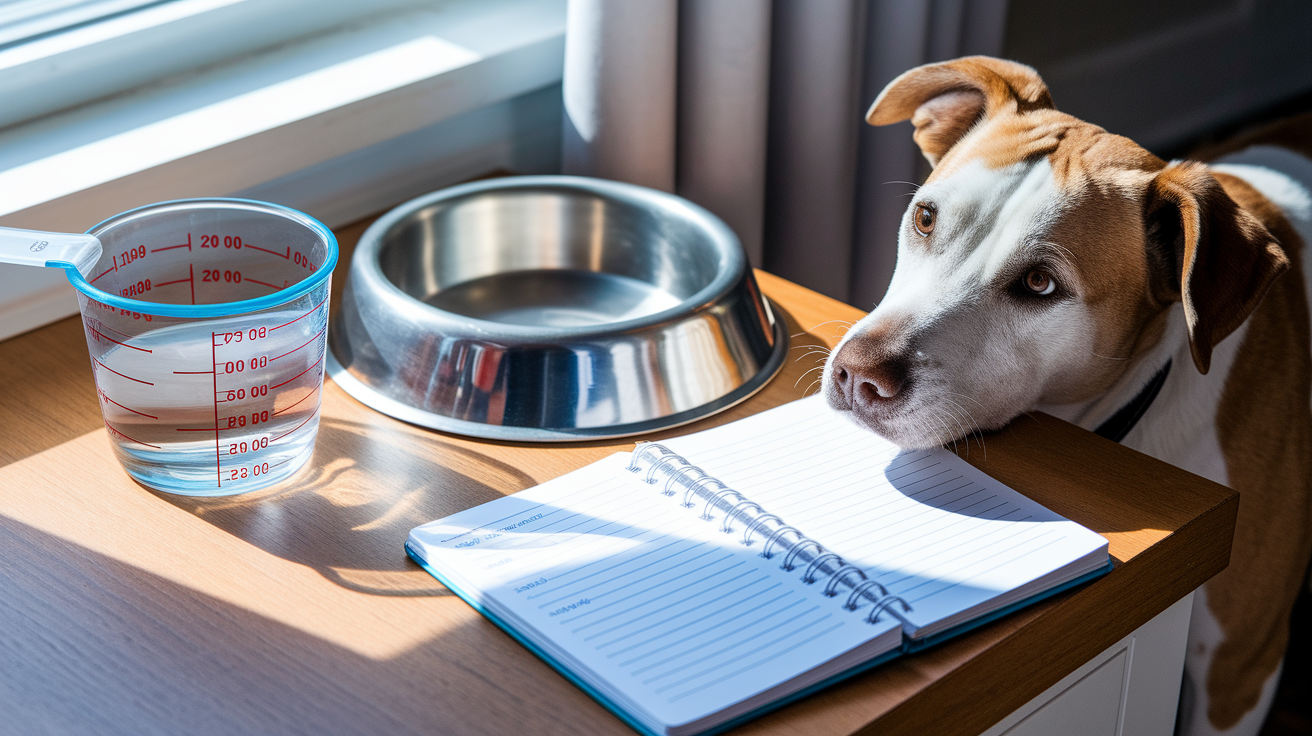
Appetite and thirst are core health indicators. Most adult dogs and cats do well with consistent meal times. Usually two meals a day spaced about 12 hours apart.
Measure portions precisely with a cup or kitchen scale to avoid overfeeding. If your pet skips a meal or eats noticeably less for more than 24 hours, pay attention. For puppies, kittens, small breeds, or pets with known health conditions, loss of appetite for even 12 hours can be serious.
On the flip side, sudden increased hunger or excessive thirst can signal diabetes, thyroid problems, or kidney disease.
Hydration is easy to check. Gums should be moist and slippery, not sticky or dry. Gently pinch the skin on the back of the neck and release. The skin should snap back immediately. If it stays tented or returns slowly, your pet may be dehydrated.
Make sure fresh water’s always available. Track how often the bowl needs refilling. A dog that suddenly starts drinking twice as much or a cat that camps out at the water dish needs a vet checkup.
Signs of abnormal elimination to watch for:
Vomiting more than once or lasting more than 24 hours. Especially concerning if it contains blood or looks like coffee grounds.
Diarrhea lasting more than 24 hours. Or any stool containing blood, mucus, or unusual color.
Straining to urinate or defecate. Can mean blockages, infections, or constipation.
Blood in urine or stool. Always requires vet evaluation.
Sudden increase in urination frequency or volume. May signal diabetes, kidney disease, or urinary infection.
Hard, dry stool or very soft, watery stool. Both indicate digestive issues.
Accidents in the house after being housetrained. Can point to urinary infection, incontinence, or behavioral stress.
Daily weight and shape awareness helps prevent obesity and catch sudden weight loss. You should be able to feel your pet’s ribs easily without pressing hard, but the ribs shouldn’t stick out. From above, look for a visible waistline behind the ribs. From the side, the belly should tuck up slightly, not sag or bulge.
Weigh your pet monthly on a home scale or at the vet clinic. Keep a simple log. Sudden weight changes, even just a pound or two, can indicate illness. Especially in smaller pets.
If you notice any persistent changes in eating, drinking, or elimination, contact your vet. These patterns often shift before other symptoms appear, making them valuable early warning signals.
Behavioral and Mental Alertness Clues in Daily Pet Health Checks
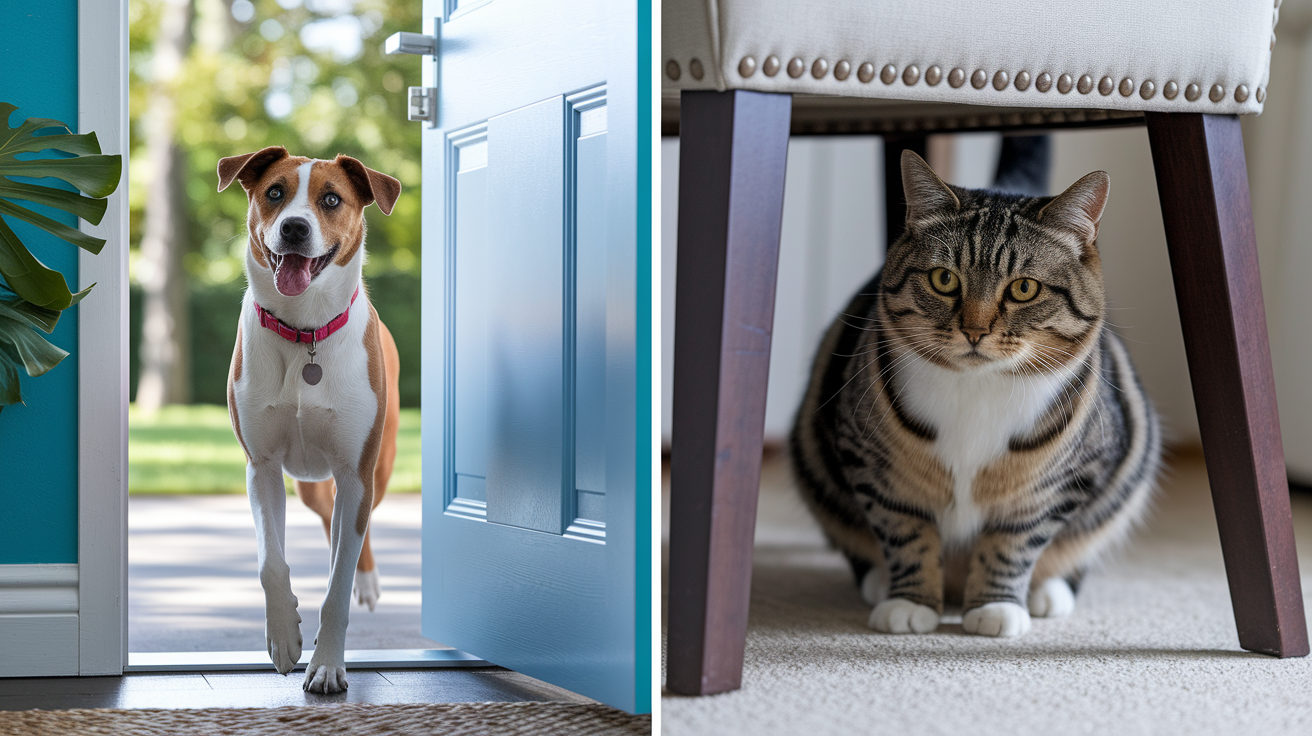
Behavior changes often show up before physical symptoms do.
A dog who suddenly stops greeting you at the door. A cat who hides under the bed all day. A pet who snaps when touched in a spot that never bothered them before. All of that’s a signal.
Pain, anxiety, illness, and cognitive decline all affect mood, energy, and social habits. Daily observation helps you catch these shifts early, when they’re easier to address.
Watch for withdrawal or decreased interest in play, food, or interaction. Pets in pain may become quieter, sleep more, or avoid activities they used to love. Some animals get irritable or aggressive when they’re uncomfortable.
Excessive licking of a specific spot, repetitive pacing, circling, or staring at walls can indicate pain, neurological problems, or anxiety. Changes in sleep patterns, like restlessness at night or sleeping way more during the day, also deserve attention.
Red flag behavioral patterns:
Sudden aggression or snapping, especially when touched.
Hiding, withdrawing, or avoiding family members.
Excessive licking, chewing, or scratching in one area.
Pacing, circling, or other repetitive behaviors.
Notable drop in energy, playfulness, or responsiveness.
Small shifts like moving more slowly, hesitating before jumping, or eating a bit less can be easy to miss if you’re not paying attention daily. But when you run through the same mental checklist every day, these changes stand out.
If you notice a behavior change that lasts more than a day or two, or if it’s paired with other symptoms like limping, vomiting, or changes in eating, contact your vet. Behavioral clues are often your pet’s first way of telling you something’s wrong.
When Pet Daily Health Checks Reveal Concerning Signs

Not every change requires an emergency vet visit. But some symptoms need immediate attention.
Difficulty breathing, blue or pale gums, collapse, seizures, uncontrollable bleeding, or inability to stand are all urgent emergencies. Call your vet or an emergency clinic right away. If possible, have someone drive while you monitor your pet. These situations can escalate quickly. Early intervention saves lives.
Other symptoms follow a 24 hour rule. Vomiting or diarrhea that lasts more than a day, loss of appetite for more than 24 hours in an adult pet, or any blood in urine or stool all warrant a same day or next day vet appointment.
Puppies, kittens, small breeds, and senior pets have less reserve. Don’t wait the full 24 hours if they seem lethargic, weak, or in pain.
Specific red flag symptoms that require vet care:
Difficulty breathing. Labored, noisy, or rapid breathing at rest.
Blue, pale, white, or brick red gums. Indicates poor oxygen, shock, or overheating.
Collapse or inability to stand. Suggests severe illness, trauma, or neurological event.
Seizure activity. Convulsions, paddling, loss of consciousness, or uncontrolled shaking.
Severe lameness or refusal to put weight on a leg. Possible fracture, torn ligament, or severe sprain.
Vomiting or diarrhea lasting more than 24 hours. Or any vomit or stool containing blood.
Thick, yellow, or green eye discharge. Can signal infection or corneal injury.
Sudden blindness or eye injury. Requires urgent evaluation to preserve vision.
Heatstroke signs. Heavy panting, drooling, vomiting, weakness, collapse, or temperature above 104°F.
Choking or airway obstruction. Gagging, pawing at the mouth, blue gums, or inability to breathe.
Timeline based decisions help you stay calm and act appropriately. A single episode of vomiting after eating too fast may not be urgent. But repeated vomiting over hours is.
A mild limp that improves with rest may resolve on its own. But a leg that’s swollen, painful, or not bearing weight needs same day attention.
Allergic reactions, like sudden facial swelling, hives, or difficulty breathing, require immediate care. Hypothermia, with body temperature below 100°F, shivering, weakness, and cold extremities, also needs urgent warming and vet support.
Trust your instinct. If something feels wrong, it’s always safer to call and ask than to wait and hope it passes.
Tools and Logs That Support Daily Pet Health Checks
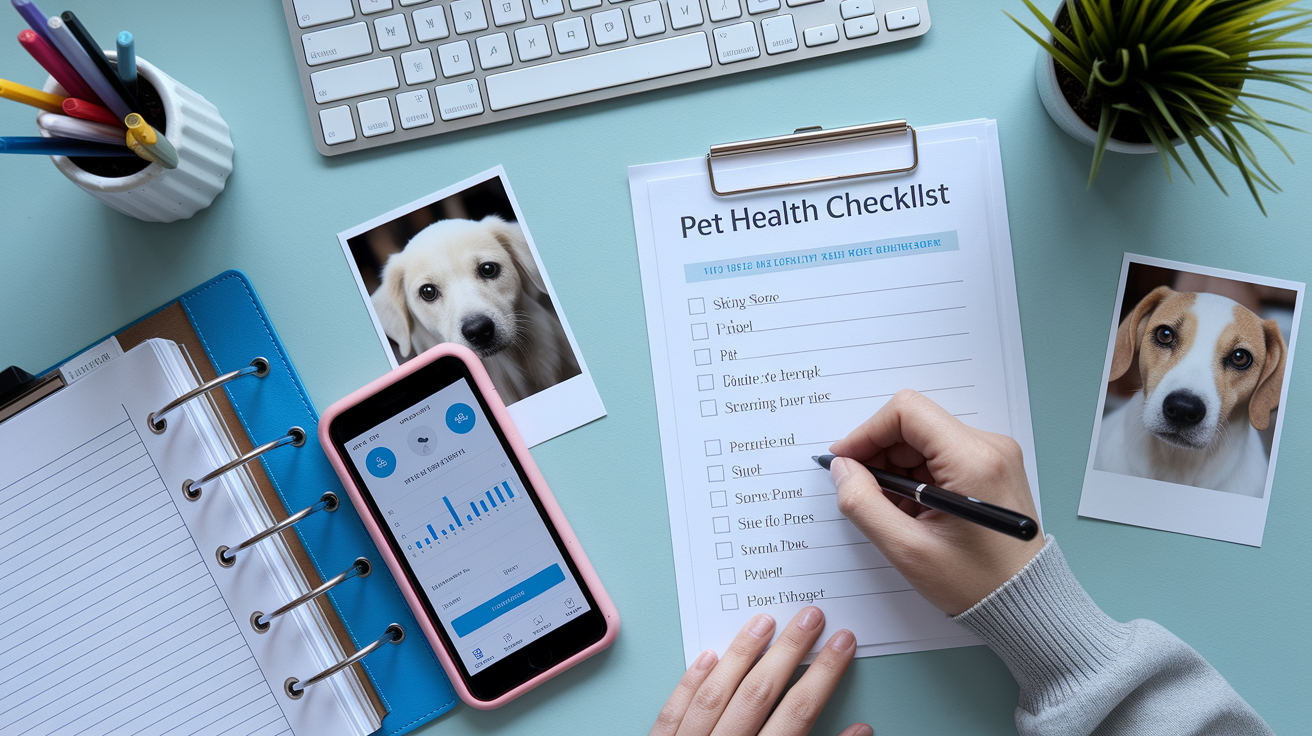
A simple daily log helps you track patterns you might otherwise forget.
Write down or use an app to record feeding times, portion size in cups or grams, bowel movement quality, water intake, walk or play duration, any grooming tasks completed, medications given, and any abnormal signs you noticed.
When you bring this log to the vet, you give them a clear timeline instead of vague guesses. Patterns become obvious. A gradual increase in water intake over two weeks. A slow decrease in appetite. Intermittent limping that happens every few days.
Photo documentation is especially useful for skin issues, lumps, eye discharge, or gum color. Take a clear, well lit photo of anything that looks unusual, then compare it over the next few days. A lump that doubles in size in 48 hours looks very different in photos than it does in memory.
If your pet develops a rash, swelling, or wound, a dated photo series helps your vet assess progression even if you can’t get in right away.
Recommended tracking categories:
Date and time of each meal, with portion size measured.
Quality and frequency of bowel movements. Firm, soft, loose, blood present.
Approximate water intake. Refills per day or measured volume.
Exercise and activity duration. Walk time, play sessions, energy level.
Apps designed for pet health tracking can send reminders, store photos, and generate reports you can share with your vet. Printable checklists work just as well if you prefer paper.
The key is consistency. Pick a format that fits your routine and stick with it. Even a simple notebook with dated entries is enough. When health changes happen gradually, written records catch what memory misses.
Final Words
Start each check with a quick full-body scan: eyes, ears, gums, coat, paws, movement, appetite, and bathroom habits. These steps keep small problems from growing and fit into walks or bedtime.
You also learned how to spot normal vitals (temperature, pulse, breathing), what oral and skin issues look like, and which behavior changes signal trouble. Keep a simple log and photos so patterns stand out.
Keeping to daily health checks for pets takes minutes but makes a big difference, and you’ll spot issues earlier and make better choices about care. Small, steady habits help pets stay happier and healthier.
FAQ
Q: How much does a pet wellness exam or healthy pet check cost?
A: The cost of a pet wellness exam or healthy pet check typically ranges $45–$75 for a basic visit, and $75–$150+ if vaccines, bloodwork, or extra tests are added; location and clinic type affect price.
Q: How do dogs say goodbye?
A: Dogs say goodbye with body language like tail wags, a soft nudge or lick, focused eye contact, leaning in, following you to the door, or settling into a calmer, content posture.
Q: What is a silent killer in dogs?
A: A silent killer in dogs is a condition that progresses with few signs—common examples are dental disease, kidney failure, heart disease, heartworm, or some cancers; routine checks and tests help catch them earlier.