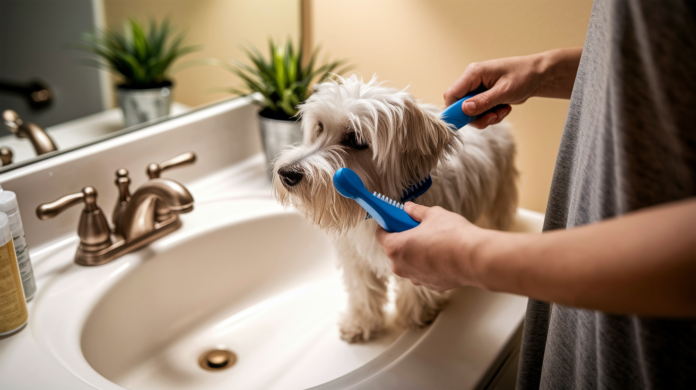

Want a cleaner, calmer pet without spending hours every week?
Small, steady hygiene steps like quick paw wipes after walks, a short weekly brush, brief ear and eye checks, and regular nail trims stop many common problems before they start.
This post lays out a simple, realistic routine you can do in minutes that keeps skin, coat, teeth, ears, and paws healthier and makes vet visits less stressful.
Start small, build habits, and notice what’s normal so you catch issues early.
Core Daily and Weekly Hygiene Practices for Pets
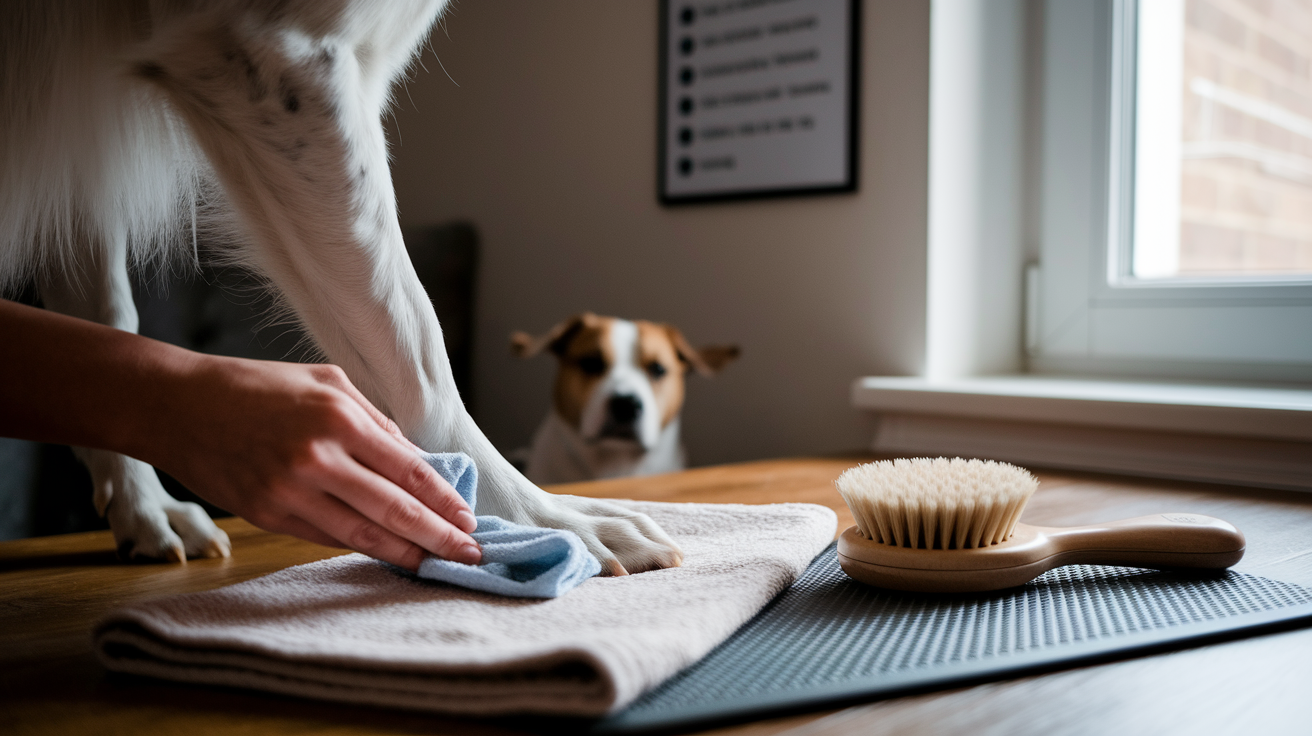
Simple, steady hygiene habits keep pets comfortable and healthier. Daily paw wipes after outdoor time remove dirt, allergens, and street grime before they’re tracked into bedding or licked off. Weekly brushing sessions lift dead hair, distribute natural oils, and give you a few minutes to check skin, lumps, or anything that feels off. Quick checks for eye crust, ear smell, or nail length take less than a minute and catch small problems before they grow.
Routine care prevents the buildup that leads to infections, matting, bad breath, and irritated skin. A coat that gets brushed stays cleaner between baths. Ears that get wiped weekly are less likely to trap moisture and turn into a vet visit. Nails trimmed on schedule don’t overgrow and change how your pet walks. Consistency means you notice what normal looks like. Changes in smell, texture, or behavior stand out right away.
The emotional side matters just as much. Pets who grow up with gentle, regular grooming tolerate handling better and stay calmer during vet exams or emergencies. A hygiene routine becomes a predictable rhythm, not a stressful scramble. Start small, be patient, and layer in new tasks as your pet adjusts. The goal is a short, repeatable practice that fits into your week without feeling overwhelming.
Bathing Fundamentals
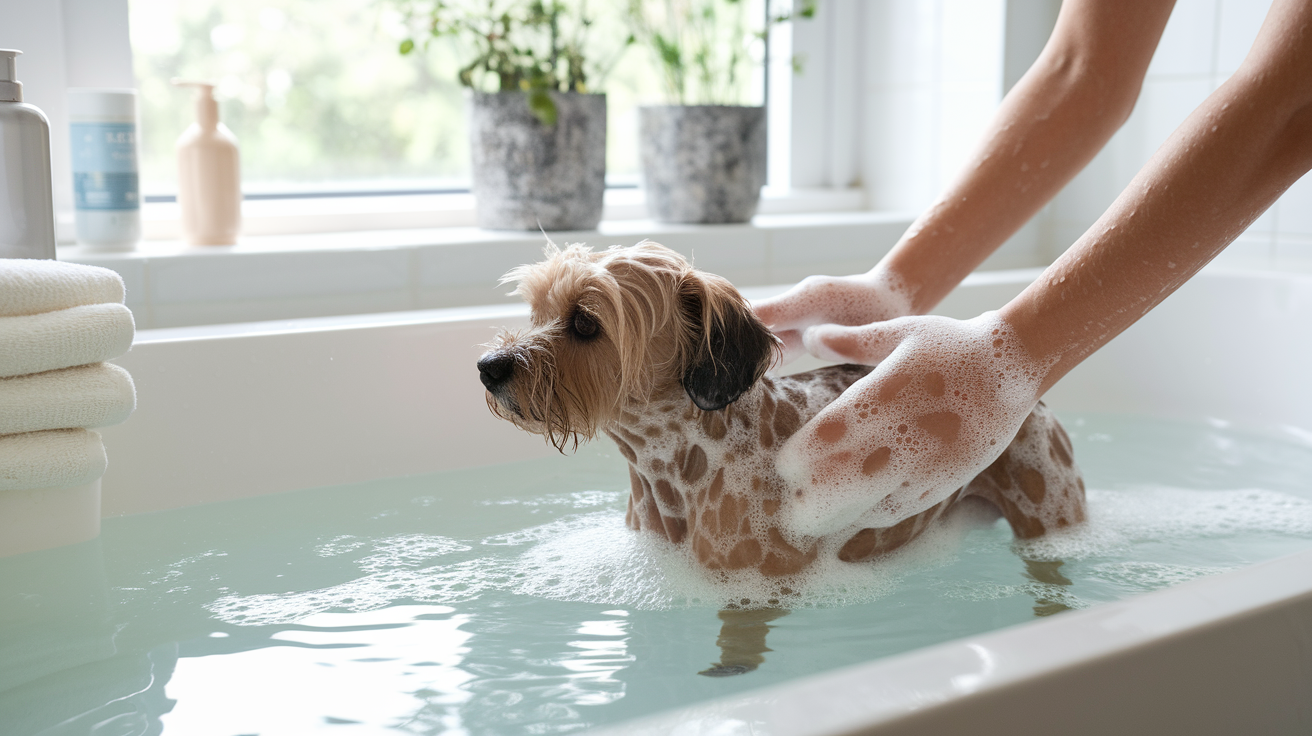
How often you bathe your pet depends on coat type, activity level, and skin sensitivity. The baseline for most dogs is at least every three months, but outdoor dogs, swimmers, and breeds prone to oily coats may need baths every few weeks. Cats rarely need full baths since they groom themselves. Exceptions include older cats who can’t reach certain spots, medical conditions, or accidental messes. Small animals like rabbits and guinea pigs shouldn’t be bathed unless absolutely necessary because water stress and temperature changes can be dangerous.
Use lukewarm water and a pet-specific shampoo formulated for sensitive skin. Human products can strip natural oils and cause dryness or irritation. Wet the coat thoroughly, apply a small amount of shampoo, work it gently into a lather, and rinse completely. Leftover soap residue can cause itching and flaking. For long-haired pets, brush before the bath to remove tangles, then brush again while drying to prevent new mats from forming.
Bathing too frequently can dry out skin and damage the coat’s protective barrier. If your pet needs more than weekly washing, talk to your vet. Medicated shampoos, leave-on conditioners, or adjustments to diet and environment may solve the underlying issue without over-bathing.
Coat Brushing and Shedding Management
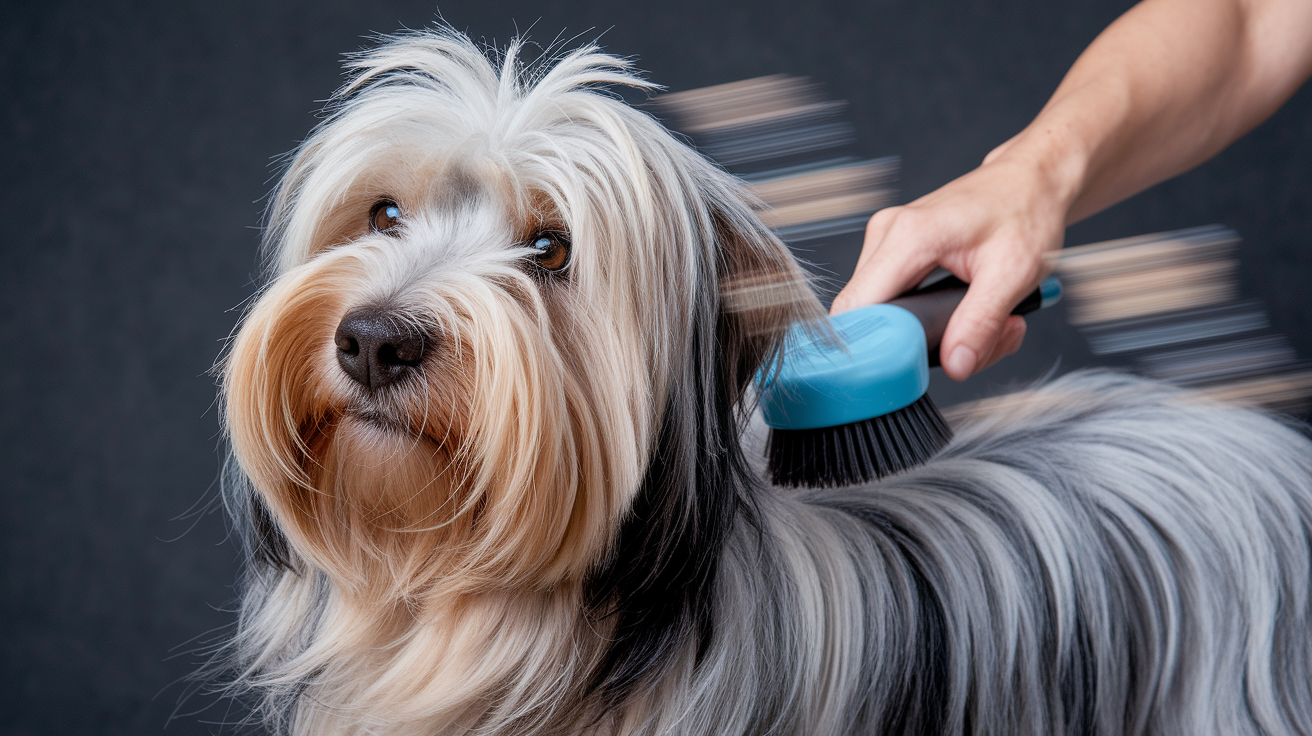
Regular brushing keeps coats healthy and reduces the fur that ends up on your furniture, in your car, and stuck to every piece of clothing you own. It removes loose hair and dead skin before it sheds naturally. Distributes natural oils for a shinier, healthier coat. Prevents matting and tangles, especially in long-haired breeds. Stimulates circulation and supports skin health. Gives you a chance to check for fleas, ticks, lumps, rashes, or hot spots.
Short-haired pets typically need brushing at least once a week. Long-haired and double-coated breeds benefit from two to three sessions weekly, and daily brushing during heavy shedding seasons in spring and fall. Use a slicker brush for general maintenance, an undercoat rake for thick or double coats, and a dematting tool for pets prone to tangles.
Brush in the direction of hair growth with gentle, even strokes. If you hit a mat, work it apart slowly with your fingers or a dematting comb. Never yank or pull. Severe mats that sit tight against the skin may need professional grooming or careful clipping. Consistent brushing prevents most tangles and makes grooming faster and less stressful for everyone involved.
Nail Trimming Essentials
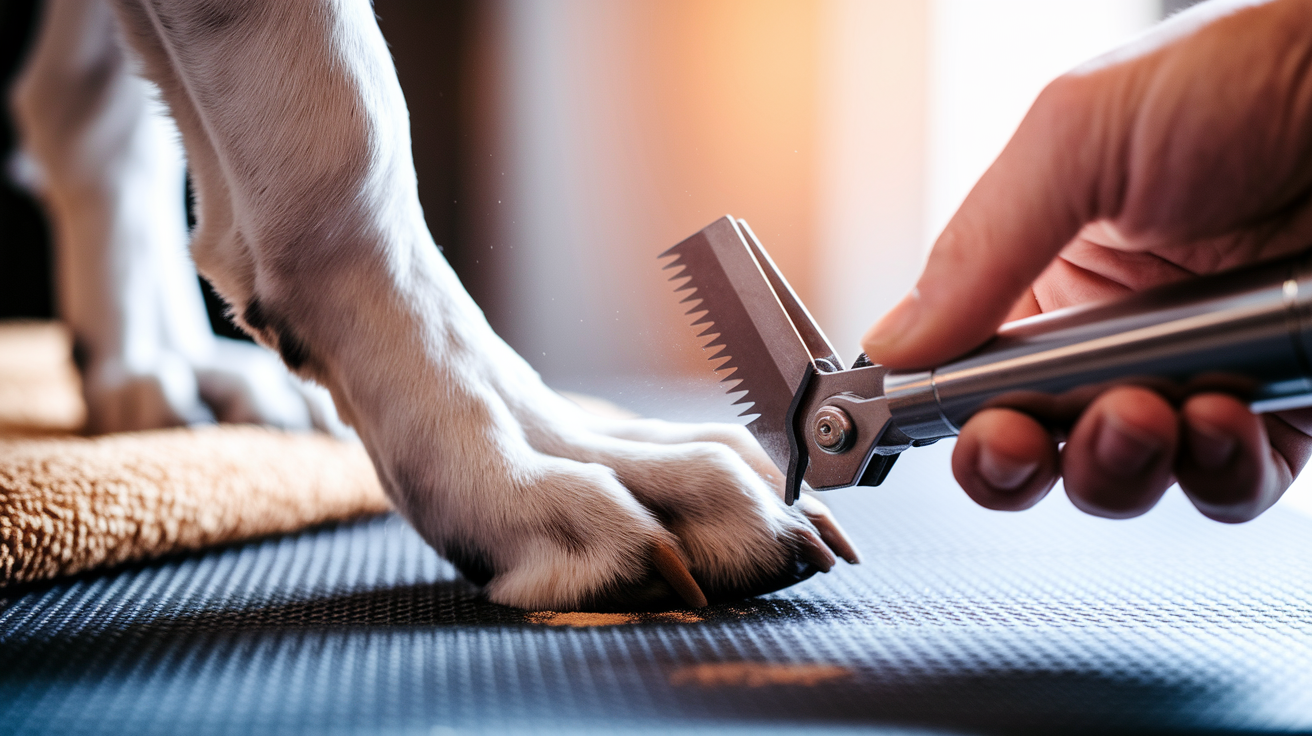
Nails that grow too long force pets to shift their weight awkwardly, which strains joints and changes posture over time. You’ll hear clicking on hard floors when nails need a trim. Most dogs need trims every three to four weeks depending on how much they walk on pavement, which naturally wears nails down. Indoor cats and small pets also need regular checks since they don’t have the same natural wear.
Use guillotine-style or scissor-style nail clippers for dogs and cats, or a nail grinder if your pet tolerates the vibration and sound. Trim small amounts at a time to avoid cutting into the quick, the pink blood vessel inside the nail. In light-colored nails, you can see the quick. In dark nails, stop before you reach the solid center and trim conservatively. Keep styptic powder on hand to stop bleeding if you nick the quick.
If trimming feels risky or your pet won’t tolerate it, many vet clinics and groomers offer quick nail-trim appointments for a small fee. Some communities have mobile nail-trim services that come to your home. Gradual desensitization, handling paws gently during non-trimming moments, and pairing the process with treats can help anxious pets adjust over time.
Ear Cleaning Basics
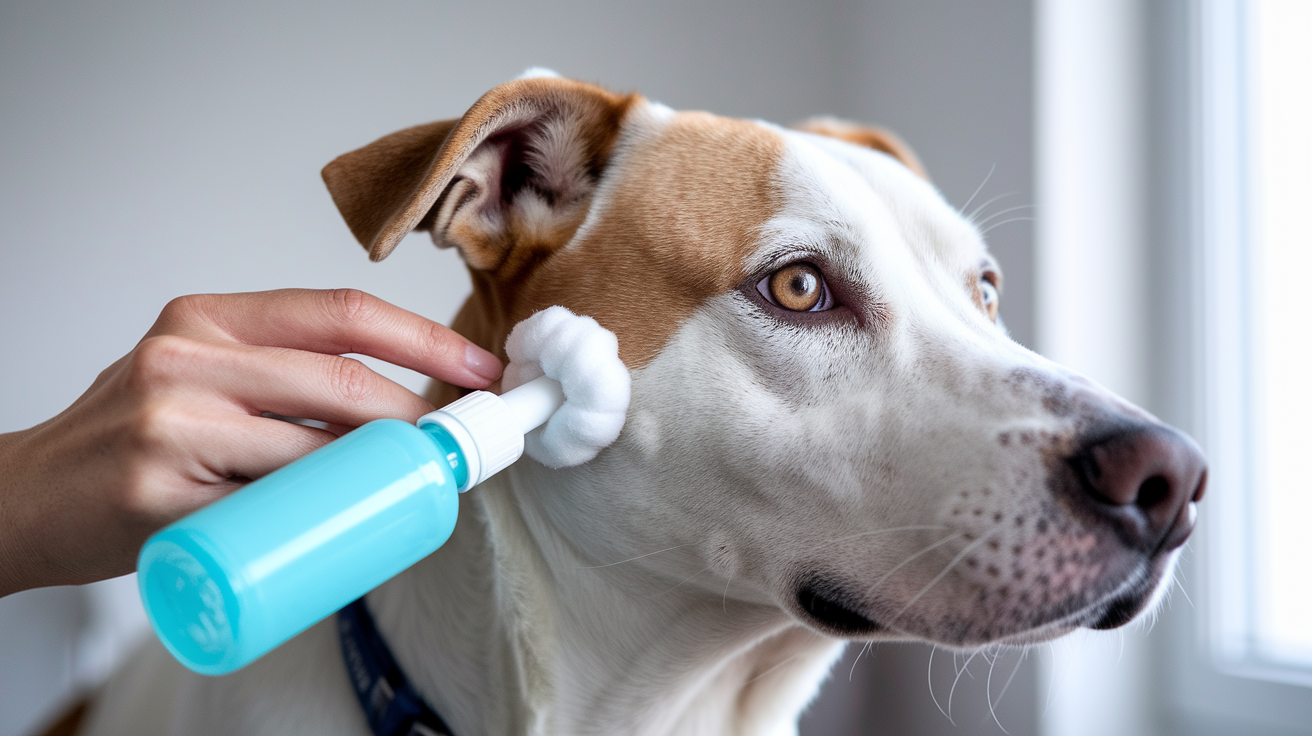
Ears trap moisture, wax, dirt, and debris, especially in floppy-eared breeds and dogs who swim. Regular checks and gentle cleaning reduce the risk of painful infections that can turn chronic if ignored. Use a vet-approved ear cleaner and a cotton ball or soft cloth. Never insert anything deep into the ear canal.
Watch for these common signs that ears need attention or veterinary care. Persistent scratching or pawing at the ears. Head shaking or tilting to one side. Redness, swelling, or a bad smell. Thick discharge or visible debris.
Apply a few drops of ear cleaner to a cotton ball, gently wipe the outer ear and the visible part of the canal, then let your pet shake their head to help loosen debris. For water-loving dogs, use an ear-drying solution after baths or swimming to prevent trapped moisture. If you see heavy buildup, blood, or your pet shows pain when you touch their ears, skip home cleaning and call your vet.
Dental Care for Pets
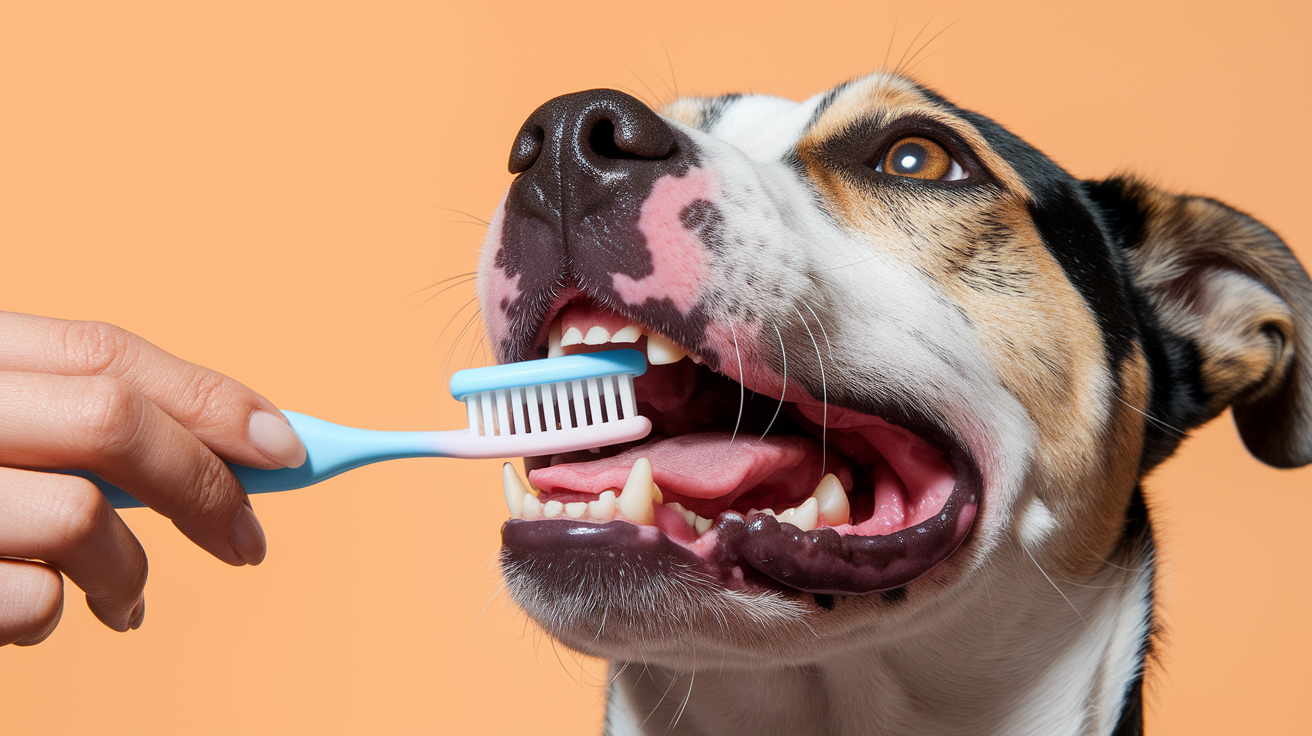
Dental disease affects about 80 percent of dogs by age three, and it’s not just about bad breath. Plaque hardens into tartar within days, and bacteria from infected gums can enter the bloodstream and stress the heart, liver, and kidneys. At-home brushing a few times a week slows plaque buildup and supports long-term oral health.
Use a pet-safe toothpaste. Never human toothpaste, which contains ingredients that are toxic to animals. Start by letting your pet taste the paste, then gently lift their lip and brush a few teeth at a time using a soft pet toothbrush or finger brush. Focus on the outer surfaces where plaque builds up most. If brushing isn’t realistic, dental wipes and water additives offer some benefit, though they’re not as effective as brushing.
Supplement brushing with dental chews designed to reduce tartar, and feed a high-quality diet that supports oral health. Even with consistent home care, most pets need professional dental cleanings under anesthesia at some point. Your vet will recommend a schedule based on your pet’s breed, age, and current dental condition. Red flags like loose teeth, bleeding gums, or severe bad breath need prompt attention.
Eye Maintenance and Tear Stain Care
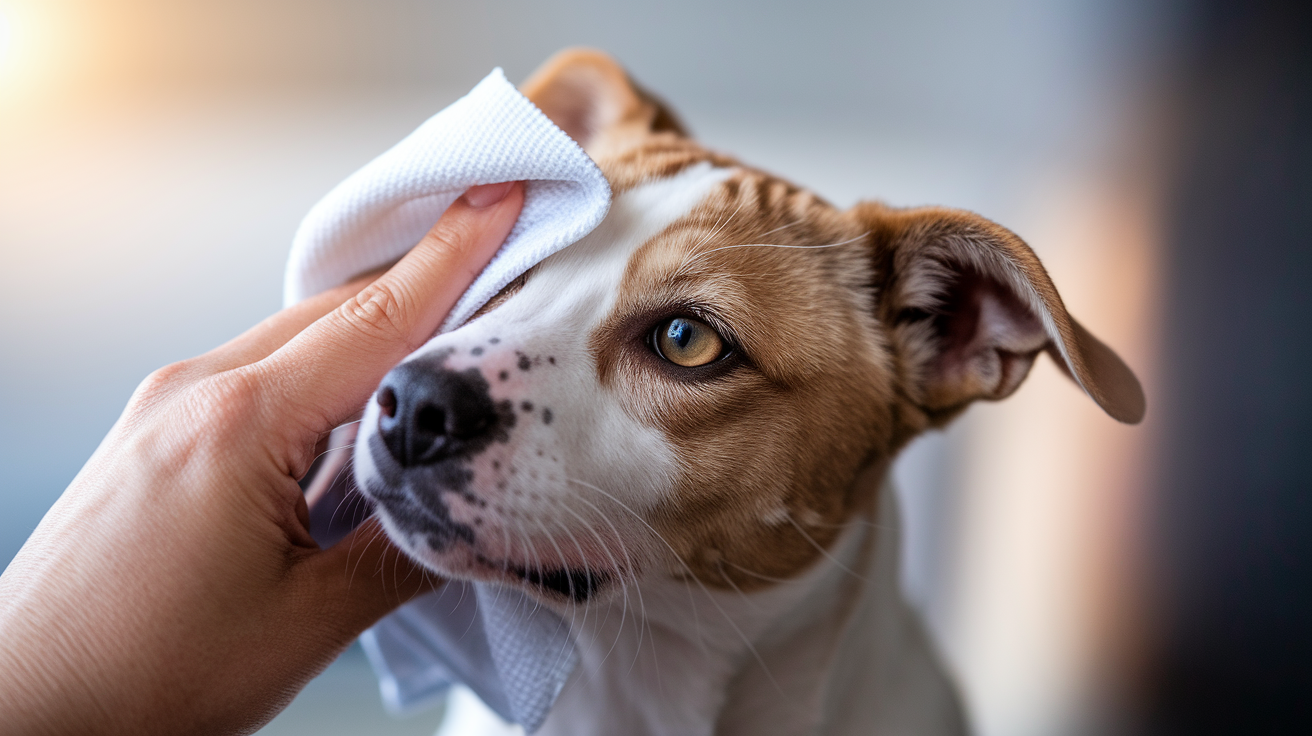
Eyes should be bright and clear without excessive tearing, crust, or redness. Some breeds, especially flat-faced dogs and cats, are prone to tear staining. Those rust-colored streaks under the eyes are caused by pigments in tears. Daily wiping with a damp, soft cloth or pet-safe eye wipe keeps the area clean and reduces staining over time.
Gently wipe from the inner corner of the eye outward, using a fresh section of cloth for each eye to avoid spreading bacteria. If discharge is thick, green, yellow, or accompanied by redness, cloudiness, squinting, or pawing at the face, call your vet. Persistent tearing or sudden changes in eye appearance can signal infections, blocked tear ducts, allergies, or more serious conditions that need medical care.
Tools and Products for Hygienic Care
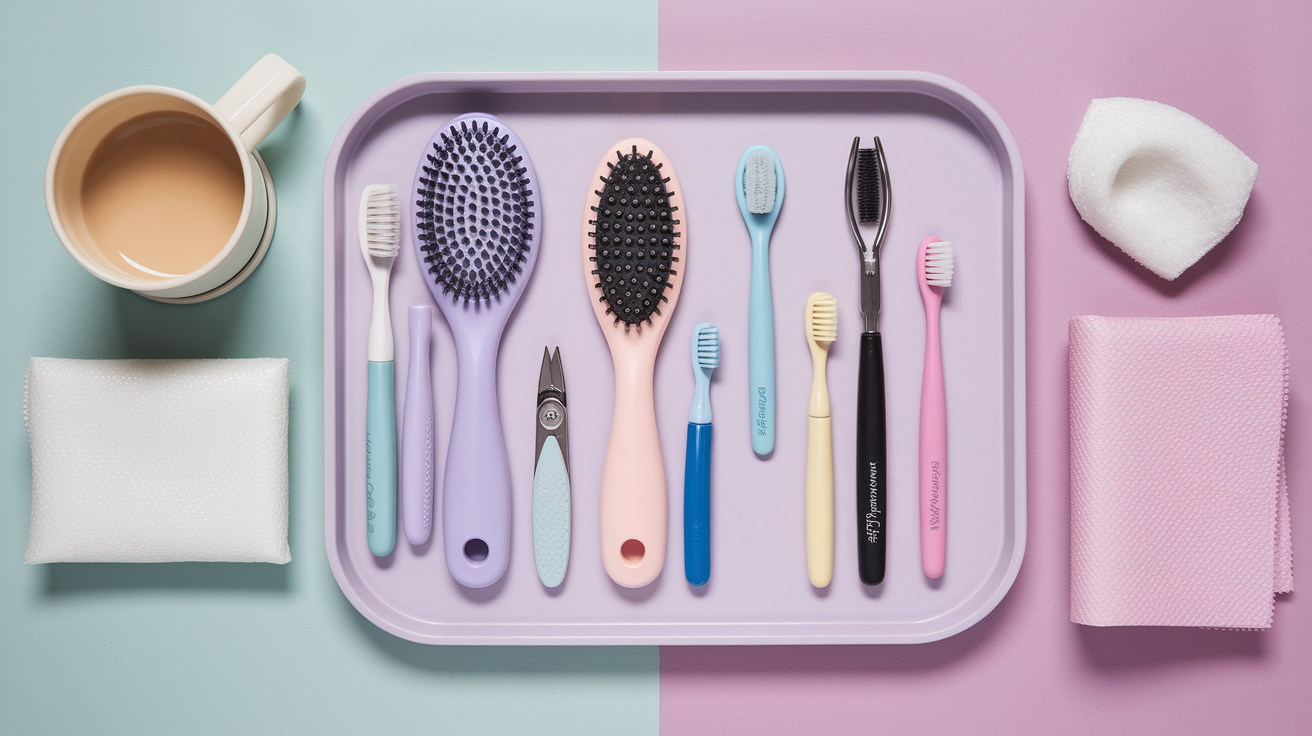
Having the right tools makes grooming safer, faster, and less stressful for both you and your pet. Quality products last longer and reduce the risk of cuts, skin irritation, or incomplete cleaning.
Essential tool categories to keep on hand: brushes and combs suited to your pet’s coat type (slicker, pin, undercoat rake, dematting tool), pet-specific shampoo formulated for sensitive skin or medical needs, nail clippers or grinder plus styptic powder for bleeding control, ear-cleaning solution and cotton balls or soft wipes, pet-safe toothbrush and enzymatic toothpaste, and paw wipes or a soft cloth for daily cleaning between toes.
Look for ergonomic handles, rounded edges, and non-slip grips when choosing clippers or brushes. Avoid products with strong fragrances, harsh chemicals, or ingredients not labeled safe for your species. Read reviews from other pet owners, and ask your vet or groomer for product recommendations tailored to your pet’s size, coat, and any health sensitivities. Cheap tools can break mid-use or cause injury, so invest in a few high-quality basics rather than a drawer full of items you’ll replace every few months.
Species-Specific Hygiene Considerations
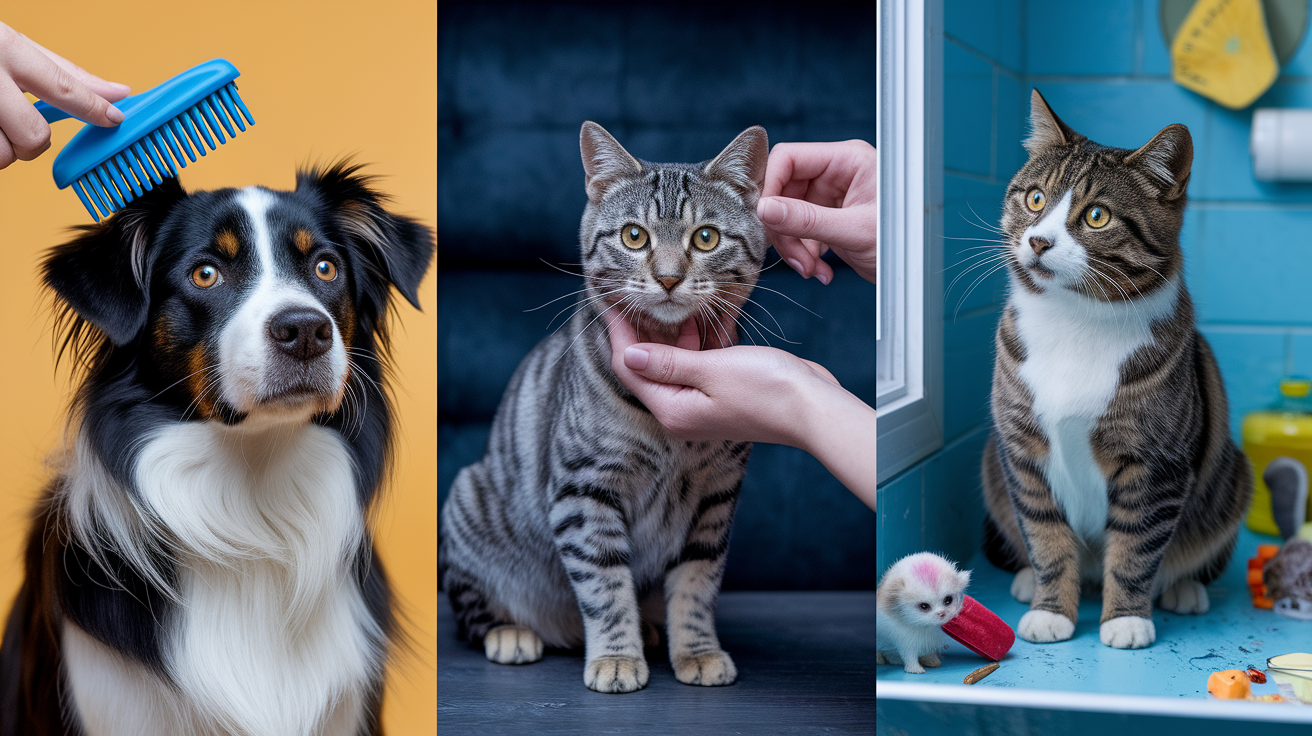
Dogs rely heavily on their owners for hygiene. They need regular baths, brushing, nail trims, ear checks, and dental care. Outdoor dogs or those with thick, water-resistant coats may need more frequent grooming. Breeds with floppy ears or skin folds require extra attention to prevent moisture buildup and infections. Active dogs wear down their nails naturally, but less-active or senior dogs need consistent trimming.
Cats are self-groomers, but they still benefit from weekly brushing to reduce hairballs and shedding. Long-haired cats and seniors who can’t reach all areas need more frequent help. Most cats don’t need baths unless they have a medical issue, get into something sticky or toxic, or can’t groom themselves. Check ears, eyes, and teeth regularly, and trim nails every few weeks since indoor cats don’t naturally wear them down.
Small pets like rabbits, guinea pigs, hamsters, and birds have different needs centered around habitat cleanliness. Clean cages, bedding, and litter areas weekly to prevent respiratory issues and skin infections. Trim nails as needed, check teeth for overgrowth (common in rodents), and monitor for mites or parasites. Bathing is rarely safe for small animals. Spot cleaning and proper enclosure hygiene are more important.
| Species | Key Hygiene Focus Areas |
|---|---|
| Dogs | Bathing, brushing, nail trims, ear cleaning, dental care, paw checks |
| Cats | Brushing, nail trims, eye/ear monitoring, dental checks, litter hygiene |
| Small Pets | Cage cleaning, nail trims, tooth monitoring, parasite checks, no bathing |
Step-by-Step Home Grooming Instructions
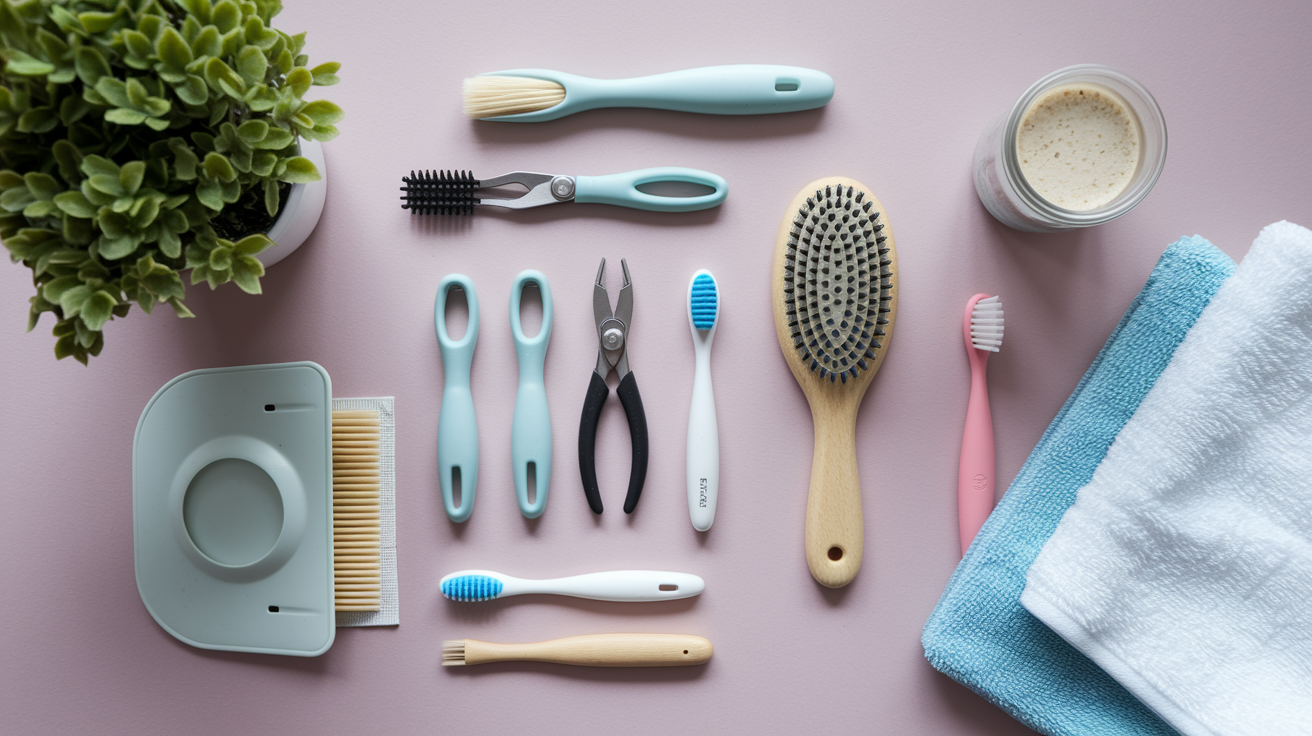
Gather all tools before you start: brush, nail clippers, ear cleaner, toothbrush, towels, treats, and a non-slip mat if bathing. Brush your pet’s coat thoroughly to remove loose hair, dirt, and tangles, especially before a bath to prevent matting. Check ears for redness, odor, or debris and gently wipe visible areas with a cotton ball dampened with ear cleaner. Inspect eyes and wipe away crust or discharge with a damp cloth, using a fresh section for each eye.
Trim nails carefully, removing small amounts at a time to avoid the quick, and have styptic powder ready in case of bleeding. Brush teeth using pet-safe toothpaste and a soft brush, starting with a few teeth and building tolerance over time. If bathing, use lukewarm water, apply a small amount of pet shampoo, lather gently, rinse completely, and towel dry. Finish by checking paws, wiping between toes, and inspecting pads for cracks, cuts, or foreign objects.
Scheduling and Tracking a Hygiene Routine
A custom hygiene schedule prevents lapses and helps you notice when something changes. Start by listing tasks your pet needs daily, weekly, monthly, and quarterly. Daily might include paw wipes and a quick coat check. Weekly could be brushing and ear inspection. Monthly tasks often include nail trims, dental care, and a full-body skin check. Quarterly or as-needed items include baths and professional grooming.
Use a simple checklist, phone reminder, or calendar to track what you’ve done and when. Note anything unusual. Changes in coat texture, new lumps, bad breath, limping, or behavior shifts. Patterns show up faster when you write things down. Adjust your routine as your pet ages, changes activity levels, or develops health issues. Senior pets and those with medical conditions may need more frequent care, while healthy indoor pets might need less.
Signs of Potential Health Problems
Hygiene routines give you regular chances to catch problems early. Small changes in smell, appearance, or behavior can point to infections, allergies, parasites, or systemic disease that needs veterinary attention.
Watch for these warning signs during grooming. Persistent bad breath, loose teeth, bleeding gums, or visible tartar buildup. Red, swollen, or smelly ears, or frequent head shaking and scratching. Lumps, bumps, rashes, hot spots, or areas of hair loss. Cracked, blistered, or bleeding paw pads, or limping after nail trims. Thick or discolored eye discharge, cloudiness, or squinting. Sudden changes in energy, appetite, thirst, or bathroom habits.
If you see any of these signs, don’t wait. Call your vet and describe what you’ve noticed. Early treatment is almost always easier, less expensive, and more successful than waiting until a minor issue becomes a serious problem.
Final Words
Start with a quick daily check: wipe paws, brush the coat, glance at ears and eyes, and keep up weekly baths and nail trims. These simple steps cut odors, prevent infections, and keep your pet comfy.
Use the right tools, tailor care to dogs, cats, or small pets, and follow the step-by-step grooming and schedule tips here. Track changes and watch for the warning signs we listed so you can act early.
Make these pet hygiene routine basics part of your week and keeping your pet healthy gets easier. Small habits add up, and you’ll notice the difference.
FAQ
Q: What is the 3-3-3 rule for pets?
A: The 3-3-3 rule for pets describes adjustment phases after bringing a new pet home: 3 days to settle, 3 weeks to form routines, and about 3 months to fully bond and feel secure.
Q: What is the 7 7 7 rule for dogs and what is the 10-10-10 rule for dogs?
A: The 7-7-7 and 10-10-10 rules are informal dog care guides; 7-7-7 often means short, consistent training or exposure blocks, while 10-10-10 commonly balances exercise, training, and rest—adjust for your dog.
Q: What are the 7 basic needs of a dog?
A: The seven basic needs of a dog are fresh water, complete food, secure shelter, regular exercise, mental stimulation, routine veterinary care, and steady companionship with basic training.