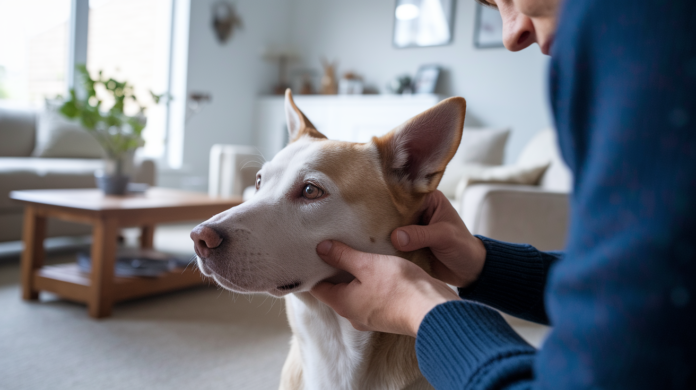

Think a little ear-scratching is no big deal? Not always. Constant head shaking, pawing at one ear, a sour or musty smell, or brown, yellow, or bloody discharge often point to an ear infection—and catching it early keeps your dog comfortable and stops the problem from getting worse. In this post I’ll show the clear signs to watch for, explain what different smells and colors likely mean, and give simple next steps so you know when to try home care and when to call your vet.
Clear Early Indicators of Dog Ear Infection Symptoms
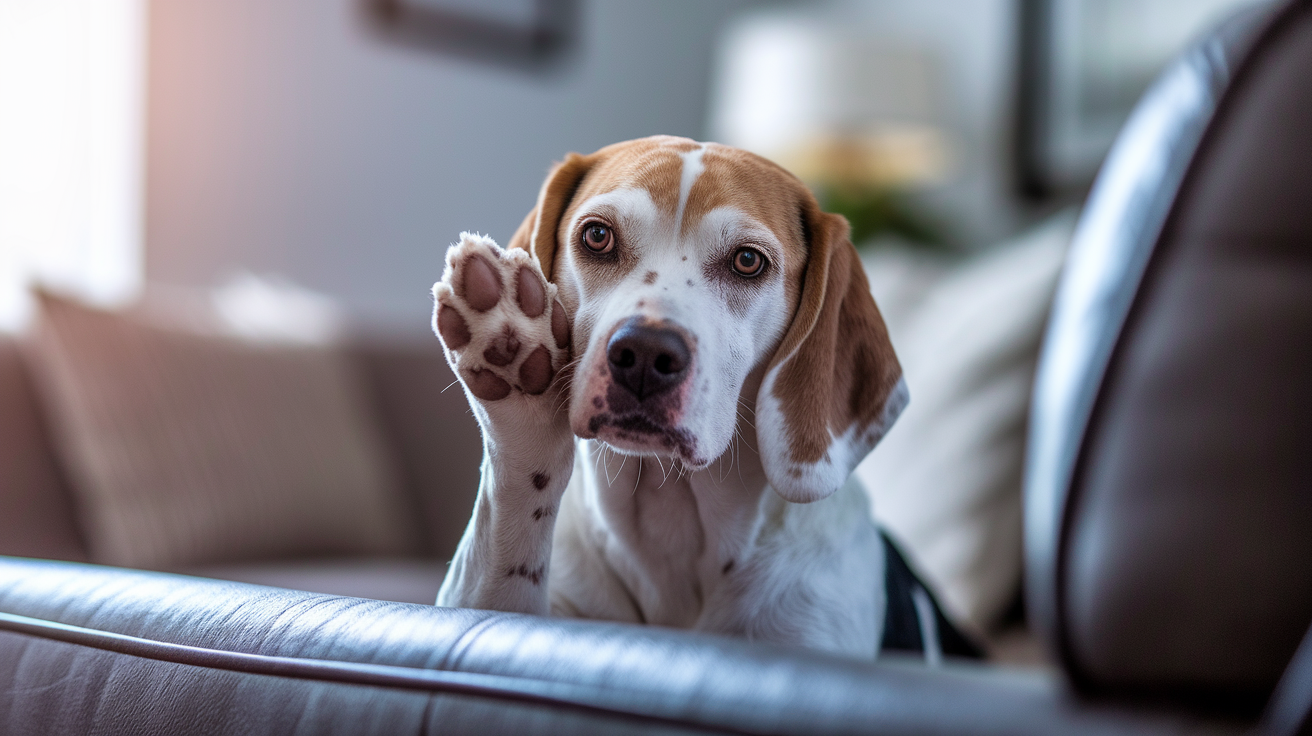
The first signs of an ear infection usually show up in how your dog acts during a normal day. If you’re seeing constant head shaking that goes on for 24 to 48 hours straight, or your dog keeps pawing at one ear (or both), something’s bothering them. Dogs with ear pain will also rub their head against furniture, the carpet, or even your leg to try and get some relief.
What you see and smell matters just as much. When you lift the ear flap, a healthy ear should look pale pink with barely any wax and no real odor. Infected ears? They’re red, swollen along the canal, and there’s usually a strong smell that hits you right away. Discharge that’s brown, yellow, or bloody is a clear sign something’s wrong deeper inside.
If these symptoms don’t get better after a day or two, you need to do something. Infections won’t go away on their own. Waiting too long can turn a simple outer ear problem into something much worse.
Most Common Early Indicators:
- Vigorous or repeated head shaking
- Scratching or pawing at the ear
- Rubbing the ear on surfaces
- Strong foul odor from the ear canal
- Visible discharge (brown, yellow, green, or bloody)
- Redness and swelling inside the ear flap
- Sensitivity or pain when the ear is touched
- Increased irritability or whining
Visual and Sensory Clues of Ear Infection Discharge and Odor in Dogs
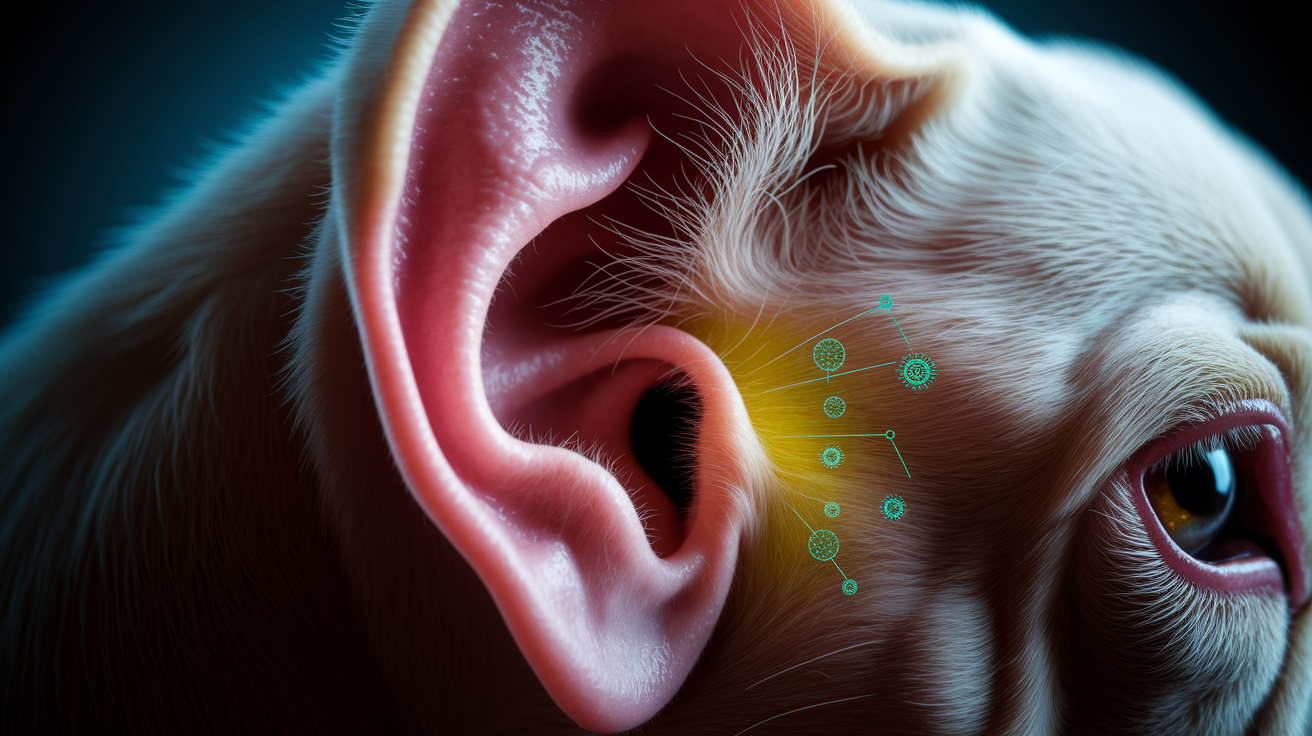
Discharge color and smell tell you what’s actually happening inside the ear. Yellow or green gunk with a sharp, sour smell? That’s usually bacterial. Brown or black debris that looks like wet coffee grounds, paired with a yeasty or musty odor, often means yeast overgrowth or mites. Bloody discharge is a red flag for trauma from scratching, something stuck in there, or an infection that’s gotten bad enough to damage the canal lining.
Texture gives you clues too. Wet, sticky discharge that clings to the fur around the ear opening means there’s an active infection. Dry, flaky stuff is common with mites or long-term low-grade inflammation. If the discharge is thick and filling up the visible part of the canal, you’re looking at a moderate to severe infection that needs vet cleaning and medication.
| Discharge Color | Possible Cause | Severity Indicator |
|---|---|---|
| Yellow or green | Bacterial infection | Moderate to severe, needs treatment |
| Brown or black | Yeast or ear mites | Mild to moderate, often chronic |
| Bloody or red-tinged | Trauma, advanced infection, or foreign body | Severe, seek veterinary care promptly |
| Watery or clear | Irritation, early inflammation, or allergy | Mild, monitor closely |
Behavioral and Neurologic Dog Ear Infection Signs

When an infection moves deeper or hits the middle or inner ear, you’ll start seeing balance and coordination problems. A head tilt that sticks to one side, stumbling when your dog walks, or circling in one direction all point to the infection spreading past the outer canal. Some dogs will look confused or avoid moving their head normally.
Pain and sensitivity get worse too. Your dog might yelp or pull away hard when you barely touch the ear. You could notice they’re not hearing well on one side, not responding to sounds from that direction. They’ll seem more irritable and restless because the discomfort doesn’t stop. If you’re seeing any mix of these neurologic or behavioral changes, the infection’s no longer just on the surface and you need to get to the vet right away.
Types of Dog Ear Infections and What Their Symptoms Mean
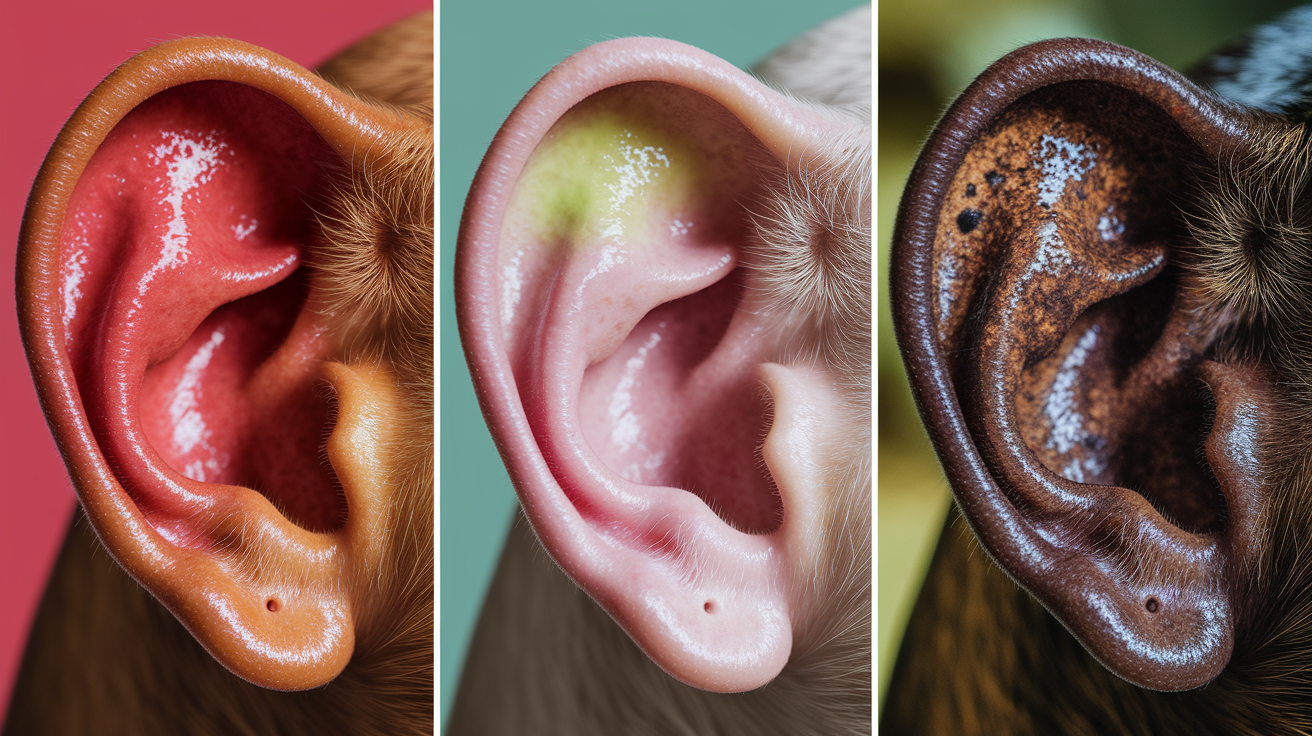
Knowing which type of infection your dog has helps you understand what treatment’s going to look like and how long recovery takes. The most common ones are yeast, bacterial, and ear mites. Each leaves different clues behind.
Yeast Infection Signs
Yeast infections usually create a brown, waxy discharge that smells musty or like bread dough. The ear canal looks red and inflamed, and the itching is constant but not as frantic as mites. Dogs with allergies or floppy ears get yeast overgrowth more often because warmth and moisture make the perfect setup.
Bacterial Infection Signs
Bacterial infections tend to produce yellow or green discharge with a stronger, nastier smell. Sometimes people describe it as rotten or sour. The ear canal swells noticeably, and the skin inside might feel warm. Pain’s more intense with bacterial infections, so your dog won’t want you touching the ear at all. These can develop fast, especially after swimming or if something gets stuck in the canal.
Ear Mites vs Infection
Ear mites cause dark, crumbly debris that looks like coffee grounds mixed with dried blood. The itching is extreme. Your dog will scratch almost nonstop and shake their head violently. Mites spread easily between pets, so if one dog or cat in your house has them, check everyone. Unlike yeast or bacterial infections, mite infestations don’t usually smell strong, and the debris is drier and more grainy.
Causes and Risk Factors Behind Dog Ear Infection Symptoms

Allergies are one of the biggest triggers for infections that keep coming back. Food sensitivities and environmental stuff like pollen, dust mites, and mold cause ongoing inflammation in the ear canal, which then lets bacteria or yeast take over. If your dog’s ears flare up seasonally or after you switch their food, allergies are probably involved.
Moisture’s another major factor. Dogs that swim a lot or get water in their ears during baths are at higher risk because the warm, damp space inside the canal encourages infection. Breeds with floppy ears like Cocker Spaniels, Basset Hounds, and Labs trap moisture and heat more easily. Narrow ear canals, common in breeds like Shar-Peis, also limit airflow and make infections more likely.
Foreign objects like grass seeds, dirt, or tiny burrs can get stuck deep in the canal and cause sudden infection in one spot. Trauma from aggressive scratching or rough grooming can damage the delicate skin inside and let bacteria in. Dogs with underlying health problems like hypothyroidism or Cushing’s disease are more prone to chronic ear issues because their immune systems don’t regulate skin and ear health as well.
Highest-Risk Situations:
- Dogs with known food or environmental allergies
- Frequent swimmers or dogs bathed without thorough ear drying
- Floppy-eared or heavy-coated breeds
- Homes with multiple pets where mites or infections can spread
- Dogs with a history of endocrine or immune disorders
When Dog Ear Infection Symptoms Require Immediate Veterinary Care
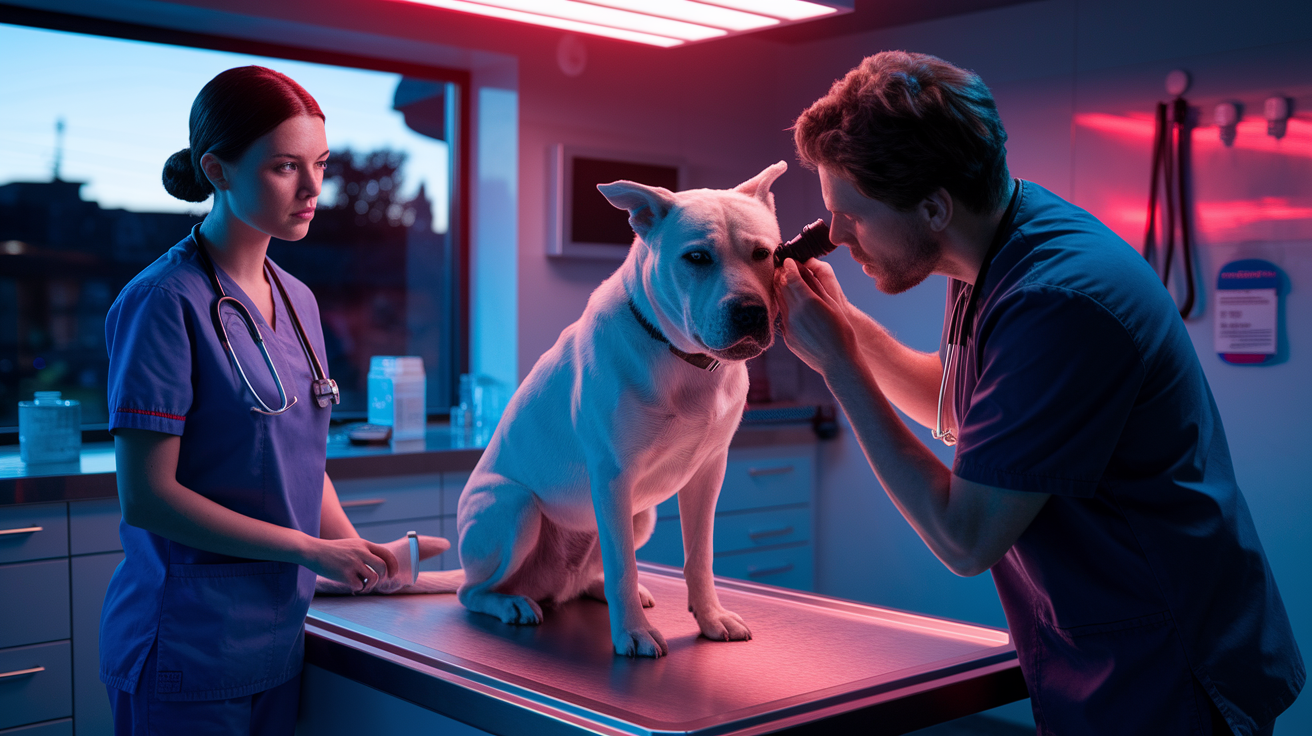
Some ear infections get worse fast and need same-day or emergency care. If you see bloody discharge, especially if it’s fresh and bright red, don’t wait. Severe swelling that closes off the ear canal or makes the ear flap puff up is another urgent sign. Extreme pain where your dog won’t let you near the ear at all or cries continuously means the infection’s deep or the eardrum might be involved.
Neurologic symptoms are red flags for inner ear disease or a ruptured eardrum. Sudden loss of balance, a head tilt that shows up overnight, circling, stumbling, or any sign your dog seems disoriented should get you to the vet immediately. Fever, lethargy, or loss of appetite combined with ear symptoms suggest the infection might be spreading or becoming systemic.
Emergency Indicators Requiring Immediate Care:
- Bloody or blood-tinged discharge from the ear
- Rapid or extreme swelling of the ear canal or flap
- Sudden onset of balance problems or inability to walk straight
- Head tilt that wasn’t there the day before
- Extreme pain, constant crying, or aggression when the ear is approached
- Fever, lethargy, or refusal to eat alongside ear symptoms
How Veterinarians Diagnose Dog Ear Infection Symptoms
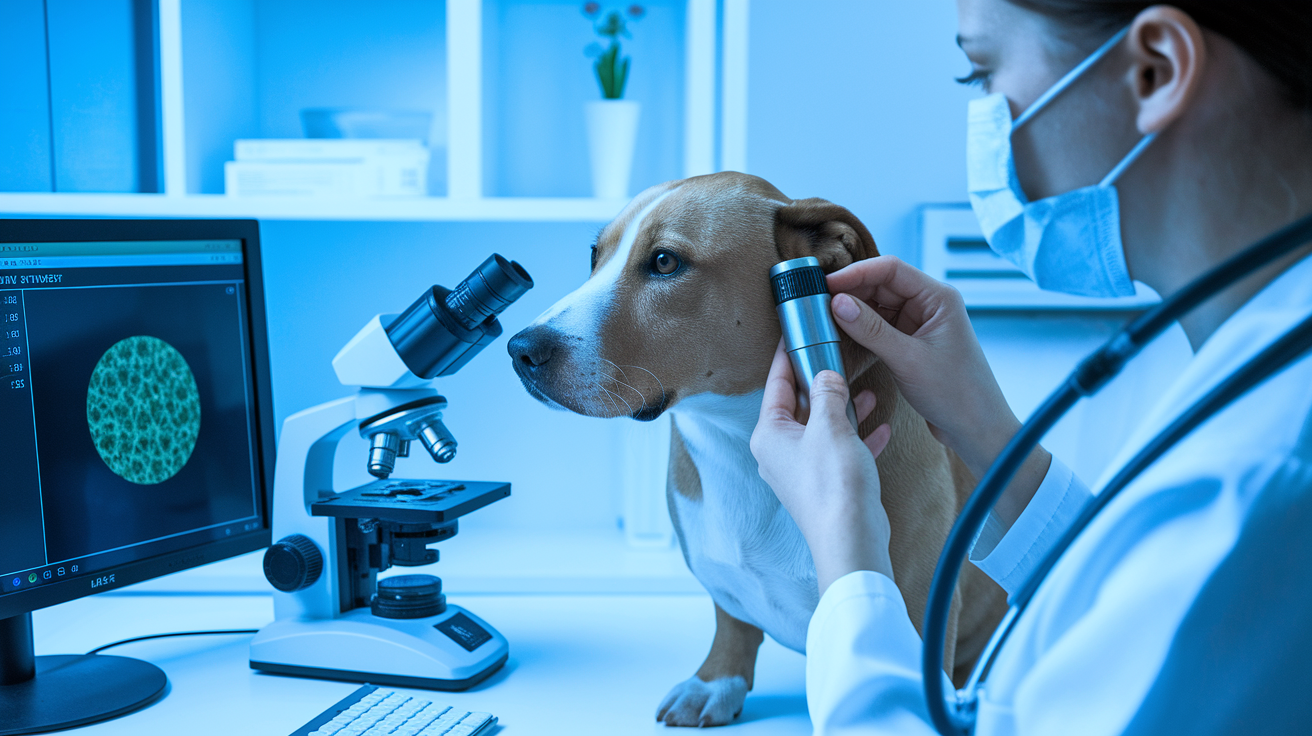
Your vet will start by asking about the symptom timeline, recent activities like swimming, and any past ear problems. The physical exam focuses on the ear canal, looking for swelling, discharge, odor, and how your dog reacts when the ear is touched.
Otoscope Exam
The vet uses an otoscope, a lighted tool with a cone-shaped tip, to look deep into the ear canal. This lets them see the canal walls, check for foreign objects, and figure out whether the eardrum is intact or ruptured. Most dogs handle this fine, but if the ear’s too painful, sedation might be needed for a good look.
Cytology
A sample of the ear discharge gets collected with a swab and examined under a microscope. Cytology shows whether bacteria, yeast, or mites are present and gives you an immediate answer during the same visit. It’s the fastest way to confirm what kind of infection it is and start treatment.
Culture & Sensitivity
If the infection doesn’t respond to standard treatment or keeps coming back, your vet will send a sample to a lab for bacterial culture and sensitivity testing. This identifies the exact bacteria and which antibiotics will actually work. Results typically take 48 to 72 hours, and treatment gets adjusted once the lab report comes back.
Imaging for Inner Ear Disease
When symptoms point to middle or inner ear involvement like persistent head tilt, balance problems, or suspected eardrum rupture, imaging is needed. Radiographs (X-rays) can show fluid or bone changes in the middle ear. CT scans give more detailed views and get used in complicated or chronic cases. Imaging is usually done under sedation or anesthesia.
| Diagnostic Test | Typical Turnaround Time |
|---|---|
| Otoscope exam | Same visit |
| Cytology | Same day, results in minutes |
| Culture & sensitivity | 48 to 72 hours |
| Imaging (X-ray or CT) | Same day to 24 hours |
Treatment Approaches Based on Dog Ear Infection Symptoms
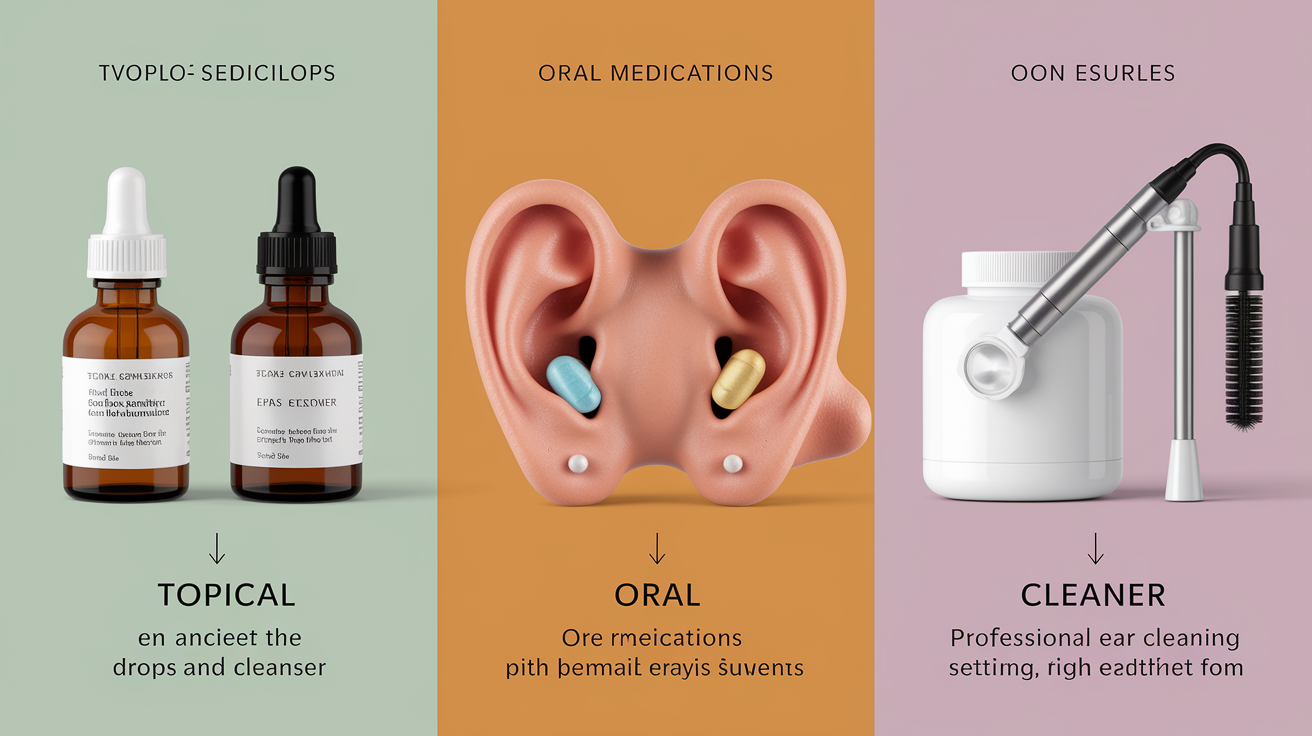
Treatment depends on the infection type, how bad it is, and how deep it’s gone. Most outer ear infections respond well to topical meds combined with regular cleaning. More severe or stubborn cases need oral medications. Chronic infections that won’t resolve might need advanced intervention.
Topical Medications
Medicated ear drops are the first thing vets try for most infections. These usually contain a mix of antibacterial, antifungal, and anti-inflammatory ingredients. You’ll apply one to two drops or sprays into the canal, gently massage the base of the ear to spread the medication, then wipe away any excess that comes out. Treatment typically runs 7 to 14 days, once or twice daily. Your vet will walk you through the exact technique during the visit.
Oral Medications
If the infection’s severe, involves the middle ear, or doesn’t get better with just topical treatment, oral antibiotics or antifungal meds get added. These work from the inside out and reach deeper tissues that drops can’t fully access. Treatment courses usually last 7 to 21 days depending on the drug and culture results. Steroids might be prescribed short-term to bring down severe inflammation and pain.
Professional Ear Cleaning
Before starting medication, many vets do a thorough ear flush to get rid of heavy discharge, debris, and infected material. This lets the medication actually reach the skin and work better. The procedure happens at the clinic, sometimes under sedation if the ear’s too painful or the canal’s really swollen. At home, you’ll keep up with gentle cleaning as directed, usually a few times a week, using a vet-approved ear cleanser.
Chronic/Advanced Treatment Options
Dogs with repeated infections, underlying structural problems, or end-stage chronic otitis might need surgery. The most common procedure, called total ear canal ablation (TECA), removes the infected canal entirely when medical treatment has failed. It’s major surgery, typically costing between $2,000 and $5,000 depending on where you live and how complex the case is. Recovery takes several weeks, but it permanently ends the pain and infection in dogs who’ve tried everything else.
Preventing Dog Ear Infection Symptoms From Returning
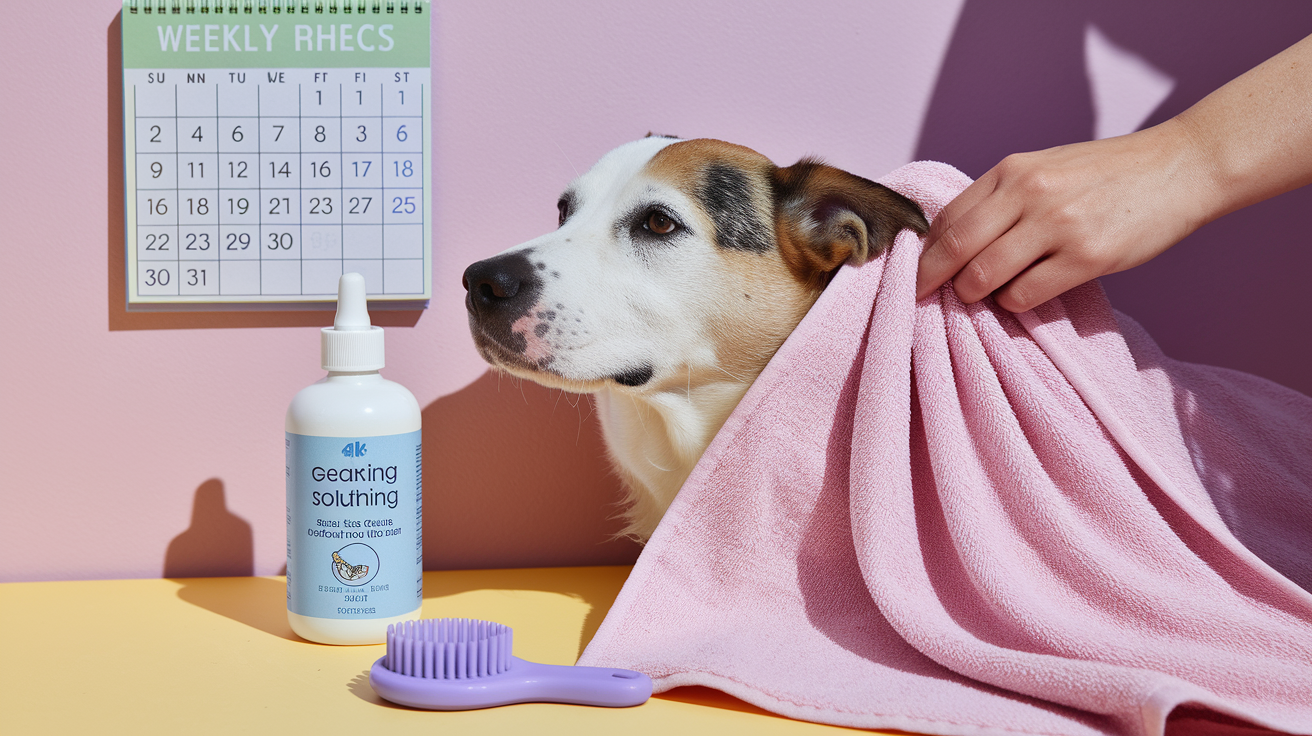
Prevention starts with controlling moisture. After every swim or bath, dry your dog’s ears thoroughly using a soft towel or a vet-approved drying solution. Tilt the head gently to help water drain out, and make sure to dry the inner ear flap and the visible part of the canal. Dogs that swim frequently should have their ears cleaned one to two times per week with a proper ear cleanser, not just water.
Check ears regularly to catch problems early. Lift the ear flap once a week and look for redness, odor, or any discharge. A quick sniff test helps too. Healthy ears have little to no smell. If your dog has allergies, work with your vet to manage them through diet changes, antihistamines, or immunotherapy. Controlling the underlying inflammation cuts down on how often ear flare-ups happen.
Grooming plays a role too. Long-haired breeds or dogs with heavy ear hair benefit from regular trimming around and inside the ear canal to improve airflow. Ask your groomer or vet to show you safe trimming techniques, or have it done professionally during routine grooming appointments. Routine vet checkups, especially for high-risk breeds, help catch early signs before a full infection develops.
Core Prevention Steps:
- Dry ears completely after swimming, bathing, or exposure to rain
- Clean ears 1 to 2 times weekly for dogs prone to infections, using vet-approved cleansers
- Manage underlying allergies with veterinary guidance
- Keep ear hair trimmed and maintain good airflow in and around the canal
Tracking Dog Ear Infection Symptoms at Home

Once treatment starts, you should see real improvement within 48 to 72 hours. Head shaking and scratching should go down, discharge should get lighter in color and less in volume, and the strong odor should fade. If symptoms stay the same or get worse after three days of medication, call your vet for another look. No improvement usually means the infection’s resistant to the current treatment or there’s an underlying cause that hasn’t been dealt with yet.
Keep a simple log of what you’re seeing day to day. Note the date symptoms started, how many times per day your dog shakes their head or scratches, the color and amount of any discharge, and whether the odor’s getting better or worse. Also track appetite, energy level, and any behavior changes like increased irritability or trouble sleeping. This info helps your vet adjust treatment quickly if needed and gives a clear picture of how your dog’s responding.
What to Track at Home:
- Symptom start date and duration
- Frequency of head shaking and scratching (times per day)
- Discharge color, consistency, and volume
- Odor intensity and any changes over time
Final Words
If your dog is shaking, scratching, or rubbing its head, act fast. Those are the everyday clues we covered: visible redness, foul smell or colored discharge, head shaking that lasts 24-48 hours, and behavior or balance changes that can point to a bigger problem.
Keep a short log of what you see and how long it lasts, and share it with your vet if things don’t improve in 48-72 hours.
Knowing the signs of ear infection in dogs helps you catch problems early and get your pet more comfortable soon.
FAQ
Q: How do you treat a dog’s ear infection at home?
A: The treatment for a dog’s ear infection at home includes gentle ear cleaning, applying vet-prescribed medicated drops, and keeping the ear dry; if symptoms last 48–72 hours or worsen, call your vet.
Q: How to tell if your dog has an ear infection?
A: You can tell a dog has an ear infection by noticing persistent head shaking, scratching at the ear, foul odor, colored discharge, redness, swelling, or pain and behavior changes over 24–48 hours.
Q: Do dog ear infections go away?
A: Dog ear infections can go away with proper treatment—often topical drops or oral meds—but mild cases may improve temporarily; untreated infections commonly return or worsen, so vet diagnosis helps ensure full recovery.
Q: What happens if a dog’s ear infection is left untreated?
A: If a dog’s ear infection is left untreated it can cause chronic pain, hearing loss, eardrum rupture, inner ear or systemic spread, balance problems, and may need more invasive treatment.