
Think cats naturally get all the water they need? Not always.
Many indoor cats stay thirsty because dry food and noisy water bowls put them off, and that can lead to slow-onset dehydration.
The good news, small fixes like switching one meal to wet food (about 70 to 78 percent water), adding a few tablespoons of water to meals, using a fountain, or moving the bowl to a quiet spot often make a big difference.
This post gives simple, day-one steps that work and explains when to call your vet.
Immediate Ways to Increase Your Cat’s Water Intake
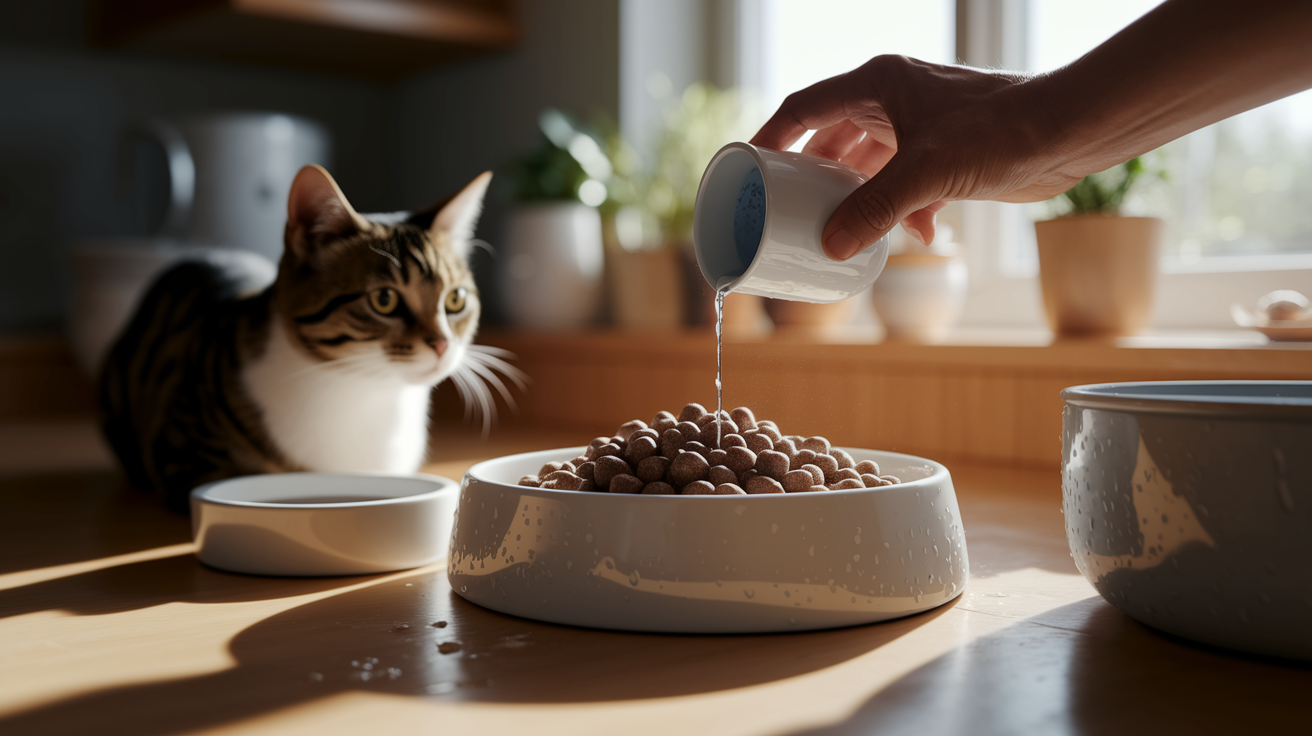
Switching to wet food is the fastest thing you can do. Canned food is roughly 70 to 78 percent water, so swapping just one dry meal for wet adds 60 to 120 ml of water without your cat having to change a thing.
You can also add water straight to the food. Start with 1 to 3 tablespoons mixed into wet food, or 2 to 4 tablespoons into kibble. Gradually bump it up if your cat’s okay with the texture. Some cats love soupy food. Others need time.
Refreshing the water daily and moving the bowl somewhere quieter helps too. Water that’s been sitting picks up dust, fur, and smells cats don’t like. Put the bowl in a calm spot away from foot traffic, noisy appliances, or other pets.
Things you can do today:
- Switch at least one meal to wet food to raise moisture intake instantly.
- Add 1 to 3 tablespoons of water per meal and adjust based on how your cat reacts.
- Refill and rinse the bowl at least once a day to keep it fresh.
- Move the water bowl to a quiet corner away from litter boxes and feeding spots.
Understanding Why Cats Avoid Drinking Water
Cats evolved from desert animals. They naturally have a weak thirst drive because they’re wired to get most of their water from prey. Modern indoor cats eating mostly dry food don’t feel the need to drink much from a bowl, which can lead to chronic low intake.
Environmental stuff matters too. Dirty bowls, bowls near loud appliances or busy hallways, plastic bowls that trap odors. All of these discourage drinking. Dental pain, like gingivitis or broken teeth, makes drinking uncomfortable. Signs include drooling, dropping food, pawing at the face, or facial swelling. Medical issues like pancreatitis, inflammatory bowel disease, kidney disease, or nausea also kill the desire to drink.
Most common reasons:
- Dirty water bowls with dust, fur, or bacteria
- Bowl location near food, litter, or noisy spots
- Plastic bowls that smell or taste off
- Dental disease causing mouth pain
- Underlying illness like kidney disease, nausea, or gut inflammation
Key Hydration Requirements for Healthy Cats
A healthy adult cat needs about 4 ounces (roughly half a cup) of water per 5 pounds of body weight every day. Another guideline: 1 ounce of water for every 0.5 ounces of dry food eaten. These targets include water from bowls plus the moisture in food, so cats eating wet food don’t need to drink as much from a bowl.
To measure intake, weigh or measure the water in the bowl at the start and end of the day. Subtract what’s left. Track this for at least three days to get a baseline. Healthy cats usually pee 2 to 4 times daily, so fewer litter box visits can signal low hydration.
Wet food adds serious moisture without requiring behavior change. Canned food is about 70 to 78 percent water, so a single 100 gram portion delivers roughly 70 to 78 ml of water, which can make a real difference.
| Cat Weight | Daily Water Goal |
|---|---|
| 5 lb (2.3 kg) | ~4 oz (115 ml) |
| 10 lb (4.5 kg) | ~8 oz (230 ml) |
| 12 lb (5.4 kg) | ~10 oz (270 ml) |
| 15 lb (6.8 kg) | ~12 oz (340 ml) |
Recognizing Dehydration and When It Becomes Dangerous
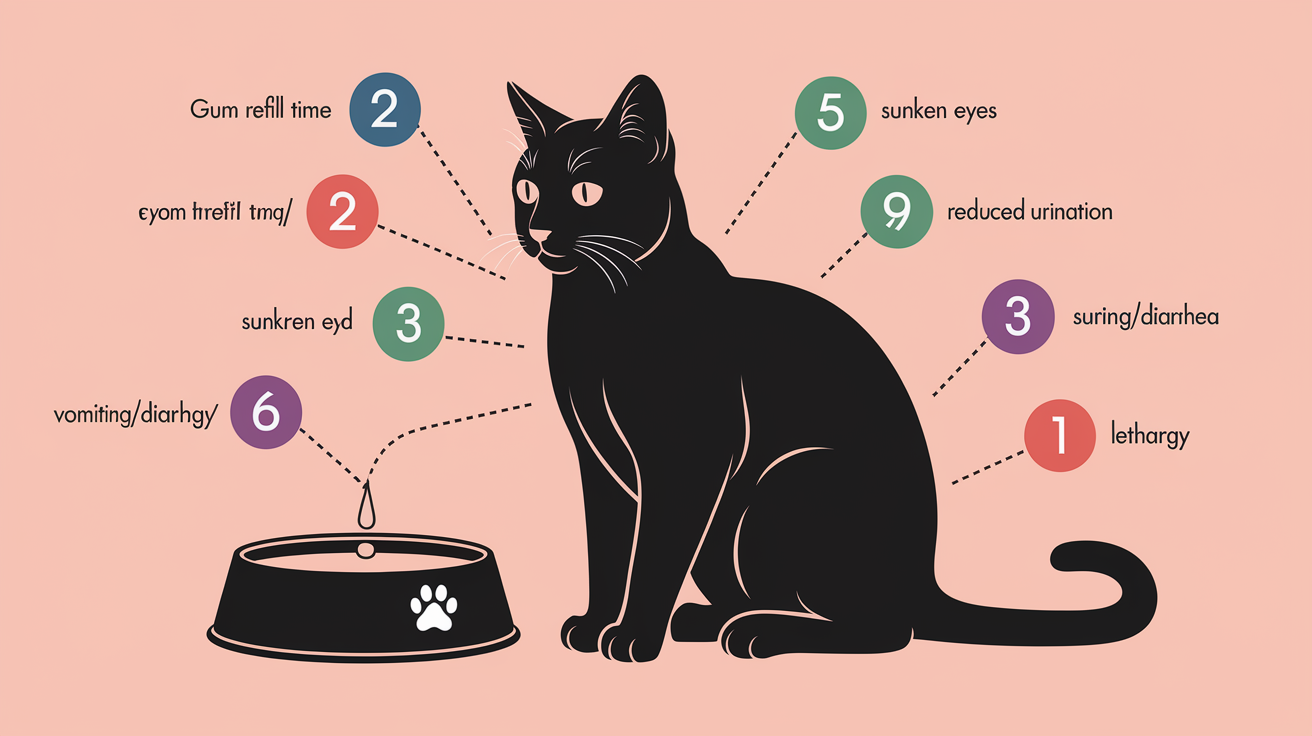
Dehydration signs can show up within 24 hours of reduced water intake. The easiest checks: gums and skin. Press your finger gently on your cat’s gum. The gum should return to pink in under 2 seconds. Slow refill time or very dry, tacky gums mean dehydration. To check skin elasticity, gently pinch the skin at the back of the neck or between the shoulder blades. It should bounce back within 1 second. If the skin stays tented or returns slowly, your cat’s dehydrated.
Other warning signs include sunken eyes, lethargy, loss of appetite, weight loss, and constipation with small, hard poop. Reduced urination or straining in the litter box are serious red flags. Cats who go without water for 72 hours risk organ failure. Death is possible within 3 to 4 days of no water intake.
Six key indicators and emergency triggers:
- Gum refill time longer than 2 seconds or gums that feel dry or sticky.
- Skin tenting that lasts more than 1 second when gently pinched and released.
- Sunken eyes or a dull, hollow look around the face.
- Reduced urination, fewer than 2 litter box visits per day, or very small, dark clumps.
- Persistent vomiting or diarrhea paired with reduced drinking.
- Severe lethargy, refusal to eat, labored breathing, or collapse require immediate emergency vet care.
Using Fountains, Bowls, and Water Stations to Encourage Drinking
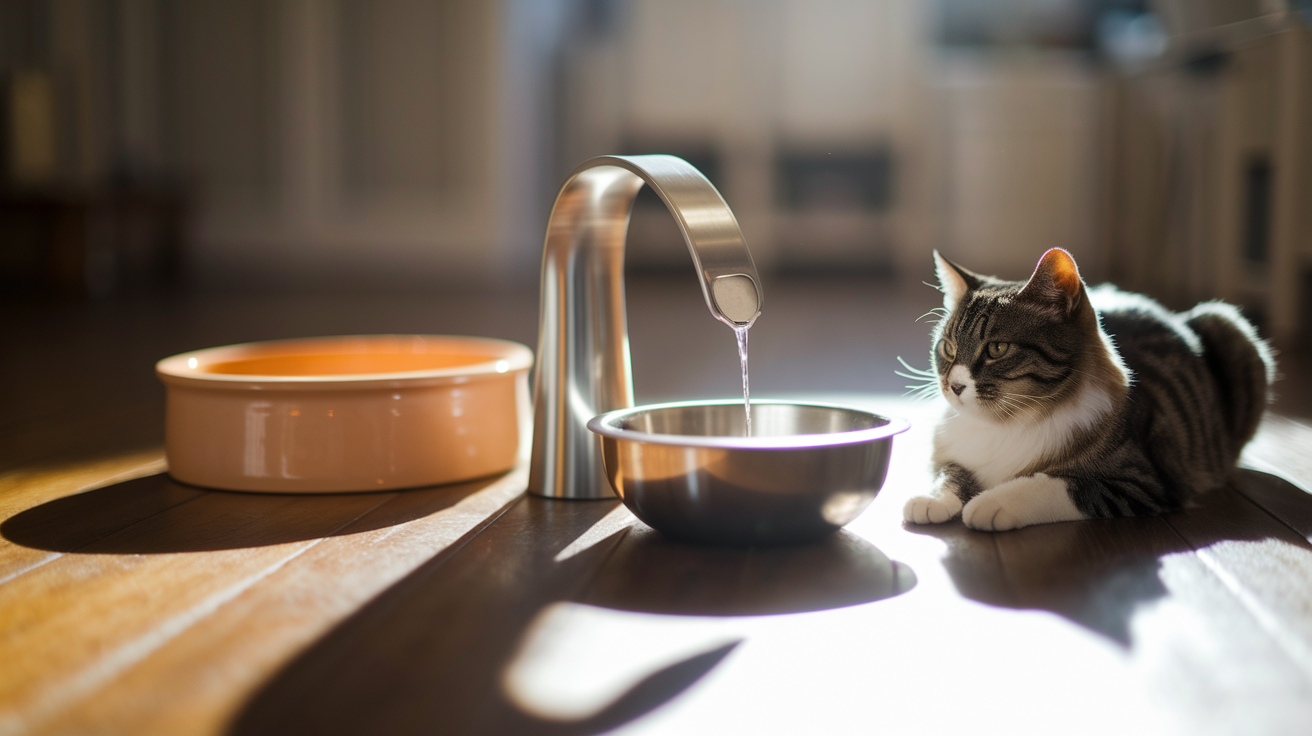
Cats naturally prefer moving water because it signals freshness and safety. A water fountain can increase intake just by making water more appealing. Choose fountains made of ceramic or stainless steel and clean them regularly to prevent biofilm and bacteria. If your cat ignores still water but drinks from dripping faucets or the bathtub, a fountain’s often the simplest fix.
Bowl choice and placement matter just as much. Use wide, shallow bowls in ceramic or stainless steel instead of plastic. Plastic traps odors, develops scratches that harbor bacteria, and some cats are sensitive to it. Place bowls in quiet, low stress areas away from food and litter boxes. Cats often prefer to keep drinking separate from eating and elimination.
For multi cat households, provide one water station per cat plus one extra. If you have three cats, set up four stations. Spread them across different rooms and on different levels. This reduces competition and gives each cat a chance to drink without feeling crowded or threatened.
| Material | Pros | Cons |
|---|---|---|
| Ceramic | Heavy, stable, easy to clean, no odor retention | Can chip or crack if dropped |
| Stainless steel | Durable, dishwasher safe, no bacteria harboring, lightweight | Can be noisy when moved, may reflect light and spook some cats |
| Plastic | Inexpensive, lightweight | Traps odors, scratches easily, can cause chin acne or allergies |
| Glass | Non-porous, easy to clean, no odor | Fragile, heavier, can break |
| Fountain (varies) | Flowing water attracts cats, increases intake | Requires regular filter changes, pump cleaning, and refilling |
Flavor Enhancers and Temperature Tricks That Boost Water Appeal
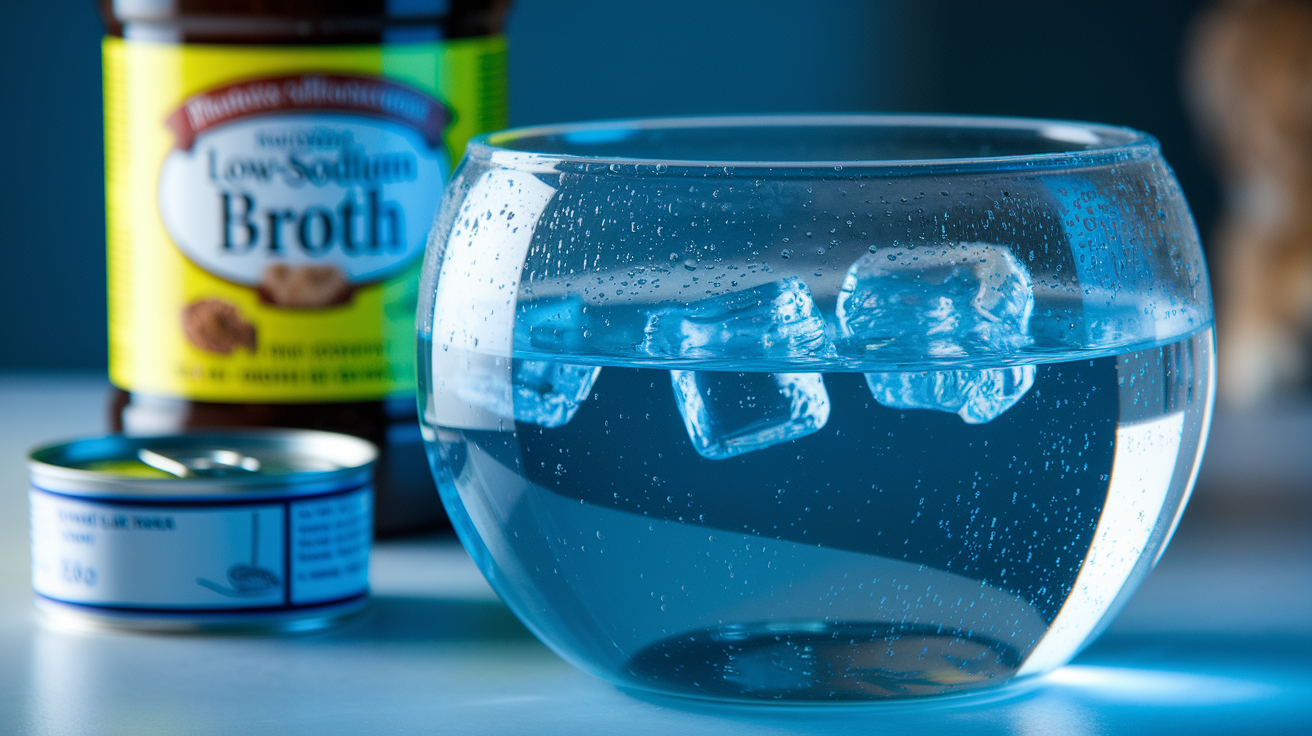
Adding safe flavor enhancers can make plain water more enticing. Dilute low sodium chicken or beef broth at a ratio of 1 part broth to 3 or 4 parts water. Always check the label to confirm there’s no onion or garlic, which are toxic to cats. Tuna water from canned tuna packed in water can be used sparingly, but watch for high sodium and potential mercury concerns over time.
Temperature plays a role. Many cats prefer cool or slightly chilled water, so adding one or two ice cubes can increase interest. Some cats prefer lukewarm water, especially if they have dental sensitivity. Test both and watch which your cat chooses more often.
Six simple flavor and temperature ideas:
- Mix 1 to 2 tablespoons of low sodium chicken or beef broth into a full bowl of water.
- Add one or two ice cubes to make water cooler and more interesting.
- Offer tuna water sparingly, about 1 tablespoon per bowl, as an occasional treat.
- Try room temperature water if your cat avoids cold water.
- Use a small floating toy or LED ice cube to encourage play drinking.
- Rotate between plain, broth flavored, and cool water to keep novelty high.
Hydration Through Food: Wet Food, Add-in Water, and Meal Adjustments
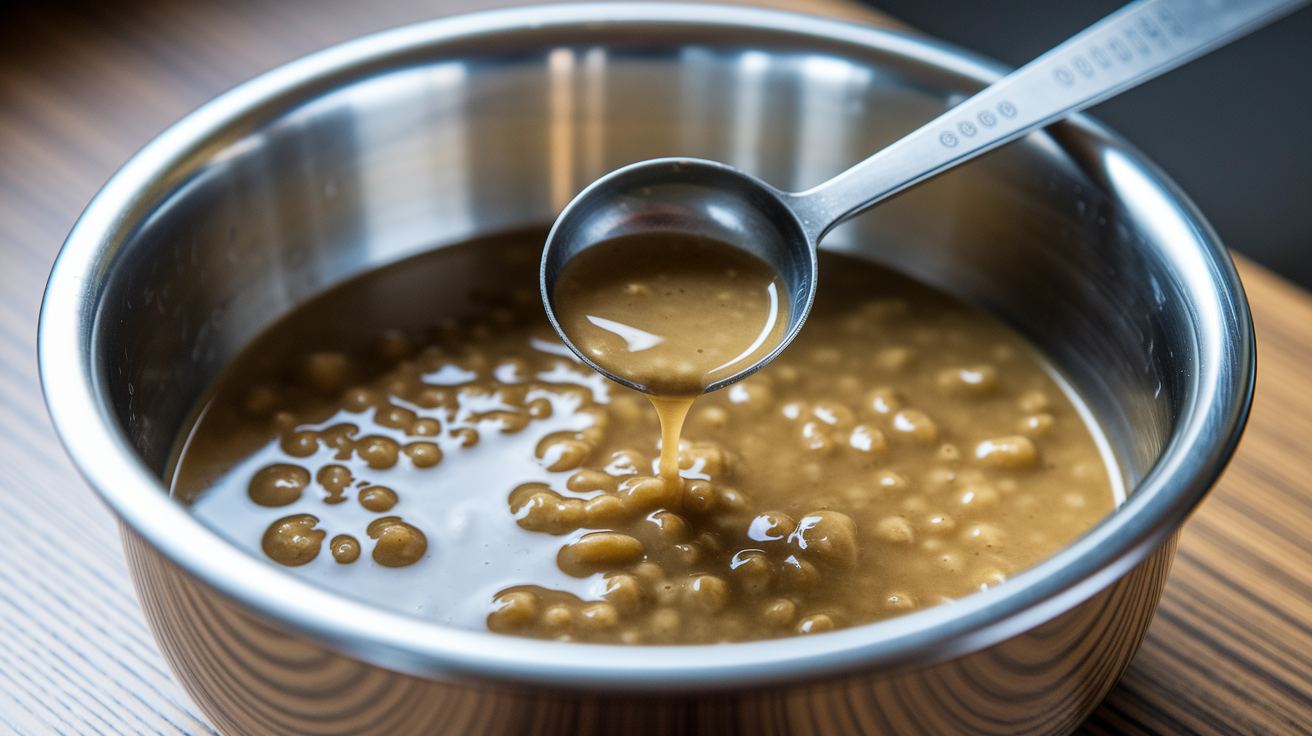
Switching to wet food is the most effective dietary change for hydration. Canned food contains 70 to 78 percent moisture, while dry kibble holds only 3 to 10 percent. Replacing one dry meal each day with wet food can add 60 to 120 ml of water intake without requiring your cat to drink more from a bowl.
You can also add water directly to food. Mix 1 to 3 tablespoons (15 to 45 ml) of water into canned food, or 2 to 4 tablespoons (30 to 60 ml) into dry kibble. Start with smaller amounts and increase gradually if your cat tolerates the texture. Some cats enjoy soupy food, others need time to adjust. Kibble soaking creates a soft, soup like consistency that older cats or cats with dental pain often prefer.
For a 10 pound cat, replacing one 100 gram portion of dry food with 100 grams of canned food at 75 percent moisture adds roughly 60 to 75 ml of water to the daily total. That’s a substantial gain without changing drinking behavior at all.
Step by step food based hydration improvements:
- Replace at least one daily meal with canned or wet food to instantly increase moisture intake.
- Add 1 to 3 tablespoons of water to each wet meal and mix thoroughly.
- Soak dry kibble in 2 to 4 tablespoons of water and let it sit for 5 to 10 minutes before serving.
- Gradually increase the water to food ratio over several days if your cat accepts the texture change.
Cleaning Routines and Maintenance That Keep Cats Drinking
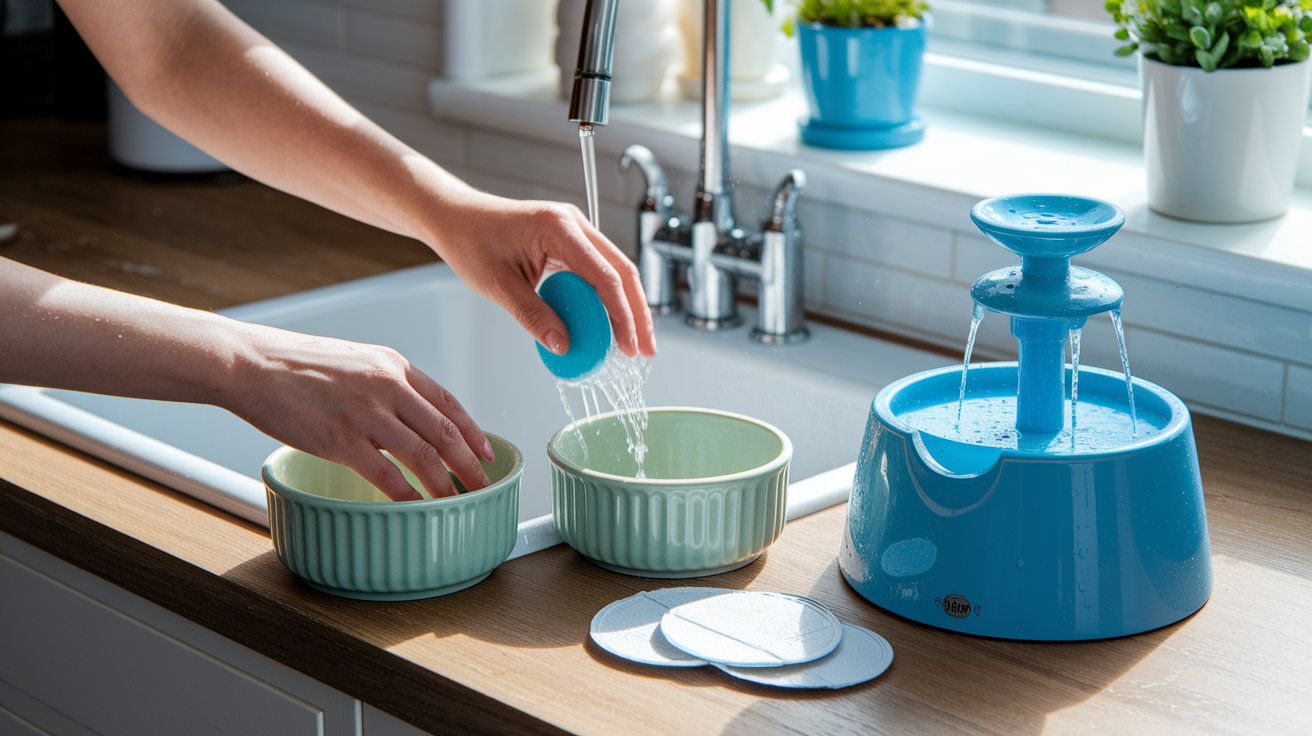
Dirty water bowls are one of the most common reasons cats avoid drinking. Water that sits picks up dust, fur, saliva, and bacteria quickly. Cats have a strong sense of smell and can detect contamination we miss. Rinsing the bowl and refilling it with fresh water at least once daily makes a noticeable difference.
Deep cleaning is just as important. Wash bowls with mild dish soap and hot water at least once a week. For fountains, disassemble and clean all parts, including the pump, every 1 to 2 weeks. Replace fountain filters every 2 to 4 weeks, depending on the manufacturer’s instructions. Biofilm, a slimy layer of bacteria, builds up on surfaces submerged in water and deters drinking if left unchecked.
Stainless steel and ceramic bowls are easier to keep clean than plastic. They don’t develop scratches that trap bacteria, and they don’t hold odors. If your cat suddenly stops drinking from a bowl that used to be fine, inspect it for cracks, scratches, or lingering smells.
Weekly cleaning routine in four steps:
- Rinse and refill the water bowl daily, ideally twice a day if you’re home.
- Wash bowls with mild soap and hot water once a week, scrubbing all surfaces.
- Disassemble and deep clean fountains every 1 to 2 weeks, including the pump and all tubing.
- Replace fountain filters every 2 to 4 weeks and keep spare filters on hand.
Monitoring Water Intake and Troubleshooting Common Problems

Measuring water intake gives you a baseline to track progress. Weigh or measure the water you add to the bowl at the start of the day, then measure what’s left at the end. The difference is your cat’s intake. Track this for at least three days to account for daily variation. Remember to include other water sources, like fountains, faucets, or additional bowls.
Litter box habits offer hydration clues. Healthy cats urinate 2 to 4 times daily. Small, dry, dark clumps or fewer than 2 visits per day suggest dehydration. Weight changes can also signal fluid loss, especially in cats with chronic conditions. For multi cat households, using separate water stations in different rooms helps identify which cat is drinking and which isn’t.
If intake remains low after trying immediate fixes, troubleshoot one variable at a time. Swap the bowl material, move the station, or add a fountain. Wait 2 to 3 days before making another change so you can see what works.
| Tracking Method | What It Shows |
|---|---|
| Weigh water bowl daily | Total ml consumed from that source; 1 ml = 1 gram |
| Measure bowl volume with a measuring cup | Quick daily estimate without a scale |
| Count litter box visits | Urination frequency; healthy cats go 2 to 4 times/day |
| Check litter clump size | Small, dry, dark clumps indicate dehydration |
| Weekly weigh-ins | Rapid weight loss may signal fluid loss or illness |
When Reduced Drinking Means It’s Time for a Veterinarian
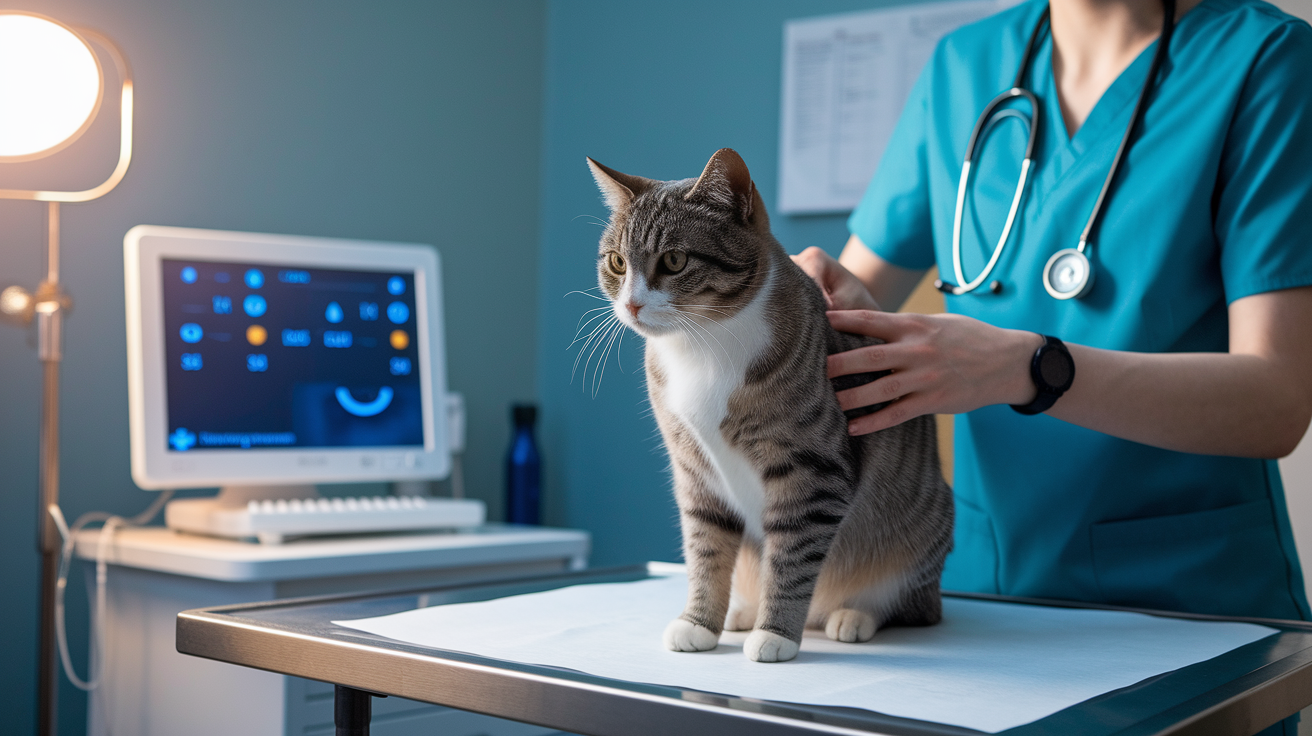
Reduced drinking paired with other symptoms is a medical emergency. Contact your veterinarian immediately if your cat stops drinking for more than 24 hours and shows vomiting, diarrhea, weight loss, reduced urination, or straining in the litter box. Labored breathing, open mouth breathing, or collapse require emergency care right away.
Dental pain is a common but overlooked cause of reduced drinking. Signs include pawing at the face, dropping food while eating, facial swelling, excessive drooling, and reluctance to eat hard kibble. If you see any of these, schedule a dental exam. Untreated dental disease causes chronic pain and can lead to systemic infections.
Why Your Cat Won’t Drink Water and What To Do offers deeper medical context for urgent causes like kidney disease, hyperthyroidism, and gastrointestinal disorders that reduce drinking. Severe dehydration, classified as greater than 10 percent body weight loss, requires immediate medical intervention such as intravenous fluids. Cats with chronic conditions like kidney disease or diabetes need closer monitoring and may require subcutaneous fluid therapy at home.
Critical red flags that require veterinary care:
- Refusal to eat or drink for more than 24 hours without a clear environmental cause.
- Persistent vomiting or diarrhea lasting more than 12 hours.
- Straining in the litter box or inability to urinate, which can indicate a urinary blockage and is life threatening.
- Signs of dehydration such as skin tenting, dry gums, sunken eyes, or lethargy.
- Dental signs including drooling, dropping food, pawing at the face, or facial swelling.
Final Words
Start with quick wins: switch to wet food, add 1–3 tablespoons of water to meals, refresh bowls daily, and move bowls to quiet spots or try a fountain. These steps work fast.
Also check why your cat avoids drinking, track daily intake, and keep bowls and fountains clean. Know dehydration signs and when to call the vet.
If you want a simple plan for how to encourage cat to drink water, pick one or two changes today and build from there. Small steps add up. Your cat will thank you.
FAQ
Q: How do you hydrate a cat that won’t drink?
A: Hydrating a cat that won’t drink involves switching to wet food, adding a few tablespoons of water to meals, offering low-sodium broth or a fountain, gently syringe-feeding small amounts, and calling your vet if it persists.
Q: What is the silent killer of cats?
A: The silent killer of cats is often chronic kidney disease, which progresses slowly with subtle signs like weight loss, poor appetite, increased drinking, or bad breath; early vet checks help catch it sooner.
Q: What does it mean when a cat refuses to drink water?
A: When a cat refuses to drink water it can mean anything from dirty bowls or stress to dental pain or an underlying illness like kidney or GI disease; try simple fixes, and see your vet if other signs appear.
Q: How long is it okay for a cat to not drink water?
A: A cat can survive a day or two without water, but decreased drinking becomes risky within 24 hours; organ failure may start around 72 hours. Seek veterinary care urgently after 24 hours or with dehydration signs.