
Is your cat suddenly drinking a lot of water?
Don’t shrug it off.
This change often signals a real medical issue like kidney disease, diabetes, or thyroid trouble.
In this post you’ll learn quick ways to measure water intake, spot red-flag signs (weight loss, more litter box trips, vomiting), and what to do next so your cat gets timely care.
Knowing when to worry lets you act fast and give your cat the best chance for treatment.
Recognizing When Sudden Excessive Thirst in Cats Is a Medical Concern
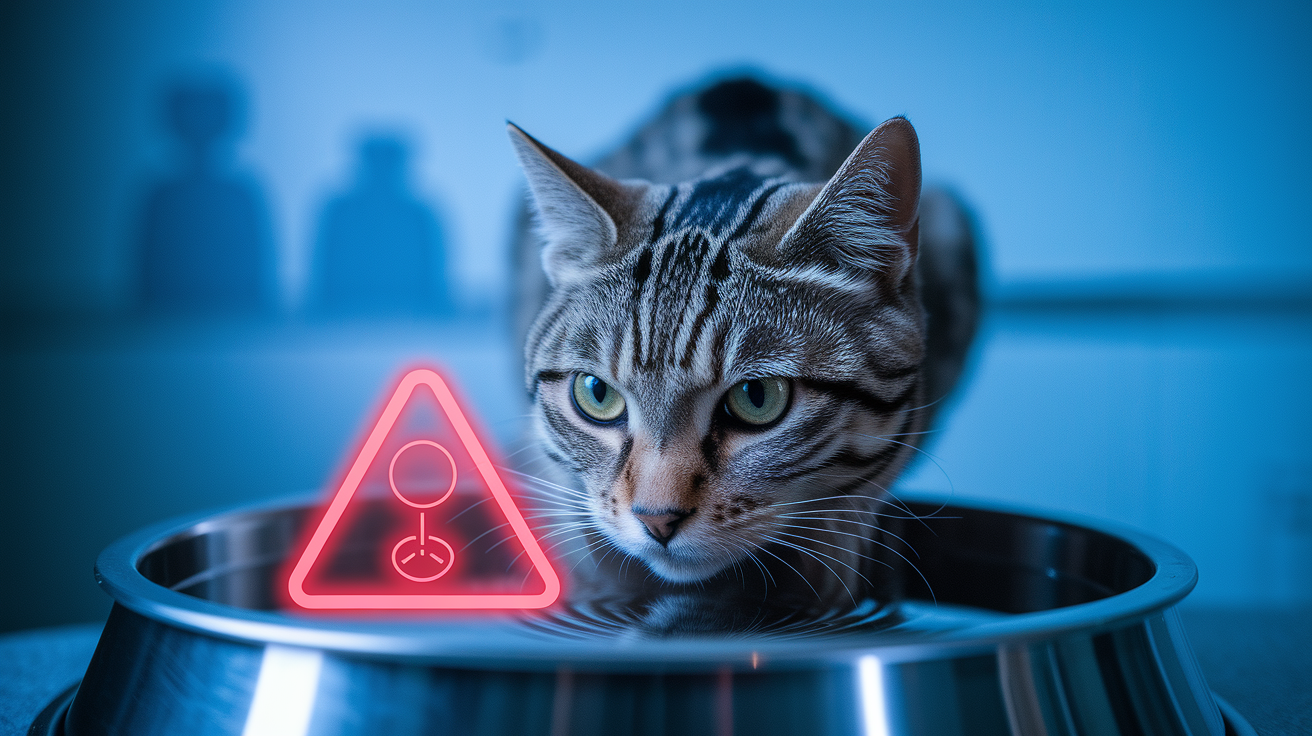
When your cat starts drinking a lot of water all of a sudden, something’s probably wrong. This isn’t typical cat behavior. Most healthy adult cats drink about 3 to 4 ounces of water for every 5 pounds they weigh each day, spreading that out over 5 or 6 trips to the bowl. So when you notice your cat making way more trips than usual, when you’re refilling the dish twice as often, or when the litter box suddenly has heavier or more clumps, their intake has jumped beyond normal. This persistent increase (called polydipsia) usually points to a medical problem that needs a vet’s attention.
Sudden increased drinking becomes a real concern when it’s a clear, ongoing shift from what your cat normally does. Say your 10 pound cat used to drink about 8 ounces a day. Now you’re pouring 16 ounces into the bowl every morning and it’s empty by evening. That’s a red flag. Cats don’t randomly decide to double their water intake. Without heat waves, diet changes, or new meds in the picture, a dramatic shift almost always means something internal isn’t working right. Increased urination (polyuria) nearly always comes with excessive thirst and it’s one of the earliest clues that the kidneys, liver, pancreas, or thyroid glands are struggling.
When cats drinking more than usual also show other symptoms, the urgency goes up. Weight loss, less appetite, lethargy, bad breath, vomiting, or signs of discomfort all mean the excessive drinking is part of a bigger problem. Left alone, many diseases that cause this can lead to serious complications or become life threatening. Early recognition and quick vet assessment give your cat the best shot at effective treatment.
Call your vet right away if you see these red flags alongside sudden increased drinking:
- More urination, visible as much heavier litter clumps, more frequent clumping, or accidents outside the box
- Unexplained weight loss over days to weeks, even if your cat seems to eat normally or eats more
- Less appetite, refusing favorite foods, or obvious nausea signs like drooling or lip licking
- Persistent lethargy, hiding, not wanting to jump or play, or other behavior changes suggesting pain
- Foul or chemical smelling breath, yellowing gums or skin, vomiting, diarrhea, or visible blood in urine
How to Measure and Track Your Cat’s Water Intake at Home
Getting accurate measurements of your cat’s water consumption starts with understanding what drives normal daily variation. Cats on mostly dry kibble will naturally drink more than those eating canned or fresh food, because dry food’s only about 10 percent moisture while canned averages 75 to 80 percent. Hot weather, more activity, and even stress can temporarily raise intake. Before deciding your cat’s drinking is abnormal, account for these routine influences and track intake over several days in a row to establish a real baseline and spot genuine trends.
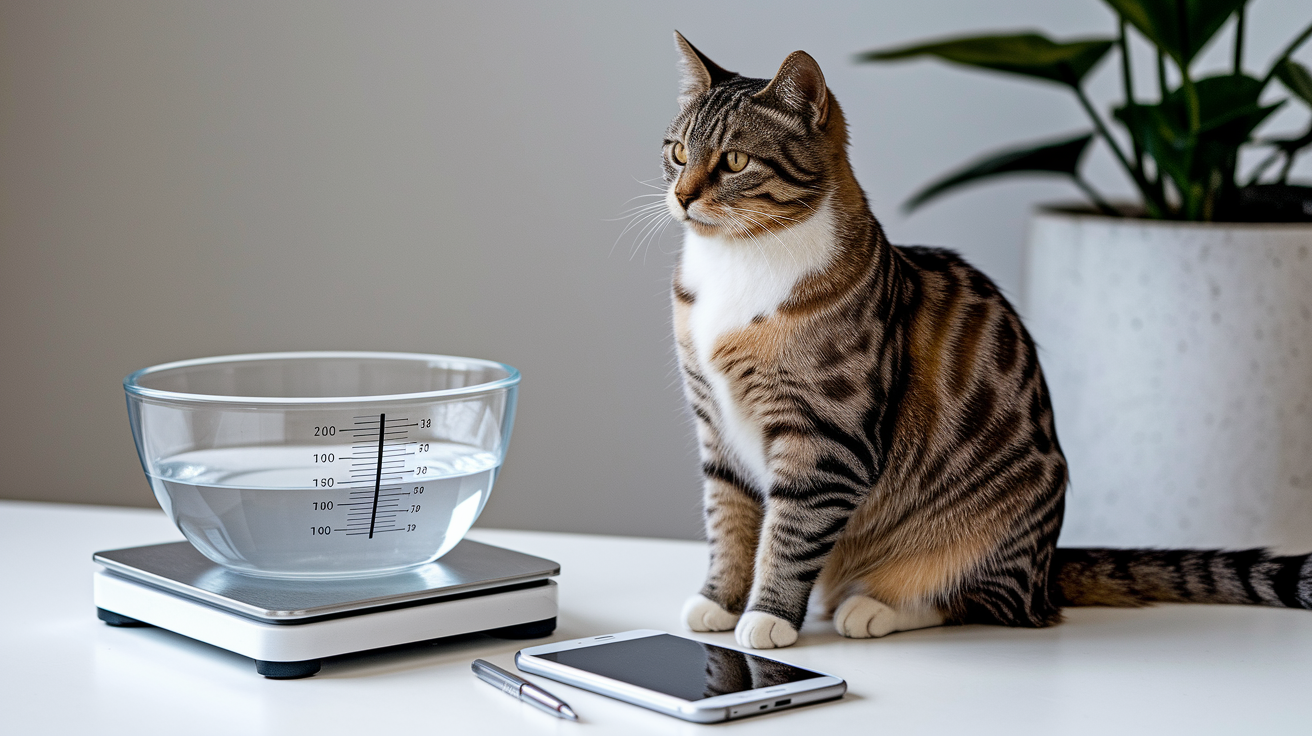
You need to limit your cat to a single water source during tracking. If your cat can access multiple bowls, a running faucet, or a fountain, measurement becomes impractical unless you remove all alternatives. Use a liquid measuring cup or kitchen scale set to milliliters to record the exact volume you pour into the bowl each morning, then measure what’s left 24 hours later. Subtract the remainder from the starting volume to calculate daily consumption. This simple method cuts out guesswork and gives you concrete numbers to share with your vet.
Follow these six steps to track water intake and related signs at home:
- Choose one clean water bowl and measure a known starting volume each morning (fill to exactly 12 ounces or 350 milliliters, for example).
- Remove all other water sources (fountains, dripping taps, bowls in other rooms) for your tracking period, typically 3 to 5 days.
- Measure water remaining in the bowl at the same time next morning, subtract to find total consumption, and write the number down in a notebook or phone app.
- Count how many times you see your cat drinking throughout the day and note whether trips to the bowl have increased compared to what you remember as normal.
- Check the litter box daily and record number of urine clumps, their size (small, medium, large), and whether the box needs scooping more often than usual.
- Weigh your cat on a home scale once at the start and once at the end of tracking, and note any appetite changes, behavior shifts, or physical signs like coat quality changes or energy level differences.
Medical Conditions Commonly Linked to Cats Drinking Excessive Water
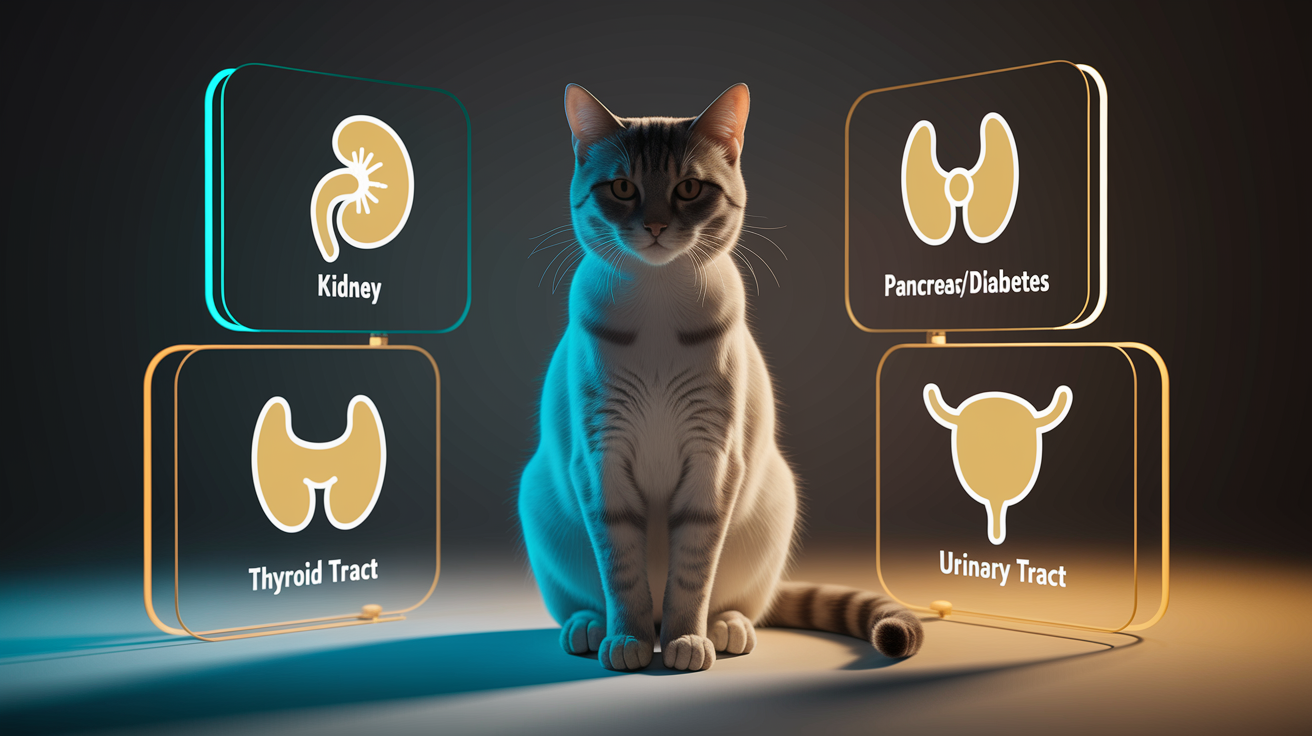
Several serious diseases mess with the body’s fluid balance and trigger excessive drinking in cats. Most share overlapping symptoms that make home diagnosis impossible. Understanding the most common causes helps you see the bigger picture and shows why vet diagnostics are essential. Each condition affects a different organ system, but all produce increased urination that drives compensatory thirst. All benefit from early detection and treatment.
Chronic Kidney Disease
Chronic kidney disease (often called CKD or chronic renal disease) is the top cause of excessive drinking in older cats. As kidney function declines, the organs can’t concentrate urine anymore, so the cat produces larger volumes of dilute urine and has to drink more to avoid dehydration. Common signs include gradual weight loss, poor or ammonia like breath, decreased appetite, and intermittent vomiting. Kidney disease isn’t curable, but with dietary changes, medications, and regular monitoring, many cats live for months or years after diagnosis. Early intervention slows progression and improves quality of life.
Diabetes Mellitus
Diabetes symptoms in cats typically include sudden increased water intake, frequent urination, weight loss despite normal or increased appetite, and lethargy or weakness. Diabetes happens when the pancreas doesn’t produce enough insulin or the body’s cells resist insulin’s effects, causing blood glucose to climb well above normal. High blood sugar spills into urine and pulls water with it, leading to more urination and triggering excessive thirst. Diagnosis relies on blood glucose testing and urinalysis. Treatment usually involves daily insulin injections, a switch to high protein canned food, and regular blood glucose monitoring at home. With early aggressive management, some cats achieve remission (maintaining normal blood glucose for at least four weeks without insulin).
Hyperthyroidism
Hyperthyroidism in cats results from a benign thyroid tumor that pumps out too much thyroid hormone, revving up metabolism and causing rapid weight loss even when the cat eats more than usual. Affected cats often seem restless or hyperactive, may vomit or have diarrhea, and drink way more water than before. Left untreated, hyperthyroidism can lead to high blood pressure, heart disease, and organ damage. Diagnosis is confirmed by measuring thyroid hormone levels in blood. Treatment options include daily methimazole (given as a pill or applied as topical gel to the inner ear) or radioiodine therapy, which usually cures the condition after a brief hospital stay of several days.
Urinary Tract Infections and Bladder Issues
Urinary tract infections and bladder inflammation cause frequent litter box trips, straining, small amounts of urine with each visit, and sometimes visible blood in urine or inappropriate urination outside the box. While UTIs and bladder crystals more commonly affect younger to middle aged cats, they can occur at any age and often trigger increased water intake as the cat tries to flush the urinary system. Male cats are at higher risk for life threatening urinary blockages, so any male cat showing difficulty urinating or producing only tiny amounts of urine needs emergency care. Diagnosis involves urinalysis and sometimes imaging. Treatment typically includes antibiotics, anti inflammatory medications, and dietary adjustments to prevent recurrence.
Vet assessment is essential because you can’t reliably tell these conditions apart by observation alone. Blood work, urinalysis, and sometimes imaging are required to pinpoint the cause. Many of these diseases progress rapidly without treatment. Early diagnosis not only improves outcomes but also prevents secondary complications that can shorten your cat’s life or reduce comfort and quality of life.
Diagnostic Tests Used to Determine Why a Cat Is Drinking More Water
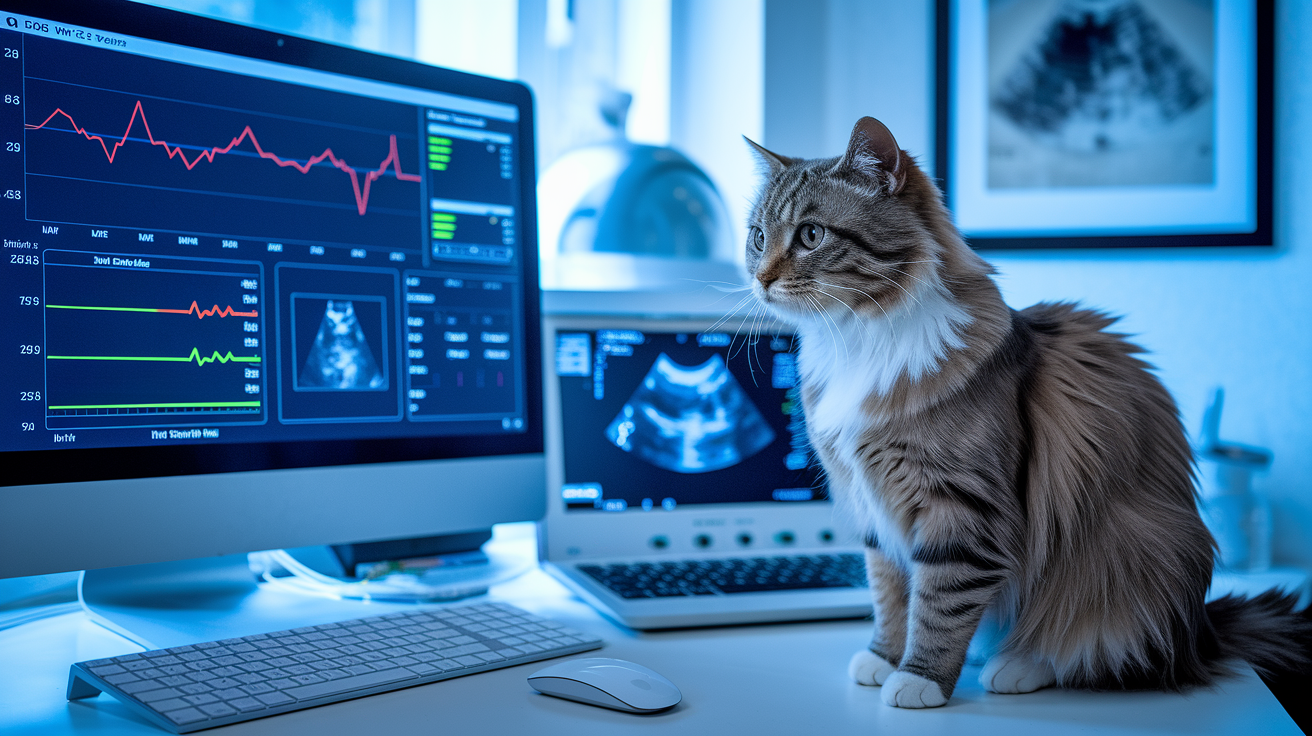
When you bring your cat to the vet for sudden excessive drinking, the diagnostic process starts with detailed history and physical exam, then moves quickly to lab tests that measure organ function, blood sugar, hydration status, and urine concentration. Most vets start with a core panel of bloodwork and urinalysis because these tests identify the majority of conditions that cause excessive drinking in cats. If initial results don’t give clear answers or if the physical exam reveals specific concerns like an enlarged thyroid gland, abdominal mass, or heart murmur, the vet may recommend additional testing.
Bloodwork typically includes a complete blood count (CBC) to check for infection, anemia, or inflammation, and a chemistry panel to evaluate kidney function (creatinine and blood urea nitrogen, or BUN), liver enzymes, blood glucose, and electrolyte balance. Elevated creatinine and BUN with low urine specific gravity point to kidney disease. High blood glucose suggests diabetes. Urinalysis measures urine specific gravity (how concentrated the urine is), checks for glucose, protein, blood, bacteria, and crystals, and helps confirm whether kidneys are concentrating urine properly. A thyroid test measures circulating thyroid hormone and is especially important in middle aged and senior cats, since hyperthyroidism is common in this group.
Advanced diagnostics come in when the cause stays unclear or when imaging can provide more detail. Abdominal ultrasound evaluates kidney size and structure, checks the liver and pancreas, and can identify tumors, cysts, or other abnormalities. X rays may be used to assess bladder stones or evaluate heart size if hyperthyroidism is suspected. Fructosamine testing (which reflects average blood glucose over the previous two to three weeks) helps confirm diabetes when a single glucose measurement is borderline or when stress has temporarily elevated glucose at the time of visit.
| Test | What It Detects | Useful For |
|---|---|---|
| Bloodwork (CBC and chemistry panel) | Kidney values (creatinine, BUN), liver enzymes, blood glucose, electrolytes, red and white blood cell counts | Screening for kidney disease, diabetes, liver disease, infection, and general organ function |
| Urinalysis | Urine specific gravity, glucose, protein, blood, bacteria, crystals, pH | Confirming excessive urination, detecting urinary tract infection, identifying diabetes (glucose in urine), assessing kidney concentrating ability |
| Thyroid hormone test (T4) | Circulating thyroid hormone level | Diagnosing hyperthyroidism in middle aged and senior cats |
| Imaging (ultrasound or X ray) | Kidney size and structure, liver abnormalities, bladder stones, tumors, heart size | Evaluating organ structure when bloodwork or urinalysis results are abnormal or unclear |
| Fructosamine test | Average blood glucose over previous 2 to 3 weeks | Confirming diabetes when single glucose measurements are borderline or affected by stress |
Home Monitoring Tips to Track Changes in Water Intake and Urination
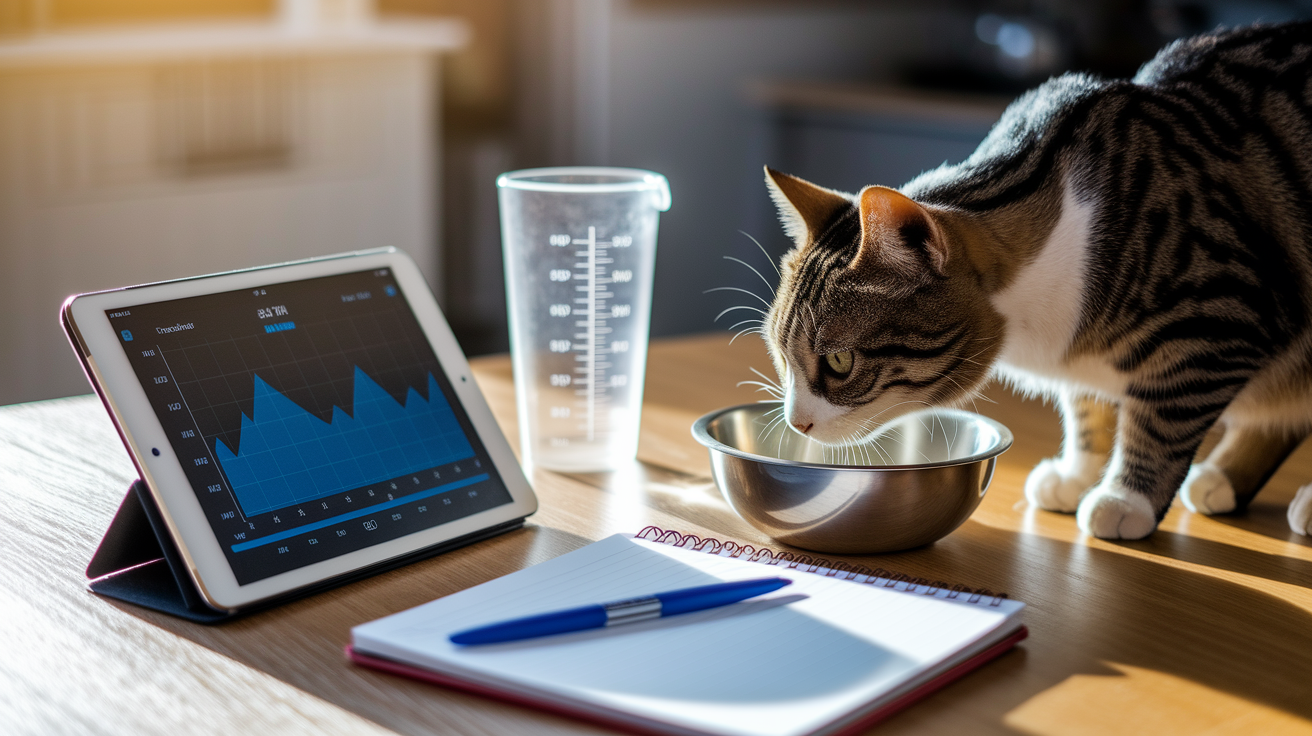
Tracking your cat’s water consumption and related symptoms at home gives your vet concrete data to guide diagnosis and treatment decisions. It also helps you catch worsening trends early. Consistent daily records are far more useful than vague estimates, so set up a simple system and stick with it for at least three to five days before your appointment. A notebook, spreadsheet, or pet care app can all work. Just make sure you capture the same information each day so patterns become visible.
Smart water fountains with tracking features or pet cameras positioned near the water bowl can automate part of this, but manual measurement with a measuring cup stays the most reliable method for single cat households. If you have multiple cats and can’t separate them, focus on observational cues. Note how many times you see each cat drinking, how often you refill the communal bowl, and whether litter box output has increased for one or more cats. Even rough estimates, when combined with physical signs and vet testing, provide valuable context.
Record these six data points daily during your monitoring period:
- Total water volume consumed in 24 hours, calculated by subtracting the amount remaining from the starting volume (measured in ounces or milliliters)
- Number of trips to the water bowl you observe, along with approximate duration of each drinking session
- Number, size, and moisture level of urine clumps in the litter box, and whether you’re scooping more often than usual
- Your cat’s body weight, measured at start and end of tracking on the same scale at the same time of day
- Appetite and eating behavior, noting whether your cat finishes meals, begs for more, or shows less interest in food
- Any changes in energy level, grooming habits, breath odor, vomiting, diarrhea, or behavioral shifts like hiding, irritability, or increased vocalization
When Sudden Excessive Thirst Requires Immediate Veterinary Attention

Some combinations of symptoms indicate conditions that can get worse rapidly or become life threatening within hours. These situations require same day or emergency vet care rather than waiting for a routine appointment. Sudden excessive thirst by itself isn’t usually an emergency, but when it appears alongside certain red flag signs, the underlying cause may be severe or progressing quickly. Trust your instinct if your cat’s behavior, appearance, or overall condition feels seriously wrong, even if you can’t pinpoint a specific symptom.
Male cats showing any difficulty urinating, straining in the litter box without producing urine, or producing only tiny dribbles need immediate evaluation. Urinary blockage is a true emergency that can cause kidney failure and death within 24 to 48 hours if untreated. Rapid weight loss over just a few days (especially when combined with increased drinking and urination) suggests uncontrolled diabetes or advanced kidney disease. Persistent vomiting, severe lethargy, inability to eat, yellowing of gums or skin (jaundice), or obvious signs of pain all warrant urgent attention, since they indicate organ failure, severe infection, or another critical illness.
Seek emergency or same day vet care if your cat shows any of these signs:
- Inability to urinate, straining without producing urine, or producing only very small amounts (especially in male cats)
- Rapid weight loss of more than 5 percent of body weight over a few days to a week, even if the cat is eating
- Repeated vomiting, refusal to eat or drink for more than 12 hours, or severe lethargy and unresponsiveness
- Visible yellowing of gums, skin, or whites of eyes, signaling liver disease or severe red blood cell destruction
- Collapse, seizures, extreme weakness, difficulty breathing, or any sudden dramatic change in behavior or consciousness
How Diet, Environment, and Medications Influence Water Intake
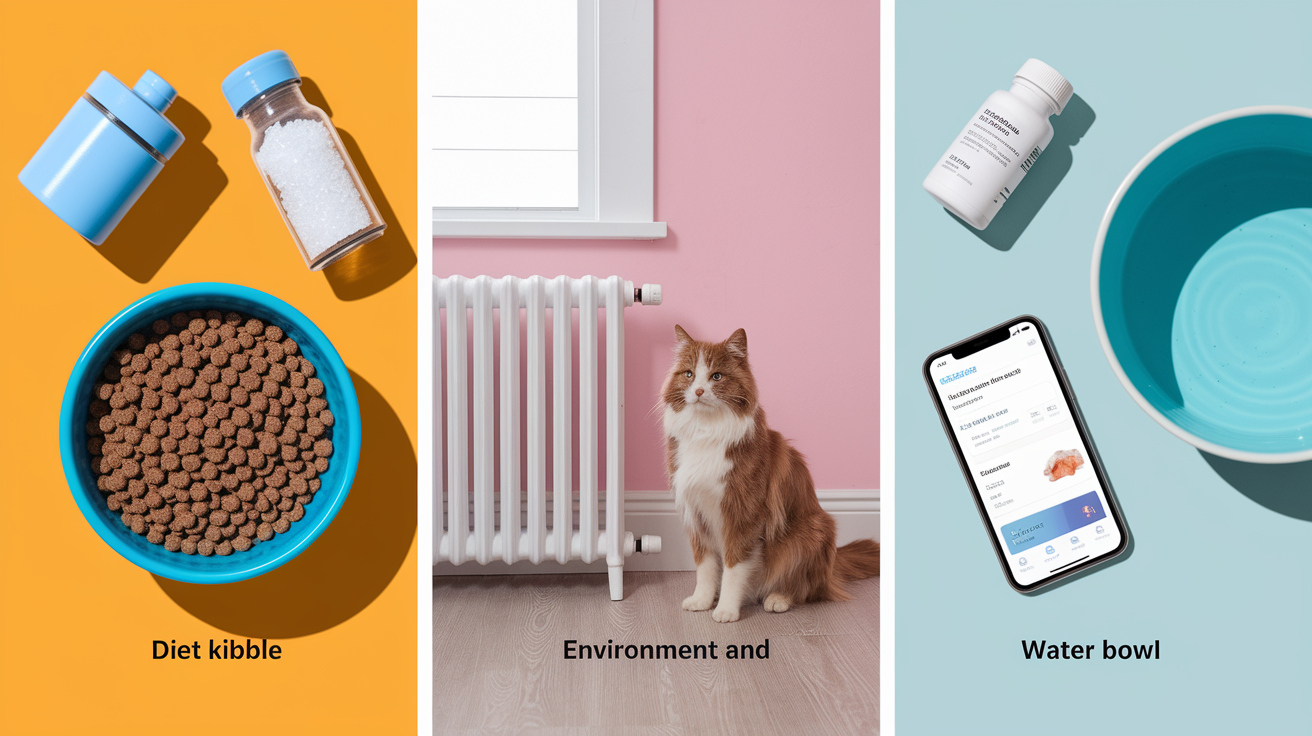
Not every case of a cat drinking more water than usual signals disease. Dietary composition, environmental conditions, and certain medications can all raise water consumption temporarily or persistently. Ruling out these benign influences helps you and your vet focus on true medical causes. Cats eating dry kibble need significantly more water than those on canned or fresh food, because kibble contains only about 10 percent moisture while canned food provides 75 to 80 percent. A cat that switches from all canned to dry food may double or triple its water intake within days. That’s normal and expected.
Environmental factors also play a role. Hot, dry weather increases evaporation from the respiratory tract and skin, so cats drink more to stay hydrated. Indoor heating during winter can create similarly dry conditions and raise thirst. If your cat’s increased drinking coincides with seasonal changes, a new heating or cooling system, or a move to a drier climate, monitor for a few days to see whether intake stabilizes at a new normal level. Temporary increases that taper off and aren’t accompanied by other symptoms usually reflect environmental adaptation rather than illness.
Medications (particularly corticosteroids like prednisone and diuretics like furosemide) commonly increase thirst and urination as side effects. If your cat recently started a new medication and suddenly begins drinking more, check with your vet before assuming disease. In many cases, increased thirst resolves once the medication is stopped or the dose is adjusted. High sodium foods and treats can also raise water intake, so review your cat’s full diet and eliminate salty snacks if you’re trying to figure out whether drinking is truly abnormal.
Long Term Management Options for Conditions That Cause Excessive Thirst
Once a diagnosis is confirmed, most conditions that cause cats to drink excessive amounts of water can be managed long term with a combination of medications, dietary changes, and regular monitoring. The specific treatment plan depends on the underlying disease, your cat’s age and overall health, and practical factors like your ability to give injections or pills at home. While some conditions like chronic kidney disease can’t be cured, early intervention and consistent management often allow cats to live comfortably for months or years after diagnosis.
Chronic kidney disease is managed with prescription diets formulated to reduce protein waste products, medications to control blood pressure and support appetite, and sometimes subcutaneous fluid therapy to maintain hydration. Your vet will use blood tests to track kidney function over time and adjust treatment as the disease progresses. Diabetes typically requires daily insulin injections, a transition to high protein canned food, and regular monitoring of blood glucose at home or through periodic vet visits. Early aggressive treatment can lead to remission in some cats (the cat maintains normal blood glucose for at least four weeks without insulin intervention).
Hyperthyroidism is treated with daily methimazole (given as an oral tablet or applied as gel to the inner ear) or with radioiodine therapy, which is usually curative after a hospital stay of several days. Methimazole requires lifelong administration and regular blood tests to monitor thyroid hormone levels and check for side effects. Radioiodine provides a one time treatment that destroys the overactive thyroid tissue. Urinary tract infections and bladder inflammation are typically treated with antibiotics or anti inflammatory medications, and dietary changes may be recommended to prevent crystals or stones from forming. Medication induced thirst usually resolves after stopping the offending drug under vet guidance, though some medications can’t be stopped abruptly and require gradual tapering.
Common long term management approaches for conditions causing excessive drinking:
- Chronic kidney disease: prescription renal diet, medications to control blood pressure and nausea, subcutaneous fluids as needed, and regular bloodwork every 3 to 6 months to monitor kidney values and adjust treatment
- Diabetes mellitus: daily insulin injections (usually twice per day), high protein canned food, home blood glucose monitoring or regular vet glucose curves, and weight management to improve insulin sensitivity
- Hyperthyroidism: daily methimazole (oral or topical) with periodic thyroid testing, or one time radioiodine therapy followed by monitoring for potential hypothyroidism
- Urinary tract infections and bladder issues: antibiotics for bacterial infections, anti inflammatory medications for sterile cystitis, prescription urinary diets to dissolve or prevent crystals, and increased water intake through canned food or water fountains
Final Words
See a sudden jump in your cat’s water? Start by checking the quick signs and red flags the post covered, like intake doubling, litter clump changes, or behavior shifts.
Measure and track daily water and litter-box habits, and expect diagnostic tests if needed. We walked through common causes, home monitoring tips, and long-term management steps.
If you notice your cat drinking a lot of water suddenly, don’t panic. Start tracking and call your vet if red flags appear. Early steps often lead to manageable care and better outcomes.
FAQ
Q: Do cats drink a lot of water when in pain?
A: Cats don’t always drink more just from pain. Increased water is more likely when pain comes from illnesses like kidney disease, UTI, or diabetes. Watch for other signs and call your vet if worried.
Q: What is considered excessive thirst in a cat?
A: Excessive thirst in a cat is when they drink noticeably more than normal. A rough guideline is about 3 ounces per 5 pounds, and sudden doubling of refills, trips, or heavier urine clumps signal excess.