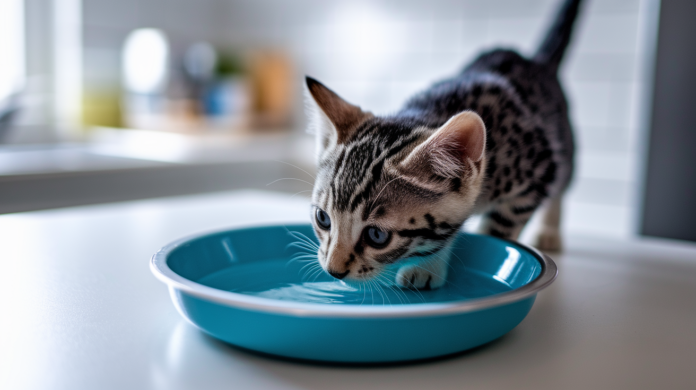

Think your kitten will always drink enough water?
Think again.
Kittens need about 30 to 60 ml of water per kilogram each day, but that changes with age and diet, newborns get liquid from mom while weaned kittens mix bowl drinking with wet or dry food.
This post gives the simple weight-based targets, shows what normal versus worrying looks like, and offers quick, practical tips to keep a growing kitten well hydrated.
You’ll get an easy math trick to figure daily amounts and simple checks you can do at home.
Age‑Based Water Needs to Support Healthy Kitten Hydration
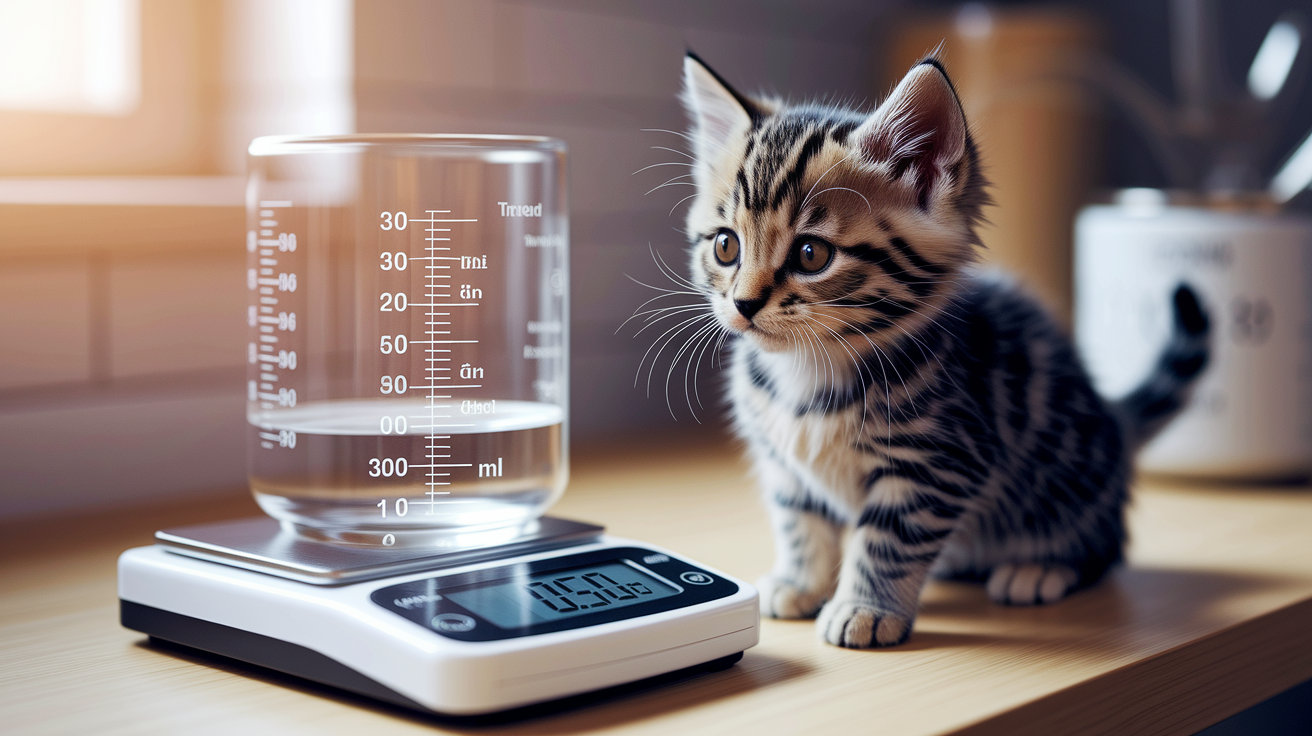
Kittens need somewhere between 30 and 60 ml of water per kilogram of body weight every day. But here’s the thing: for the first three or four weeks of life, they don’t drink water at all. Newborns get everything they need from their mother’s milk or formula. Your job during those early weeks is making sure the nursing mother has clean water available all the time so she can keep producing milk.
Around four or five weeks, kittens start getting curious about solid food and you’ll see them trying to lap at water. By eight to twelve weeks, most can handle their own hydration just fine with a good kitten diet and fresh water nearby. How much they actually drink from a bowl depends on what they’re eating. Wet kitten food is about 75 to 80% water, so kittens eating mostly wet food won’t drink as much from a dish compared to those crunching dry kibble.
Figuring out your kitten’s daily water target is pretty straightforward once you know their weight. Use a kitchen scale, then multiply their weight in kilograms by 30 for the low end and 60 for the high end.
Here’s what that looks like for common kitten weights:
- 0.5 kg kitten: roughly 15 to 30 ml per day
- 1.0 kg kitten: roughly 30 to 60 ml per day
- 2.0 kg kitten: roughly 60 to 120 ml per day
- 2.5 kg kitten: roughly 75 to 150 ml per day
Factors Affecting Kitten Water Consumption

Water needs aren’t fixed. They shift based on what your kitten eats, the environment, how active they are, and whether they’re feeling okay. Kittens eating mostly wet food drink less because they’re already getting a lot of fluid from their meals. Kittens on dry kibble drink more to make up for it. Climate matters too. Warm or dry environments mean more moisture lost through panting, so kittens need to drink more often.
Illness can change everything fast. Vomiting and diarrhea drain fluids quickly, and young kittens don’t have much margin for error. Their small bodies can’t afford to lose much before dehydration becomes a real problem. Stress, activity level, even small changes in routine can temporarily lower water intake. Some day to day variation is completely normal.
Key factors affecting kitten hydration:
- Diet composition (wet vs dry food)
- Ambient temperature and humidity
- Activity level and play intensity
- Current health (vomiting, diarrhea, fever)
- Stress or changes in household routine
Recognising Early and Advanced Signs of Dehydration in Kittens
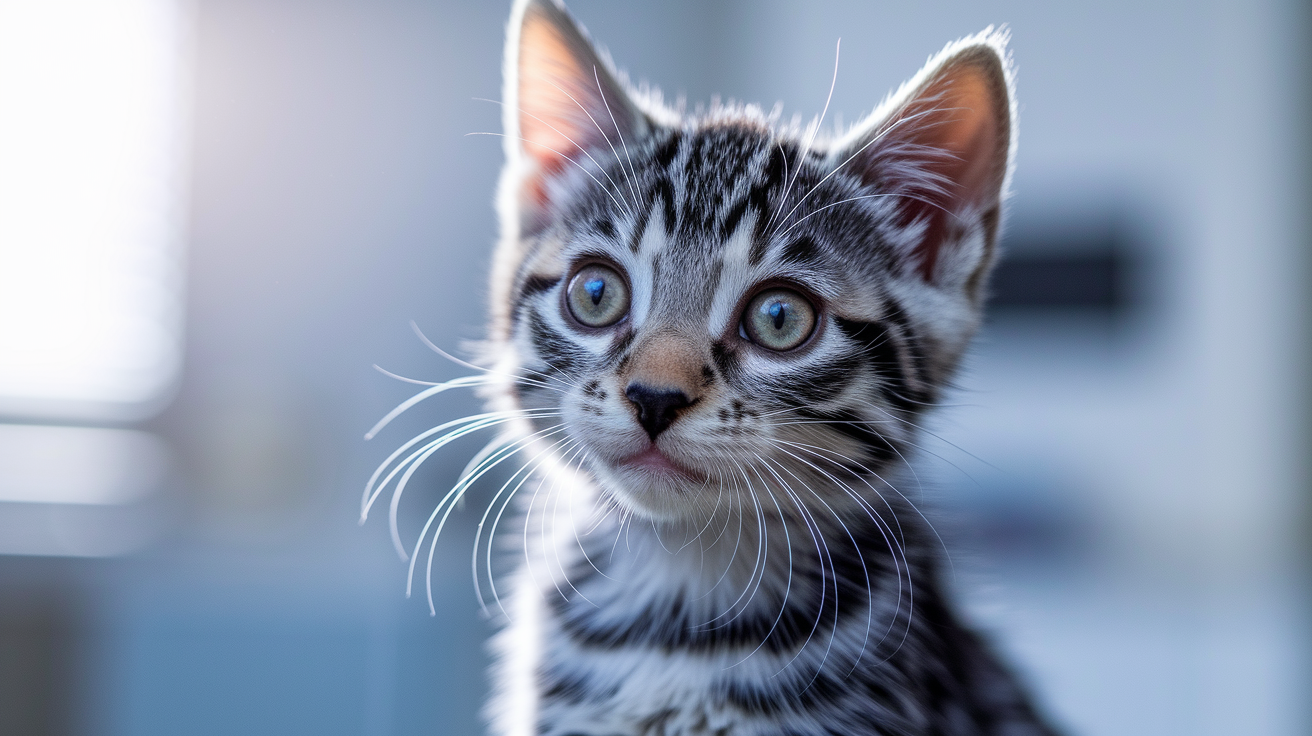
Dehydration happens when a kitten’s body loses more fluid than it takes in. The early signs can be easy to miss. Slight lethargy, less interest in play, or gums that feel a bit tacky instead of moist and slippery. As things get worse, the symptoms become more obvious: sunken eyes, dry or sticky gums, less urination, and loss of appetite. Skin elasticity changes too. When you gently pinch the skin at the back of the neck, hydrated skin snaps back right away. Dehydrated skin returns slowly or stays tented.
Young kittens can go downhill quickly. Vomiting and diarrhea are especially risky because they speed up fluid loss, and a kitten’s small body doesn’t have much reserve. If you notice any combination of these signs, especially in a kitten under twelve weeks, contact your vet the same day.
Healthy kittens are alert, playful, and produce small amounts of pale yellow urine several times a day. If your kitten hasn’t urinated in over twelve hours, seems unusually quiet, or refuses to drink even when you encourage them, get professional advice.
Practical At‑Home Hydration Checks
You can do a quick skin tent test at home by gently lifting the skin between your kitten’s shoulder blades and releasing it. The skin should fall back into place within a second. A quick snap back means good hydration. Check the gums by lifting the upper lip and pressing lightly on the gum tissue. Healthy gums are pink and moist, and when you press gently, the color should return within one to two seconds. Sticky, dry, or pale gums suggest dehydration.
Watch your kitten’s overall behavior. A well hydrated kitten is curious, responsive, and engaged. If your kitten is sleeping more than usual, ignoring toys, or moving slowly, and you notice any of the physical signs above, monitor closely. Don’t wait more than a few hours before reaching out to your vet if things don’t improve.
Encouraging Healthy Drinking Habits for Growing Kittens

Kittens often need a little help developing reliable drinking habits. The goal is to make water accessible, appealing, and part of their daily routine.
Start by offering fresh, clean water at all times and change it at least twice a day, morning and evening. Rinse the bowl thoroughly to remove any soap smell or residue. Kittens are sensitive to odors and tastes.
Six practical techniques to increase water intake:
- Use wide, shallow dishes that don’t press against whiskers. Most kittens prefer bowls that let them see around them while drinking
- Place multiple water stations around the house, especially near favorite nap spots and play areas
- Offer moving water with a cat water fountain or a slow dripping tap, which many kittens find more interesting than still water
- Try cool (not cold) water. Some kittens prefer water that’s been sitting at room temperature, while others like it slightly chilled
- Experiment with bottled, filtered, or boiled and cooled water if your kitten seems reluctant to drink tap water
- Keep water bowls separate from food bowls and away from the litter box to avoid contamination and improve appeal
Most kittens become more reliable drinkers as they mature. A kitten at five weeks might take tiny, hesitant laps a few times a day, but by twelve weeks, drinking usually becomes a steady, self regulated habit. If your kitten is slow to pick it up, keep water accessible and be patient. Forced drinking doesn’t work, but consistent availability does.
Water Sources, Bowl Materials, and Fountain Options for Kittens
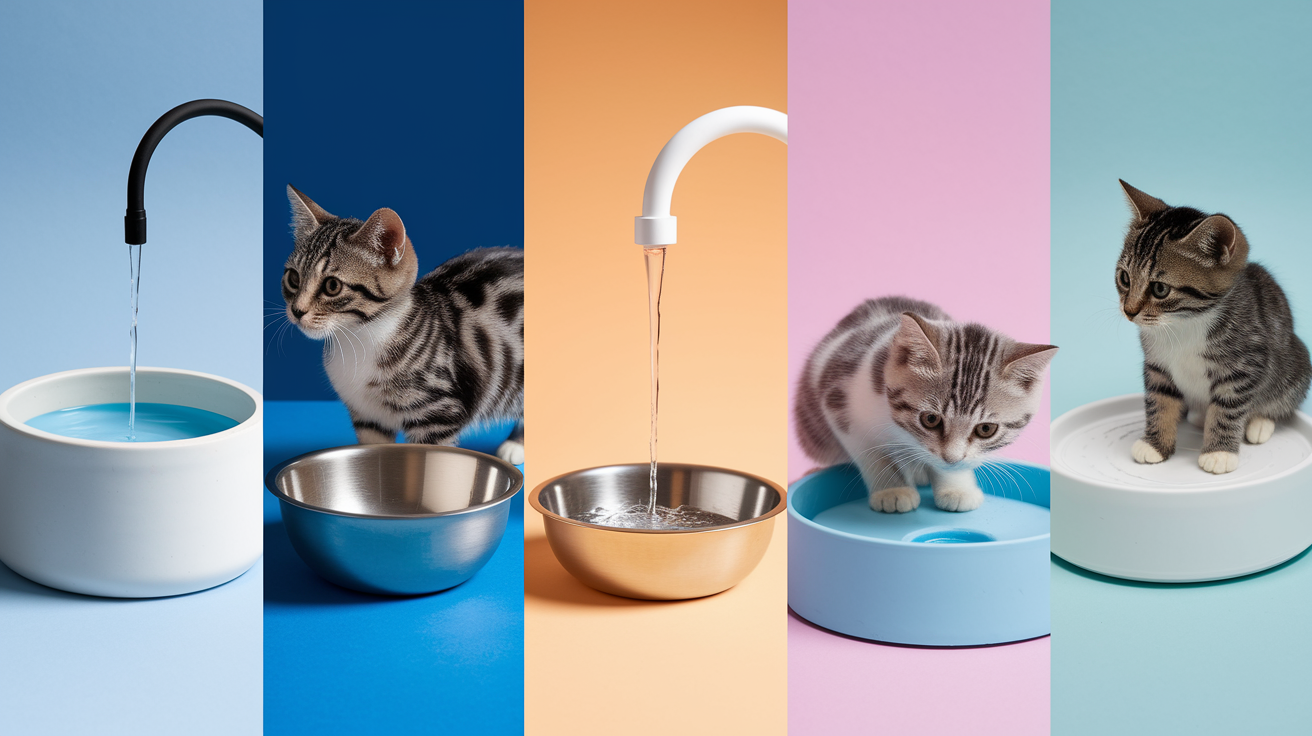
The type of dish and water source you offer can make a real difference in how much your kitten drinks. Wide, shallow bowls made of porcelain, stainless steel, or BPA free plastic all work, but porcelain and metal are easier to clean and less likely to hold odors. Some kittens develop a preference for one material over another, so if your kitten isn’t drinking much, try switching bowl types.
Many kittens are naturally drawn to moving water. It’s fresher, cooler, and more visually interesting. A pet fountain with a gentle flow or a tap left dripping slightly can encourage drinking in kittens who ignore still water. If you choose a fountain, pick one designed for kittens or small cats, with a low flow and easy access. Clean the fountain weekly and change the filter as directed to keep the water tasting fresh.
| Source/Container Type | Pros | Considerations |
|---|---|---|
| Wide shallow bowl (porcelain or metal) | Easy to clean, reduces whisker stress, stable and tip resistant | Requires daily cleaning and twice daily refills to stay appealing |
| Cat water fountain | Constant flow appeals to many kittens, filters improve taste, encourages more drinking | Needs weekly cleaning, filter replacement, and access to an outlet; can be noisy |
| Dripping tap or faucet | Fresh, cool, and visually engaging; many kittens seek it out naturally | Wastes water if left running; not practical as the only source; supervision needed for safety |
Hydration Changes During Weaning and Early Feeding Development

Newborn kittens don’t need water. For the first three to four weeks, all hydration comes from nursing or bottle feeding with kitten formula. During this stage, your job is to make sure the mother has unlimited access to water so she can produce enough milk. If you’re bottle feeding, follow the formula mixing instructions exactly. Over diluting or under diluting can cause serious health problems.
Around four to five weeks, kittens begin the weaning process. They’ll start exploring wet kitten food and may dip their paws or face into a shallow dish of water out of curiosity. Drinking at this stage is exploratory and messy. It’s normal for kittens to get more water on themselves than in themselves. By six to eight weeks, most kittens can lap water reliably and should have constant access to a clean dish alongside their solid food.
Once weaning is complete, usually by eight to twelve weeks, kittens no longer need kitten milk formula or commercial “kitten milk” products. These products are fine as an occasional treat, but they’re not a replacement for fresh water and shouldn’t be offered daily. A fully weaned kitten’s hydration comes from a combination of wet or dry kitten food and drinking water.
Three weaning stage hydration milestones:
- 4 to 5 weeks: Kittens begin lapping at water; most hydration still from mother’s milk or formula
- 6 to 8 weeks: Active weaning; kittens drink independently and eat solid food; water intake increases steadily
- 8 to 12 weeks: Fully weaned; complete kitten diet plus fresh water; no need for supplemental kitten milk
When Low or Excessive Water Intake Requires Veterinary Attention
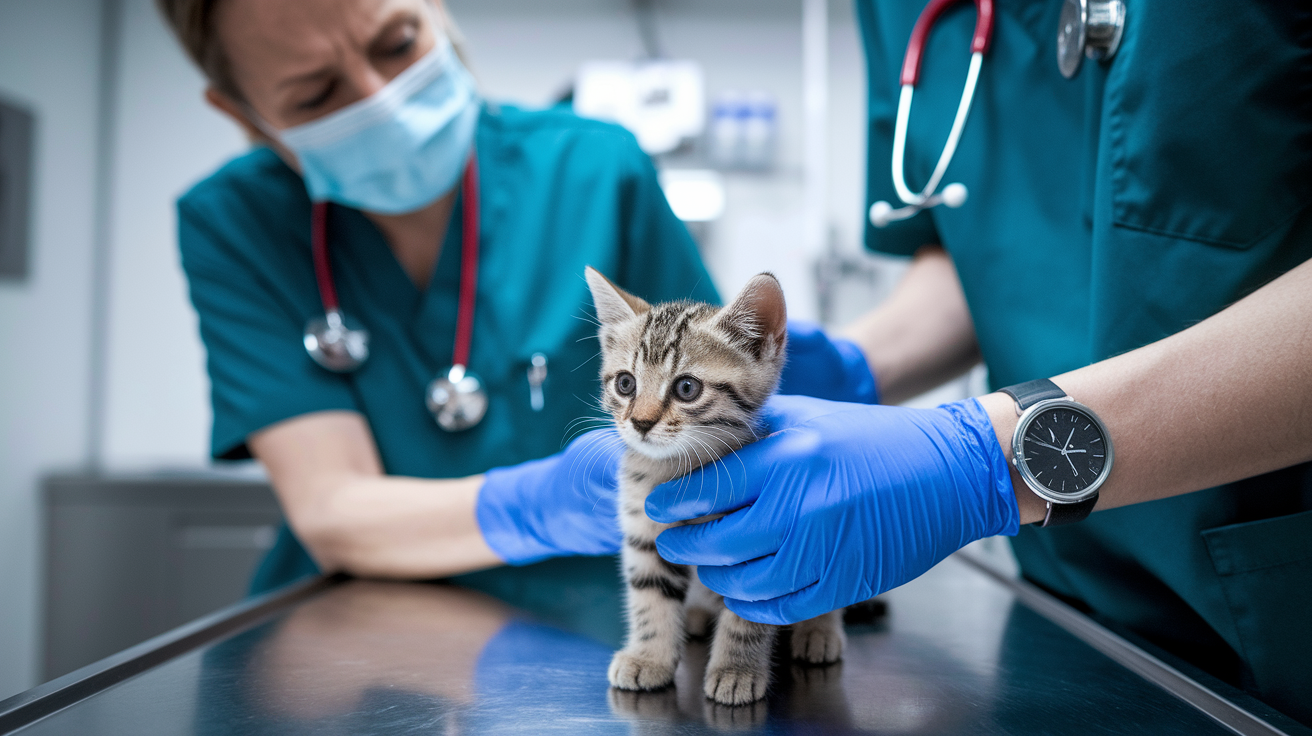
Most kittens self regulate their water intake once they’re weaned and healthy. But there are specific situations where drinking too little, or drinking far too much, signals a problem that needs professional evaluation. If your kitten shows signs of dehydration despite free access to clean water, or if you’ve tried multiple strategies to encourage drinking and nothing works, call your vet. Persistent low intake can point to pain, nausea, or an underlying illness that’s suppressing thirst.
Excessive drinking, called polydipsia, is equally concerning. If your kitten suddenly starts drinking much more than usual and urinating large amounts, it can indicate kidney disease, diabetes, or another metabolic disorder. These conditions are less common in kittens than in older cats, but they do happen. Early intervention makes a big difference.
Seek veterinary care when:
- Your kitten shows signs of dehydration (lethargy, sunken eyes, dry gums, skin tenting, reduced urination) despite access to water
- Vomiting or diarrhea lasts more than a few hours, especially in kittens under twelve weeks
- Your kitten hasn’t urinated in over twelve hours or produces very little urine
- Drinking suddenly increases dramatically, with frequent urination and possible weight loss
- Your kitten refuses to drink or eat for more than six to eight hours and seems unusually quiet or weak
Final Words
You’re filling bowls, watching tiny licks, and counting grams. This post gave clear, age- and weight-based water targets and showed how neonates, weanlings, and older kittens differ.
We covered how diet, weather, and illness change needs, how to spot early dehydration, practical drinking tips and bowl choices, and when to call the vet.
Keep routines simple: fresh cool water, shallow bowls or a fountain, and quick daily checks. Tracking water intake for kittens now makes it easier to catch problems early. Small habits add up. You’re on the right track.
FAQ
Q: How much water should kittens drink per day?
A: The amount of water kittens should drink per day is about 30–60 ml per kilogram of body weight; for example, 0.5 kg ≈ 15–30 ml, 1 kg ≈ 30–60 ml, 2 kg ≈ 60–120 ml.
Q: What is the 3-3-3 rule for kittens?
A: The 3-3-3 rule for kittens is an adoption guideline: three days to settle into a new home, three weeks to show comfort and routine, and three months to build steady trust and bonding.
Q: What is the silent killer of cats?
A: The silent killer of cats is often chronic kidney disease (CKD), which can progress with subtle signs; regular vet checkups and bloodwork help detect and manage it earlier.
Q: What annoys cats the most?
A: What annoys cats the most are sudden loud noises, rough or forced handling, dirty litter boxes, strong smells, and frequent routine changes; quiet, predictable spaces reduce stress.