

Think your cat’s quiet behavior is just moodiness?
Cats can hide fluid loss for days, so that “nothing’s wrong” calm can actually be the first sign of dehydration.
In this post you’ll learn the clear, easy symptoms to spot at home, from low energy and sticky gums to sunken eyes and odd panting, plus a simple skin test you can do in seconds.
By the end you’ll know what to try at home and which signs mean call your vet.
Cat Dehydration Symptoms Every Owner Should Recognize
What Is Dehydration in Cats?
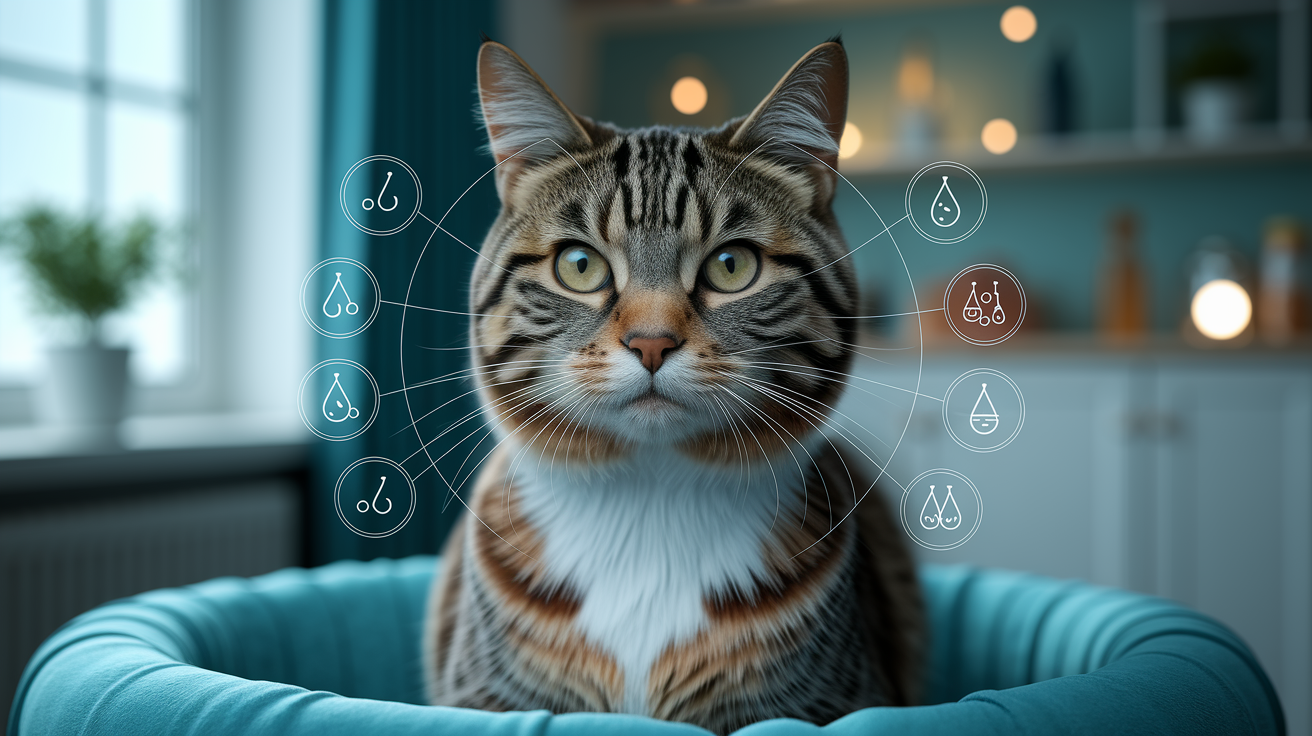
Dehydration happens when your cat’s body loses more fluid than it’s taking in. And it’s not just water. We’re talking about electrolytes too, like sodium and potassium, that keep organs working the way they should.
Fluids are the delivery system for everything your cat needs. They move nutrients to cells, clear waste through the kidneys, control body temperature, keep digestion running, and help the heart beat steady. When those fluid levels drop, the system starts breaking down.
Cats don’t always act thirsty the way dogs do. They come from desert ancestors and can get by on less water for a bit, but that also means dehydration can sneak up quietly. By the time something feels off, it might’ve been building for days.
Sometimes dehydration is mild, like after a long nap in a sunny window. Other times it’s severe and dangerous, especially if vomiting, diarrhea, kidney disease, or diabetes are involved. The trick is catching the signs early and knowing when you need to call the vet.
Why Do Cats Get Dehydrated?
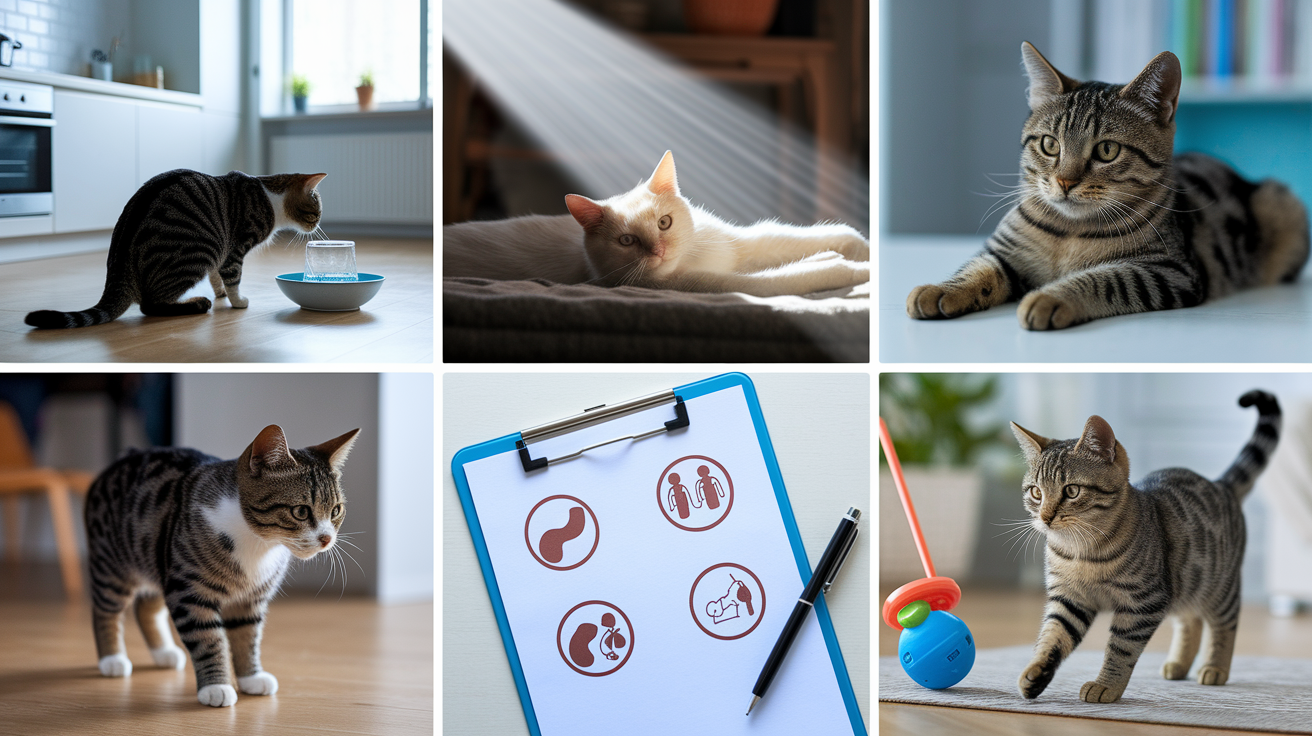
Not Drinking Enough Water
Some cats are just particular. They won’t drink from a bowl that’s been sitting there all day, or they ignore water placed next to their food or litter box. Others want running water and won’t touch anything still.
Dry kibble makes it harder. Dry food has about 10% moisture, compared to 70–80% in wet food. A cat eating only kibble has to drink a lot more to stay balanced, and plenty of them don’t.
Heat and Environment
Cats stuck in hot spaces can overheat fast, whether that’s indoors without AC or outside in the sun. Panting isn’t normal for cats like it is for dogs. If your cat’s panting, that’s a red flag for overheating, pain, or breathing trouble, all of which can cause or signal dehydration.
Outdoor cats in summer need shade and fresh water more than once a day. Water sitting in the sun gets too hot and your cat won’t drink it.
Illness and Medical Conditions
Vomiting and diarrhea strip fluids out fast. Just a few rounds can push a cat from normal to dehydrated, especially kittens or seniors.
Kidney disease is super common in older cats and messes with the body’s ability to hold onto water. Cats with chronic kidney disease pee more and drink more, but they still can’t keep up.
Diabetes also increases urination, which drains fluids. If your cat’s drinking constantly but still looks dehydrated, diabetes might be part of the picture.
Fever, infections, hyperthyroidism. All of these can increase how much water your cat needs or make them less likely to drink.
Increased Activity Without Rehydration
Active cats, especially young ones or those who play hard, lose moisture through panting and faster breathing. They don’t sweat the way we do, but they still lose water. If they don’t drink enough after, dehydration builds.
Five Dehydration Symptoms to Watch For

Low Energy and Listlessness
One of the first things you’ll notice is your cat slowing down. If your cat usually meets you at the door or plays in the evening and suddenly stops, something’s changed.
Dehydrated cats look tired, distant, just not quite right. They sleep more, move less, maybe hide somewhere quiet. It’s not obvious at first. Just a shift.
Loss of Appetite and Vomiting
Dehydration and not eating usually show up together. A cat who skips meals for more than 24 hours is already at risk, and if they’re vomiting on top of that, things get worse fast.
Even a little vomiting, especially repeated, drains fluids and electrolytes. The cat feels sick, refuses food and water, and the whole thing spirals without help.
Panting
Panting isn’t normal for cats. If your cat’s panting, it means overheating, serious stress, pain, or illness. It also shows up with dehydration, especially in hot places or after too much activity.
If you see panting, move your cat somewhere cool and quiet and call your vet. Don’t wait it out.
Pale, Sticky Gums and Thick Saliva
Healthy gums are pink and moist. Press gently on the gum with your finger and a small white spot should appear and fade within one to two seconds. That’s capillary refill time.
In a dehydrated cat, gums might look pale or grayish, feel dry or tacky, and the capillary refill slows or stops. Saliva can get thick, stringy, rope-like instead of thin and clear.
Lift your cat’s upper lip gently and check the gums. If they’re sticky, pale, or the white spot doesn’t disappear in two seconds, call your vet.
Sunken, Dull Eyes
A hydrated cat’s eyes are bright and sit normally. When dehydration gets moderate to severe, the eyes look sunken, recessed, dull.
This is a later sign and usually means the dehydration is serious. If you see sunken eyes plus other symptoms, your cat needs care right away.
How to Check for Dehydration at Home: The Skin Tent Test
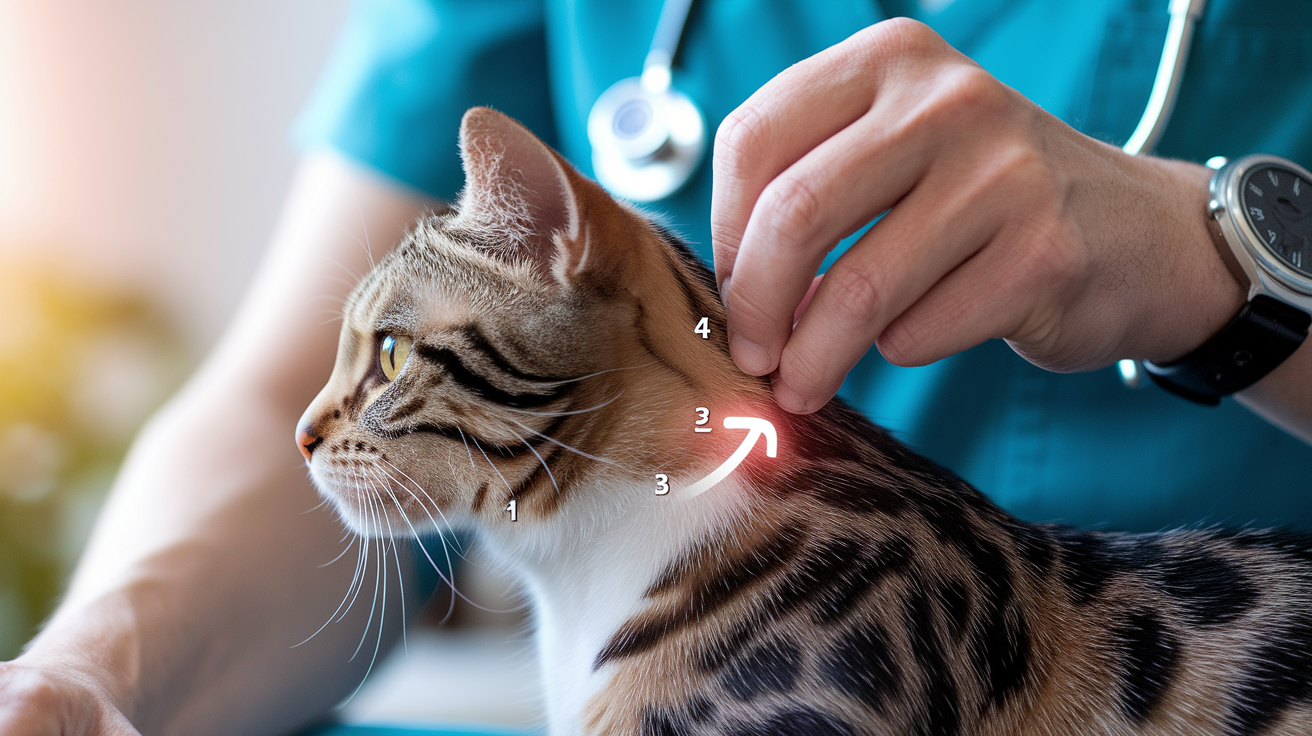
The skin tent test is simple and you can do it yourself. Here’s how.
Step 1: Gently grab a small fold of skin at the back of your cat’s neck, between the shoulder blades.
Step 2: Lift it about half an inch, then let go.
Step 3: Watch how fast the skin goes back to normal.
In a hydrated cat, it snaps back right away. In a mildly dehydrated cat, it takes a second or two. In a severely dehydrated cat, the skin might stay tented or return very slowly, sometimes not at all.
One catch: Older cats lose skin elasticity naturally. A slow skin tent in a senior cat doesn’t always mean dehydration. It might just be aging skin. Use this test with other signs, and if you’re not sure, call your vet.
When Dehydration Becomes an Emergency
Not all dehydration is the same. Mild cases can often be handled at home with more water and some diet changes. Severe cases need a vet immediately.
Emergency signs:
- Skin that stays tented and won’t go back to normal after the skin test
- Constant panting or rapid, shallow breathing
- Repeated vomiting or diarrhea
- Collapse, can’t stand, extreme weakness
- Pale or white gums with no capillary refill
- Sunken eyes plus lethargy and refusing food or water
If you see any of these, contact your vet or an emergency animal hospital right away. Severe dehydration can cause organ failure, shock, and death if left untreated.
What Your Veterinarian Will Do
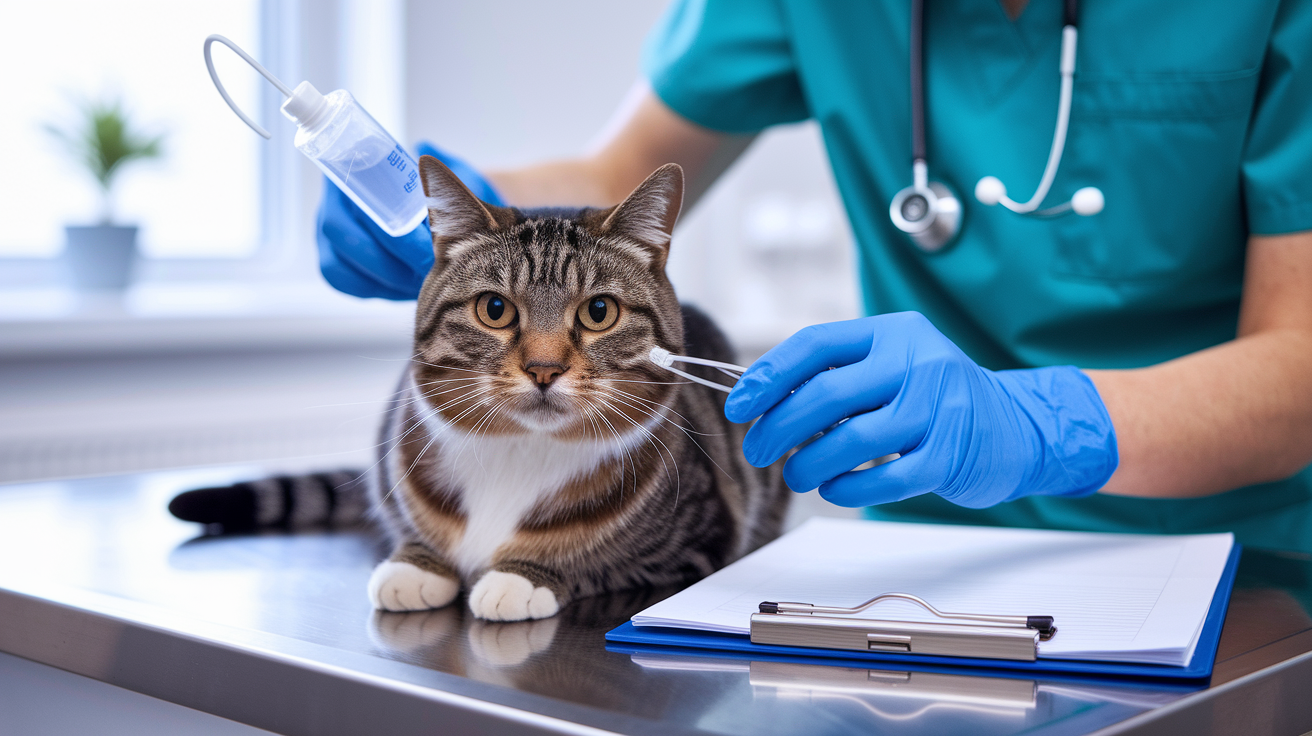
When you bring a dehydrated cat to the clinic, the vet starts with a physical exam. They’ll check skin elasticity, gum color and moisture, capillary refill time, heart rate, and how the eyes look.
They might run bloodwork to check kidney function, electrolyte levels, and overall organ health. A urine test shows how concentrated the urine is, which helps gauge dehydration severity and whether something like kidney disease or diabetes is involved.
Treatment depends on how bad it is:
For mild dehydration, your vet might send you home with instructions to encourage drinking, offer wet food, and watch closely. Sometimes they’ll give subcutaneous fluids, a quick injection of fluids under the skin that your cat absorbs over a few hours.
For moderate to severe dehydration, your cat will probably need IV fluids. This puts fluids and electrolytes directly into the bloodstream and works much faster. Your cat might need to stay at the clinic for monitoring, especially if the dehydration is tied to vomiting, kidney disease, or something else serious.
The vet will also treat whatever caused the dehydration. Fluids alone won’t fix the problem if the root cause stays.
How Much Water Does a Cat Need Every Day?
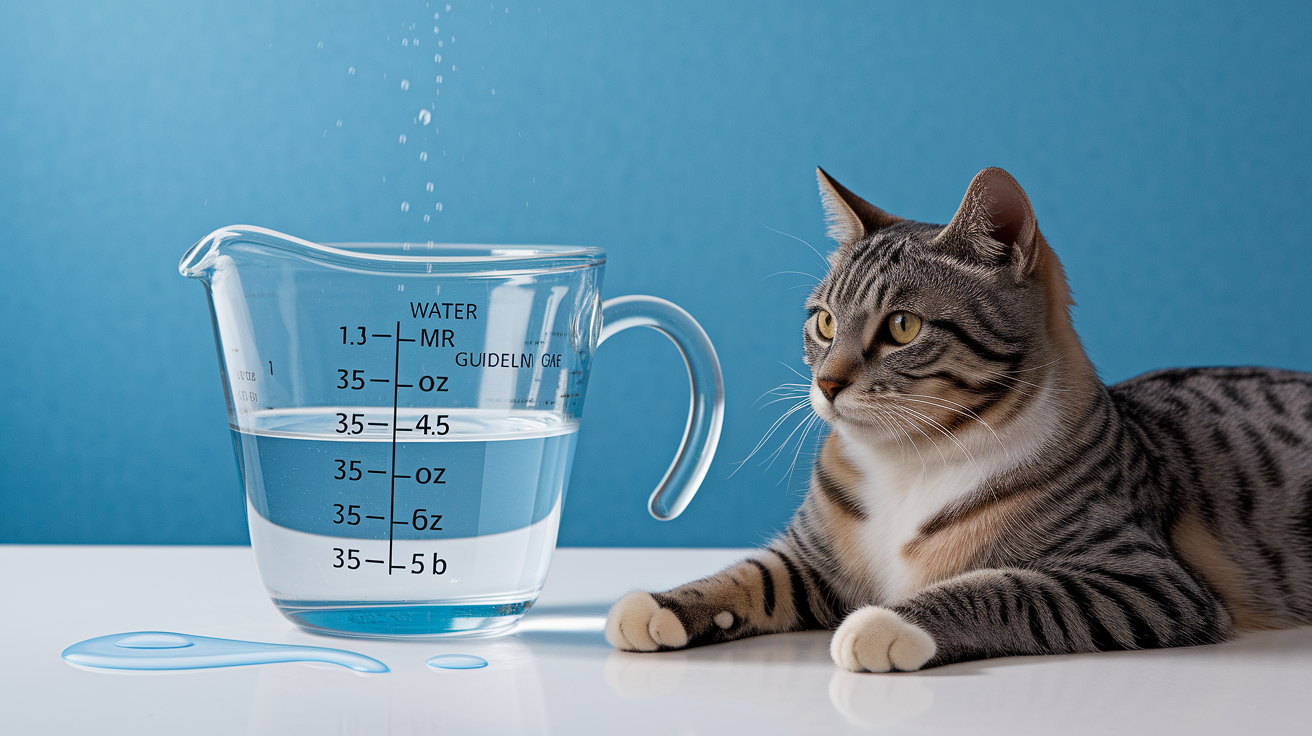
A general rule is 3.5 to 4.5 ounces of water per 5 pounds of body weight per day.
So a 10-pound cat should drink about 7 to 9 ounces daily. That includes water from food. A cat eating wet food gets a lot of their daily moisture from meals. A cat on dry kibble has to drink almost all of it.
You can estimate by watching your cat’s water bowl over 24 hours or by measuring how much water you add and checking what’s left the next day.
If your cat’s drinking way less than they should, or suddenly drinking way more, tell your vet. Both extremes can mean trouble.
How to Prevent Dehydration in Your Cat
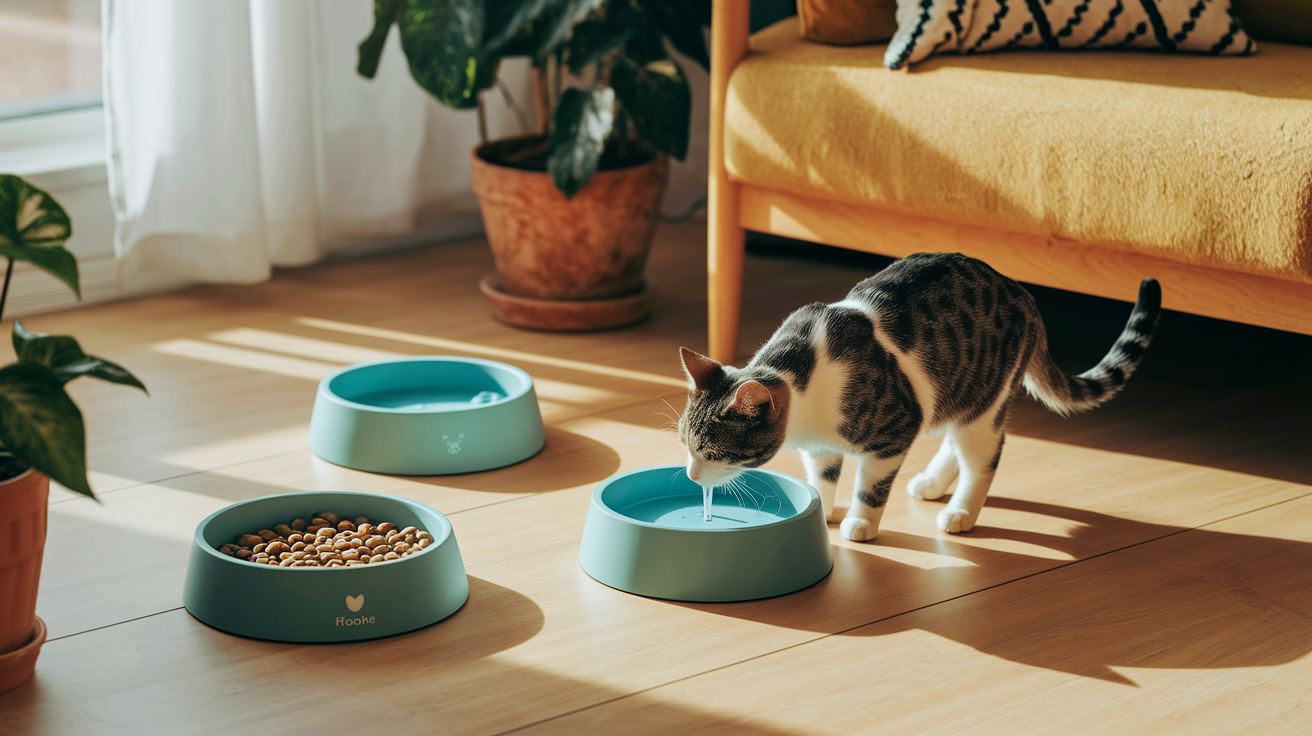
Offer Fresh, Clean Water Every Day
Cats are sensitive to taste and smell. Stale water, dirty bowls, or water near the litter box can all turn them off.
Wash your cat’s water bowl daily with mild dish soap and rinse well. Refill with fresh water at least once a day, more in hot weather.
Some cats like wide, shallow bowls that don’t touch their whiskers. Others prefer deep bowls or even glasses. Try a few things and see what works.
Consider a Cat Water Fountain
Lots of cats are drawn to running water. A pet fountain keeps water moving, which can get them drinking more and keeps the water fresher.
Pick a fountain that’s easy to clean. Change filters when needed and wash the fountain every week to stop bacteria from building up.
Add Wet Food to the Diet
Wet food is one of the easiest ways to boost hydration. Even adding a little wet food daily makes a difference.
If your cat only eats dry kibble, talk to your vet about switching to a mix or going fully wet. Make the change slowly to avoid stomach upset.
Place Multiple Water Bowls Around the Home
Cats drink more when water’s convenient. Put bowls in a few spots, especially where your cat hangs out.
Keep bowls away from the litter box and food. A lot of cats prefer separation.
Keep Indoor Spaces Cool in Hot Weather
Use air conditioning, fans, or shaded spots to keep your home comfortable. Cats can overheat indoors, especially upstairs or in rooms with lots of sun.
For outdoor cats, make sure there’s shade and refresh water a few times a day. Drop in some ice cubes to keep it cool longer.
Add Low-Sodium Chicken Broth or Flavor to Water
If your cat won’t drink plain water, try adding a bit of low-sodium chicken broth to make it more appealing. Use broth without onion or garlic, both toxic to cats.
Some vets suggest veterinary electrolyte solutions or water additives made for cats. Ask your vet before adding anything new.
Schedule Routine Veterinary Exams
Regular check-ups catch early signs of kidney disease, diabetes, hyperthyroidism, and other conditions that raise dehydration risk.
Senior cats should see the vet at least twice a year. Younger, healthy cats should go once a year.
Special Considerations for Older and Outdoor Cats
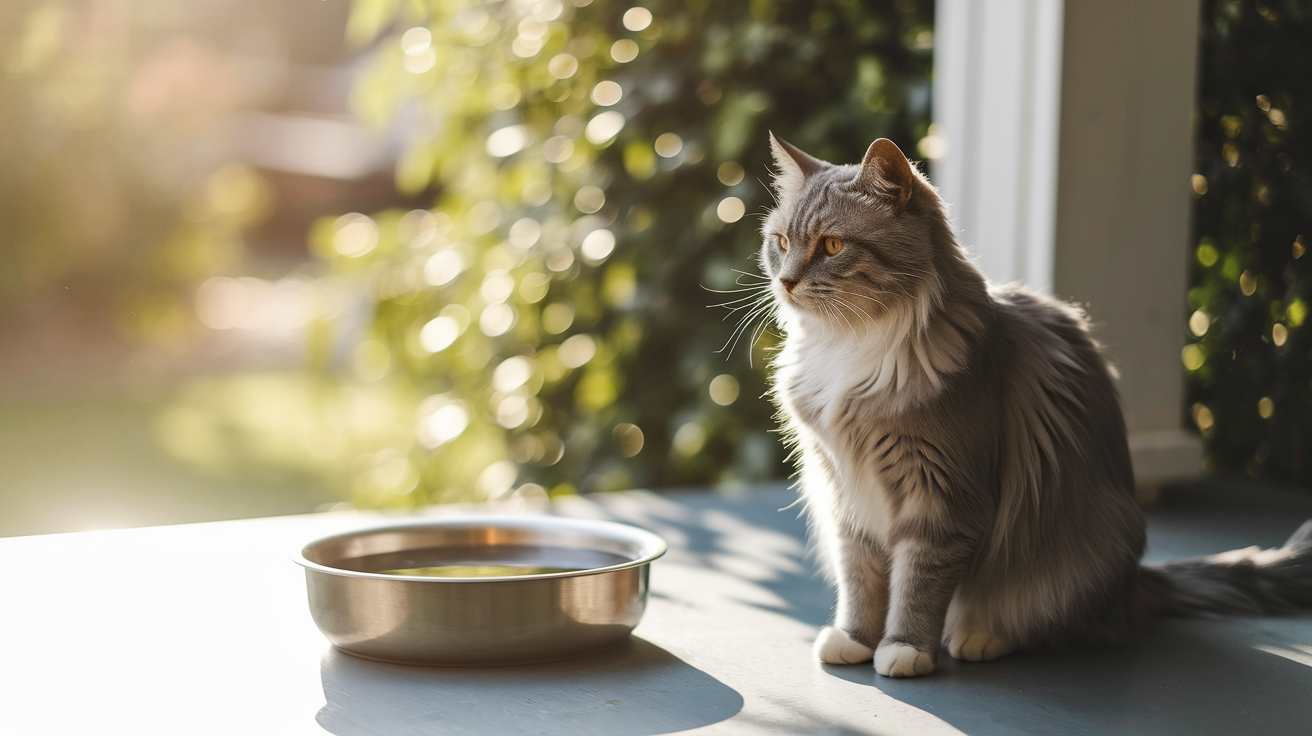
Older cats lose skin elasticity naturally, which makes the skin tent test less reliable. They’re also more prone to kidney disease, which raises dehydration risk.
Watch for changes in drinking, litter box use, appetite, and energy. Even small shifts can point to bigger problems in senior cats.
Outdoor cats face extra challenges. They might not have steady access to clean water, they’re exposed to heat and weather, and they’re more likely to deal with stress that cuts down on drinking.
If your cat goes outside, put water in multiple shaded spots. Check and refill bowls at least twice a day when it’s warm.
How to Monitor Your Cat’s Hydration at Home

Track your cat’s water intake for a few days to get a baseline. Measure how much you pour into the bowl and how much is left after 24 hours.
Watch litter box habits. More urination or very dark, concentrated urine can both signal problems.
Check gums weekly. Healthy gums should be pink, moist, and have quick capillary refill. If they ever feel dry or sticky, or the color looks off, call your vet.
Do a quick skin tent test once a week, especially in older cats or during hot weather. If the skin’s slow to return, offer extra water and keep watching. If it doesn’t improve or other symptoms show up, call your vet.
Keep a simple log if your cat has a chronic condition like kidney disease or diabetes. Note daily water intake, food, litter box visits, and any behavior changes. Share this with your vet at check-ups.
Long-Term Risks of Repeated or Chronic Dehydration
Chronic dehydration stresses the kidneys. Over time, it can contribute to chronic kidney disease, one of the top causes of illness and death in older cats.
It also raises the risk of urinary tract infections and bladder stones. Concentrated urine creates conditions where crystals and bacteria thrive.
Cats with diabetes or existing kidney disease are especially vulnerable. Dehydration makes managing these conditions harder and can lead to more crises, longer hospital stays, and worse outcomes.
Prevention is easier than treatment. Small daily habits like fresh water, wet food, clean bowls, and routine vet visits add up to better long-term health.
Final Words
You learned the common signs: dry gums, less urine, skin that tents, sunken eyes, and low energy. Plus quick checks you can do at home.
Try offering fresh water, wet food, or a syringe if they won’t drink. Monitor for improvement over a few hours.
Spotting cat dehydration symptoms early gives you the best chance to help. Small steps at home can make a big difference, and your vet is there when you need them. You’re doing the right thing.
FAQ
Q: How do you rehydrate a cat?
A: To rehydrate a cat, offer fresh water, feed wet food, or give small amounts of unflavored oral electrolyte solution; for moderate or severe dehydration, see a vet for subcutaneous or IV fluids.
Q: How quickly do cats recover from dehydration?
A: Cats recover from dehydration at different speeds; mild cases often improve within 24–48 hours with fluids and rest, while severe dehydration can take several days and needs veterinary treatment and monitoring.
Q: How can you tell if a cat is getting dehydrated?
A: You can tell a cat is getting dehydrated by dry gums, skin that returns slowly when pinched (skin tenting), sunken eyes, reduced appetite, and less frequent urination; if you see these signs, call your vet.
Q: Can I give Pedialyte to my cat?
A: You can give unflavored Pedialyte in small amounts for mild dehydration, but check with your vet first; avoid flavored or sugary varieties and seek veterinary care for severe or persistent symptoms.