

Could your dog’s water bowl be the reason they drink less, make a mess, or pick up germs?
It’s a small choice with big results.
Materials, shape, height, and stability change how long a bowl lasts, how clean it stays, and whether it spills all over the floor.
We compared the top picks so you don’t waste time or money.
This guide walks through stainless steel, ceramic, plastic, and silicone, plus size, elevated and anti-slip options, fountains and travel bowls, and easy cleaning tips so you can pick the best water bowl for your dog and daily routine.
Materials Matter: Stainless Steel, Ceramic, Plastic, and Silicone
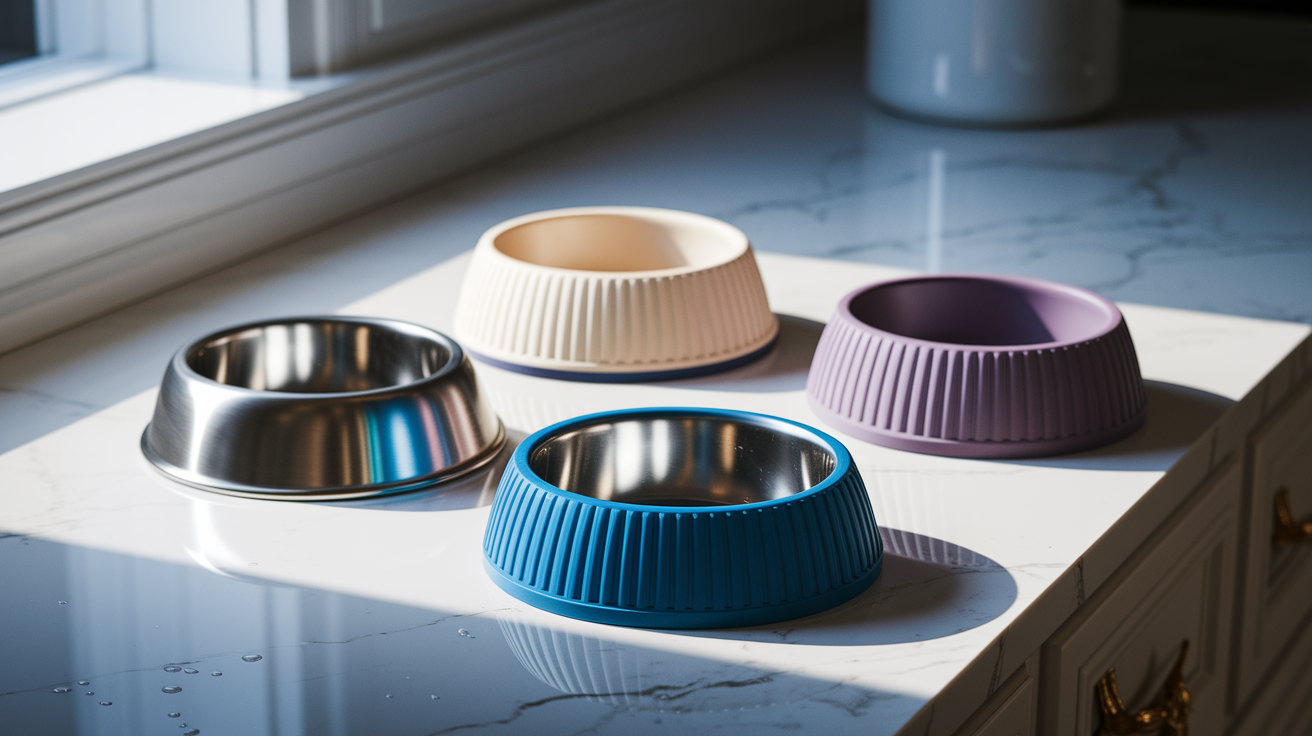
What your dog’s water bowl is made of changes how long it lasts, how clean it stays, and whether it can handle being knocked around every day.
Stainless steel works for most homes. It’s tough, goes in the dishwasher, won’t rust, and doesn’t scratch much. Fewer scratches mean fewer hiding spots for bacteria. It’s BPA-free and won’t chip or crack when your dog tips it over. The catch? It’ll slide across the floor unless you get a non-slip mat or a version with a rubber base.
Ceramic bowls look good and come in tons of styles, which matters if you care about your kitchen aesthetic. They’re heavy enough to stay put. But they chip when dropped, and once that glaze cracks, bacteria move in. If you go ceramic, check it often and toss it when you see damage.
Plastic bowls are cheap and light, but they scratch easily. Those scratches trap food bits, saliva, and moisture. Perfect breeding ground for bacteria. Some plastics can also leak chemicals, especially if they sit in the sun or get washed in very hot water. If you’re using plastic, replace it the moment you see scratches or weird discoloration.
Silicone bowls are flexible and collapsible, which makes them great for travel, hikes, or keeping in the car. They weigh almost nothing and pack flat. But they’re not as tough as stainless steel or ceramic. They can tear, pick up smells, and might not hold up to daily use at home. Think of them as a backup for when you’re out, not your main bowl.
Size, Capacity, and Depth: Matching the Bowl to Your Dog
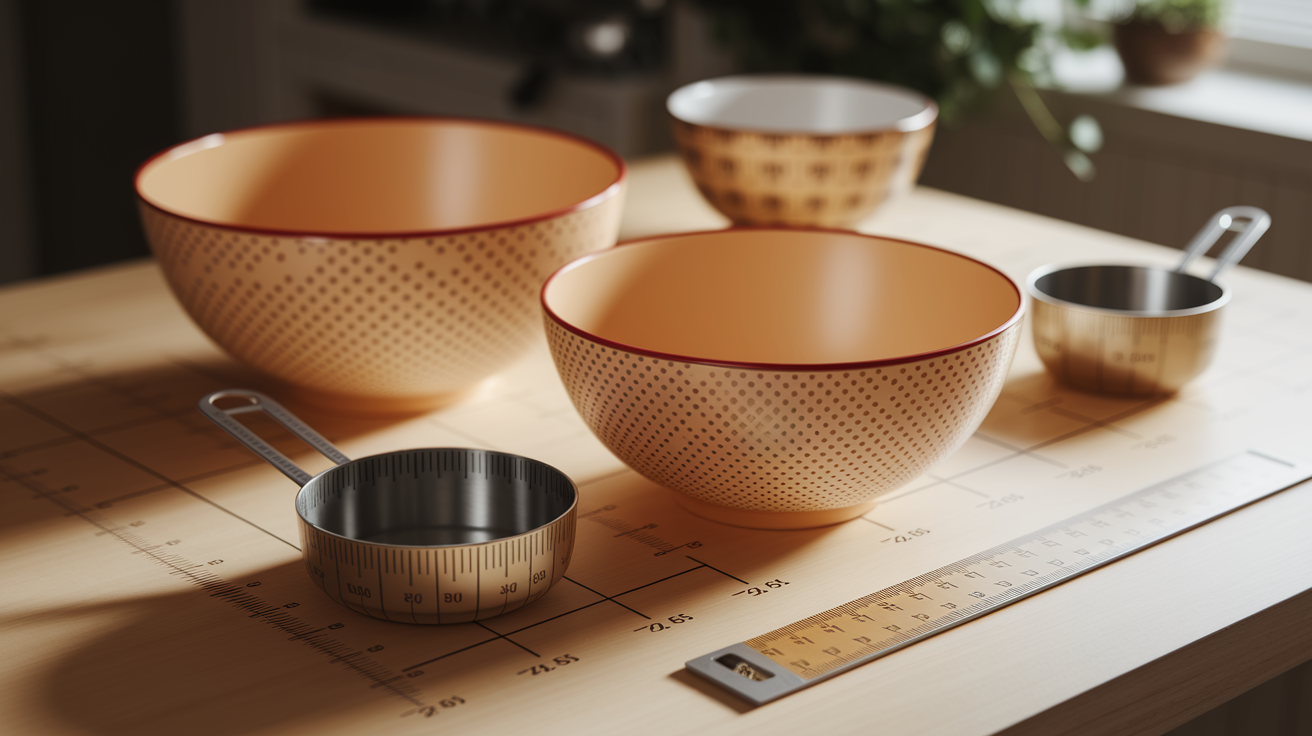
Too small means you’re refilling constantly. Too deep and short-snouted breeds or puppies can’t drink comfortably.
Start with the one ounce per pound rule. A 40-pound dog needs about 40 ounces of water daily, roughly 5 cups. If you want to refill once a day, get a bowl that holds at least that much, plus a bit extra. For a 40-pound dog, something with a 6 to 7 cup capacity (48 to 56 ounces) gives you room.
Larger dogs need larger bowls. A 100-pound dog drinks around 100 ounces a day, about 12.5 cups. A 2 to 3 quart bowl (64 to 96 ounces) works well and cuts down on refill trips.
Small dogs and puppies do better with shallow bowls. Deep ones make it hard for them to reach the water without tipping the bowl or getting their whole face wet. A bowl with a 1 to 2 cup capacity and low sides usually does the job for dogs under 20 pounds.
Depth also matters for snout shape. Flat-faced breeds like Bulldogs, Pugs, and Shih Tzus struggle with deep bowls. A wide, shallow dish lets them drink without strain. Long-snouted breeds like Greyhounds and Collies can handle deeper bowls just fine.
If you’ve got multiple dogs, size the bowl for the biggest one and plan to refill more often. Or use two separate bowls to avoid crowding and competition.
Elevated Bowls: When Height Helps
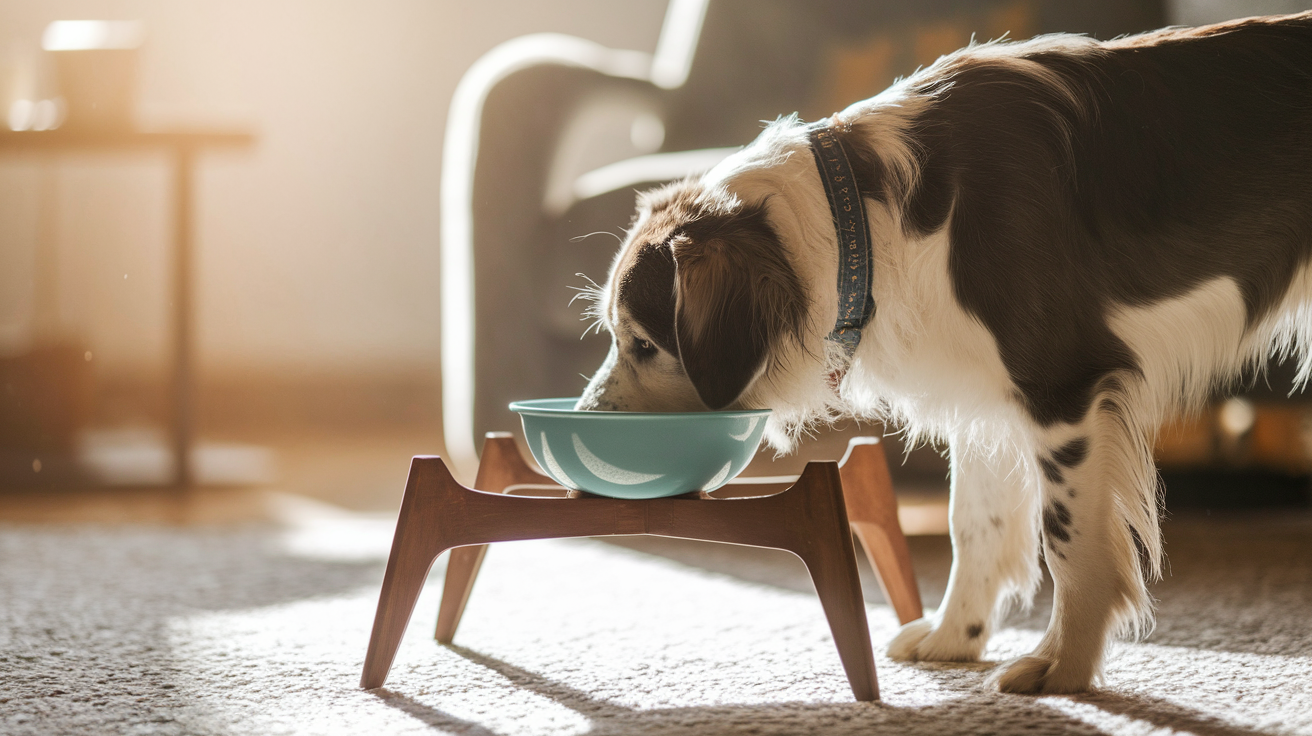
Elevated bowls lift the water off the ground, which can make drinking easier for some dogs.
They’re most useful for large breeds, senior dogs, and dogs with joint pain or neck stiffness. Raising the bowl cuts down on how far a dog has to bend, which can ease strain on the shoulders, neck, and spine. It’s like adjusting your desk height so you’re not hunched over all day.
Elevated bowls also cut down on spills. When the bowl sits higher, dogs are less likely to step in it, knock it over, or splash water everywhere. Helpful if you have a messy drinker or a dog who paws at the bowl.
Height matters. The rim should be roughly level with your dog’s chest or lower shoulder. Too high and your dog will have to stretch upward, which defeats the purpose. Too low and they’re still bending down. Many elevated bowls come with adjustable legs or multiple height options. For example, one mid-century modern elevated bowl offers a standard 4.75 inch height and an elevated 8.25 inch option.
Elevated bowls aren’t recommended for all dogs. Some studies suggest they may increase the risk of bloat in deep-chested breeds like Great Danes, German Shepherds, and Standard Poodles, especially if the dog eats or drinks very quickly. If your dog is prone to bloat, talk to your vet before switching.
For most other dogs, especially older or arthritic pets, an elevated bowl can make daily drinking more comfortable.
Anti-Slip Bases, Spill-Proof Designs, and Weighted Bowls
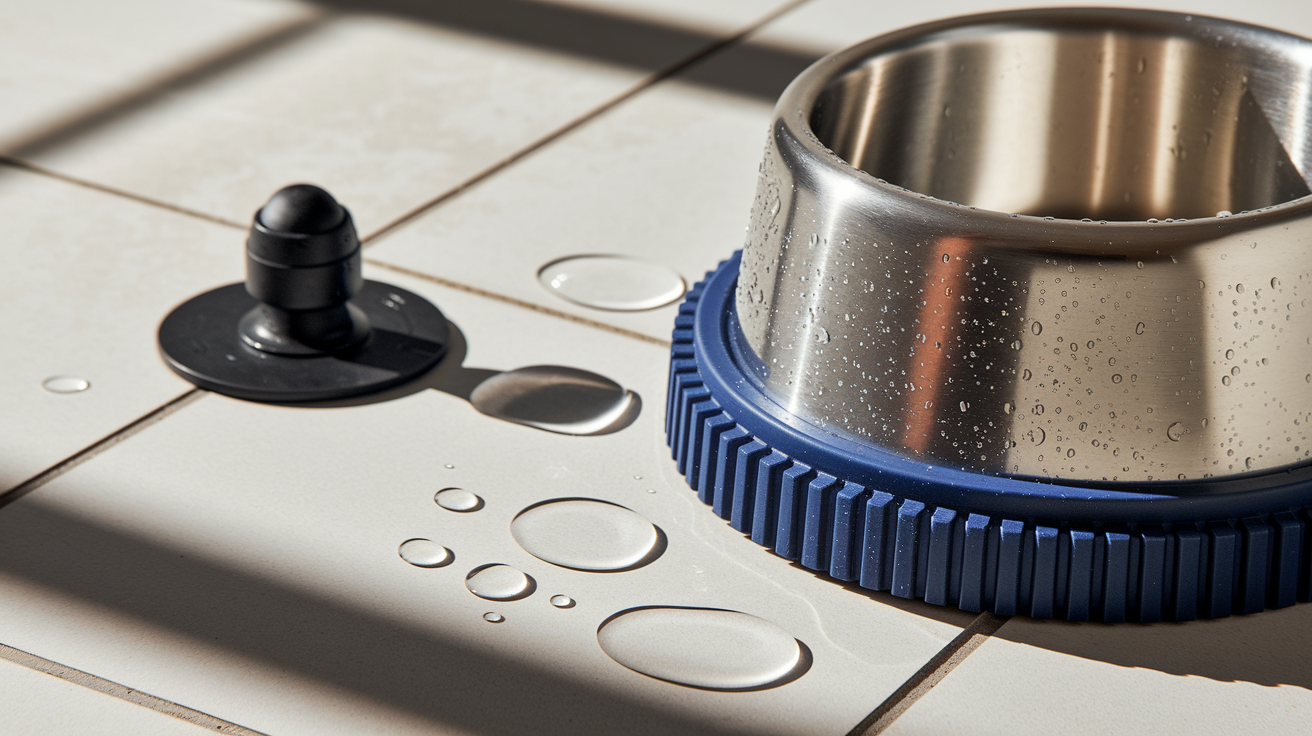
If your dog pushes the bowl across the floor, flips it over, or splashes water everywhere, a bowl with stability features can help.
Non-slip rubber bases grip the floor and keep the bowl in place. These bowls have a ring of rubber or silicone on the bottom that stops sliding on tile, hardwood, or laminate. They work well for enthusiastic drinkers and dogs who paw at the bowl. The Toadfish Non-Tipping Dog Bowl, for example, uses a suction-like base that’s hard to knock over.
Weighted bowls add mass to resist tipping. Some stainless steel bowls have a thick, heavy base that stays put even when nudged. Good for large dogs who drink with a lot of force.
Spill-proof and splash-reducing designs slow down how fast water leaves the bowl. The Slopper Stopper Dripless Water Bowl uses a floating disk that limits how much water a dog can access at once, which reduces the drips and puddles after drinking. These bowls help with dogs who drink fast and leave wet trails across the floor.
The downside of rubber-base bowls is that the rubber itself can collect grime, fur, and food particles. You’ll need to flip the bowl over and clean the base regularly, not just rinse the inside.
Weighted bowls can be heavy to move when you’re cleaning or refilling. That’s fine if the bowl stays in one spot, but less convenient if you move it between rooms or take it outside.
If spills are your main problem, start with a basic non-slip rubber base. If your dog is strong or clumsy, consider a weighted or suction-style bowl.
Automatic Water Fountains and Self-Watering Dispensers
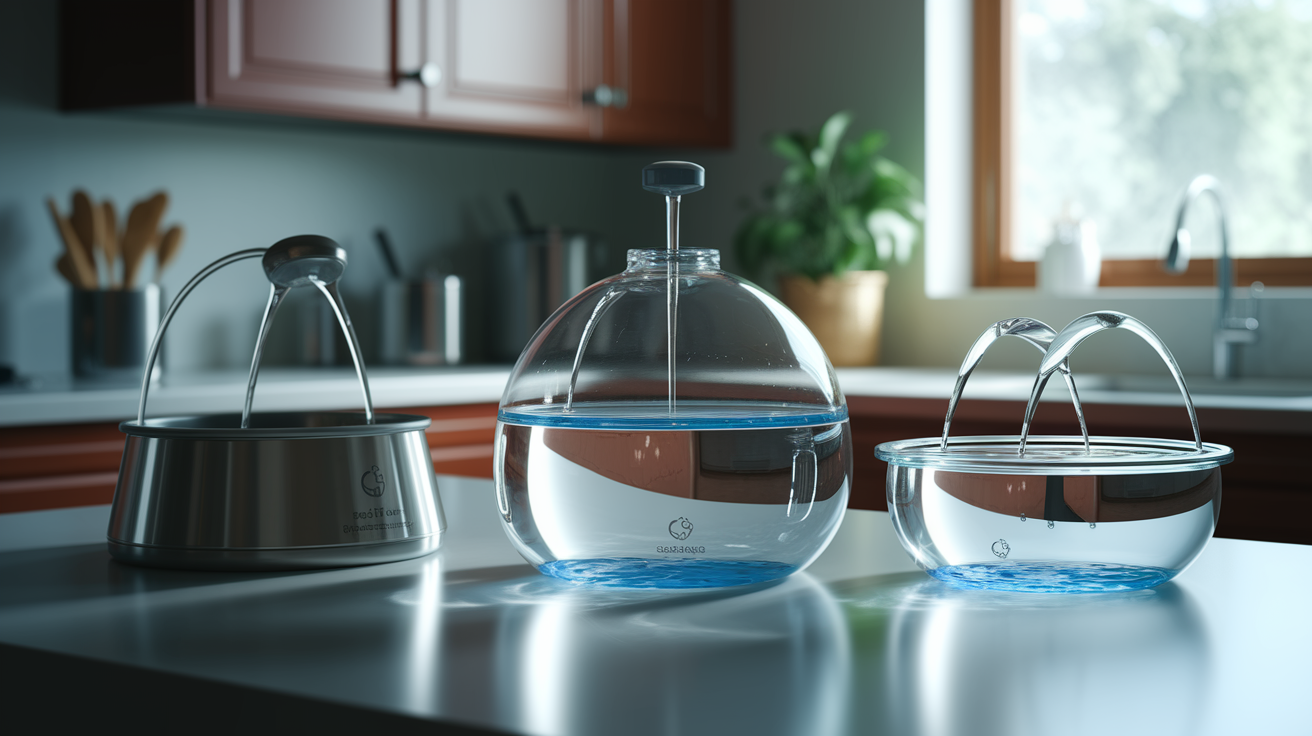
Automatic systems keep water available for longer and can encourage dogs to drink more.
Gravity-fed dispensers are the simplest type. They use a reservoir that slowly refills the bowl as the water level drops. The PetSafe Healthy Pet Water Station comes in three sizes: a half gallon for small dogs ($19.95), a 1 gallon for medium dogs ($24.95), and a 2.5 gallon for large dogs ($49.95). A 50-pound dog drinking from the 1 gallon model would need a refill about every other day. These dispensers are quiet, need no power, and work well if you’re gone during the day or have multiple pets.
Electric water fountains circulate and filter the water. The OneIsAll Large Dog Water Fountain holds 7 liters (about 1.85 gallons), uses a carbon filter, and has a quiet pump. It’s made of stainless steel and costs $69.99. The Pioneer Pet Big Max Stainless Steel Fountain holds 1 gallon, has adjustable flow, and is dishwasher-safe at $99.99. These fountains keep water fresh and oxygenated, which some dogs prefer over still water.
Cordless fountains run on batteries or rechargeable power. The APETDOLA Wireless Dog Water Fountain holds 1.8 gallons and runs for 2 to 4 weeks on a single charge ($49.99). The DH025 Dog H2O runs on four D batteries and holds just over 3 quarts ($43.37). Useful if you don’t have an outlet nearby or want a fountain that works during a power outage.
Garden hose fountains are designed for outdoor use. The Cowboy’s Self-Cleaning Waterer attaches to a garden hose and holds 20 quarts (5 gallons). It flushes debris when you open the faucet, and you can add a timer for automatic refills ($44.99).
The benefits? Less frequent refilling, cleaner water, and more hydration for dogs who like moving water. The downsides: more parts to clean, filter replacements every 2 to 4 weeks, higher upfront cost, and noise from the pump. If your dog is skittish about sound, test a fountain before committing.
| Fountain Type | Capacity | Power Source | Price Range | Best For |
|---|---|---|---|---|
| Gravity-fed (PetSafe) | 0.5–2.5 gallons | None | $19.95–$49.95 | Multi-dog homes, budget-conscious |
| Electric corded (OneIsAll) | 1–7 liters | AC outlet | $59.99–$99.99 | Indoor, medium to large dogs |
| Cordless (APETDOLA) | 1.8 gallons | Rechargeable battery | $43.37–$79.99 | No nearby outlet, travel |
| Garden hose (Cowboy’s) | 5 gallons | Hose connection | $32.99–$44.99 | Outdoor, large dogs, livestock |
Travel Bowls: Collapsible, Portable, and Spill-Resistant
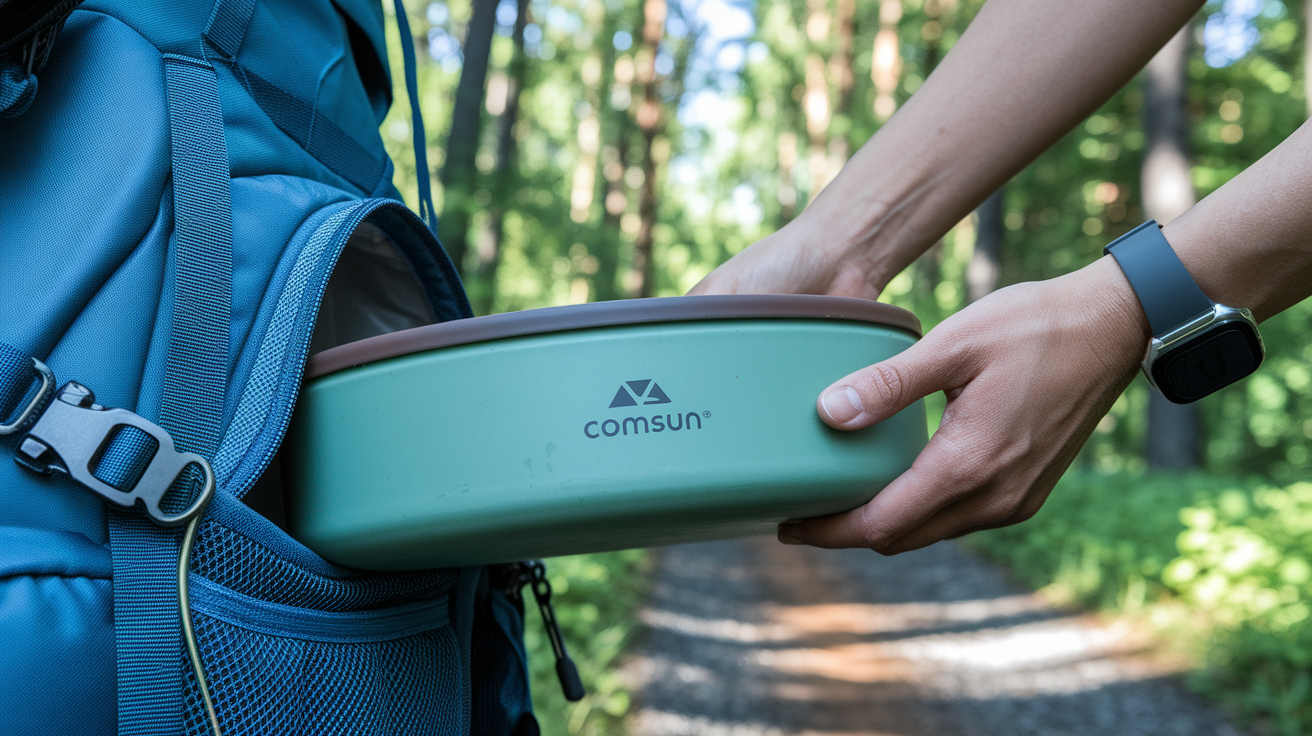
Travel bowls are built to pack small, weigh next to nothing, and work on the go.
Collapsible silicone bowls are the most popular type. The Comsun Collapsible Dog Bowl folds flat and fits in a backpack, glove box, or jacket pocket. It’s reusable, lightweight, and easy to rinse. Great for hikes, road trips, and dog parks. They’re not meant to replace your everyday bowl at home. Silicone can tear, pick up odors, and doesn’t stay as clean as stainless steel.
Some travel bowls come with lids or snap-on covers to prevent spills in the car. Look for bowls with a carabiner clip or loop so you can attach them to a leash or bag.
Stainless steel travel bowls are sturdier but heavier. They don’t collapse, but they’re tougher and easier to clean. If you travel often and have room in your gear, a small stainless bowl (1 to 2 cups) is a solid choice.
For camping or long days outdoors, bring a collapsible bowl for water and a second one for food. Rinse them between uses and let them dry completely before packing to avoid mildew.
Cleaning and Maintenance: Daily Rinses, Weekly Deep Cleans, and When to Replace
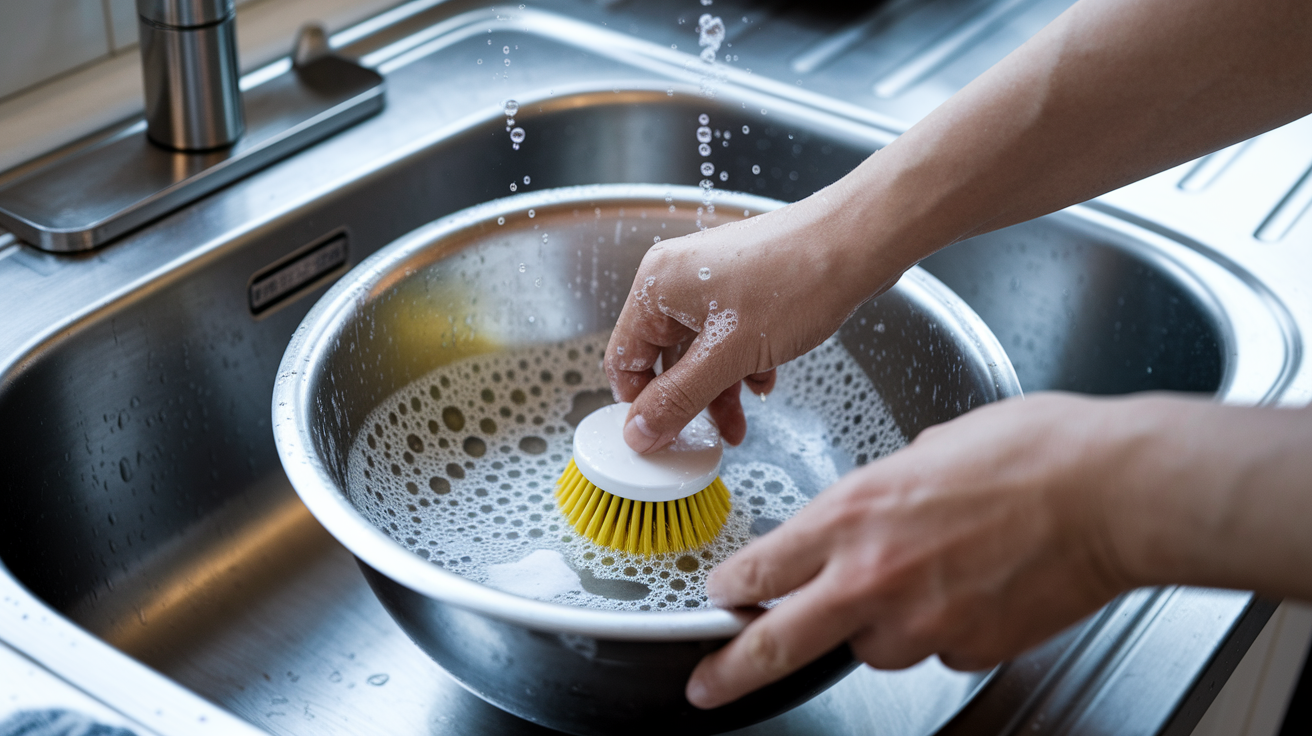
A dirty water bowl can grow bacteria, algae, and biofilm even if the water looks clear.
Rinse and refill the bowl every day. Dump the old water, wipe the inside with your hand or a clean sponge, rinse with fresh water, and refill. Takes less than a minute and removes most of the surface grime.
Once a week, do a deep clean. Wash the bowl with hot, soapy water and scrub all surfaces, including the base and any grooves or seams. If the bowl is dishwasher-safe, run it through the dishwasher. Stainless steel and ceramic bowls handle the dishwasher well. Plastic bowls can warp or degrade with repeated high heat.
If you use a fountain or automatic dispenser, disassemble the pump and filter parts about once a month. Follow the manufacturer’s instructions. Most pumps have small chambers that collect hair, dust, and mineral buildup. Use a small brush or toothpick to clean tight spots.
Replace filters on schedule. Most fountains recommend changing the filter every 2 to 4 weeks. Mark your calendar or set a phone reminder so you don’t forget.
Replace plastic bowls when you see scratches, cracks, or discoloration. Once the surface is damaged, bacteria can hide in the grooves. Stainless steel and ceramic bowls last for years if you inspect them regularly and replace ceramic bowls that chip.
If your dog’s bowl starts to smell, even after washing, it’s time to replace it. That smell is biofilm, a layer of bacteria that’s embedded in the material.
Slow-Feeder Water Bowls and Gulping Prevention
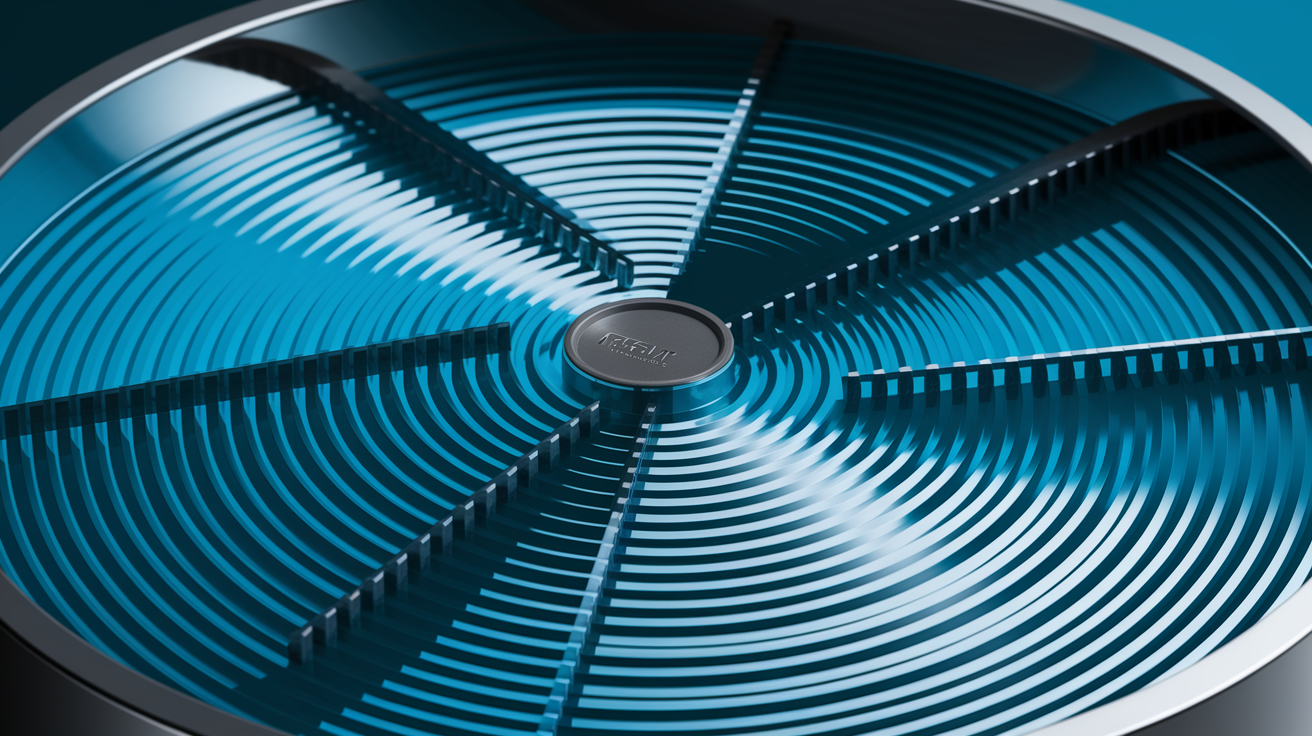
Some dogs drink too fast and end up coughing, choking, or dealing with stomach discomfort.
Slow-feeder water bowls have ridges, floating disks, or dividers that limit how much water a dog can gulp at once. These bowls force the dog to drink more slowly, which can reduce the air they swallow and lower the risk of bloat in some cases.
They work best for dogs who drink an entire bowl in seconds and then cough or vomit. If your dog drinks calmly, a slow-feeder bowl won’t add much benefit.
The Slopper Stopper Dripless Water Bowl uses a floating disk to control water access. It’s designed to reduce mess and slow drinking at the same time.
Not every dog will adapt to a slow-feeder bowl. Some get frustrated and stop drinking. If you try one, watch your dog for the first few days to make sure they’re still getting enough water. If they seem stressed or avoid the bowl, switch back to a regular design.
Slow-feeder bowls also add cleaning steps. The ridges and dividers collect debris and need extra scrubbing to stay clean.
Breed-Specific Considerations: Large Breeds, Small Dogs, Flat Faces, and Seniors
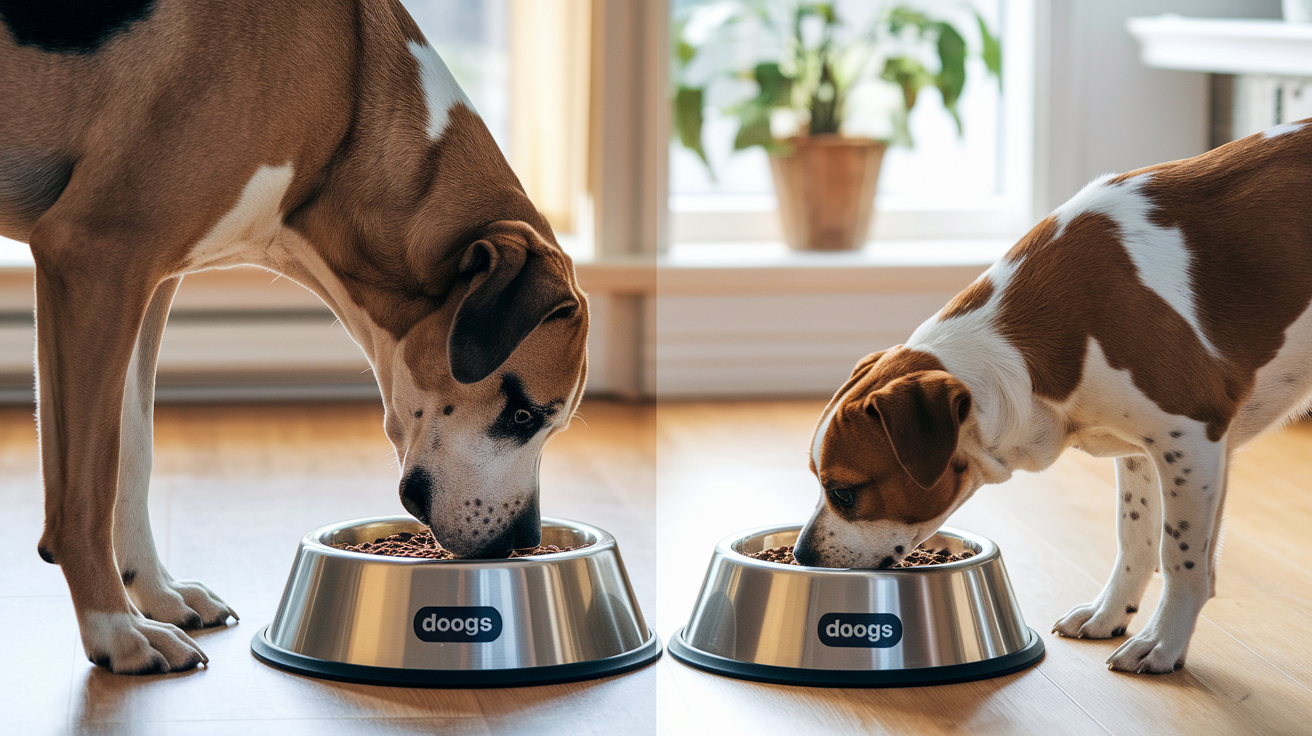
Different dogs have different drinking needs based on size, snout shape, age, and health.
Large breeds like Great Danes, Mastiffs, and Saint Bernards need high-capacity bowls, often 2 to 3 quarts or more. Elevated bowls can make drinking more comfortable, but check with your vet first if your dog is prone to bloat. Large dogs also drink fast and splash a lot, so a weighted or non-slip bowl helps keep things tidy.
Small dogs and puppies do best with shallow bowls that hold 1 to 2 cups. A bowl that’s too deep or too heavy can tip over or make it hard for them to reach the water. Look for bowls with low sides and a wide base.
Flat-faced breeds like Bulldogs, Pugs, Boston Terriers, and Shih Tzus need wide, shallow bowls. Their short snouts make it hard to drink from deep or narrow bowls. A wide dish with a low rim lets them drink without straining their neck or face.
Senior dogs and dogs with arthritis, hip dysplasia, or neck pain benefit from elevated bowls. Raising the water to chest height reduces how much they have to bend. Look for bowls with adjustable legs so you can fine-tune the height as your dog ages. One example: a bowl with legs that adjust from 3 inches to 8 inches off the ground.
Active or outdoor dogs need durable, spill-proof bowls that can handle rough use. Stainless steel with a rubber base works well. If your dog spends a lot of time outside, consider a garden hose fountain or a large-capacity gravity feeder so water is always available.
Multi-dog households need either multiple bowls or one large-capacity bowl that all dogs can share without crowding. Watch for resource guarding. If one dog blocks the water, set up a second station in another room.
Comparing Durability, Longevity, and Total Cost
The cheapest bowl isn’t always the best value if you’re replacing it every few months.
Stainless steel bowls last the longest. They don’t crack, chip, rust, or scratch easily. A good stainless bowl can last for years, even with daily use and dishwasher cleaning. Expect to pay $20 to $50 depending on size and features like a non-slip base or elevated stand.
Ceramic bowls are durable if handled carefully, but they chip and crack when dropped. A chipped ceramic bowl becomes a hygiene risk and needs to be replaced. If you have tile floors or a clumsy dog, ceramic may not be the best choice. Prices range from $15 to $60.
Plastic bowls are inexpensive, often $5 to $15, but they wear out quickly. Scratches trap bacteria, and some plastics degrade in sunlight or with repeated dishwasher cycles. If you use plastic, budget for replacements every 6 to 12 months.
Silicone bowls are lightweight and portable but not built for daily home use. They can tear, stain, and hold odors. Expect to replace them once or twice a year if you use them regularly. Prices range from $10 to $25.
Fountains and automatic dispensers cost more upfront, typically $30 to $100, and have ongoing costs for filters and electricity. Factor in $10 to $20 every few months for replacement filters. If the pump breaks, you may need to replace the entire unit.
When comparing total cost, think about how often you’ll replace the bowl, how much time you’ll spend cleaning it, and whether it solves a specific problem like spills, mess, or dehydration.
A $50 stainless steel bowl that lasts five years costs $10 per year. A $10 plastic bowl replaced twice a year costs $20 per year, plus more cleaning effort.
How to Introduce Your Dog to a New Bowl or Fountain
Some dogs are cautious about new things, especially if the bowl looks different or makes noise.
Start by placing the new bowl next to the old one. Let your dog sniff it and explore it without pressure. Fill both bowls with water so your dog has a choice.
If you’re switching to a fountain, let your dog see and hear it running before you expect them to drink from it. Some dogs are startled by the sound or movement. Turn the fountain on while your dog is nearby, offer a treat, and let them investigate at their own pace.
For dogs who are very skittish, start with the fountain turned off. Let them drink from it like a regular bowl for a day or two, then turn on the pump.
If your dog prefers stainless steel, choose a fountain with a stainless steel reservoir. Dogs can be particular about material, and switching from plastic to metal or vice versa can slow the transition.
Place the new bowl in the same spot where the old bowl used to be. Dogs are creatures of habit, and location matters.
Use a verbal cue like “water” or “drink” every time your dog uses the new bowl. Reward them with praise or a small treat the first few times. Builds a positive association.
If your dog refuses to drink from the new bowl after a few days, don’t force it. Go back to the old bowl and try again later. Dehydration is more dangerous than sticking with a familiar bowl.
Reading Reviews and Testing Bowls at Home
Reviews from other dog owners can help you avoid bowls that leak, tip, or break easily.
Look for reviews from people who have dogs similar to yours in size, breed, and drinking habits. A bowl that works for a 15 pound Terrier might not work for a 90 pound Labrador.
Pay attention to comments about stability, ease of cleaning, durability, and noise. If multiple reviews mention that the bowl slides across the floor or that the pump is loud, take that seriously.
Check for mentions of customer service and return policies. If a bowl arrives damaged or doesn’t work as described, you want to know you can return it without hassle.
When the bowl arrives, test it before you throw away the packaging. Fill it with water and let your dog try it. Watch for any issues: does it tip easily? Does the base slide? Is the water level easy to see? Can you disassemble and clean it in under five minutes?
If the bowl has a pump or filter, run it for a full day to check for leaks, noise, or mechanical problems.
If anything feels off, return it. The right bowl should make your life easier, not harder.
Final Checklist: What to Look for Before You Buy
Here’s a quick list to guide your decision.
Capacity: Calculate your dog’s daily water need (1 ounce per pound) and decide how often you want to refill. For a 40 pound dog, a 6 to 8 cup bowl works for once-a-day refills.
Material: Stainless steel for durability and hygiene, ceramic for style and weight, silicone for travel, plastic only if you replace it regularly.
Stability: Non-slip base, weighted bottom, or suction feature if your dog is messy or strong.
Height: Standard for most dogs, elevated for large breeds or seniors with joint pain. Match the rim height to your dog’s chest or lower shoulder.
Special features: Fountain or gravity feeder if you’re gone long hours or have multiple pets. Slow-feeder design if your dog gulps. Collapsible bowl for travel.
Ease of cleaning: Dishwasher-safe is a plus. Avoid bowls with lots of grooves, seams, or hard-to-reach parts.
Filter and maintenance: If you choose a fountain, check filter cost, replacement schedule, and how easy it is to take apart the pump.
Noise: If your dog is sound-sensitive, avoid electric fountains or test the noise level before committing.
Budget: Factor in replacement frequency and ongoing costs like filters or batteries.
Footprint: Measure the space where the bowl will sit, especially if you’re considering a large fountain or elevated stand.
Return policy: Make sure you can return or exchange the bowl if it doesn’t work for your dog.
Buy the bowl that fits your dog’s size, your schedule, and your home setup. The right bowl keeps your dog hydrated, reduces mess, and makes daily care easier.
Final Words
Choosing the right bowl is about size, material, stability, and how your dog drinks. Pick one you can clean easily and that won’t tip over.
This post walked through types of bowls, pros and cons, cleaning tips, and signs a bowl isn’t working for your pet. Use the quick checks and buying tips to narrow choices fast.
Pick a bowl that fits your dog and your routine. Picking the best water bowl for dogs is a small change that keeps them hydrated and makes life easier for both of you.
FAQ
Q: What is the healthiest water bowl for dogs and the safest material for a dog water bowl?
A: The healthiest water bowl for dogs and the safest material is stainless steel: nonporous, durable, dishwasher-safe, and resists bacteria. Ceramic with a lead-free glaze can work, but clean it often.
Q: Do vets recommend water fountains for dogs?
A: Vets often recommend water fountains for dogs because flowing water encourages drinking and stays cooler, but choose easy-to-clean models and change filters regularly to avoid bacterial buildup.
Q: Why put rocks in a dog’s water bowl?
A: Putting rocks in a dog’s water bowl helps weigh it down to stop tipping and slow fast drinkers, but use smooth, clean stones and supervise to prevent choking.