

Think the pet fountain cleans itself? Think again.
A slimy reservoir or clogged pump can mean cloudy water, less flow, and a fountain your cat or dog avoids.
This guide shows how to clean pet water fountain safely and thoroughly, with a simple weekly routine, the exact supplies to keep on hand, how to take apart and clean the pump and filters, and quick fixes for mineral scale and biofilm.
Follow these steps and you’ll have fresher water, a quieter pump, and fewer trips to the store or the vet.
Step‑by‑Step Cleaning Routine for a Pet Water Fountain
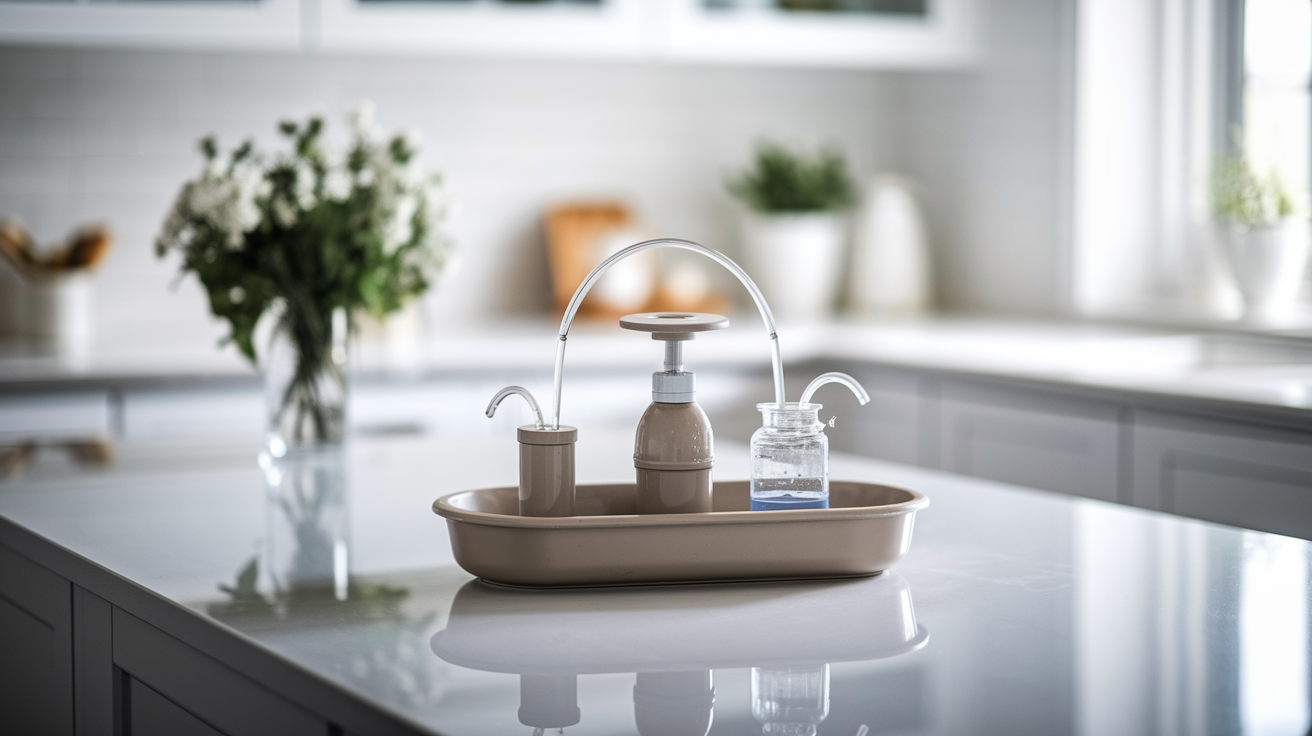
Cleaning a pet water fountain once a week keeps the water fresh and stops bacteria from building up in parts your dog or cat drinks from daily. The routine’s pretty straightforward. Unplug the fountain, take it apart, wash the pieces, rinse everything well, and put it back together. Most fountains come apart easily, and you’ll get faster once you’ve done it a few times.
You’ll follow the same basic order every time. Drain and unplug first, then pull out the reservoir, pump, and filter before scrubbing the basin and spouts. Rinse until there’s no soap smell left, dry each part, and reassemble with the pump seated right and fully underwater. Here’s the quick version:
- Unplug the fountain and move it to a sink or tub.
- Drain all the water.
- Remove the reservoir, lid, filter, and pump cover.
- Set aside small parts like the pump rotor and washers so they don’t disappear.
- Wash the basin, reservoir, and spouts with warm water and pet‑safe, fragrance‑free dish soap.
- Scrub crevices and slimy spots with a toothbrush or bottle brush.
- Rinse every part under running water until there’s no soap left.
- Towel‑dry or let parts air‑dry completely before you put things back together.
- Reinstall the filter, seat the pump fully in the basin, and fill with fresh water.
- Plug in, check for steady flow, and make sure there aren’t any leaks before your pet drinks.
Essential Cleaning Supplies for a Pet Water Fountain
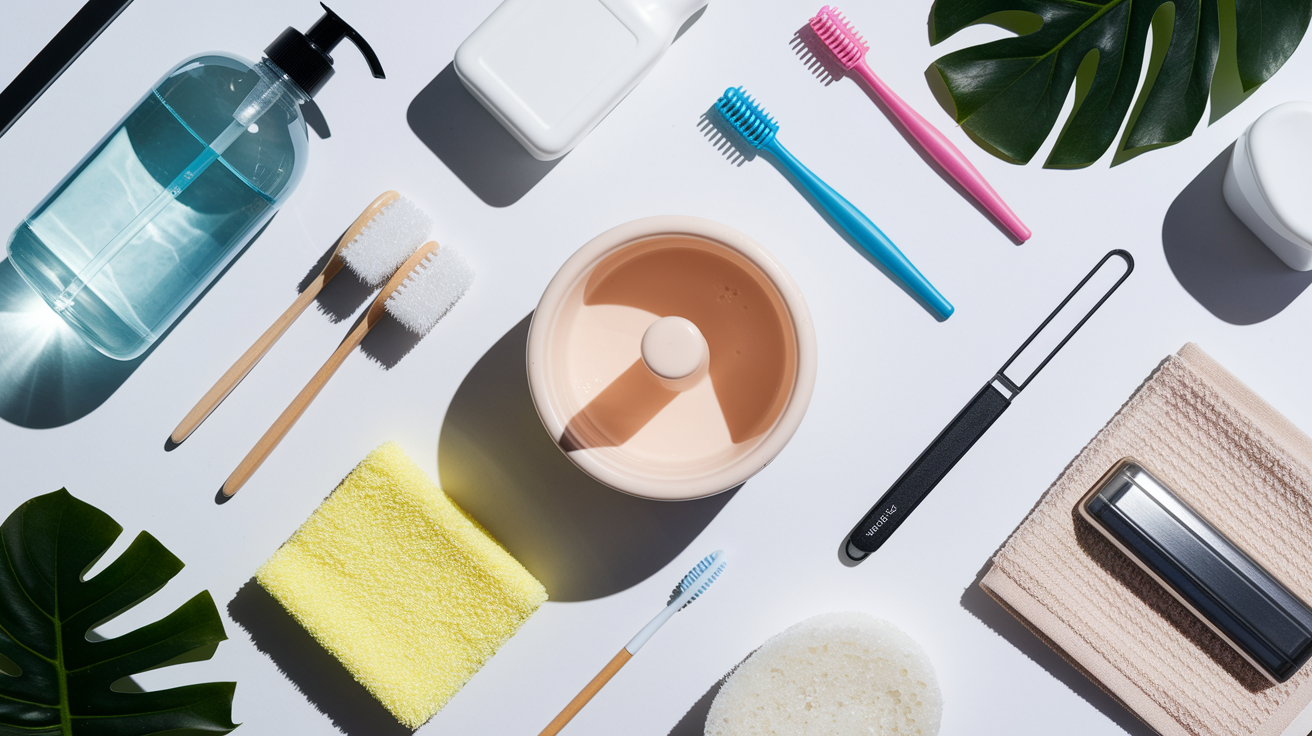
You don’t need much to clean a fountain safely. Warm water, gentle soap, white vinegar for mineral buildup, and a few basic brushes. Using the right supplies keeps chemical residue from making pets avoid the fountain or irritating their mouth and stomach. Stick with fragrance‑free, pet‑safe products you’d use on food bowls.
Here’s what to keep on hand:
• Warm water for rinsing and soaking. Around 100°F is comfortable for your hands and works well for dissolving grime.
• Pet‑safe, fragrance‑free dish soap like Dawn or similar. Skip anything with added scents or antibacterial chemicals.
• White vinegar mixed 1 part vinegar to 1 or 2 parts water for descaling limescale and mineral deposits.
• Small toothbrush or bottle brush to reach tight corners, pump cavities, and spouts where biofilm hides.
• Microfiber cloth or soft sponge for wiping down smooth surfaces without scratching.
• Drying towel to speed up air‑drying and prevent water spots on stainless steel or ceramic parts.
• Stainless‑steel scrubber (optional) for stubborn mineral stains on metal basins. Don’t use on plastic, which scratches easily.
Avoid bleach, scented detergents, and abrasive pads that leave residue or damage surfaces.
Disassembling and Reassembling a Pet Fountain Properly

Always unplug the fountain before you touch any part. Moving a plugged‑in fountain near water is a basic electrical hazard. Pulling parts apart while the pump’s running can damage the motor or pinch your fingers. Unplug first, then drain the basin completely before disassembly.
Take off the reservoir or top tray, then the lid, filter, and pump cover in that order. Most fountains have a few small internal pieces. Washers, rotors, intake grills. They can roll away or fall down the drain. Keep them together in a small bowl or on a towel while you clean. If you’re not sure which piece came from where, take a quick photo with your phone before you start.
When you reassemble, seat the pump fully in the basin with the intake completely underwater, not tilted or resting on the edge. Check that the filter slots into the correct orientation (usually with the carbon side facing a specific direction) and that all seals, spouts, and tubing fit snugly without gaps. Fill the reservoir with fresh water, plug in, and watch the flow for a minute to confirm everything’s seated right and there aren’t any leaks before you walk away.
Cleaning Pet Fountain Filters and Understanding Replacement Schedules
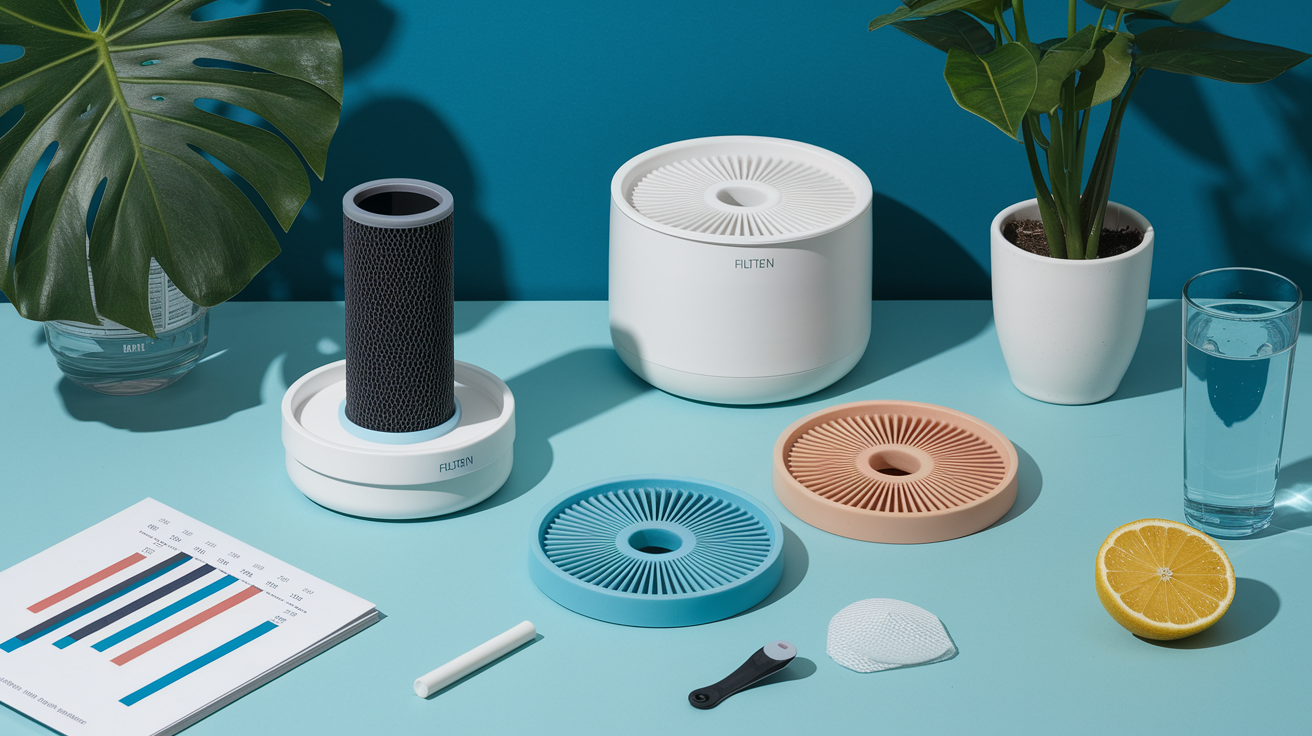
Filters trap hair, debris, and particles before they reach the pump. They also absorb odors and some dissolved minerals if they contain activated carbon. Rinse reusable filters with warm water during your weekly clean to extend their life, but replace disposable filters every 2 to 4 weeks. If you have multiple pets, heavy shedders, or very hard water, replace filters closer to every 2 weeks or sooner if the water starts to smell, look cloudy, or flow slows noticeably.
Different fountain models use different filter types. Some fountains use a combination: a foam pre‑filter that traps large debris plus a carbon cartridge that absorbs odors and chemicals. Check your fountain’s manual or packaging to confirm which type you have and whether it’s designed to be rinsed and reused or thrown away after a few weeks.
| Filter Type | Care Instructions | Replacement Frequency |
|---|---|---|
| Activated carbon cartridge | Rinse lightly with warm water; don’t scrub or wring | Every 2–4 weeks |
| Foam pre‑filter | Rinse weekly under warm running water; squeeze gently to remove debris | Every 4–8 weeks or when it tears or disintegrates |
| Mesh or sponge insert | Rinse weekly; scrub lightly if slimy; air‑dry before reinstalling | Every 1–2 months or when visibly worn |
| Ion‑exchange resin filter | Rinse monthly; don’t use soap | Every 6–12 months depending on water hardness |
Deep Cleaning the Fountain Pump and Removing Blockages
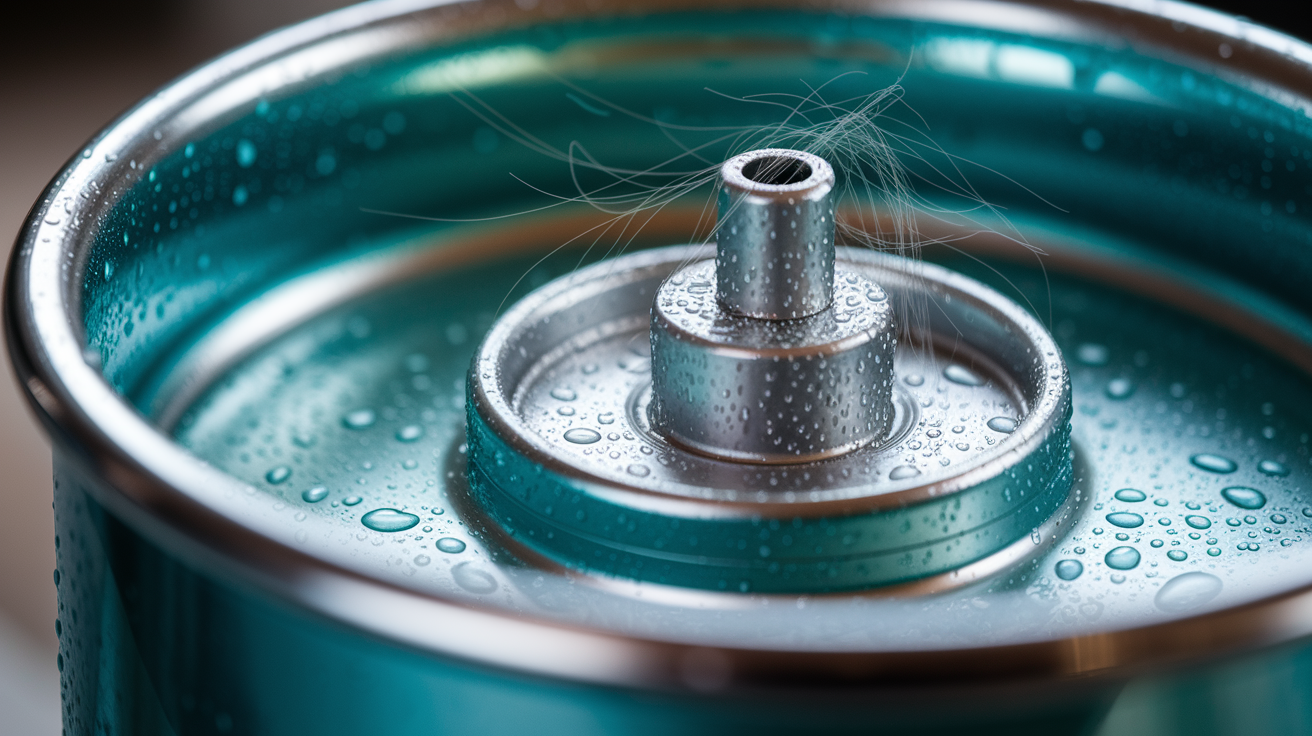
The pump’s the heart of the fountain. Hair, mineral dust, or biofilm can clog the intake or stick to the rotor and slow the motor. Once a week, remove the pump from the basin, take off the pump cover, and pull out the small rotor or impeller inside. It looks like a tiny propeller with magnets embedded in the center. Rinse the rotor under warm water and use a toothbrush to scrub away any slimy film, hair, or grit stuck in the cavities around the magnet and the intake grill.
Check that the rotor spins freely when you blow on it or flick it gently with your finger. If it feels sticky or doesn’t turn smoothly, scrub again and rinse thoroughly until it moves easily. A rotor that doesn’t spin freely will make the pump noisy, reduce water flow, or cause the motor to overheat and fail early. Never run the pump without enough water to cover the intake. Running it dry even for a few minutes can burn out the motor permanently.
After cleaning, reassemble the pump by placing the rotor back into the housing, snapping the cover into place, and seating the entire pump unit back in the basin with the intake fully submerged. When you plug in and power on, you should hear a quiet hum and see steady water flow within a few seconds. If the pump sputters or makes grinding noises, unplug it, check for trapped air or debris, and reseat the rotor.
Handling Mineral Scale, Slime, and Biofilm in a Pet Fountain

Biofilm’s the slimy, slippery coating that forms on wet surfaces when bacteria cluster together. It builds up fast in pet fountains, especially in crevices, spouts, and around the waterline. Mineral scale (also called limescale) is the chalky white or tan crust left behind when hard water evaporates. Both are normal but need to be removed regularly to keep water clean and safe.
For limescale and mineral deposits, soak the affected parts in a 1:1 mix of white vinegar and water for about 20 minutes, then scrub with a toothbrush or sponge and rinse thoroughly until no vinegar smell remains. If the buildup’s thick, you can let the parts soak longer or use a stronger vinegar ratio, up to full‑strength vinegar for stubborn spots. Always rinse multiple times after using vinegar, because pets may refuse to drink if they smell or taste the acid.
To prevent slime, algae, and scale from building up so quickly:
• Use filtered or distilled water instead of tap water to reduce dissolved minerals.
• Keep the fountain out of direct sunlight, which speeds up algae growth.
• Wipe down the basin and waterline daily or every other day with a damp cloth.
• Replace filters on schedule so they continue trapping particles and absorbing odors.
• Keep the area around the fountain clean. Sweep up litter, food crumbs, and pet hair that can fall into the water.
• Change the water completely at least once a week, even if the fountain looks clean.
Determining How Often to Clean a Pet Water Fountain
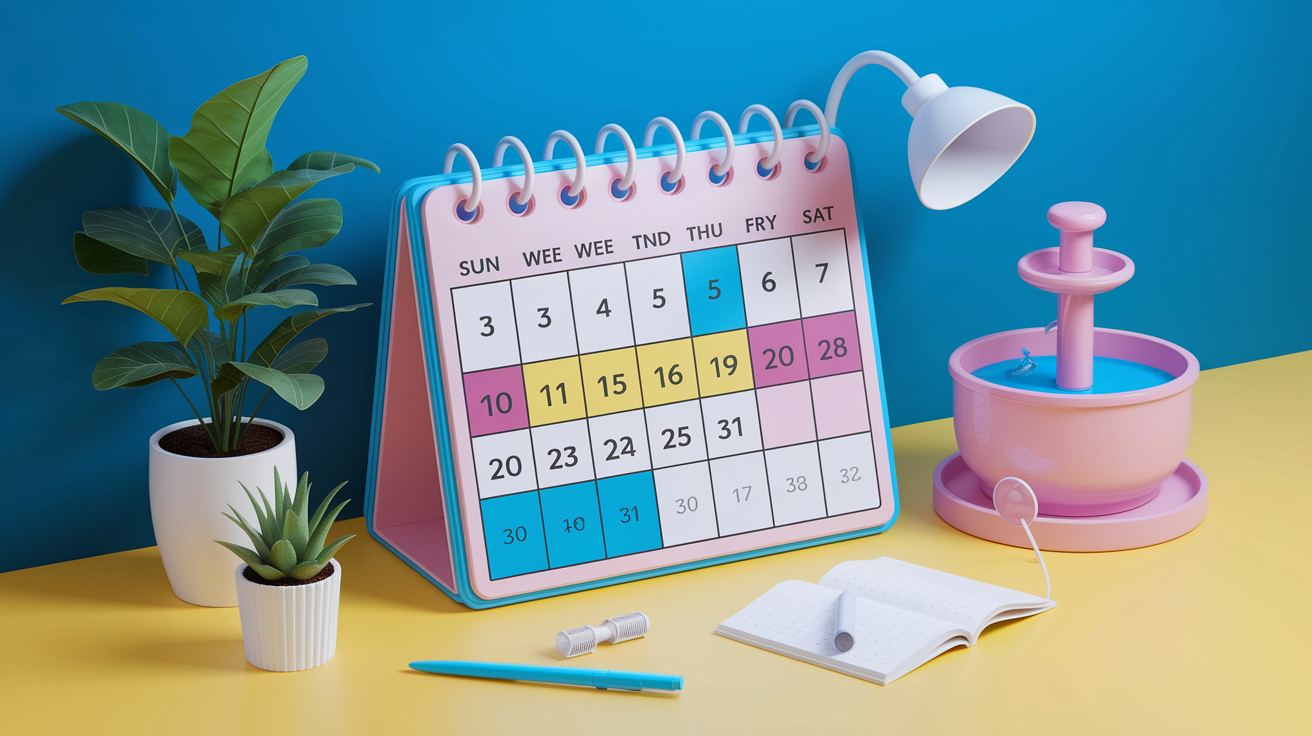
Most fountains need a full clean once a week. Daily and monthly tasks keep everything running smoothly between deep cleans. Daily maintenance takes less than a minute. Just wipe the basin rim and top up the water to keep the pump submerged. Weekly cleaning covers disassembly, scrubbing, and rinsing all parts. Monthly tasks include descaling with vinegar and inspecting seals, tubing, and the pump for wear or damage.
If you have multiple cats or dogs drinking from the same fountain, or if you live in an area with very hard water, plan to clean more often. Every 4 to 5 days instead of weekly, and replace filters closer to every 2 weeks. Heavy use means more saliva, hair, and debris entering the water. Hard water leaves mineral deposits faster.
Here’s a simple timeline to follow:
- Daily – top up water, remove visible debris, wipe the rim.
- Weekly – full disassembly, wash all parts, rinse thoroughly, air‑dry, reassemble.
- Every 2–4 weeks – replace disposable filters; rinse reusable filters weekly but replace monthly or sooner if flow slows.
- Monthly – soak parts in vinegar solution to descale; inspect pump, tubing, and seals for cracks or wear; wipe surrounding area with antibacterial wipes.
Trouble Signs That Show Your Pet Fountain Needs Cleaning

You don’t always have to wait for your weekly cleaning day. If the water smells sour, musty, or like wet metal, that’s bacteria or biofilm building up faster than usual. Cloudy or discolored water, even if you just refilled it, points to a dirty filter, mineral buildup, or algae growth somewhere in the system. Both mean it’s time to clean right away, not next week.
Low water flow or a weak trickle, when the fountain normally has a steady stream, usually means the filter’s clogged or the pump intake’s blocked with hair and debris. Pull the filter and check if it’s visibly dirty or smells off. Inspect the pump intake grill for clumps of fur or grit. If the pump’s making grinding, clicking, or whining noises instead of a quiet hum, it’s working too hard because something’s stuck inside or the water level’s too low and the pump is running dry.
Visible slime on the basin walls, spouts, or around the waterline is biofilm. It means bacteria are colonizing surfaces faster than your current cleaning schedule can control. A quick scrub and rinse will remove it, but if it keeps coming back within a day or two, switch to cleaning every few days instead of weekly and consider using filtered water to slow bacterial growth.
Safe Cleaning Practices to Avoid Harmful Residue
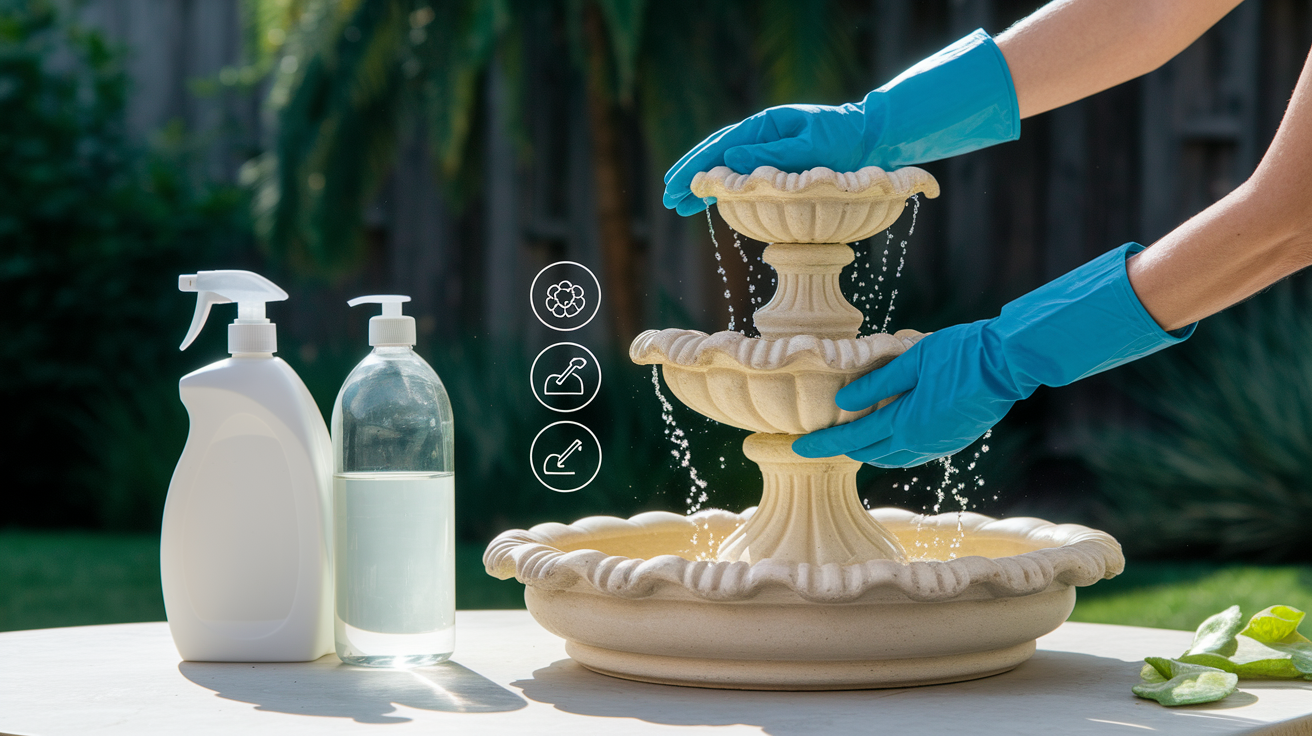
Never use bleach, scented detergents, or harsh chemical cleaners on any part of a pet fountain. Bleach leaves a residue that’s toxic to pets even in tiny amounts. Perfumed soaps can irritate your pet’s mouth, stomach, or nose and make them avoid the fountain entirely. Stick with plain, fragrance‑free dish soap like Dawn, and rinse every part under running water at least twice, until you can’t smell or feel any soap film.
After soaking parts in vinegar for descaling, rinse thoroughly until the sharp vinegar smell’s completely gone. Some pets dislike the scent and will refuse to drink if even a faint trace remains. If your pet’s sensitive to smells, use a 1:2 vinegar‑to‑water ratio instead of 1:1, or try citric acid or lemon juice diluted in water as a milder alternative.
Follow these safety tips every time:
• Always unplug the fountain before disassembling or cleaning any part.
• Rinse all parts at least twice after washing with soap or vinegar.
• Air‑dry completely or towel‑dry before reassembling to prevent mold and biofilm.
• Avoid abrasive sponges or steel wool on plastic parts. They leave scratches where bacteria can hide.
• If a part still smells like cleaner after rinsing, soak it in plain warm water for a few more minutes and rinse again.
Best Maintenance Habits to Keep the Fountain Clean Longer
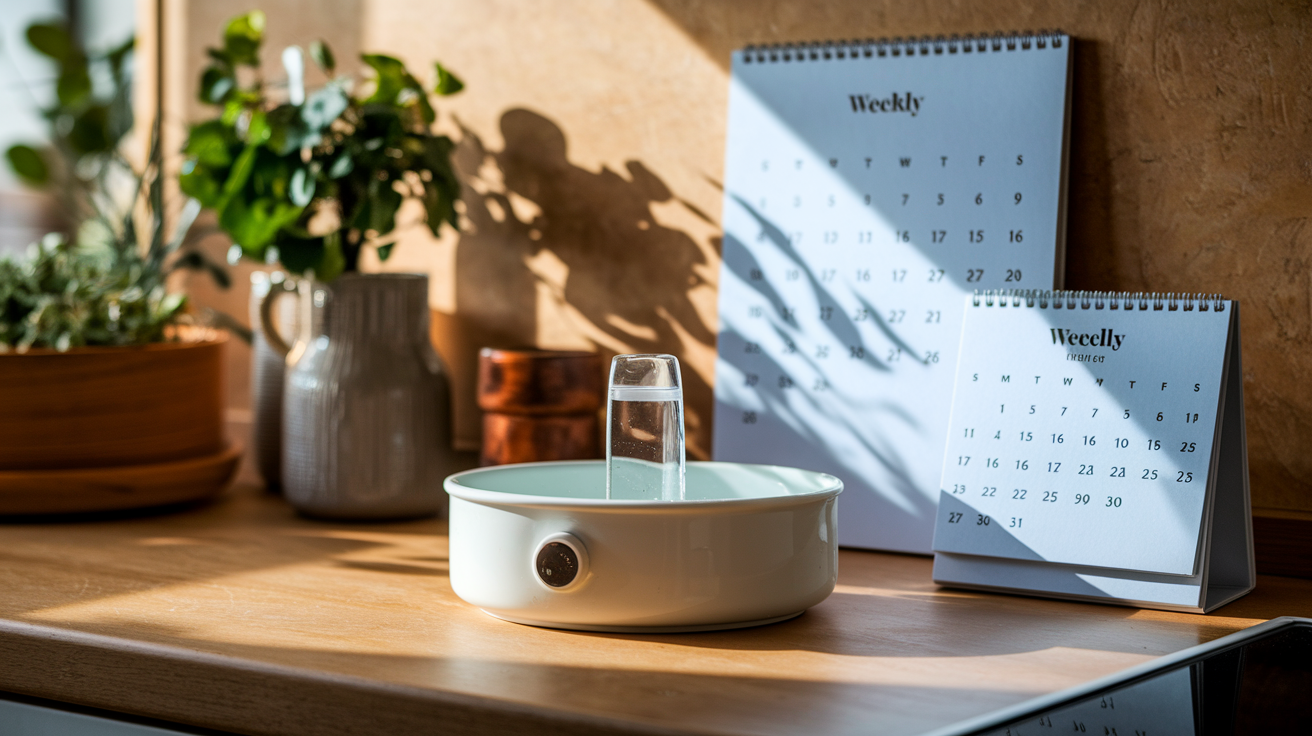
Top up the water every day or every other day, especially in warm weather or if your pets drink heavily. Keeping the water level high prevents the pump from running dry and makes sure the intake stays submerged, which protects the motor and keeps flow steady. When you refill, take a few seconds to pull out any floating hair, food crumbs, or debris you can see. It only takes a moment and reduces how much gunk settles into the filter and pump.
Keep the fountain away from windows, direct sunlight, and litter boxes. Sunlight accelerates algae growth, and proximity to litter means more dust and hair falling into the water. If possible, place the fountain on a hard, easy‑to‑clean surface like tile or a washable mat, not carpet, so you can quickly wipe up splashes and prevent mold or odors from building up underneath.
Use filtered or distilled water if your tap water’s very hard or has a strong chlorine smell. Filtered water reduces mineral deposits and limescale, which means less scrubbing during your weekly clean and longer pump life. It also tastes better to many pets, which encourages them to drink more and stay hydrated.
Final Words
Keep the fountain clean weekly: unplug, remove the reservoir, take out the pump cover and filter, wash parts with warm water and pet-safe soap, rinse well, air-dry, and reseat the pump before reassembling.
Use simple supplies: mild dish soap, a toothbrush or bottle brush, a microfiber cloth, and vinegar for occasional descaling. Check filters, top up water daily, and watch for bad smells, cloudy water, low flow, or slime.
If you follow these steps on how to clean pet water fountain you’ll cut down on buildup and keep fresh water flowing. Small, steady care goes a long way.
FAQ
Q: How to properly clean a pet water fountain?
A: The proper way to clean a pet water fountain is to unplug it, disassemble removable parts, wash with warm water and fragrance-free dish soap, scrub tight spots with a brush, rinse thoroughly, air-dry, and reassemble.
Q: Can you run vinegar through a cat water fountain?
A: You can run diluted vinegar through a cat water fountain to descale; use a 1:1 to 1:2 white vinegar-to-water mix, soak parts 15–20 minutes, then rinse very well until no vinegar smell remains.
Q: What is the black gunk in my pet fountain?
A: The black gunk in your pet fountain is usually biofilm, a mix of bacteria, mold, and trapped debris, or degraded carbon from filters; scrub surfaces, clean the pump, and replace the filter to remove it.
Q: How often should you clean a petsafe water fountain?
A: You should clean a PetSafe water fountain fully once a week, check and remove debris daily, replace disposable filters every 2–4 weeks, and deep‑descale monthly or sooner with heavy buildup.