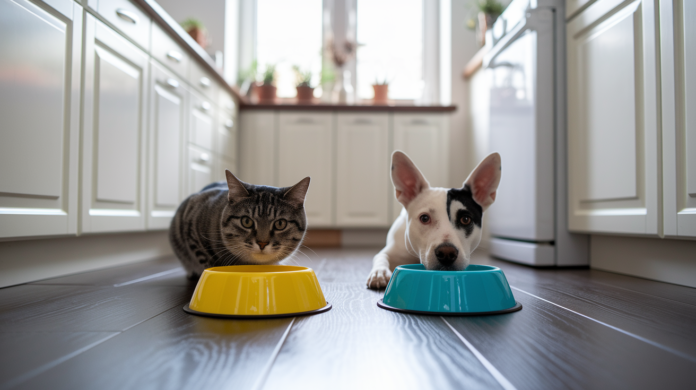

Can cats eat dog food occasionally without risk?
Short answer: a healthy adult cat can usually handle a single meal, but dog food is not suitable long term.
Dog food misses key feline nutrients like taurine and preformed vitamin A, so repeated feeding can cause problems.
If your cat sneaks some, watch for vomiting, diarrhea, or low energy and call the vet if symptoms worsen or the cat is young, pregnant, elderly, or sick.
Occasional means one meal or up to 24 hours, under about 10 percent of weekly calories.
Clear Guidance on Whether Occasional Dog Food Is Safe for Cats
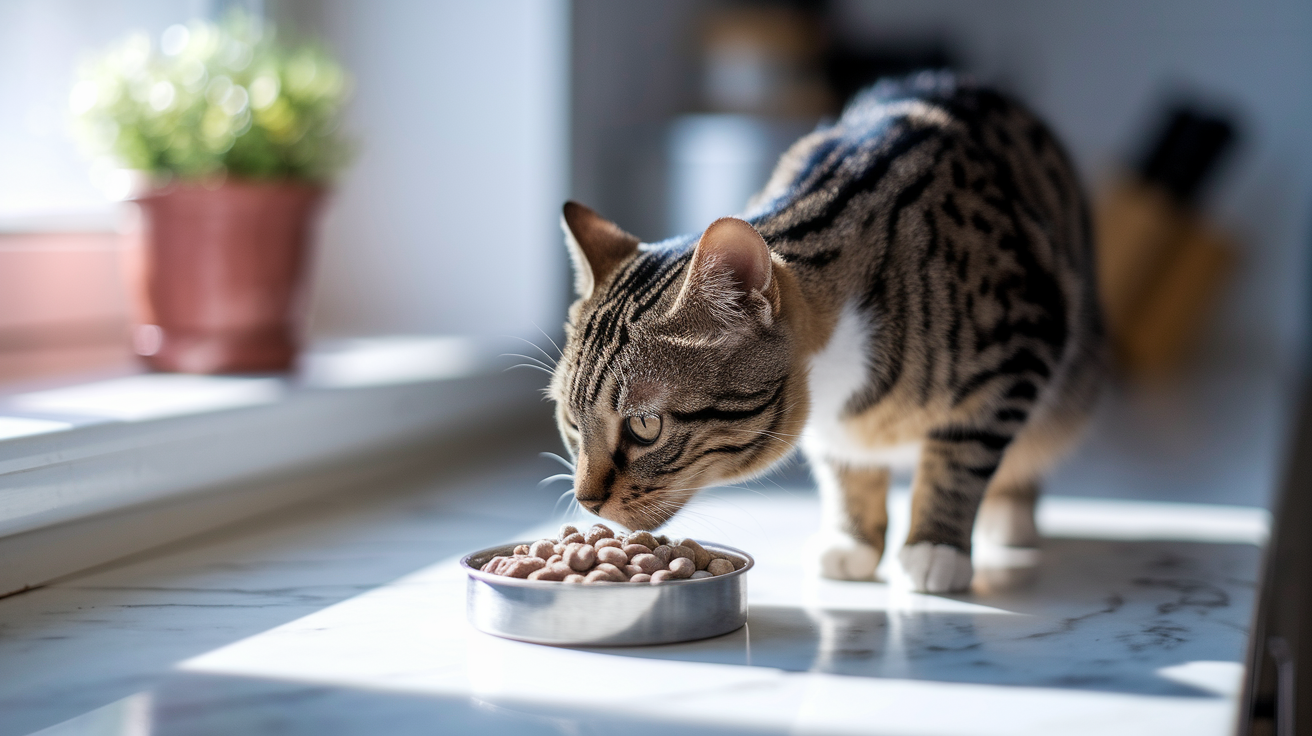
A healthy adult cat can eat a small amount of dog food once without immediate harm. We’re talking about a nibble, a few kibbles, maybe one full meal. “Occasional” here means a single meal or roughly 24 to 48 hours of dog food, making up no more than 10 to 20 percent of total weekly calories.
Most healthy adult cats tolerate a small amount of dog food without serious problems. Dog food isn’t poisonous to cats. The digestive system can handle it in the short term. Mild stomach upset might show up, but lasting damage is unlikely after a single exposure.
After a cat eats dog food, watch for these short-term signs:
- Vomiting within a few hours
- Loose stool or diarrhea within 12 to 24 hours
- Lethargy or decreased energy
- Reduced appetite at the next meal
- Change in stool color or consistency
If signs are mild and resolve within 24 hours, no immediate veterinary care is needed. But if your cat vomits repeatedly, has watery diarrhea for more than a day, refuses all food, or seems weak or disoriented, contact your veterinarian. Kittens, pregnant or nursing cats, elderly cats, and cats with chronic illness shouldn’t eat dog food at all. Not even once.
Why Dog Food Cannot Meet Feline Nutritional Requirements
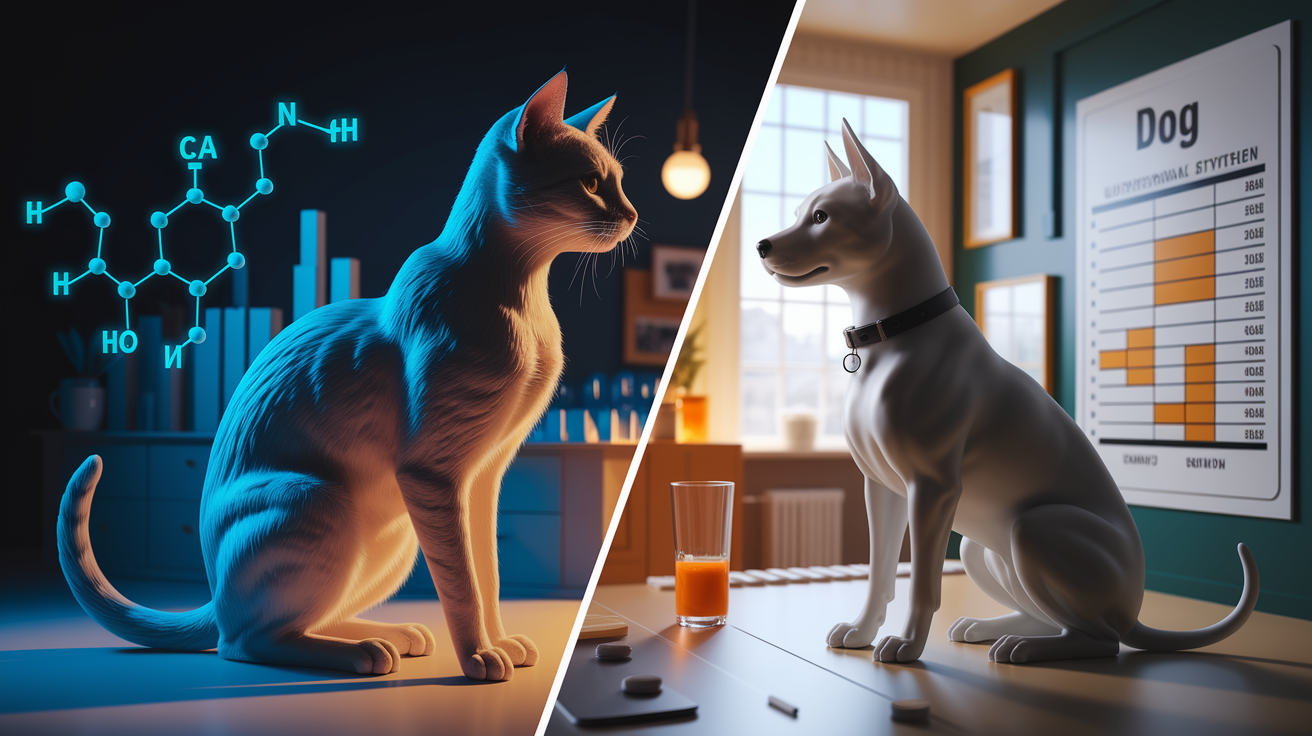
Cats are obligate carnivores. Their bodies are built to digest and use nutrients from animal tissue, and they can’t synthesize certain essential compounds. Dogs are omnivores with more flexible metabolisms and can produce some nutrients internally that cats must get from food. This species difference is why dog food formulas, even high-quality ones, are fundamentally unsuitable for cats long term.
Protein and amino acid content in dog food is generally too low for cats. Most dry dog foods contain about 18 to 26 percent protein on an as-fed basis. Cat foods typically provide at least 30 to 34 percent protein in dry formulas and 40 to 50 percent in canned foods. Cats use protein not only for muscle maintenance but also as a primary energy source, so chronic low protein intake leads to muscle wasting, weight loss, and poor coat quality.
Cats can’t make taurine, an amino acid critical for heart function, vision, digestion, and reproduction. All commercially available cat foods add taurine. Most dog foods don’t. Cats also can’t convert beta-carotene into vitamin A and must receive preformed vitamin A from animal tissue. They can’t synthesize arachidonic acid, an essential fatty acid found in animal fats, and they rely on dietary niacin from meat because their bodies can’t produce it efficiently. Without these nutrients, deficiency symptoms appear over weeks to months.
Dog food formulations are designed to meet canine AAFCO profiles, not feline ones. Even premium dog foods rarely include adequate taurine supplementation, preformed vitamin A at feline levels, or enough arachidonic acid for a cat’s needs. Because these deficiencies build gradually, a cat may appear normal for the first few weeks, then develop dilated cardiomyopathy (a weakened, enlarged heart), retinal degeneration (leading to vision loss), skin and coat problems, or nonspecific illness signs like lethargy and poor appetite.
Cats also need higher calorie density and fat content per serving than dogs. Dog food often provides fewer calories per cup and lower fat percentages, so a cat eating only dog food may struggle to meet daily energy needs. This is especially true for active adults, growing kittens, or nursing mothers.
| Nutrient | Why Cats Need It | Why Dog Food Falls Short |
|---|---|---|
| Taurine | Essential for heart muscle, retinal function, digestion, and reproduction; cats cannot synthesize it | Dog foods rarely add taurine because dogs produce it internally; chronic deficiency causes heart disease and vision loss in cats |
| Arachidonic Acid | Essential fatty acid for skin health, reproduction, and cell function; cats cannot convert linoleic acid efficiently | Dog foods often lack supplementation because dogs synthesize it; low levels cause skin issues and reproductive problems in cats |
| Preformed Vitamin A | Required for vision, immune function, and cell growth; cats cannot convert plant-based carotenoids | Dog foods may contain some vitamin A but not at feline-optimal levels; deficiency leads to muscle weakness, poor coat, and night blindness |
| Niacin | Cats depend on animal tissue for niacin and cannot synthesize it from tryptophan like other species | Dog foods higher in grains and plant content may not supply enough usable niacin for feline metabolism |
How Life Stage Influences Risk When Cats Eat Dog Food
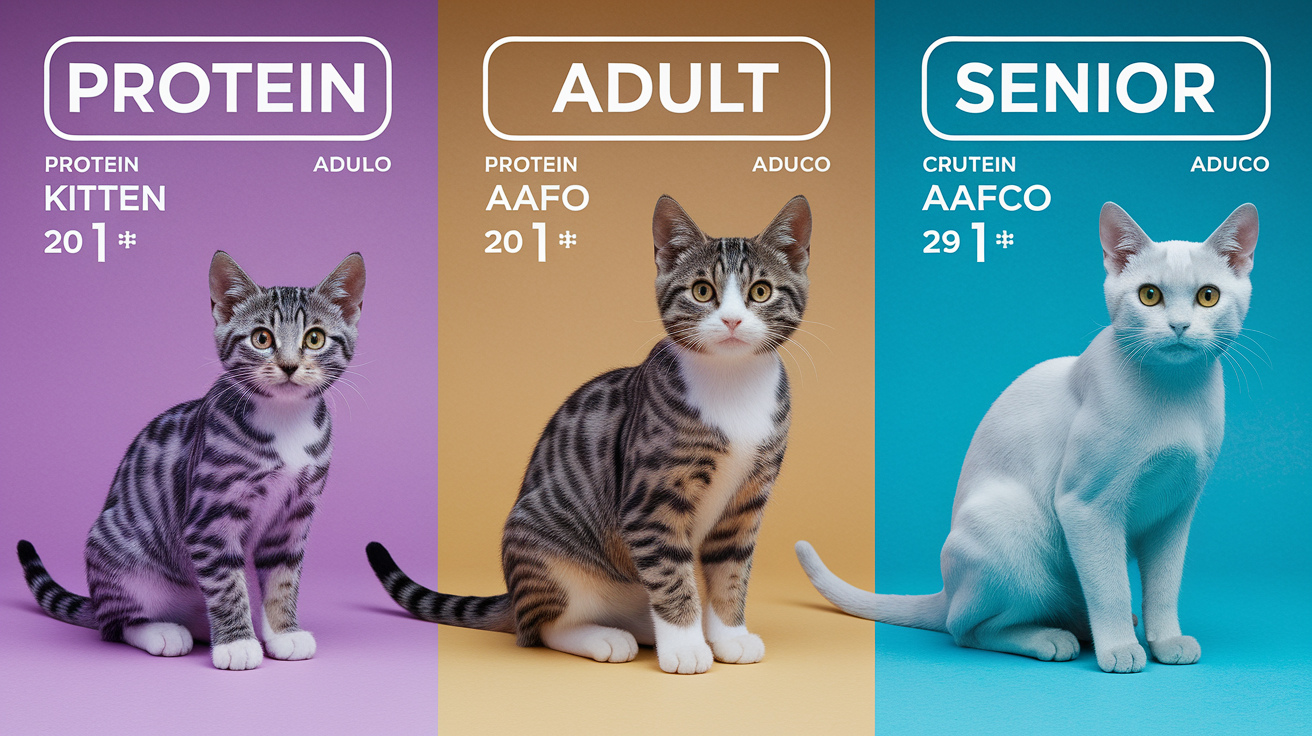
A cat’s nutrient requirements shift dramatically throughout life. Kittens need more protein, calories, calcium, and phosphorus per pound of body weight than adults to support rapid growth and skeletal development. Pregnant and lactating queens require extra energy, protein, and fat to sustain their own bodies and produce milk. Senior cats often face muscle loss and reduced organ function, so they benefit from higher protein to preserve lean body mass. Dog food can’t meet these shifting, species-specific AAFCO nutrient profiles at any life stage.
Kittens under one year, pregnant or nursing cats, and geriatric cats (typically over ten years) face the highest risk from dog food exposure. Even a single day of dog food can represent a meaningful percentage of a kitten’s weekly intake and disrupt growth. Pregnant or nursing cats eating inadequate diets may experience complications like low birth weight, poor milk production, or maternal health issues. Senior cats with compromised kidney or heart function are especially vulnerable to taurine deficiency and low protein intake.
AAFCO-regulated pet food labels specify which life stage a formula supports, such as “formulated to meet the AAFCO Cat Food Nutrient Profile for growth” or “for adult maintenance.” Choosing food matched to your cat’s current life stage ensures balanced nutrition. Dog food labels reflect canine requirements, not feline ones, so relying on them for cats at any age is unsafe.
How Often Is “Occasional”? Safe Frequency Guidelines for Dog Food
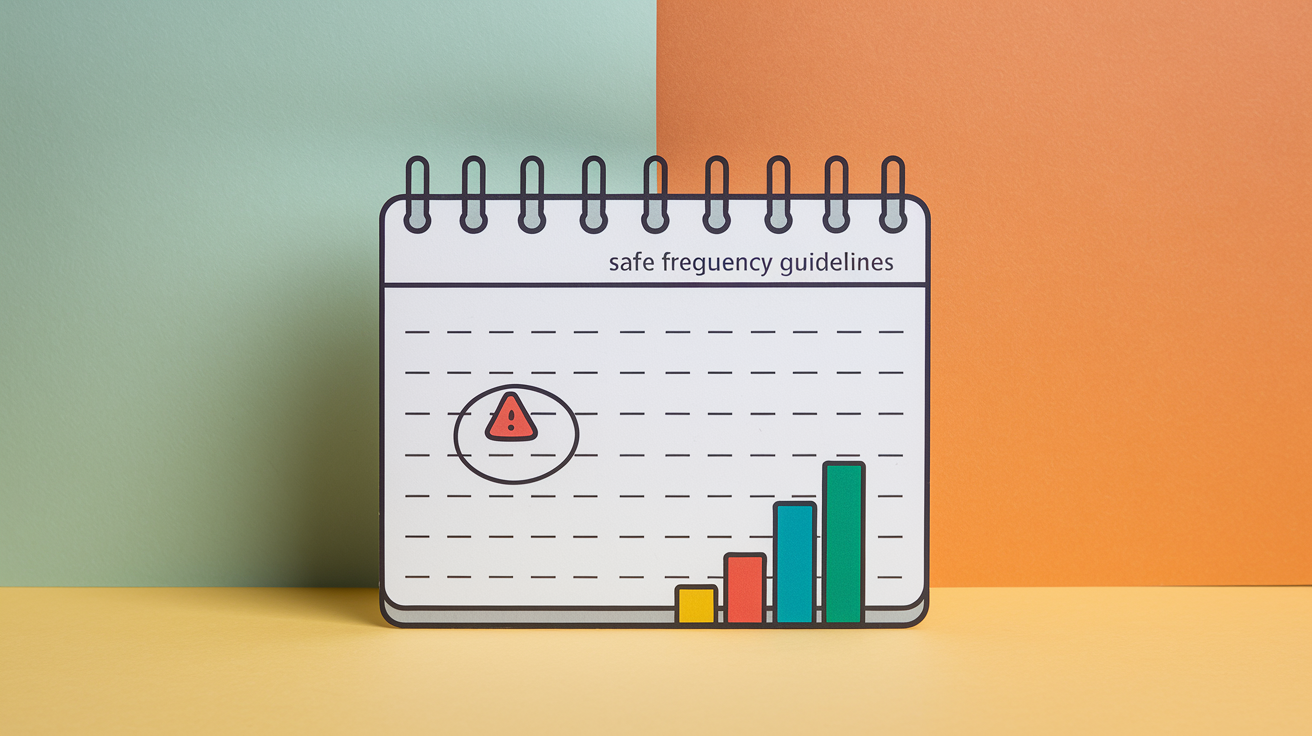
For a healthy adult cat, “occasional” means a true emergency or single accidental meal. Keep dog food exposure to a maximum of one meal or roughly 24 hours. If your cat eats dog food more than once, try to limit it to less than 10 percent of total weekly caloric intake, and never feed it on consecutive days.
Feeding dog food more than once a week or across multiple days creates cumulative nutrient deficits. Taurine stores deplete gradually, and without regular dietary replenishment, heart and eye problems can begin within weeks. Protein shortfalls lead to muscle breakdown and weight loss. Even if a cat seems fine after the first few exposures, repeated feeding accelerates the timeline to serious illness.
Safe frequency rules for dog food:
- Maximum duration: up to 24 hours in a true emergency
- Weekly limit: dog food should make up less than 10 percent of total weekly calories
- Never feed dog food on consecutive days or as a regular rotation
- Avoid routine use. Even once per week is too frequent for long term health.
What to Do If Your Cat Eats Dog Food

If your cat ate dog food once, stay calm. Remove any remaining dog food and offer fresh water. Monitor your cat for the next 24 to 48 hours, but in most cases, a single meal causes no lasting harm in healthy adults.
Watch for vomiting, diarrhea, decreased appetite, or lethargy during the first day. Mild stomach upset is common and usually resolves on its own. If your cat vomits once or has a single loose stool but otherwise acts normal, eating and drinking as usual, continue monitoring without intervention. If symptoms persist beyond 24 hours or worsen, call your veterinarian.
Contact your vet right away if you see any of these red flag symptoms:
- Repeated vomiting (more than two episodes in 12 hours)
- Watery or bloody diarrhea lasting more than 24 hours
- Refusal to eat or drink for more than 12 hours
- Weakness, collapse, or difficulty standing
- Rapid breathing, coughing, or labored breathing
Kittens, pregnant or nursing cats, elderly cats, and cats with chronic illness (especially heart or kidney disease) need veterinary guidance even after a single exposure. Call your vet to report the incident and ask whether monitoring at home is safe or if an exam is needed.
Emergency Alternatives When Out of Cat Food
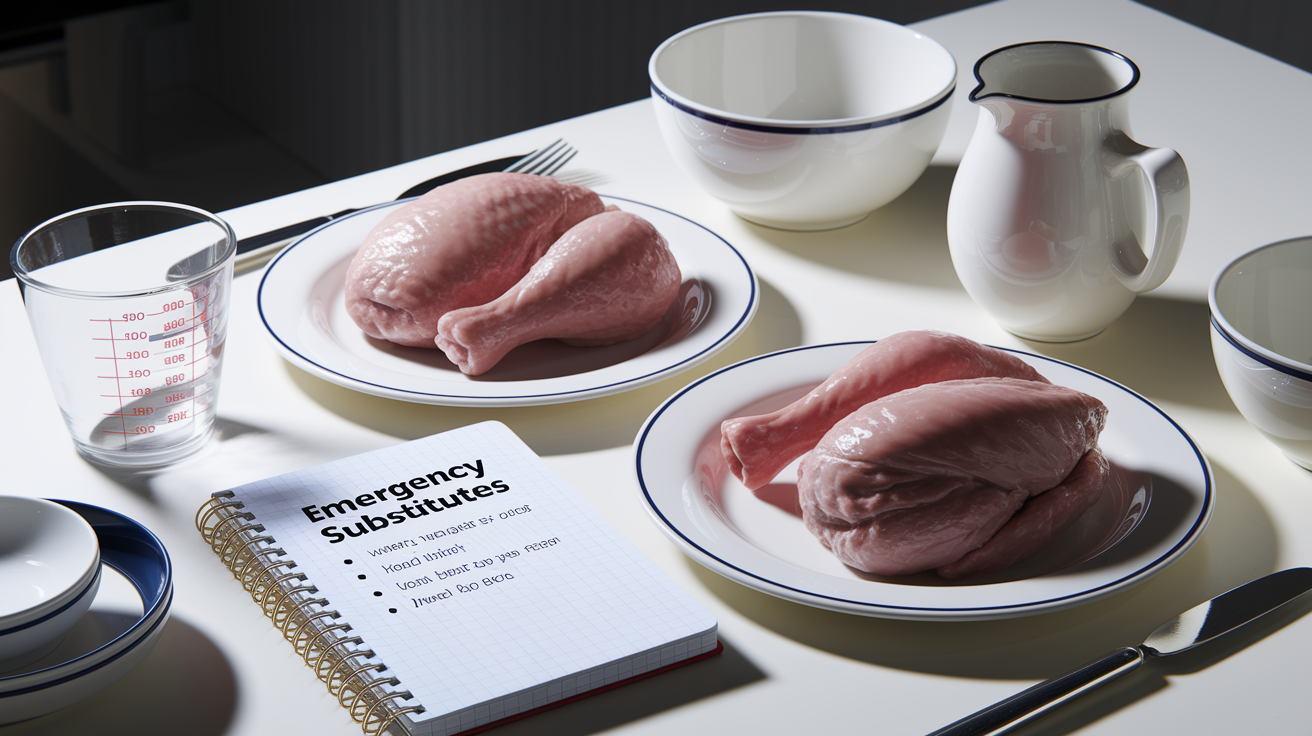
If you run out of cat food and need a short term substitute, plain cooked chicken or turkey without skin, bones, or seasoning is safer than dog food. Small amounts of plain cooked fish like salmon or tuna (in water, not oil or brine) are also acceptable. These options provide animal protein but lack the full vitamin and mineral balance cats need, so they’re not complete diets.
Use emergency substitutes for no more than one day. If you anticipate being without cat food for more than 24 hours, contact your veterinarian for advice and possible short term supplementation. Never rely on home-cooked meat or dog food as a regular feeding plan.
Emergency safe food options for cats:
- Plain cooked chicken breast (boneless, skinless, unseasoned)
- Plain cooked turkey (no skin, no bones, no gravy or spices)
- Small amounts of plain canned tuna in water (not oil or brine)
- Plain cooked white fish like cod or tilapia (boneless, unseasoned)
Preventing Cats from Stealing Dog Food in Multi-Pet Homes

Cats are curious and opportunistic. If dog food is left out in an open bowl, many cats will sample it out of boredom, hunger, or simple curiosity. Free feeding dogs in a multi-pet household increases the chance of cross feeding, especially if the cat is food motivated or if the dog eats slowly.
Feed pets in separate rooms or use physical barriers like baby gates to keep cats away from dog bowls. Scheduled feeding works better than free feeding. Put down each pet’s food at a set time, supervise the meal, and pick up bowls within 15 to 20 minutes. Elevated feeding stations can help. Place dog bowls on a low platform or step that the dog can reach but that discourages the cat. Automatic feeders with microchip or collar tag sensors can also prevent cross feeding by only opening for the correct pet.
Tools and setups that help prevent cross feeding:
- Feed pets in separate rooms with closed doors
- Use baby gates or pet barriers to block access to dog feeding areas
- Switch to scheduled meals and remove bowls after 15 to 20 minutes
- Install microchip activated feeders that only open for the assigned pet
Ingredient Safety: Dog Food Additives That Can Harm Cats

Most commercial dog foods are formulated with safe, recognizable ingredients, but some contain additives, flavorings, or sweeteners that can harm cats. Always check the ingredient list, especially if the dog food is a treat, chew, or specialty formula.
Xylitol, a sugar substitute used in some peanut butter flavored dog treats and dental chews, is highly toxic to cats and dogs. Even small amounts can cause rapid drops in blood sugar and liver damage. Onion powder, garlic powder, and certain artificial flavorings may also appear in dog foods and can damage red blood cells in cats, leading to anemia. Some dog foods include plant-based protein concentrates or fillers that are safe for dogs but provide little usable nutrition for obligate carnivores.
In multi-pet homes, keep dog treats and specialty foods in sealed containers out of your cat’s reach. If your cat eats a dog treat or food containing xylitol, onion, garlic, or other questionable ingredients, contact your veterinarian or a pet poison hotline immediately. Time sensitive treatment can prevent serious complications.
Final Words
If your cat nicks a mouthful of dog food, don’t panic. A single meal or a day usually won’t cause harm in a healthy adult.
We covered why dog food lacks taurine and other key nutrients, which life stages are high risk, safe frequency limits, what to watch for (vomiting, diarrhea, lethargy), and emergency substitutes like plain cooked chicken.
If you’re asking can cats eat dog food occasionally, the short answer is yes, in tiny amounts and rarely. Keep food separated and watch the signs. You’ve got this.
FAQ
Q: Can cats eat dog food once in a while? Is dog food okay for cats temporarily?
A: Cats can eat dog food occasionally—one meal or up to 24 hours—without major harm if healthy, but it lacks key nutrients and should not replace cat food long term.
Q: What is the 25 rule for cat food?
A: The “25 rule” isn’t a standard cat guideline; instead, keep dog food or treats to under 10-20% of weekly calories, or only a single-day emergency, to avoid nutrient gaps.
Q: What happens if my cat eats a little dog food?
A: If your cat eats a little dog food, they often stay fine or have mild vomiting, diarrhea, or appetite changes; monitor for 24-48 hours and call your vet if symptoms persist or worsen.