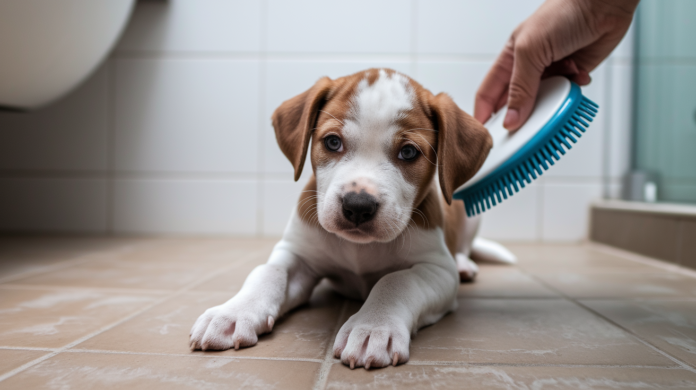

Think fancy shampoos are the secret to a puppy’s shiny coat? Think again.
Small daily habits like running your hands through their fur, quick brushing, and spot cleaning muddy paws do most of the work and stop skin from drying out.
This post gives a simple, step-by-step routine you can start today: touch checks, the right puppy-safe shampoo, when to bathe, how to dry, and quick ways to prevent mats so your pup stays comfy and their coat stays healthy.
Core Steps for Maintaining a Puppy’s Coat From Day One

Start with these daily habits to keep your puppy’s coat healthy:
Run your hands through their fur every single day. Touch their paws, check behind their ears, look at their belly. You’re not hunting for problems yet. You’re just teaching your puppy that being handled is normal, safe, and nothing to worry about.
Only use puppy-safe dog shampoo. Human shampoo isn’t suitable and it’ll dry out their skin fast.
Keep bathing to a minimum. Bath time happens when your puppy’s muddy, smells, or gets into something messy. That’s it.
Dry your puppy completely after every bath. Damp fur leads to skin irritation and matting, especially in spots you can’t see easily.
Do a quick coat check during playtime. Look for tangles, debris, fleas, or any skin changes while you’re petting them anyway.
Early handling matters more than you think. Puppies as young as 6 to 8 weeks can sit through short, calm grooming sessions that last just 2 to 5 minutes. The goal isn’t perfection. It’s building a positive association. Let your puppy sniff the brush, offer treats, and keep your voice calm and reassuring. These small moments teach your puppy that grooming is safe, not scary.
Bathing too often strips natural oils from a puppy’s skin. You’ll see dryness, flaking, and irritation. Most puppies need a full bath only every 4 to 8 weeks unless they roll in something or swim frequently. Between baths, spot clean muddy paws or dirty patches with a damp towel and dog-safe wipes.
Drying is just as important as washing. Towel your puppy vigorously and keep them in a warm, draft-free room until their coat is fully dry. For puppies with curly or thick coats, you may need to use a hairdryer on the lowest heat setting while brushing gently to prevent tangles from forming as the coat dries.
Understanding Puppy Coat Types and How They Affect Coat Care

Your puppy’s coat type determines which tools you’ll need, how often you’ll groom, and what problems to watch for. Coat types vary widely by breed. Some puppies are born with a soft “puppy coat” that changes texture and density as they mature, usually between 4 and 12 months of age.
Short coats lie flat against the skin and shed moderately year round. Examples include Beagles, Boxers, and Dalmatians. These coats are low maintenance but still benefit from regular brushing to remove dead hair and distribute natural oils.
Double coats have a soft undercoat beneath a coarser topcoat and shed heavily during spring and fall. Breeds like Golden Retrievers, German Shepherds, and Huskies fall into this group.
Long coats can be silky or thick and grow continuously, requiring daily attention to prevent tangles. Afghan Hounds, Maltese, and Yorkshire Terriers are examples.
Curly and wiry coats, like those on Poodles, Bichon Frises, and Schnauzers, shed less but mat more easily and may need professional trimming.
Some coat types require specialized care that goes beyond basic brushing. Coarse coated breeds like Irish Terriers and Schnauzers benefit from coat stripping, a technique that removes dead hair by hand or with a stripping knife. This is typically done 4 to 5 times per year and is best handled by a professional groomer who understands the technique and the breed standard.
| Coat Type | Key Traits | Care Requirements |
|---|---|---|
| Short/Smooth | Flat, close to skin; sheds moderately | Rubber brush weekly; minimal trimming |
| Double Coat | Dense undercoat + coarse topcoat; heavy seasonal shedding | Slicker brush and undercoat rake; increase brushing during shedding peaks |
| Long Hair | Grows continuously; tangles easily | Daily brushing with pin or slicker brush; regular trimming around paws and eyes |
| Curly/Wiry | Tight curls or coarse texture; minimal shedding but mats form quickly | Daily slicker brushing; professional trims every 6–12 weeks |
| Coarse | Thick, wiry outer coat; dead hair must be stripped | Hand stripping or stripping knife 4–5 times/year by groomer |
Brushing a Puppy’s Coat: Tools, Techniques, and Frequency
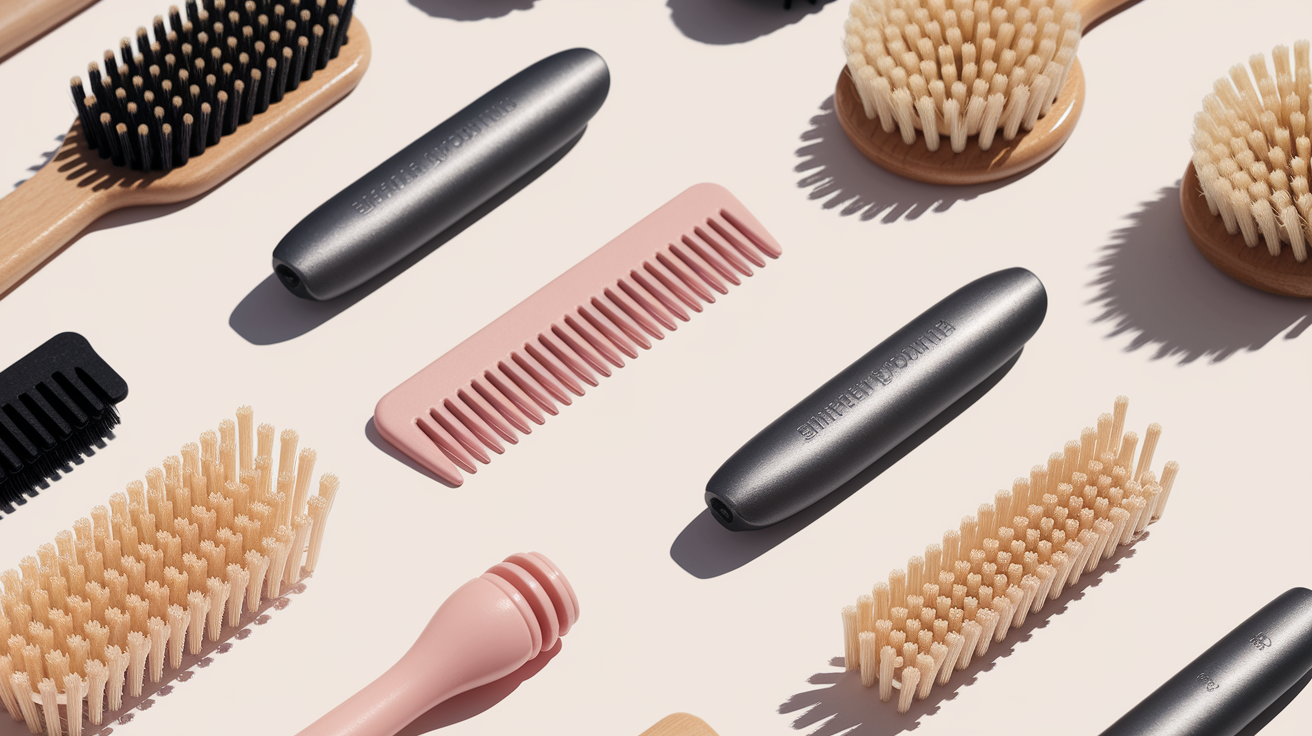
Brushing removes dead hair, prevents tangles, spreads natural oils, and gives you a chance to check your puppy’s skin for bumps, fleas, or irritation. The right tool makes the job easier and keeps your puppy comfortable.
Slicker Brush
A slicker brush has fine, short wire bristles set close together on a flat or slightly curved base. It’s the go to tool for loosening debris, removing loose undercoat, and working through small tangles in long, curly, or double coated breeds. Use gentle strokes in the direction of hair growth and don’t press too hard. Slicker bristles can irritate skin if you scrub aggressively.
Pin Brush
Pin brushes have rounded metal pins set into a cushioned base and work well on long, silky coats like those of Afghan Hounds or Yorkshire Terriers. They smooth the topcoat and add shine without pulling. Pin brushes are less effective on thick undercoats or mats, so save them for finishing touches after you’ve used a slicker or undercoat rake.
Comb
A wide tooth comb is gentle enough for sensitive areas like the tail, paws, chest, and legs. It helps you check for tangles after brushing and is especially useful on long haired puppies. Hold the hair near the skin and work through knots slowly to avoid painful pulling.
Rubber Brush
Rubber brushes or grooming mitts have soft rubber nubs that loosen dead hair and skin on short coated breeds. Use them against the direction of hair growth to lift debris, then follow up with a bristle brush to smooth everything down. Puppies often find rubber brushes soothing, almost like a massage.
Dematting Tool
Dematting tools have sharp, curved blades that slice through mats without cutting the skin. Use them carefully and only on small, localized tangles. If a mat is large or close to the skin, it’s safer to let a groomer handle it.
Brushing frequency by coat type:
Short coat (Beagles, Boxers, Dalmatians): Brush 1 to 2 times per week with a rubber brush followed by a bristle brush.
Short medium/double coat (Golden Retrievers, German Shepherds, Border Collies): Brush every other day using a slicker brush against the coat to loosen undercoat, then a bristle brush with the hair. Increase to daily during heavy shedding seasons.
Long coat (Afghan Hounds, Maltese, Rough Collies): Brush daily with a slicker or pin brush, working in small sections. Long haired adults may need up to an hour of brushing per day.
Curly coat (Poodles, Bichon Frises): Brush daily with a slicker brush, paying extra attention to legs, paws, and undersides where mats form quickly.
Coarse coat (Irish Terriers, Schnauzers): Brush weekly between professional stripping sessions to remove loose surface hair.
Puppy coat (all breeds, 6–16 weeks): Start with 2 to 5 minute sessions using a soft brush or grooming mitt to build tolerance, regardless of adult coat type.
Bathing a Puppy’s Coat Safely and Effectively
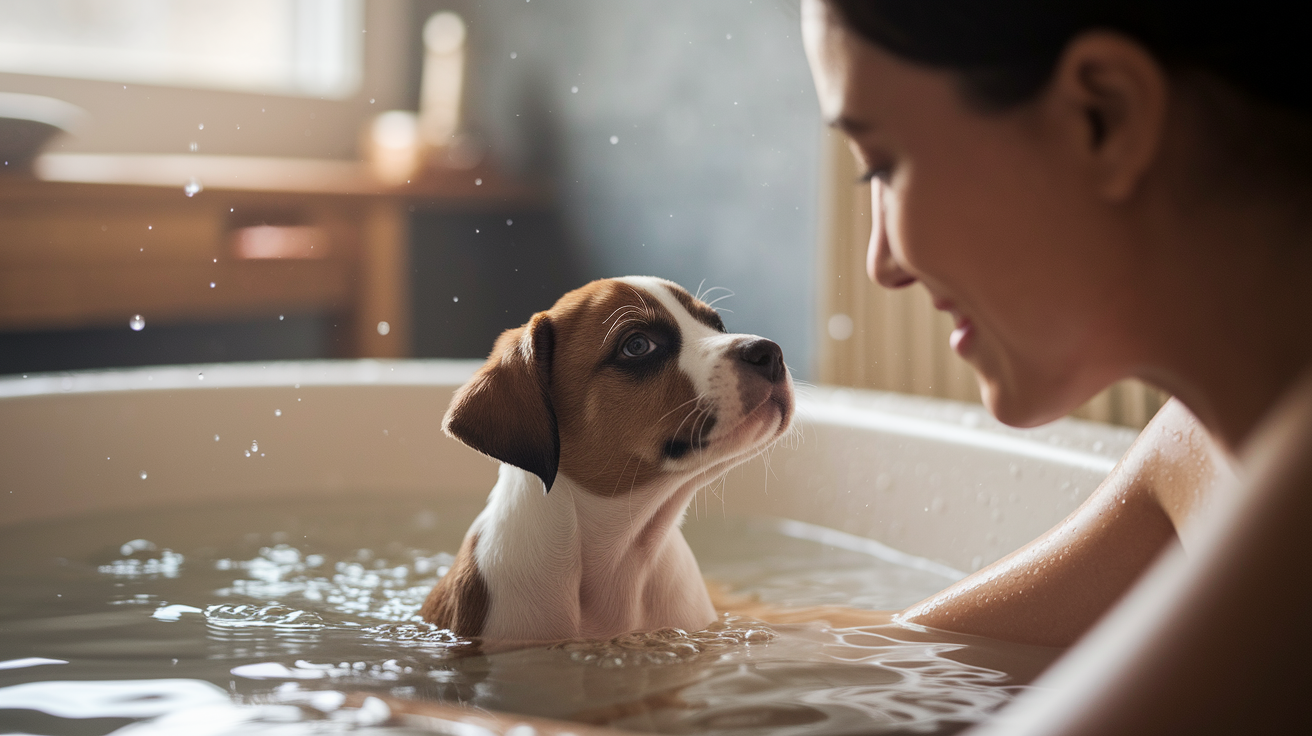
Bathing a puppy requires patience, the right products, and a calm approach. Over bathing strips natural oils and dries out skin, so bathe only when your puppy is visibly dirty, smells, or has rolled in something unpleasant. Most puppies need a full bath every 4 to 8 weeks, though long haired, swimming, or very muddy puppies may need more frequent baths.
Step by step bathing method:
Brush your puppy thoroughly before the bath. Removing tangles and loose hair now prevents mats from forming when the coat gets wet.
Let your puppy explore the tub or sink while it’s dry. Allow sniffing, offer treats, and praise calm behavior to build a positive association.
Run lukewarm water and introduce it gradually. Start by wetting your puppy’s paws, then legs, then body, avoiding the face at first.
Wet the coat completely. Hold the spray nozzle close to the skin and work the water all the way down to the undercoat.
Apply a small amount of puppy-safe dog shampoo. Lather gently, avoiding the eyes, ears, and nose. Use a damp washcloth for the face.
Praise and reassure throughout. Keep your voice calm and upbeat, and offer small treats if your puppy stays still.
Rinse thoroughly with plenty of lukewarm water. Leftover shampoo can cause itching and dryness, so rinse until the water runs completely clear.
Protect ears and eyes. Cup one hand over your puppy’s face during rinsing and tilt the head slightly downward so water doesn’t pool in the ears.
After the bath, towel dry your puppy vigorously and keep them in a warm, draft free room until their coat is fully dry. If your puppy has a curly or thick coat, you may use a hairdryer on the lowest heat setting, holding it at least 6 inches away from the skin and brushing gently as you dry to prevent tangles. Never use high heat. Puppy skin burns easily.
Preventing and Managing Tangles, Mats, and Shedding in a Puppy’s Coat

Tangles and mats form when loose hair wraps around itself, trapping dirt, moisture, and more hair. Left alone, mats pull on the skin, cause pain, and create hotspots or infections underneath. Prevention is always easier than treatment.
Long and curly coats mat daily in high friction areas like behind the ears, under the armpits, in the groin, and around the collar line. Brush these spots every single day, even if you skip the rest of the coat. Use a detangling spray before combing through dense or curly sections. It helps the comb glide and reduces breakage.
Mat and tangle prevention tips:
Brush damp prone areas daily. Ears, armpits, groin, and anywhere your puppy’s legs rub together.
Apply detangler spray before brushing curly or long coats. It reduces friction and makes combing gentler.
Trim hair that repeatedly knots. Scissors work on small areas like paw pads, tail tips, and around the face; leave larger trims to a groomer.
Check for mats after every bath. Brush while the coat is still slightly damp to catch tangles before they dry and tighten.
Increase brushing frequency during shedding seasons. Spring and fall bring heavy shedding in double coated breeds; brush 3 to 7 times per week during these peaks.
Use a dematting tool only on small, loose mats. Hold the base of the hair near the skin, work slowly, and stop if your puppy shows discomfort. Large or tight mats near the skin should be handled by a groomer.
Shedding is normal year round, but double coated breeds shed heavily in spring and fall as they transition between seasonal coats. Regular brushing and bathing during these times remove dead hair before it lands on your furniture. An undercoat rake or deshedding tool pulls out loose undercoat more effectively than a standard brush.
Nutrition Essentials That Support a Healthy Puppy Coat
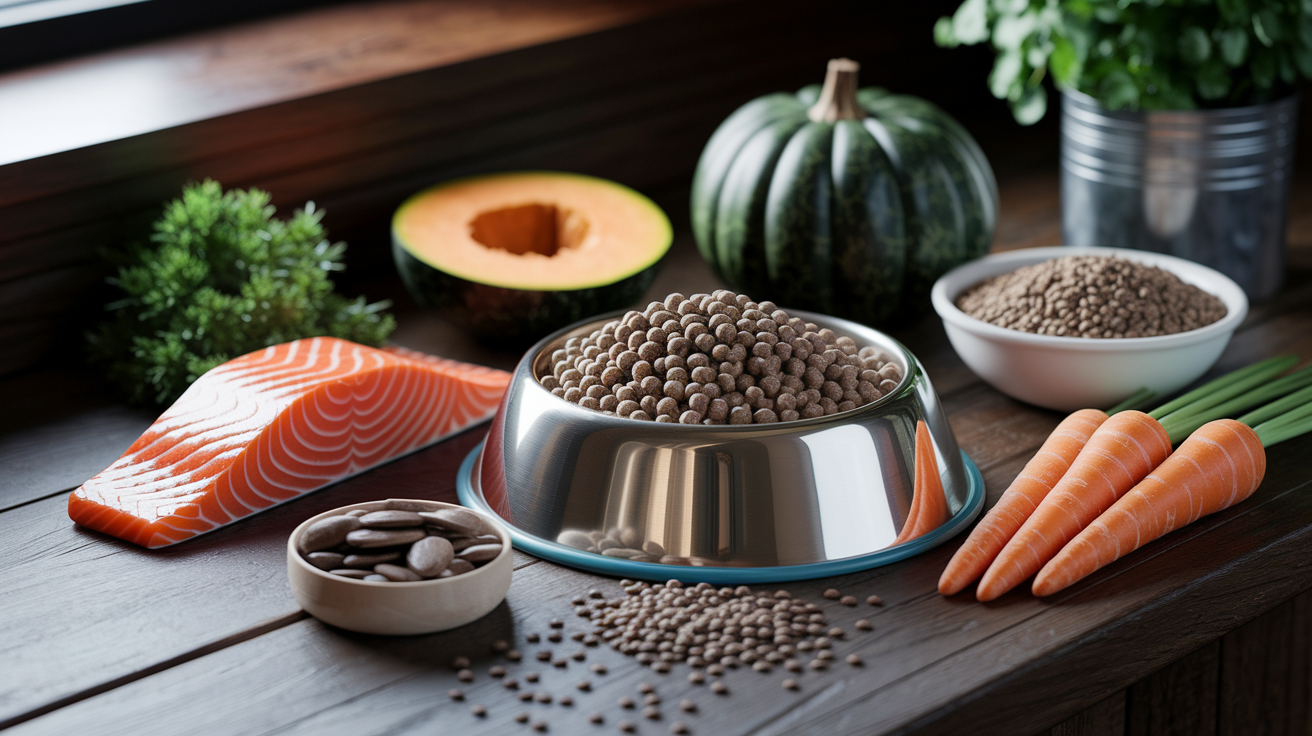
A shiny, thick coat starts from the inside. The food you feed directly affects your puppy’s skin health, hair growth, and how their coat looks and feels. Balanced puppy food provides the protein, fats, vitamins, and minerals needed for normal development during the critical first year of life.
Omega 3 and omega 6 fatty acids are the most important nutrients for coat health. They reduce inflammation, support skin barrier function, and add shine. Look for puppy foods that list salmon, sardines, ocean whitefish, or fish oil in the ingredients. Vitamin A supports skin cell turnover and hair follicle health. Surveys show that 71 percent of pet parents noticed both shinier coats and healthier skin after switching to diets rich in omega fatty acids and Vitamin A.
Key nutrients and food sources that support coat health:
Omega 3 fatty acids: salmon, sardines, tuna, fish oil, flaxseed. These reduce dryness and inflammation and add softness and shine.
Omega 6 fatty acids: chicken fat, sunflower oil, coconut oil. These support the skin’s protective barrier and prevent flaking.
High quality animal protein: chicken, beef, lamb, fish. Protein is the building block of hair; puppies need more than adult dogs.
Vitamin A: liver, sweet potato, carrots. Supports skin regeneration and healthy sebum production, which keeps fur from becoming brittle.
Don’t over supplement. Complete and balanced puppy foods already contain the nutrients your puppy needs, and adding extra oils or vitamins without veterinary guidance can cause imbalances or digestive upset. If your puppy’s coat looks dull, dry, or patchy despite a good diet, schedule a vet check up to rule out parasites, allergies, or other health issues.
Professional Grooming for Puppies: When to Start and What to Expect
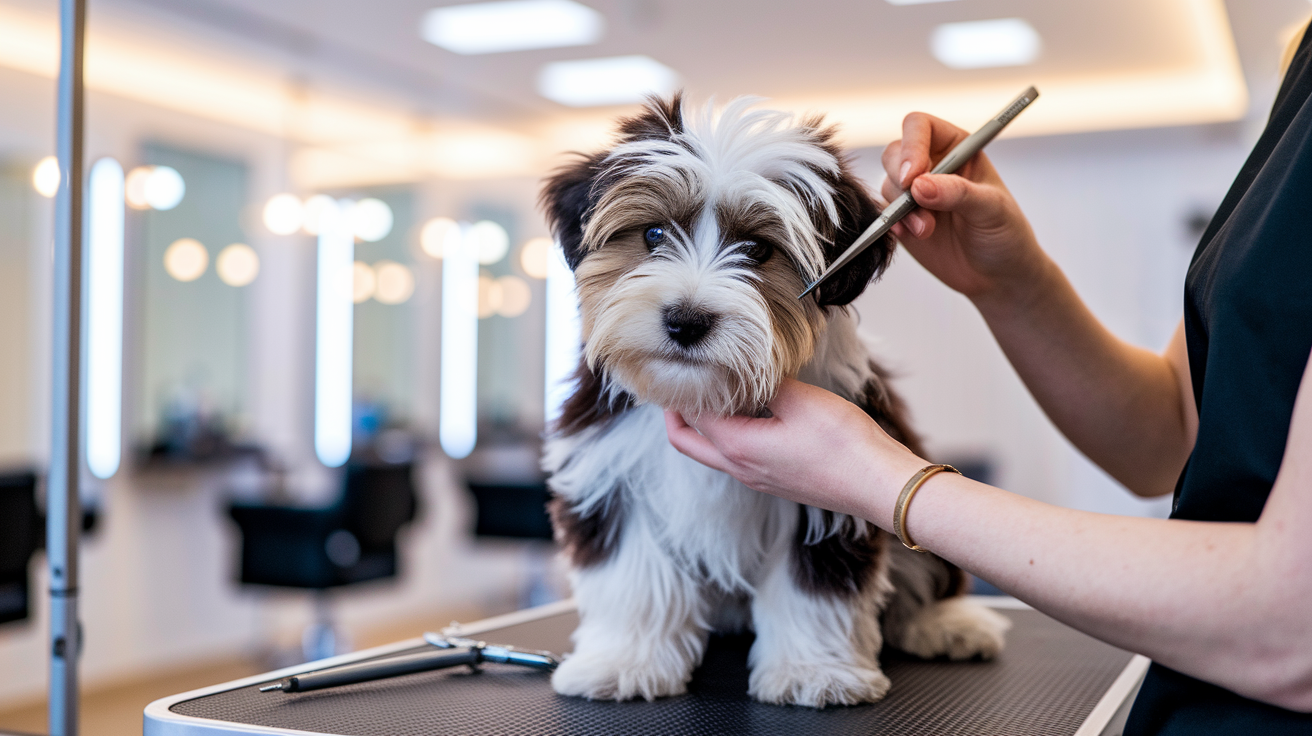
Professional groomers handle tasks that are difficult or risky to do at home, like full body trims, sanitary cuts, nail grinding, and coat stripping. Introducing your puppy to a groomer early builds tolerance and makes future appointments less stressful.
Most groomers recommend a first visit around 4 to 6 months, after your puppy has completed their primary vaccinations. Puppies with thick, long, or curly coats may benefit from an earlier introductory visit where the groomer simply handles, brushes, and trims around the face and paws without doing a full groom. Breeds that require regular trims, like Poodles, Bichon Frises, and Shih Tzus, typically need professional grooming every 6 to 12 weeks. Coarse coated breeds like Schnauzers and Irish Terriers need hand stripping 4 to 5 times per year to maintain coat texture and appearance.
What happens at your puppy’s first grooming appointment:
The groomer will handle and examine your puppy. They’re checking ears, paws, coat condition, and temperament to assess what your puppy can tolerate.
They may do a light trim or “puppy cut.” Shortening fur around the eyes, paws, and sanitary areas without attempting a full breed specific style.
Nail trimming and ear cleaning are usually included. These are low stress tasks that help your puppy get used to being handled by someone other than you.
You’ll discuss your puppy’s grooming schedule. The groomer will recommend how often to return based on coat type, growth rate, and lifestyle.
Before the appointment, tell your groomer about any sensitivities, recent vaccinations, or behavioral concerns. Bring a favorite toy or treat if your puppy is nervous. After the appointment, offer praise and a reward to reinforce that grooming is a positive experience.
Common Puppy Coat Issues and How to Address Them
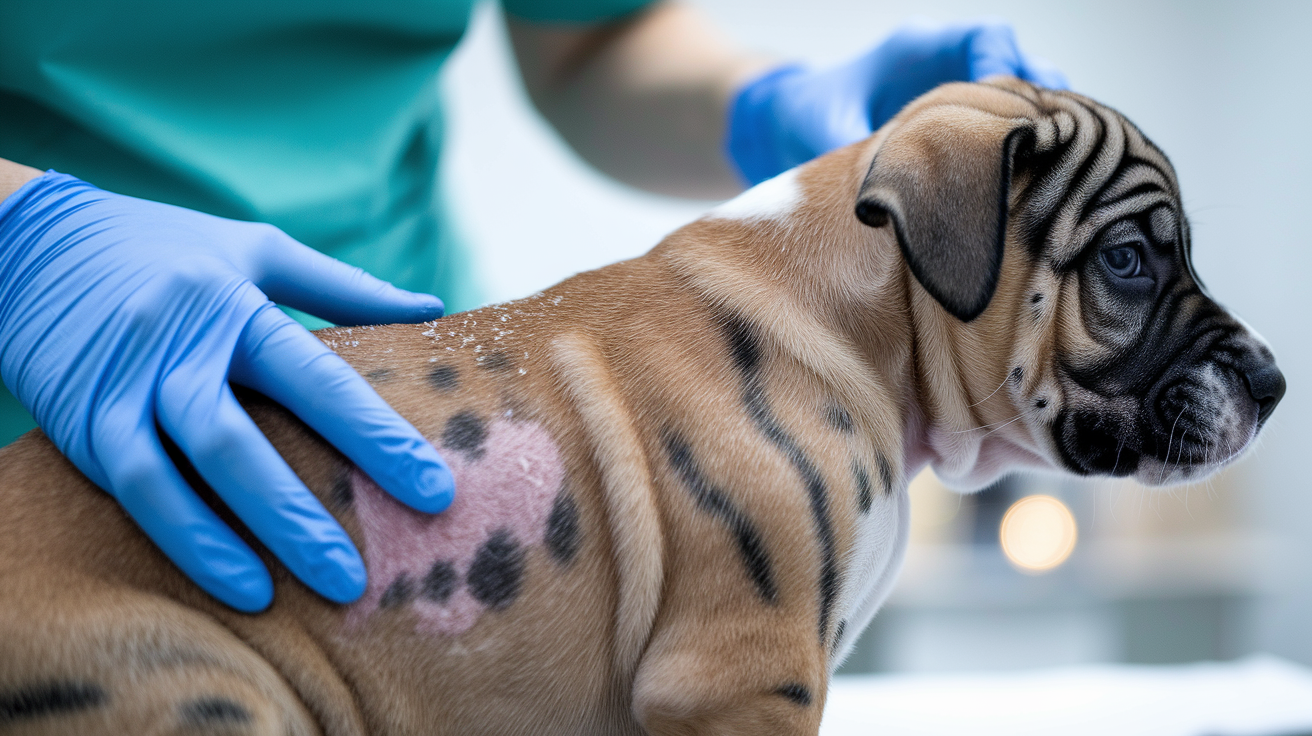
Even with consistent care, puppies can develop coat and skin problems. Early recognition and quick action prevent minor issues from becoming serious.
Dry, flaky skin is common in puppies and often signals over bathing, a harsh shampoo, or low humidity in your home. Switch to a gentle, moisturizing puppy shampoo with ingredients like aloe vera or oatmeal, reduce bathing frequency, and consider adding a humidifier during winter months. If dryness persists or worsens, ask your vet whether increasing dietary omega fatty acids might help.
Greasy, oily skin or a sudden strong odor can point to seborrhea, a skin condition where oil glands produce too much sebum. Regular bathing with a vet recommended degreasing shampoo can help, but you’ll need a diagnosis and treatment plan from your vet.
Parasites like fleas, ticks, and internal worms steal nutrients and irritate skin, leading to dull, patchy coats and constant scratching. Inspect your puppy’s skin and fur regularly, especially around the ears, belly, and base of the tail. Use veterinarian recommended flea and tick preventives year round and have your vet check a stool sample if you notice weight loss, a pot bellied appearance, or dull fur.
First response actions for common coat problems:
Excessive shedding or bald patches: rule out fleas, allergies, hormonal imbalances, or stress. Schedule a vet check up if shedding is sudden or extreme.
Hotspots or red, inflamed skin: keep the area clean and dry, stop over bathing, and avoid letting your puppy lick or chew the spot. See your vet if the lesion grows, oozes, or doesn’t improve in 48 hours.
Persistent dandruff: increase brushing to distribute oils, check humidity levels, and confirm your shampoo is puppy safe. If dandruff continues, ask your vet to check for mites or fungal infections.
Sudden coat dullness in a previously healthy puppy: consider recent diet changes, new treats, or environmental stressors. If your puppy also seems lethargic or loses appetite, see your vet.
Puppy stops self grooming: this can signal pain, arthritis in older puppies, or illness. A vet exam is necessary to identify the underlying cause.
Sample Weekly and Monthly Puppy Coat Care Routine

A simple, repeating schedule keeps grooming manageable and ensures you catch problems early. Adjust the routine based on your puppy’s coat type, activity level, and season.
| Timeframe | Tasks | Tools Needed |
|---|---|---|
| Daily | Quick coat and skin check during playtime; brushing for long and curly coats; remove debris from paws and face | Slicker or pin brush, comb, damp towel |
| Weekly | Full brushing for short and medium coats; check and clean ears; inspect nails and trim if overgrown; check for fleas, ticks, and skin changes | Rubber or bristle brush, ear cleaning solution, cotton balls, nail clippers, flea comb |
| Monthly/Seasonal | Bath if needed; trim hair around paws, eyes, and sanitary areas for long coats; increase brushing to 3–7 times per week during spring and fall shedding peaks; schedule professional grooming if due | Puppy shampoo, towels, hairdryer (optional), scissors or clippers, undercoat rake or deshedding tool |
This routine gives you a framework, not a rule. If your puppy swims daily, rolls in mud, or has a thick double coat, you’ll bathe and brush more often. If your puppy has a short, smooth coat and lives indoors, weekly brushing may be plenty. Pay attention to what your puppy’s coat tells you and adjust as needed.
Final Words
Start today: use the quick starter routine, short gentle grooming sessions, puppy-safe shampoo, and regular coat checks. Get to know your puppy’s coat type so you pick the right tools.
Introduce brushing and baths slowly, plan a first groom around 4–6 months if needed, and feed a balanced diet with omegas to help shine. Keep an eye out for dry skin, parasites, or sudden hair loss.
Following these simple steps makes how to care for a puppy’s coat manageable. You’ll build a calm habit that keeps your pup comfortable and looking great.
FAQ
Q: What is the 3-3-3 rule with puppies?
A: The 3-3-3 rule with puppies is a simple timeline: 3 days to settle in, 3 weeks to learn routines and bond, and 3 months for wider socialization and early training progress.
Q: At what age do puppies lose their puppy coat?
A: Puppies usually lose their puppy coat starting around 3–6 months, with the adult coat filling in by about 6–12 months, though timing depends on breed and coat type.
Q: What is the 10 10 10 rule for puppies?
A: The 10 10 10 rule for puppies isn’t one universal standard; trainers use it differently for exercise, socialization, or training, so ask your source and check with your vet or trainer for specifics.
Q: Do scrambled eggs help a dog’s coat?
A: Scrambled eggs can help a dog’s coat because they’re high in protein, biotin, and healthy fats; serve plain and fully cooked, in moderation, and avoid added salt or butter.