

Is your dog’s diet science or hype?
Science based dog nutrition is not about trendy labels, it’s about what decades of feeding trials and metabolic studies actually prove.
Those studies show the essentials: balanced protein, fats with the right omegas, digestible carbs, and energy matched to size and life stage.
Do that and you often keep lean muscle, steady blood sugar, and lower inflammation, which help dogs live healthier, longer lives.
This post cuts through the buzz and shows what research really supports and what to try at home.
Scientific Foundations of Optimal Canine Diets

Feeding studies from the last thirty years show that certain nutrient mixes consistently connect with longer lifespans in dogs, fewer chronic diseases, and better metabolic health. Lab work on how dogs process energy, build protein, and maintain organ function tells us that good health isn’t just about hitting minimum nutrient levels. It’s about balancing the right protein, fat, and carbs with bioavailable vitamins and minerals that match what your dog’s body actually needs. Study after study shows that diets built to support lean muscle, steady blood sugar, and controlled inflammation deliver better results than diets based on trends or guesswork.
Metabolic tests, digestibility trials, and long term tracking of real dogs inform the nutrient guidelines published by groups like the National Research Council and AAFCO. Research into how dogs metabolize food confirms they need quality protein to keep muscle intact and support immune cells. They need fat blends with omega-3s and omega-6s for cell signaling and healthy skin. And they need digestible carbs that deliver glucose without spiking blood sugar. Energy density has to fit your dog’s size, age, and activity, because getting it wrong leads to obesity or undernourishment, both of which shorten life and raise disease risk. Studies measuring nitrogen balance, amino acid breakdown, and fat absorption have nailed down that protein digestibility above 80 percent, fat levels between 10 and 40 percent of total calories depending on life stage, and controlled starch sources all help dogs use nutrients efficiently.
Large scale data and controlled feeding trials confirm that dogs eating complete, balanced diets built around validated nutrient targets stay at healthier weights, have fewer stomach upsets, hold onto lean tissue as they age, and show lower rates of heart disease when taurine and methionine needs are covered. Research in veterinary journals points to three things that predict long term wellness better than any single ingredient or cooking method: nutrient completeness, digestibility, and customization by life stage.
Essential Nutrients Backed by Canine Nutrition Research

Protein forms the structure of muscle, enzymes, antibodies, and hormones. Dogs can’t make ten essential amino acids on their own, and research shows protein digestibility and amino acid balance matter more than total protein percentage. Studies on protein needs tell us adult dogs at rest need at least 18 percent crude protein on a dry matter basis, while puppies and nursing mothers need 22 to 28 percent to build tissue and produce milk. A 2019 study in the Journal of Animal Science tracked nitrogen balance and found that protein sources with digestibility above 85 percent and complete amino acid profiles, like chicken meal, fish, and eggs, reduce strain on kidneys and liver compared to lower quality or incomplete proteins. Too little protein causes muscle loss and weak immunity. Extra protein in dogs with healthy kidneys usually just burns as energy without problems, but dogs with kidney issues need tailored, moderate protein diets.
Fats deliver concentrated energy, help dogs absorb fat soluble vitamins A, D, E, and K, and provide essential fatty acids their bodies can’t produce. Research on how dogs handle fat has pinned down linoleic acid, an omega-6, as strictly essential, with a minimum of 1.3 grams per 1,000 kilocalories for adults. Studies in the Journal of Veterinary Internal Medicine and similar journals document that diets boosted with marine omega-3s, specifically EPA and DHA, reduce inflammation markers in arthritic dogs, improve brain function in aging dogs, and strengthen skin barriers. A 2017 clinical trial showed that senior dogs eating diets enriched with DHA scored higher on thinking tasks and had lower inflammatory markers after 12 weeks. Fat usually ranges from 10 to 40 percent of total calories. Higher levels suit active dogs and puppies, moderate levels work for seniors or dogs prone to pancreatitis.
Carbohydrates aren’t strictly essential because dogs can make glucose from protein and glycerol, but digestible carbs provide efficient energy and save protein for building and repairing tissue. Research using glucose tests and continuous monitoring in dogs shows that cooked starches like rice, oats, and sweet potato produce moderate blood sugar responses, while high fiber ingredients like beet pulp and pumpkin slow glucose absorption and feed beneficial gut bacteria. A 2016 study in the British Journal of Nutrition measured compounds in stool and found that dogs eating diets with 5 to 10 percent fiber from mixed sources showed better colon health and more stable stools. Too many simple sugars can lead to obesity and insulin trouble, so controlled, complex carbs are preferred in evidence based formulas.
Vitamins and minerals regulate metabolism, build bones, power immune responses, and repair cells. Decades of deficiency and toxicity studies in lab dogs have established safe ranges for every essential micronutrient. Calcium and phosphorus, for instance, must balance near 1.2:1 in puppy diets to prevent bone problems. Studies in growing large breed dogs show too much calcium speeds up bone abnormalities, while too little causes rickets. Fat soluble vitamins build up in tissues and can become toxic. Water soluble B vitamins and vitamin C need regular replacement but pose low toxicity risk. Trace minerals like zinc, copper, and selenium act as enzyme helpers and antioxidants. Trials link deficiencies to poor coat, impaired immunity, and reproductive failure.
| Nutrient | Proven Clinical Role | Supporting Evidence |
|---|---|---|
| DHA (Omega-3) | Brain function, eye health, reduces inflammation | Randomized trials in senior dogs; better learning scores and fewer arthritis markers |
| Calcium : Phosphorus (1.2:1) | Bone growth and maintenance | Long term puppy growth studies; imbalances cause bone deformities or kidney disease |
| Taurine | Heart function, eye integrity | Controlled deficiency studies link low taurine to heart disease in certain breeds |
| Vitamin E | Antioxidant defense, immune cell function | Supplementation trials show reduced cell damage in active and senior dogs |
| Zinc | Skin barrier, enzyme function | Deficiency studies document skin problems, poor wound healing, and immune suppression |
Evidence Comparison: Kibble, Wet, Fresh, Raw, and Veterinary Formulated Diets
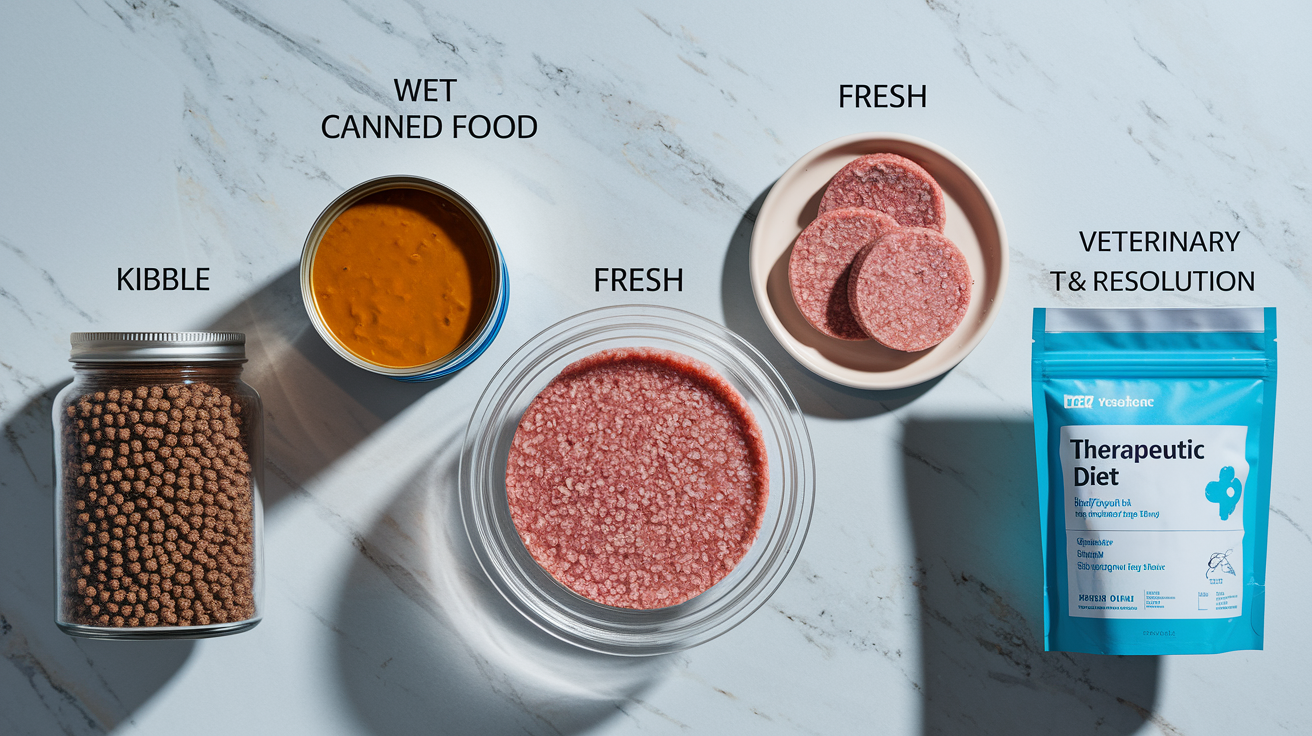
Feeding trials and observational studies have looked at how different diet formats perform across things like digestibility, microbial safety, nutrient stability, taste appeal, and actual health outcomes. Each format has trade-offs you’ll want to weigh against your dog’s needs and your household routine.
Kibble
Dry kibble has been studied heavily in controlled long term trials going back decades. Research consistently shows that properly made kibble delivers stable nutrients, low microbial contamination thanks to high temperature extrusion, and shelf stability that cuts waste. Digestibility studies report protein and fat digestibility usually between 80 and 90 percent for premium formulas. A multi year study published in the Journal of the American Veterinary Medical Association found dogs fed complete kibble diets meeting AAFCO standards showed normal growth, healthy body condition, and low rates of diet related disease when calorie intake matched energy needs. The main downside is that extrusion heat can reduce some heat sensitive vitamins and certain amino acids, which makers compensate for through post extrusion coating or over formulation.
Wet Food
Canned and pouch wet foods contain 70 to 85 percent moisture, a real advantage for dogs that don’t drink much or have urinary tract sensitivities. Taste studies using preference trials show most dogs rate wet food higher for flavor and smell versus kibble, likely because of retained flavor compounds and softer texture. Digestibility research reports similar or slightly higher protein and fat digestibility versus kibble, often 85 to 92 percent. Because wet food is sealed and sterilized after filling, microbial safety is excellent. Trade offs include higher cost per calorie, shorter shelf life once opened, and potential for plaque buildup if wet food is the only diet, though evidence linking kibble texture to meaningful dental benefit is mixed.
Fresh and Frozen Prepared Diets
Lightly cooked or gently processed fresh diets have drawn attention in recent research. A 2022 study in PLOS ONE measured protein and dry matter digestibility in dogs fed fresh, minimally processed diets versus extruded kibble and found fresh diets achieved digestibility above 90 percent for protein and fat, with lower stool volume indicating more efficient nutrient use. Dogs in the fresh diet group also showed higher taste appeal scores and better stool consistency. Another trial published in the Journal of Animal Science found that inflammation markers, including serum C-reactive protein, dropped in dogs switched from standard kibble to fresh, whole food formulas over eight weeks. The main concern with fresh diets is microbial risk if handling or storage isn’t careful, and nutrient variability if recipes aren’t built by credentialed nutritionists.
Raw Diets
Raw meat based diets stay controversial. A 2013 review in the Journal of the American Veterinary Medical Association looked at available evidence and concluded that raw diets carry documented risks of pathogen exposure, including Salmonella, Listeria, and E. coli, to both dogs and humans in the home. Later studies using stool culture and PCR confirmed higher shedding rates of harmful bacteria in dogs fed raw versus cooked diets. Nutrient balance is another worry. Homemade raw recipes analyzed in research often show shortfalls or excesses in calcium, phosphorus, vitamins A and D, and trace minerals. A 2019 study in Veterinary Record examined 35 commercial raw diets and found 28 percent failed to meet AAFCO minimums for at least one essential nutrient. Supporters cite improved coat and firmer stools, but controlled trials comparing raw to properly made cooked diets haven’t shown consistent health advantages. If you choose raw, use commercially prepared, AAFCO compliant raw diets that undergo high pressure pasteurization and work with a veterinary nutritionist to track nutrient adequacy.
Veterinary Formulated Therapeutic Diets
Prescription diets built for specific diseases have the strongest clinical trial backing. Randomized controlled trials show that kidney support diets with restricted phosphorus and high quality protein slow progression of chronic kidney disease. A 2020 study in the Journal of Veterinary Internal Medicine showed median survival extension of 13 months in dogs fed kidney diets versus standard diets. Hydrolyzed protein and novel protein diets for food allergic dogs reduce symptoms of skin inflammation and gastrointestinal upset in blinded, controlled trials. Weight management diets with high fiber and L-carnitine supplementation produce measurably greater fat loss and lean mass retention than calorie restriction alone. These diets are built by board certified veterinary nutritionists and undergo feeding trials, making them the gold standard for dogs with diagnosed conditions.
| Diet Type | Research Documented Advantage | Noted Limitation |
|---|---|---|
| Kibble | Nutrient stability, microbial safety, extensive long term feeding data | Heat sensitive nutrient loss during extrusion; lower moisture content |
| Wet Food | High taste appeal, increased hydration, good digestibility | Higher cost per calorie; limited dental benefit; shorter shelf life once opened |
| Fresh and Frozen | Highest measured digestibility; reduced inflammation markers; excellent taste appeal | Microbial risk if improperly handled; nutrient variability without expert formulation |
| Raw | Some owners report improved coat and firmer stools | Documented pathogen risk; frequent nutrient imbalances; lacks consistent clinical health advantages |
Myths Versus Evidence in Canine Nutrition

Misinformation spreads fast in pet nutrition because emotional attachment to dogs, pushy marketing, and cherry picked stories often move faster than peer reviewed science. Owners naturally want the best and might grab onto claims that sound intuitive, like “ancestral diets” or “human grade ingredients equal better health,” without access to controlled study data. Social media amplifies individual wins while hiding failures, and supplement companies often point to shaky or poorly designed studies as proof of benefit. Understanding what rigorous research actually shows helps you separate marketing spin from evidence.
One stubborn myth says grains and carbs are “fillers” that harm dogs. Controlled digestibility studies show cooked grains like rice, oats, and barley provide highly digestible energy and supply fiber that supports gut health. Dogs carry multiple copies of the AMY2B gene, which codes for amylase, the enzyme that breaks down starch. This genetic adaptation, documented in a landmark 2013 Nature paper, shows dogs can digest carbs efficiently. Another misconception is that by-products are low quality scraps. Research published in the Journal of Animal Science shows by-products like organ meats, liver, and bone meal often pack higher concentrations of essential nutrients like vitamin A, B vitamins, and minerals than muscle meat alone. The term “by-product” simply means parts not typically eaten by humans in a given market. It doesn’t signal poor nutrition. A third myth claims grain free diets are healthier. Large scale investigations, including work by the FDA and academic researchers starting in 2018, identified a potential link between certain grain free diets and taurine deficient heart disease in breeds not typically at risk. Later studies found legume heavy formulas may interfere with taurine synthesis or absorption in some dogs, prompting many veterinary nutritionists to recommend grain inclusive diets unless a dog has a diagnosed grain allergy, which is rare.
Supplement claims often exceed supporting evidence. Glucosamine and chondroitin, widely marketed for joint health, have mixed results in controlled canine trials. Some studies show modest improvements in mobility scores, others find no significant difference versus placebo. Probiotics show promise for specific stomach conditions in controlled research, but strain selection, dose, and viability at time of feeding matter greatly. Most over the counter products lack published efficacy data in dogs. Omega-3 supplements from fish oil do have solid evidence for reducing inflammation when dosed right, but not all omega-3 products deliver stable, usable EPA and DHA.
Dogs are omnivores with proven ability to digest and use proteins, fats, and carbs from varied sources. Controlled studies show no consistent health advantage to raw feeding and document higher pathogen risk and nutrient imbalance in many raw diets. Ingredient grade doesn’t predict bioavailability or nutrient completeness. Some non human grade ingredients are highly nutritious for dogs. Grains cause allergies in fewer than 1 percent of dogs, and grain free formulas have been linked to cardiac issues in some cases.
Applying Research to Daily Feeding Decisions

Turning scientific nutrient needs into daily feeding starts with calculating your dog’s resting energy requirement, the baseline calories needed to keep body temperature and organs running, then adjusting for activity level, life stage, and health status. The National Research Council provides formulas based on metabolic body weight. A typical adult dog at ideal body condition needs roughly 70 times body weight in kilograms to the 0.75 power in kilocalories per day at rest, then multiply by 1.2 to 2.0 depending on whether the dog is sedentary, moderately active, or highly active. Puppies and nursing mothers need much more, often 2 to 4 times resting energy needs. Research shows overfeeding by even 10 percent consistently leads to weight gain and higher risk of obesity related diseases like diabetes and arthritis, so measuring food by weight rather than volume and adjusting based on body condition every few weeks matters.
Product labels give you a starting point but need careful reading. The guaranteed analysis lists minimum protein and fat and maximum fiber and moisture, but it doesn’t reveal digestibility, amino acid profile, or bioavailability of vitamins and minerals. Look for an AAFCO nutritional adequacy statement, which tells you the diet either meets established nutrient profiles or has passed a feeding trial. Feeding trials are the gold standard because they show dogs can thrive on the diet over time, not just that it meets nutrient minimums on paper. Check the ingredient list for specific named proteins like “chicken” or “salmon” rather than vague terms like “meat,” and see if a credentialed veterinary nutritionist is on staff. Credentials like DACVIM Nutrition or ACVN signal expert led formulation. If the brand publishes full nutrient profiles beyond the guaranteed analysis, that transparency is a good indicator of scientific rigor.
Picking a diet should account for life stage, breed size, activity level, and any diagnosed health conditions. Puppies need higher protein, fat, calcium, and phosphorus in precise ratios to support growth without causing bone problems. Large breed puppy formulas specifically limit calcium and moderate energy density to slow growth rate and reduce joint stress. Adult maintenance diets should match energy and nutrient density to your dog’s activity. Working or sporting dogs benefit from higher fat and calorie dense formulas, while less active dogs need moderate calorie diets to prevent weight gain. Senior dogs often have reduced digestive enzyme activity and may benefit from highly digestible protein sources, antioxidants like vitamins E and C, and joint support nutrients like omega-3 fatty acids, though AAFCO doesn’t formally define a “senior” life stage. Dogs with diagnosed conditions like kidney disease, food allergies, or diabetes need therapeutic diets built by veterinary nutritionists and tracked through regular bloodwork and clinical exams.
Calculate your dog’s daily energy needs using validated formulas that account for resting metabolic rate, activity level, and life stage, then weigh food portions to match those needs. Choose diets with an AAFCO nutritional adequacy statement, ideally backed by feeding trials, and built by a credentialed veterinary nutritionist. Look at ingredient lists for specific, named protein and fat sources, and skip products that lean heavily on vague terms or unsupported marketing claims. Match diet composition to your dog’s life stage: quality protein and balanced calcium phosphorus for puppies, energy dense formulas for active adults, highly digestible and antioxidant rich options for seniors. Monitor body condition every two to four weeks and adjust portions based on visible changes in weight, muscle tone, and energy level rather than relying only on feeding guidelines printed on the bag. Talk to a board certified veterinary nutritionist or your vet if your dog has a diagnosed health condition, unexplained weight loss or gain, chronic digestive issues, or if you’re considering a homemade or raw diet to make sure nutrient needs and safety are covered.
Final Words
We mapped the research behind optimal canine diets, what lab and clinical studies say about protein, fats, carbs, vitamins, and which diets support longevity, metabolism, immunity, and digestion.
You learned how different formats compare, including kibble, wet, fresh, raw, and veterinary diets. We debunked common myths and gave practical steps for reading labels and matching food to life stage or health needs.
Use these science based dog nutrition points as your checklist. Small, steady changes often make the biggest difference, and you’ll feel more confident picking a plan that helps your dog thrive.
FAQ
Q: What do controlled studies show about nutrient composition for canine longevity and health?
A: Controlled studies show that balanced protein quality, appropriate energy density, healthy fats, and verified micronutrients support longevity, lean muscle, stable metabolism, immune strength, and good digestion in many dogs.
Q: What are the most important nutrients dogs need, according to research?
A: Research shows dogs need six nutrient groups: high‑quality protein, fats and essential fatty acids, digestible carbohydrates and fiber, vitamins, minerals, and water, all in bioavailable forms for best health.
Q: How much protein do dogs really need and what matters most?
A: Dogs need sufficient, digestible protein with required amino acids; protein quality and digestibility matter more than crude percentage, and puppies or athletic dogs need higher protein than calm adults.
Q: Are fats and omega‑3s proven to help skin and brain health?
A: Yes, studies show omega‑3s like DHA and EPA help skin, coat, and cognitive function, and balanced fat profiles support energy needs and reduce inflammatory markers in many dogs.
Q: Do dogs need carbohydrates, and how do carbs affect blood sugar?
A: Dogs use carbohydrates for energy; digestible carbs are fine, while fiber helps digestion and stool. Low glycemic carbs are better for weight control and for dogs with insulin issues.
Q: How do kibble, wet, fresh, raw, and veterinary diets compare in research?
A: Research finds kibble offers consistency and safety testing, wet food boosts hydration and palatability, fresh diets often show good digestibility, raw has infection and balance concerns, and veterinary diets aid specific conditions.
Q: Is feeding a raw diet supported by science and is it risky?
A: Studies show raw diets can improve palatability but carry higher microbial risks and inconsistent nutrient balance, so many vets warn against raw without strict handling and nutritional formulation.
Q: Are grains and by‑products harmful to dogs?
A: Scientific data show grains and some by‑products are not inherently harmful; they can be nutritious when the full diet meets nutrient standards and avoids known allergies in individual dogs.
Q: Do common supplements like probiotics or joint supplements actually work?
A: Some supplements have trial support—certain probiotics, omega‑3s, DHA, and targeted joint supplements—while many others lack strong evidence; use ones backed by studies and your vet’s advice.
Q: How can I apply research to everyday feeding choices?
A: Apply research by estimating your dog’s energy needs, choosing diets with verified nutrient adequacy, checking ingredient quality, adjusting portions by body condition, and monitoring weight and stool weekly.
Q: When should I talk to my veterinarian about my dog’s diet?
A: Talk to your veterinarian if your dog has unexplained weight change, chronic diarrhea or vomiting, skin or coat problems, low energy, or before major diet changes like raw or homemade meals.