

Did you know high-heat processing in most pet foods destroys the natural enzymes that help pets digest their meals? Digestive enzymes are proteins that break proteins, fats, and carbs into tiny pieces your pet can use. Without enough, food can pass through unused and cause weight loss, loose stool, or low energy. This post shows what common enzymes do, who may benefit, and how to read labels so you can decide if enzyme support fits your pet.
Understanding How Digestive Enzymes Support Pet Digestion
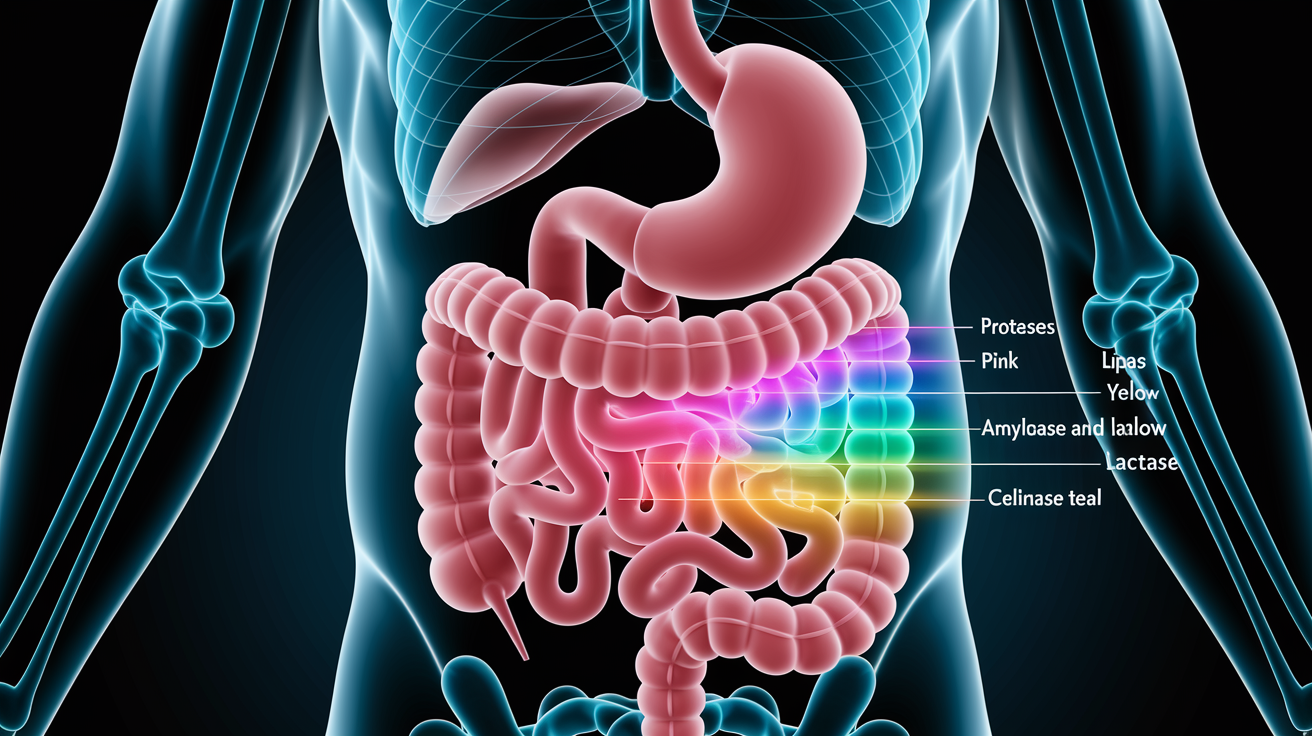
Digestive enzymes are proteins that break down food into pieces small enough for the body to absorb. Without them, nutrients from meat, fats, grains, and vegetables pass through your pet’s system unused. Dogs and cats can eat all day and still lose weight, struggle with loose stools, or show signs of malnutrition if their digestive enzymes aren’t working right.
Healthy pets produce their own digestive enzymes, mostly in the pancreas. Once weaning wraps up, a dog or cat’s system should make all the enzymes needed to process proteins, fats, and carbs. These enzymes get released into the small intestine as food leaves the stomach, and they break down each type of nutrient. Dogs naturally produce lower levels of one enzyme (amylase) that processes starches, but they typically handle carbohydrate digestion fine with what they’ve got.
Commercial pet food goes through high heat processing. Extrusion, baking, or canning, temperatures between 118 and 170°F destroy naturally occurring enzymes in the ingredients. That means any enzymes present in raw chicken, beef, grains, or vegetables are gone by the time the food reaches the bag or can. For most pets, this isn’t a problem because their pancreas picks up the work. But some pets, especially those with pancreatic conditions, aging digestion, or sensitivities, may benefit from added enzyme support to fill in what processing takes away.
The four main categories of digestive enzymes:
- Proteases break down proteins like meat and eggs
- Lipases process fats for energy and cell health
- Amylases handle starches and sugars from grains and vegetables
- Specialty enzymes like cellulase (for plant fiber) and lactase (for milk sugar in young animals)
Types of Pet Food Digestive Enzymes and Their Specific Functions

Each enzyme has a specific job. Most are sourced from animal organs, plants, or microbial fermentation. Animal enzymes (called pancreatin) come from pig or cattle pancreases and work best in the alkaline environment of the small intestine. Plant enzymes, like papain from papaya and bromelain from pineapple, act earlier in the acidic stomach. Microbial enzymes from fungi or bacteria are stable across a wider pH range and are commonly used in commercial supplements.
Protein Digesting Enzymes (Proteases)
Proteases convert proteins into amino acids. These are the building blocks pets need for muscle, skin, immune function, and hormone production. These enzymes get produced in the stomach (pepsin), pancreas (trypsin, chymotrypsin), and small intestine. Animal pancreatin includes multiple protease types that work together in the intestine. Plant sources like papaya (papain) and pineapple (bromelain) can begin breaking down proteins in the stomach, and they’re sometimes used in home care or supplement blends. Papain and bromelain also have a unique ability to digest dead or damaged tissue. That’s why they’re occasionally recommended for supporting wound healing or managing minor inflammation.
Fat Digesting Enzymes (Lipases)
Lipases split fats into fatty acids and glycerol so they can be absorbed and used for long term energy storage, cell membrane health, and absorption of fat soluble vitamins like A, D, E, and K. Most lipase gets made in the pancreas and released into the small intestine with bile to help emulsify fats before digestion. Lipases are less stable than other enzymes and can lose activity quickly if exposed to heat or stored wrong. That’s why prescription enzyme products for pets with pancreatic insufficiency are kept refrigerated or used fresh.
Carbohydrate Digesting Enzymes (Amylase, Cellulase, Lactase)
Amylase breaks starches and complex carbs into simple sugars that provide quick energy. Dogs and cats produce amylase in the pancreas, but dogs make much less of it than humans do. That doesn’t mean they can’t digest carbs. It just means starchy foods take a little longer to process. Cellulase targets cellulose, the fibrous part of plant cell walls, and isn’t produced by dogs or cats naturally. Some enzyme supplements include microbial cellulase to help pets break down vegetable matter more completely. Lactase digests lactose, the sugar in milk, and is present in nursing puppies and kittens. Most adults lose lactase activity after weaning, which is why dairy can cause soft stools in grown pets. Lactase supplements or lactose free dairy can help if you want to offer milk based treats.
| Enzyme Type | Primary Function | Common Source |
|---|---|---|
| Protease | Breaks proteins into amino acids | Pancreas, papaya (papain), pineapple (bromelain) |
| Lipase | Digests fats into fatty acids and glycerol | Pancreas, microbial fermentation |
| Amylase | Converts starches into simple sugars | Pancreas, microbial sources |
| Cellulase / Lactase | Breaks down plant fiber or milk sugar | Microbial fermentation (not naturally present in dogs/cats) |
Benefits of Digestive Enzymes in Pet Food for Sensitive or At Risk Pets
For pets with mild digestive sensitivities, aging digestion, or occasional trouble processing certain foods, added enzymes can improve nutrient uptake and stool quality. Enzymes help break down meals more completely. That means fewer undigested particles reaching the colon and less gas, softer stools, or discomfort. Older dogs and cats often produce fewer enzymes naturally as their pancreas ages, and a little enzyme support can ease the digestive load without medication.
Some pets struggle with specific nutrients. Trouble digesting fats can lead to greasy stools, while poor carbohydrate breakdown may cause gas or loose stool after meals with grains or vegetables. Enzyme supplements or enzyme rich whole foods can bridge that gap, especially for pets on home cooked or rotational diets where ingredient variety changes week to week. If your pet has a history of mild pancreatitis or intermittent digestive upset, a targeted enzyme blend may help. But always check with your vet before adding anything long term.
Natural enzyme sources include fresh papaya, pineapple, fermented foods like plain unsweetened yogurt or kefir, and small amounts of raw dairy if your pet tolerates it. These whole foods supply active enzymes that survived processing because they weren’t cooked. Adding a tablespoon of fresh papaya or a spoonful of plain yogurt to a meal can provide gentle enzyme support without needing a supplement. If your pet eats a heavily processed diet (kibble or canned food), adding enzymes after cooking or rotating in fresh enzyme rich foods can help restore some of what heat took away.
Digestive Enzyme Supplements for Pets: When They’re Needed
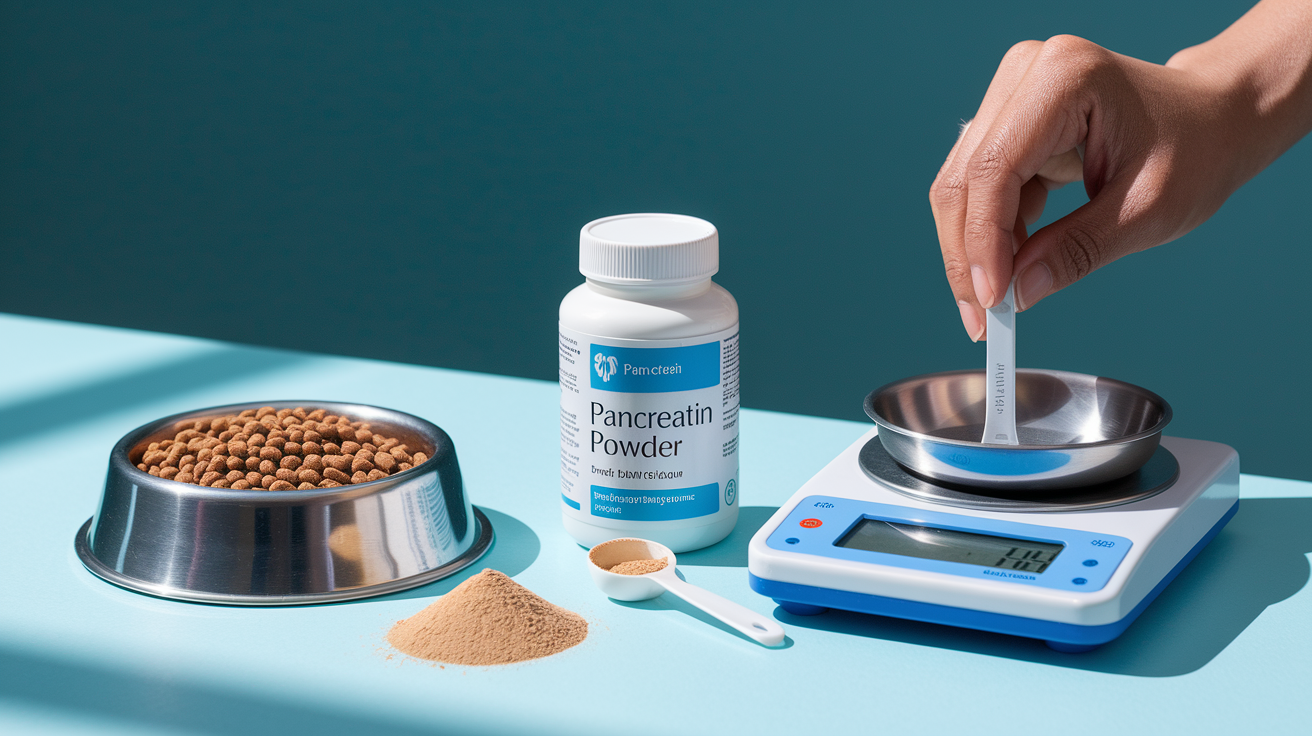
Prescription digestive enzyme supplements are medically necessary for dogs and cats with exocrine pancreatic insufficiency (EPI), a condition where the pancreas can no longer produce enough enzymes to digest food. Without treatment, pets with EPI eat constantly but lose weight rapidly, pass loose or greasy stools, vomit frequently, and show signs of malnutrition despite a strong appetite. EPI is most common in German Shepherds and some Collie breeds, where it’s often inherited. Treatment requires a powdered pancreatic enzyme supplement, usually porcine derived pancreatin, mixed into each meal. These prescription formulas are potent, refrigerated, and dosed carefully based on your pet’s weight and symptom response.
Chronic pancreatitis, where repeated inflammation reduces pancreatic function over time, can also benefit from enzyme support. Though dosing and necessity vary case by case. If a pet shows persistent digestive trouble despite a good diet and basic home care, testing pancreatic function is the next step before adding enzymes. For healthy pets with normal pancreatic output, enzyme supplements offer no proven benefit and may carry risk. Some veterinarians warn that long term unnecessary supplementation can suppress the pancreas’s own enzyme production, creating a dependency where a previously healthy dog now needs enzymes at every meal.
Five signs that may indicate your pet needs enzyme evaluation:
- Rapid weight loss despite a normal or increased appetite
- Chronic diarrhea lasting weeks or recurring frequently
- Loose, greasy, or foul smelling stools that float or leave an oily residue
- Persistent vomiting or nausea, especially after meals
- Dull, dry coat and low energy despite adequate food intake
How to Read Pet Food Labels for Digestive Enzyme Information

If a pet food or supplement includes digestive enzymes, the label should list each enzyme by name. Protease, lipase, amylase, and any specialty enzymes like cellulase or lactase. Some labels also include activity units, measured in U (units) or LU (lipase units), which tell you how much active enzyme is present. Activity units matter more than the weight of enzyme powder because enzymes vary in potency. A product listing “500 mg enzyme blend” without units doesn’t tell you if those enzymes will do anything once they reach your pet’s gut.
Look for transparency about enzyme source. Labels should specify whether enzymes come from animal pancreas (pancreatin), plant sources (papain, bromelain), or microbial fermentation. Animal enzymes work in the alkaline small intestine, while plant and microbial enzymes can start working earlier in the stomach. If a label lists “proprietary enzyme blend” without details, you can’t verify quality or suitability for your pet’s needs.
Key label elements to check:
- Enzyme type listed by function (protease, lipase, amylase)
- Activity units for each enzyme (U, LU, or equivalent)
- Source identified (animal, plant, or microbial)
Comparing Natural Food Enzymes vs. Added Digestive Enzymes in Pet Food
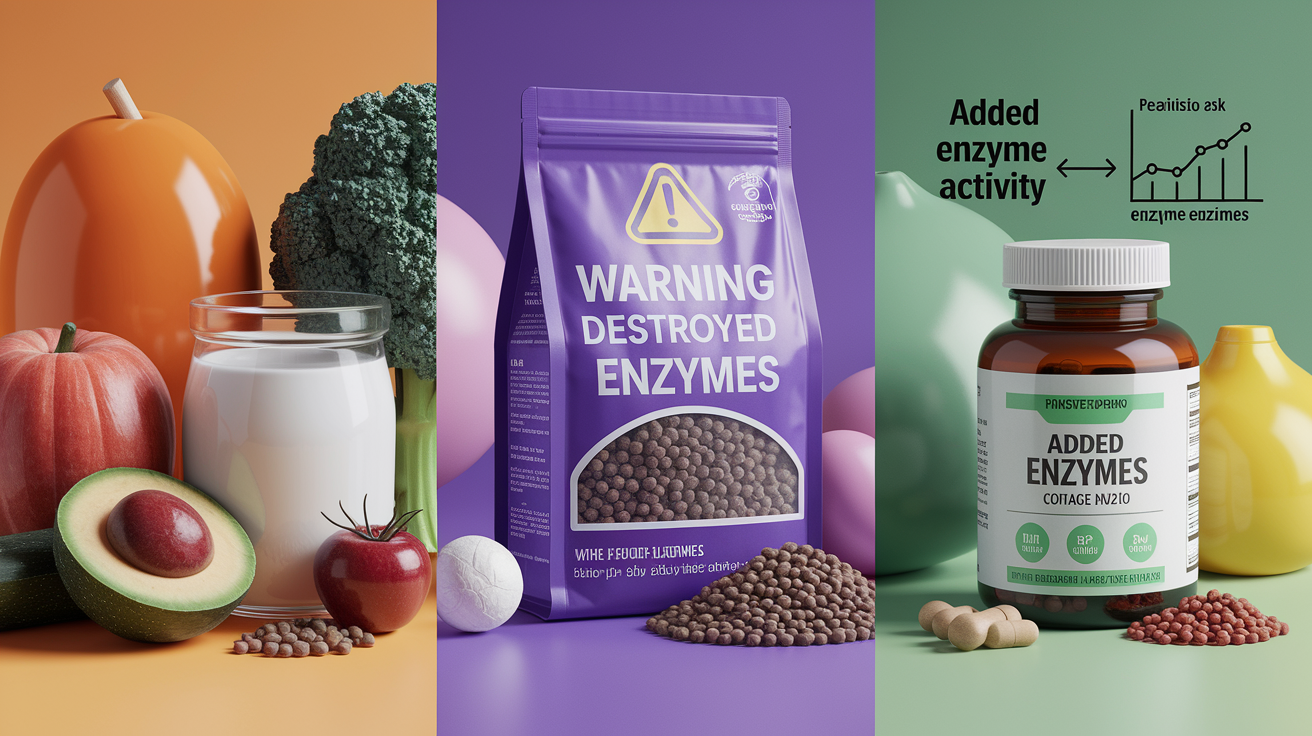
Natural enzymes in raw meat, fish, fruits, and vegetables are active until heat destroys them. Extrusion (the process used to make kibble) runs ingredients through high heat and pressure well above 170°F, which denatures every enzyme in the mix. Canned food goes through similar heat treatment during sterilization. That means any enzyme activity in the original chicken, beef, or sweet potato is gone by the time the food is sealed and shipped. Pets eating exclusively cooked or processed food rely entirely on their own enzyme production.
Raw and minimally processed foods retain natural enzymes. Some raw fed pet owners point to enzyme content as a benefit. Fresh papaya, pineapple, or raw organ meat added to a meal supplies active enzymes that can assist with breakdown in the stomach. But it’s important to remember that natural food enzymes are a small part of digestion. Your pet’s pancreas still does the heavy lifting in the small intestine. Adding fresh enzyme rich foods is helpful for variety and gentle support, but it won’t replace pancreatic enzymes if your pet has EPI or severe insufficiency.
Some manufacturers add enzymes after cooking, once the food is cooled and packaged. These post process enzymes remain active and can assist digestion if they’re stable enough to survive stomach acid and reach the intestine. Microbial enzymes tend to hold up better than plant enzymes across pH changes, which is why many commercial blends use fungal or bacterial sources. If enzyme support is your goal, look for foods or toppers that add enzymes after heat processing or consider rotating in small amounts of raw or fresh ingredients.
| Source | Enzyme Activity | Best Use Case |
|---|---|---|
| Natural enzymes in raw ingredients | Active until exposed to heat above 118°F | Raw diets, fresh toppers, gentle support for healthy pets |
| Enzymes in processed pet food | Destroyed during cooking or extrusion | None, pets rely on endogenous enzyme production |
| Enzymes added after cooking | Active if stable and properly stored | Sensitive pets, aging digestion, targeted enzyme replacement |
Safety, Side Effects, and When to Consult a Veterinarian About Digestive Enzymes

For most healthy pets, adding digestive enzyme supplements carries little immediate risk but offers no proven benefit. The bigger concern is long term unnecessary use. Some experts worry that chronic supplementation may signal the pancreas to slow its own enzyme output, effectively training the body to depend on external enzymes. If that happens, stopping the supplement later could leave your pet temporarily unable to digest food properly. There’s also the risk that enzyme supplementation masks a more serious underlying problem (like inflammatory bowel disease, gastrointestinal lymphoma, or insulinoma), delaying diagnosis and appropriate treatment.
If your pet has diarrhea lasting more than 24 hours, or diarrhea paired with lethargy, loss of appetite, vomiting, blood, or mucus, skip the supplements and call your vet. Persistent digestive trouble needs a diagnosis, not a guess. Blood work, fecal tests, and pancreatic function testing can identify whether enzymes are truly needed or if something else is going on. For pets already on enzyme therapy for confirmed EPI or pancreatitis, follow your veterinarian’s dosing instructions exactly. Too little enzyme won’t help, and giving enzymes inconsistently can lead to continued malnutrition and digestive upset.
If you’re considering enzyme support for an older pet or one with occasional mild digestive sensitivity, talk to your vet first. They can help you decide whether a short trial makes sense, recommend a quality product with transparent labeling, and monitor for any signs that supplementation isn’t helping or may be doing harm. Digestive health is rarely improved by adding one supplement. It’s usually a combination of good food, consistent routine, stress management, and treating any medical conditions that shows up as better stools and a healthier pet overall.
Final Words
We showed what digestive enzymes do, why pets mainly use their own enzymes, and how cooking can destroy natural enzyme activity.
You read about key enzyme types, when added enzymes or prescription pancreatin are useful, how to read labels, and safety red flags that need a vet.
If you think your pet may need support, watch weight, stool, and vomiting, and talk with your vet before long-term use.
Start simple and work with your vet. Digestive enzymes in pet food or vet-recommended supplements can help some pets feel better.
FAQ
Q: Are digestive enzymes good for dogs?
A: Digestive enzymes can help some dogs, especially older pets or those with mild digestion problems, by improving nutrient absorption and stool quality. Check with your vet before starting, especially for chronic signs.
Q: Do digestive enzymes work for SIBO?
A: Digestive enzymes are not a reliable treatment for SIBO (small intestinal bacterial overgrowth). They may ease digestion but will not fix bacterial overgrowth. Antibiotics or vet-directed therapy are usually needed.
Q: Is there a downside to digestive enzymes?
A: Digestive enzymes can have downsides, like mild stomach upset, masking underlying conditions, and possible long-term pancreatic suppression if used unnecessarily. Use only when your vet recommends and watch for new or worsening signs.
Q: Do digestive enzymes help with diverticulitis?
A: Digestive enzymes do not treat diverticulitis. Diverticulitis needs medical or surgical care, and enzymes will not resolve inflamed diverticula. If your pet shows abdominal pain, fever, or bloody stool, see your vet right away.