

This might sound controversial.
Not all probiotics help dogs, and some do nothing while a few strains can really speed healing.
If your dog has loose stool, gas, or is coming off antibiotics, the right strains, like Lactobacillus acidophilus, Bifidobacterium animalis, and Enterococcus faecium, often bring faster results and steadier digestion.
You’ll get clear, practical picks for fast-acting products, simple dosing by size, and safe ways to add them to meals so you see real improvement in days and lasting healing over weeks.
Fast-Acting Probiotic Picks and How to Use Them
When your dog needs help now, a few proven strains consistently deliver results. Lactobacillus acidophilus, Bifidobacterium animalis, and Enterococcus faecium are the workhorses of canine gut health. L. acidophilus helps stabilize loose stool and supports nutrient absorption. B. animalis reduces inflammation and crowds out harmful bacteria. E. faecium boosts immune response in the gut lining, and studies show measurable improvement in gut immunity after five months of consistent use. Look for products that list these strains by name on the label, not just “proprietary blend.”
Purina Pro Plan Veterinary Diets FortiFlora contains E. faecium and delivers roughly 100 million CFU per packet. It’s a solid starting point for dogs with mild digestive upset or post-antibiotic recovery. Nutramax Proviable-DC combines multiple Lactobacillus and Bifidobacterium strains with prebiotics and offers higher CFU counts, around 5 billion per capsule, making it a good match for dogs with active diarrhea or chronic soft stool. Zesty Paws Probiotic Bites are flavored chewables with a multi-strain blend plus prebiotics, typically around 3 billion CFU per chew. They work well for picky dogs who won’t accept powder mixed into food.
CFU counts matter, but so does matching the dose to your dog’s size and condition. Here’s how to dose by weight and need:
- Under 20 lbs: Start with 1 to 5 billion CFU daily. Use lower counts for preventative care, higher for active digestive issues.
- 20 to 50 lbs: Aim for 5 to 10 billion CFU daily for general support, or 25 to 30 billion CFU if dealing with chronic diarrhea or allergies.
- 50+ lbs: Start at 10 billion CFU for healthy dogs, and scale up to 25 to 50 billion CFU for medium to large dogs with immune or digestive problems.
- Seniors: Use the same CFU range as their weight class but consider soil-based strains like Bacillus coagulans, which survive stomach acid better and support aging immune systems.
- Sensitive-stomach dogs or suspected SIBO: Avoid high-dose lactic acid probiotics. Stick with 1 to 5 billion CFU of spore-forming strains like Bacillus subtilis or Saccharomyces boulardii yeast, which pass through to the colon without fermenting in the small intestine.
On day one, give the probiotic with a small meal to buffer stomach acid and improve survival of the strains. If using powder, sprinkle it over wet food or mix it into a spoonful of plain yogurt. If using capsules, open them and mix the contents into food, or give the whole capsule tucked into a soft treat. For chews, offer them as a treat after the meal. Keep the probiotic in a cool, dry place. If it requires refrigeration, follow the label. Most dogs show softer, more formed stool within a few days, but continue daily dosing for at least four to six weeks to address the root imbalance.
How Probiotics Improve Canine Digestion

Your dog’s gut is home to trillions of bacteria. Roughly 80 percent of their immune system lives there. When the microbiome is balanced, beneficial bacteria like Lactobacillus and Bifidobacterium outnumber harmful strains, keeping digestion steady and inflammation low. Probiotics restore that balance by crowding out pathogens, producing lactic acid that lowers gut pH, and creating short-chain fatty acids, or SCFAs, that feed the cells lining the intestinal wall. SCFAs also form a protective mucus barrier, reduce the risk of leaky gut, and help the body absorb minerals like calcium and magnesium.
This means fewer upsets, firmer stool, and less gas.
Probiotics also support the production of vitamins, especially K and certain B vitamins. They influence mood by affecting serotonin pathways that run from the gut to the brain. When the microbiome is out of balance, often after antibiotics, stress, or a diet change, harmful bacteria multiply. Digestion slows. Inflammation rises. Probiotics step in to shift the population back toward the good guys, helping your dog break down food more efficiently and absorb nutrients that might otherwise pass through undigested.
The specific digestive outcomes you’ll notice include firmer, more consistent stool, often within just a few days. Gas and bloating typically decrease as fermentation patterns stabilize. Nutrient breakdown improves, so dogs on probiotics may show better energy, healthier coats, and stronger immune response over time.
Correct Dosage Guidelines for Different Dog Sizes
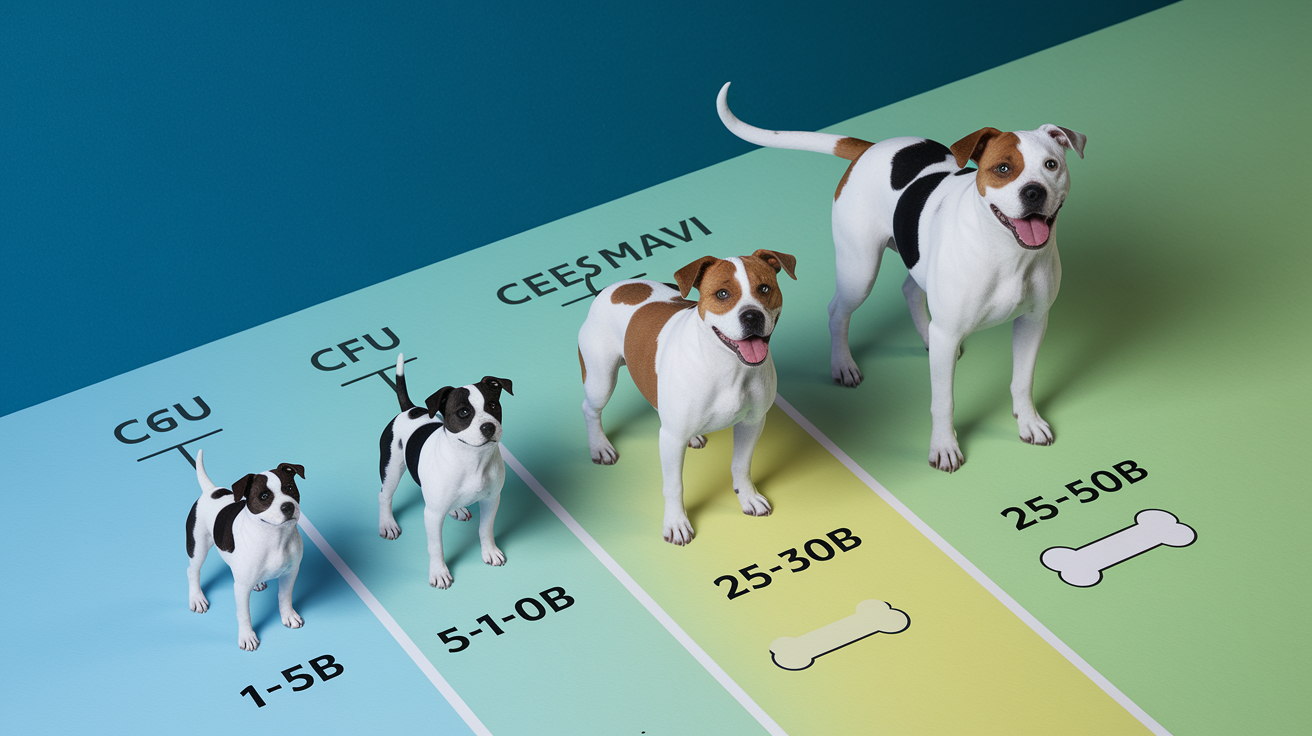
Most probiotic labels recommend a daily serving, but the CFU count, the number of live organisms per dose, varies widely by product and is the real guide to effectiveness. Small dogs under 20 pounds generally need 1 to 5 billion CFU daily for preventative care or mild digestive support. Medium dogs between 20 and 50 pounds do well with 5 to 10 billion CFU for routine maintenance. But if your dog is dealing with diarrhea, allergies, or post-antibiotic recovery, aim for 25 to 30 billion CFU to give the beneficial strains a fighting chance.
Large dogs over 50 pounds should start with at least 10 billion CFU for general gut health. For active digestive or immune issues, scale up to 25 to 50 billion CFU daily, especially if your dog is dealing with inflammatory bowel symptoms, chronic soft stool, or frequent skin flare-ups tied to gut imbalance. Extra-large breeds, 80 pounds and up, can handle the higher end of that range without trouble. If you’re using a soil-based probiotic like Bacillus coagulans, CFU counts can be lower, around 1 to 5 billion, because spore-forming strains survive the journey through the stomach and small intestine far better than fragile lactic acid bacteria.
When selecting a product, check the label for a guaranteed CFU count at the time of expiration, not just at manufacture. Many beneficial bacteria die during storage and digestion, so higher starting counts improve the odds that enough live organisms reach the gut. Here’s a quick reference for daily CFU targets:
- Small dogs (under 20 lbs): 1 to 5 billion CFU for prevention, up to 10 billion for active issues
- Medium dogs (20–50 lbs): 5 to 10 billion CFU for maintenance, 25 to 30 billion for digestive or allergy support
- Large dogs (50–80 lbs): 10 to 25 billion CFU for general health, 25 to 50 billion for immune or GI problems
- Extra-large dogs (80+ lbs): 25 to 50 billion CFU for digestive support, soil-based strains at 1 to 5 billion also effective
Optimal Ways to Give Probiotics to Dogs
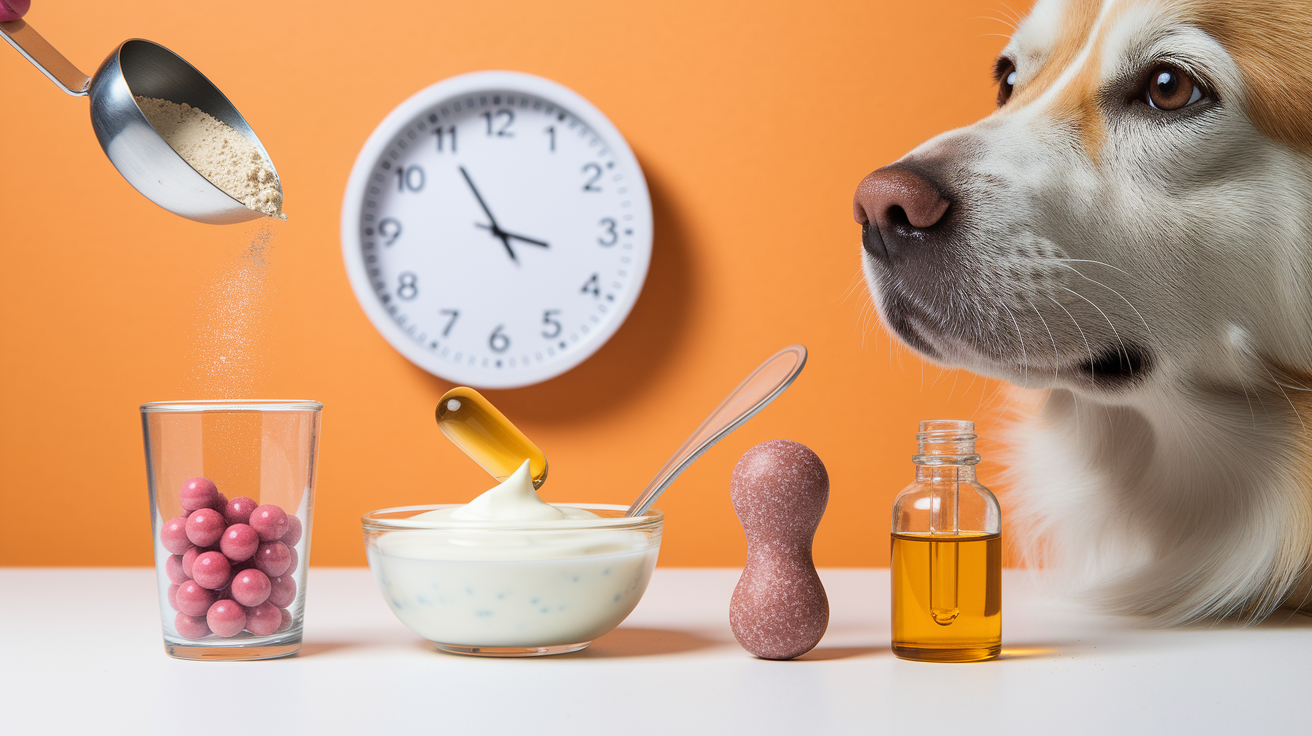
Probiotics come in several forms. Powders, capsules, chews, and liquids. Each has trade-offs for ease and effectiveness. Powders are versatile and easy to dose by weight. You can sprinkle them over wet food, mix them into a spoonful of plain yogurt, or stir them into bone broth. Capsules can be opened and the contents mixed into food, or you can tuck the whole capsule into a soft treat like a piece of cheese or a pill pocket. Chews are the most palatable option for picky dogs and double as a treat, but check the ingredient list for fillers, starches, or added sugars that can work against gut health.
Timing matters. Give probiotics with a small meal or right after eating to buffer stomach acid and improve the survival rate of beneficial strains. An empty stomach exposes the bacteria to harsher conditions and reduces the number that reach the intestines alive. Some vets recommend giving probiotics in the evening, when digestion slows and the bacteria have more time to colonize the gut lining, but consistency matters more than the exact hour. Pick a time you can stick to daily.
Pairing probiotics with prebiotics, the fibers that feed beneficial bacteria, boosts results. Many high-quality probiotic supplements already include prebiotics like inulin, larch arabinogalactan, or Sunfiber. If your product doesn’t list a prebiotic, you can add a small amount of prebiotic-rich food like a teaspoon of cooked pumpkin, a bit of banana, or a pinch of dandelion root powder to the same meal. This combination gives the probiotic strains the fuel they need to thrive and multiply once they reach the colon.
Safety, Side Effects, and When to Call a Vet
Most dogs tolerate probiotics well, but mild digestive changes are common in the first few days. You might notice a little extra gas, temporary soft stool, or mild bloating as the gut adjusts to the new bacterial population. These symptoms usually resolve within a week and often signal that the probiotic is working, shifting the microbiome toward a healthier balance. If the gas or soft stool persists beyond a week or gets worse instead of better, your dog may be reacting to a specific strain or dealing with an underlying issue like SIBO, small intestinal bacterial overgrowth, that requires a different approach.
Serious side effects are rare but worth watching for. Chronic vomiting, especially if it happens more than once in a day, can indicate an allergy to an ingredient in the probiotic or a sensitivity to the strains themselves. Lethargy, loss of appetite, or signs of abdominal pain, like a hunched posture or reluctance to move, are red flags. Blood in the stool, whether bright red or dark and tarry, always requires a vet visit. These symptoms can point to a deeper problem that probiotics won’t fix on their own.
If your dog accidentally eats more than the recommended dose, it’s usually not dangerous, but contact your vet if you notice vomiting, severe diarrhea, or any behavior that seems off. Overdosing on probiotics rarely causes harm, but it can lead to temporary digestive upset as the gut tries to process an overwhelming bacterial load.
Here are the warning signs that mean it’s time to call your vet:
- Vomiting more than once in 24 hours, especially if the vomit contains bile, blood, or undigested food.
- Diarrhea that lasts more than three days, or stool that’s watery, contains blood, or smells unusually foul.
- Severe bloating or a hard, distended abdomen, which can indicate a blockage or gas buildup that needs immediate attention.
- Signs of pain or distress, including whining, panting when at rest, reluctance to eat, or difficulty getting up and lying down.
Vet Insights on Probiotic Use

Veterinarians generally support the use of probiotics. Many sell specific strains in their clinics, especially for dogs recovering from antibiotics, managing chronic digestive issues, or dealing with stress-related gut upset. Vets often recommend Enterococcus faecium for immune support, Saccharomyces boulardii for antibiotic-associated diarrhea, and Bacillus coagulans for inflammatory bowel conditions because these strains have the strongest research backing in veterinary trials. If your dog is on antibiotics, your vet will likely suggest starting a probiotic immediately, but not at the same time of day as the antibiotic dose. Space them by at least two hours to prevent the antibiotic from killing the beneficial bacteria before they reach the gut.
Treatment duration depends on the problem. For acute diarrhea, vets typically recommend continuing probiotics for a few weeks after stool normalizes to address the underlying imbalance. For chronic conditions like IBD, allergies, or recurring soft stool, long-term daily use is common and safe. Some dogs stay on probiotics indefinitely as preventative maintenance, especially seniors, dogs with sensitive stomachs, or breeds prone to digestive issues. If your dog’s symptoms improve and then return when you stop the probiotic, that’s a sign the gut still needs support. Talk to your vet before discontinuing, and consider transitioning to a lower maintenance dose rather than stopping abruptly.
Product Comparison Table

| Product Name | Strains Included | CFU Count | Form | Price Range |
|---|---|---|---|---|
| Purina Pro Plan FortiFlora | Enterococcus faecium | 100 million per packet | Powder | $25–$35 for 30 packets |
| Nutramax Proviable-DC | Multiple Lactobacillus & Bifidobacterium strains + prebiotics | 5 billion per capsule | Capsule | $30–$45 for 80 capsules |
| Zesty Paws Probiotic Bites | Multi-strain Lactobacillus & Bifidobacterium + prebiotics | 3 billion per chew | Chewable | $20–$30 for 90 chews |
| Saccharomyces boulardii (generic) | S. boulardii yeast | 0.5 to 5 billion per dose | Capsule or powder | $15–$25 for 60 capsules |
| Bacillus coagulans (soil-based) | B. coagulans | 1 to 5 billion per capsule | Capsule | $18–$28 for 60 capsules |
Natural Food Sources of Probiotics for Dogs
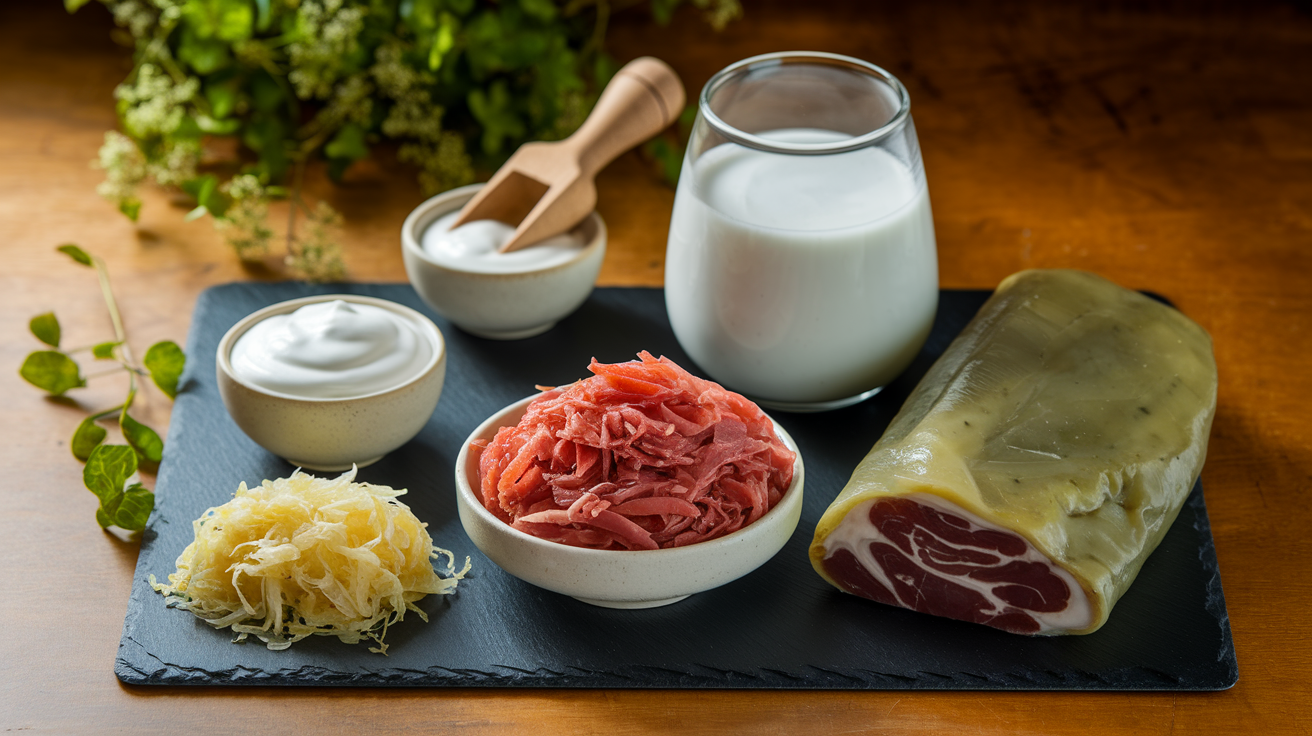
Plain kefir, especially made from goat or coconut milk, is one of the safest and most effective whole-food probiotics you can offer your dog. Kefir contains multiple strains of beneficial bacteria and yeast. It’s easier to digest than yogurt for dogs sensitive to dairy. Start with a teaspoon for small dogs or a tablespoon for medium to large dogs, mixed into food once a day. Plain, unsweetened yogurt with live active cultures, specifically Lactobacillus bulgaricus and Streptococcus thermophilus, can also help, but many yogurts are low in probiotic counts and high in sugar. Read labels carefully and choose full-fat, plain varieties without any sweeteners or flavorings.
Fermented vegetables like sauerkraut and kimchi contain live bacteria and prebiotic fiber, but they’re also high in salt and can sometimes feed harmful bacteria or yeast if your dog has an existing imbalance. If you want to try them, rinse the vegetables to remove excess salt and start with a tiny portion, a teaspoon or less, to see how your dog’s system responds. Raw green tripe, the unbleached stomach lining of grass-fed animals, is another natural probiotic source rich in Lactobacillus acidophilus and digestive enzymes. Many raw-feeding advocates consider it a gut-health staple.
Whole-food probiotics work well for maintenance and mild support, but they’re not a substitute for therapeutic-grade supplements when your dog is dealing with acute diarrhea, post-antibiotic recovery, or chronic digestive disease. The CFU counts in food are generally too low and too variable to deliver the concentrated doses needed to shift a disrupted microbiome. Use natural sources to complement a probiotic supplement, not replace it. Always avoid any fermented food that lists xylitol, artificial sweeteners, or added sugars on the label. All of which are harmful to dogs.
Final Words
Start by picking a fast-acting probiotic with proven strains and the right CFU for your dog’s weight. Use the weight-based dosing, give it with a meal, and begin slowly on day one.
Watch for mild gas or softer stool at first. If you see vomiting, blood, or severe lethargy, call your vet.
Steady use and the right choice of probiotics for dog digestion often means firmer stool, less gas, and better nutrient use. Small steps, big help.
FAQ
Q: Will probiotics help dogs with digestive issues?
A: Probiotics can help dogs with digestive issues by restoring gut bacteria balance, often reducing loose stools, gas, and improving nutrient absorption. Results depend on strain, dose, and the underlying cause. See your vet for persistent problems.
Q: What is the best probiotic for dogs digestive health? Which probiotic is best for sibo?
A: The best probiotic for a dog’s digestive health and for SIBO depends on the condition and strains. Look for Lactobacillus, Bifidobacterium, or Enterococcus in a formula with 1-5 billion CFU per dose, and consult your vet for SIBO-specific care.
Q: What are the signs that my dog needs probiotics?
A: Signs a dog may need probiotics include ongoing loose stool, frequent gas, poor appetite, slow weight gain, or diarrhea after antibiotics. If you see blood, repeated vomiting, severe lethargy, or trouble breathing, contact your vet right away.