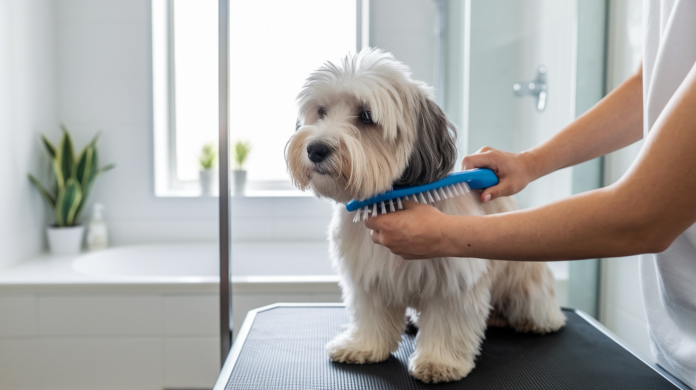

Think shaving a double-coated dog will stop shedding?
Think again. It can actually damage their natural insulation and make skin or coat problems worse.
This post walks you through safe, step-by-step undercoat removal so you pull out loose fur without hurting skin, cut down on mats, and help your dog stay more comfortable in warm weather.
You’ll get a tools checklist, timing and frequency tips for different breeds, common mistakes to avoid, and clear signs that need a vet.
Short sessions, gentle tools, and patience beat quick fixes every time.
How to Safely Remove Your Dog’s Undercoat (Step-by-Step)
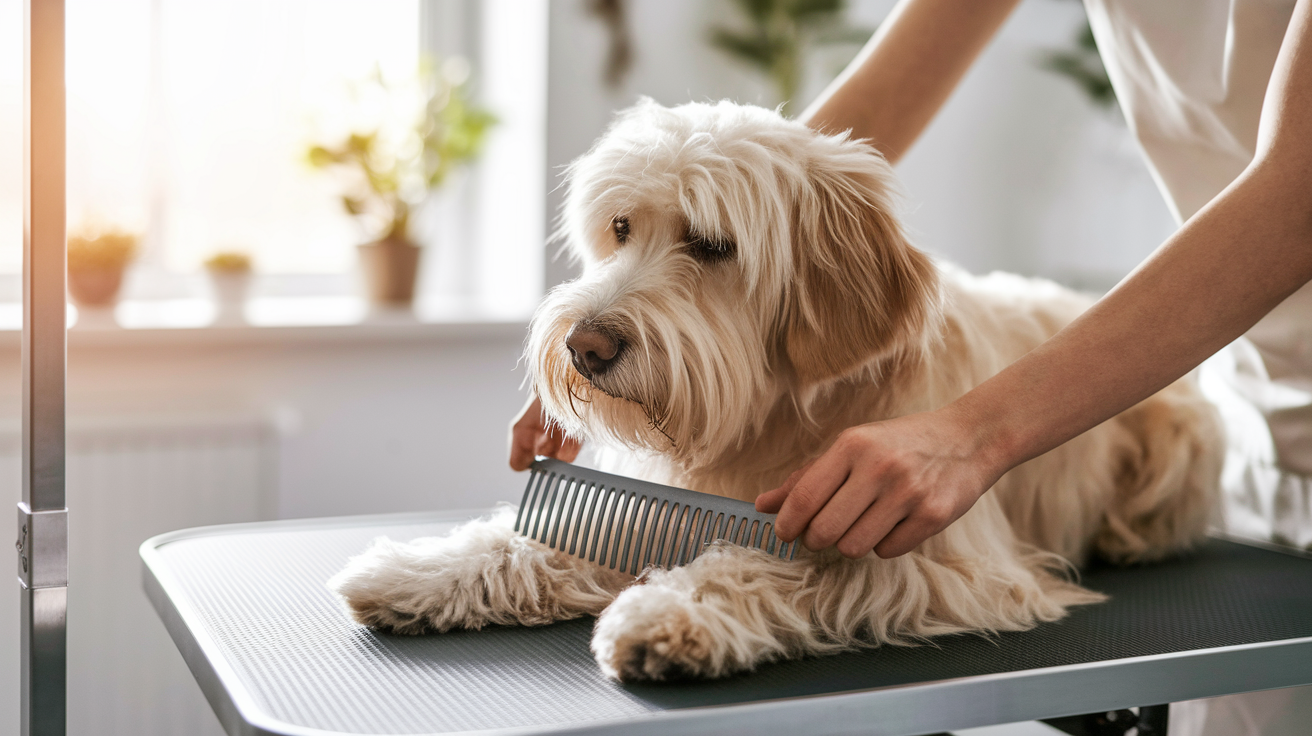
Undercoat removal cuts down on matting, keeps your dog from overheating, and makes shedding around the house way more manageable. Done right, it helps your dog stay comfortable by letting air move through their coat layers and keeps their skin healthier.
Required Tools
You’ll need an undercoat rake or deshedding brush that can get under the topcoat, a slicker brush for surface tangles, a wide-tooth stainless steel comb, and a microfiber towel. A high-velocity dryer and deshedding shampoo are helpful but not required. Pick tools with rounded or blunt tips so you don’t scrape skin, and make sure rake teeth are spaced right for how thick your dog’s coat is.
Step-by-Step Method
-
Check your dog’s skin before you start. Look for irritation, hot spots, parasites, or any wounds that would make brushing hurt.
-
Bathe your dog with a deshedding or moisturizing shampoo if their coat’s dirty or oily. Clean fur lets dead undercoat come out easier.
-
Dry completely with towels or a dryer. Don’t brush a coat that’s still damp. It makes removal harder and can break the hair.
-
Remove surface tangles with a slicker brush, working with the direction of hair growth using light, even strokes.
-
Use the undercoat rake in 2 to 4 inch sections. Hold it at a shallow angle and pull gently along the direction of growth, letting the teeth reach down without scraping skin.
-
Work systematically from neck to tail, then down each leg. For long double coats, lift the topcoat gently with one hand and rake underneath to get to the dense underfur.
-
Brush in short strokes, pulling the tool toward you instead of pushing it into the coat. You should see loose fluff collecting on the teeth after each pass.
-
Finish with a wide-tooth comb to catch any leftover loose fur and check for missed tangles or small mats.
-
Reward your dog with a treat and a break if the session goes longer than 20 minutes for smaller dogs or 45 minutes for larger breeds.
-
Clean your tools after each session to stop bacteria buildup and keep the teeth sharp.
Safety Considerations
Always brush with the direction of hair growth so you don’t pull live hair or irritate follicles. Use gentle pressure, especially over bony spots like ribs, hips, and shoulders. If your dog flinches, pulls away, or looks uncomfortable, stop and check the area for skin problems. Avoid sensitive zones like the face, ears, belly, and inner thighs unless you’re using a soft slicker or grooming glove made for delicate areas. Don’t force the rake into the skin. You’re lifting dead undercoat, not scraping it out.
Understanding What a Dog’s Undercoat Is
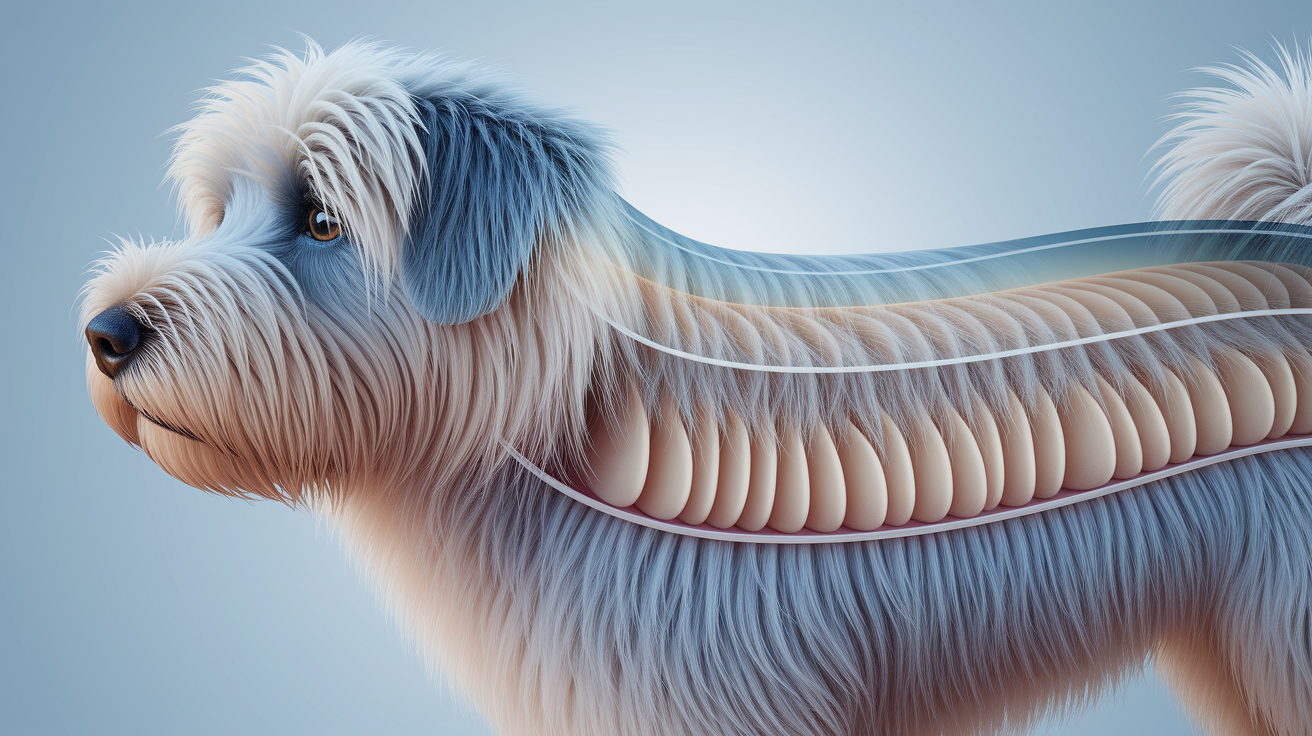
A dog’s undercoat is a dense, soft layer of fine fur sitting beneath the longer, coarser topcoat. This two-layer system shows up in double-coated breeds and does something specific: the undercoat provides insulation to keep your dog warm when it’s cold and cool when it’s hot, while the topcoat repels water, dirt, and UV rays. The undercoat is made up of short, fluffy hairs that trap air close to the skin, creating a natural temperature buffer.
The undercoat sheds seasonally, usually in spring and fall, as your dog’s body adjusts to changing temperatures. During these shedding cycles, the dead undercoat doesn’t always fall out on its own. It piles up in clumps beneath the topcoat, where it can trap moisture, block airflow, and create mats that pull on the skin. Removing this loose underfur helps your dog regulate body temperature better, cuts down the risk of hot spots and skin infections, and keeps your home cleaner by collecting the shed hair before it lands on furniture and floors.
Grooming Frequency and Seasonal Shedding Cycles
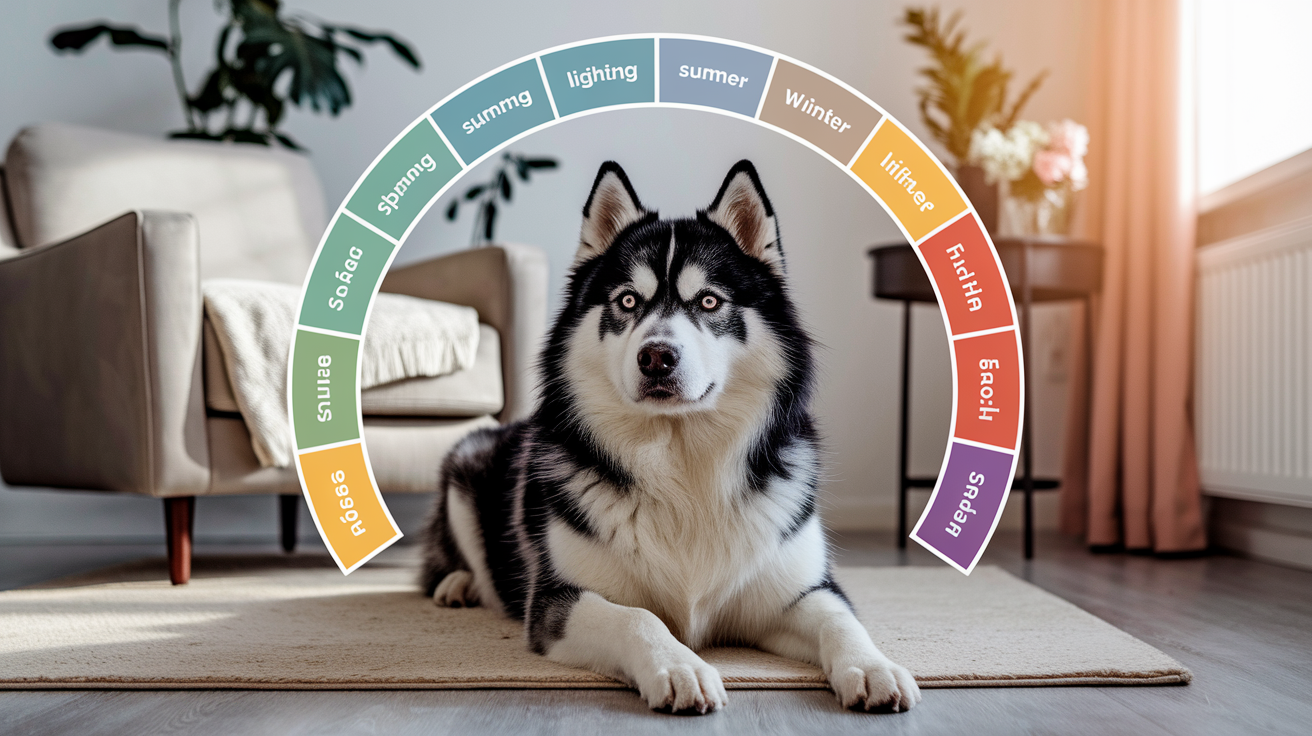
Most double-coated breeds go through heavy shedding periods in spring and fall, something people call “blowing coat.” During these windows, which can last anywhere from two to six weeks, the undercoat releases in thick clumps and needs daily attention to stop matting. Outside of peak shedding season, grooming frequency can drop to two or three times per week, or even once a week for breeds with lighter undercoats.
Grooming Frequency Guidelines
During peak shedding season (spring and fall), brush daily for 10 to 30 minutes, depending on your dog’s size and how thick their coat is.
Moderate shedding periods (early summer, late winter) call for brushing two to three times per week to manage steady undercoat loss.
Low-shedding months need brushing once a week to keep the coat healthy and catch small tangles before they turn into mats.
Year-round light shedders (Golden Retrievers, Bernese Mountain Dogs) do best with a consistent two to three times per week schedule no matter the season.
Your dog’s individual shedding pattern will change based on indoor heating, climate, and overall health. If you notice unusually heavy or prolonged shedding outside the normal seasonal windows, check with your vet to rule out stress, diet gaps, or skin conditions that can trigger excessive hair loss.
Breed-Specific Undercoat Considerations
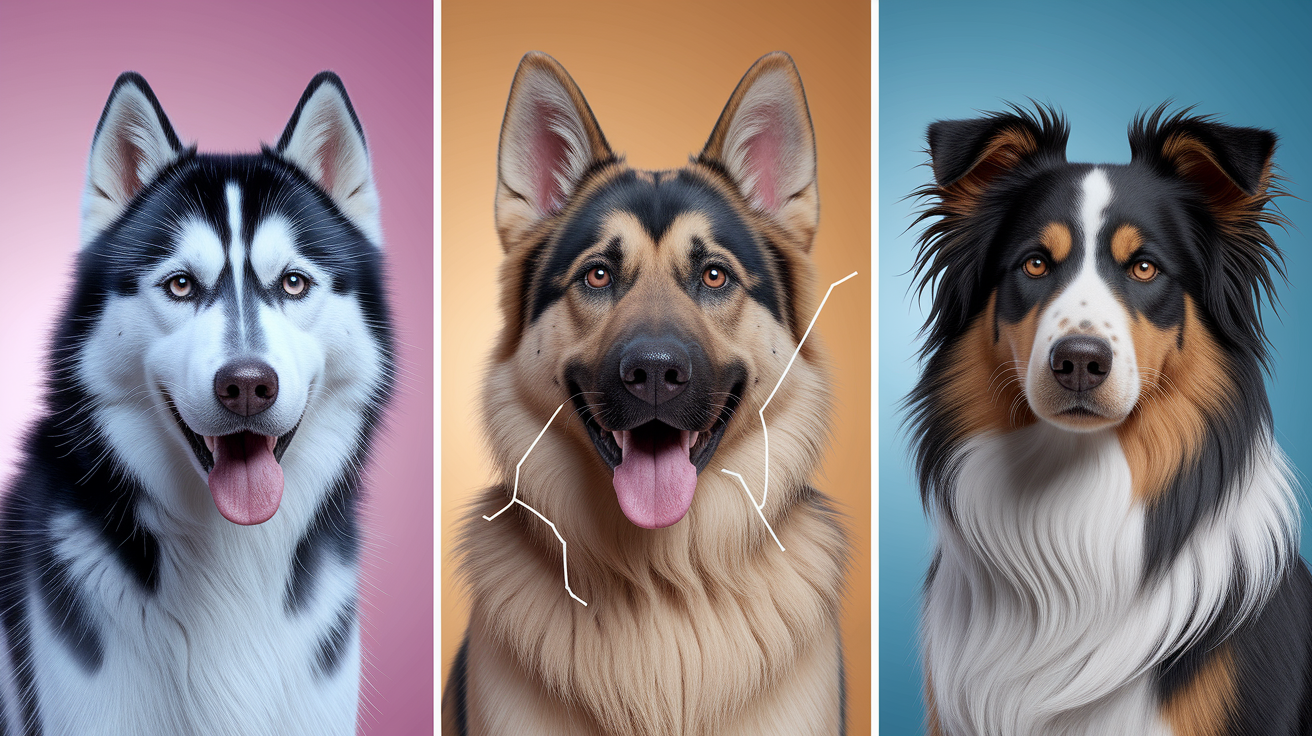
Undercoat density, length, and shedding behavior look different across double-coated breeds. What works for a short-haired Husky won’t always fit a long-haired Rough Collie, and grooming routines need to match each breed’s coat structure and seasonal patterns.
Huskies and Malamutes
Siberian Huskies and Alaskan Malamutes have extremely dense, plush undercoats that blow heavily once or twice a year. During these peak cycles, you’ll remove handfuls of fluff daily for several weeks. Between blows, their coats stay relatively tidy with weekly brushing. Because their undercoat is so thick, use a rake with widely spaced teeth to get through without snagging, and finish with a slicker to smooth the topcoat. Never shave these breeds. Their double coat protects against both cold and heat, and shaving messes up the natural insulation layer for months or even years.
German Shepherds
German Shepherds shed year-round with noticeable spring and fall peaks. Their medium-length undercoat tangles more easily than a Husky’s, especially around the ruff, hindquarters, and tail. Plan on brushing two to three times per week during off-peak months and daily during heavy shedding. A combination of an undercoat rake and a slicker brush works well. Start with the rake to pull loose underfur, then use the slicker to catch finer hairs and spread natural oils through the topcoat.
Long-Haired Collies and Shelties
Rough Collies and Shetland Sheepdogs carry a long, fluffy topcoat over a soft, mat-prone undercoat. Their feathering on legs, chest, and tail collects dead underfur quickly, and skipped grooming sessions lead to tight tangles close to the skin. Brush daily during shedding season and at least three times per week year-round. Use a pin brush or slicker to work through the topcoat layers first, then follow with a rake to lift undercoat from beneath. Pay extra attention to behind the ears, under the legs, and around the collar line. Those are the spots where friction causes the fastest matting.
Tools for Effective Undercoat Removal
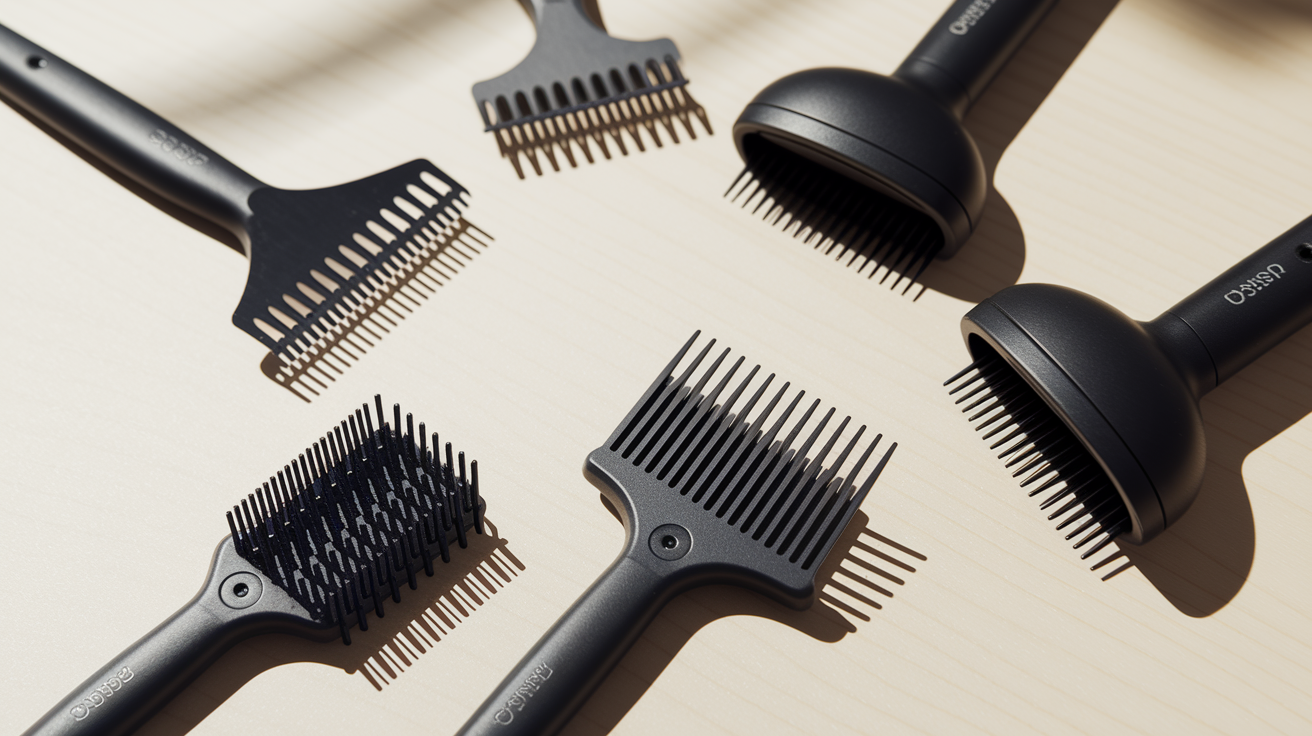
Picking the right tool makes undercoat removal faster, safer, and more comfortable for your dog. Each tool targets a different layer or stage of the grooming process, and most owners find that a combination of two or three tools works better than relying on one.
| Tool Name | Best For | Coat Type Suitability | Safety Notes |
|---|---|---|---|
| Undercoat Rake | Pulling loose underfur from deep in the coat | Medium to long double coats (Huskies, Shepherds, Collies) | Use light pressure; rounded teeth prevent skin scratches |
| Deshedding Blade Tool | Removing large volumes of dead undercoat quickly | Short to medium double coats (Labs, Corgis, Akitas) | Avoid pressing hard or using on wet fur; can cut live hair if misused |
| Slicker Brush | Surface tangles, finishing, and distributing oils | All coat types, especially helpful for long or silky coats | Gentle on skin when used correctly; avoid “brush burn” by using light strokes |
| Wide-Tooth Comb | Final pass to catch remaining loose fur and check for mats | All coat types; essential for long-haired breeds | Safe for sensitive areas; look for rounded tips |
| High-Velocity Dryer | Blowing out loose undercoat during or after bathing | All double coats, especially heavy shedders | Use on low heat setting; keep nozzle moving to avoid hot spots on skin |
Look for tools with ergonomic handles if you’re grooming large dogs or working through long sessions. Replaceable blades or teeth are a bonus for deshedding tools. They let you refresh the tool’s effectiveness without buying a new unit. Stainless steel combs and rakes are easier to clean and last longer than plastic versions, and self-cleaning slicker brushes with retractable pins save time between strokes.
Common Mistakes to Avoid When Removing a Dog’s Undercoat
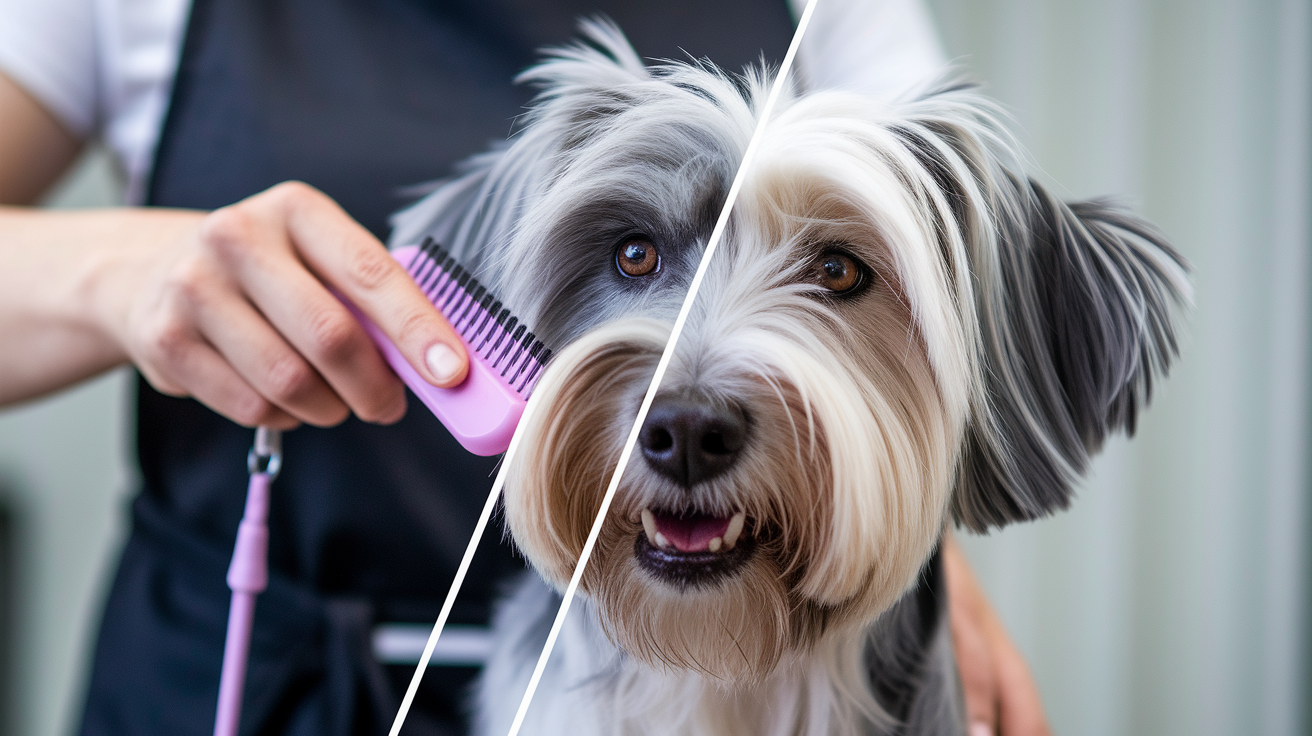
Even experienced dog owners make grooming errors that can irritate skin, damage the coat, or turn grooming into a stressful experience. Small adjustments to technique and timing prevent most of these problems.
Brushing wet or damp fur is a problem. Wet undercoat clumps together and resists removal, and brushing it can cause breakage or mat the coat further. Always dry your dog completely before using a rake or deshedding tool.
Applying too much pressure doesn’t remove more fur. It scrapes the skin and makes your dog uncomfortable. Let the tool’s teeth do the work with light, repeated passes instead of one heavy stroke.
Using the wrong tool for the coat type causes issues. A deshedding blade designed for short coats can cut through a Collie’s long topcoat, and a fine-toothed comb won’t reach a Husky’s dense underfur. Match the tool to your dog’s specific coat structure.
Brushing against the direction of hair growth tugs on live hair, irritates follicles, and doesn’t lift undercoat effectively. Always stroke in the direction the hair naturally lies.
Skipping skin checks before grooming is risky. Brushing over hot spots, cuts, or irritated skin causes pain and can worsen inflammation. A quick visual and tactile check before you start catches problems early.
Over-grooming during off-peak months can strip natural oils and irritate the skin. Outside of heavy shedding windows, two to three sessions per week is enough for most double-coated breeds.
Long-Term Maintenance for a Healthy Coat
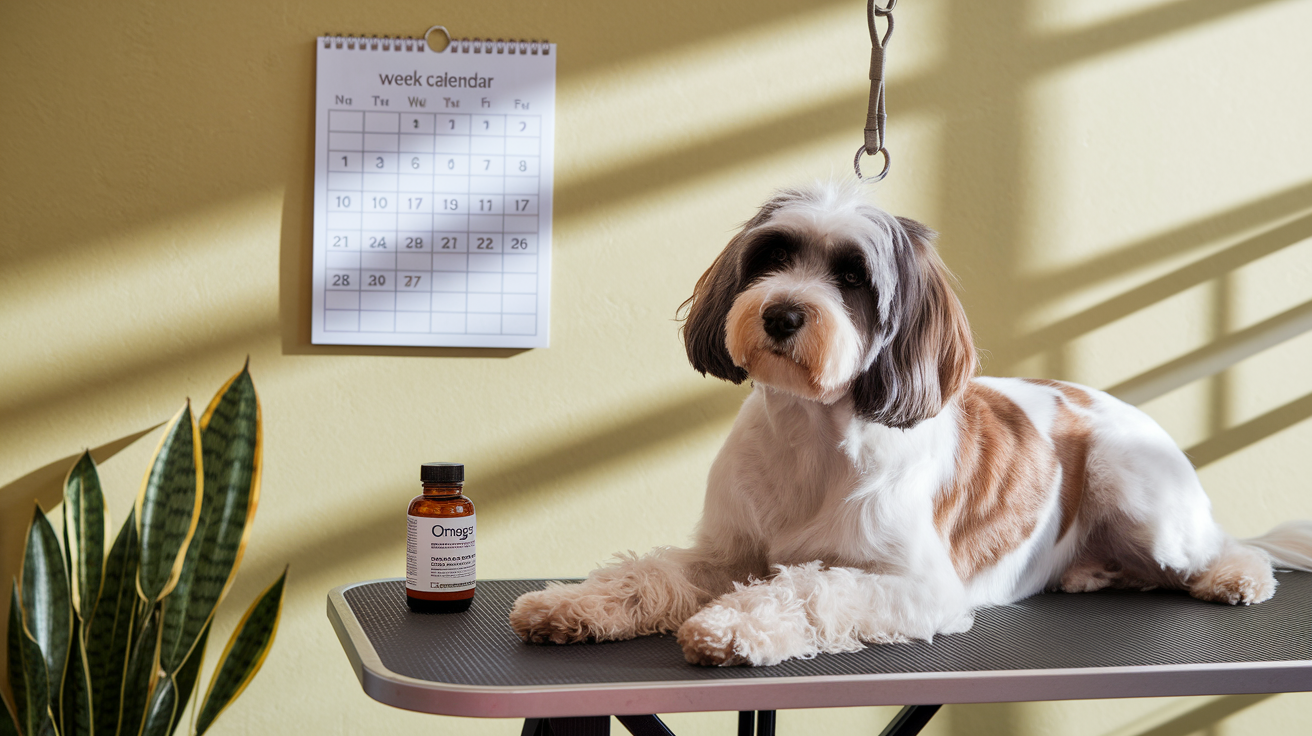
Consistent grooming between peak shedding seasons keeps the undercoat from building up into dense mats and cuts down the workload during spring and fall blows. A weekly brush-through takes ten to fifteen minutes for most dogs and catches loose underfur before it weaves into the topcoat. During these maintenance sessions, focus on high-friction areas like the neck, chest, and hindquarters, where movement naturally tangles the coat.
Diet plays a bigger role in coat health than most owners think. High-quality protein supports strong hair growth, and omega-3 and omega-6 fatty acids keep skin hydrated and reduce excessive shedding caused by dryness or inflammation. If your dog’s coat feels brittle, sheds more than usual outside of seasonal windows, or develops bald patches, talk to your vet about a diet review or a fish oil supplement. Many vets recommend around 1,000 mg of combined omega-3s per day for a medium-sized dog, but the correct dose depends on your dog’s weight, age, and overall health.
Professional grooming once or twice a year helps manage heavy undercoats, especially for breeds like Newfoundlands, Great Pyrenees, or Samoyeds that carry extremely dense fur. A groomer can use high-velocity dryers and specialized tools to remove undercoat more thoroughly than most home setups allow, and they’ll spot skin issues or coat problems you might miss. If you’re short on time, lack the right equipment, or your dog resists home grooming, scheduling a professional deshedding session during peak shedding season is worth it.
Final Words
Start by grooming clean, dry fur with gentle strokes and the right tool, like an undercoat rake or deshedding brush. The step-by-step guide shows how to loosen, lift, comb, and finish.
We covered timing—more often in heavy-shed seasons—and breed notes so you match routine to your dog. Safety notes: light pressure, brush with the hair, avoid sensitive spots, and stop if skin looks sore.
Try one tool and the 8–10 steps once a week to start. Knowing how to remove undercoat from dog cuts mats, lowers shedding, and keeps your pet more comfortable.
FAQ
Q: What do groomers use to remove undercoats?
A: Groomers use undercoat rakes, de-shedding blades, slicker brushes, and wide-tooth combs to loosen and remove dead undercoat, working on clean, fully dry fur with gentle, short strokes to protect the skin.
Q: Is it bad to brush out a dog’s undercoat?
A: It is not bad to brush out a dog’s undercoat when done correctly; regular de-shedding cuts mats and overheating. Avoid over-brushing, brushing wet fur, and too much pressure, and stop for red or sore skin.
Q: What time of year do dogs shed their undercoat?
A: Dogs shed their undercoat mainly in spring and autumn during seasonal molts, though timing and intensity vary by breed, health, and local climate, so ramp up grooming in those heavy-shedding seasons.
Q: How can I sedate my dog safely at home for grooming?
A: You should not sedate your dog at home without a vet’s guidance. Try short sessions, treats, gentle restraint, pheromone sprays, or ask your vet about safe, pet-specific sedatives and dosing before use.