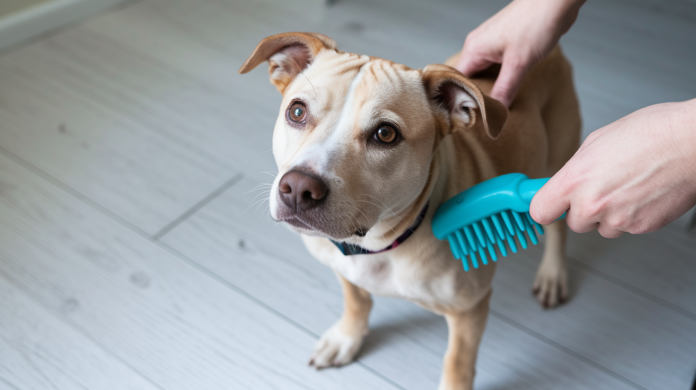

Think short-haired dogs don’t need brushing? Think again.
Even smooth coats shed and can look dull or make your house fuzzy.
This guide cuts through the noise and shows the best brushes that actually work for short coats, from rubber curry tools for nervous dogs to de-shedding tools for heavy shedders.
You’ll get quick picks, who they’re best for, and simple tips to brush without stress.
Read on to find the right brush for your dog, save time, and cut down on loose hair fast.
Top Brushes for Short‑Haired Dogs: Expert Picks
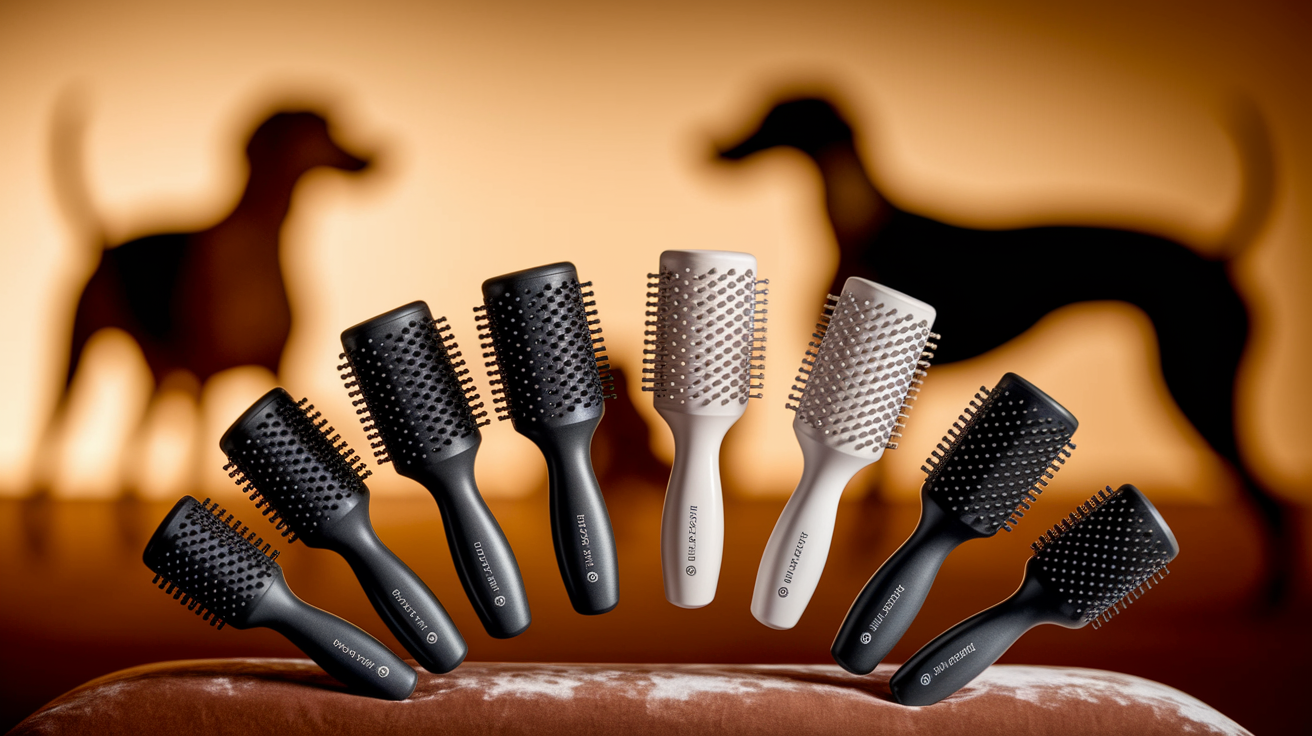
Short‑haired dogs like Beagles, Boxers, French Bulldogs, Greyhounds, and Pit Bulls still shed regularly and need consistent brushing to keep their coats healthy and your home cleaner. Here’s what works best for smooth, close coats:
-
Kong ZoomGroom Dog Brush – Gentle rubber nubs massage skin while lifting loose hair and dirt. Works great during baths too.
-
Burt’s Bees for Pets Palm Brush with Hemp Bristles – Compact, palm‑held design distributes natural oils and polishes the coat without wrist strain.
-
FURminator for Short Hair – Highly effective de‑shedding tool that removes loose undercoat during heavy shedding seasons.
-
Paw Brothers Professional Grade Extra Long Slicker Brush – Extra‑long stainless steel pins reach dense short coats like Corgis and Shiba Inus without scratching skin when you’re gentle.
-
Grooming Glove with Rubber Tips – Rubberized palm mimics hand massage. Perfect for dogs that dislike rigid brushes.
-
Soft Bristle Brush (boar hair or nylon) – Best for smooth coats like Dalmatians and Chihuahuas to collect surface dirt and add shine.
These tools work best on short coats because they’re designed to grab dead hair close to the skin without pulling or causing irritation. Short‑haired breeds don’t have long strands to detangle, so brushes focus on removing loose undercoat, distributing oils, and stimulating circulation.
Not all short coats are the same. Smooth, fine coats like those on Boston Terriers and Pugs respond well to soft bristle brushes and rubber tools. Thicker, denser short coats like those on Labrador Retrievers and Dachshunds benefit from regular use of de‑shedding tools and grooming rakes. Choosing the right tool depends on your dog’s shedding level, coat texture, and skin sensitivity.
In‑Depth Review of Each Recommended Brush
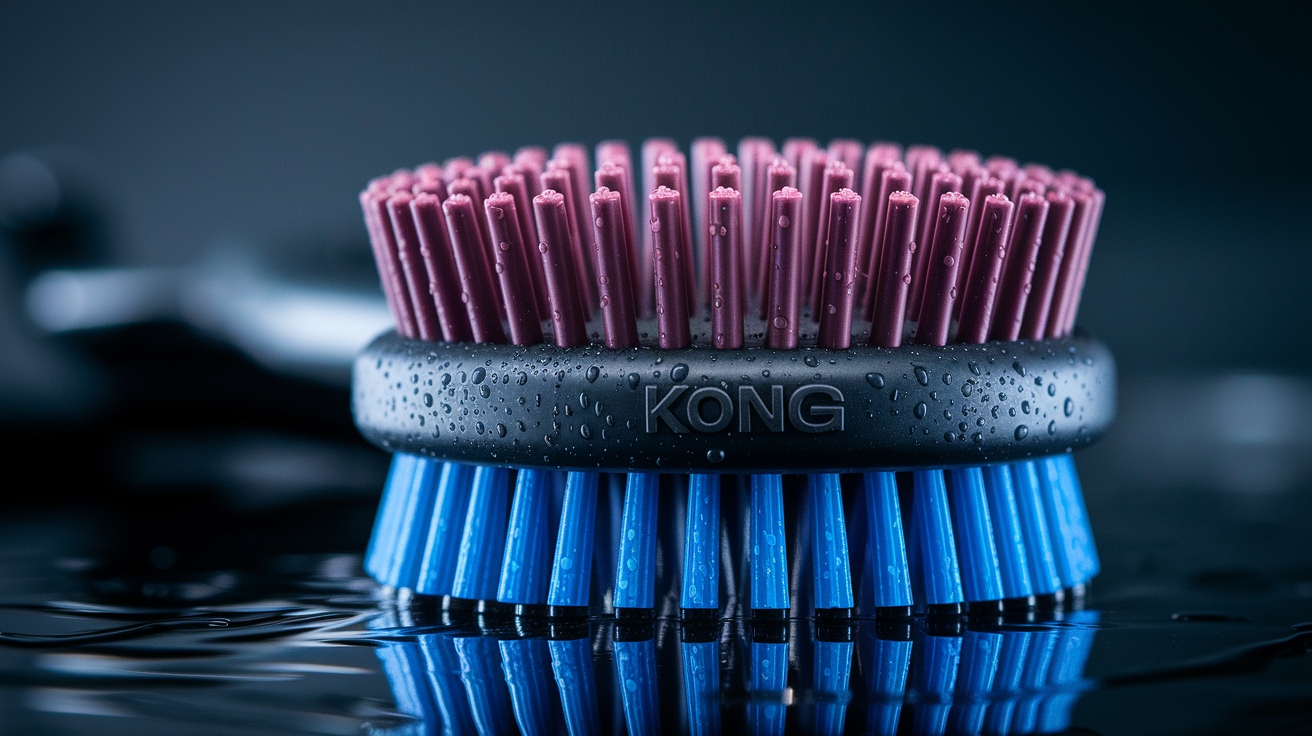
Kong ZoomGroom Dog Brush
The Kong ZoomGroom is a flexible rubber brush with soft, rounded nubs that lift loose hair and surface dirt while massaging your dog’s skin. It works well on smooth short coats and doubles as a bath‑time tool because the rubber grips wet fur effectively. Use gentle circular motions to work the brush across the coat. Clean the trapped hair out by hand after each session.
Pros:
- Gentle on sensitive skin and dogs that dislike traditional brushes
- Works during baths to lather shampoo and remove loose hair simultaneously
- Affordable, durable, and easy to clean
Cons:
- Not as effective for heavy shedding compared to de‑shedding tools
- Rubber can wear down over time with frequent use
This brush is best for owners who want a low‑stress grooming tool for anxious or young dogs. Also great if you’re looking for a versatile option that works wet or dry.
Burt’s Bees for Pets Palm Brush with Hemp Bristles
This small, palm‑held brush fits comfortably in your hand and uses soft hemp bristles to smooth the coat and distribute natural oils. It’s designed for quick daily touch‑ups and works especially well on very short, smooth coats. The palm design reduces wrist fatigue during longer grooming sessions.
Pros:
- Compact size makes it easy to control and maneuver
- Natural hemp bristles are gentle and eco‑friendly
- Great for polishing and adding shine after a de‑shedding session
Cons:
- Too small for large dogs or full‑body grooming sessions
- Not effective for removing heavy shedding or undercoat
This brush is best for finishing work on smooth coats, quick daily maintenance, or owners who prefer natural materials and a comfortable grip.
FURminator for Short Hair
The FURminator is a de‑shedding tool with a fine‑toothed metal edge that grabs and removes loose undercoat hair before it falls around your house. It’s specifically sized for short‑haired dogs and works best during peak shedding seasons like spring and fall. Use light pressure and brush in the direction of hair growth to avoid skin irritation.
Pros:
- Significantly reduces household shedding when used consistently
- Effective at removing dead undercoat that bristle brushes miss
- Ergonomic handle and easy‑clean button for quick fur removal
Cons:
- Can be too aggressive if used too often or with heavy pressure
- More expensive than basic brushes
This tool is best for heavy shedders like Labradors, Beagles, and Pit Bulls. It’s also ideal for owners who want to cut down on fur around the house. Use it once or twice a week, not daily.
Paw Brothers Professional Grade Extra Long Slicker Brush
This slicker brush features extra‑long, fine stainless steel pins that reach deeper into dense short coats without scratching the skin. It’s designed for short but thick coats like those on Corgis, Shiba Inus, and Australian Cattle Dogs. The pins are angled to catch loose fur and light tangles. The cushioned pad flexes to prevent too much pressure.
Pros:
- Long pins reach undercoat effectively on denser short‑haired breeds
- Durable construction holds up to regular use
- Cushioned base reduces skin irritation
Cons:
- Pins can feel harsh on very smooth or fine coats
- Requires gentle technique to avoid scratching skin
This brush is best for short‑haired dogs with thick, dense coats that shed heavily. Good choice for owners who want a slicker that won’t just skim the surface.
Grooming Glove with Rubber Tips
Grooming gloves are worn on your hand and feature rubberized nubs or bristles on the palm and fingers. You groom by petting your dog, which makes the experience calming and familiar. The rubber tips grab loose hair and stimulate the skin gently.
Pros:
- Feels like petting, making it ideal for nervous or brush‑averse dogs
- Easy to use and store
- Works well for light shedding and bonding time
Cons:
- Not as effective for heavy shedding or dense undercoats
- Rubber tips can wear out faster than traditional brushes
This glove is best for dogs that hate being brushed, for quick daily touch‑ups, or for owners who want to combine grooming with affection.
Soft Bristle Brush
A soft bristle brush uses natural boar hair or synthetic nylon bristles to smooth the outer coat, collect surface dirt, and spread natural oils across the skin. It’s gentle enough for daily use and works best on very short, smooth coats like those on Dalmatians, Chihuahuas, and French Bulldogs.
Pros:
- Very gentle, safe for sensitive skin and fine coats
- Adds shine and smoothness to the coat
- Affordable and widely available
Cons:
- Does not remove undercoat or heavy shedding
- Requires frequent cleaning to remove trapped hair
This brush is best for routine maintenance, finishing after a de‑shedding session, or for owners with smooth‑coated breeds that shed lightly.
Comparison Chart: Best Brushes for Short‑Haired Dogs
| Brush Name | Best For | Price Range | Pros | Cons |
|---|---|---|---|---|
| Kong ZoomGroom | Smooth coats, bath time, sensitive dogs | $8–$12 | Gentle, versatile, easy to clean | Less effective for heavy shedding |
| Burt’s Bees Palm Brush | Polishing, oil distribution, finishing | $7–$10 | Comfortable grip, natural bristles, portable | Too small for full grooming sessions |
| FURminator Short Hair | Heavy shedders, seasonal shedding | $25–$40 | Reduces shedding significantly, durable | Can irritate if overused |
| Paw Brothers Slicker Brush | Dense short coats, undercoat removal | $15–$25 | Long pins reach deeper, cushioned pad | Too harsh for very smooth coats |
| Grooming Glove | Nervous dogs, light shedding, bonding | $10–$18 | Feels like petting, calming, easy to use | Not effective for heavy undercoat |
| Soft Bristle Brush | Very short smooth coats, daily shine | $6–$15 | Gentle, adds shine, safe for sensitive skin | Does not remove undercoat |
This chart gives you a quick snapshot of which brush fits your dog’s coat type, your budget, and your grooming goals. If your dog sheds heavily and you want to reduce household fur, the FURminator or Paw Brothers slicker are top choices. For daily maintenance and shine, stick with the bristle brush or ZoomGroom. If your dog gets anxious during grooming, start with the grooming glove.
How to Choose the Right Brush for Your Short‑Haired Dog
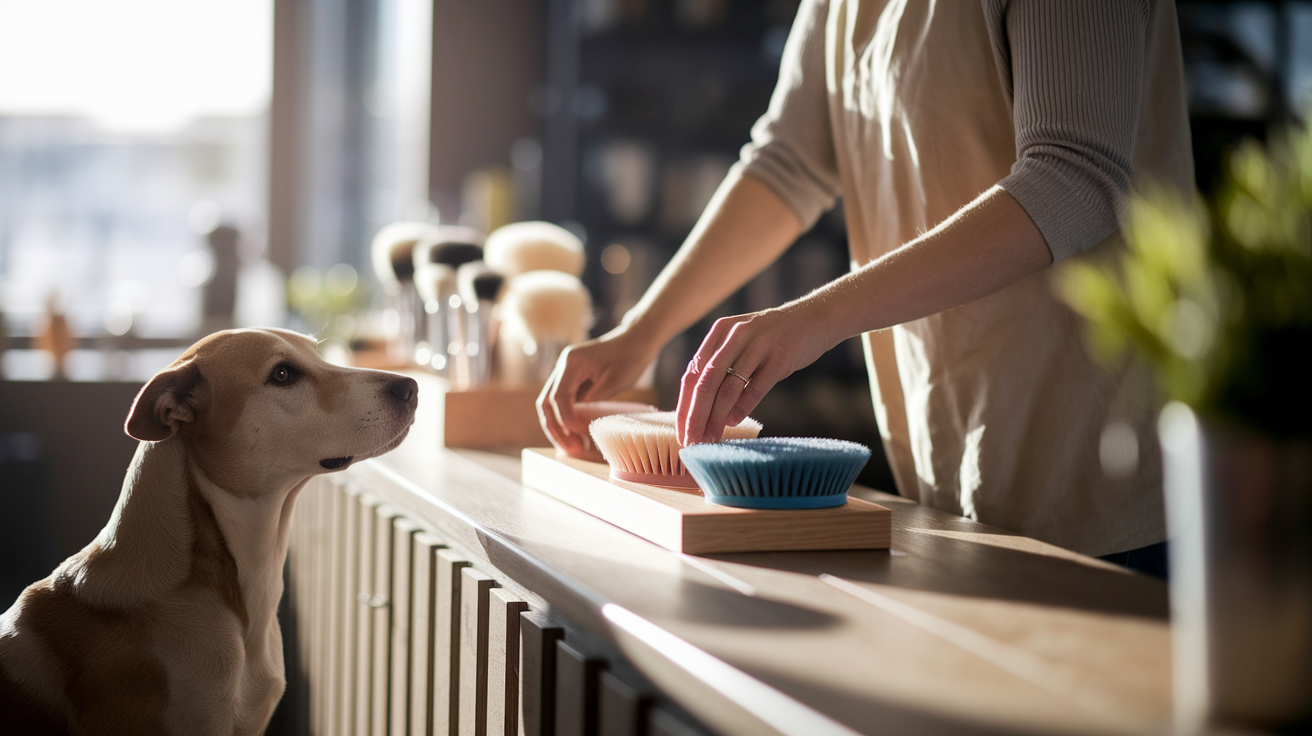
The best brush for your short‑haired dog depends on coat density, shedding level, and how your dog reacts to grooming. Smooth, fine coats like those on Boston Terriers and Greyhounds need gentle tools that add shine without irritation. Soft bristle brushes and rubber curry brushes work well here. Thicker, denser short coats like those on Labradors, Beagles, and Pit Bulls shed more and benefit from de‑shedding tools and slicker brushes that reach the undercoat.
Your dog’s behavior also matters. If your dog is nervous, young, or dislikes being brushed, start with a grooming glove or rubber brush that feels like petting. Once your dog is comfortable, you can introduce more effective tools like bristle brushes or de‑shedders. If your dog tolerates grooming well, you can use a combination of tools. A de‑shedding tool once or twice a week and a bristle brush for daily touch‑ups.
Shedding patterns also guide your choice. Dogs that shed year‑round need consistent weekly brushing with a mix of bristle and rubber tools. Dogs that blow their coat seasonally, especially double‑coated short‑haired breeds, benefit from de‑shedding tools and grooming rakes during spring and fall. Pay attention to how much fur you’re seeing around the house and adjust your tool and frequency accordingly.
Key considerations before buying:
- Coat texture: smooth and fine versus short and dense
- Shedding level: light year‑round versus heavy seasonal shedding
- Skin sensitivity: choose soft, rounded bristles for delicate skin
- Dog comfort: start with gentle tools for anxious dogs
- Ease of cleaning: retractable bristles or spaced designs make cleanup faster
Proper Brushing Technique for Short‑Haired Dogs
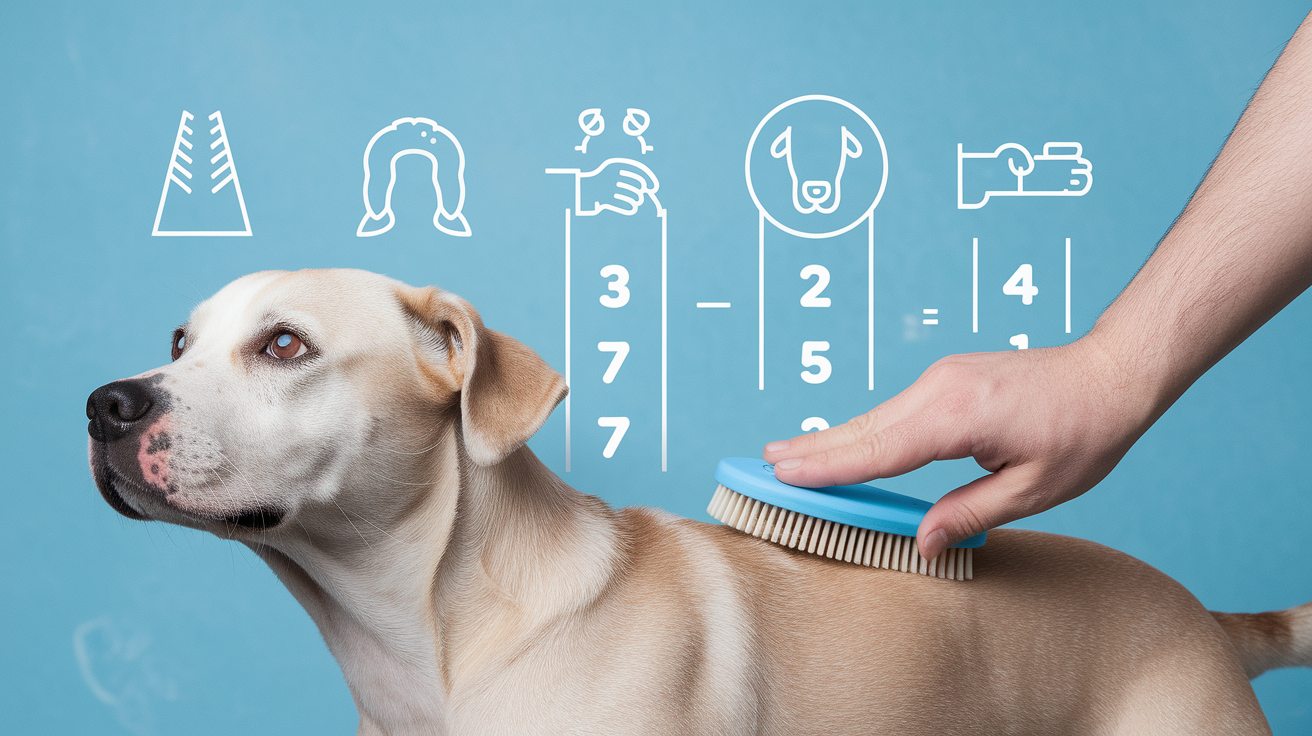
Brush in the direction of hair growth using light pressure and short, controlled strokes. Short‑haired dogs have less fur between the brush and their skin, so heavy‑handed brushing can cause irritation, redness, or discomfort. Start at the neck and work your way down the back, sides, and legs. Use gentle circular motions with rubber brushes to lift dirt and dead hair. Use smooth, even strokes with bristle or slicker brushes.
Check your dog’s skin as you go. Look for redness, bumps, rashes, fleas, ticks, or small mats in high‑friction zones like behind the ears, under the collar, and around the armpits. If your dog flinches, moves away, or shows signs of discomfort, ease up on pressure or switch to a softer tool. Break grooming into short sessions if your dog is anxious. Two or three minutes at a time with treats in between.
Five steps for ideal brushing form:
- Start with a rubber brush or grooming glove to loosen dead hair and relax your dog.
- Follow up with a bristle brush or slicker brush to remove loose fur and smooth the coat.
- Use a de‑shedding tool once or twice a week during heavy shedding, not daily.
- Brush sensitive areas like the belly and legs last, using the gentlest tool and lightest pressure.
- Finish by wiping down your dog with a damp cloth or grooming wipe to collect any remaining loose hair.
Clean your brush after each session by pulling trapped fur out by hand or using a retractable bristle feature if your tool has one. Regular cleaning keeps the brush effective and prevents bacteria buildup.
Common Grooming Mistakes with Short‑Haired Dogs
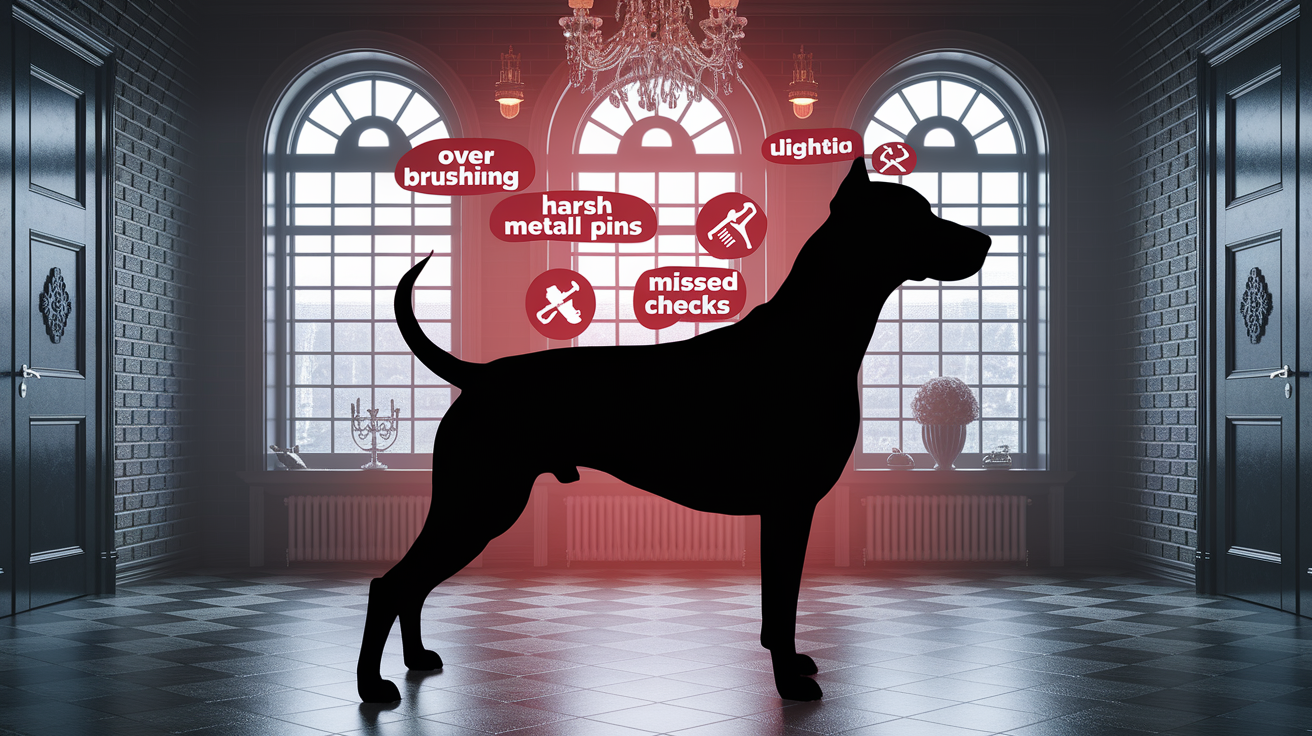
Even though short‑haired coats are easier to maintain than long coats, owners often make mistakes that reduce grooming effectiveness or cause discomfort. Over‑brushing is a common issue. Using a de‑shedding tool daily or applying too much pressure with a slicker brush can irritate the skin, cause redness, or even create small abrasions. De‑shedding tools should be used once or twice a week, not every day.
Five frequent grooming errors and why they matter:
- Brushing against hair growth: causes discomfort, pulls hair, and irritates skin
- Using hard metal pins on smooth coats: too harsh for close‑to‑skin coats and can scratch
- Skipping regular brushing: allows dead hair, dirt, and dander to build up, leading to dull coat and increased household shedding
- Ignoring skin checks: missing early signs of rashes, hot spots, parasites, or lumps
- Not cleaning the brush: trapped fur and bacteria reduce effectiveness and can transfer dirt back onto your dog
Prevention is simple. Stick to a consistent weekly brushing schedule, choose tools that match your dog’s coat type and sensitivity, and pay attention to how your dog reacts during grooming. If your dog pulls away, flinches, or seems uncomfortable, stop and check your technique. Lighter pressure, a softer tool, or shorter sessions usually solve the problem. If you notice persistent skin issues or severe mats, consult your vet or a professional groomer.
What Dog Owners Say: Real‑World Feedback
Dog owners consistently praise rubber brushes like the Kong ZoomGroom for ease of use, especially with dogs that hate traditional brushes. The gentle massage feel keeps dogs calm. The tool works well during baths to lather shampoo and lift loose hair at the same time. Many owners also love grooming gloves for bonding time, noting that their dogs don’t even realize they’re being groomed.
Bristle brushes get high marks for adding shine and collecting surface dirt, but some owners find them less effective during heavy shedding seasons. Many pair a bristle brush with a de‑shedding tool. They use the de‑shedder once or twice a week and the bristle brush for daily touch‑ups. The FURminator is frequently mentioned as a game‑changer for shedding, though some owners report that it can be too aggressive if used too often or with too much pressure. Light, gentle strokes are key.
A few owners find slicker brushes too harsh for very smooth coats, noting that their dogs seem uncomfortable with the metal pins. In those cases, switching to a softer rubber or bristle brush solves the problem. The most common insight is that consistency matters more than the specific tool. Weekly brushing with the right brush for your dog’s coat type reduces shedding, keeps the coat shiny, and makes grooming a calmer, more positive experience.
Three frequently mentioned owner insights:
- Pairing a de‑shedding tool with a rubber or bristle brush gives the best results for heavy shedders
- Starting with a grooming glove helps anxious dogs get comfortable before introducing firmer tools
- Regular brushing makes a noticeable difference in how much fur ends up on furniture and floors
Final Words
in the action, we started with a quick list of top brushes, then dug into each tool with clear pros and cons. We included a handy comparison chart, a buying guide, step-by-step brushing tips, common mistakes, and real owner feedback.
This helps you match tool to coat, shedding level, and sensitivity. Try the gentle options first and follow the brushing steps to keep sessions calm and effective.
Use this guide to pick the best brush for short haired dogs and make grooming part of your routine. Simple, consistent care adds up.
FAQ
Q: Do deShedding brushes work on short-haired dogs, and how do you deshed one at home?
A: De-shedding brushes can work on short-haired dogs, and to deshed at home use a gentle de-shedding tool or rubber brush, follow hair growth, keep short sessions, then finish with a bristle brush weekly.
Q: Should short-haired dogs be brushed, and which brush is best for short hair?
A: Short-haired dogs should be brushed regularly, and the best brushes are rubber curry brushes for loose hair, bristle brushes to spread natural oils, grooming gloves for sensitive dogs, and gentle de-shedders for heavy shedders.