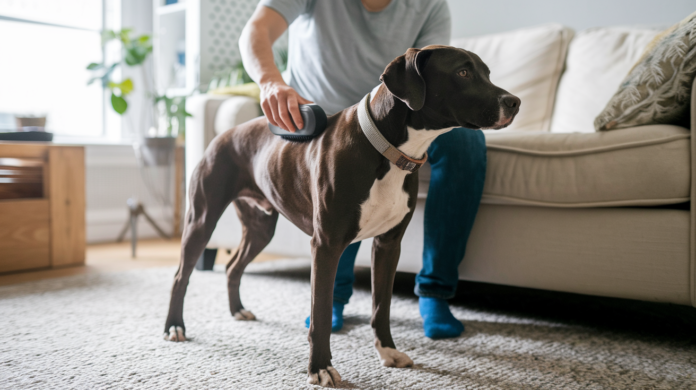

You don’t need pricey sprays or salon treatments to get a glossy dog coat.
Simple grooming and the right nutrition do most of the work, often showing better shine in a week or two.
This post gives clear, doable steps you can start today, like brushing schedules, bath timing, omega fats and safe supplements, plus quick fixes for a dull coat.
Follow these habits and you’ll see softer fur, fewer tangles, and less mess around the house.
Immediate Steps to Improve Dog Coat Shine
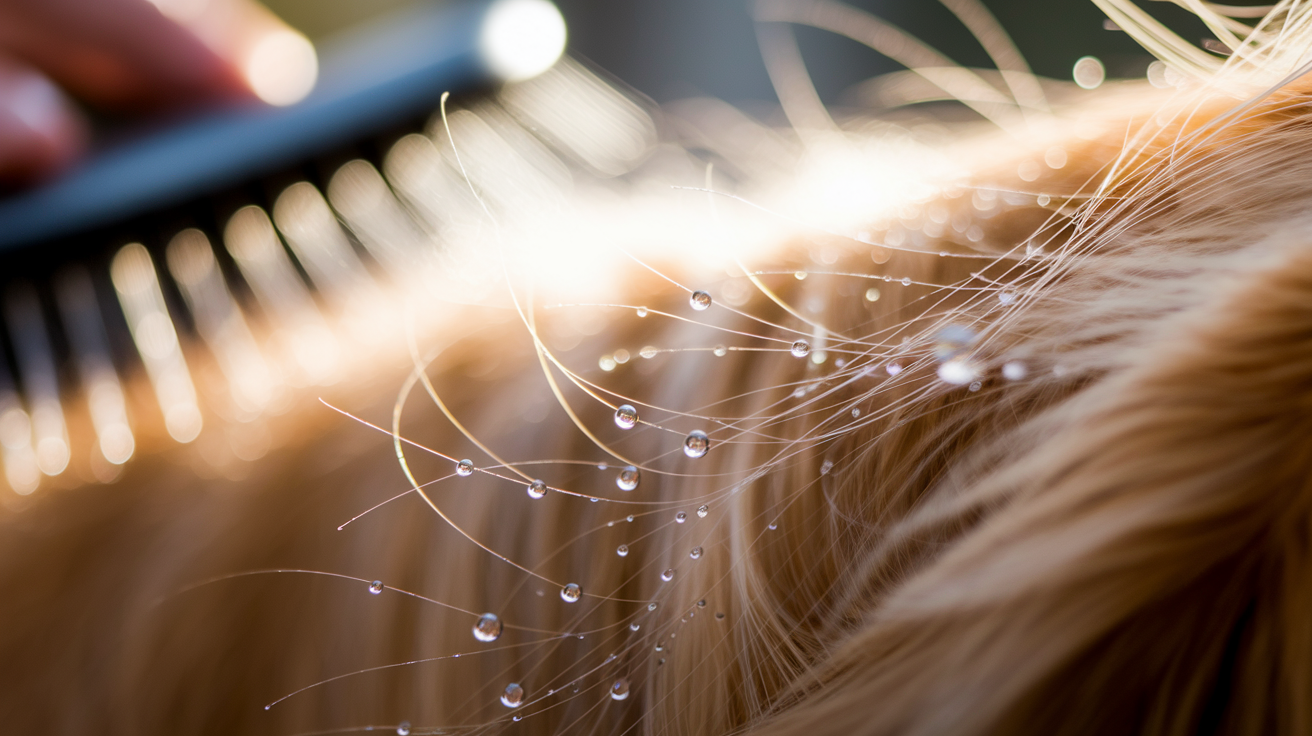
A shiny coat starts with simple daily habits, not complicated products or expensive treatments. The fastest improvements come from brushing away debris, timing baths to protect natural oils, and making sure your dog drinks fresh water throughout the day. A dog that gets brushed every few days, bathed once or twice a month, and drinks enough water will show better shine within a week or two.
Topical aids work fast when you need a quick boost. Massage a small amount of coconut oil into your dog’s fur for a few minutes. About 1 tablespoon for a medium-sized dog, worked in gently with your fingers. An oatmeal bath soothes itchy skin and restores a soft, healthy sheen, especially if allergies have left the coat looking dull. Both are affordable, safe for most dogs, and easy to do at home.
Parasites and stuck-on dirt are instant shine killers. A single flea infestation can cause scratching, broken hair, and oily patches that make even a healthy dog look rough. Check your dog weekly for ticks, fleas, ear mites, and clumps of mud between the toes. Staying current on parasite prevention protects the coat and keeps your dog comfortable.
Five fast coat-boosting steps:
- Brush thoroughly to remove loose fur and debris
- Offer fresh water at all times
- Apply coconut oil topically for instant moisture and gloss
- Give an oatmeal bath if skin feels dry or itchy
- Check and remove any parasites, mud, or sticky residue
Brushing Techniques for a Shinier Dog Coat
Brushing every 3 to 4 days is the single most effective way to improve coat shine. Each stroke removes dead hair, spreads natural skin oils from root to tip, and gets blood flow going to the hair follicles. Better circulation means healthier hair growth and a coat that reflects light instead of looking flat and dull.
Regular brushing also prevents painful mats and tangled clumps that trap moisture, dirt, and oils against the skin. Matted fur blocks air circulation, creates irritation, and damages the coat underneath. A few minutes of brushing sweeps away problems before they start and gives you a chance to check for lumps, ticks, or skin changes you might otherwise miss.
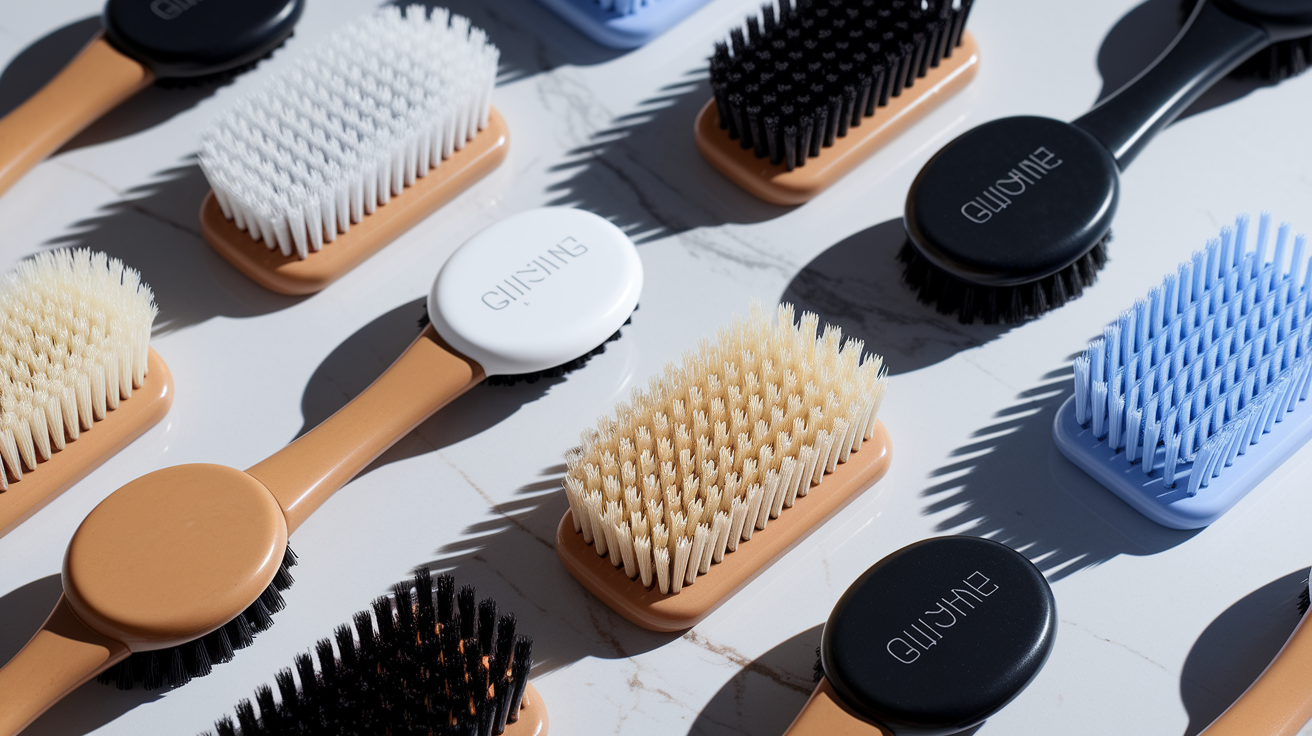
Tool selection depends entirely on coat type. Long-haired dogs need slicker brushes with fine, angled bristles that reach through thick fur without pulling. Short-haired dogs do better with bristle brushes or rubber grooming mitts that catch loose hair close to the skin. Heavy shedders like Huskies, German Shepherds, and Labradors benefit from de-shedding tools designed to pull out the soft undercoat without cutting or damaging the topcoat. Use the wrong tool and you’ll skip over loose fur, tug on healthy hair, or irritate sensitive skin.
| Tool Type | Best For | Key Benefit |
|---|---|---|
| Slicker brush | Long-haired breeds, thick double coats | Detangles without pulling, reaches deep layers |
| Bristle brush | Short-haired dogs, smooth coats | Distributes oils, removes surface dust and loose hair |
| De-shedding tool | Heavy shedders, undercoat management | Pulls out dead undercoat, reduces airborne fur |
Bathing Routines That Support Coat Gloss
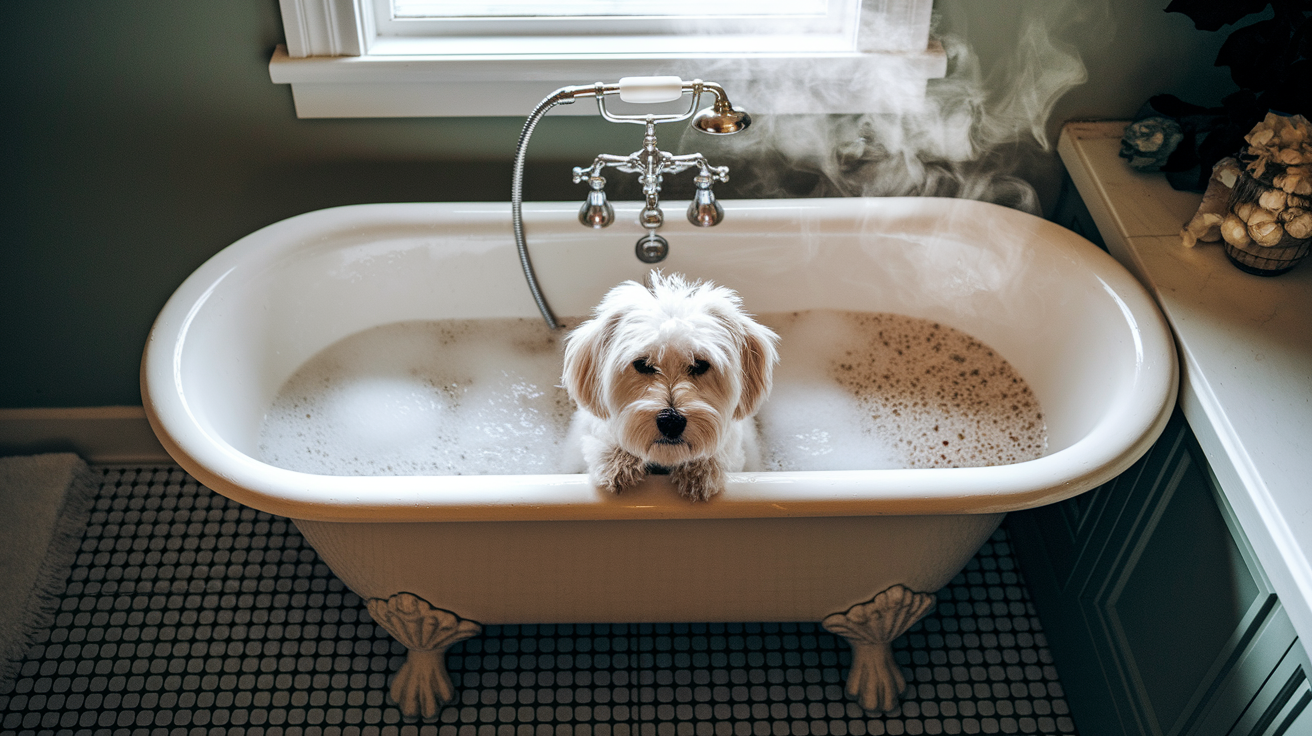
Bathing once or twice a month is plenty for most dogs. More frequent baths strip away the natural oils that protect skin and give fur its shine. Over-bathing leaves coats dry, brittle, and prone to static, dandruff, and irritation. If your dog gets dirty between baths, spot-clean muddy paws or wipe down the coat with a damp towel instead of running a full bath.
Use lukewarm water, not hot, and choose pH-balanced shampoos made specifically for dogs. Human shampoo has the wrong pH for canine skin and can cause dryness or allergic reactions. After lathering and rinsing thoroughly, gently towel-dry your dog and follow up with a quick brush while the coat’s still slightly damp. This smooths the hair shafts and locks in moisture for extra gloss.
Product selection criteria for dog shampoo:
- pH-balanced for dog skin (usually around 6.5 to 7.5)
- Moisturizing ingredients like oatmeal, aloe, or coconut oil
- Hypoallergenic formulas if your dog has sensitive skin
- Free from harsh detergents, sulfates, and artificial fragrances
Nutrition Essentials for a Naturally Shiny Coat
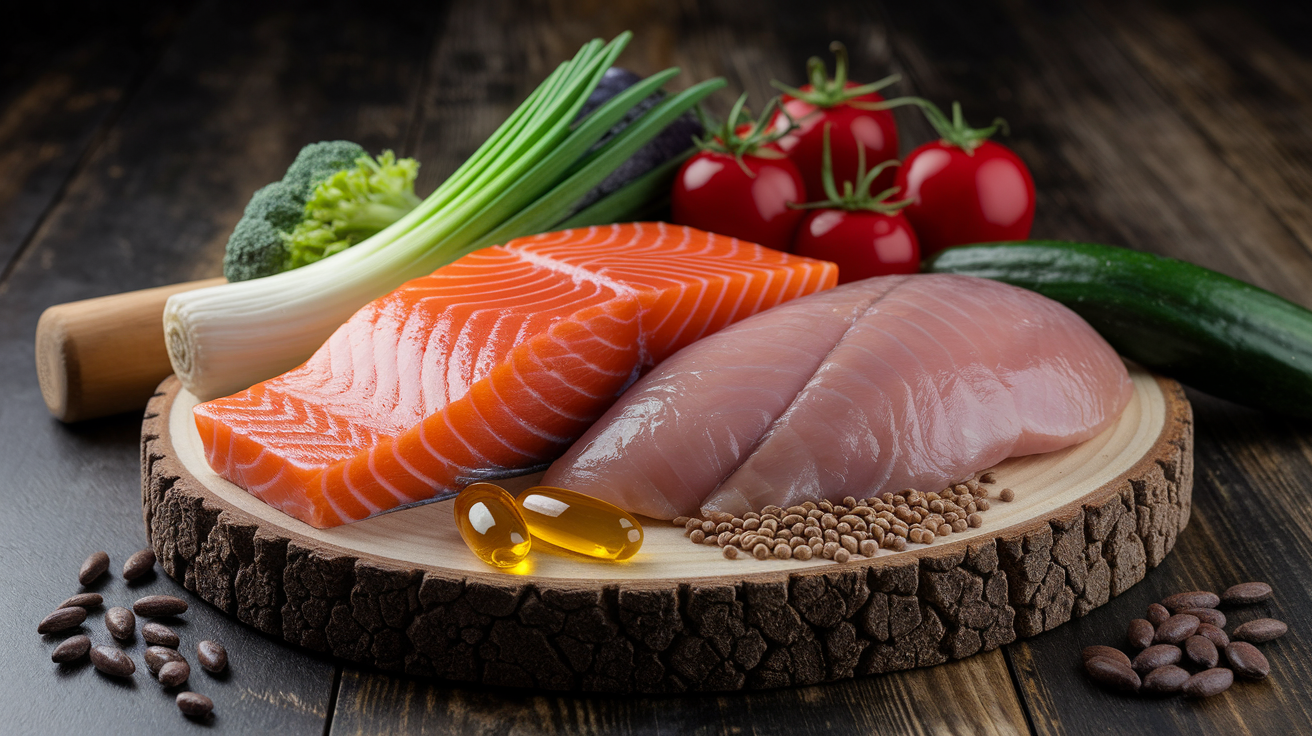
Poor-quality food shows up fast in a dog’s coat. Dull, brittle, or matted fur is often the first visible sign that a dog’s not getting enough protein, fats, or essential vitamins. Dogs need high-quality animal protein as the foundation of every meal, plus healthy fats that support skin cells and hair follicles. Check the ingredient list. Real meat, poultry, or fish should appear in the first three ingredients, not fillers like corn or wheat.
Omega-3 and omega-6 fatty acids are the two nutrients that make the biggest difference in coat shine. Omega-3s reduce inflammation, support skin moisture, and give fur a soft, glossy finish. Omega-6s help maintain the skin’s protective barrier and fight off low-grade infections that can dull the coat. You can find these fats in quality commercial foods, or add them through small amounts of fish oil, flaxseed oil, or about 1 teaspoon of vegetable oil mixed into meals once or twice a week.
Supplements help, but dosing matters. Too much omega supplementation causes nausea, loose stool, and digestive upset. Start small. Follow label directions or ask your vet for a dose tailored to your dog’s weight and health history. Treats count toward daily nutrition, too. Choose nutrient-rich options like raw carrots, small pieces of cooked sweet potato, or freeze-dried meat instead of empty-calorie biscuits that add fat without vitamins or protein.
Coat-supportive nutrients to look for:
- High-quality animal protein for hair strength and growth
- Omega-3 fatty acids for softness and anti-inflammatory support
- Omega-6 fatty acids for skin barrier health
- Vitamin E for cell protection and moisture retention
- Biotin for hair follicle support
- Zinc for skin repair and immune function
Safe Coat Supplements and When to Use Them

Coconut oil is one of the safest and most versatile supplements for coat health. Offer about 1 tablespoon mixed into your dog’s food once a day, or massage it directly into the skin and fur for a few minutes before a bath. It adds moisture, improves shine, and has mild antimicrobial properties that help with minor skin irritations. Some dogs love the taste. Others are picky, so start with a smaller amount and build up slowly.
Fish oil supplements deliver concentrated omega-3s that support skin, joints, and mood. Look for products labeled with clear dosing instructions based on your dog’s weight. Don’t guess or pour directly from a human supplement bottle. Canine doses are different, and too much can cause stomach upset or interfere with blood clotting. Store fish oil in the fridge and check the expiration date. Rancid oil smells sharp and fishy and loses its nutritional value. Herbal supplements like spirulina and horsetail may soften fur and improve skin texture, but they require veterinary guidance for safe, effective dosing.
Five steps to introduce a new supplement safely:
- Consult your veterinarian before starting any new supplement, especially if your dog takes medication or has a health condition.
- Start with a small dose, half the recommended amount for the first 3 to 5 days, and watch for vomiting, diarrhea, or changes in appetite.
- Gradually increase to the full dose over 1 to 2 weeks if no side effects appear.
- Store oils and soft-gel supplements in a cool, dark place or the refrigerator to prevent spoilage.
- Track results by taking a quick photo of your dog’s coat every two weeks. Shine and texture changes happen slowly and are easier to see when you compare images.
Grooming Tools That Enhance Coat Shine
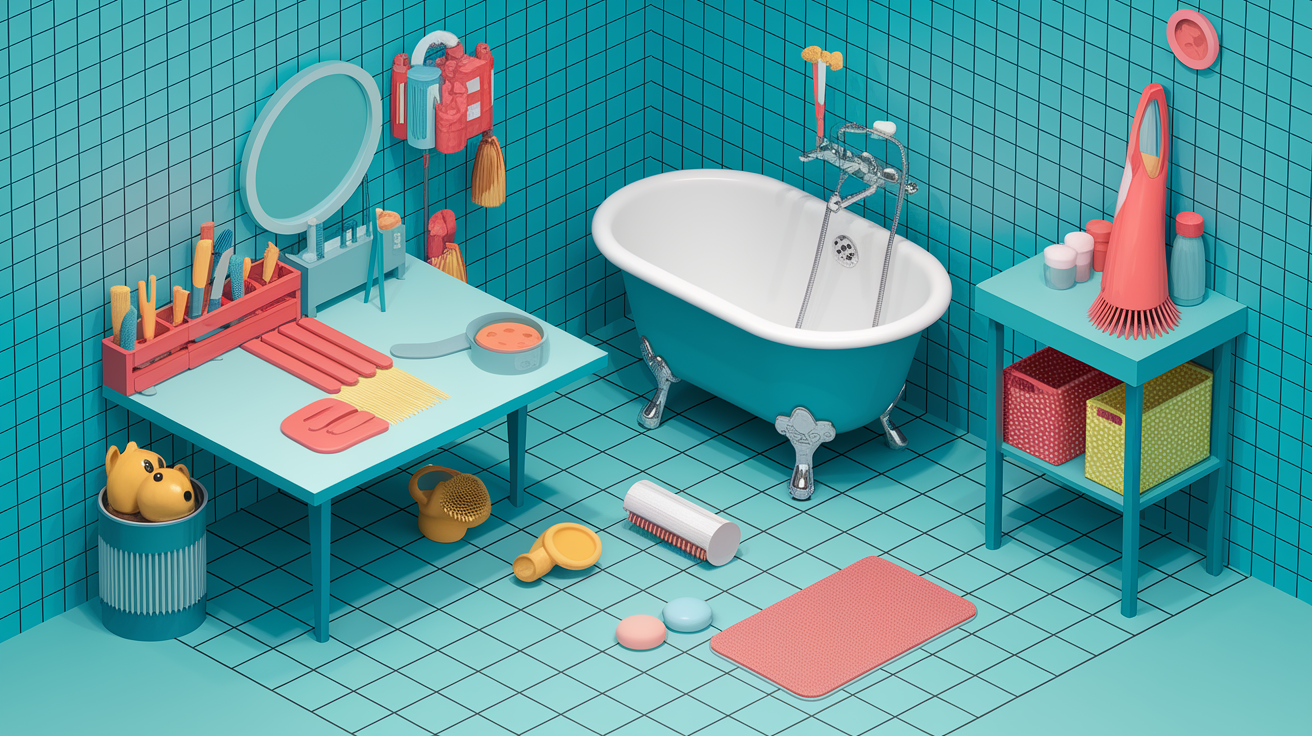
The right tools make grooming faster, more comfortable for your dog, and more effective at improving shine. Professional groomers rely on specialty products, clippers, adjustable grooming tables, and pet-specific bathtubs because these tools allow precise, gentle handling of different coat types and temperaments. At home, you don’t need a full salon setup, but investing in a few well-matched basics saves time and frustration.
Quality tools prevent damage. Cheap brushes with rough edges or poorly spaced bristles can scratch skin, pull healthy hair, and leave behind tangles that worsen over time. Mats form when loose fur isn’t removed, trapping oils and debris close to the skin and blocking airflow. Regular use of the correct brush ventilates the coat, sweeps away damaged fur, and promotes the kind of circulation that supports strong, glossy hair growth.
| Tool | Coat Type | Purpose |
|---|---|---|
| Slicker brush | Long, thick, or curly | Detangles, removes loose undercoat, smooths topcoat |
| Bristle brush | Short, smooth | Distributes natural oils, polishes surface |
| De-shedding rake | Double-coated, heavy shedders | Pulls out dead undercoat without cutting guard hairs |
| Wide-tooth comb | All types, especially long or wavy | Finds hidden mats, separates clumps gently |
Coat Care Adjustments by Breed, Age, and Coat Type
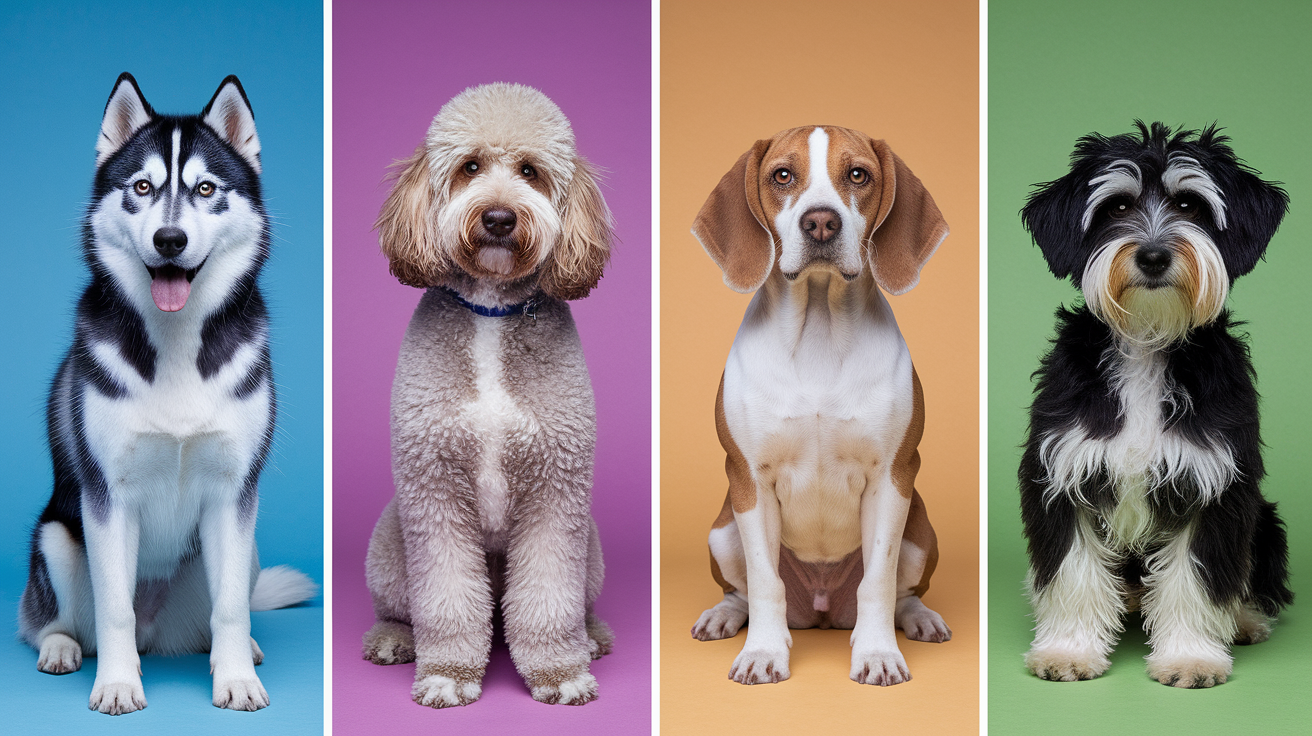
Double-coated breeds like Huskies, Golden Retrievers, and Collies shed heavily twice a year and need more frequent brushing during those seasons. A de-shedding tool helps pull out the soft, fluffy undercoat before it clumps into mats or spreads all over your house. Brush these dogs every other day during shedding season and at least twice a week the rest of the year. Never shave a double coat down to the skin. It disrupts temperature regulation and can permanently damage hair growth.
Long-haired dogs require daily or every-other-day brushing to prevent tangles and keep the coat flowing smoothly. Use a slicker brush to work through the length of the hair, then follow up with a wide-tooth comb to catch any hidden knots near the legs, belly, or behind the ears. Short-haired dogs shed just as much but tend to get by with weekly brushing using a bristle brush or grooming mitt. Wiry coats, like those on Terriers, benefit from occasional hand-stripping or professional grooming to maintain texture and color.
Puppies have softer, finer coats that tangle easily but also damage more quickly with rough handling. Use a soft-bristle brush and keep sessions short and positive. 2 to 3 minutes at a time, with treats and praise. Puppies are learning to tolerate grooming, so patience now prevents behavior problems later.
Senior dogs may develop thinning fur, dry skin, or sensitivity around joints and bony areas. Brush gently and check weekly for lumps, sores, or changes in skin texture. Older dogs often need more frequent baths with moisturizing shampoo because their skin produces less oil. Watch for sudden coat changes. Dullness, bald patches, or excessive shedding can signal thyroid issues, hormonal imbalances, or other age-related conditions that warrant a vet visit.
Managing Seasonal Shedding and Environmental Effects on Coat Shine
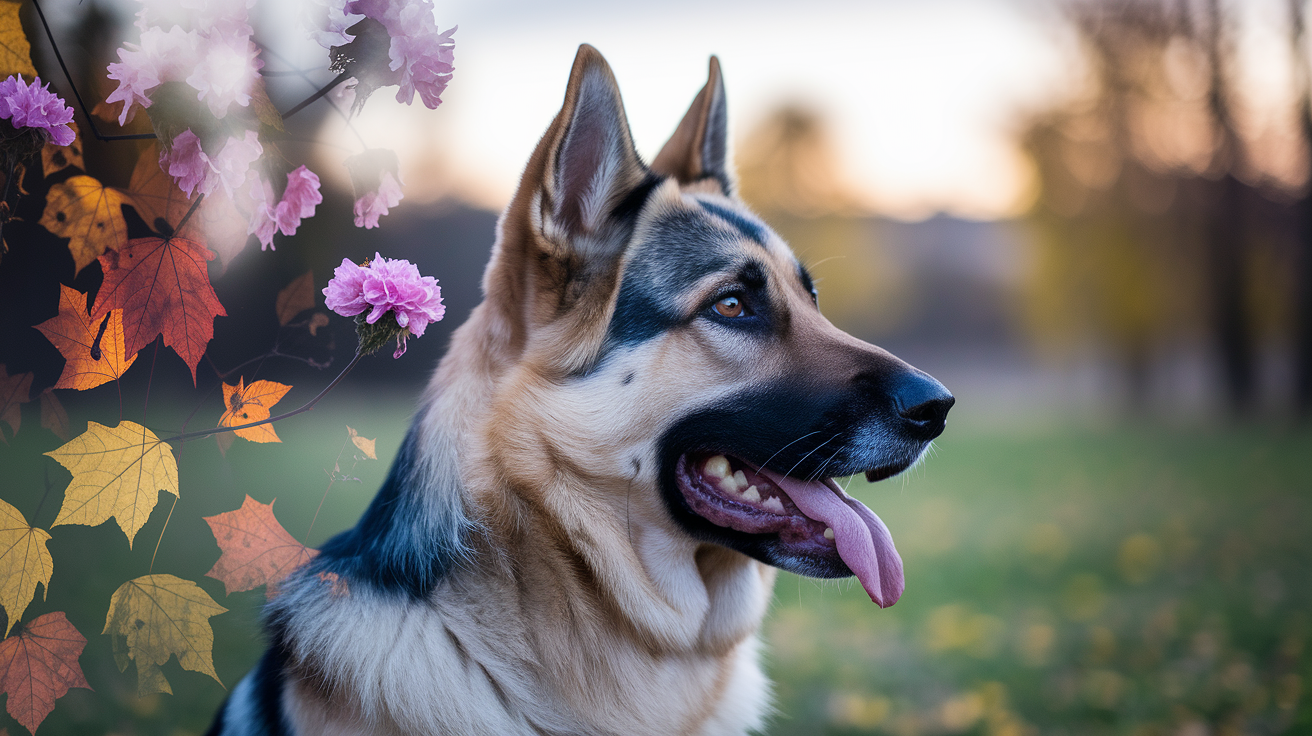
Seasonal shedding happens twice a year for most dogs. Once in spring when the heavy winter coat sheds out, and again in fall when the lighter summer coat’s replaced. During these transitions, brushing every day or every other day prevents loose fur from matting against the skin and helps the new coat grow in smooth and shiny. De-shedding tools pull out the undercoat efficiently without damaging the outer guard hairs.
Cold, dry winter air strips moisture from skin and fur, leaving coats dull and prone to static. Indoor heating makes it worse. Add a humidifier to rooms where your dog spends the most time, limit baths to once a month or less, and consider a leave-in conditioner or light coat spray formulated for dogs. Hot summer weather causes dehydration, which shows up as dry, brittle fur and flaky skin. Make sure your dog drinks plenty of water and has access to shade during outdoor time.
Four environment-related coat protection steps:
- Wipe muddy paws and bellies with a damp towel after walks instead of bathing too often
- Protect your dog from extreme cold with a coat or sweater if needed, especially for short-haired or senior dogs
- Rinse off saltwater, chlorine, or road salt immediately after exposure to prevent skin irritation
- Check for burrs, grass seeds, sticky sap, or ice clumps between toes and in long fur after outdoor adventures
Skin Health Factors That Influence Coat Shine
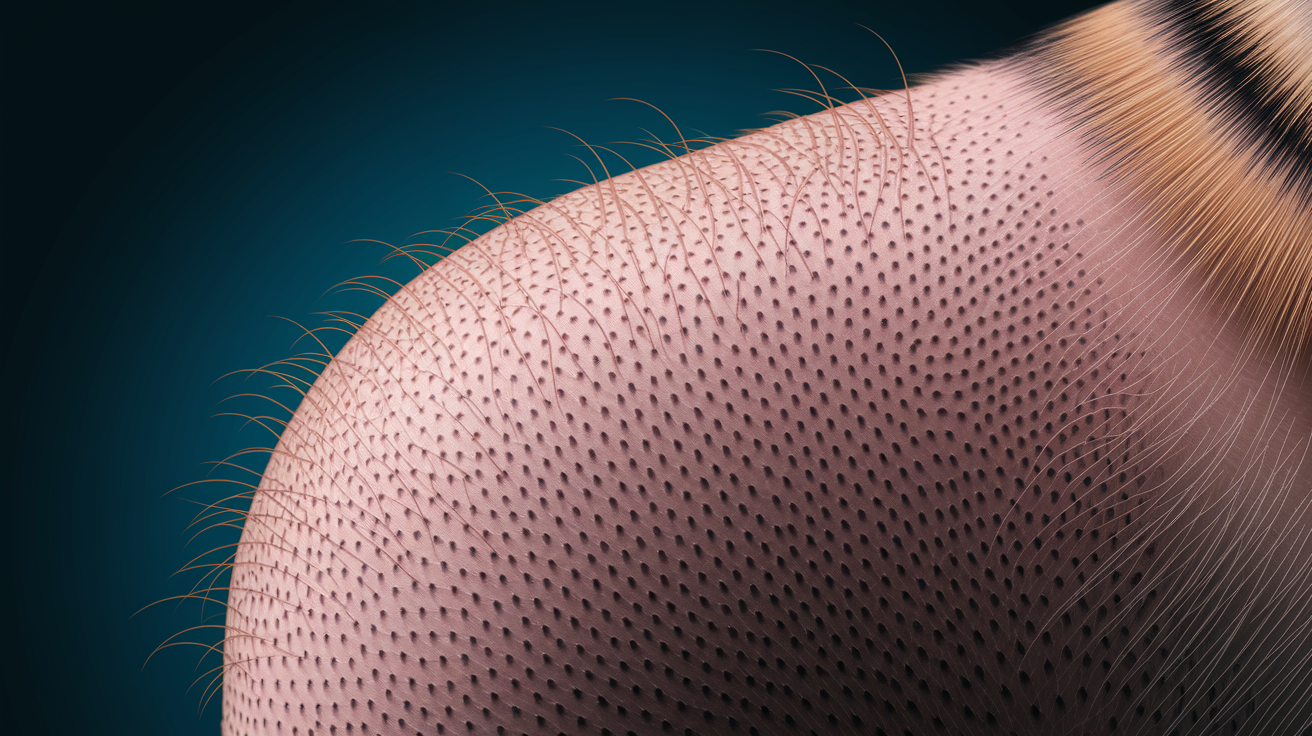
Healthy skin grows healthy fur. When the skin’s dry, irritated, or infected, the coat loses shine, becomes brittle, and may fall out in patches. Allergies, whether food-related or environmental, trigger itching, redness, and oily buildup that makes fur look greasy and smell bad. Frequent scratching damages hair shafts and creates bald spots that spread if the underlying allergy isn’t managed.
Dry skin shows up as white flakes, tight or scaly patches, and a coat that feels rough instead of smooth. Oatmeal baths, moisturizing shampoos, and omega-3 supplements can help, but persistent dryness may point to a deeper issue like hypothyroidism, poor nutrition, or low humidity in your home. Adding a humidifier and switching to a gentler, pH-balanced shampoo often makes a noticeable difference within a few weeks.
Parasites like fleas, ticks, and mites cause intense itching, hair loss, and secondary infections that worsen coat quality fast. Even a small flea problem creates enough irritation to turn a glossy coat dull and patchy. Regular parasite prevention isn’t optional if you want a healthy, shiny coat. Check your dog’s skin weekly for tiny black specks (flea dirt), red bumps, or areas of hair loss.
Hormonal imbalances, especially hypothyroidism, can cause sudden coat dullness, thinning fur, weight gain, and lethargy. If your dog’s coat changes dramatically without an obvious cause, no change in diet, grooming, or environment, schedule a vet appointment. A simple blood test can diagnose thyroid problems, and treatment usually restores coat health within a few months.
Parasite Prevention for a Healthier, Shinier Coat
Fleas, ticks, ear mites, and intestinal worms all degrade coat quality and pose serious health risks beyond cosmetic damage. A single flea bite can trigger an allergic reaction that causes intense scratching, hair loss, and open sores. Ticks spread diseases like Lyme and ehrlichiosis, which can cause systemic illness that affects skin, joints, and energy levels. Ear mites create waxy buildup, head shaking, and secondary infections that show up as dull, greasy patches around the ears and neck.
Prevention’s simpler and cheaper than treatment. Monthly flea and tick preventatives, whether topical, oral, or collar-based, stop infestations before they start. Keep your dog current on deworming medication and year-round heartworm prevention. Even indoor dogs can pick up parasites from other pets, contaminated soil tracked inside, or brief outdoor bathroom breaks.
Three parasite prevention methods:
- Use veterinarian-recommended monthly flea and tick prevention year-round
- Wash bedding, blankets, and soft toys weekly in hot water during flea season
- Vacuum carpets, furniture, and car interiors regularly to remove flea eggs and larvae before they hatch
Home Remedies for Glossy Dog Fur (Used Safely)
Coconut oil works both as a dietary supplement and a topical treatment. Massage a small amount, about 1 tablespoon for a medium dog, into the coat, let it sit for 5 to 10 minutes, then rinse lightly or leave it in for extra moisture. You can also add a few drops of coconut oil to your regular shampoo to boost shine during baths. It’s safe if your dog licks it off, but too much can cause loose stool, so start small.
Oatmeal baths soothe itchy, irritated skin and restore a soft, healthy sheen. Grind plain, unflavored oatmeal into a fine powder using a blender or food processor, mix it with warm water to form a paste, and massage it gently into your dog’s coat. Let it sit for 5 minutes, then rinse thoroughly. Oatmeal baths are safe to use weekly if needed and work especially well for dogs with allergies or dry winter skin.
A small amount of olive oil or vegetable oil, about 1 teaspoon per meal for a medium dog, can improve coat gloss over time. Add it to food once or twice a week, not daily, because too much fat upsets digestion. Don’t use human hair products, lotions, or conditioners. They contain fragrances, alcohols, and detergents that irritate dog skin and can be toxic if licked off.
Four steps to make a safe DIY shine spray:
- Mix 1 cup of water with 1 tablespoon of coconut oil in a clean spray bottle.
- Shake well before each use to blend the oil and water.
- Lightly mist your dog’s coat after brushing. Avoid the face and eyes.
- Use once or twice a week, not daily, and store the bottle in a cool spot to prevent spoilage.
Signs of Poor Coat Health and When to See a Veterinarian
Persistent scratching, especially if your dog wakes up at night to scratch or chews at the same spots repeatedly, signals a problem that home grooming can’t fix. Allergies, parasites, infections, and hormonal imbalances all cause chronic itching and require veterinary diagnosis and tailored treatment. Over-the-counter shampoos and supplements may help mild cases, but they won’t address underlying medical conditions.
Sudden coat dullness, especially if it happens quickly and is paired with weight changes, lethargy, or skin thickening, may point to hypothyroidism or other endocrine disorders. Hair loss in patches, bald spots that spread, or fur that breaks off easily can indicate ringworm, mange, or nutritional deficiencies. Severe or chronic matting that you can’t brush out at home needs professional grooming or veterinary attention. Mats can hide infections, injuries, or skin tumors that worsen if left untreated.
Five warning signs that require a vet visit:
- Scratching that doesn’t improve after a bath, parasite treatment, or diet change
- Hair loss in patches, bald spots, or thinning fur on the tail or sides
- Red, inflamed, or oozing skin, especially if it smells bad
- Lumps, bumps, or sores under the coat that weren’t there before
- Sudden coat changes paired with lethargy, appetite loss, or behavior shifts
Final Words
Brush, bathe, and check skin. These quick steps make an immediate difference. They include brushing every 3-4 days, bathing 1-2 times a month, and keeping parasite control up to date.
Pick the right tools, add omega-rich foods or safe supplements, and use gentle home treatments when needed. Adjust for breed, age, and season, and call your vet for sudden changes or persistent problems.
Small, steady habits are the answer. This simple plan shows how to maintain a shiny dog coat with less stress and more smiles.
FAQ
Q: What helps dogs’ coat stay shiny?
A: A dog’s coat stays shiny when you feed a balanced, nutrient-rich diet, brush routinely, prevent fleas and ticks, bathe without overdoing it, and keep skin hydrated with safe oils or moisturizers.
Q: What oil is good for shiny dog coat?
A: Coconut oil and fish oil are good for a shiny dog coat; coconut may be used topically or in small food amounts, and fish oil supplies omega-3s, so check with your vet for dosing.
Q: Is a shiny coat on a dog healthy?
A: A shiny coat on a dog usually signals healthy skin, good nutrition, and low parasite burden, but sudden dullness, itching, or hair loss should prompt a vet check.
Q: How to get a glossy coat on a dog?
A: To get a glossy coat, improve diet with quality protein and omega fats, brush regularly, bathe 1 to 2 times monthly with pH-balanced shampoo, control parasites, and try safe oils or oatmeal baths.