
What if the grooming you used when your dog was young is actually hurting them now?
As dogs age, their coat thins, gets dull, and the skin becomes fragile; mats and baths that were fine at three can cause pain or sores in a senior.
This post gives a gentle, practical plan: how to spot problems early, short gentle grooming steps, safe bathing tips, food and supplements that help the coat, and when to call the vet so your older dog stays comfortable without extra stress.
Key Senior Coat Needs and Immediate Steps for Aging Dog Fur
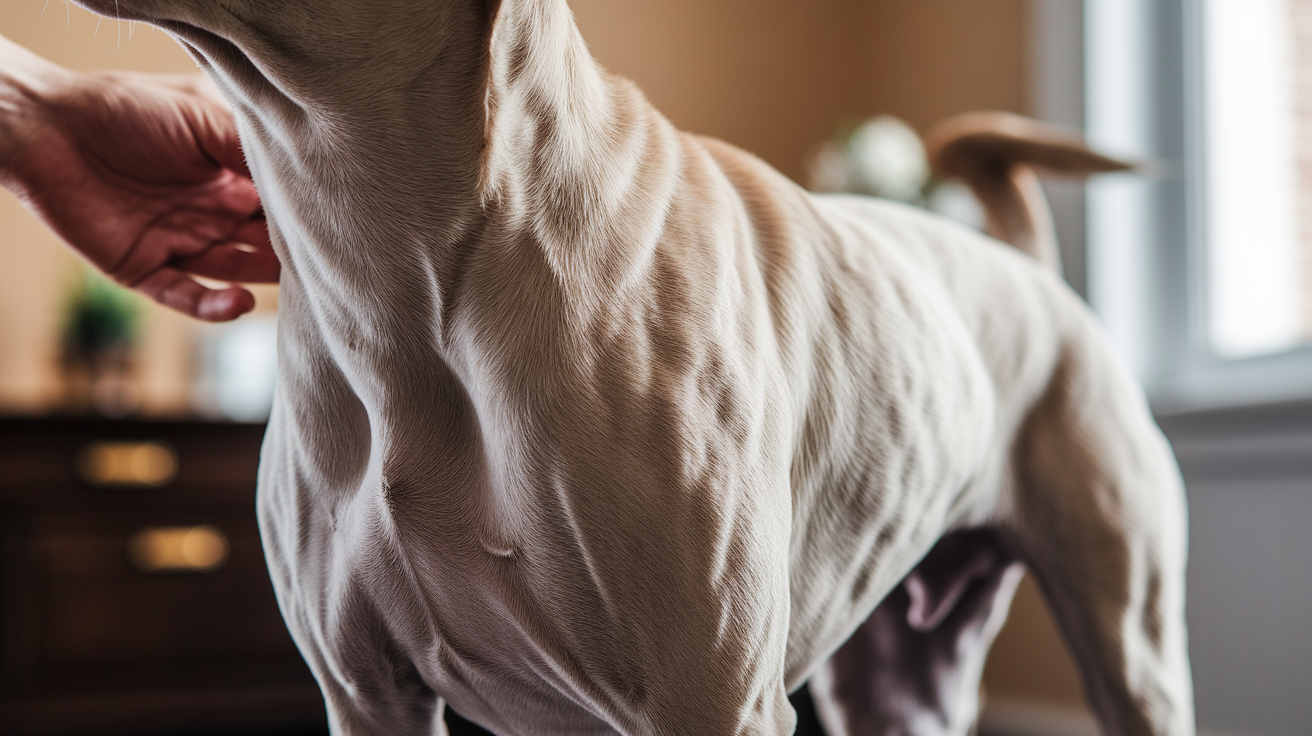
Your senior dog’s coat won’t look the way it did at three years old. It loses shine. Gets thinner. Mats faster than you’d expect. The skin underneath? It’s fragile now. Thin. Easy to nick during grooming. You might notice the coat feels dry, looks dull, sheds in weird patches. Older dogs also grow lumps, develop hot spots, sores, pressure points you won’t see until you actually run your hands over their body.
The second you notice these changes, act. A few mats near the hips can pull fragile skin and turn into open sores. Tangles behind the ears tighten into knots that hurt every single day. Catching things early keeps your dog comfortable and saves you from having to do drastic grooming later. Don’t rush into a full bath or aggressive brushing session. Shift your thinking toward light, frequent touches that maintain the coat without wearing your dog out or causing pain.
Start here the moment you see coat decline or plan your first senior grooming session:
- Inspect the whole coat and skin. Move your hands slowly over the belly, neck, behind the ears, under the tail, between the paw pads. Feel for lumps, sticky mats, sores, debris like foxtails.
- Keep grooming sessions short. A few minutes at a time. Let your dog tell you when she’s done.
- Let her sit or lie down. Don’t force standing for long stretches.
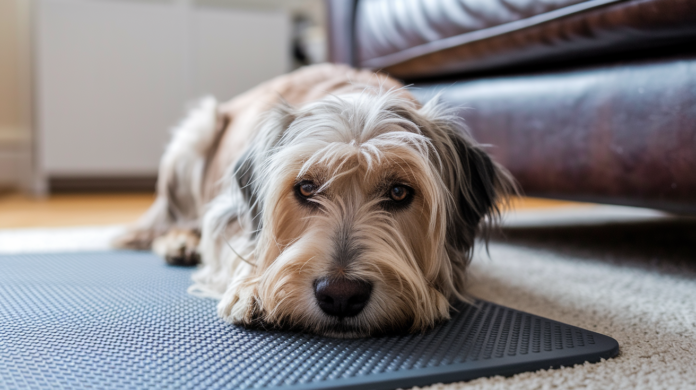
- Use a nonslip surface, a bath mat or low pile rug, so your dog feels stable and won’t slip while you work.
- Watch for discomfort. Pinned ears, tense body, pulling away, lip licking, yawning. Stop immediately if you see it.
Senior Dog Brushing Routines for Comfort and Coat Health
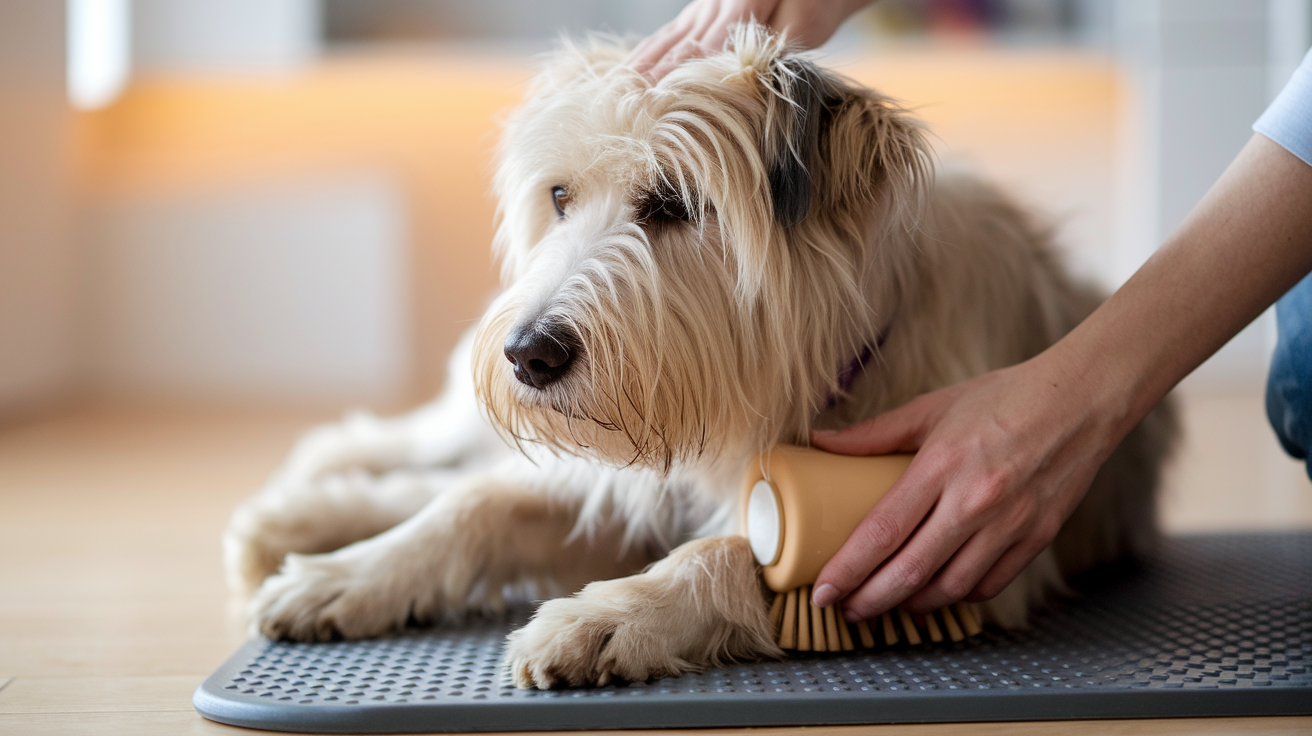
Brushing matters more as your dog ages, but you’ve got to use a lighter touch. Brush at least twice a week to stop small tangles from becoming painful mats. Pick soft bristle brushes with plastic pins that have rounded knobs on the ends, or grab a rubber curry brush that glides over sensitive skin without scratching. Skip the slicker brushes with exposed metal pins. They can nick thin, fragile skin and cause bleeding or soreness your senior doesn’t need.
Long haired breeds do better with a wide tooth comb plus a soft brush. Work through the coat in small sections. Start at the ends, move toward the skin. Hit a tangle? Stop pulling. Switch to your fingers or a detangling spray. Never yank or drag the brush through a mat. That pulls skin and can create hot spots or open wounds. For dogs with very sensitive skin or anxiety around grooming, try a grooming glove with soft rubber nubs. Feels more like petting, less like a chore. Keeps stress low.
Safe brush types for senior coats:
- Soft bristle brushes with rounded plastic pins
- Rubber curry brushes or grooming gloves
- Wide tooth metal combs for long haired breeds
- Avoid metal slicker brushes and fine toothed rakes
Find a mat? Moisten it first with a little hair conditioner, vegetable oil, even mayonnaise. Let it sit for a minute, then gently pull the mat apart with your fingers, working from the outside in. If it won’t budge, use blunt tipped scissors to carefully cut it out. Always keep the scissor blade parallel to the skin to avoid nicking it. Never pull the mat tight before cutting. That lifts the skin and increases the risk of injury.
Bathing Techniques and Shampoo Choices for Older Dogs
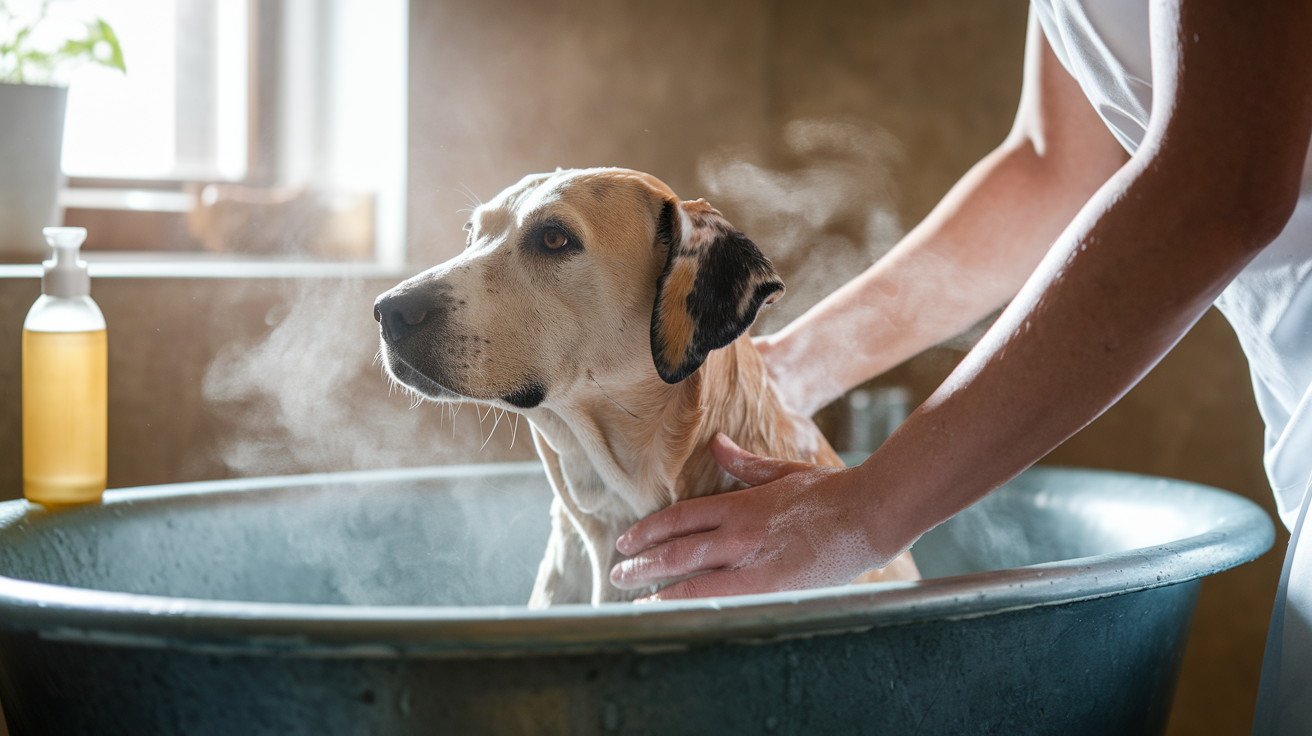
Bathe your senior about once a month unless she gets visibly dirty or starts to smell. Bathing too often strips natural oils from already dry skin, which leads to flakiness and itching. Use lukewarm water, never hot. Keep the bathroom warm so your dog doesn’t chill during or after the bath. A handheld spray attachment makes rinsing easier and more thorough. Leftover shampoo residue is a common cause of red, itchy skin in seniors.
Pick shampoos labeled hypoallergenic and sulfate free. Look for formulas with oatmeal, aloe vera, or chamomile. All of these soothe dry, sensitive skin. Human shampoos are formulated to human skin pH and will dry out your dog’s coat, causing irritation and scratching. If your vet recommended a medicated shampoo for fleas, seborrhea, or allergies, follow the exact contact time on the label. These products work only when left on the skin for the full recommended period before rinsing.
After the bath, towel dry gently. Press rather than rub to avoid tangling wet fur. If your dog tolerates it, use a blow dryer set on low heat and hold it at least 12 inches from the skin. Move the dryer constantly to prevent hot spots. For dogs who dislike the noise or air pressure, let them air dry in a warm room with a cozy towel or blanket nearby. Between baths, use grooming wipes or a waterless foaming wash to freshen the face and paws without the stress of a full soak.
Follow these steps for a safe senior bath:
- Place a small dab of bland ophthalmic ointment in each eye to prevent soap irritation.
- Insert cotton balls gently into both ears to keep water and shampoo out. Set a timer to remind yourself to remove them after the bath.
- Wet the coat thoroughly with lukewarm water, avoiding the face at first.
- Apply shampoo and work it into a lather, focusing on dirty or oily areas but avoiding vigorous scrubbing on bony points like hips and elbows.
- Rinse completely, then rinse again, until the water runs clear and you feel no slickness left in the coat.
Nutrition and Supplements That Improve Senior Dog Coat Quality
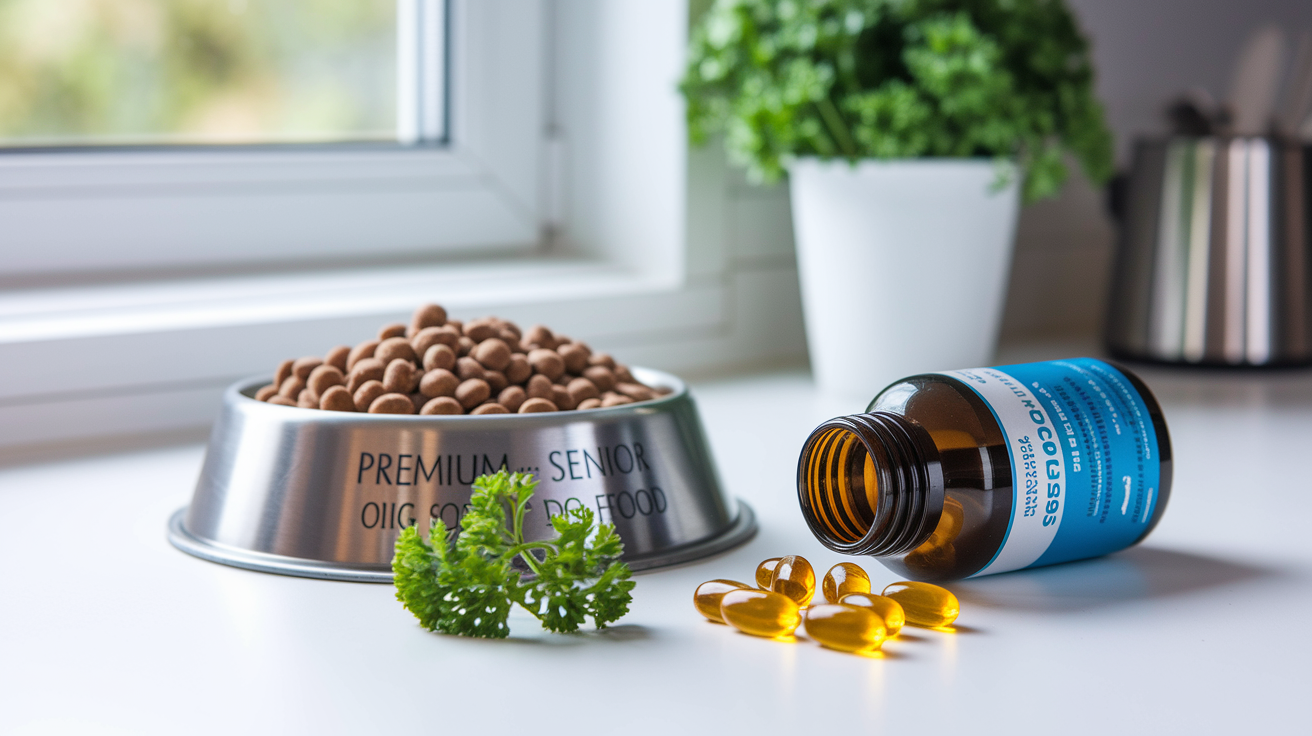
A good quality diet designed for senior dogs produces a thicker, shinier coat from the inside out. Look for formulas with high quality protein sources. Animal based proteins like chicken, fish, or lamb provide the amino acids needed to build and repair hair shafts. Senior dogs often need slightly less protein than younger adults, but the protein they do eat should be highly digestible and nutrient dense.
Omega 3 fatty acids, found in fish oil or flaxseed oil, help with dry, flaky winter skin and dull coats. These supplements support skin barrier function and reduce inflammation that can lead to itching and hair loss. Some owners add a pump of fish oil to their dog’s dinner. Others choose commercial senior diets already fortified with omega 3s. Oil rinses applied directly to the coat after bathing can also moisturize the skin and add shine, though these work best when paired with internal nutrition rather than used alone. Biotin, a B vitamin, supports hair growth and strength. Vitamin E acts as an antioxidant that protects skin cells from damage.
| Nutrient | Benefit |
|---|---|
| Omega 3 fatty acids | Reduces dry, flaky skin and adds shine to dull coats |
| High quality animal protein | Provides amino acids for hair shaft repair and growth |
| Biotin | Supports hair follicle health and reduces brittle fur |
| Vitamin E | Protects skin cells and supports barrier function |
Health Issues That Affect the Senior Coat and When to Contact a Vet

A lot of medical conditions in older dogs show up in the coat first. Hypothyroidism slows metabolism and causes hair to thin, become brittle, fall out in patches, especially over the tail and flanks. Cushing’s disease leads to a pot bellied appearance, excessive thirst, and a coat that looks dull, patchy, or fails to regrow after clipping. Dogs with Cushing’s may take 6 to 12 months to regrow a coat after being shaved, way longer than the typical regrowth window. Allergies, whether food based or environmental, trigger scratching, redness, hot spots that damage the coat and create open sores. Seborrhea causes greasy, flaky skin and a strong odor. Pyoderma, a bacterial skin infection, produces pustules and crusty patches.
Parasites like fleas remain a common problem even in senior dogs and can cause intense itching and hair loss. Regular flea prevention is essential, especially in warmer months or humid climates where flea populations thrive. During grooming, inspect the skin for flea dirt, tiny black specks that turn red when moistened on a damp paper towel. Check for ticks as well, particularly in the folds of the ears, between the toes, around the neck.
Not every coat change requires a vet visit. But certain signs shouldn’t be ignored:
- Open sores, especially if you see maggots or smell a foul odor
- Sudden bald patches or hair that pulls out easily in clumps
- Red, swollen, or painful lumps anywhere on the body
- Green, yellow, or brown discharge from the ears, or ears that smell yeasty or sharp
- Persistent scratching, licking, or biting at one area
- Coat that fails to regrow months after a trim or shave
If you notice any of these, contact your vet. Skin and ear problems are among the most common reasons for veterinary visits in senior dogs. Early treatment improves outcomes and reduces discomfort. Your vet may recommend therapeutic shampoos, oral medications, or further testing to identify hormonal imbalances or infections that simple grooming can’t fix.
Grooming Older Dogs with Mobility, Arthritis, or Sensory Limitations
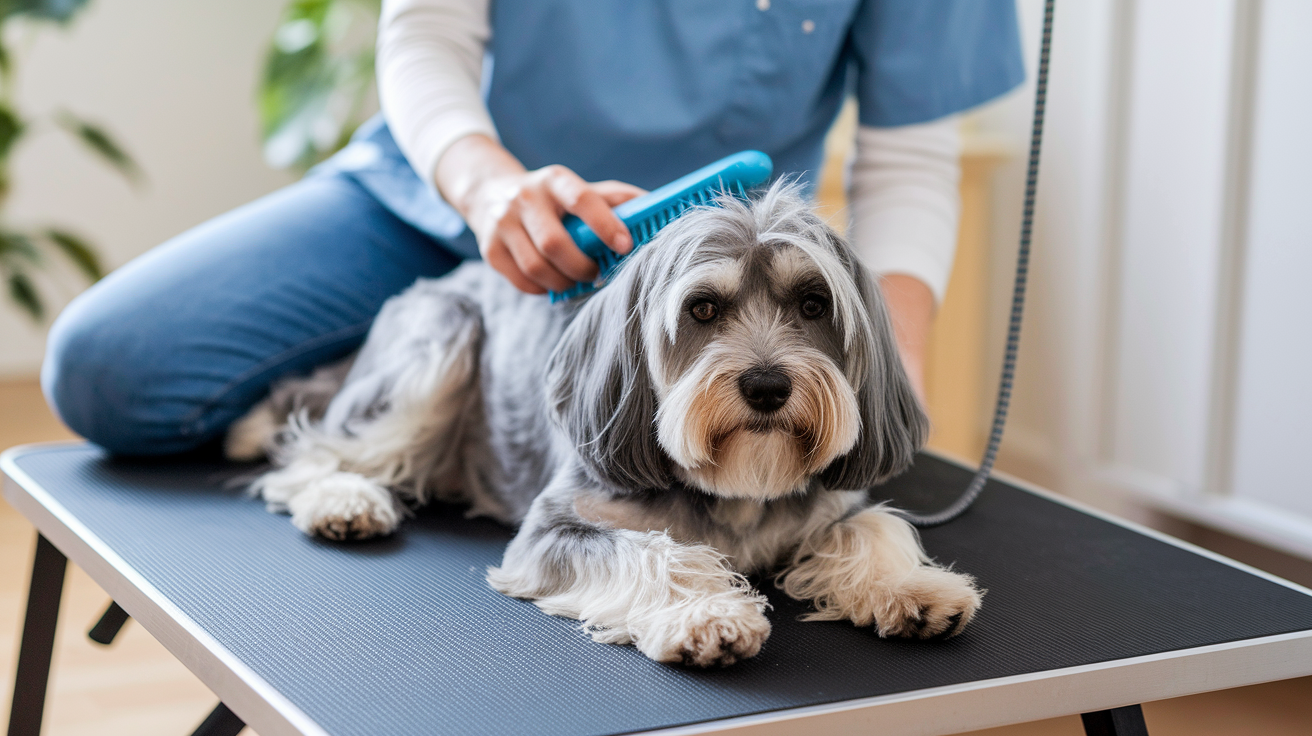
Arthritis, joint pain, reduced stamina. Your senior may struggle to stand still on a grooming table or in a bathtub. Use a nonslip mat wherever you groom, whether it’s the bathroom floor, a low grooming table, or the backyard. Let your dog sit or lie down during brushing sessions. Some owners groom their dogs while the dog rests on a favorite bed or cushion. Reduces physical strain, keeps the experience calm.
Elevated grooming surfaces help owners avoid bending and reaching, but only use them if your dog can safely climb up or be lifted without pain. For large or heavy seniors, floor level grooming is often the safest choice. Take frequent breaks, every few minutes. Offer pea sized treats to reinforce calm behavior. Combine brushing with gentle massage, slow strokes along the back, neck, shoulders. This helps your dog relax and makes grooming feel less like a task and more like quality time together.
Creating a Low Stress Grooming Environment
Pick a quiet time of day when the house is calm and your dog is rested. Avoid grooming right after meals or during high activity periods when your senior might already feel tired or overstimulated. If your dog is deaf or has vision loss, approach slowly from the front or side, never from behind. Let her see or smell your hand before you begin. Use a consistent, gentle touch so she knows what to expect.
Reward every small success. If your dog lets you brush one leg without pulling away, offer a treat and take a break. If she tolerates a quick rinse without stress, end the session on that positive note rather than pushing for more. Over time, short, calm sessions build trust and reduce anxiety. Makes future grooming easier for both of you.
Trimming and Coat Maintenance Around Sensitive Areas
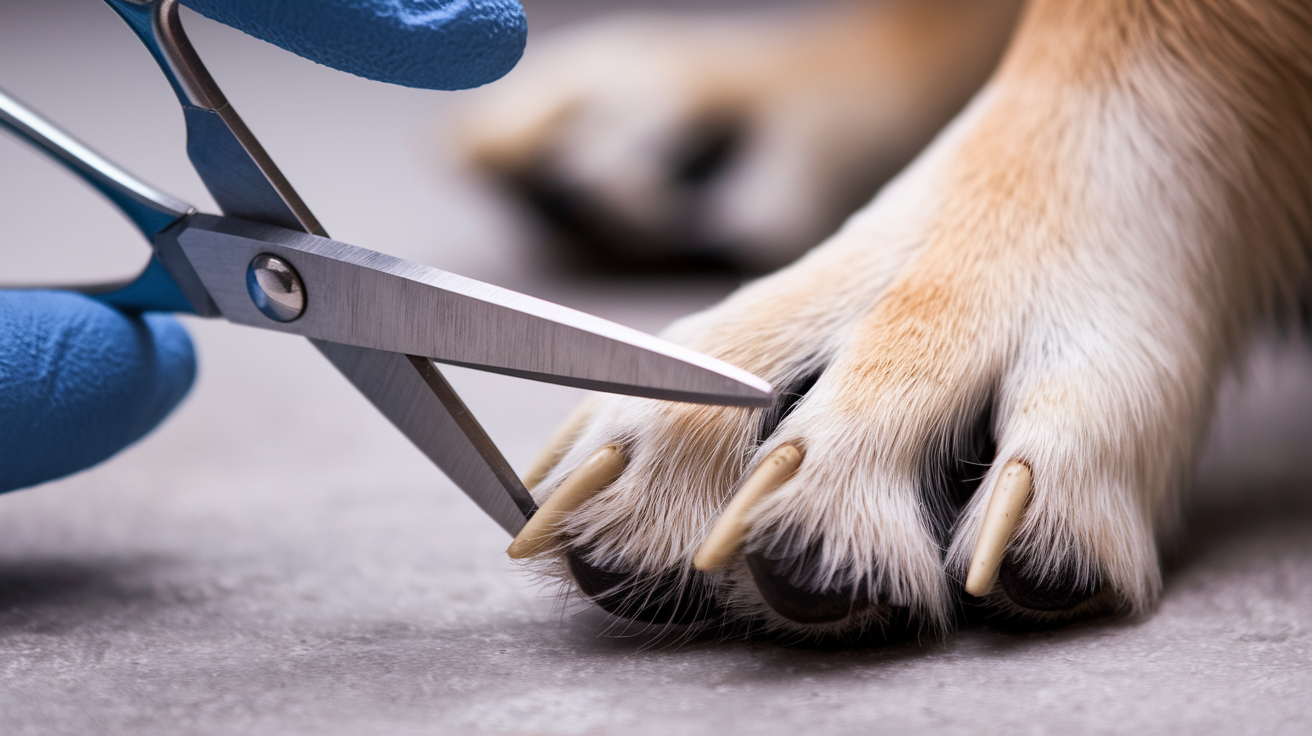
Trimming hair around the eyes, ears, paws, and rear end keeps your senior dog comfortable and reduces hygiene problems. Long haired breeds like Lhasa Apsos and Yorkshire Terriers grow bangs that can obstruct vision, a real problem for older dogs who may already have cataracts or reduced sight. Use blunt tipped scissors to carefully trim the hair above the eyes. Work slowly. Never cut when your dog moves her head.
Trim excess hair growing between the paw pads on the bottom and sides of each foot. This hair collects mud, ice, debris. When it gets too long it reduces traction on hard floors, increasing the risk of slips and falls. Hold the paw gently, spread the toes, snip the hair level with the pads. Work in good light and take your time.
Sanitary trimming around the rear and belly helps older dogs who are less flexible and can no longer groom themselves effectively. Use clippers or blunt tipped scissors to remove hair that may collect urine or feces, keeping the area clean and reducing the chance of irritation or infection. Always work with the blade or scissor tip pointing away from the skin. Avoid pulling or lifting the skin taut while you cut.
Safe trimming techniques for seniors:
- Use only blunt tipped or rounded tip grooming scissors near the eyes, ears, and paws
- Never pull mats tight before cutting, this lifts fragile skin
- Trim hair between paw pads to improve traction and prevent debris buildup
- Avoid shaving double coated breeds like Collies and Samoyeds unless severe matting makes brushing painful, and even then leave a few inches of coat to protect the skin from sunburn
Breed Specific Senior Coat Considerations

Long haired breeds require more frequent brushing and professional grooming as they age. Breeds like Shih Tzus, Maltese, Cocker Spaniels mat easily, especially in areas where the coat rubs. Behind the ears, under the legs, around the collar. Plan to brush these dogs at least three times per week, more often during seasonal shedding. Regular professional grooming every six to twelve weeks helps prevent overwhelming mat buildup and keeps the coat at a manageable length.
Short haired breeds like Beagles and Boxers shed year round but rarely mat. Focus grooming on skin health rather than coat length. Use a rubber curry brush to remove loose hair and stimulate circulation. Check for lumps, ticks, or dry patches during each session. Double coated breeds like German Shepherds, Collies, Samoyeds should never be shaved short. Their undercoat provides insulation in both heat and cold. Shaving disrupts this natural system. If heavy matting occurs, work with a groomer trained in de matting techniques, or clip only the matted sections while leaving the rest of the coat intact.
| Coat Type | Senior Care Focus |
|---|---|
| Long haired (Lhasa Apso, Shih Tzu) | Brush 3+ times per week; trim face and paws; schedule regular professional grooming |
| Short haired (Beagle, Boxer) | Weekly rubber brush sessions; focus on skin checks and shedding control |
| Double coated (Collie, Samoyed) | Never shave; use de shedding tools; leave coat length intact to protect skin |
Monitoring Your Senior Dog’s Coat Month by Month
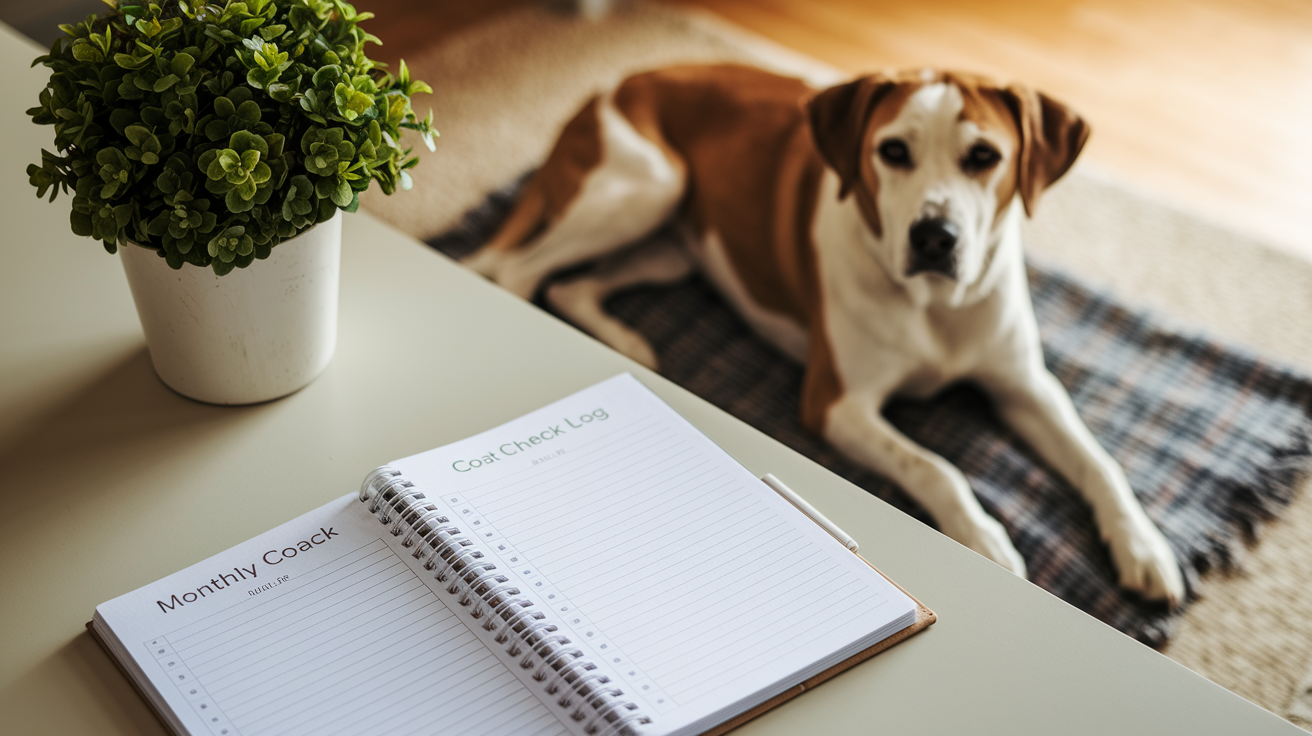
Regular monthly checks help you catch problems early, when they’re easiest to treat. Set a reminder on your phone for the same day each month, maybe the first Saturday. Spend ten minutes doing a full body coat and skin inspection. Run your hands slowly over your dog’s entire body, feeling for new lumps, bumps, sore spots. Pay particular attention to the belly, neck, behind the ears, under the tail, between the paw pads. Areas where problems often hide.
Track what you find in a simple notebook or phone note. Write down the date, any new lumps and their size, changes in coat texture, bald spots, redness, ear odor. Over time, this record helps you see patterns. Maybe the coat gets drier every winter. Or a small lump is growing. Gives your vet useful information during checkups.
Monthly coat monitoring checklist:
- Feel the entire body for lumps, bumps, or sore spots.
- Look at the coat for bald patches, redness, or flaky skin.
- Check behind the ears, under the tail, between the toes for mats, debris, or foxtails.
- Inspect the ears for green, yellow, or brown discharge and any strong or unusual odor.
- Note any new scratching, licking, or biting behavior focused on one area.
- Write down your findings and compare them to last month’s notes to spot changes early.
Final Words
Start by checking your dog for thinning, mats, lumps, or sore spots, especially the belly, behind the ears, under the tail, and paw pads. Short, gentle sessions on a nonslip surface and a calm routine help most seniors stay comfy right away.
Use soft brushes, gentle shampoos, and diet or supplements to improve shine over weeks. If you see open sores, heavy hair loss, painful lumps, or odd ear discharge, call your vet promptly.
senior dog coat care gets easier with small daily checks and steady steps. You’re doing the right thing.
FAQ
Q: What is the 3-3-3 rule for dogs?
A: The 3-3-3 rule for dogs means 3 days to decompress, 3 weeks to settle into routine and bond, and about 3 months for full confidence and house-training to solidify in a new home.
Q: What not to do with a senior dog?
A: With a senior dog, avoid high-impact exercise, sudden diet or medication changes, forceful grooming, long standing on slippery floors, and ignoring limps or pain; call your vet if you notice worrying signs.
Q: What is the 7 7 7 rule for dogs?
A: The 7 7 7 rule for dogs is a simple training guideline: short, frequent work, such as 7-minute sessions with about 7 repetitions per cue, repeated across several daily mini-sessions to reduce stress.
Q: What is “I love you” in dog language?
A: The “I love you” in dog language is shown by soft eye contact, a relaxed body, leaning or nudging, gentle tail wags, and offering the belly, all signs of trust and closeness.