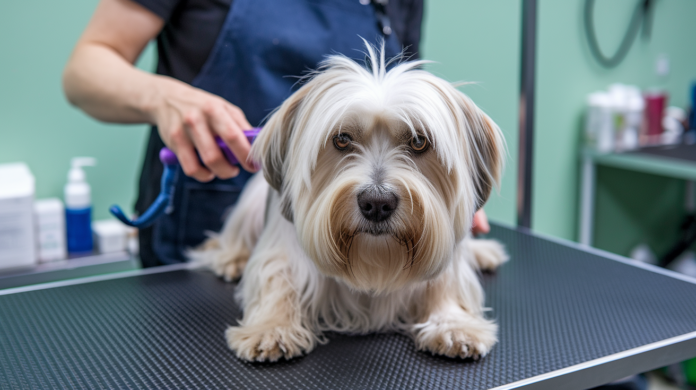

Skip the ‘just tough it out’ approach.
Forcing a brush on a scared dog usually makes things worse.
If your dog freezes, tucks their tail, pants, or bolts at the sight of the brush, they’re telling you they’re scared.
This post gives simple, gentle steps you can try today to make brushing a calm, short routine.
You’ll learn how to spot stress signals, pick the right tool, use treats and slow exposure, and stop before your dog gets upset.
Small, consistent wins are the goal, not long sessions that teach fear.
Immediate Techniques for Brushing an Anxious Dog Calmly
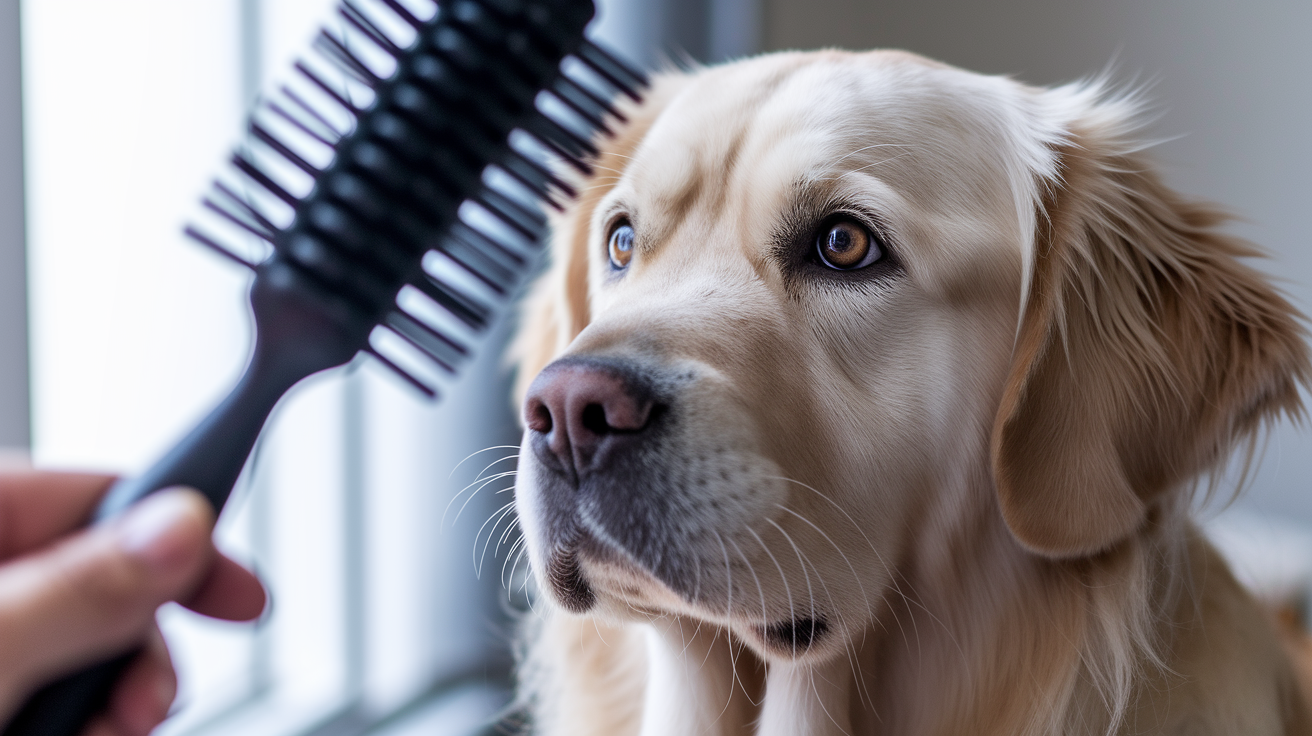
Some dogs panic when they see a brush. Could be past experiences, pain from mats, or they’ve just never been groomed before. If your dog cowers, whines, shakes, tucks their tail, or bolts when you grab the brush, they’re scared. Catch these signals early so you don’t push them over the edge and make things worse.
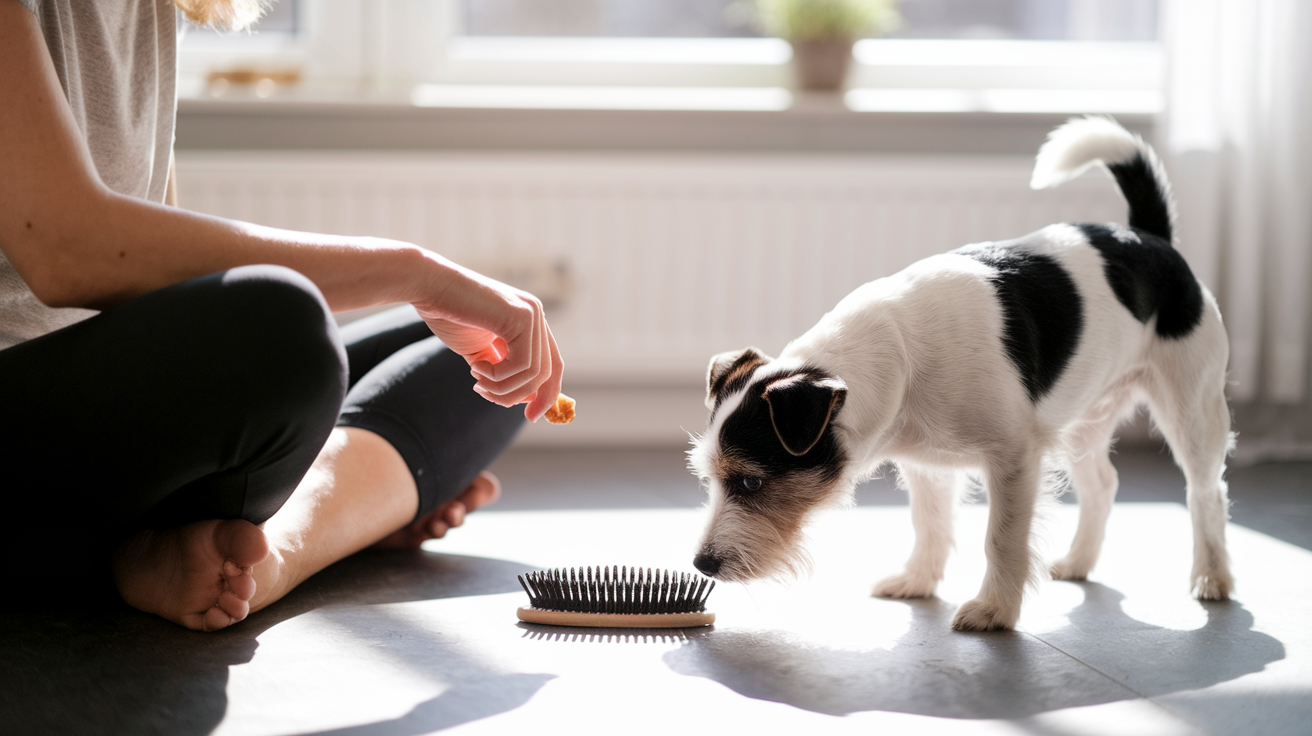
Start by letting your dog sniff the brush while you hold it still. Toss a few good treats on the floor near the brush and let them decide whether to come close. If they approach without freaking out, praise softly and offer another treat. Don’t reach for them. Don’t start brushing. You’re just making the brush less terrifying right now. Keep your voice low, movements slow. Have treats in your pocket or a small bowl nearby so you can reward every calm second.
Short sessions matter more than you think. Go for 5 to 10 minutes max, and quit sooner if your dog starts showing stress. If they stiffen, pant hard, or try to move away, take a break. You can always try tomorrow. Pushing through anxiety teaches your dog that brushing is something to escape.
- Place the brush on the floor and let your dog sniff it without any pressure.
- Reward your dog with a treat when they stay calm near the brush.
- Touch the brush gently to your dog’s shoulder or back for one second, then treat right away.
- Watch for tension, whale eye (whites of their eyes showing), or lip licking.
- Give one or two soft strokes if your dog stays relaxed, then stop and reward again.
- End before your dog tries to leave or shows frustration.
Pre-Brushing Preparation to Reduce Grooming Anxiety

Long before you pick up the brush, you can change how your dog feels about grooming. Play soft classical music during the day, not just at grooming time, so your dog doesn’t link the music to stress. A light lavender scent on a bandana near the grooming area can help some dogs settle. Keep the room quiet. Turn off the TV. Ask family members to stay calm and quiet nearby. Familiar spaces work better than new ones. If your dog usually relaxes in the living room, groom there instead of dragging them to the bathroom.
Set up a non-slip surface before you start. A yoga mat, rubber-backed bath mat, or folded towel gives your dog stable footing and cuts down the fear of slipping. Place the mat in the same spot each time so they learn what to expect. Keep the brush, treats, and any grooming tools within arm’s reach so you’re not scrambling or making sudden movements. Dim overhead lights slightly if your dog’s sensitive to brightness. Predictability and comfort reduce the mental load. A calmer dog is easier to brush.
Brush Selection and Grooming Tools for Nervous Dogs
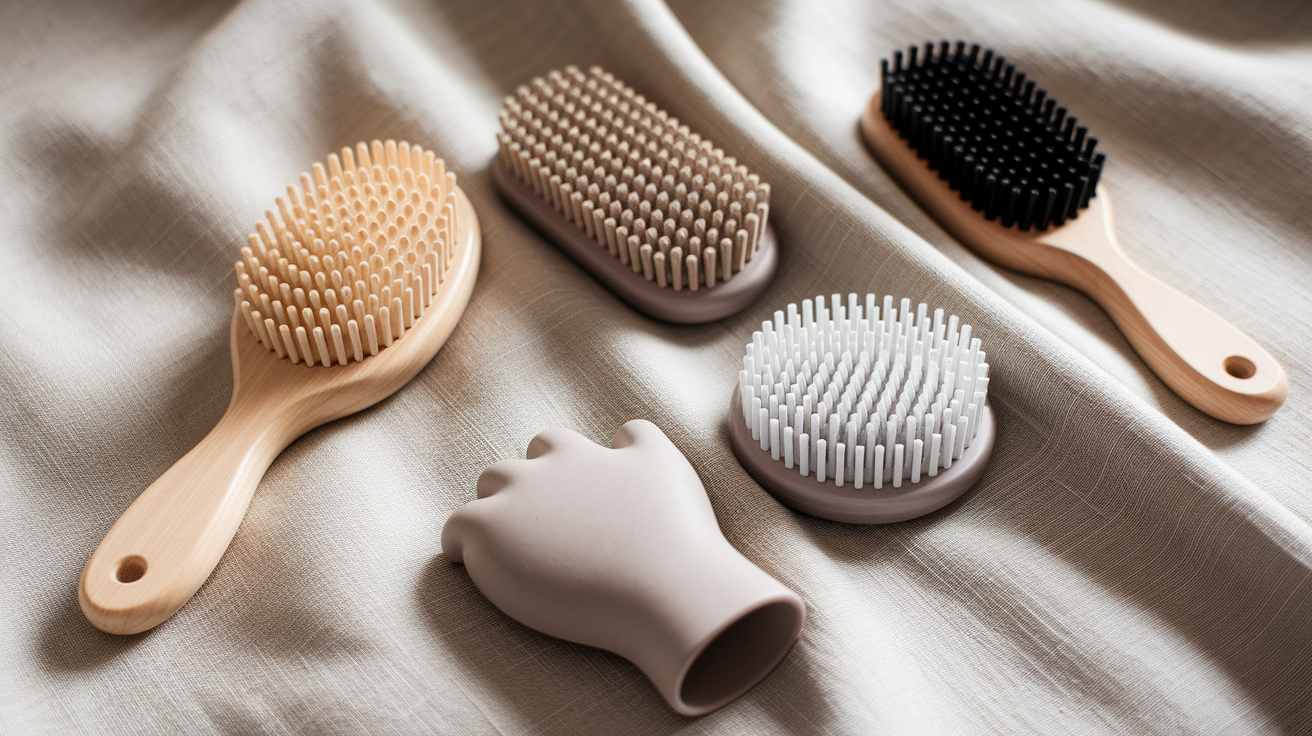
Not all brushes work the same, and the wrong tool can hurt or scare a nervous dog. A slicker brush works well for many coat types, but get one with flexible pins and rounded tips so you don’t scrape the skin. Pin brushes are gentler for dogs with longer, softer fur and help work through light tangles without pulling hard. For short-haired dogs or as a first step with anxious dogs, try a rubber grooming mitt. It feels more like petting and less like grooming, which can ease them into the process.
Brushes in poor condition are a safety risk. Check the bristles for sharp edges, broken tips, or bent pins that can snag or poke. Static electricity can also make brushing uncomfortable. Lightly mist your dog’s coat with plain water, use a pet-safe detangling spray, or wipe them down with a damp grooming wipe before you start. For dogs with thick or long coats, brushes with many closely spaced bristles spread the tension across more points and reduce the pulling sensation on any one spot.
| Brush Type | Best For | Benefit |
|---|---|---|
| Slicker brush | Most coat types, light mats | Removes loose fur gently when used with care |
| Pin brush | Long, soft coats | Less aggressive, good for sensitive dogs |
| Rubber grooming mitt | Short coats, nervous dogs | Feels like petting, low-threat introduction |
| Soft bristle brush | Short-haired or older dogs | Very gentle, good for final passes or desensitization |
Body Language and Stress Signals to Watch During Brushing
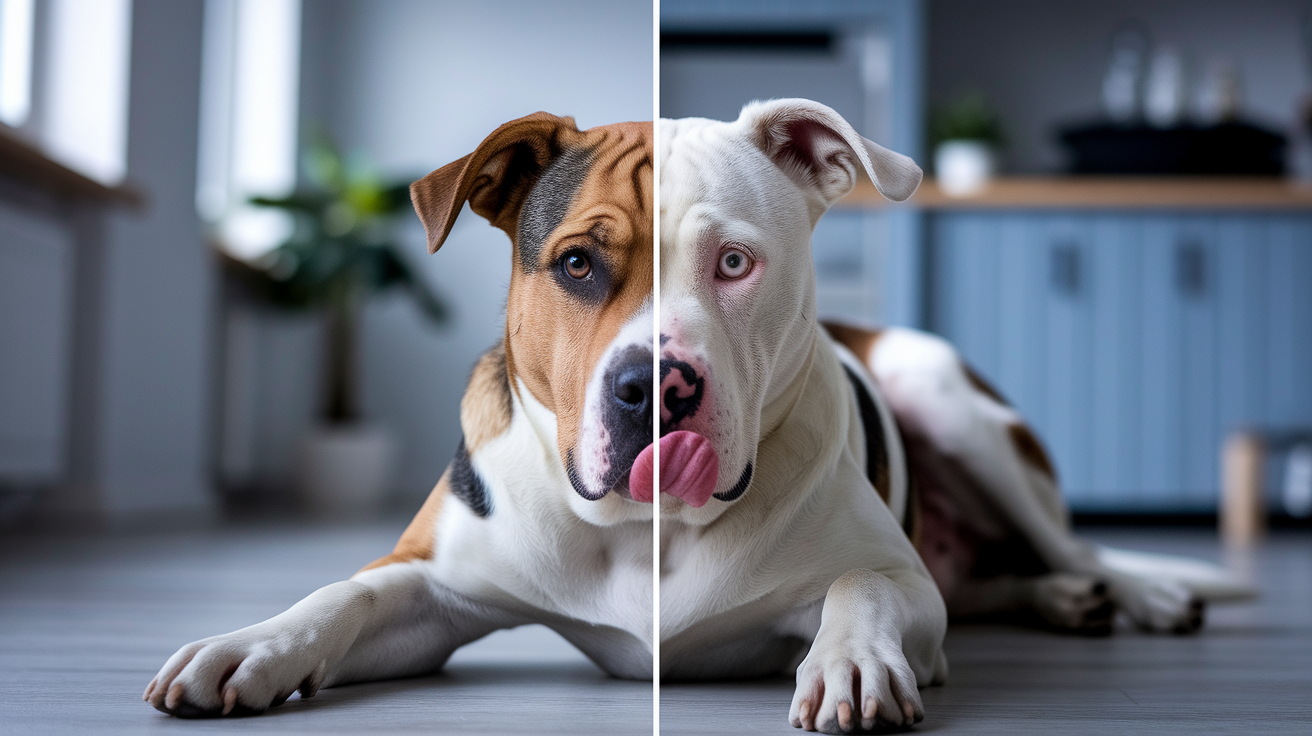
Subtle signs show up first. Your dog might freeze in place, turn their head away, lick their lips over and over, or yawn when they’re not tired. These are early warnings they’re uncomfortable. Catch them here and pause or slow down, and you can often stop things from getting worse. Some dogs will also shift their weight backward, lean away, or keep their ears pinned flat.
When stress builds, the signals get louder. Rapid shallow breathing, trembling, whining, or trying to back out of your hands all mean your dog’s past their comfort zone. If they start drooling more than usual, panting hard, or pulling toward the door, stop brushing. You’ve lost their trust for that session. Pushing forward will make the next attempt harder.
Snapping, growling, or biting are last-resort signals. If your dog shows teeth, stiffens their whole body, or makes direct hard eye contact while you’re brushing, stop right away and step back. Don’t scold them. Punishment reinforces the idea that grooming is a threat. Give them space, let them calm down, and try again another day with shorter exposure and better rewards. If snapping happens more than once, it’s time to call in a trainer or groomer who works with fearful dogs.
Desensitization and Counterconditioning for Brush Fear
Stepwise Tool Introduction
Let your dog see the brush without any expectation that grooming will happen. Leave the brush on the floor near their food bowl during meals for a few days. Don’t use it, just let it exist in a positive space. When your dog sniffs it or walks past it calmly, drop a treat nearby. Over time, pick up the brush and hold it in your hand while your dog eats or plays. Reward calm behavior. You’re trying to make the brush boring and safe.
Once your dog can stay relaxed with the brush in the room, bring it closer during petting or play. Touch it to your leg, then to their shoulder for one second while you’re scratching their favorite spot. Pair every brush-touch with a treat or gentle praise. If your dog tenses, you’ve moved too fast. Go back a step and spend more time there.
Touch Tolerance Building
Before you brush, build comfort with your hands. Gently run your fingers through your dog’s coat, massage their shoulders, and handle their paws and ears during calm moments like after a meal or nap. Give treats while you touch these areas. This teaches your dog that being handled is safe and often leads to good things.
Gradually add light pressure. Slide your hand down their back with a little more intention, lift their ear flap for a second, or hold a paw briefly. Always pair handling with something your dog enjoys. If they pull away or stiffen, lighten your touch and slow down. Rushed handling erodes trust faster than anything else.
Gradual Brushing Progression
Once your dog accepts the brush near their body, start with one stroke. Literally one. Brush gently along their back or shoulder, then stop and give a treat. If they stay calm, try two strokes the next time. Spread these micro-sessions across days, not hours. You’re building a new habit. Habits form through repetition, not intensity.
As your dog relaxes, slowly add more strokes, but keep sessions short. Five minutes of calm brushing beats thirty minutes of struggle. If your dog starts to fidget or whine, you’ve gone too long. End on a good moment, give a final treat, and put the brush away. Daily two-minute sessions build more progress than one long weekly fight.
Positive Reinforcement and Reward Strategies During Brushing

Timing matters with treats. The second your dog does something calm, like standing still while you brush, give the treat. Don’t wait until the end of the session. Immediate rewards teach your dog exactly which behavior you want. Use small, soft treats that your dog can eat quickly without losing focus. If your dog isn’t food motivated, try a favorite toy as the reward, but save it only for grooming time so it stays special.
Lick mats and stuffable toys like Kongs or Toppls are game changers. Smear a little peanut butter, plain yogurt, or blended wet food onto a lick mat and let your dog work on it while you brush. The licking keeps them busy and releases calming hormones. If you have a helper, they can hold the mat or Kong and move it slightly to keep your dog engaged. When your dog learns that grooming time means lick-mat time, the brush becomes less of a big deal.
- Give a treat every 5 to 10 seconds during the first few sessions to build a strong positive link.
- Use a calm, quiet voice to praise your dog. Avoid high-pitched or loud excitement that can overstimulate.
- Pair the helper’s role with treats so your dog focuses on them, not the brush.
- Fade treat frequency slowly as your dog gets more comfortable, but never drop praise entirely.
- If your dog loves toys more than food, toss a toy or play tug for 10 seconds after every calm minute of brushing.
Managing Mats and Sensitive Areas Without Causing Pain

Mats hurt. If your dog’s severely matted and you try to brush through it, you’ll pull on the skin and create real pain that confirms their fear. For heavy matting, consider a professional groomer or a vet visit where sedation can allow safe removal without trauma. Starting fresh with a clean, mat-free coat makes future brushing far easier.
For small tangles, work them out gently by hand before you use the brush. Hold the base of the mat close to the skin with one hand to support it, then use your fingers or a wide-toothed comb to tease apart the fur. A light spritz of detangling spray helps loosen knots without pulling. Move slowly around sensitive spots like ears, armpits, belly, and the base of the tail. These areas are more reactive. A single painful tug can set your progress back weeks.
- Lift the hair slightly away from the skin before brushing to reduce direct pulling.
- Support the skin with your free hand when working near bony areas or thin skin.
- Use detangling spray on stubborn knots and let it sit for 30 seconds before you work the area.
- If your dog snaps or tries to bite when you touch a specific spot, stop and note it, then avoid that area until you can desensitize separately or get professional help.
Safe Handling Techniques and Restraint Alternatives
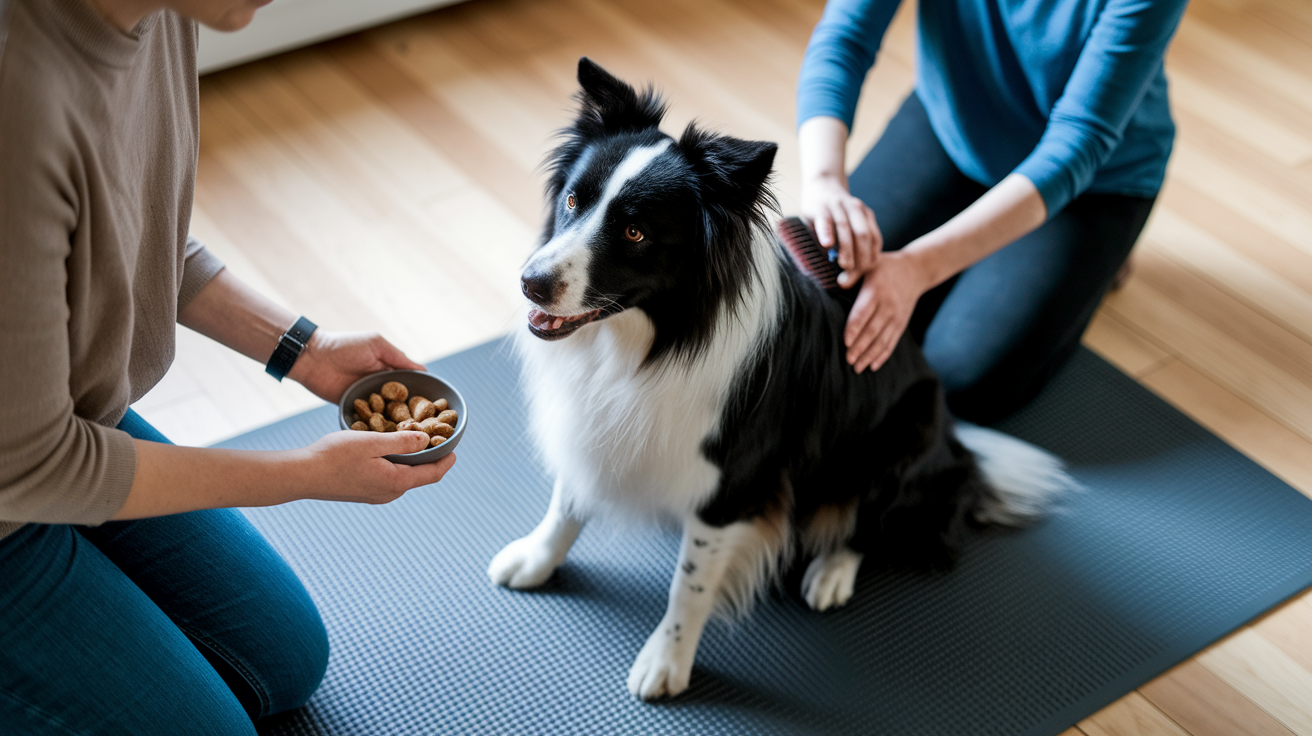
Forcing a dog to stay still while you groom them teaches them that grooming is something to fight against. Instead of pinning your dog down or holding them too tightly, set up the situation so they can choose to stay. Use a non-slip mat so they’re not sliding around. Let them sit, stand, or lie down, whichever feels safest. If they try to leave and you’re not in the middle of a dangerous task like trimming nails, let them go and try again in a few minutes.
A helper makes everything easier. One person can sit in front of the dog, feeding treats or holding a lick mat, while the other brushes. This splits the dog’s attention and speeds up desensitization. If you’re working alone, try brushing with one hand while you pet or scratch with the other. Some dogs stay calmer when grooming is blended with affection. A towel wrap can help anxious dogs feel secure, like a gentle hug, but never use it to forcibly restrain. If your dog panics in the towel, unwrap them right away.
Muzzle training is sometimes necessary for safety, especially if your dog’s snapped before. A basket muzzle allows panting and treat-taking while protecting your hands. Introduce the muzzle slowly over days or weeks using the same desensitization steps as the brush. Never use a muzzle as punishment or put it on right before a stressful task without prior conditioning. If the idea of a muzzle feels overwhelming, that’s a signal to get professional help before someone gets hurt.
Building a Consistent Brushing Routine for Long-Term Calm

Routine reduces fear because dogs learn what to expect. Pick a regular time and place for brushing and stick to it. For short-haired dogs, once or twice a week is usually enough. Long-haired or double-coated breeds may need brushing every other day or daily during shedding seasons, but you can still keep each session short. Consistency in timing and environment helps your dog relax faster than changing the setup every time.
Track your progress in a simple notebook or phone note. Write down how long each session lasted, what your dog did well, and where they struggled. After a few weeks, you’ll see patterns. Maybe your dog does better in the morning, or after a certain type of exercise, or when a specific person helps. Use that information to refine your approach. Celebrate small wins, like your dog standing still for 30 seconds longer than last week, or letting you brush near their tail without flinching.
| Week | Goal | Notes |
|---|---|---|
| 1–2 | Dog tolerates brush in the room, sniffs it calmly | Pair brush presence with meals and treats |
| 3–4 | Dog accepts 1–3 strokes without stress signals | Use high-value treats, stay under 5 minutes |
| 5–8 | Dog stays calm through a full short-coat brushing session | Gradually add time, watch for tension, stop early if needed |
When to Seek Professional or Veterinary Grooming Help

If your dog’s anxiety isn’t improving after several weeks of patient, structured work, or if they’re getting worse, it’s time to call in help. A professional groomer who specializes in fearful dogs can offer techniques and handling skills you may not have at home. A certified dog trainer or veterinary behaviorist can build a customized desensitization plan and teach you how to do it safely. Aggressive reactions, repeated snapping, or situations where you feel unsafe are clear signals you need support.
Sedation isn’t a failure. For dogs with severe matting or extreme fear that puts them or you at risk, a vet can provide sedation for grooming. This lets a groomer remove mats, trim overgrown fur, and give your dog a clean slate without causing pain or trauma. Once the coat’s manageable, you can start fresh with positive training and maintenance brushing. Your vet can also check for underlying pain, skin conditions, or other medical issues that might be making grooming unbearable. Sometimes what looks like anxiety is actually a physical problem that needs treatment first.
Final Words
Start by doing short, calm steps: let your dog sniff the brush, give high-value treats, and stop before they panic.
Prep the space, pick a gentle brush, watch for stress signals, and use desensitization and rewards. Use helper tricks for sensitive areas and call a pro if mats or aggression appear.
If that feels like a lot, try one 5-10 minute session today. Track small wins and build from there.
With patience and consistency you’ll get better at how to brush an anxious dog.
FAQ
Q: What is the 3-3-3 rule for dog anxiety?
A: The 3-3-3 rule for dog anxiety is a simple adjustment timeline: 3 days to decompress, 3 weeks to learn basic routine, and about 3 months to feel consistently secure in a new home.
Q: How do groomers handle anxious dogs?
A: Groomers handle anxious dogs by using calm introductions, short sessions, high-value treats, gentle handling, non-slip surfaces, towel wraps, trained muzzles when needed, and referring to vets or trainers for severe cases.
Q: How do you brush an unwilling dog?
A: To brush an unwilling dog, let them sniff the brush, use tiny gentle strokes, reward calm with treats, keep sessions to 5–10 minutes, and stop at the first signs of stress.
Q: How to settle down an anxious dog?
A: To settle down an anxious dog, offer a quiet predictable space, use a calm voice and short routines, provide chew toys or a lick mat, try a towel wrap for gentle pressure, and consult a vet if anxiety persists.