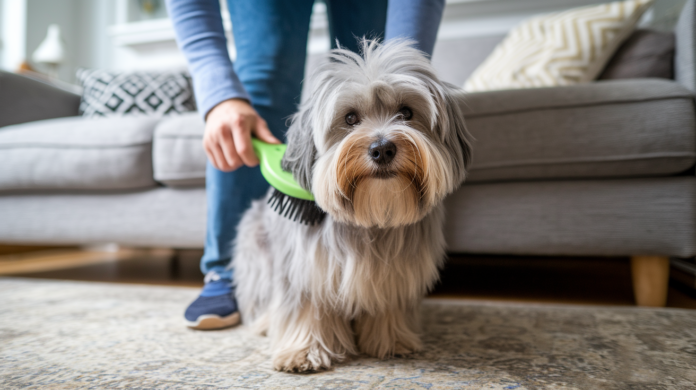

Thinking shaving your Husky or German Shepherd will stop the shedding?
It won’t and it can damage the coat, cause sunburn, and leave patchy, slow regrowth.
Proper undercoat removal targets that dense, fluffy layer under the topcoat, pulling dead fur without hurting guard hairs so your dog stays cool, comfy, and mat-free.
This post gives a simple step-by-step routine, the best tools for each coat type, quick bath and dry tips, and when to stop and call a groomer or vet.
Effective Deshedding Methods for Fast Undercoat Removal
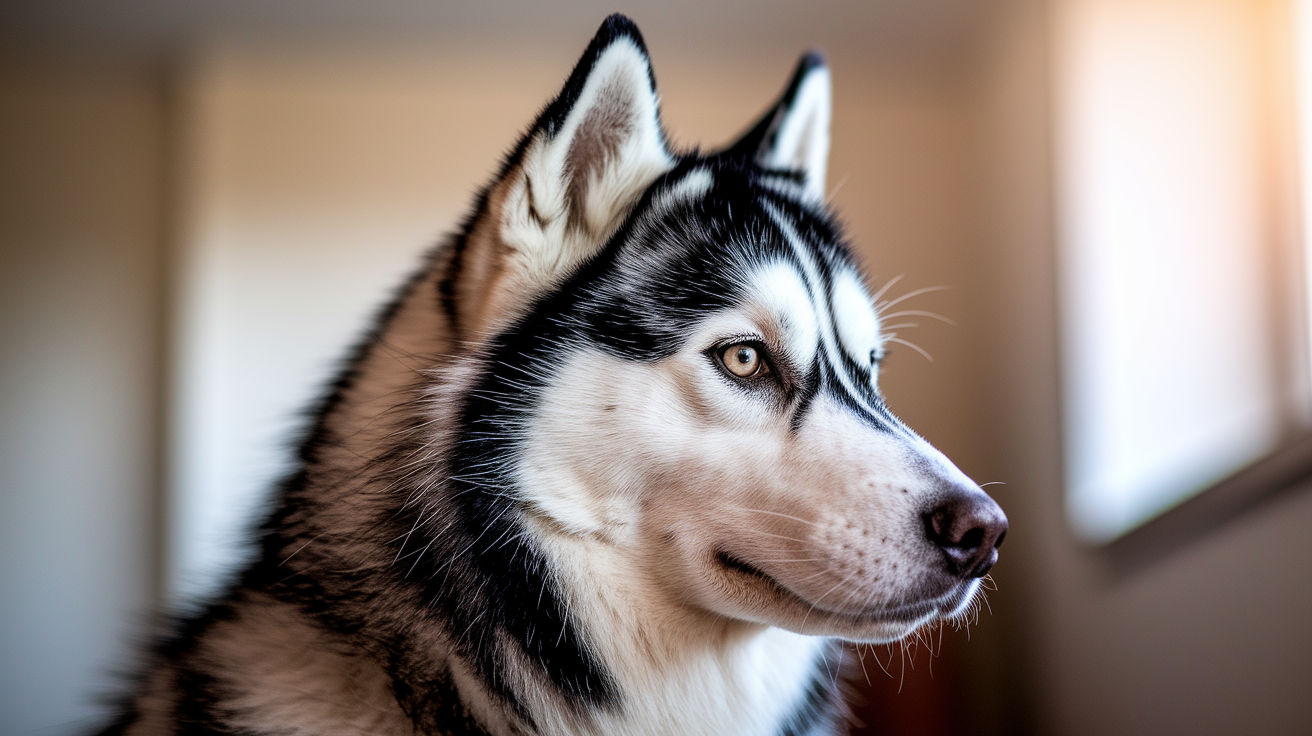
Undercoat removal goes after that dense, fluffy layer of fur tucked under the topcoat. Double-coated dogs shed it naturally, but not always completely. When it stays trapped, it compacts against the skin, holds moisture, and turns into mats. Those mats create hot spots and irritated patches. Regular deshedding keeps the coat breathable and cuts way down on the fur tornadoes drifting across your floors.
Double-coated breeds like Huskies, German Shepherds, and Golden Retrievers should never be shaved. Shaving wrecks the coat’s protective structure, leaves skin vulnerable to sunburn, and usually results in patchy regrowth that doesn’t come back right. Instead, you want proper brushing tools and the right technique to pull out dead undercoat while keeping the healthy topcoat intact.
Using tools in the right order, working in short strokes, and brushing with the direction of hair growth makes a huge difference. You’ll remove more loose fur in less time, reduce breakage, and keep grooming sessions calmer for both of you.
Step-by-step DIY undercoat removal routine:
- Check for mats and use a de-matting rake to gently work through any tangles before you start deshedding.
- Work head to tail with an undercoat rake or shedding blade, using strokes no longer than 6 inches.
- Brush in the direction of coat growth, stopping about 2 inches from the ends when using a pin or V-brush to avoid breakage.
- Clean your brush every few passes so it keeps grabbing loose fur instead of redistributing it.
- If bathing, use lukewarm water, rinse shampoo completely, and let the coat dry fully before the final brush-through.
- Finish with a boar bristle brush to smooth the topcoat and distribute natural oils for shine and protection.
Tools for Removing the Undercoat in Dogs
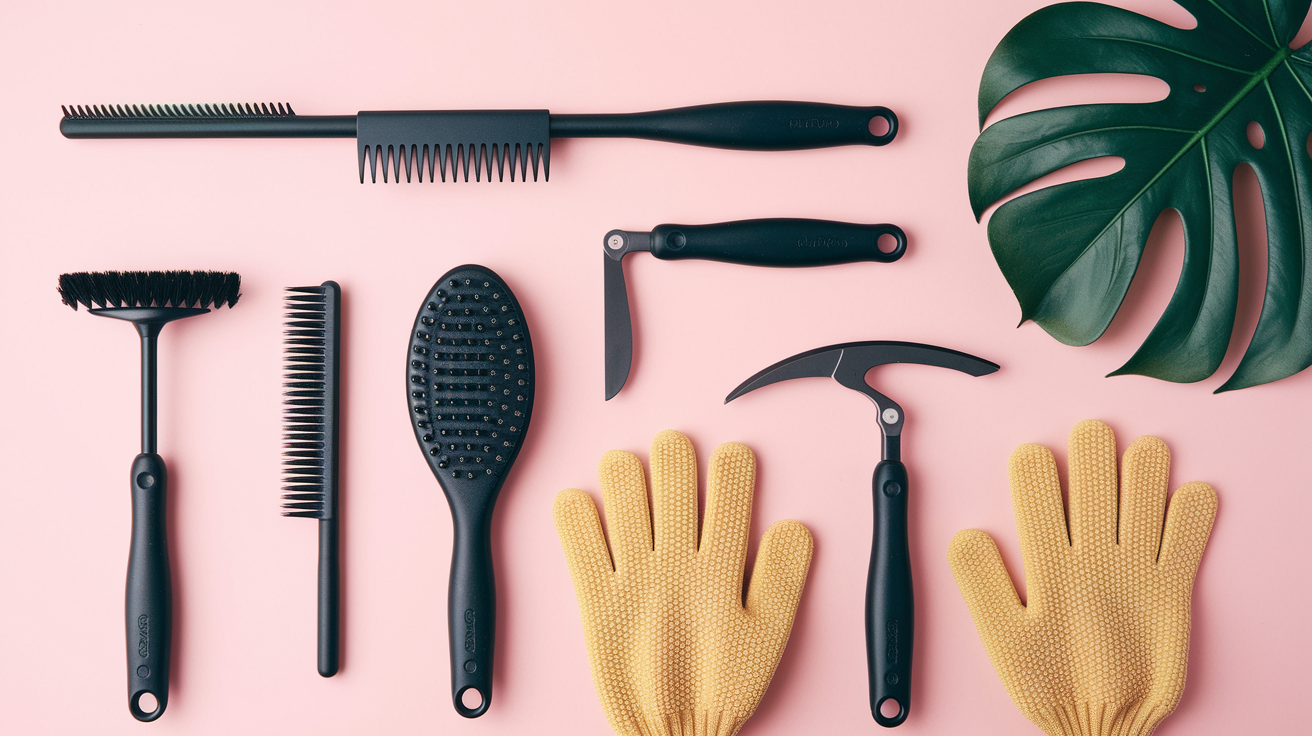
Each deshedding tool does a specific job. Knowing which one to grab saves time and makes grooming easier on your dog. Undercoat rakes have long, widely spaced teeth that reach down through the topcoat to grab compacted undercoat without damaging guard hairs. De-matting rakes tackle stubborn clumps and small mats before you move on to finer tools. Slicker brushes work on surface tangles and finishing, while pin brushes are gentler for sensitive areas and lighter deshedding.
Shedding blades look like flexible metal loops with tiny teeth. They start cutting only when they hit dense mats, so you need to use them slowly and avoid pressing them into skin. Grooming gloves feel less scary to nervous dogs and work well for light, surface shedding, but they won’t pull out deep undercoat the way a rake or blade will. Boar bristle brushes don’t remove undercoat at all. They’re purely for smoothing and shine after the heavy work is done.
| Tool Type | Best Use | Coat Types Suited For |
|---|---|---|
| Undercoat rake | Removing compacted undercoat, reaching deep layers | Thick double coats (Huskies, Malamutes, Shepherds) |
| De-matting rake | Breaking up mats and tangles before deshedding | All double coats, especially long or tangled fur |
| Slicker brush | Surface tangles, finishing, light deshedding | Medium to long coats, sensitive areas |
| Shedding blade | Stubborn mats, pulling dense clumps when used carefully | Heavy shedders with tough undercoat buildup |
| Grooming gloves | Light surface shedding, desensitizing anxious dogs | Short to medium coats, dogs new to grooming |
Undercoat Removal Technique and Brushing Methods
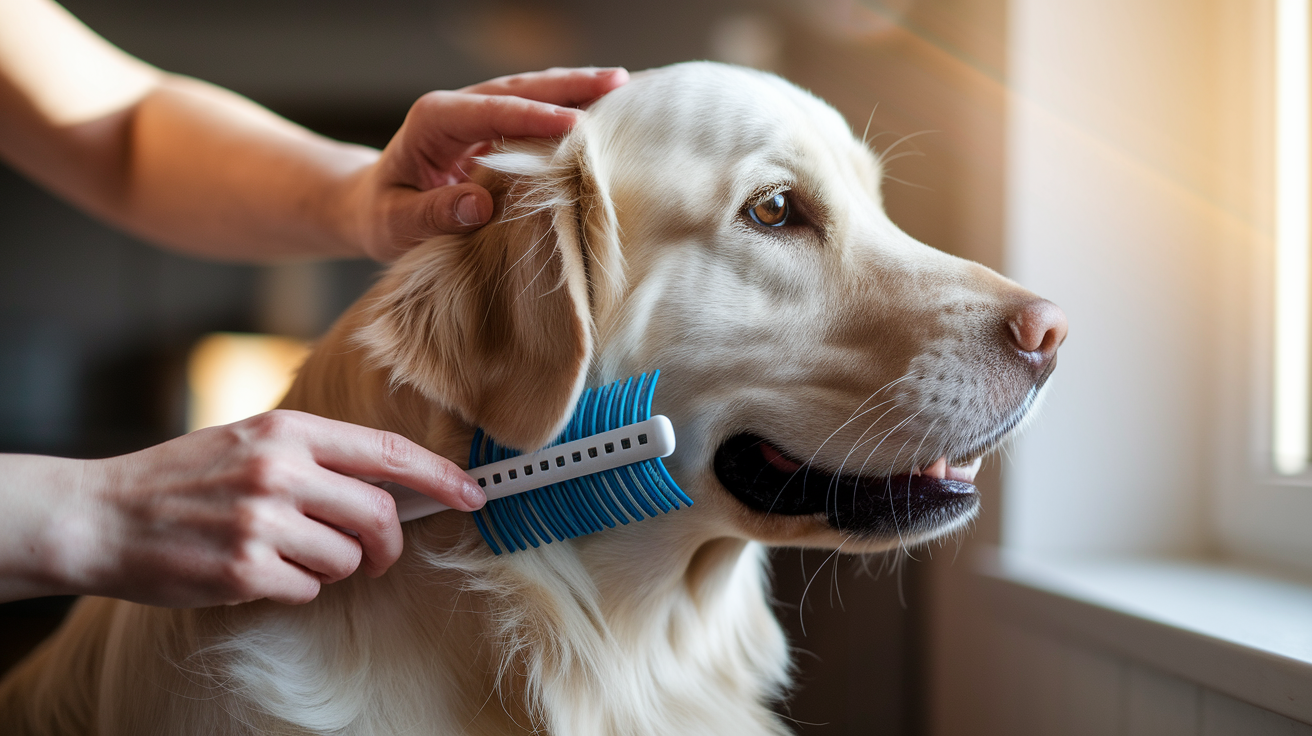
Brush in the direction your dog’s coat grows. Never against it. Short strokes, 6 inches or less, give you better control and reduce the chance of yanking on mats or pulling guard hairs. Long, sweeping strokes look good but often skim over compacted undercoat and break topcoat instead of lifting loose fur. Work section by section, from head to tail, and clean your brush every few passes so it keeps grabbing fur instead of just pushing it around.
Always de-mat first. If you try to rake out undercoat when mats are still there, you’ll pull skin, hurt your dog, and make future grooming sessions harder because they’ll remember the discomfort. Use a de-matting rake or a pin brush to gently tease apart tangles, then switch to your undercoat rake or shedding blade. When using a pin or V-brush, stop about 2 inches from the coat ends to avoid snapping fine hair tips. Undercoat removal happens closer to the skin, not at the surface.
Sequence matters. Start with the de-matting rake, move to the undercoat rake for the bulk of loose fur, then use a slicker or pin brush for lighter touch-ups, and finish with a boar bristle brush to smooth everything and bring out shine. If your brush starts coming out clean after a few passes, you’re done with that section. Move on. Overgrooming the same spot irritates skin and doesn’t pull more fur. It just stresses your dog.
Breed-Specific Undercoat Care and Heavy Shedders
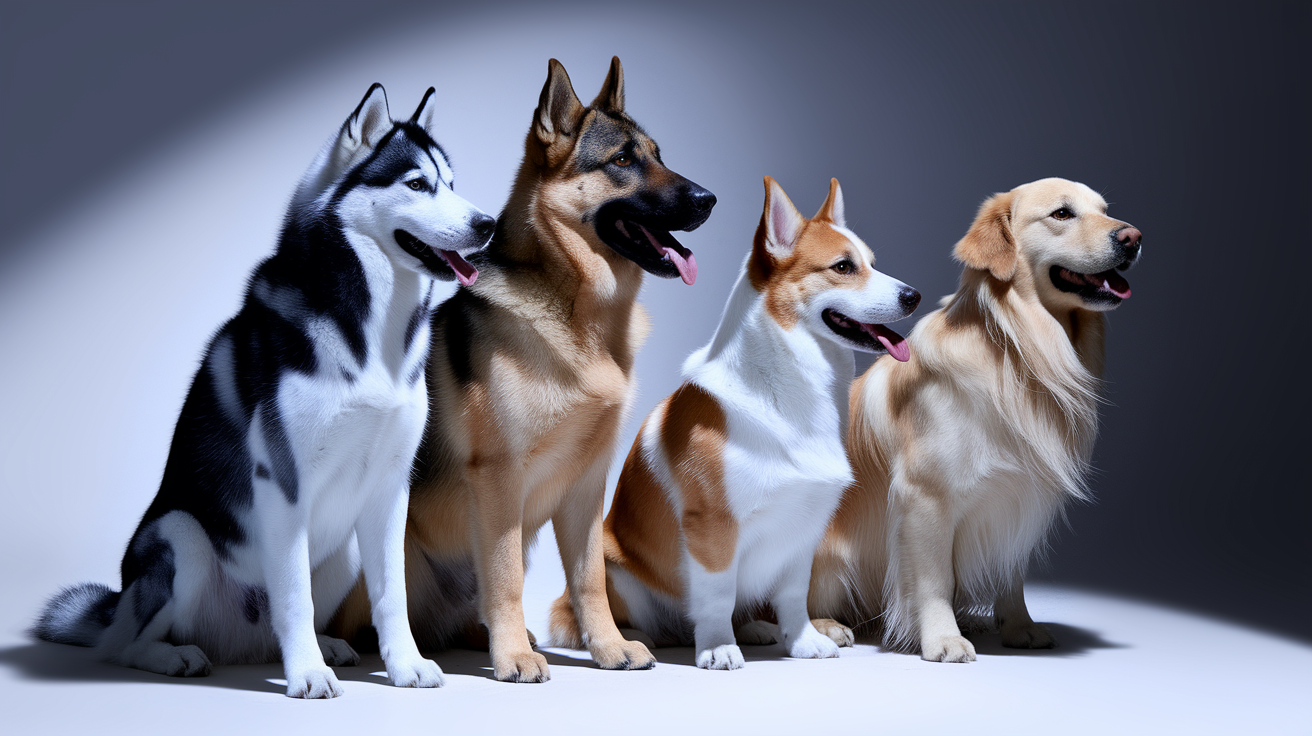
Double-coated breeds shed their undercoat in cycles, usually twice a year in spring and fall. This phase is called “blowing coat.” During those weeks, daily brushing helps. The rest of the year, weekly sessions keep things under control. Huskies and Malamutes have extremely dense undercoats built for Arctic cold, so their blowouts produce grocery bags full of loose fur. German Shepherds shed year-round but ramp up heavily in spring. Golden Retrievers and Labs have softer, wavier undercoats that mat more easily when wet. Corgis are compact but shed like much larger dogs. Their short legs don’t mean less fur.
Some breeds shed automatically. Loose undercoat falls out on its own with light brushing. Others, especially those bred for hand-stripping like terriers, need manual removal because the undercoat doesn’t release cleanly. Mixed breeds often combine traits. A Husky-Shepherd mix might blow coat like a purebred, while a Poodle mix may shed very little. Coat length also varies. One owner mentioned a 9-year-old mixed dog with about 5 inches of hair, asking whether trimming down to roughly 1 inch was safe. Trimming length for comfort is fine. Shaving down to skin is not.
Five signs your dog’s breed requires more frequent undercoat removal:
- Large clumps of fur appear on furniture or floors daily, even with weekly brushing.
- The coat feels thick and spongy instead of smooth when you press your hand into it.
- Wet fur takes much longer to dry than it used to, a sign of trapped undercoat holding moisture.
- You notice a stronger dog smell or skin irritation, both linked to poor air circulation under compacted fur.
- Your dog scratches or chews at their coat more than usual, especially after being outside in heat or rain.
Bathing, Drying, and Wet/Dry Deshedding for Undercoat Removal
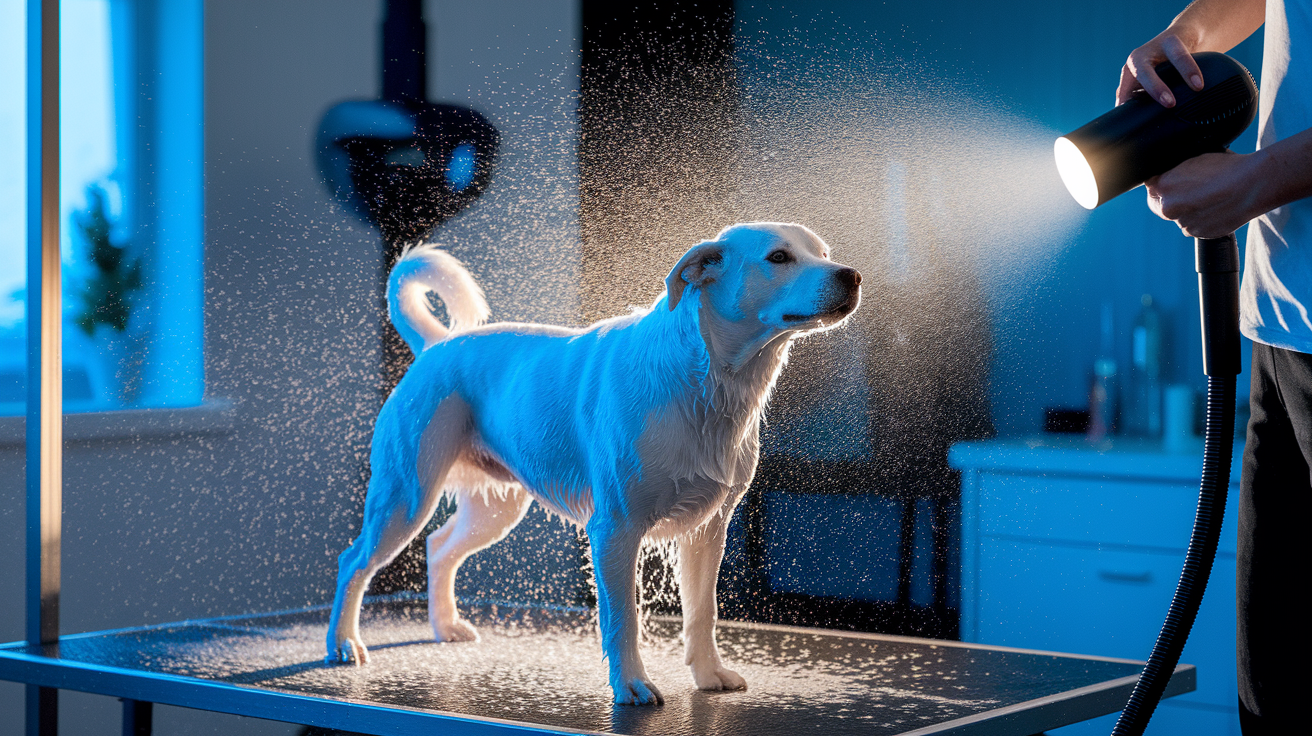
Bathing loosens dead undercoat and makes it easier to remove, but only if you dry the coat completely before you brush. Wet fur stretches and breaks, so brushing a damp dog pulls and snaps guard hairs instead of lifting undercoat cleanly. Use lukewarm water, not hot. Hot water dries skin and can worsen shedding. Tuck a cotton ball gently into each ear to keep water out. Wet the coat all the way down to the skin, work shampoo through thoroughly, then rinse until the water runs completely clear. Leftover shampoo residue causes itching, flaking, and even allergic reactions that make your dog miserable.
Towel-dry first to soak up surface water, then let your dog air-dry in a warm room or use a dog blower if you have one. Dog blowers push air at lower heat and higher velocity than human hair dryers, and the force of the air helps lift loose undercoat as it dries. Once the coat is fully dry, go through your normal deshedding routine. You’ll pull out way more fur after a bath than you will on a dry, un-bathed coat.
Bathing and deshedding steps:
- Brush out mats before the bath. Water makes mats tighter and harder to remove.
- Wet thoroughly, shampoo, and rinse until no suds remain.
- Towel-dry, squeezing gently, not rubbing hard.
- Air-dry completely or blow-dry on low heat with a dog blower, brushing lightly as you dry to start lifting undercoat.
- Once fully dry, repeat your undercoat removal routine with rake, slicker, and finishing brush.
Safety and Skin Protection During Dog Undercoat Removal
Shaving a double-coated dog might seem like a shortcut, but it causes long-term problems. The undercoat grows back faster than the guard hairs, creating a thick, woolly mess that mats worse than before. The topcoat may grow in patchy or never fully return. Without that insulating layer, your dog’s skin is exposed to sunburn in summer and has no protection from cold in winter. The coat also loses its ability to regulate temperature, which is the whole reason double coats exist in the first place.
Shedding blades and undercoat rakes have sharp edges. Never press them hard against skin. Stretch the skin gently with your free hand as you work, and use a light touch. Let the tool do the work. If you feel resistance, stop and check for a mat. Yanking through a tangle tears skin and fur. For severe mats, clip them out carefully with blunt-tip scissors or take your dog to a groomer. If your dog’s skin looks red, feels warm, or shows tiny scratches after grooming, you’re pressing too hard or brushing the same area too many times.
Stop immediately if your dog shows signs of stress, panting heavily, trying to escape, or snapping. Grooming should never be a fight. Break it into shorter sessions, use treats, and let your dog take breaks. If the behavior doesn’t improve or you see raw, irritated skin, schedule a vet check to rule out skin conditions that make brushing painful.
Home vs Professional Undercoat Removal for Dogs
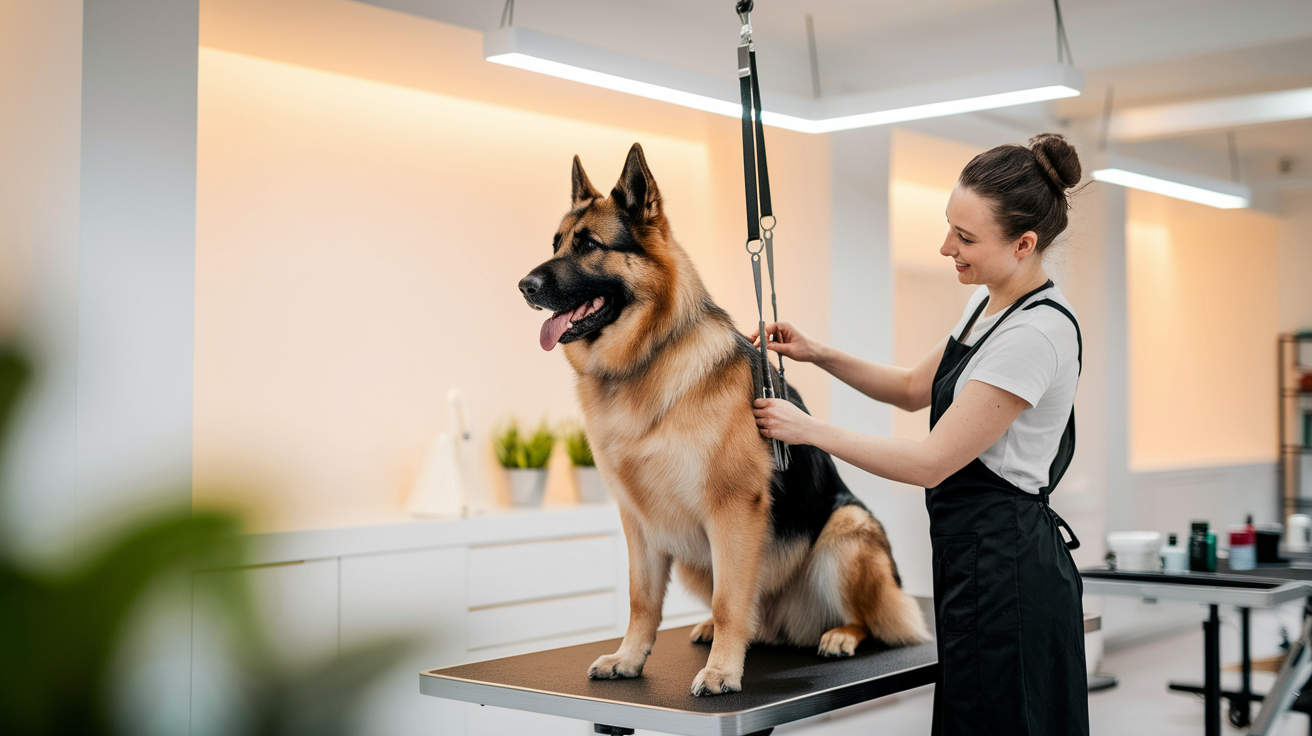
Most double-coated dogs can be deshedded at home once you have the right tools and a little practice. A full grooming session typically takes about an hour, less if you’re working on a smaller dog or doing maintenance between blowouts, more if the coat is heavily matted or hasn’t been brushed in months. The upfront cost for a quality undercoat rake, slicker brush, and shampoo runs somewhere between $40 and $80, and those tools last for years. After that, home grooming is free except for occasional shampoo refills.
Professional grooming appointments for deshedding usually cost between $50 and $100 depending on your dog’s size, coat condition, and location. Many groomers recommend monthly or seasonal visits, which adds up quickly if you’re paying year-round. That said, professionals have stronger blowers, more experience with stubborn mats, and the ability to safely trim around sensitive areas like paws, ears, and sanitary zones. They also spot skin issues you might miss, like hot spots, ticks, or early signs of dermatitis.
When professional grooming is recommended:
- Your dog has severe mats that you can’t safely remove at home.
- You’re seeing skin redness, sores, or signs of infection under the coat.
- Your dog becomes aggressive or extremely anxious during home grooming, making it unsafe.
- You’re not confident using clippers or scissors for length trims and want a professional cut for summer comfort.
Seasonal Timing, Shedding Cycles, and Grooming Frequency
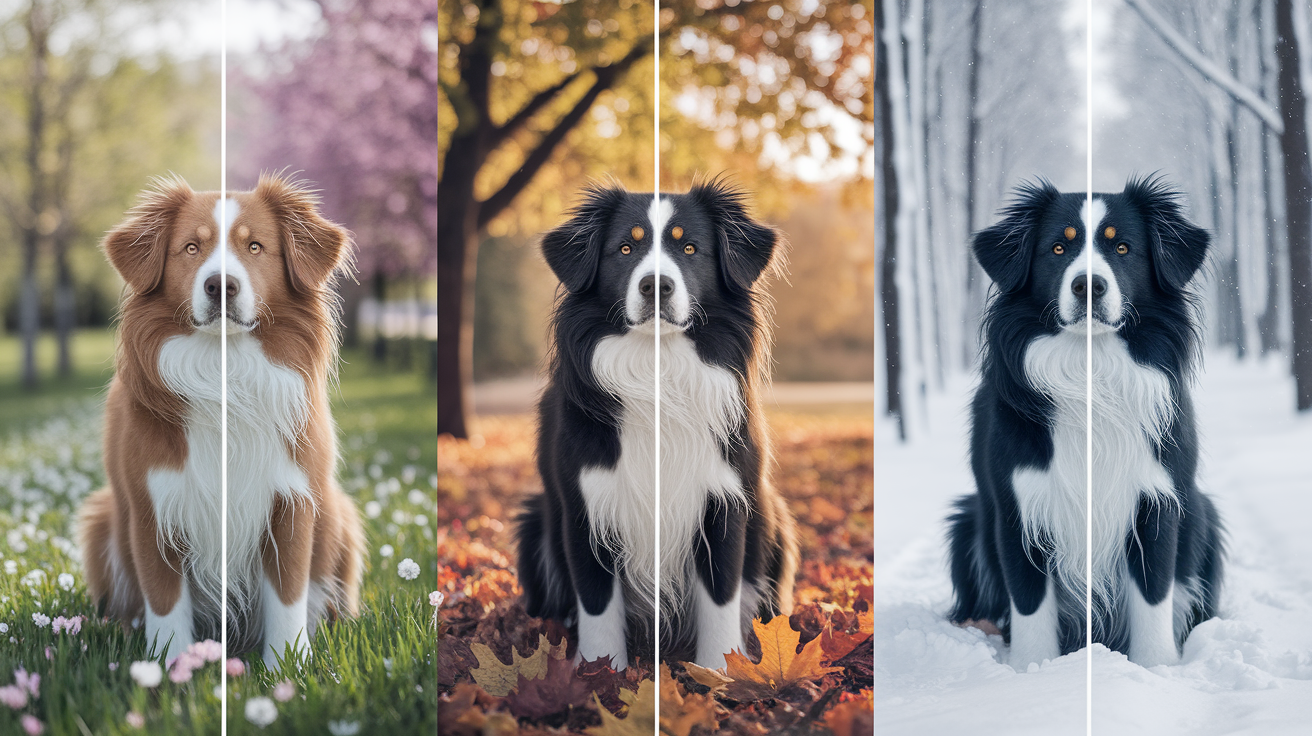
Most double-coated dogs blow their undercoat twice a year. Once in spring as they shed their heavy winter insulation, and once in fall as they prepare to grow it back. These blowout periods last anywhere from two to four weeks, and during that time you’ll see massive amounts of loose fur. Daily brushing during blowouts makes a noticeable difference. It keeps the fur from compacting, reduces household cleanup, and helps the new coat grow in evenly.
Outside of blowout season, weekly brushing is the minimum to prevent mats and keep natural oils distributed. Some dogs shed lightly year-round and need a quick brush every few days. Others stay relatively clean between seasonal sheds and only need a deep deshedding session twice a year. Environmental factors play a role too. Dogs living in climates with sharp seasonal temperature swings shed more predictably, while dogs in mild, steady climates may shed more continuously but less dramatically. Indoor heating and air conditioning can also trigger off-season shedding because your dog’s coat responds to temperature, not the calendar.
| Season | Frequency | Notes |
|---|---|---|
| Spring (blowout) | Daily brushing for 2–4 weeks | Heaviest shedding; losing winter undercoat |
| Summer | Weekly maintenance | Light shedding; focus on cooling and skin aeration |
| Fall (blowout) | Daily brushing for 2–4 weeks | Shedding summer coat; preparing for winter growth |
| Winter | Weekly maintenance | Minimal shedding; coat fully grown and insulating |
Undercoat Removal, Nutrition, and Coat Health
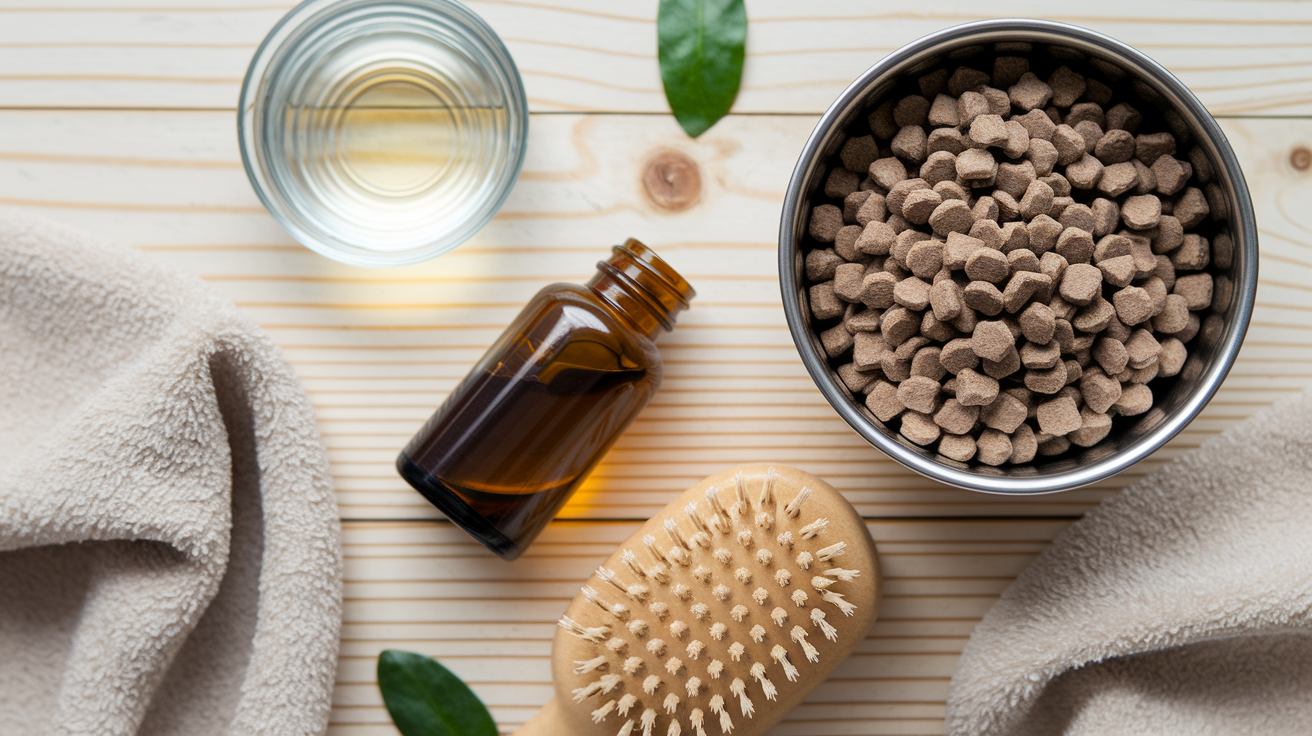
A dog’s coat reflects what’s happening inside. Dry, brittle fur that sheds excessively can be a sign of dehydration, poor nutrition, or skin conditions that disrupt the normal shedding cycle. Regular brushing helps distribute the natural oils produced by your dog’s skin. Those oils coat each hair, reduce breakage, and give the topcoat its shine. When undercoat builds up and blocks oil distribution, the coat looks dull and feels rough.
Omega-3 fatty acids, found in fish oil and some high-quality dog foods, support skin hydration and reduce inflammation that can trigger excessive shedding. Dogs with healthier skin shed less because their hair follicles stay stronger and release fur on a normal cycle instead of losing it in clumps. If your dog’s coat seems unusually dry or shedding has increased suddenly without a seasonal reason, check their diet and water intake first, and consider an omega-3 supplement after talking to your vet.
Mats, Compact Undercoat, and Safe Removal Practices
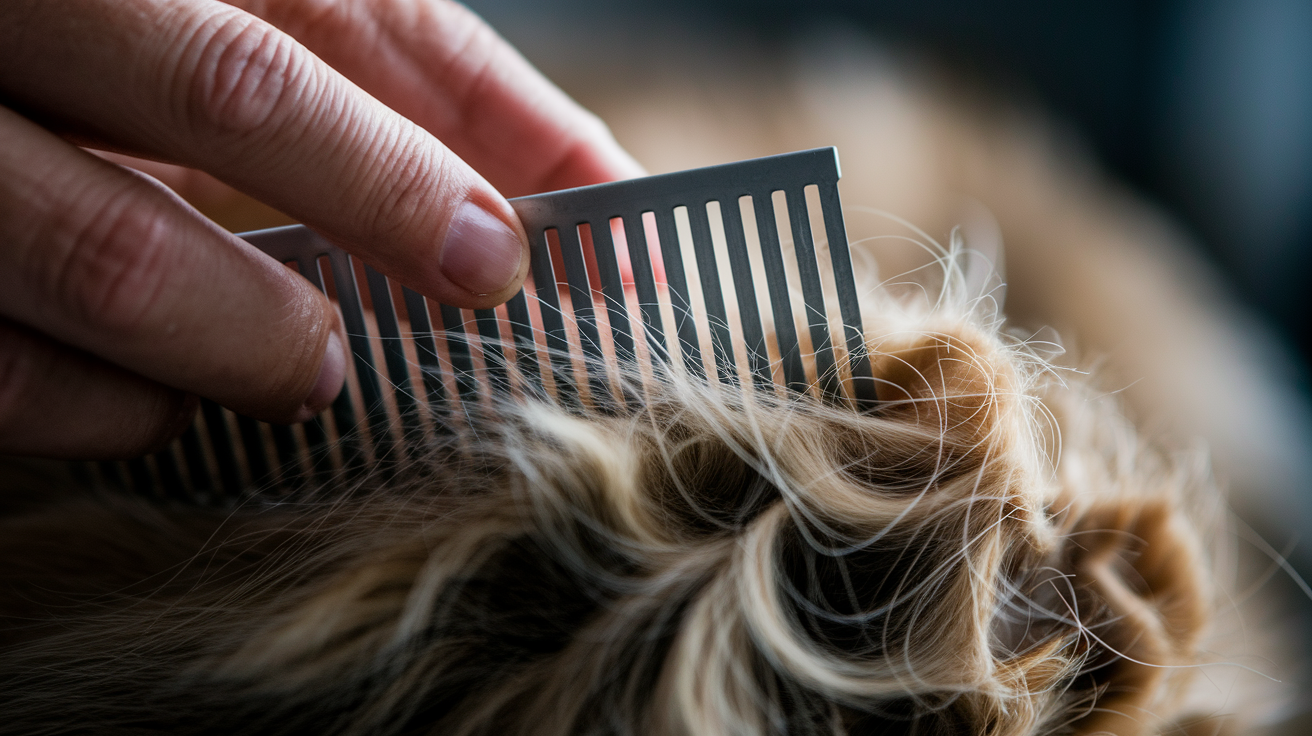
Mats form when loose undercoat tangles with guard hairs and tightens into dense knots that pull on skin. They’re most common behind the ears, under the legs, around the collar area, and along the belly where friction is constant. Small mats feel like tiny lumps under your fingers. Large mats look like solid patches of fur that don’t move when you brush over them. Left alone, mats trap moisture, block airflow, and create perfect conditions for hot spots and skin infections.
Stubborn mats need careful handling. Use a de-matting rake to gently work into the edge of the mat, pulling small sections loose rather than yanking the whole clump. If the mat is too tight or too close to skin, a shedding blade used very slowly can slice through it, but only if you stretch the skin away from the blade as you work. For extreme mats, clipping them out with blunt-tip scissors is safer than risking a skin tear. Never comb your dog’s snout. The skin there is thin and sensitive, and never press any bladed tool directly against skin.
Five mat-warning signs to watch for:
- Small lumps or rough patches that weren’t there during the last grooming session.
- Fur that feels stiff or crusty instead of soft when you run your hand over it.
- Your dog flinches, pulls away, or licks obsessively at a specific spot. Mats pull and hurt.
- Damp or bad-smelling areas in the coat. Trapped moisture under mats leads to bacterial growth.
- Visible clumps of fur that don’t separate when you try to brush through them lightly.
Managing Shed Hair in the Home After Undercoat Removal
Even with consistent grooming, double-coated dogs will always shed some fur indoors. The difference is whether you’re dealing with a light dusting or daily tumbleweeds. Weekly brushing cuts down the amount of loose undercoat that ends up on your couch, bed, and floors, because you’re pulling it out during grooming sessions instead of waiting for it to fall out on its own.
Vacuuming right after a grooming session helps. Loose fur floats around for a few hours after brushing, so running a vacuum or using a lint roller on furniture reduces what settles into fabric. Some owners groom outside or in a garage to keep the bulk of shed fur out of living spaces. Washable furniture covers and regular laundry also make a difference, especially during heavy blowout weeks when even the best grooming routine won’t catch everything.
Four practical cleanup tips:
- Groom outside or in a bathroom or laundry room that’s easy to sweep or vacuum afterward.
- Keep a handheld vacuum or lint roller near the couch for quick touch-ups between full cleaning sessions.
- Wash dog bedding weekly during shedding season to prevent fur buildup in the fabric.
- Use rubber gloves or a damp rubber brush on upholstery. The static grabs loose fur better than most fabric brushes.
Training, Stress Reduction, and Grooming Cooperation During Undercoat Removal
Dogs that hate grooming usually weren’t introduced to it gradually. Starting with short, calm sessions and pairing them with treats builds positive associations. Let your dog sniff the brush, touch it to their coat without actually brushing, then reward them. Work up to a few gentle strokes, then a full section, then a complete grooming session over the course of days or weeks, depending on how anxious they are.
Quiet tools help. Loud clippers or rattling shedding blades scare dogs, especially if they’re already nervous. Higher-quality clippers run quieter and vibrate less, and some shedding tools have rubberized handles that dampen noise. If you’re introducing a new tool, let your dog see and hear it while it’s off or still, then turn it on at a distance and reward calm behavior before bringing it closer.
Grooming doubles as bonding time when it’s done calmly. Talk to your dog in a steady voice, take breaks if they seem tired, and end every session with something they enjoy, a walk, playtime, or a favorite treat. The goal is for your dog to tolerate grooming, not love it, but cooperation makes the whole process faster and safer for both of you. If your dog remains aggressive or panicked despite gradual desensitization, work with a professional trainer or ask your vet whether anxiety medication might help during grooming.
FAQ: Common Questions About Undercoat Removal for Dogs
These are the questions that come up most often when owners start deshedding their double-coated dogs at home.
How long does a full deshedding session take?
Most sessions take about an hour for a medium to large double-coated dog. Smaller dogs or light maintenance between blowouts might only need 20 to 30 minutes. Severely matted coats can take two hours or more and may need to be split across multiple days.
Can I shave my double-coated dog in summer to keep them cool?
No. Shaving removes the insulation that protects against both heat and cold, exposes skin to sunburn, and often leads to patchy regrowth. Trimming length slightly, like from 5 inches down to 1 inch, is safer if your vet or groomer recommends it.
How do I know if I’m brushing too hard?
Check your dog’s skin after grooming. If you see redness, scratches, or your dog pulls away or yelps during brushing, you’re using too much pressure. Brushing should never hurt.
Is it normal to pull out huge amounts of fur?
Yes, especially during seasonal blowouts. Some dogs lose enough undercoat to fill a grocery bag. If shedding suddenly increases outside of blowout season or is accompanied by bald spots or skin issues, see your vet.
What’s the best way to remove a mat that’s tight against the skin?
Work slowly with a de-matting rake, pulling small sections loose from the edges. If the mat won’t budge or your dog is uncomfortable, clip it out carefully with blunt-tip scissors or take your dog to a groomer.
Do I need to deshed year-round or just during blowouts?
Weekly brushing year-round prevents mats and distributes oils. Daily brushing is only necessary during the two seasonal blowout periods when shedding is heaviest.
Final Words
Start by prepping the coat with a lukewarm bath and full dry, then work head-to-tail in short, 6-inch strokes using an undercoat rake or slicker to lift loose hair.
Pay attention to mats, skin redness, and breed needs. De-mat before heavy raking, avoid shaving double coats, and ask a groomer if mats or stress are big problems.
A steady routine and the right tools make undercoat removal for dogs easier. You’ll see less hair at home and your pup will feel more comfortable.
FAQ
Q: What is undercoat removal for dogs and how do I get my dog’s undercoat out?
A: Undercoat removal for dogs is removing loose, insulating hair to cut shedding and prevent mats. Use an undercoat rake or de-shedding brush, brushing head-to-tail in short strokes after the coat is clean and dry.
Q: Should you remove a dog’s undercoat?
A: Whether you should remove a dog’s undercoat depends on breed and season. Many double-coated dogs benefit from careful deshedding during blowouts, but avoid shaving and call your vet if skin or mats appear severe.
Q: How does a dog say “I love you”?
A: A dog says “I love you” by offering relaxed eye contact, leaning into you, gentle licks, wagging tail, bringing a toy, or following you around; these calm actions show trust and affection.