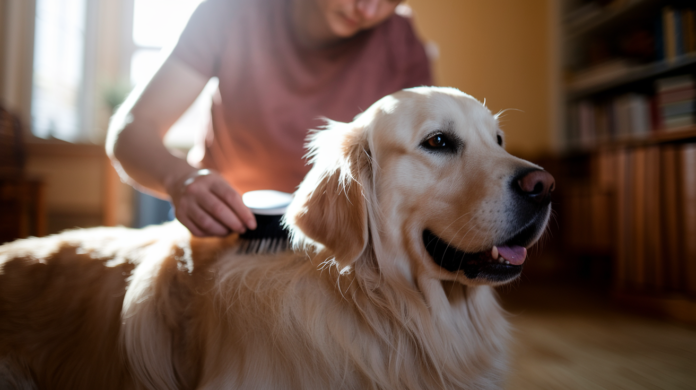

Think a soft, shiny coat is just lucky genes?
It isn’t.
With a few easy grooming habits and the right food, you can make your dog’s fur softer in weeks.
Daily brushing spreads natural oils, gentle moisturizing shampoo protects them, and omega-3s from fish or flax help the coat from the inside.
This post gives quick steps you can try today, a simple feeding tweak, and clear signs that mean it’s time to call the vet.
Start here and your dog’s coat will feel softer and look healthier soon.
Immediate Ways to Make a Dog’s Coat Softer

Start with daily brushing, even if it’s just two minutes. Brushing spreads natural oils from the skin down each hair shaft, which adds shine and softness pretty much right away. Most coats respond within a week if you’re consistent.
Add a teaspoon of fish oil or flaxseed oil to your dog’s food once a day. Small dogs need one teaspoon, large dogs need one tablespoon. You should see smoother fur within four to eight weeks as omega fatty acids work into the coat from the inside out.
Switch to a moisturizing dog shampoo and cut back on how often you bathe. Bathing more than once a month can strip protective oils and leave fur feeling dry and brittle. Dogs with normal activity levels usually only need a bath every three to four weeks.
Here’s what you can do today:
- Brush your dog for two to five minutes to distribute oils and remove dead hair.
- Check your dog’s water bowl and refill it with fresh water. Dehydration shows up in dry skin and rough fur.
- Add one teaspoon of fish oil or coconut oil to the next meal.
- Stop using human shampoo or dish soap, which disrupts pH balance and dries out the coat.
- Rinse bedding and vacuum pet areas to reduce allergens that irritate skin and coat.
- Schedule a vet visit if the coat feels greasy, smells off, or has bald patches. These can signal infections or hormonal problems.
Grooming Methods That Enhance Coat Softness
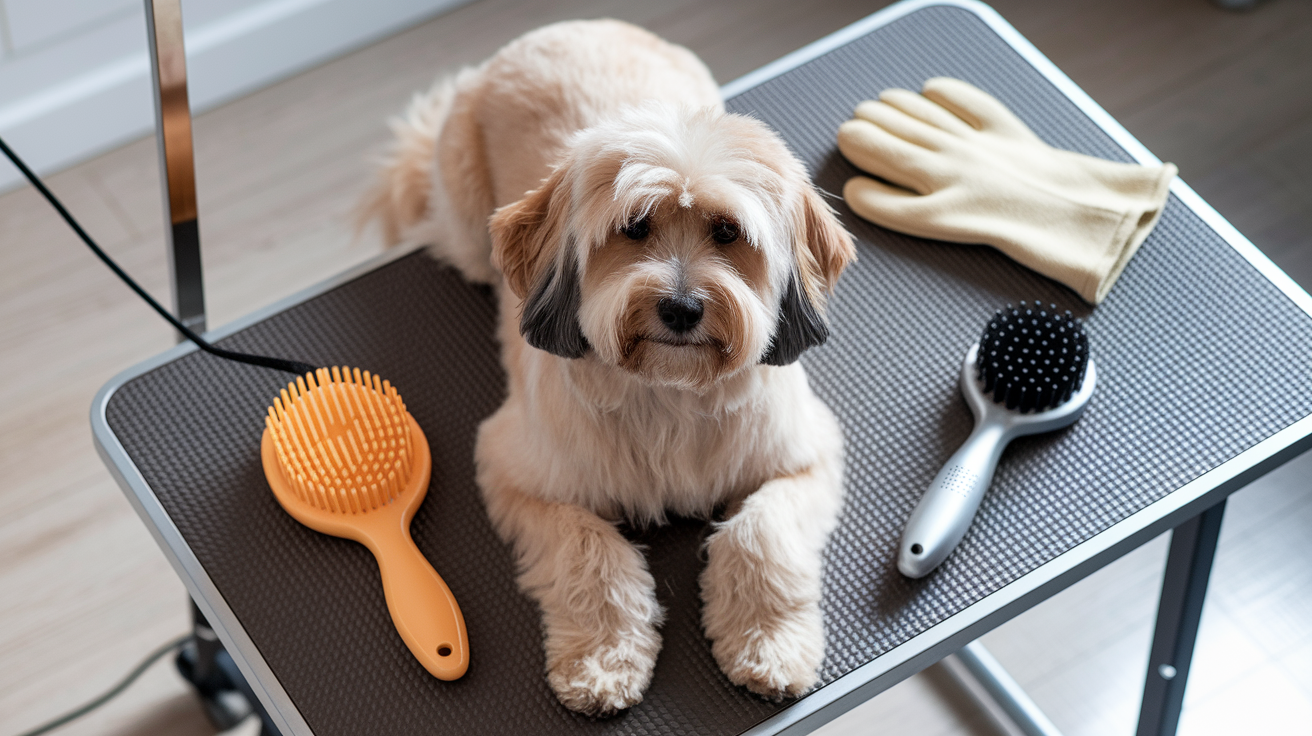
Brush your dog every day or every other day, depending on coat length and texture. Short haired dogs benefit from a rubber curry brush or hound glove that lifts dead hair and stimulates blood flow to the skin. Long haired and double coated breeds need a slicker brush or pin brush to work through the undercoat and prevent mats that make fur feel rough and uneven.
Brushing does three things that directly improve softness. First, it moves sebum (the skin’s natural oil) from root to tip, which coats each hair and adds a smooth, glossy finish. Second, it removes dirt, dander, and loose fur that cling to the coat and create a dull, coarse texture. Third, it prevents tangles and mats, which pull on the skin, cause discomfort, and interrupt the natural lay of the fur.
Use a deshedding tool once or twice a week during shedding season if your dog has a thick undercoat. Breeds like Huskies, Golden Retrievers, and German Shepherds shed heavily in spring and fall. Trapped undercoat makes the topcoat look frizzy and feel rough. A deshedding rake or undercoat comb pulls out loose fur without cutting or damaging the guard hairs, leaving the coat smoother and easier to manage.
Bathing Routines and Coat Softening Products
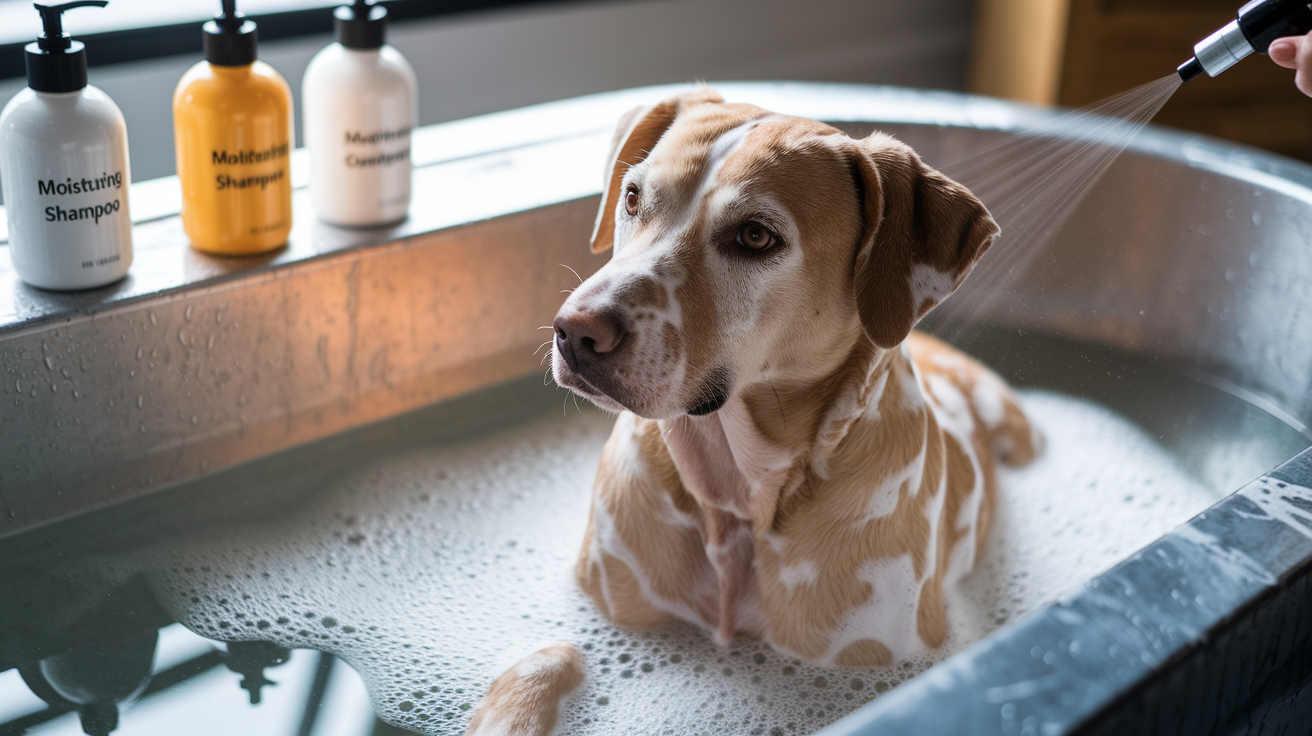
Bathe your dog about once a month unless they roll in something smelly or get visibly dirty. Frequent bathing strips away the natural oils that keep fur soft and protected, leaving the coat dry, brittle, and prone to static. If your dog swims or plays in mud often, rinse with plain water between full baths to remove debris without using shampoo every time.
Choose a moisturizing dog shampoo with oatmeal, aloe, or coconut oil on the ingredient list. Dog skin has a pH around 7.0 to 7.5, while human shampoo sits closer to 5.5, so using human products can irritate the skin and dry out the coat. Look for shampoos labeled “moisturizing,” “gentle,” or “sensitive skin” and avoid anything with sulfates, parabens, or artificial fragrances.
Follow shampoo with a dog conditioner to lock in moisture and smooth the hair cuticle. Conditioner works like a leave in treatment for human hair. It closes the outer layer of each strand, reduces tangles, and gives the coat a silky finish. Rinse thoroughly to avoid residue that can make fur feel greasy or attract dirt.
Here’s the basic bathing routine for softer fur:
- Brush before the bath to remove tangles and loose hair.
- Wet the coat with lukewarm water, avoiding the face and ears.
- Apply moisturizing shampoo, work it into a lather, and rinse completely.
- Apply conditioner, let it sit for two to three minutes, then rinse until the water runs clear.
Nutritional Improvements for a Softer Coat
A dog’s coat is roughly 90% protein, so low quality food with fillers like corn, soy, and wheat often leads to dull, rough fur. Look for a food with animal protein (chicken, lamb, beef, or fish) listed as the first ingredient. High protein diets support strong hair growth, improve texture, and reduce excessive shedding.
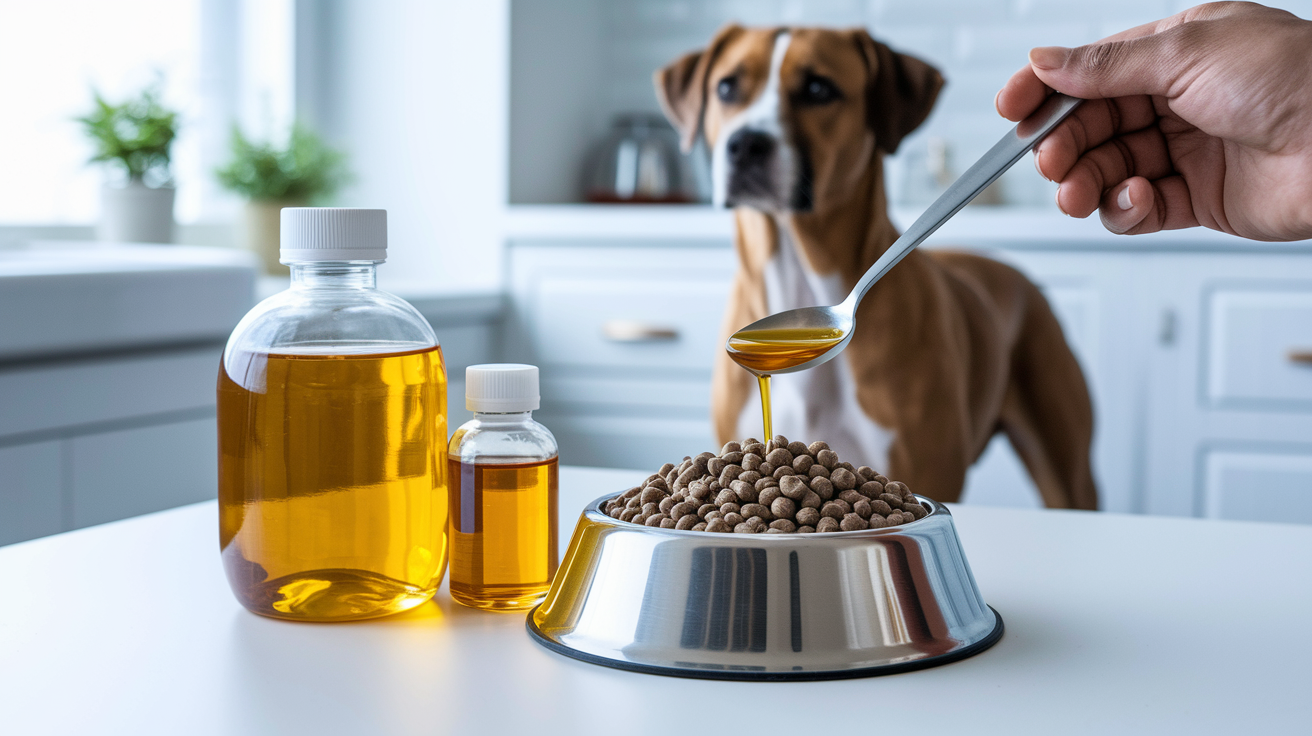
Omega 3 and omega 6 fatty acids keep skin hydrated and hair follicles healthy. Aim for dog food that lists about 2.2% omega 6 and 0.3% omega 3 on the label. If your dog’s current food doesn’t meet those targets, add a teaspoon of fish oil, flaxseed oil, or coconut oil to their meals once a day. Small dogs get one teaspoon, large dogs get one tablespoon. When introducing fish oil, watch for loose stool or fishy breath for the first week, then continue if your dog tolerates it well.
Supplements can help fill gaps, but they should support, not replace, a balanced diet. Natural omega supplements, fish oil capsules, and skin and coat chews are safe for most dogs. Avoid products with artificial colors, flavors, or preservatives, and check with your vet before adding anything new, especially if your dog takes medication or has a known allergy.
Dehydration dries out skin and fur from the inside. Make sure your dog always has access to fresh, clean water, and monitor intake on hot days or after exercise. If your dog doesn’t drink much, try adding a splash of low sodium broth to the water bowl or switching to wet food, which has higher moisture content than dry kibble.
Medical Causes of Dry or Coarse Fur
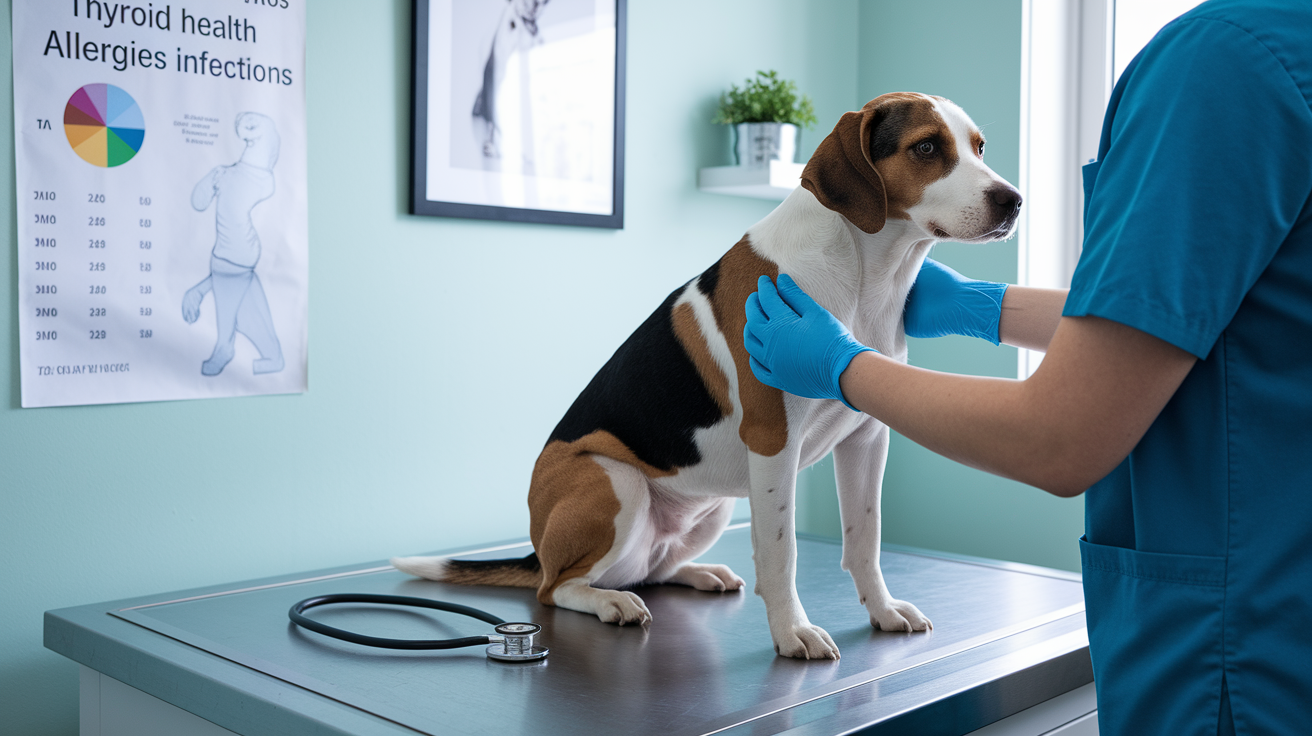
Persistent roughness, flaking, or a greasy feel can point to underlying health problems that grooming and diet alone won’t fix. Hypothyroidism slows down metabolism and reduces oil production in the skin, leaving the coat dry, brittle, and prone to thinning. Allergies (whether food based or environmental) trigger inflammation that disrupts normal hair growth and causes itching, redness, and uneven texture.
Skin infections from bacteria, yeast, or fungus create scaly patches, odor, and hair loss that interrupt the coat’s natural smoothness. Parasites like fleas, ticks, and mites irritate the skin, cause scratching, and damage hair follicles. Even low level infestations can leave fur looking patchy and feeling rough. Nutritional deficiencies, especially low levels of zinc, biotin, or essential fatty acids, show up quickly in coat quality because hair cells turn over faster than most other tissues.
If grooming and diet changes don’t improve the coat within six to eight weeks, or if you notice any of the signs below, schedule a vet visit. Early diagnosis makes treatment easier and prevents long term coat damage.
Watch for these red flags:
- Bald patches, thinning fur, or excessive shedding in specific areas.
- Flaky, crusty, or greasy skin with a sour or yeasty smell.
- Constant scratching, licking, or biting at the coat.
- Dull, brittle fur that breaks easily or falls out in clumps.
Breed Specific Coat Variations
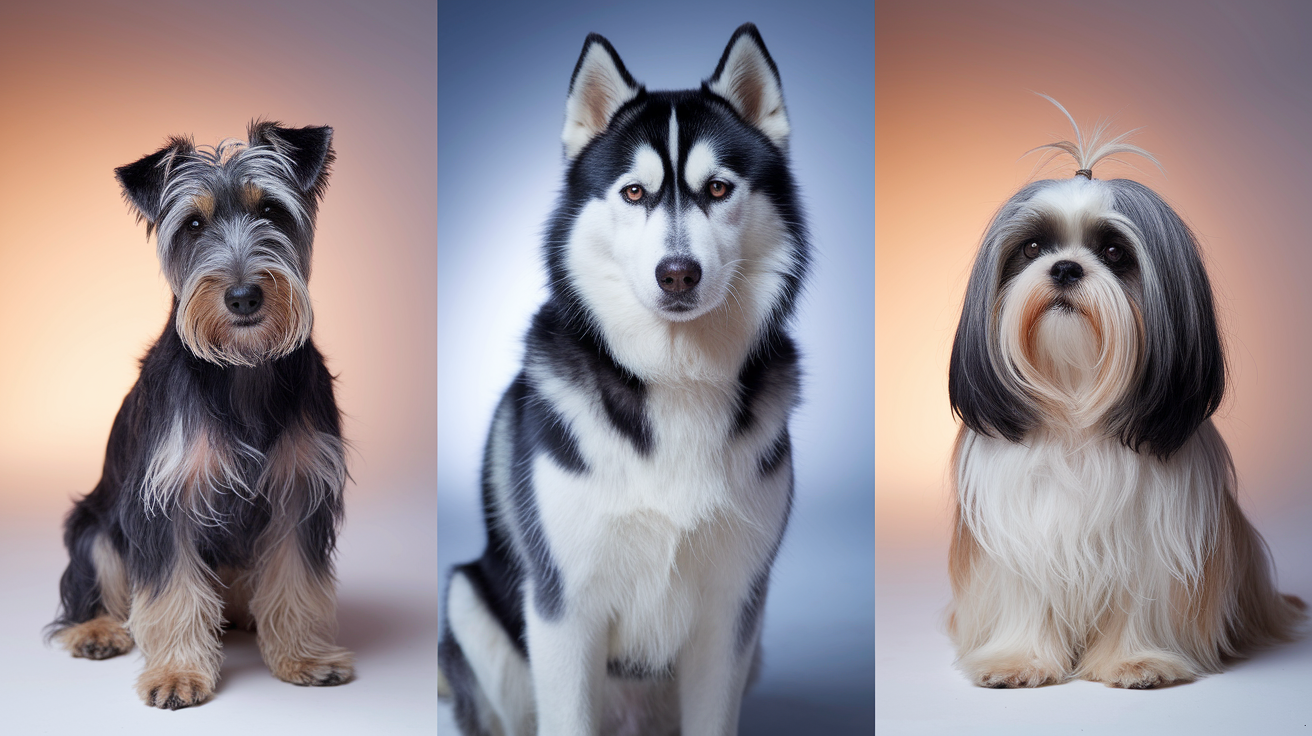
Wire haired breeds like Terriers and Schnauzers have a naturally coarse, dense coat designed to protect against brush and weather. Even with excellent grooming and nutrition, their fur will never feel as soft as a Golden Retriever’s or a Cavalier King Charles Spaniel’s. That’s normal. The goal with these breeds is to keep the coat clean, free of mats, and healthy, not to change its fundamental texture.
Double coated breeds (Huskies, German Shepherds, and Collies) shed their undercoat twice a year and grow a dense layer that insulates in winter and summer. The undercoat is soft and fluffy, but if it’s not brushed out regularly, it mats against the skin and makes the topcoat look frizzy and feel rough. Consistent deshedding during seasonal blowouts keeps the coat smooth and allows natural oils to reach the guard hairs.
Long haired breeds like Shih Tzus, Maltese, and Afghan Hounds need daily brushing to prevent tangles and mats that disrupt the hair’s natural flow. Mats pull on the skin, create painful knots, and make the coat feel coarse and uneven. If mats form, work them out gently with a slicker brush or mat comb, or trim them carefully with blunt tip scissors. Regular grooming keeps long coats soft, shiny, and manageable.
Troubleshooting When a Dog’s Coat Stays Rough
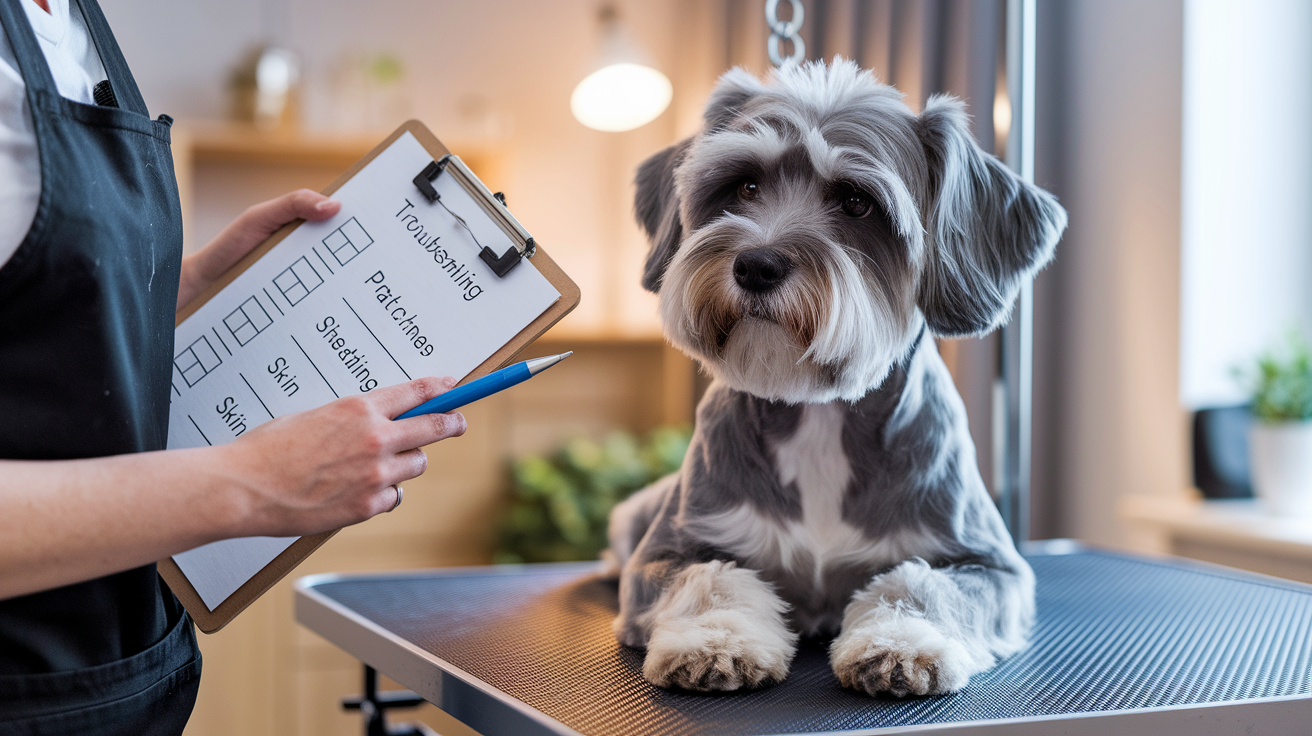
If the coat hasn’t improved after a month of daily brushing and better food, you’re likely dealing with one of three issues: product mismatch, grooming mistakes, or an undiagnosed health problem. Start by reviewing your routine. Are you brushing all the way down to the skin, or just skimming the surface? Surface brushing doesn’t distribute oils or remove undercoat, so the fur stays dull and tangled underneath.
Check your shampoo and conditioner. Some “natural” products contain drying ingredients like tea tree oil or peppermint in high concentrations, which can strip moisture instead of adding it. If you’re using a flea shampoo or medicated formula, switch to a plain moisturizing shampoo between treatments. Medicated products are helpful for specific problems, but they’re often too harsh for regular use and can leave the coat dry and brittle.
Look at your dog’s overall health and environment. Stress, lack of exercise, poor air quality, and low humidity all affect coat condition. Dogs that spend most of their time indoors in heated or air conditioned spaces often develop dry skin and rough fur because the air pulls moisture out of their coat. A humidifier in the room where your dog sleeps can help, especially in winter.
If you’ve ruled out grooming and environmental factors, revisit the diet. Low quality proteins, grain sensitivities, and insufficient fat content show up in coat texture within weeks. Here’s a quick checklist to troubleshoot persistent roughness:
- Switch to a food with animal protein as the first ingredient and at least 2% omega fatty acids.
- Eliminate grains for four to six weeks to test for sensitivity, especially if your dog also has itchy skin or digestive upset.
- Add a teaspoon of coconut oil or fish oil daily if the current food doesn’t list omega 3s on the label.
- Reduce bath frequency to once every four to six weeks and use only moisturizing, pH balanced dog shampoo.
- Schedule a vet appointment to rule out thyroid problems, allergies, parasites, or skin infections.
Final Words
Start with quick wins: daily brushing, a moisturizing shampoo, and an omega-3 boost — these give fast, visible softness.
Then set a simple routine: pick the right brush, bathe only as needed, feed for coat health, and watch for signs that need a vet.
If you’re wondering how to soften dog coat step by step, try one change this week and add another in two weeks. Small habits add up, and your dog’s coat can get noticeably softer.
FAQ
Q: Can you make a dog’s coat softer?
A: A dog’s coat can be made softer by regular brushing to spread natural oils, adding omega-3/6 to the diet, using a moisturizing shampoo and conditioner sparingly, and keeping the dog well hydrated and parasite-free.
Q: What is the 7 7 7 rule for dogs?
A: The 7 7 7 rule for dogs isn’t a single standard; different people use it for grooming, training, or socializing. Ask your source for their definition before changing routines, or tell me where you saw it.
Q: What do groomers use to make dogs so soft?
A: Groomers make dogs soft by using slicker or pin brushes for tangles, de-shedding tools, conditioning shampoos and leave-in sprays, gentle blow-drying to fluff the coat, and trimming mats or damaged hair.
Q: How to make dog fur soft and shiny with home remedies?
A: You can make dog fur soft and shiny at home by adding fish oil or ground flaxseed to food, brushing daily, using a gentle oatmeal shampoo, and finishing rinses with diluted apple cider vinegar. Check with your vet first.