

Think a bowl is good enough? Think again.
Snuffle mats turn mealtime into a sniffing puzzle that slows fast eaters and gives your dog a real brain workout.
They satisfy foraging instincts, boost mental focus, and help digestion by stretching a 30 second meal into 10 to 15 minutes of steady search.
For anxious or bored dogs, focused sniffing is calming and tiring in a helpful way.
We’ll lay out the main snuffle mat benefits and show how to use them safely at home.
Key Advantages of Snuffle Mats Explained

Snuffle mats turn regular mealtime into an interactive foraging puzzle. You hide kibble or treats in layered fabric strips, and your dog uses their nose to search, sniff, and paw through the folds to find each piece. This simple shift transforms passive feeding into active brain work, slowing down fast eaters while keeping bored or anxious dogs busy in a calm, productive way.
Compared with a regular feeding bowl, snuffle mats offer mental and physical engagement that bowls can’t match. Bowl feeding takes seconds. No cognitive challenge, which means your dog finishes quickly and may still feel restless or hungry. Snuffle mats stretch that time to 10 or 15 minutes, making the meal feel more satisfying while reducing the risk of gulping problems like bloating, vomiting, or digestive discomfort. The sniffing itself also matters. 15 minutes of focused nose work can tire a dog as much as a 30 minute walk, making snuffle mats an efficient way to burn mental energy on busy or rainy days.
The top benefits of snuffle mats include:
Mental stimulation. Searching for hidden food activates problem solving and keeps the brain sharp.
Foraging instinct satisfaction. Mimics natural hunting behavior, giving dogs a job that feels rewarding.
Anxiety reduction. Sniffing releases calming chemicals in the brain, helping stressed or anxious dogs relax.
Slow feeding. Converts a fast meal into a gradual search, preventing gulping and supporting healthier digestion.
Digestion support. Slower eating reduces bloating risk and gives the stomach time to process food comfortably.
Boredom reduction. Provides sustained engagement that helps prevent destructive chewing, excessive barking, and other frustration behaviors.
Calmness. The rhythmic, repetitive motion of sniffing promotes endorphin release and a meditative focus.
For pet owners looking for a practical, low cost enrichment tool that delivers measurable behavior and health improvements, snuffle mats check most of the boxes. They work for nearly every dog, from high energy puppies who need brain workouts to senior dogs who benefit from gentle, low impact stimulation.
How Snuffle Mats Support Natural Foraging and Cognitive Enrichment

Dogs are hardwired to hunt and forage. In the wild, finding food meant using their nose to track scents through grass, under leaves, and across varied terrain. Snuffle mats bring that instinct indoors by creating a fabric landscape where kibble hides in folds, pockets, and layers. Your dog’s brain lights up during this search. The same way it would if they were tracking a scent trail outdoors. And that mental workout satisfies a deep behavioral need that bowl feeding simply can’t touch.
Sniffing isn’t just pleasant for dogs, it’s cognitively demanding. When your dog hunts for food in a snuffle mat, they’re using scent discrimination, spatial memory, and problem solving to locate each piece. This activates brain regions tied to focus and reasoning, building mental stamina over time. Regular use can sharpen scent work skills, and some owners find their dogs improve quickly enough to move on to more advanced nose work games or even formal scent detection training.
Key cognitive gains from snuffle mat foraging include:
Stronger scent discrimination skills through repeated practice.
Improved problem solving as dogs learn to search systematically instead of randomly.
Enhanced focus and patience during routine tasks.
Mental fatigue that helps reduce hyperactivity and restlessness.
When dogs don’t get enough mental stimulation, boredom driven behaviors tend to show up. Chewing furniture, excessive barking, digging, or pacing. Snuffle mats redirect that energy into a productive, self rewarding activity. A 10 minute foraging session can replace the urge to chew a shoe or scratch at the door, because your dog’s brain gets the workout it was craving. The natural satisfaction of “working for food” also reduces stress and frustration, creating a calmer, more balanced dog overall. If your pup tends to get into trouble when left alone or during quiet hours, a quick snuffle mat session before you leave or settle in for the evening can make a noticeable difference in how they behave.
Snuffle Mat Benefits for Slow Feeding, Digestion, and Weight Management
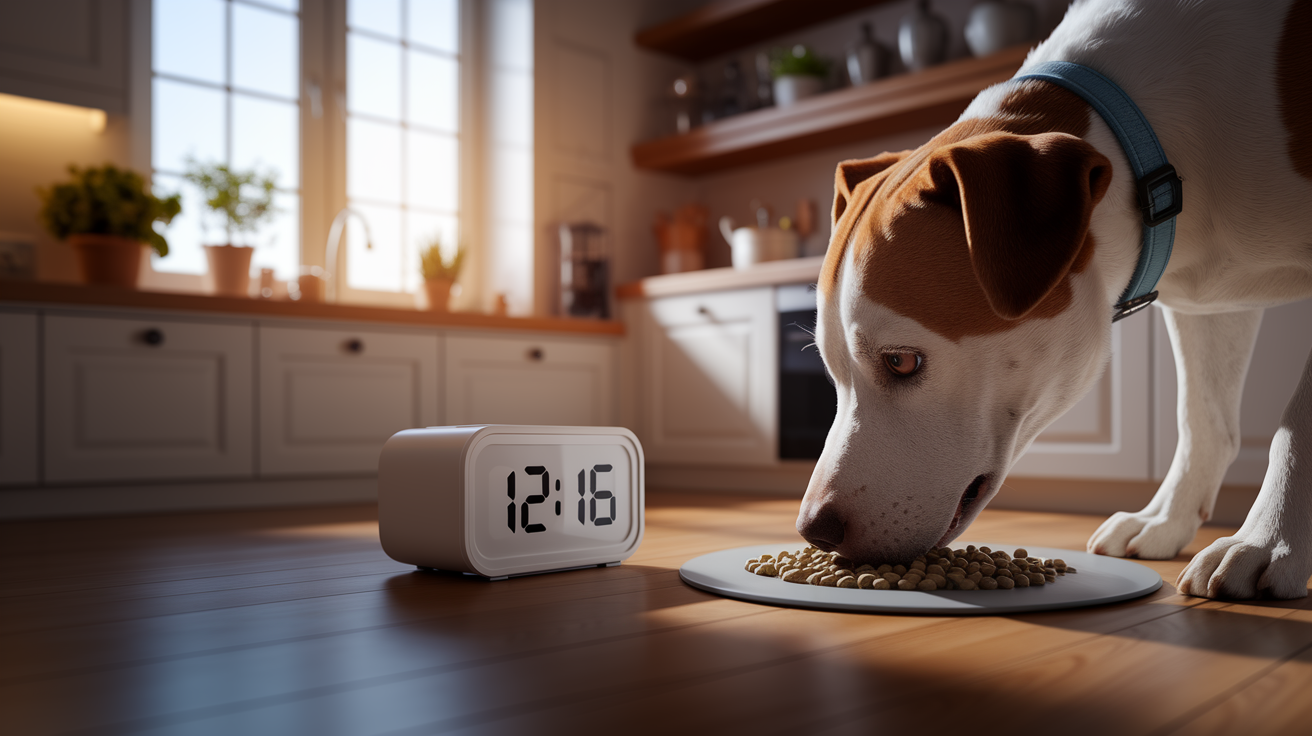
Fast eaters face real risks. Gulping food in 30 seconds or less can lead to bloating, vomiting, and digestive discomfort, especially in deep chested breeds where rapid eating is linked to more serious stomach issues. Snuffle mats physically slow the process by scattering kibble throughout fabric layers, forcing your dog to pause, sniff, and search for each piece. That 30 second meal stretches into 10 or 15 minutes of steady, focused eating, giving the stomach time to register fullness and reducing the chance of overeating or regurgitation.
For overweight dogs or those prone to begging, snuffle mats add another layer of benefit. Working for food increases satiety. Your dog feels more satisfied after earning their meal than they would after passively eating from a bowl. The light physical activity involved, nosing through folds, pawing at fabric, moving around the mat, burns a few extra calories and keeps mealtimes engaging. This combination of slower intake and increased satisfaction helps manage weight without cutting portion sizes, which can leave dogs feeling frustrated or hungry.
| Feeding Method | Result |
|---|---|
| Regular bowl | Fast eating (under 1 minute), gulping air, higher bloat/vomiting risk, low mental engagement |
| Snuffle mat | 10–15 minute feeding, slower pace, improved digestion, mental stimulation, increased satiety |
| Puzzle feeder | Moderate pace (5–10 minutes), some frustration for beginners, cognitive challenge, good for treat portions |
For best results, use dry kibble or small, firm training treats. Wet food or crumbly snacks can stick to fabric and make cleaning harder, plus they don’t spread evenly through the mat. Small pieces work better because they nestle into folds without getting stuck, and your dog can pick them out one at a time. If your dog is new to slow feeding, start with larger kibble pieces on top of the mat so they learn the game before you hide everything deep inside.
Snuffle Mats as a Calming and Anxiety-Reducing Tool
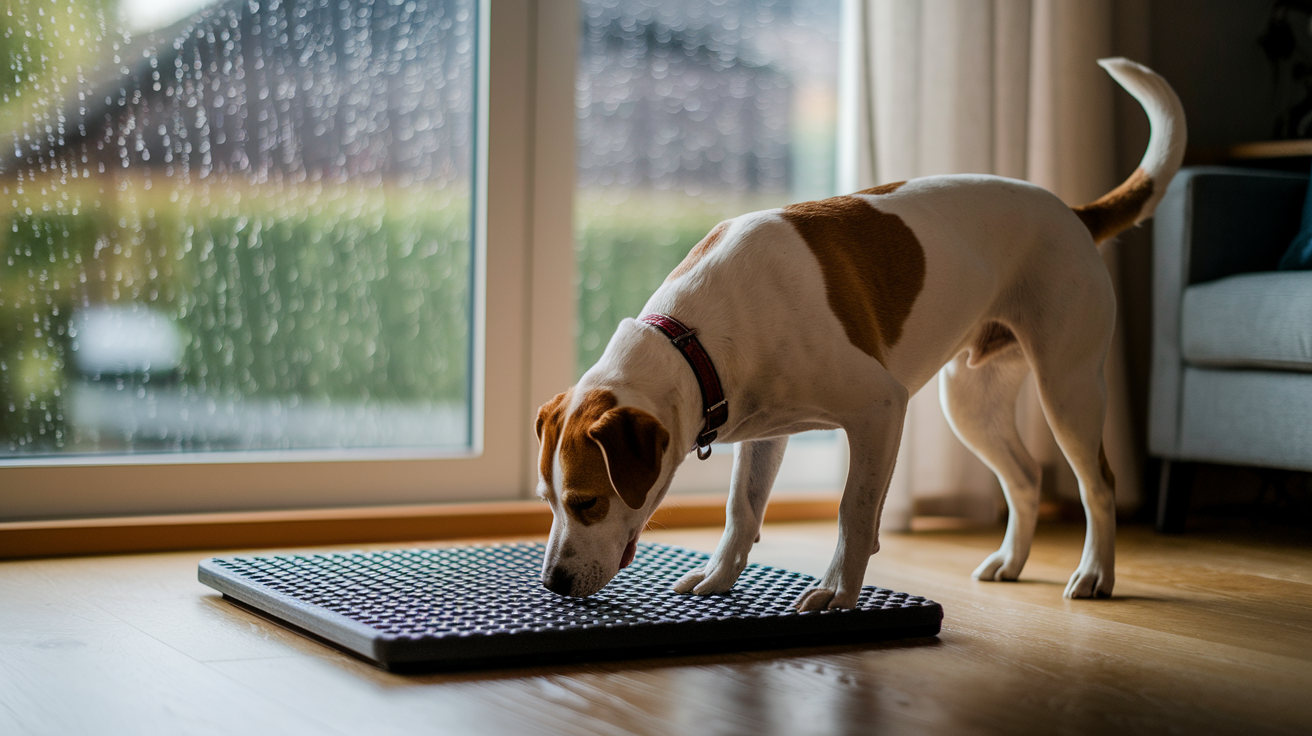
Sniffing does more than help dogs find food. It actively calms the nervous system. When your dog focuses on scent work, their brain releases endorphins, natural chemicals that reduce stress and promote relaxation. That’s why a dog who’s pacing or whining often settles down once they start working through a snuffle mat. The rhythmic, repetitive motion of sniffing creates a meditative state, similar to how deep breathing or focused tasks help humans manage anxiety.
For anxious dogs, snuffle mats offer a positive distraction during high stress moments. Instead of fixating on the trigger (thunderstorms, fireworks, the doorbell, your departure), your dog shifts focus to the rewarding task of foraging. This doesn’t eliminate the fear, but it redirects nervous energy into something productive and soothing. Over time, pairing stressful events with snuffle mat sessions can help your dog associate those moments with calm, rewarding activity instead of panic.
Scenarios where snuffle mats help reduce stress:
Separation anxiety. Use the mat right before you leave to shift focus away from your departure.
Storms and fireworks. Sniffing provides a calming activity during loud, unpredictable noises.
Vet visits or grooming. A quick mat session beforehand can take the edge off nervous energy.
New environments. Traveling or moving to a new home feels less overwhelming when your dog has a familiar foraging task.
Overstimulation. After a busy day or exciting event, snuffle mats help dogs wind down and reset.
If you’re working on anxiety management, snuffle mats fit well into a broader calming routine. Pair them with quiet time in a safe space, gentle music, or a predictable pre bedtime ritual. They’re not a cure all, and severe anxiety still needs professional guidance, but as a daily tool for managing mild stress or restlessness, snuffle mats are simple, safe, and surprisingly effective.
Snuffle Mats for Puppies, Senior Dogs, and Mobility-Limited Pets
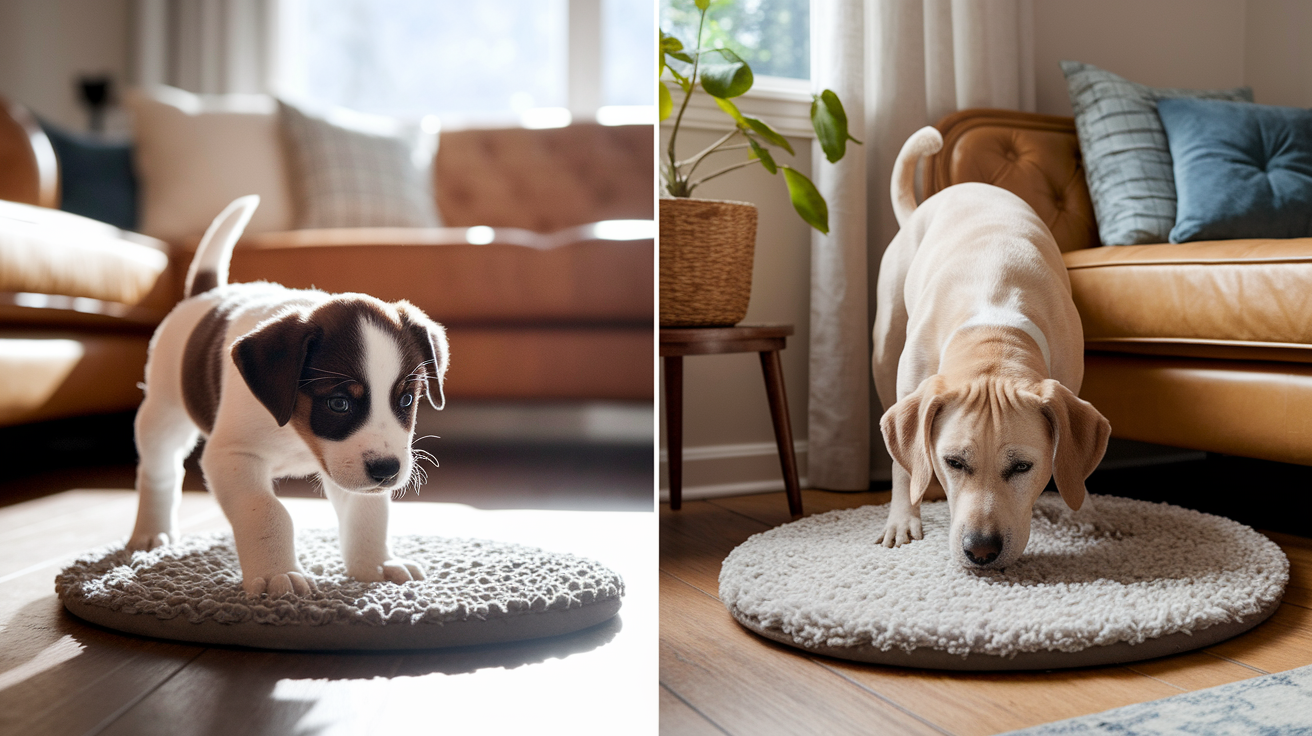
Puppies benefit from snuffle mats because early nose work sessions build cognitive skills and teach patience. A young dog learning to search for kibble is also learning focus, problem solving, and self control, all useful foundations for future training. Start puppies on simple mats with treats visible on top, then gradually hide pieces deeper as they catch on. Keep sessions short. 5 minutes is plenty for a puppy’s developing attention span. And always supervise to prevent chewing or swallowing fabric.
Senior dogs gain gentle brain stimulation that may help slow cognitive decline. Older dogs often lose interest in toys or high energy play, but scent work remains accessible and engaging even when mobility or stamina drops. A snuffle mat gives aging dogs a low impact way to stay mentally active, which supports overall brain health and keeps daily routines interesting. For dogs recovering from surgery or managing chronic pain, snuffle mats provide safe enrichment that doesn’t stress joints or require running, jumping, or rough movement.
Recommended difficulty adjustments by life stage:
Puppies. Start with treats on top, use small mats, keep sessions under 5 minutes, supervise closely.
Adult dogs. Gradually increase hiding depth, use larger mats for bigger breeds, aim for 10–15 minute sessions.
Senior dogs. Keep difficulty moderate, use softer treats that are easier to pick up, place mat in a comfortable spot with good footing.
Mobility limited or post surgery dogs. Use shallow hiding, position the mat where your dog can reach it while lying down, shorten sessions to avoid fatigue.
No matter your dog’s age, snuffle mats scale to fit their abilities. You control the challenge level by adjusting how deeply you hide food and how complex the mat design is. That flexibility makes snuffle mats one of the few enrichment tools that work equally well for a 10 week old puppy, a hyperactive two year old, and a 12 year old with arthritis.
Improving Focus, Training, and Behaviour with Snuffle Mats

Snuffle mats teach patience. Every search requires your dog to slow down, concentrate, and work methodically instead of rushing. Over time, this practice builds focus and reduces impulsive behavior, skills that carry over into other areas of life. Dogs who regularly use snuffle mats often show better attention during training sessions, less jumping or lunging on walks, and calmer responses to distractions. The mental workout also reduces boredom, one of the biggest drivers of destructive behavior like chewing, digging, or excessive barking.
When boredom is the root cause of problem behavior, adding daily enrichment often solves the issue without formal training. A dog who’s mentally tired from a 10 minute foraging session is less likely to shred a pillow or bark at passing cars. Snuffle mats give your dog a productive outlet for natural energy, which means less frustration and fewer unwanted behaviors overall. If your dog tends to get into trouble when left alone, using a snuffle mat right before you leave can help them settle into quiet time instead of pacing or whining.
Building Focus Through Nose Work
Foraging tasks require sustained concentration. Your dog has to block out distractions, stay engaged with the mat, and keep searching until they’ve found every piece. That repeated practice strengthens their ability to focus, which makes other training tasks easier. A dog who’s learned to concentrate during snuffle mat sessions will often pick up new commands faster and hold attention longer during obedience work.
Using Snuffle Mats as Training Reinforcement
Snuffle mats work well as rewards or structured breaks during training. After your dog nails a challenging command, let them “hunt” for their treat in the mat instead of handing it over directly. This adds an extra layer of mental work and keeps training sessions interesting. You can also use the mat as a calm down tool between high energy exercises, helping your dog reset and refocus before moving on to the next task.
Boredom reduction translates directly to improved home behavior. Dogs who get regular mental stimulation are calmer, more relaxed, and less likely to develop annoying or destructive habits. A snuffle mat won’t replace training or exercise, but it fills a gap that walks and fetch can’t, giving your dog’s brain the daily workout it needs to stay sharp and satisfied.
Practical Use: Session Length, Frequency, and Difficulty Levels

Most dogs do well with one or two snuffle mat sessions per day, each lasting 10 to 15 minutes. Sniffing is mentally tiring, so even a short session can leave your dog calmer and more settled. You don’t need long marathons. Focused bursts of nose work deliver the benefit without overwhelming or frustrating your dog. Start new users on easier setups, treats visible on top or tucked just inside the first layer of fabric, then increase difficulty as they learn the game.
Monitoring frustration is important. If your dog starts pawing aggressively, whining, or walking away, the task may be too hard. Drop back to an easier level, make a few treats visible, and let them rebuild confidence before hiding food deeper again. The goal is engagement, not stress.
Step by step difficulty progression:
- Place treats on top of the mat and let your dog see them. This teaches the basic concept.
- Tuck treats just inside the first layer of fabric so your dog has to nudge folds to find them.
- Hide kibble deeper in the middle layers, requiring more sniffing and pawing to uncover pieces.
- Use a larger mat or more complex design with tighter folds and varied textures.
- Scatter treats unevenly so your dog has to search the entire mat instead of focusing on one area.
If your dog finishes too quickly, increase hiding depth or use a mat with more surface area. If they lose interest, scale back and make success easier. The sweet spot is a session that keeps your dog engaged without frustration, where they work steadily and finish feeling satisfied, not stressed.
Material, Safety, and Cleaning Considerations for Snuffle Mats
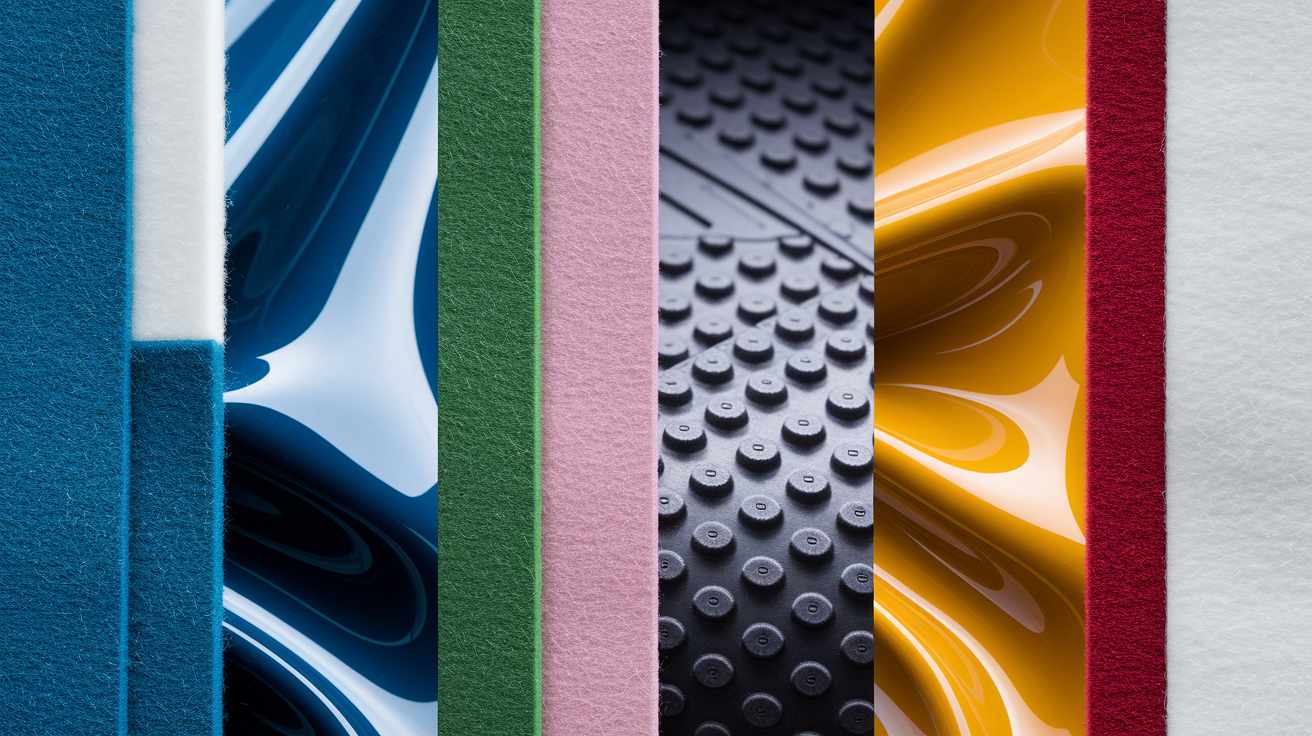
Most snuffle mats use fleece or felt strips tied through a rubber or plastic base. Fleece is soft, durable, and holds scent well, making it easy for dogs to locate hidden food. Felt is lighter and dries faster but may fray more quickly with heavy use. Rubber bases provide stability and grip, preventing the mat from sliding across the floor during use. Look for mats with tightly secured fabric. Loose strips can become choking hazards if your dog pulls them free and swallows pieces.
Many mats are machine washable, which is crucial for hygiene. Crumbs, drool, and treat residue build up quickly, especially if you use soft or sticky snacks. To protect the mat and your washer, place it in a mesh laundry bag before washing, then air dry completely. Avoid putting mats in the dryer. High heat can melt plastic components or shrink fabric. Wet treats and crumbly snacks make cleaning harder, so stick with dry kibble or firm training treats whenever possible.
Supervise early sessions to prevent fabric chewing. Some dogs try to pull or chew the strips instead of sniffing for food, which can lead to ingestion of fabric pieces. If your dog is a heavy chewer, choose a mat made from thicker, more durable material, or consider an anti chew design with reinforced stitching. Cheap mats often fray after a few uses, creating loose threads that pose choking or intestinal blockage risks, so investing in a well constructed mat from a reputable brand is worth it.
| Material Type | Durability | Cleaning Ease |
|---|---|---|
| Fleece strips | High – holds up well to repeated use, resists fraying when quality made | Moderate – machine washable but holds odor if not dried fully |
| Felt strips | Moderate – lighter weight, may fray faster with rough use | High – dries quickly, easier to spot clean |
| Rubber/plastic base | High – stable, non slip, long lasting | High – wipes clean easily, can be rinsed separately |
Choose non toxic materials, especially if your dog is prone to mouthing or chewing. Avoid mats with strong chemical smells, which can indicate low quality dyes or plastics. A good snuffle mat should smell neutral out of the package and remain odor free between washes as long as you clean it regularly. Store your mat in a dry spot away from direct sunlight. UV exposure can weaken fabric and fade colors over time.
Final Words
Use a snuffle mat today to turn meals and snacks into short, sniffing foraging games. It gives mental stimulation, slows eating, and can ease anxiety in many dogs.
We covered how mats mimic natural foraging, help puppies and senior or mobility-limited pets, and boost focus for training. There are simple tips for session length, difficulty, cleaning, and safety so you can start with confidence.
If you want one easy enrichment tool that fits most homes, the snuffle mat benefits are real. Try short sessions this week and watch your dog settle and engage—you’ll both enjoy it.
FAQ
Q: How often should you use a snuffle mat?
A: You should use a snuffle mat for short sessions most days, about 5-15 minutes once or twice a day. Start slow, supervise, and adjust based on your dog’s interest and fatigue.
Q: Do snuffle mats tire out dogs?
A: Snuffle mats can mentally tire dogs. Sniffing is tiring. About 15 minutes of sniffing often equals roughly 30 minutes of physical exercise, usually leaving dogs calmer and more focused.
Q: Do snuffle mats actually work?
A: Snuffle mats do work. They hide kibble or treats in layered fabric, promoting sniff-driven mental stimulation, slower eating, reduced boredom, and often helping with anxiety and scent-skill development.
Q: What are the benefits of snuffle mats?
A: The benefits of snuffle mats include mental stimulation, satisfying the foraging instinct, anxiety reduction, slow feeding, improved digestion, boredom prevention, and increased calmness.