
Think all window perches are safe for every cat?
They look harmless, but a perch that’s too small or poorly mounted can turn a favorite spot into a danger.
Window perches, though, are a great way to give indoor cats sun, stimulation, and a comfy lookout without going outside.
This post walks you through safe options for every size, including suction cups, bracket shelves, and hammocks, how to pick the right capacity and depth, and simple installation and safety checks so your cat can enjoy the view worry-free.
Top Window Perch Options That Fit Most Cats and Windows
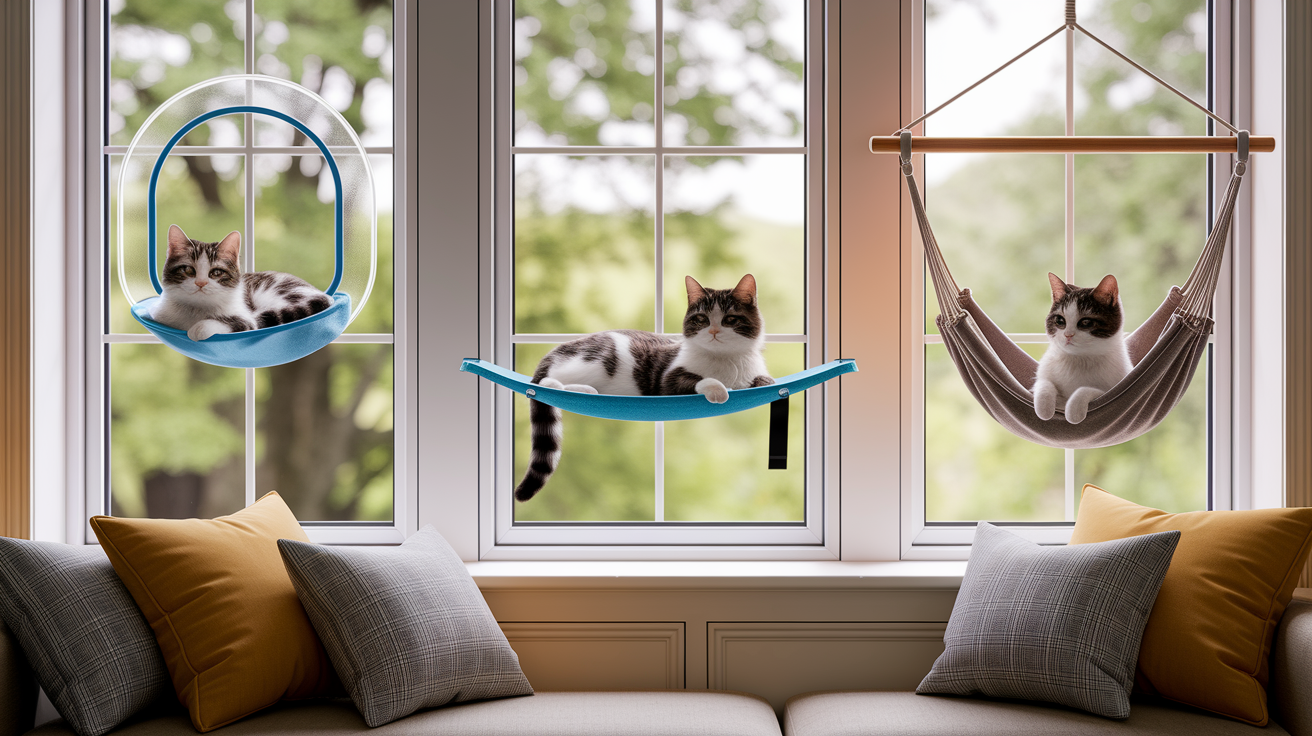
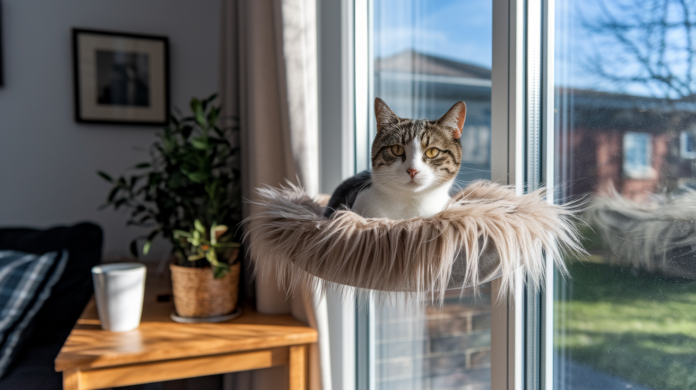
Window perches give cats a front-row seat to the world outside. They love the warm sun, the movement of birds and squirrels, and that elevated view that makes them feel safe and in control. A good perch can reduce boredom, provide hours of natural enrichment, and give indoor cats a taste of outdoor stimulation without any of the risks.
Suction cup perches stick directly to glass with four to eight heavy-duty cups. Easy to install, no tools needed. Bracket-mounted shelves require screws and anchors but they’re the most stable option, especially for larger or more active cats. Hammock-style perches suspend a fabric bed from suction cups or hooks, creating a cozy hanging spot that a lot of cats find irresistible. Each style has trade-offs in cost, installation effort, and how long it’s going to last.
Suction cup models typically run $20 to $60 and work best for small to medium cats on smooth glass. Bracket-mounted shelves cost $40 to $150 or more but can support heavier loads and multiple cats. Hammock-style perches fall in the $25 to $70 range and offer a comfortable middle ground. Premium models with thick padding, reinforced frames, and designer fabrics can reach $100 to $200. Expect suction cup perches to need more frequent checks and possible replacement of cups every six to twelve months. Bracket shelves, once installed correctly, can last for years with minimal maintenance.
- Best suction perch: Easy to install, budget friendly, rated for 15 to 30 lb, great for renters or temporary setups.
- Best bracket-mounted: Highest stability, supports 30 to 50+ lb, perfect for large cats or multi-cat households.
- Best budget: Basic hammock or small suction shelf under $35, good for lightweight cats and tight budgets.
- Best for large cats: Deep platform 16 to 20 in, capacity 40+ lb, usually bracket mounted for safety.
- Best hammock-style: Comfortable fabric sling, mid-range capacity 15 to 35 lb, space saving and cozy.
- Best luxury: Plush materials, reinforced frame, $100 to $200, often includes extended warranty and extra padding.
Comparing Different Cat Window Perch Styles and Mounting Types
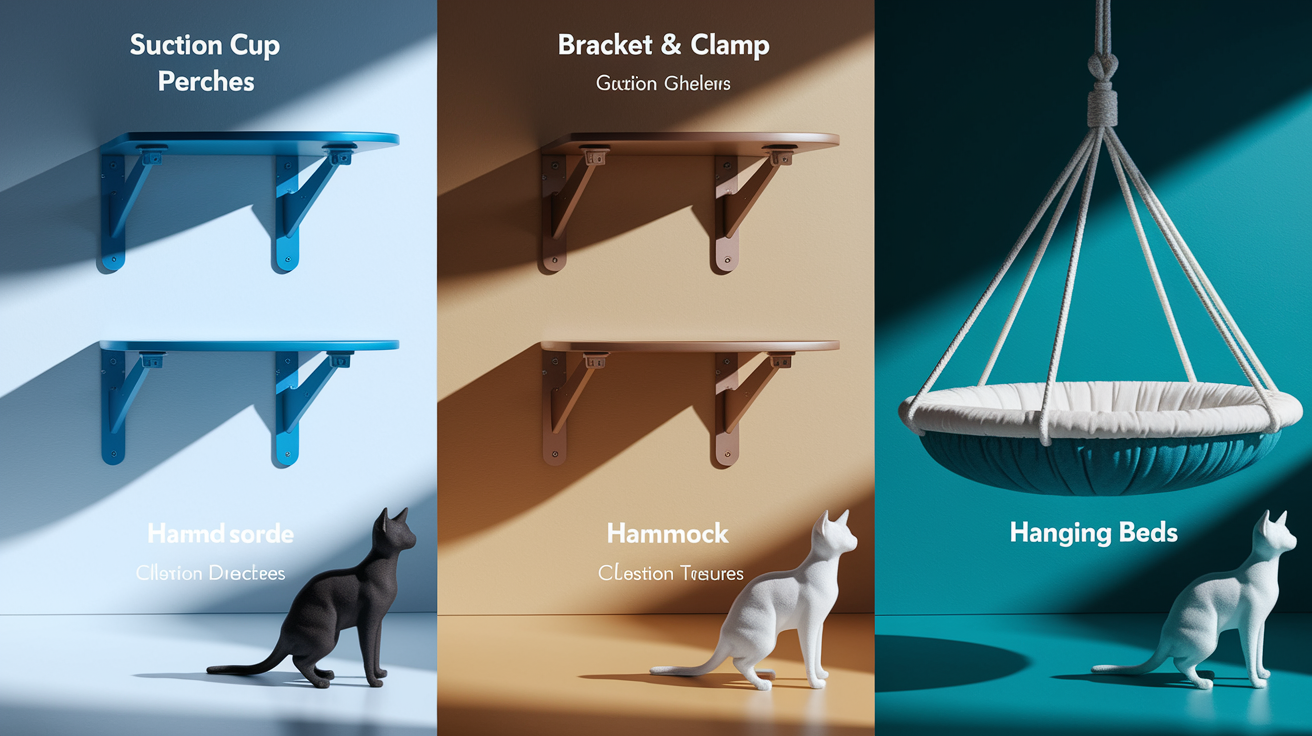
Choosing the right mounting style matters just as much as choosing the right size. A perch that fits your window, your cat’s weight, and your comfort level with installation will stay secure and get daily use.
Suction Cup Window Perches
Suction cup perches rely on four to eight large suction cups pressed firmly against smooth, clean glass. Installation is simple. Press each cup for 15 to 30 seconds to seat it fully, then wait 12 to 24 hours before letting your cat use it for the first time. That settling period lets the cups form a strong seal. Most suction models are rated for 15 to 30 lb, though some heavy-duty versions claim up to 40 to 44 lb. The big advantage? No drilling, no damage to frames, and easy relocation.
The downside is lower long-term reliability. Cold weather, dirty glass, or even small air bubbles can weaken the seal. Suction cups flatten or crack over time and should be replaced every six to twelve months. Check the seal weekly during the first month, and monthly after that. If a cup starts to release or looks deformed, replace it right away.
Bracket and Clamp-On Window Shelves
Bracket-mounted shelves are the most stable option. They use two to four screws or anchors to attach a support bracket to the window frame or sill, and the shelf sits on top. Weight capacities commonly range from 25 to 50+ lb, making them safe for large cats, active jumpers, and multi-cat households. Installation requires a drill, appropriate pilot holes, and anchors matched to your frame material. Wood, drywall, or plaster. Torque screws to the manufacturer’s spec and allow 24 hours for any adhesives or anchors to cure before loading the perch.
The trade-off is permanence. You’ll have small screw holes in the frame. Clamp-on shelves attach to the sill without screws but require a sill depth of 1 to 3 inches and enough clearance to tighten the clamp securely. Stability depends on sill material and clamp quality.
Hammock and Hanging Window Beds
Hammock perches suspend a fabric bed from suction cups, hooks, or adjustable straps. They’re comfortable, space saving, and many cats love the gentle sway. Typical weight capacity is 15 to 35 lb, depending on the suspension system and fabric tension. Over time, fabric can stretch or sag, reducing stability and comfort. Choose a hammock with reinforced stitching and adjustable straps so you can re-tighten as needed. Hammocks are easier to wash than rigid platforms. Most covers zip off and go straight into the washing machine. They’re a good middle option between the no-drill ease of suction cups and the high stability of brackets.
| Perch Type | Avg Capacity | Mounting Notes |
|---|---|---|
| Suction Cup | 15–30 lb | Requires smooth glass; re-check seal weekly first month |
| Bracket-Mounted | 25–50+ lb | Screws into sill/frame; 2–4 anchors; permanent install |
| Hammock/Hanging | 15–35 lb | Suction or hooks; fabric may stretch; adjustable straps help |
Choosing the Best Cat Window Perch Size, Capacity, and Materials
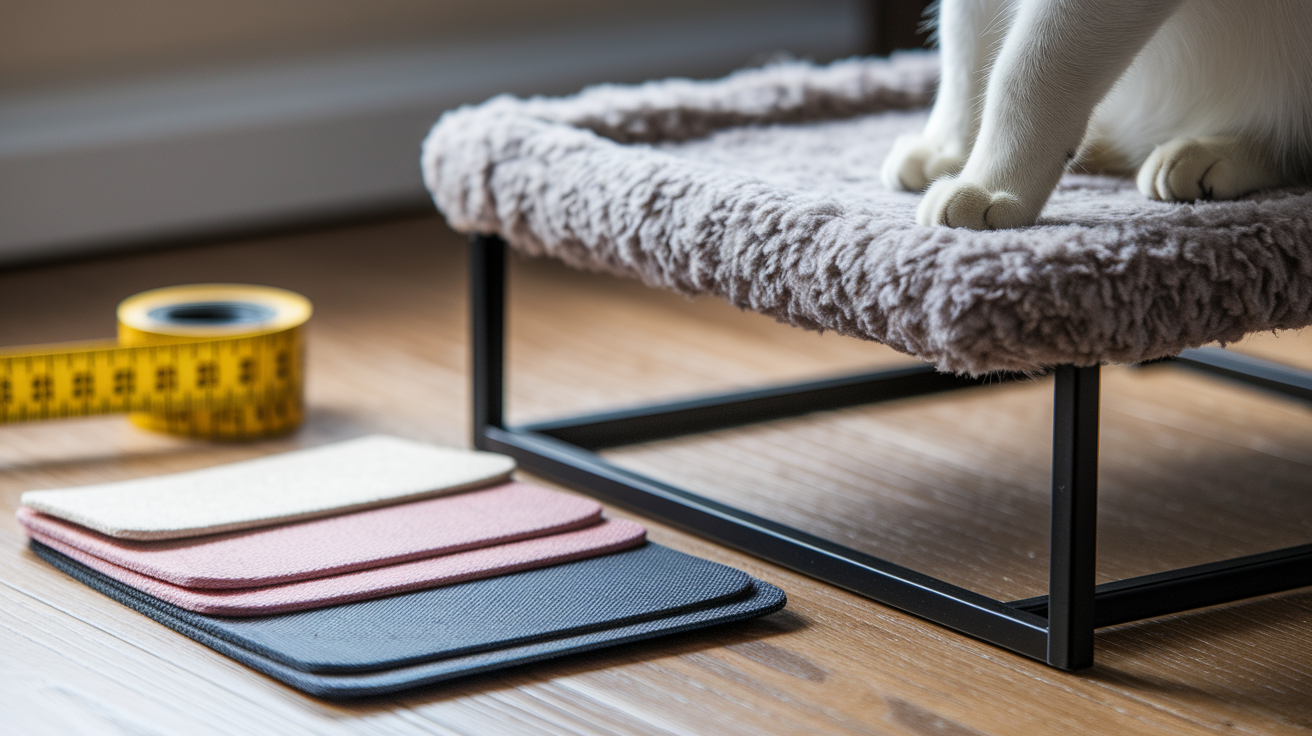
Pick a perch rated for at least 1.5 times your cat’s weight. For a 15 lb cat, choose a perch rated for at least 22 to 25 lb. If your cat is an active jumper or you plan to have more than one cat on the perch at a time, go with a 2× safety margin. For multi-cat households, add the combined weight of all cats who might use it at once, then add another 20 to 30 percent for dynamic loading. That’s the extra force from jumping or landing. Large or extra-large breeds like Maine Coons or Savannahs should use shelves rated for 40 to 50+ lb with deeper platforms.
Depth matters for comfort and safety. Small cats do fine on platforms 10 to 12 inches deep. Medium cats need 12 to 16 inches to stretch out and turn around comfortably. Large cats need 16 to 20+ inches so they don’t overhang the edge or feel cramped. Measure your cat from nose to base of tail while they’re lying down. That gives you a rough minimum depth. Add a few inches for wiggle room. Width should be at least as wide as your cat is long, preferably a few inches wider so they can shift positions without losing balance.
Materials affect both comfort and durability. Faux fur and fleece covers are soft and warm, great for sun-napping. Canvas is more durable and easier to clean but less plush. Look for removable, machine-washable covers so you can wash them every one to three months depending on use. Foam or polyester-fill padding flattens over time. Expect to replace padding every one to three years. Steel or powder-coated metal frames last the longest and resist rust. MDF or particleboard with laminate is lighter and cheaper but can warp if exposed to moisture or temperature swings. Check stitching quality on fabric edges. Reinforced seams hold up better under repeated washing and weight.
Before you buy, write down these measurements:
- Window pane width and height where the perch will attach
- Glass type (single-pane, double-pane, textured, or tinted)
- Sill depth and frame material (for bracket or clamp mounts)
- Your cat’s weight and body length from nose to tail base
- Desired perch depth based on cat size (small 10–12 in, medium 12–16 in, large 16–20+ in)
Installation Guide for Cat Window Perches
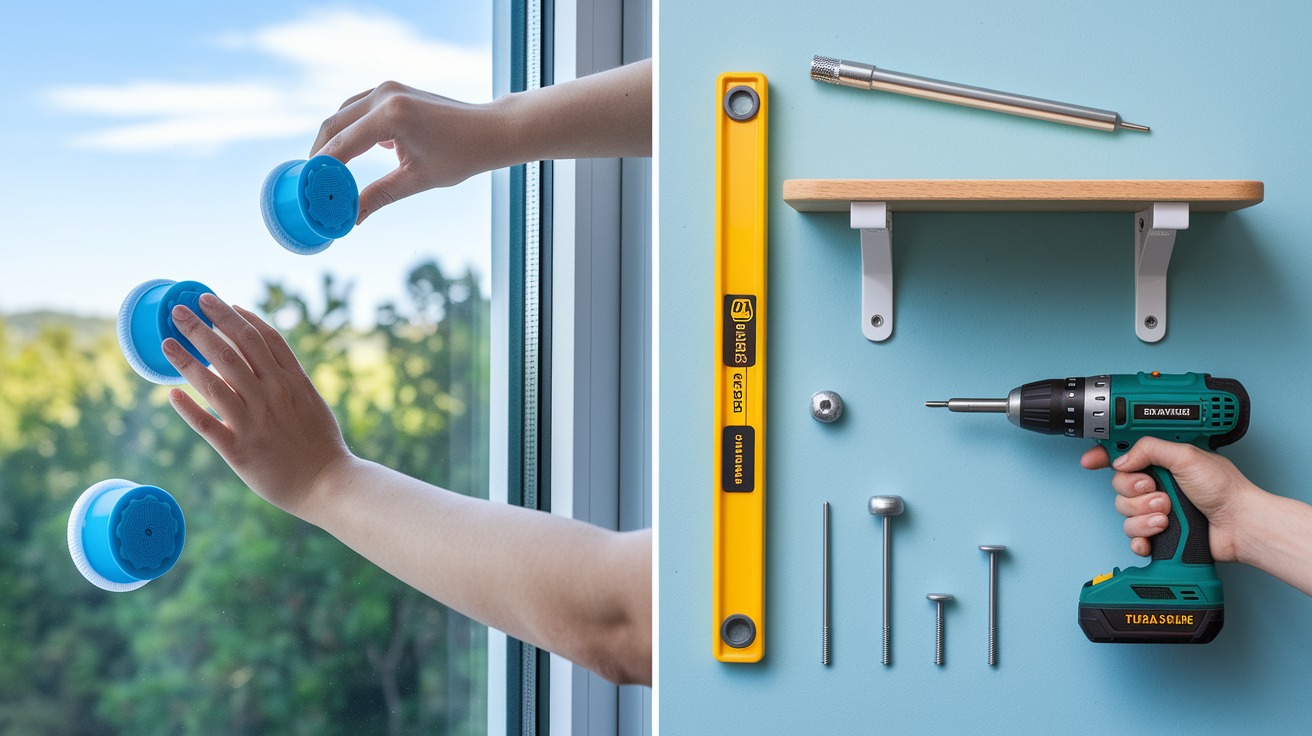
Start by cleaning the mounting surface. Wipe the glass or sill with isopropyl alcohol to remove dust, oils, and residue. Let it dry completely before attaching anything. For suction cups, even a thin film of dirt can break the seal. For brackets, a clean surface helps adhesives and anchors bond correctly.
Installing Suction Cup Perches
- Clean the glass thoroughly with isopropyl alcohol and let it air-dry.
- Press each suction cup firmly against the glass for 15 to 30 seconds, starting from the center and working outward to push out air bubbles.
- Seat all cups fully and confirm each one is flat with no visible gaps or wrinkles.
- Wait 12 to 24 hours before letting your cat use the perch. This settling time lets the seal strengthen.
- Gently tug each cup after the waiting period to confirm it’s secure.
- Check the seal weekly for the first month, then monthly after that, and re-seat any cups that show signs of loosening or flattening.
Installing Bracket-Mounted Perches
- Measure your sill or frame depth and mark where the brackets will sit. Use a level to keep shelves horizontal.
- Drill pilot holes at the marked spots. Size the holes to match your screws and anchors.
- Insert anchors if you’re mounting into drywall or plaster. Skip this step for solid wood frames.
- Attach the brackets with screws, tightening to the manufacturer’s recommended torque. Don’t overtighten and crack the material.
- If adhesive anchors are used, wait 24 hours for full cure before loading weight onto the shelf.
- Place the perch platform onto the brackets and confirm it sits level and doesn’t wobble.
Double-pane windows work well for both suction and bracket mounts as long as the glass is smooth and flat. Textured or frosted glass reduces suction reliability. The uneven surface creates air pockets that weaken the seal. Tinted windows are fine as long as the tint is applied to the inside surface and the glass itself is smooth. If your window has a coating or film, test one suction cup in an inconspicuous spot and leave it for 24 hours to confirm it holds before installing the full perch.
Window Perch Safety and Stability Tips for Cat Owners
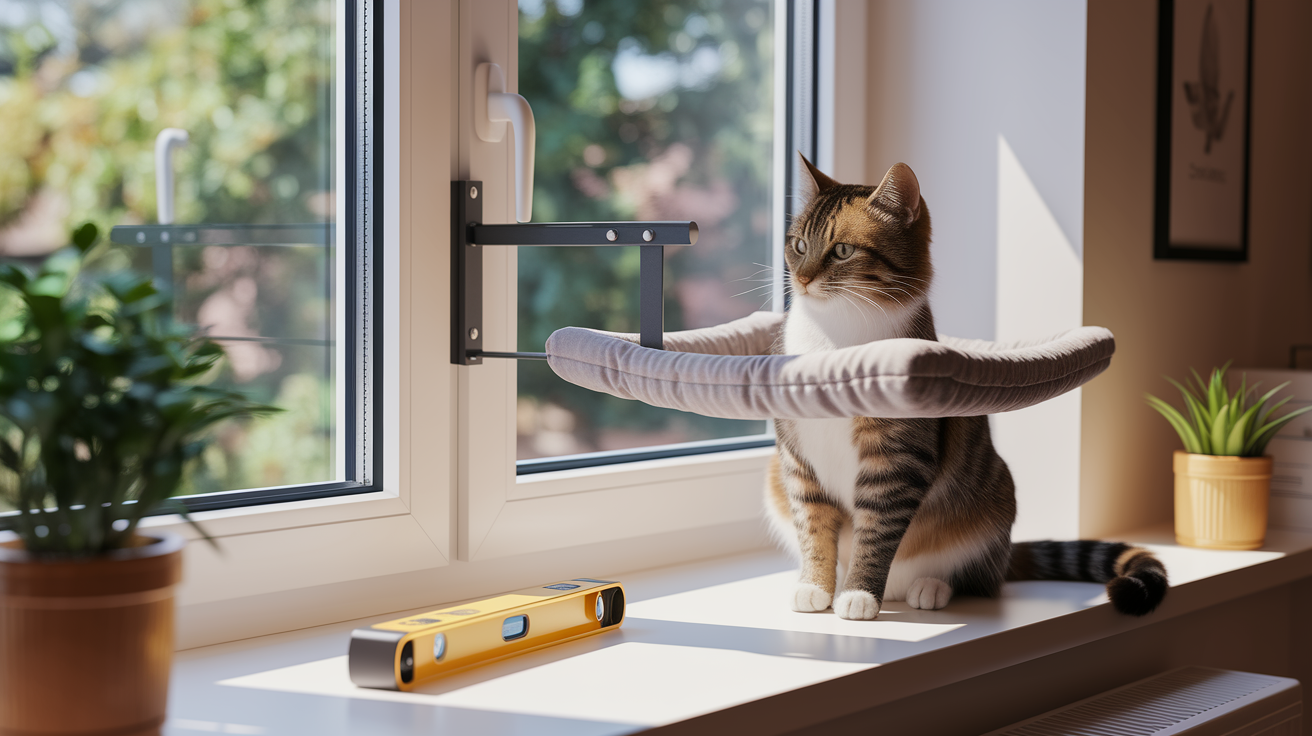
Check your perch monthly once it’s in regular use. For suction models, press on each cup to confirm it’s still sealed tightly. For bracket mounts, check that screws haven’t loosened and that the shelf doesn’t wobble. Replace suction cups every six to twelve months, even if they look fine, because the material degrades over time and loses grip strength. Cold weather and low humidity reduce suction reliability, so re-check seals after temperature swings or during winter months.
Follow the 1.5 to 2× weight safety margin. If your cat weighs 12 lb, choose a perch rated for at least 18 to 24 lb. If you have an active cat who jumps hard or lands with force, use the 2× rule. Multi-cat households should add combined weights and choose bracket-mounted shelves rated for 35 to 50+ lb to handle the extra dynamic load. Never assume a perch will hold more than its stated capacity. Manufacturers test under controlled conditions and real-world forces can be higher.
- Glass texture: Suction cups need smooth, non-porous glass. Avoid textured, frosted, or curved surfaces.
- Suction seal: Press each cup weekly for the first month and monthly after that. Look for flattening, cracks, or air gaps.
- Bracket tightness: Check screws and anchors monthly. Re-tighten if needed. Replace stripped anchors immediately.
- Temperature shifts: Cold and dry air weaken suction. Avoid mounting suction-only perches on windows exposed to extreme seasonal changes.
- Multi-cat testing: If more than one cat will use the perch, test it with combined weight gradually before leaving them unsupervised.
Maintenance, Cleaning, and Replacement Timeline for Cat Window Perches
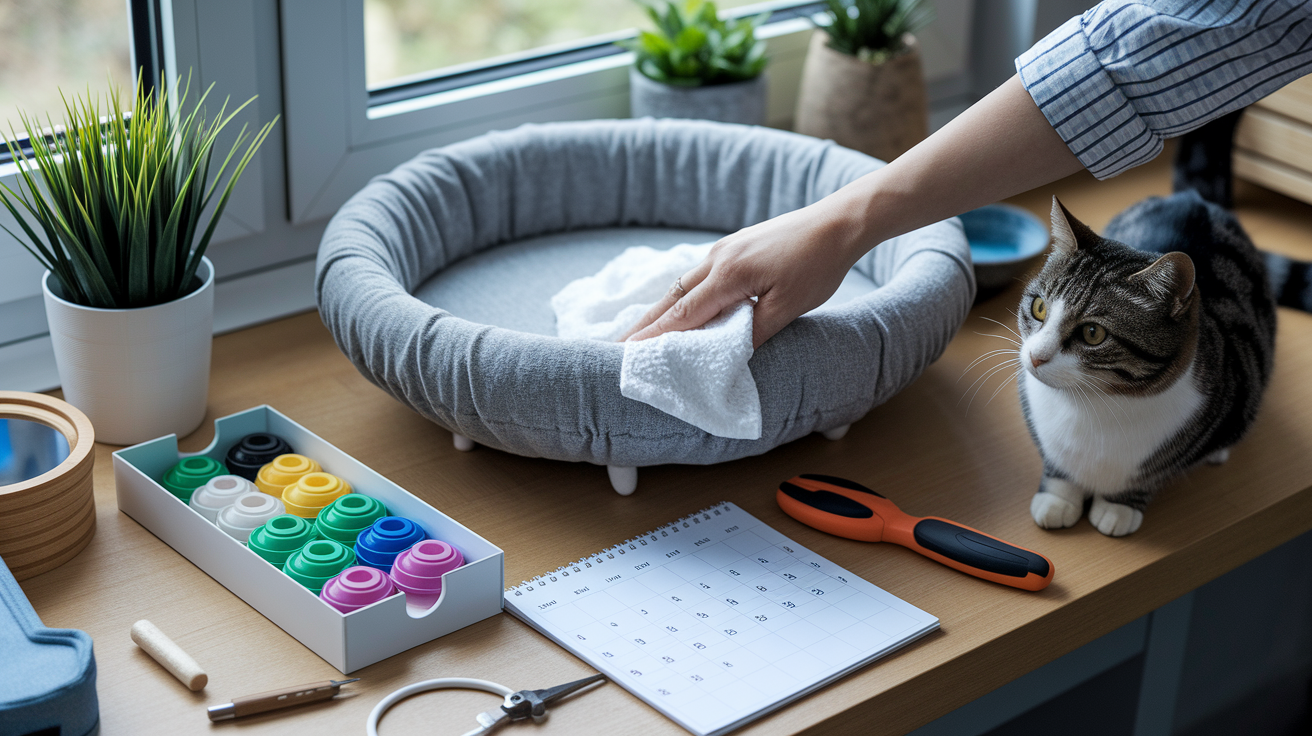
Wash removable covers every one to three months depending on how often your cat uses the perch. Most faux fur, fleece, and canvas covers are machine-washable. Use a gentle cycle and mild detergent, then air-dry or tumble-dry on low heat to prevent shrinking. Before washing, pull off loose hair by hand or with a stick vacuum. Hair can clog zippers and washing machines. If your cat vomits or has an accident on the perch, spot-clean right away with enzyme cleaner to prevent staining and odor.
Inspect padding and bolsters every few months. Foam or polyester fill flattens with use, especially under heavier cats. If the cushion feels thin or your cat stops using the perch, the padding may need replacing. Most perches let you unzip the cover and swap in new foam or batting. Expect padding to last one to three years depending on cat size and activity level. Suction cups wear out faster than fabric. Replace them every six to twelve months, or sooner if you notice cracks, flattening, or reduced grip. Many manufacturers sell replacement suction cups separately.
Canvas and steel frames are the most durable and can last five years or more with regular cleaning and inspection. Faux fur is comfortable but snags more easily and may need replacing sooner. Cheap MDF or particleboard can warp or delaminate if exposed to moisture. Check edges for swelling and replace the perch if the structure feels weak.
| Component | Typical Replacement Interval |
|---|---|
| Suction cups | Every 6–12 months |
| Padding and foam fill | Every 1–3 years |
| Fabric cover | Wash every 1–3 months; replace as needed if snagged or worn |
Best Window Perch Picks by Cat Size, Home Layout, and Budget
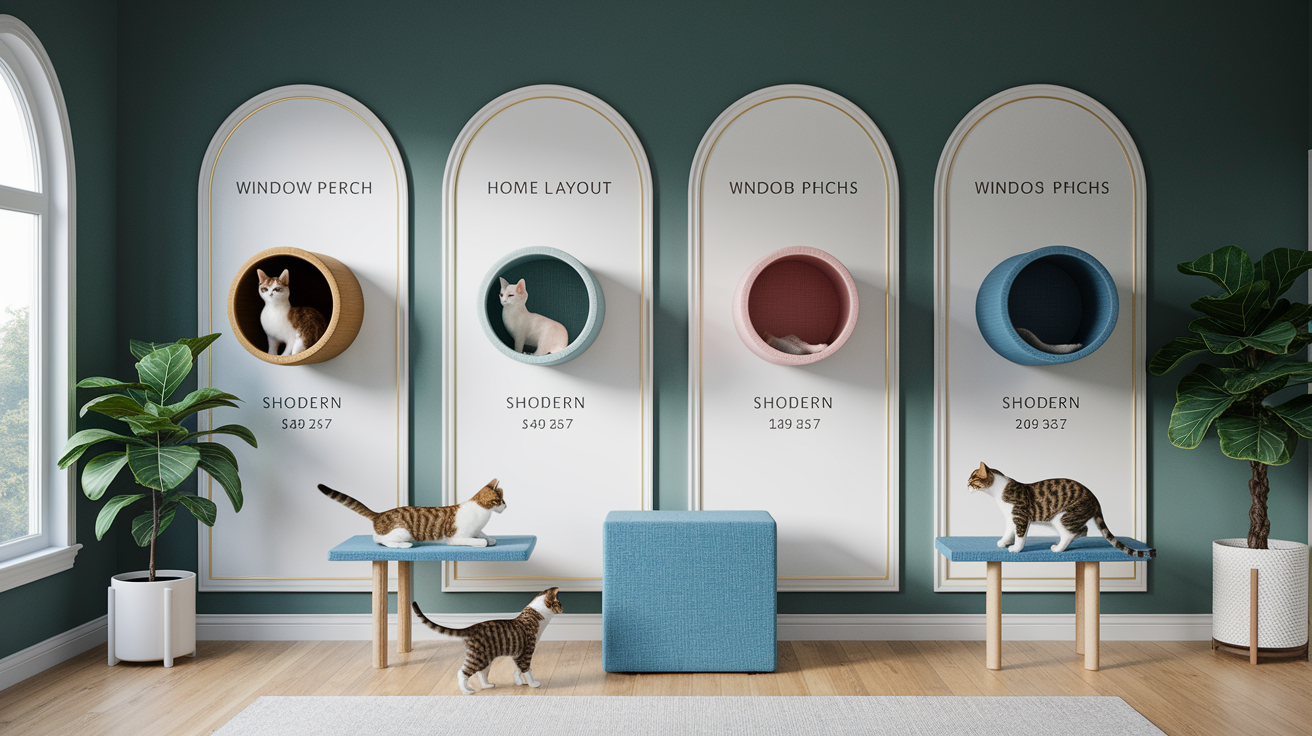
Different cats and households need different perches. A single lightweight cat in a small apartment has very different needs than a household with two Maine Coons and large windows. Matching perch type to your situation saves money and keeps your cat safe and comfortable.
Best Budget Friendly Perches Under $50
Budget perches in the $20 to $50 range usually use suction cups and lightweight materials. They work well for cats under 15 lb and for households that want to try a window perch without a big investment. Look for models with at least four suction cups and a stated weight capacity of at least 20 lb for a safety margin. Canvas or polyester covers are easier to clean than non-removable fabrics.
- Capacity range: 15 to 25 lb
- Material: Canvas or polyester cover, steel or plastic frame
- Mounting: Four to six suction cups, no tools required
Best for Large or Multi-Cat Households
Large cats and multi-cat households need perches rated for 40 to 50+ lb. Bracket-mounted shelves are the safest choice because they anchor directly to the frame or sill. Look for platforms at least 16 to 20 inches deep so bigger cats can stretch out. Reinforced steel brackets and thick padding add durability and comfort.
- Capacity range: 40 to 50+ lb
- Material: Steel frame, thick foam or memory foam padding, durable canvas or faux fur
- Mounting: Two to four heavy-duty brackets with screws, permanent install
Best Compact/Mini Perches for Small Apartments
Small apartments with limited window space benefit from compact hammock or mini-shelf perches. These models are 10 to 14 inches deep and work well for cats under 12 lb. Hammocks take up less visual space and can tuck into corners or narrow windows. Look for adjustable straps so you can fine-tune the fit.
- Capacity range: 10 to 20 lb
- Material: Lightweight mesh or fleece fabric, minimal frame
- Mounting: Suction cups or adjustable straps, quick to install and remove
Best Premium Window Beds With Extra Padding
Premium perches in the $100 to $200 range offer thick memory foam, plush faux fur, reinforced frames, and longer warranties. They’re designed for daily use by large or senior cats who need extra joint support. Many include removable, washable covers and replacement suction cups or brackets. These models often rate 4.5 to 4.8 out of 5 stars based on hundreds of reviews and come with one- to five-year warranties.
- Capacity range: 30 to 50+ lb
- Material: Memory foam padding, premium faux fur or microfiber, powder-coated steel frame
- Mounting: Heavy-duty suction or reinforced brackets, often includes spare parts
How to Train Your Cat to Use a Window Perch
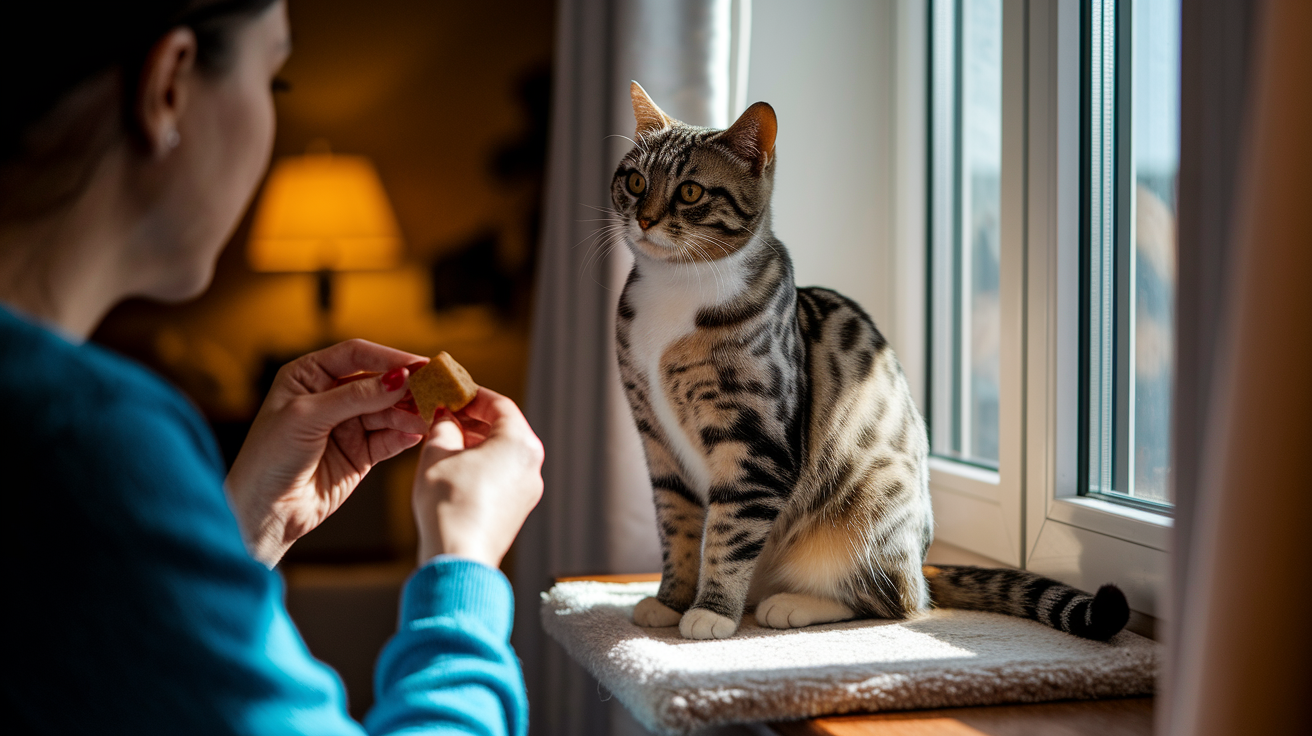
Most cats take to a window perch naturally, especially if it’s placed in a sunny spot with a good view. But some cats need a little encouragement, especially if they’re older, cautious, or not used to elevated resting spots. The goal is to make the perch feel safe, familiar, and rewarding.
Start by placing the perch in a window your cat already spends time near. If they like to sit on the sill or watch birds from a particular room, install the perch there. Let the perch sit empty for a day or two so your cat can sniff it and get used to the new object. Rub a soft cloth on your cat’s cheeks and then rub that cloth on the perch to transfer their scent. This makes it smell familiar and less threatening. Once the perch feels like part of the room, place a few high-value treats or a favorite toy on the platform. Let your cat discover them on their own. Praise them calmly when they jump up. Repeat this for a few days until they associate the perch with good things.
- Install the perch in a sunny, bird-friendly window your cat already knows.
- Let it sit empty for 24 to 48 hours so your cat can investigate without pressure.
- Transfer your cat’s scent by rubbing their cheeks with a cloth and wiping it on the perch.
- Place treats, catnip, or a favorite toy on the platform to create positive associations.
- Praise and pet your cat gently when they jump up. Keep the tone calm and low-key.
DIY Cat Window Perch Options for Budget Friendly Setups
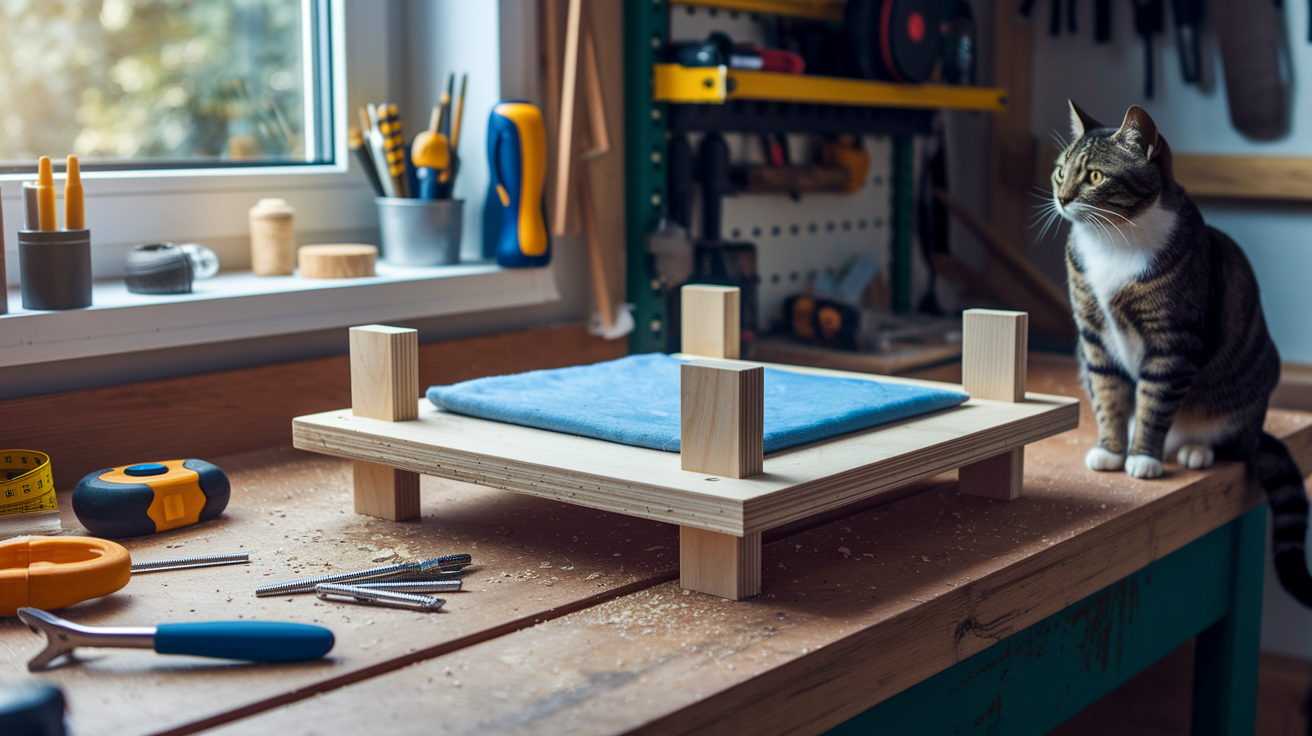
Building your own window perch can save money and let you customize size, materials, and mounting style to fit your exact window and cat. A basic DIY perch costs $15 to $40 in materials, compared to $50 to $150 for a store-bought bracket shelf. The trade-off is time and effort. Expect to spend two to four hours measuring, cutting, assembling, and installing. If you’re comfortable with basic tools and following a plan, DIY is a practical option.
Materials and Tools Needed
- Plywood or MDF board, cut to desired platform size (16 to 20 in depth x 20 to 28 in width for large cats)
- Two metal L-brackets rated for at least 1.5× your cat’s weight
- Four to six wood screws and wall anchors matched to your frame material
- Foam padding or old towel for cushioning
- Canvas or fleece fabric to wrap the platform (staple or sew in place)
- Drill with appropriate bits for pilot holes
- Level, measuring tape, and pencil for marking
Basic DIY Build Steps
- Measure your window sill or frame and cut the plywood to size. Leave 1 to 2 inches of clearance on each side.
- Wrap the plywood with foam padding and fabric. Staple or sew the fabric tightly on the underside so the top is smooth.
- Mark the bracket positions on the sill or frame. Use a level to keep the platform horizontal.
- Drill pilot holes and insert anchors if needed, then attach the L-brackets with screws.
- Place the wrapped platform onto the brackets and confirm it sits level and doesn’t wobble.
- Test the perch with weight before letting your cat use it. Press down firmly in the center and edges to confirm stability.
Follow the same 1.5× to 2× weight safety margin as store-bought perches. If your cat weighs 15 lb, build the perch to support at least 22 to 30 lb. Use brackets and screws rated for that load. Check that your sill or frame is solid enough to hold the weight. Thin or rotted wood may need reinforcement. Sand all edges smooth to prevent splinters, and avoid using toxic paints or finishes where your cat will sit. If you’re unsure about load ratings or frame strength, consult a hardware store employee or stick with a pre-tested commercial perch.
Final Words
You’ve got quick picks for suction, bracket, and hammock styles, plus why cats love sun, stimulation, and a higher view.
We covered size and capacity rules, materials and cleaning, safety checks, and step-by-step installation tips so you can choose a perch that fits your cat and window.
Use the buying lists, measurements to record, and simple training steps to help your cat adapt. Window perches for cats make indoor life richer, and you’ll both enjoy the new lookout.
FAQ
Q: Do cat window perches work?
A: Cat window perches work, giving sunlight, bird-watching and mental stimulation that often reduces boredom. Choose a stable style sized for your cat and check mounts regularly for safety.
Q: How can I build a DIY cat window perch?
A: A DIY cat window perch can be built with wood or MDF, canvas or faux-fur cushion, brackets or heavy-duty suction cups. Match strength to 1.5–2× your cat’s weight and use basic tools safely.
Q: Do cats like heated window perches?
A: Cats often like heated window perches for extra warmth, especially seniors or sick pets. Use low-heat, thermostatted pads made for pets and supervise first uses; stop if your cat avoids or seems uncomfortable.
Q: What can I put on my windows to stop my cat from getting out?
A: To stop your cat from getting out, fit sturdy screens or keyed window locks, add window stops or childproof latches, and only open windows from the top or with the screen secured. Test latches regularly.