

Could carrying your small dog on your back be better than dragging a bulky carrier through the airport?
Backpack-style pet carriers promise that: hands-free travel for you and a cozy, ventilated spot for your pup to sit or lie down.
They’ll cut shoulder strain, keep your dog close during busy walks, and meet many airline under-seat rules.
We’ll break down the best backpack carriers, how to size them, and the comfort and safety features that matter so you can pick one that gives your dog real comfort and you real freedom.
Quick Comparison at a Glance
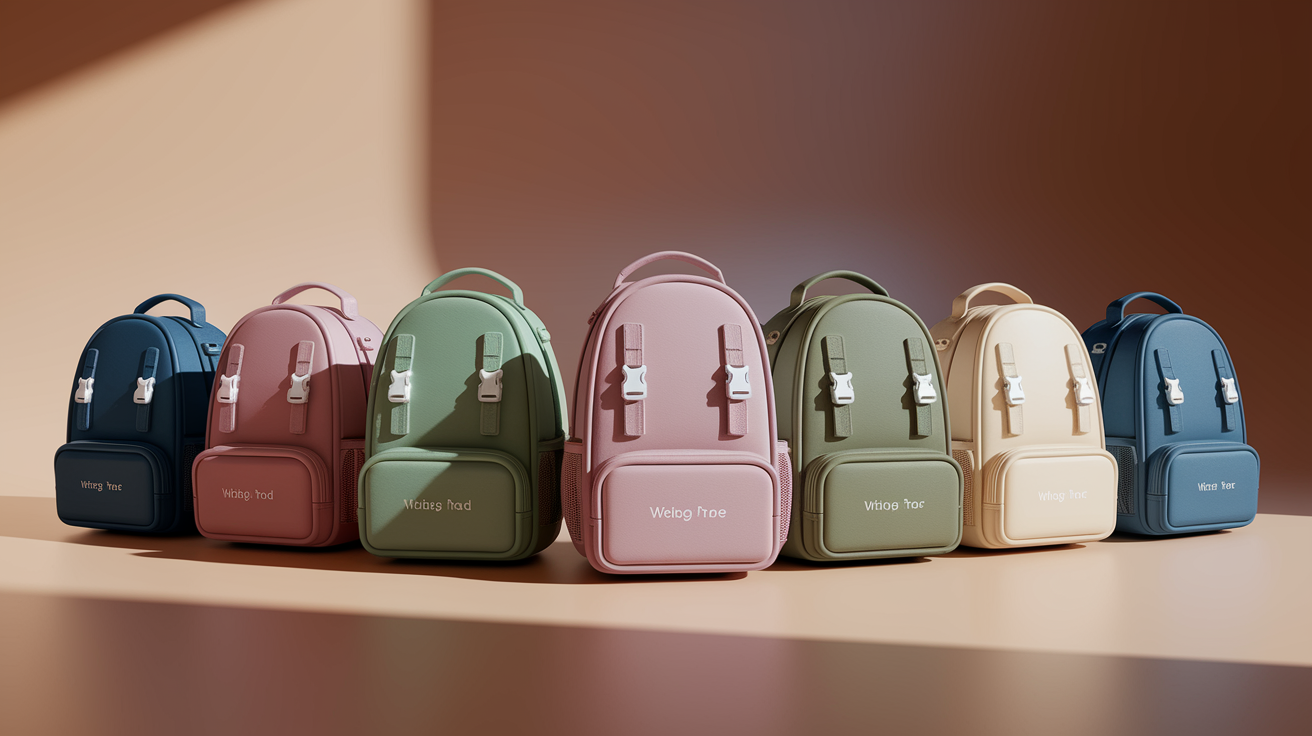
| Model | Price Range | Max Weight | Interior Dimensions (L×W×H) | Best For | Airline-Friendly |
|---|---|---|---|---|---|
| Roverlund Ready-for-Adventure | $100–$140 | 25 lb (comfort zone ~14 lb) | 13.4″ × varies × varies | Small dogs, air travel | Yes (most carriers) |
| Kurgo G-Train (updated) | $80–$120 | 25 lb (best under 16 lb) | 12.9″ × 10″ × 21.7″ | Day hikes, urban commute | Varies by airline |
| Timbuk2 Muttmover | $90–$130 | 20 lb (ideal under 15 lb) | 13.5″ × 9.5″ × 18.7″ | Short hikes, horizontal carry | Check dimensions |
| K9 SportSack Air/PLUS | $100–$160 | 10–20 lb (model-dependent) | ~13″ × 10″ × 16″ | Bike rides, short outings | Some models |
| Outward Hound PoochPouch | $35–$60 | 8–12 lb | Soft-sided, varies | Occasional transport | Some variants |
| PetAmi Deluxe | $45–$75 | 8–15 lb | Varies by size | Commuting, light walks | Check model specs |
| Sherpa Original Deluxe | $60–$90 | Up to 16 lb | ~17.5″ × 12″ × 11″ | Air travel, vet visits | Yes (verified) |
Top 7 Backpack-Style Carriers for Small Dogs
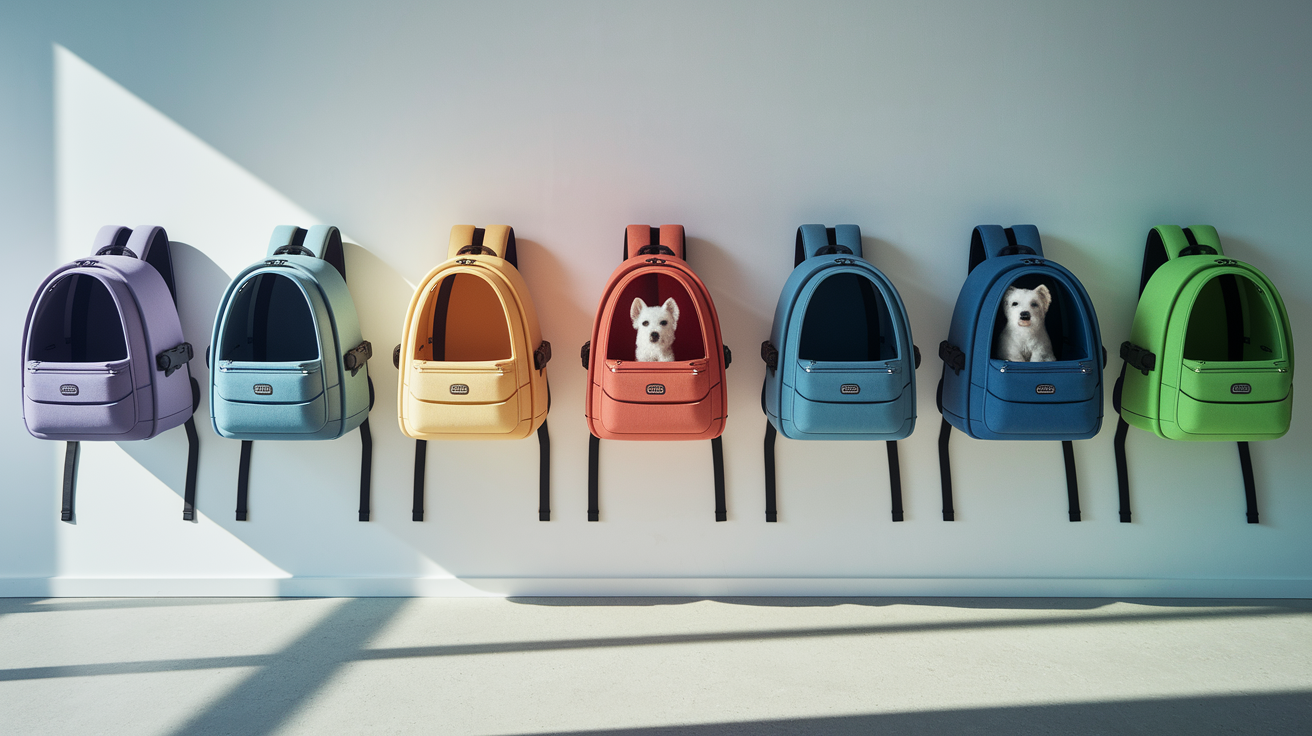
Roverlund Ready-for-Adventure Dog Backpack
You’re looking at $100 to $140 here. The manufacturer says 25 pounds max, but most owners find it works best around 14 pounds or under. The main compartment runs 13.4 inches wide, enough for many small Dachshunds to lie across. It’s mostly mesh with a structured body and a laptop sleeve that doubles as back support. There’s a tether inside, though it’s long and doesn’t adjust, which bugs some people. Works for most major airlines. Ratings sit around 4.2 to 4.6 out of 5. People like the airflow and structure. They don’t like that tether situation or how snug it gets past 15 pounds.
Kurgo G-Train Dog Carrier Backpack
$80 to $120. Lists 25 pounds but really shines under 16. Interior’s 12.9 by 10 by 21.7 inches. The updated version added two stabilizer bars so the sides don’t cave in. Bottom pad comes out for washing. Adjustable sternum and waist straps shift weight to your hips. Top opening plus mesh side window. Good for 1 to 2 hour hikes if you’re carrying light personal stuff in the divider. Ratings run 4.3 to 4.7 out of 5. Shoulder straps get praise, storage space gets complaints.
Timbuk2 Muttmover (and Muttmover Luxe)
$90 to $130 for the standard, a bit more for the Luxe with extra room inside. Standard’s 13.5 by 9.5 by 18.7 inches. Says 20 pounds, but most people cap it at 15 for comfort. Your dog lies horizontal across your back, which is easier on their spine. Front panel unzips all the way. Ripstop nylon inside, comes with a collapsible water dish. Waist strap’s webbing, not padded, so it doesn’t carry as much load. Storage’s tight, just keys and treats really. Some say the head hole sits low and can press on a dog’s throat. They fix it with a small blanket to raise the dog up. Ratings average 4.0 to 4.5 out of 5. Horizontal carry’s a win, limited pockets are a letdown.
K9 SportSack (Air, PLUS, Knavigate)
$100 to $160 depending on which one. Weight cap’s usually 10 to 20 pounds. Your dog sits upright in a narrow sleeve, so their spine curves more than in horizontal packs. The Air’s minimal on storage. PLUS adds a small exterior pack. Knavigate includes a bottom compartment, internal frame, and hip belt. Air’s about 13 by 10 by 16 inches. Popular for bike rides and short city trips. If your dog has back issues or a long torso, keep it under an hour. Ratings range from 4.1 to 4.6 out of 5. Portability’s great, extended use for certain breeds is risky.
Outward Hound PoochPouch
Budget pick at $35 to $60. Handles 8 to 12 pounds. Super light when empty, 1 to 2 pounds. Multiple entry points, machine-washable liner. Mesh panels on the sides. Storage’s minimal. Works for quick errands, vet runs, short neighborhood walks. Some versions fit airline under-seat rules around 18 by 11 by 11 inches, but double-check your airline. Ratings average 3.8 to 4.3 out of 5. People appreciate the price and easy washing. Durability and padding don’t hold up for heavy use.
PetAmi Deluxe
$45 to $75. Supports 8 to 15 pounds depending on size. Padded, adjustable shoulder straps, breathable mesh, built-in safety tether that clips to a harness. Soft pad on the bottom. Many models have a collapsible bowl pocket. Soft-sided, folds flat. Dimensions vary by size, so measure your dog chest to tail and match the size chart. Ratings sit around 4.2 to 4.5 out of 5. Good ventilation and value for occasional trips. Zippers and straps wear out after a while.
Sherpa Original Deluxe
Airline-approved, $60 to $90. Up to 16 pounds. Roughly 17.5 by 12 by 11 inches, with expandable side panels that compress for under-seat fit. Fold-down top and locking zippers meet most major airline rules. Faux-shearling lining inside, mesh on three sides. Includes a safety tether and removable washable pad. Built more for flights and vet visits than hiking. No padded hip belt, no external gear storage. Ratings average 4.4 to 4.7 out of 5. Airlines accept it, materials are solid. Space gets tight for dogs at the upper weight limit.
How to Measure Your Dog for a Backpack Carrier
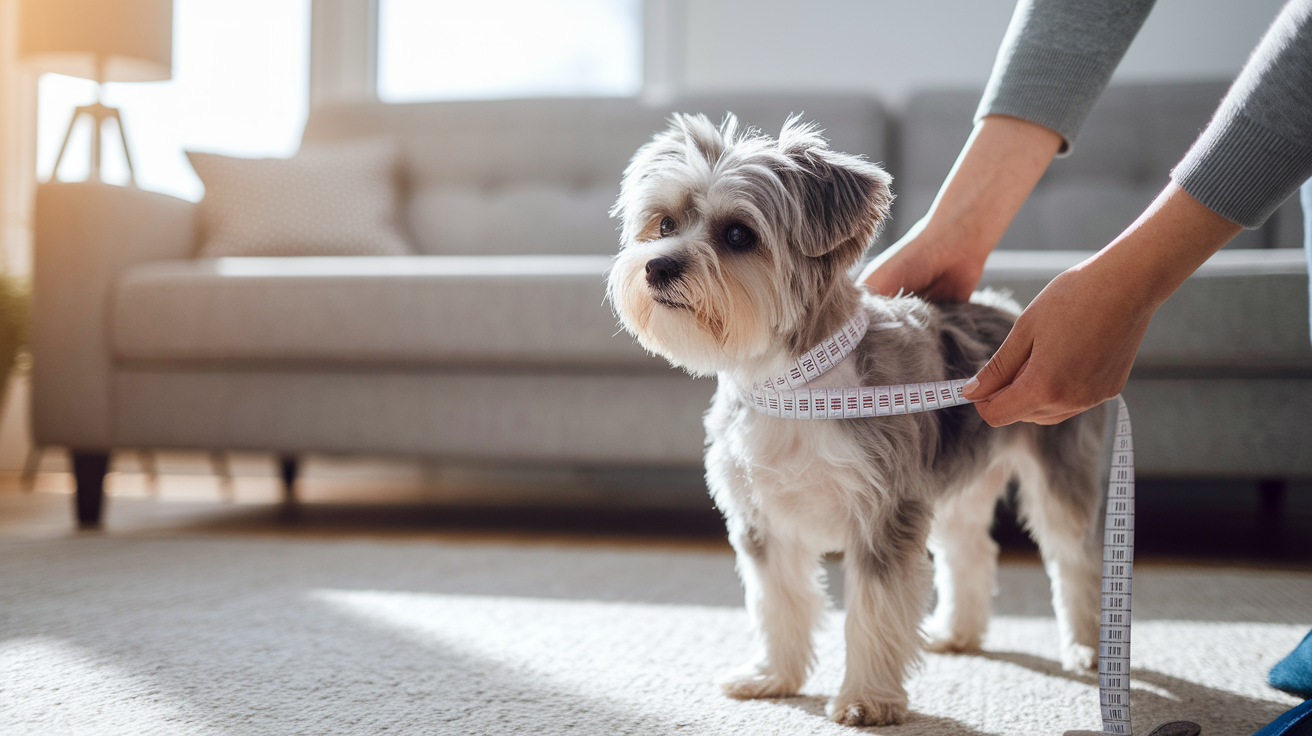
Start with chest girth at the widest point, usually just behind the front legs. Wrap a soft measuring tape snugly, not tight, and note the number in inches. Next, measure base of the neck to base of the tail. That’s how much horizontal space your dog needs lying down. Finally, weigh your dog. These three numbers, chest girth, back length, weight, are what you match to carrier sizes.
Size Small usually fits chest girths 10 to 14 inches, back lengths 8 to 12 inches, weights up to 10 pounds. Think Chihuahuas, Yorkies, Maltese. Medium covers 14 to 18 inches chest, 12 to 16 inches back, 10 to 15 pounds. Shih Tzus, Toy Poodles, Cavaliers often land here. Large for small-dog carriers, which is still pretty small overall, fits 16 to 20 inches chest, 15 to 18 inches back, 15 to 22 pounds. Small Pugs, some Frenchies, heavier Dachshunds might need this.
Add 1 to 2 inches to your dog’s measured back length when you compare to a carrier’s interior. This extra space lets your dog shift and breathe. If your dog’s between sizes, go larger unless the weight limit feels way too high for safe carrying.
| Size | Chest Girth (in) | Back Length (in) | Weight (lb) | Example Breeds |
|---|---|---|---|---|
| X-Small | 8–10 | 6–8 | Up to 6 | Teacup Chihuahua, Teacup Yorkie |
| Small | 10–14 | 8–12 | 6–10 | Chihuahua, Yorkshire Terrier, Maltese |
| Medium | 14–18 | 12–16 | 10–15 | Shih Tzu, Toy Poodle, Cavalier King Charles Spaniel |
| Large (small-dog limit) | 16–20 | 15–18 | 15–22 | Small Pug, small French Bulldog, heavier Dachshund |
Do a fit check at home after you buy. Put your dog in the carrier and watch how they settle. They should be able to stand, turn partway, and lie down without pressing hard against mesh or fabric. Make sure the internal tether clips to a harness, not a collar, and that the tether length keeps your dog centered without letting them lean too far to one side. If your dog slouches or their back curves a lot, the carrier’s too small or the wrong shape.
Detailed Buying Guide
Comfort (Padding, Straps, Lumbar Support)
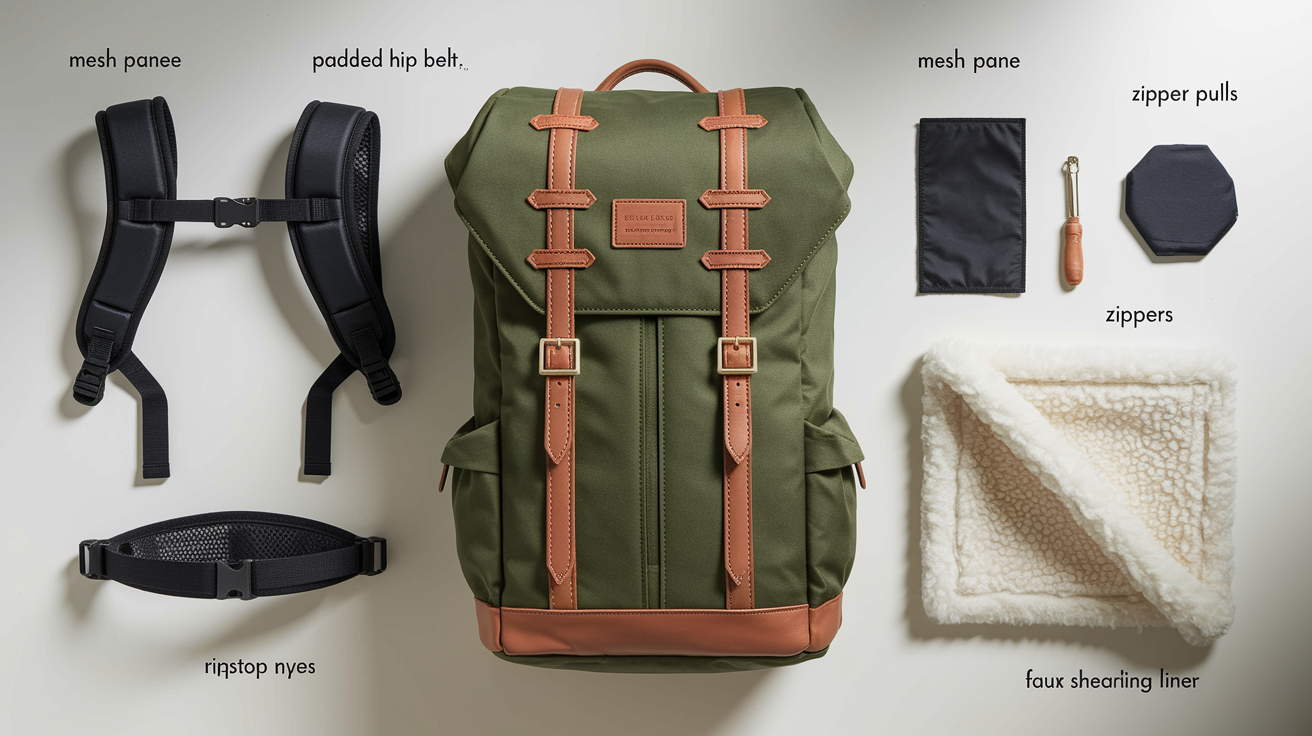
Look for padded shoulder straps at least 2 inches wide with adjustment points near your collarbone and mid-chest. Narrow straps dig in after 20 to 30 minutes with a 10-pound dog. A sternum strap across your chest pulls the shoulder straps together and stops them from sliding outward. If you’re carrying your dog more than an hour or on uneven ground, get a pack with a padded waist or hip belt. This moves weight from your shoulders to your hips, which cuts down on upper-back fatigue.
Lumbar support, a padded panel against your lower back, adds stability and keeps the pack from sagging. Hiking-focused carriers often include a semi-rigid frame or internal support bars that hold the pack’s shape when your dog shifts. Budget soft-sided carriers skip this, so the pack can collapse or tilt.
Inside, check for a padded or cushioned bottom. Thin fabric floors don’t cushion your dog’s paws and joints. Removable pads or foam inserts let you wash bedding separately and swap out worn pieces. Some packs include faux-shearling or fleece that adds warmth in cooler weather and extra cushioning year-round.
Safety (Internal Tether, Buckles, Anti-Slip Base)
A built-in safety tether or D-ring inside is non-negotiable. Clip it to your dog’s harness, never a collar. Collars can slip over a dog’s head or press on the trachea if the dog lunges or shifts. Look for tethers with adjustable length so you can shorten the leash and keep your dog centered. Tethers that are too long let your dog lean out of openings or press against one side, which creates pressure points and raises escape risk.
Buckles and zippers need to lock or secure. Plastic side-release buckles are common on shoulder and waist straps. Check that they click firmly and don’t pop open under tension. Zippers should be heavy-duty, ideally with double pulls so you can open or close from either direction. Locking zipper sliders or small carabiner loops add extra security, especially if your dog’s an escape artist.
The base should resist sliding. Some packs include a rubberized or textured bottom panel that grips your back and prevents the pack from shifting side to side. Carriers without this can rotate on your torso, which throws off your balance on narrow trails or stairs. A reinforced or molded base insert keeps the floor flat and prevents your dog from sinking into a hammock sag, which is better for spinal alignment.
Ventilation and Visibility (Mesh Panels, Roll-Up Windows)
Mesh panels on at least three sides let air flow through and help regulate your dog’s temperature. Look for large mesh windows, not small vents. Dogs cool themselves by panting, and restricted airflow can cause overheating, especially in warm weather or during hikes. Some carriers include roll-up or zip-away mesh covers that protect against wind, light rain, or insects while still allowing ventilation.
A top opening or head hole gives your dog a clear view forward and reduces anxiety. Dogs that can see their surroundings settle faster than those enclosed on all sides. Check the size and placement of the head opening. It should sit high enough that your dog can rest their chin on the edge without fabric pressing into their throat. If the opening’s too low, add a small folded towel or blanket under your dog to raise their position.
Visibility for you matters too. Clear or mesh side panels let you glance down and check on your dog without removing the pack. Some carriers include a small interior pocket for a collapsible water bowl or treat pouch, which keeps essentials within reach during breaks.
Materials and Durability (Ripstop Nylon, Water-Resistant Base)
Ripstop nylon and oxford fabric (often rated 600D or higher) resist tearing and hold up to repeated use. These materials are lightweight and dry quickly if your dog steps into water or the pack gets caught in light rain. Water-resistant coatings on the base and exterior protect against splashes and wet ground, but they’re not waterproof. If you hike in frequent rain, consider a separate rain cover.
Stitching quality shows up at stress points where straps attach to the pack body, around zipper tracks, and along base seams. Double or reinforced stitching at these spots prevents ripping under load. Check that zipper pulls are metal or thick plastic. Thin plastic pulls snap easily.
Liners and pads should be removable and machine-washable. Dogs shed, drool, and sometimes have accidents. A liner you can toss in the washing machine every few weeks keeps odors down. Some packs include antimicrobial or odor-resistant treatments on the fabric, which helps but doesn’t replace regular cleaning.
Use-Case Specifics: Hiking, Commuting, Airline Travel
For hiking, get a carrier with a padded hip belt, structured back support, and enough external storage for a small first-aid kit, phone, keys, and water bottle. Carriers for urban commuting often skip the hip belt and focus on a slim profile that fits through crowded spaces and on public transit. These work fine for 20 to 30 minute walks or quick errands but feel unbalanced on longer trails.
Airline travel requires specific dimensions. Most airlines limit under-seat carriers to around 18 by 11 by 11 inches, though policies vary. If you’re flying, choose a pack labeled airline-approved and confirm the dimensions match your airline’s current rules. Soft-sided carriers with collapsible or expandable sides often compress to fit tight under-seat spaces. Some airlines also enforce combined weight limits of 15 to 20 pounds for pet and carrier together, so factor in the carrier’s empty weight (usually 1 to 4 pounds).
Weight Limits and How They Affect Fit and Safety
Manufacturer weight limits reflect the carrier’s structural capacity, not always your dog’s comfort or your carrying comfort. A pack rated for 25 pounds can feel unstable or cause shoulder strain if you’re carrying a 20-pound dog for more than a short distance, especially without a hip belt. Many experienced users stay 3 to 5 pounds under the stated max for better balance.
Heavier dogs also shift the pack’s center of gravity. If your dog weighs 15 pounds or more, test the pack with your dog inside before a long outing. Walk around your house or yard for 10 to 15 minutes and pay attention to how the straps feel and whether the pack tilts backward or to one side. Adjust the straps and hip belt until weight sits evenly across your shoulders and hips. If the pack still feels lopsided, the design might not distribute load well for your dog’s weight.
Airline and Transit Considerations
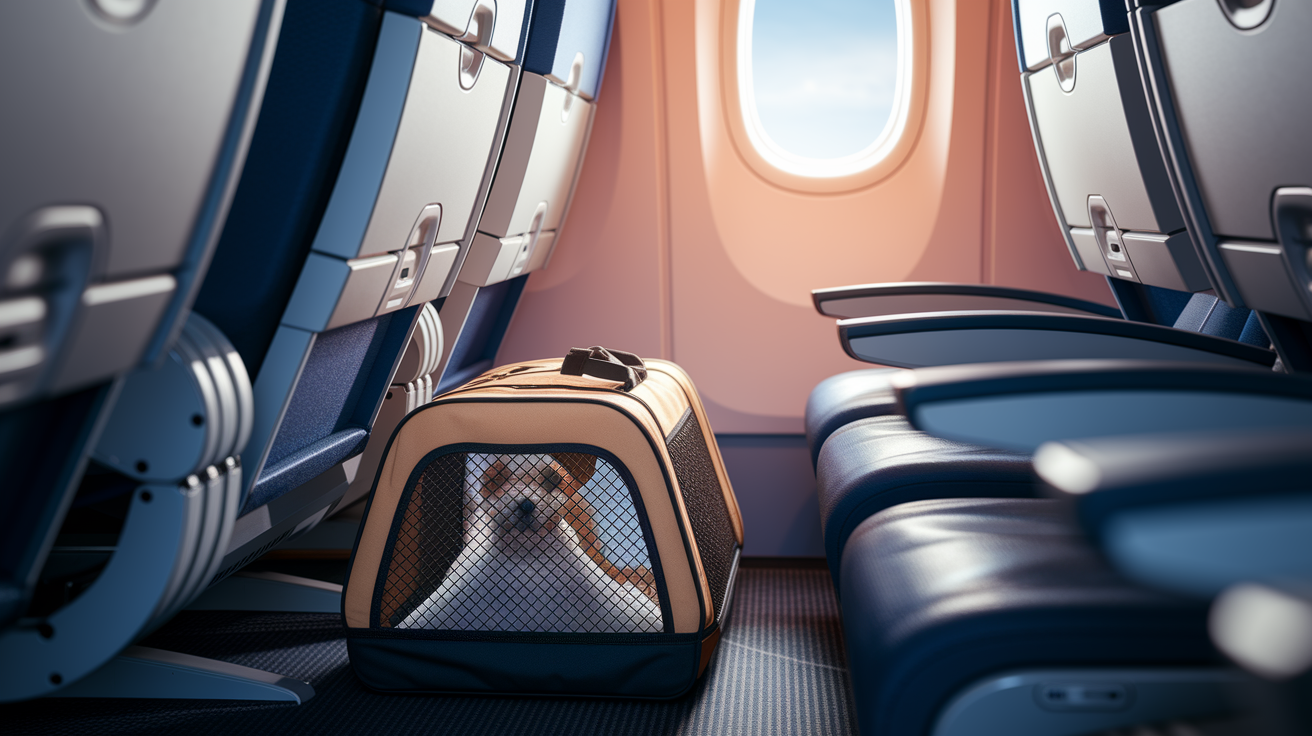
Most major U.S. airlines allow small pets in the cabin if the carrier fits under the seat in front of you. Typical under-seat dimensions hover around 18 by 11 by 11 inches, but these numbers vary by aircraft and seat class. Delta, United, American, Southwest, and JetBlue each publish specific measurements on their websites. Always check the airline’s current pet policy before booking.
Combined weight limits for pet and carrier usually fall between 15 and 20 pounds. Some airlines weigh your pet and carrier together at check-in, others rely on the size check. If your dog weighs 12 pounds and the carrier weighs 3 pounds, you’re at 15 pounds total, which fits most policies. Heavier dogs may exceed the limit even if carrier dimensions pass.
Soft-sided carriers with flexible or collapsible sides squeeze into under-seat space more easily than rigid backpacks with internal frames. Some backpack-style carriers, like the Sherpa Original Deluxe, are designed with expandable panels that compress for airline use and expand once you’re off the plane. If you’re choosing a carrier mainly for air travel, look for this and verify with the manufacturer’s airline-approval documentation.
In-cabin pet fees typically range from $95 to $125 each way per pet. Book your pet’s spot in advance. Most airlines limit the number of pets per flight. Bring your dog’s vaccination records. Some airlines or international destinations require proof of rabies vaccination and a health certificate issued within 10 days of departure.
On buses, trains, and subways, policies vary. Amtrak allows small pets in carriers on many routes for a fee, with a 20-pound combined weight limit and carrier dimensions up to 19 by 14 by 10.5 inches. Many city transit systems, like New York’s MTA, require pets in carriers but don’t publish strict size limits. The carrier just needs to fit on your lap or at your feet without blocking aisles. Check local transit rules before traveling.
International flights add extra steps. Many countries require an import permit, microchip, rabies titer test, and vet health certificate. The European Union, Australia, and Japan have detailed pet-entry requirements that can take weeks or months to complete. Research these early and build in time for vet appointments and paperwork processing.
Care and Maintenance
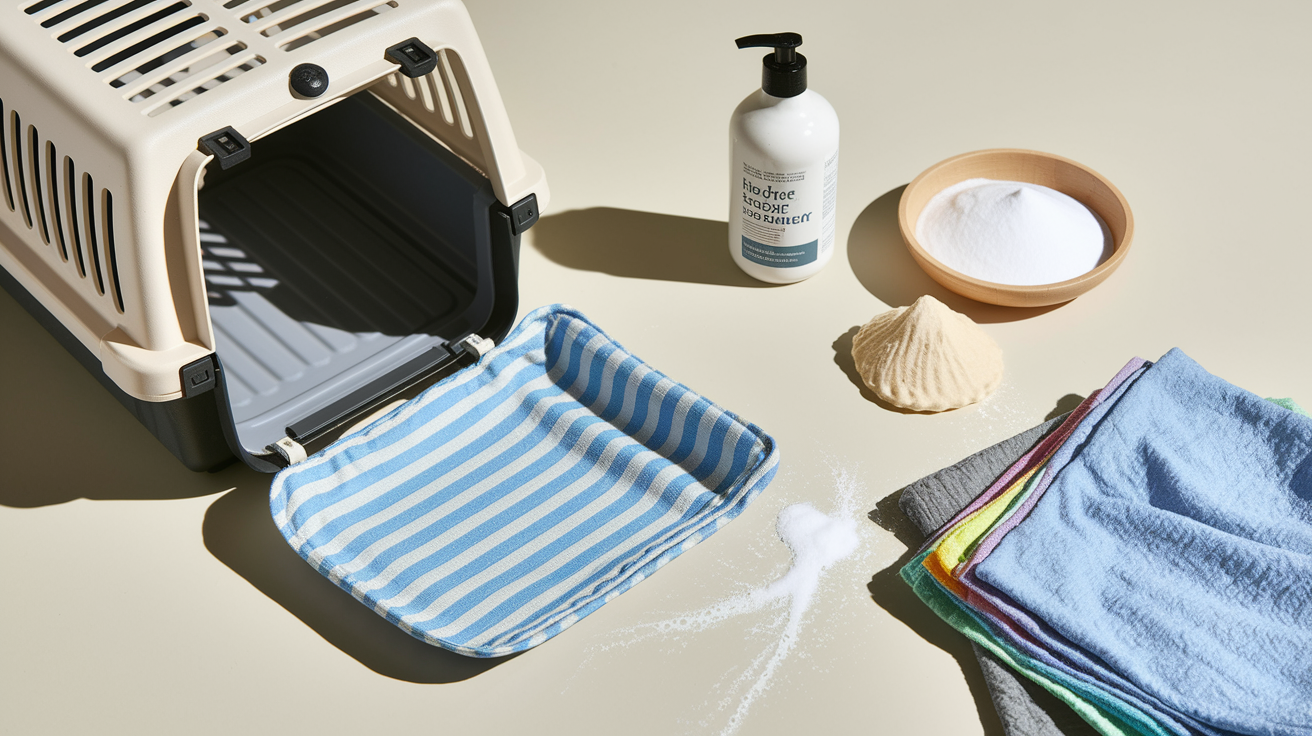
Wash removable liners and pads every 2 to 4 weeks, or more if your dog sheds heavily or has an accident. Most liners are machine-washable on gentle cycle with cold or warm water. Air-dry to prevent shrinking. High heat can warp foam inserts or damage waterproof coatings. If the liner has a non-slip bottom, skip fabric softener. It reduces grip.
Spot-clean the exterior with a damp cloth and mild soap. For tougher stains or odors, mix one part white vinegar to three parts water and wipe down inside and outside. Let the carrier air out completely before folding for storage. Trapped moisture leads to mildew. Some people sprinkle baking soda on the interior fabric, let it sit 15 minutes, then vacuum it out to neutralize smells.
Inspect zippers, buckles, and stitching every few months. Wipe zipper tracks with a dry cloth to remove dirt and hair, then run a zipper lubricant stick or a bit of candle wax along the teeth if the zipper sticks. Check buckles for cracks and make sure strap adjusters slide smoothly. Frayed stitching at stress points, especially where shoulder straps attach, is a sign the pack needs repair or replacement.
Store the carrier in a cool, dry place away from direct sunlight. UV exposure fades colors and weakens nylon. Fold the pack loosely or hang it by a strap to keep the structure from compressing. Don’t store it in a damp basement or hot attic.
For odor control between washes, sprinkle a thin layer of baking soda on the bottom pad, let it sit overnight, then shake or vacuum it out. Enzymatic pet odor sprays designed for fabrics can help with lingering smells from accidents, but test any spray on a small hidden area first to make sure it doesn’t stain or damage the material.
Replace worn components when possible. Some manufacturers sell replacement pads, liners, or straps separately. If the pack’s structure is still solid but the padding’s compressed or the liner’s torn, a $15 replacement part beats buying a new carrier. When the frame bends, zippers fail repeatedly, or seams tear in multiple places, it’s time for a new pack.
Photos and What to Show for Conversion
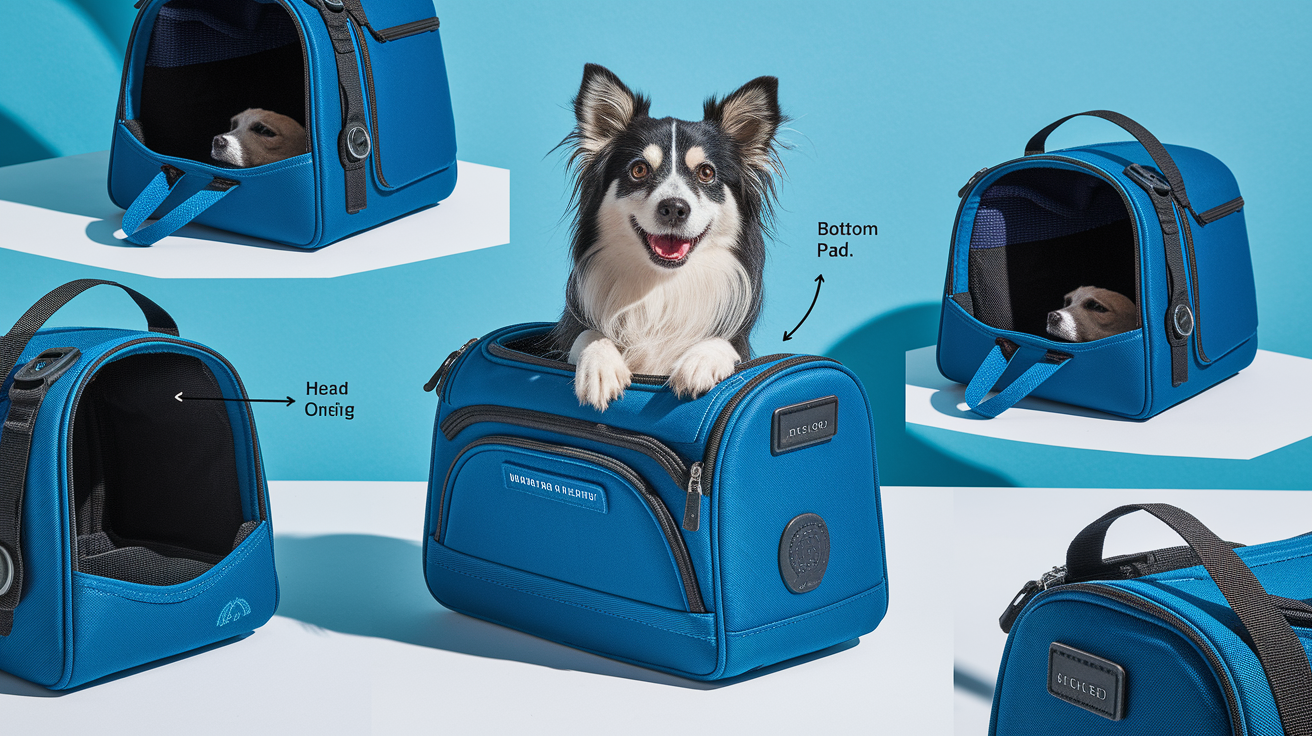
Show your dog inside the carrier from multiple angles. A front-facing shot with your dog’s head visible through the top opening helps buyers picture their own pet in the pack. A side view shows the carrier’s profile on a person’s back and demonstrates how the dog sits or lies inside. A back view highlights strap placement, waist-belt fit, and whether the pack rides high or low on the torso.
Include closeups of key features. Photograph the internal tether and clip mechanism so buyers can see how it attaches to a harness. Capture the mesh panels and head opening to show ventilation and visibility. Show the bottom pad and any removable inserts. Buyers want to know what’s washable and what’s permanent. A shot of the pack fully unzipped or opened demonstrates ease of loading.
Add a dimension reference. Place a ruler or measuring tape next to the carrier or inside the main compartment to give a clear sense of scale. State the measurements in the caption, like “Interior width: 13.5 inches, measured flat.”
Lifestyle images sell the experience. A photo of a hiker wearing the pack on a trail, a commuter on a subway platform, or someone boarding a plane makes the use case concrete. Show the same carrier in different settings to illustrate versatility if possible.
Before-and-after shots work well for care and maintenance sections. Show a dirty liner next to a freshly washed one, or a cluttered carrier next to a neatly organized pack with the collapsible bowl and treat pouch in place. These images reinforce that the carrier’s practical and easy to maintain.
Avoid busy backgrounds. A clean, neutral backdrop (light gray, white, soft beige) keeps the focus on the carrier and your dog. Natural light works better than harsh flash. It shows true colors and textures without glare or shadows that hide details.
FAQ
Can small puppies ride in a backpack carrier?
Yes, after your puppy completes their full vaccination series and your vet confirms they’re healthy enough for outings. Most vets recommend waiting until around 16 weeks for public spaces. Weight and size matter more than age. If your puppy fits the carrier’s dimensions and falls within the weight limit, they can ride. Watch for signs of stress (whining, excessive panting, trying to escape) and keep early trips short, 10 to 15 minutes, to help your puppy adjust. Use a harness and internal tether, never a collar.
Are backpack carriers airline-approved?
Only some models meet airline requirements for in-cabin pet travel. Approval depends on the carrier’s dimensions and whether it fits under the seat in front of you. Typical limits are around 18 by 11 by 11 inches, but each airline sets its own rules. Look for carriers labeled airline-approved and verify the dimensions against your specific airline’s current pet policy. Soft-sided carriers with collapsible or flexible sides, like the Sherpa Original Deluxe, pass size checks more easily than rigid backpacks with internal frames.
How do I prevent my dog from overheating in a backpack carrier?
Choose a carrier with large mesh panels on at least three sides. Don’t use the carrier in temperatures above 75°F for extended periods, especially during active hiking. Take breaks every 30 to 45 minutes. Remove your dog, offer water, and let them cool down in the shade. Watch for heavy panting, drooling, or lethargy. All signs your dog’s too hot. Some carriers include roll-up covers. Use them only in cooler weather or light rain, never in heat. Never leave your dog in the carrier unattended in a car or direct sunlight.
How long can my dog stay in a backpack carrier?
Limit continuous time to 1 to 2 hours for most small dogs. After that, take a break. Let your dog walk, stretch, relieve themselves, and drink water. Longer trips are possible if you stop frequently. Dogs in upright-seated carriers, like the K9 SportSack, should ride for shorter stretches, closer to 1 hour, because the seated position can stress the spine. Monitor your dog for signs of discomfort: whining, restlessness, trying to shift position repeatedly.
Do I need a harness, or can I use my dog’s collar with the internal tether?
Use a harness. Collars can slip over your dog’s head if they pull or shift suddenly, and they put pressure on the trachea, which can cause choking or injury. A well-fitted harness distributes pressure across the chest and shoulders and keeps your dog secure. Clip the internal tether to the harness’s back D-ring or chest ring, depending on the harness design, and adjust the tether length so your dog can sit or lie down comfortably but can’t lean out of openings.
How do I clean my backpack carrier?
Remove the liner and any washable pads, then machine-wash on gentle cycle with cold or warm water. Air-dry to prevent shrinking or warping. Spot-clean the exterior with a damp cloth and mild soap. For odors, wipe the interior with a solution of one part white vinegar to three parts water, then let the carrier air out completely before storing. Vacuum or shake out hair and dirt from mesh panels and pockets. Check the manufacturer’s care instructions. Some materials or coatings require hand-washing or specific cleaning products.
Can I carry my dog on my front instead of my back?
Some backpack-style carriers are designed to be worn on the front, and a few models convert from back to front carry. Front carry keeps your dog closer to your chest and gives you more visibility, but it shifts your center of gravity forward, which can strain your lower back on longer walks. Most backpack carriers are engineered for back carry, where the weight sits over your hips and spine. If you want front carry, look for a carrier specifically labeled for that use or consider a sling-style carrier instead.
Short Buyer Checklist and Alternatives

Before you buy, measure your dog’s chest girth, back length, and weight. Compare those to the carrier’s interior dimensions and stated weight limit. Add 1 to 2 inches to your dog’s back length for comfort. Check that the carrier includes a built-in safety tether and that it clips to a harness, not a collar. Look for padded shoulder straps at least 2 inches wide. If you plan hikes longer than an hour, choose a pack with a padded waist or hip belt.
Verify the number and size of mesh ventilation panels. At least three sides is best. Confirm that the bottom pad or liner’s removable and machine-washable. If you’re flying, check the carrier’s dimensions against your airline’s under-seat limits and look for airline-approval labels. Read customer reviews for your dog’s weight range, not just the overall rating. Pay attention to complaints about sizing, strap comfort, and zipper durability.
If a backpack-style carrier doesn’t fit your needs, consider these. Sling carriers drape across one shoulder and hold your dog against your chest or hip. They work well for very small dogs, up to 8 or 10 pounds, and short trips, but they don’t distribute weight as evenly. Stroller carriers let you push your dog instead of carrying them, which is easier on your back for long outings or senior dogs who can’t walk far. Soft-sided airline carriers, like traditional pet totes, are designed for air travel and vet visits but lack the ergonomic straps and back support of a backpack. Each option trades off portability, comfort, and use case. Pick the one that matches your routine and your dog’s size.
Appendix: Sizing Quick-Reference and Measurement Template

Use a soft measuring tape and measure your dog when they’re standing calmly. For chest girth, wrap the tape around the widest part of the ribcage, just behind the front legs, and record the measurement in inches. For back length, measure from the base of the neck, where the collar sits, to the base of the tail (not the tip). Weigh your dog on a bathroom scale. Step on holding your dog, then subtract your weight. Or use a small pet scale for more accuracy.
Write down these three numbers and keep them handy when shopping. Most carrier listings include a size chart that maps weight and dimensions to Small, Medium, or Large. If your dog’s measurements fall on the border between two sizes, pick the larger size unless the weight limit feels too high for safe carrying.
| Measurement | How to Measure | Example (10 lb Shih Tzu) |
|---|---|---|
| Chest Girth | Around widest part of ribcage, behind front legs | 16 inches |
| Back Length | Base of neck to base of tail | 12 inches |
| Weight | Bathroom scale or pet scale | 10 pounds |
Final Words
You learned the quick must-dos: pick the right size, check ventilation and padding, and introduce short rides slowly so your pup stays calm.
We also covered basic cleaning, packing a small supplies kit, and what to know for transit or airline rules to avoid surprises.
Try short practice trips and reward calm behavior. With the right backpack style pet carriers for small dogs and a little patience, outings will be safer and more enjoyable for both of you.
FAQ
Q: Do you want the outline to include hyperlinks?
A: The outline will include hyperlinks only if you supply them; if you choose “Use no hyperlinks,” I will mark every section with [Hyperlinks]= na and produce a link-free outline.
Q: If yes, how should I provide hyperlinks?
A: Provide hyperlinks by pasting a plain list of full URLs (one per line). I will use only those links; please label any complex sources and confirm they are allowed.
Q: What happens if I say “Use no hyperlinks”?
A: If you say “Use no hyperlinks,” I will mark every section with [Hyperlinks]= na and avoid adding any links, delivering an outline that contains no external URLs.
Q: Can you find and use links on your own?
A: I cannot invent or fetch links on my own; I will not add online links unless you provide an approved list of URLs for me to include in the outline.
Q: What format should the hyperlink list follow?
A: Use full URLs starting with http:// or https://, one per line. Optionally add a short title beside each link to clarify its purpose.
Q: Can I change my choice about hyperlinks later?
A: You can change your choice later; if you provide links after the draft, I will update the outline and replace any [Hyperlinks]= na placeholders with your URLs.
Q: Why do you need to know about hyperlinks up front?
A: I ask about hyperlinks upfront to avoid inventing sources and to ensure all links are approved, keeping the outline accurate, safe, and ready to use without unauthorized URLs.