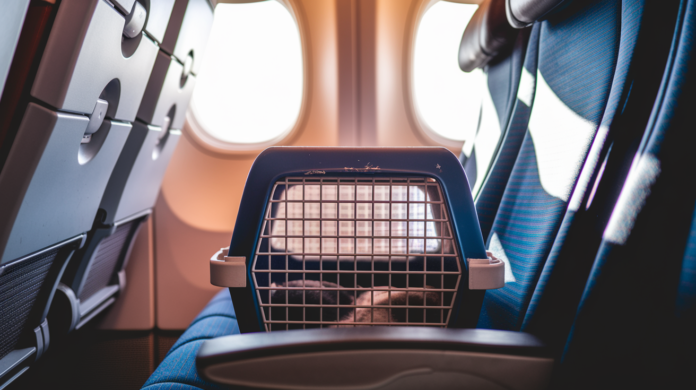

Think any carrier that says 18″ × 11″ × 11″ will fit under every airplane seat? Think again.
Airlines list rough maximums, but actual under-seat clearance changes by plane model, seat design, and floor hardware.
In this post you’ll get the practical under-seat dimensions that commonly work across U.S. carriers, a simple way to measure your carrier the way airlines do, and quick strategies to avoid gate checks and fit problems.
Read on to pick the right soft or hard carrier and keep your pet calm and secure on the flight.
Universal Under-Seat Pet Carrier Dimensions for Airlines
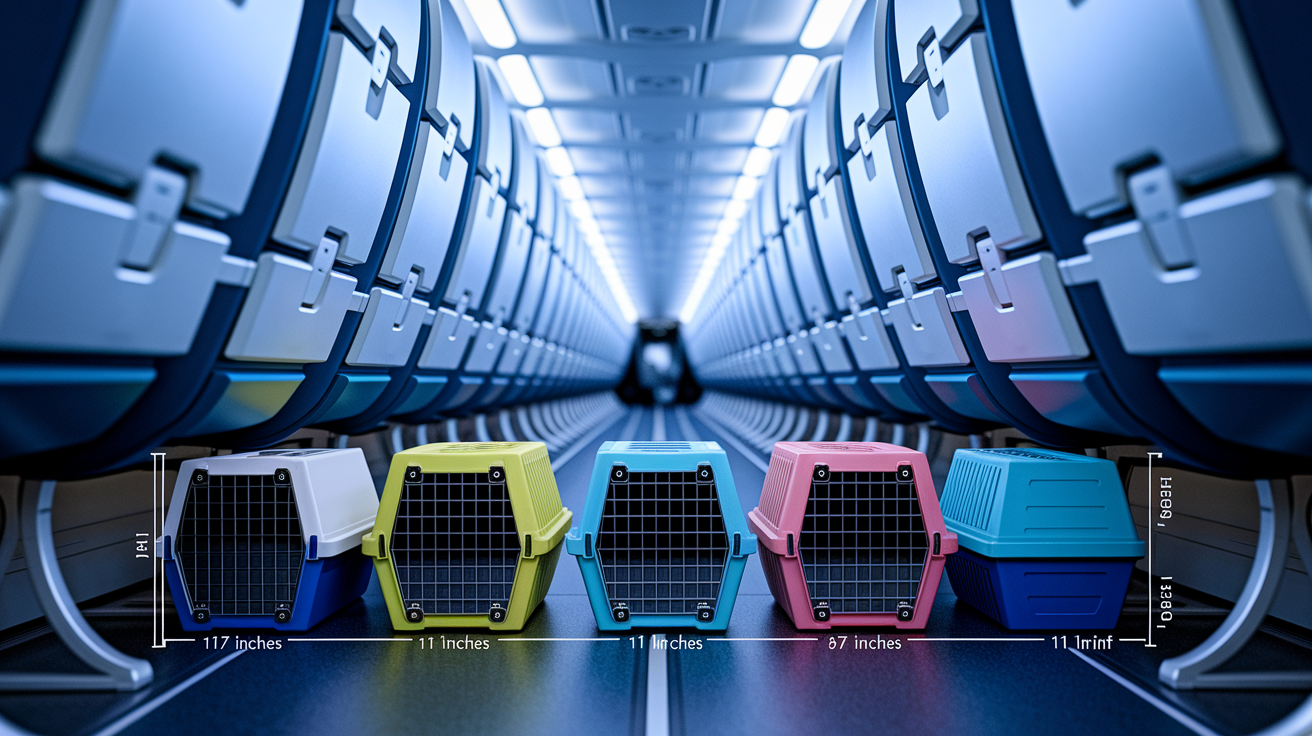
Most U.S. airlines stick to a rough guideline of about 18″ L × 11″ W × 11″ H for soft carriers that fly in the cabin. That’s the practical max for bags that need to slide completely under the seat in front of you and stay there the whole flight. Airlines measure the outside of the carrier, so zippers, handles, seams, and anything else that sticks out counts toward those limits.
But here’s the thing. Actual under-seat clearance changes wildly depending on the plane and seat design. Some Boeing 767 seats give you only 8.5 to 9 inches of real vertical space because of metal bars, life vest boxes, and floor hardware. Even if your carrier is 11 inches tall on paper, it won’t fit if the gap under your specific seat is smaller. Soft carriers help because they squish a bit, but height is still the tightest squeeze in real boarding situations.
Airlines and aircraft manufacturers don’t publish one universal number, which is why carriers that technically meet the 18″ × 11″ × 11″ guideline can still fail at the gate. The table below shows the typical ranges you’ll see across domestic carriers on standard narrow-body and wide-body jets.
| Typical Dimension Category | Common Range (L×W×H) |
|---|---|
| Soft-sided in-cabin carrier | 17″–18.5″ × 11″–13.5″ × 9.5″–11″ |
| Hard-sided in-cabin carrier | 17.5″ × 12″ × 7.5″ (United example) |
| Usable under-seat height (aircraft-dependent) | 8.5″–11″ |
Airline-Specific Under-Seat Pet Carrier Size Guidelines
Every airline sets its own published max for in-cabin pet carriers, and those limits shift depending on carrier type, plane model, and even your class of service. Delta’s standard soft limit is 18″ × 11″ × 11″, matching the broad industry guideline. Southwest enforces 18.5″ × 13.5″ × 9.5″ and they’re known for strict gate checks, so treat those numbers as firm. American Airlines allows hard carriers up to 19″ × 13″ × 9″ on mainline aircraft but drops that on regional jets flown by partner carriers.
United takes soft carriers at 18″ × 11″ × 11″ and hard carriers at 17.5″ × 12″ × 7.5″, showing how rigid construction forces you to trade height for a bit more floor space. JetBlue usually follows 17″ × 12.5″ × 8″ for soft carriers. Air Canada uses similar maximums but adds the rule that the carrier can’t stick out into the aisle, something every airline says but Air Canada actually enforces at boarding.
Airlines also ban carriers in bulkhead and exit rows, where under-seat space is either missing or blocked by safety gear. Plane swaps happen all the time, especially during delays, and a last-minute switch from a Boeing 737 to an Embraer regional jet can cut your available under-seat clearance by several inches. Always verify your specific flight’s aircraft type and reconfirm the carrier policy directly with the airline before you leave, because published dimensions are ceilings, not guarantees of fit.
- Delta: 18″ × 11″ × 11″ (soft-sided)
- United: 18″ × 11″ × 11″ (soft), 17.5″ × 12″ × 7.5″ (hard)
- American: 19″ × 13″ × 9″ (hard, mainline); smaller on regional jets
- Southwest: 18.5″ × 13.5″ × 9.5″ (strictly enforced)
- JetBlue: 17″ × 12.5″ × 8″ (soft-sided guideline)
- Air Canada: 17.5″ × 16″ × 8″ (soft-sided, no aisle protrusion)
Measuring a Carrier Correctly for Under-Seat Compliance
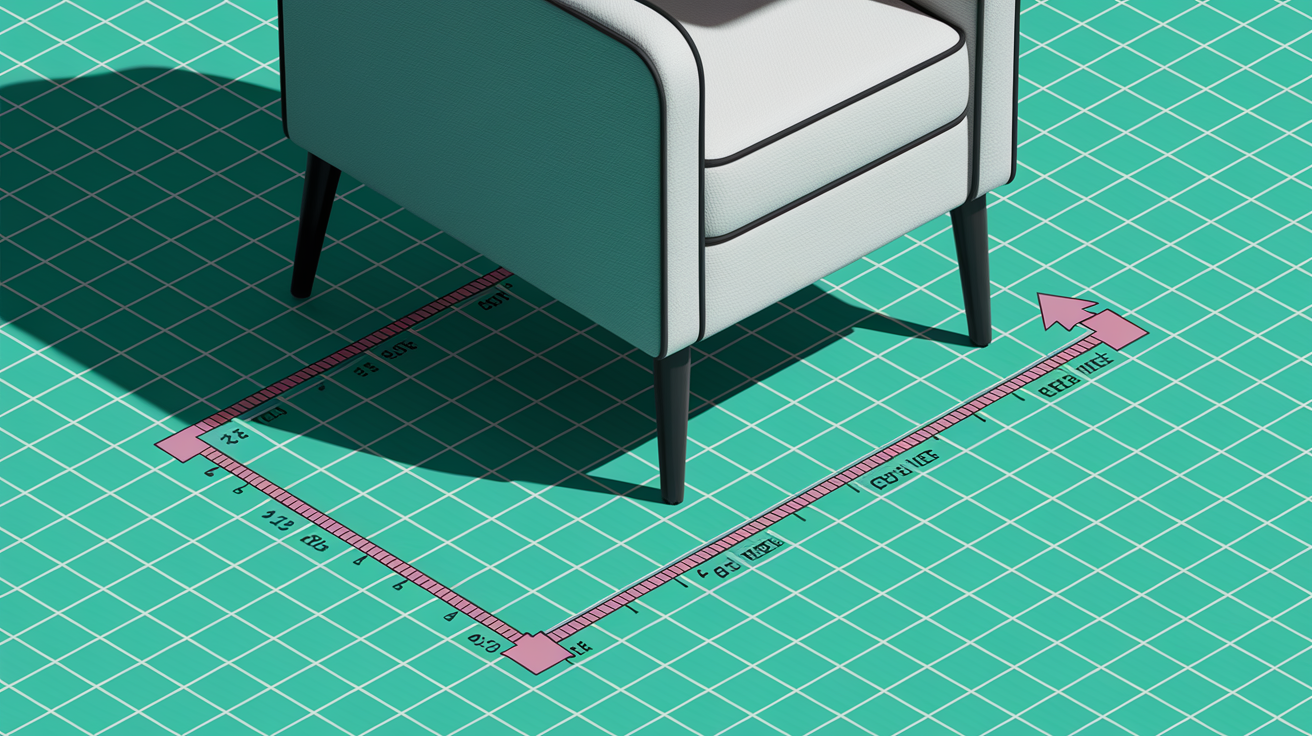
Airlines judge carriers by their outside dimensions, so measure the exterior of the bag, not the space your pet gets inside. Put the carrier on a flat surface and extend any zippers, snaps, or structural bits to their max. A soft carrier with a top zipper that bulges when closed gets measured at the bulge, not the seam.
Leave about an inch of clearance on all four sides when comparing your carrier to the airline’s published limits. That buffer accounts for seat design quirks, uneven floor tracks, and the carrier shifting during turbulence. If your carrier measures exactly 18 inches and the airline’s limit is 18 inches, the fit’s too tight and gate agents can reject it.
- Measure the length from front edge to back edge, including handles, zipper pulls, or any reinforced stitching that sticks out past the main fabric.
- Measure the width from side to side at the widest point, accounting for mesh panels or expanded pockets.
- Measure the height from base to the tallest point, including the top handle or any rigid frame above the main body.
- Account for structural protrusions like rigid plastic corners, metal reinforcement strips, or zipper hardware that adds bulk.
- Do the home chair test by sliding the carrier fully under a dining or office chair with a seat height similar to an airplane seat (about 17 to 19 inches) and confirm it fits without forcing.
Measuring Your Dog or Cat for an Airline-Approved Carrier Fit
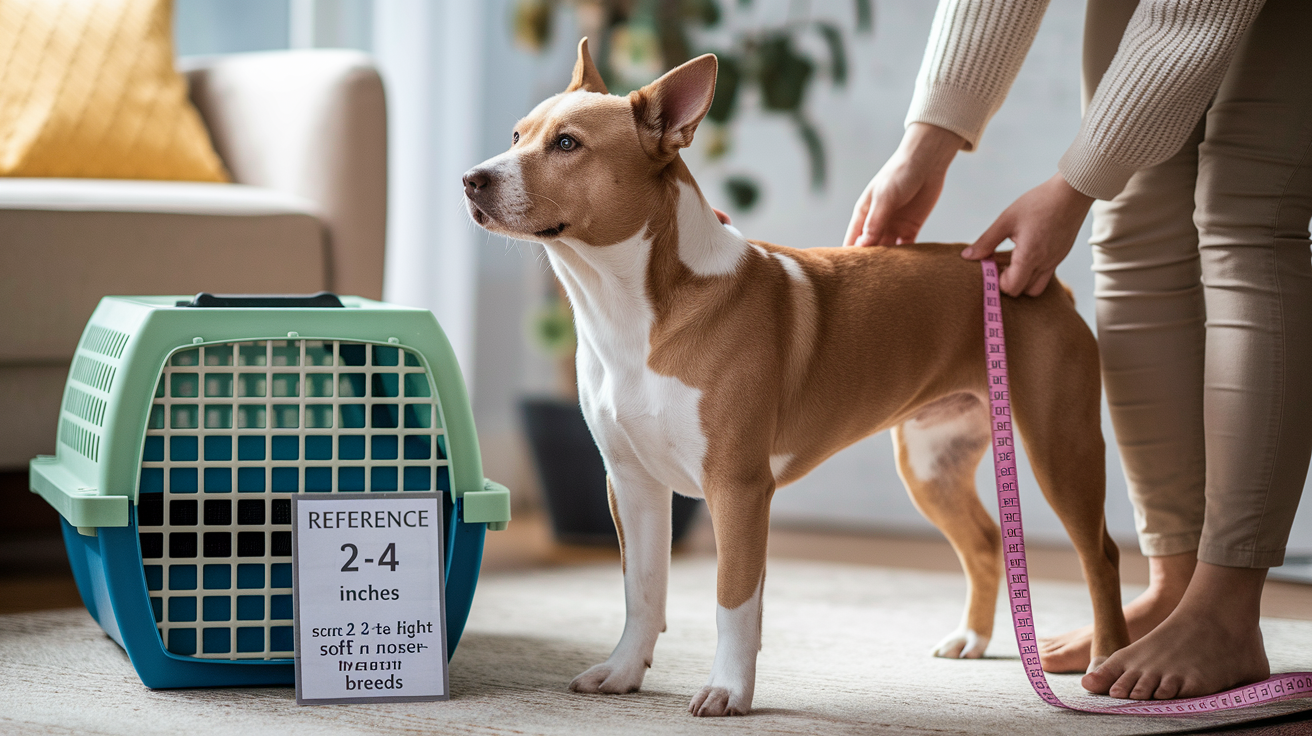
Measure your pet while they’re standing on a flat, non-slip surface. Record the length from nose tip to tail base, leaving the tail out of it. Measure height from floor to the top of the head or ear tip if the ears stand up. A cat with upright ears or a dog with a tall head needs more vertical space than a pet with folded or floppy ears.
Add 2 to 4 inches to both length and height to let your pet sit, turn around, and lie down without pressing against the walls. Pets that can reposition during a flight stress less, and that extra room also fits a small absorbent pad or thin blanket on the carrier floor. Snub-nosed breeds like Bulldogs, Pugs, and Persian cats need an extra 10 percent of space for airflow, which often pushes them into a larger carrier or makes them ineligible for very tight under-seat setups.
Combined weight (pet plus carrier) is usually capped around 20 pounds for in-cabin travel. Weigh your pet and the empty carrier separately, then confirm the total stays below your airline’s published limit. If your pet’s close to the weight threshold, pick a lightweight carrier to save as much allowance as possible for the animal.
- Measure nose-to-tail-base for length, floor-to-head or ear-tip for height.
- Add 2 to 4 inches to both dimensions for comfort and repositioning.
- Snub-nosed breeds need an extra 10% space for airflow.
- Confirm combined weight (pet + carrier) stays at or below the airline’s limit, usually around 20 lb.
Soft-Sided vs Hard-Sided Carriers and Their Under-Seat Dimensions

Soft carriers are the go-to for in-cabin travel because the fabric and flexible frame can compress a bit when pushed under a seat. Most airlines accept soft carriers up to 18″ × 11″ × 11″ or close to it, and the bag’s ability to squish half an inch or more in height often makes the difference between approval and denial at the gate. Soft materials also let the bag angle beneath seat bars and around life vest boxes, fitting irregular under-seat structures that rigid plastic can’t navigate.
Hard carriers have stricter dimension limits because they don’t compress. United caps hard in-cabin carriers at 17.5″ × 12″ × 7.5″, trading height for slightly more floor space. Hard carriers protect better if another passenger kicks the bag, but their inflexibility means they fail more often on aircraft with low-clearance seats or unusual floor hardware. Airlines measure the outside of hard carriers just like they do soft ones, so a molded plastic kennel with protruding latches or ventilation grilles gets measured at those protrusions.
Compression and Structural Flexibility
Compressible frames help carriers adapt to under-seat spaces that vary in height and width. A soft bag with a spring-wire frame can be gently pressed down, cutting its height by a small margin without collapsing entirely on the pet inside. This flexibility is especially useful on planes like the Boeing 767, where metal seat bars and shallow storage compartments reduce usable vertical clearance to as little as 8.5 inches. Hard carriers don’t compress, so their listed dimensions are absolute, and any seat with clearance below the carrier’s height will reject the bag on the spot.
- Soft-sided pros: compressible, angles under irregular seat structures, accepted on most flights.
- Soft-sided cons: can sag or lose shape after repeated use and washing.
- Hard-sided pros: rigid protection, easier to clean, stable for cargo hold.
- Hard-sided cons: can’t compress, stricter height limits, more likely to fail gate checks on low-clearance aircraft.
Expandable and Collapsible Carriers: Dimensional Rules for Under-Seat Fit
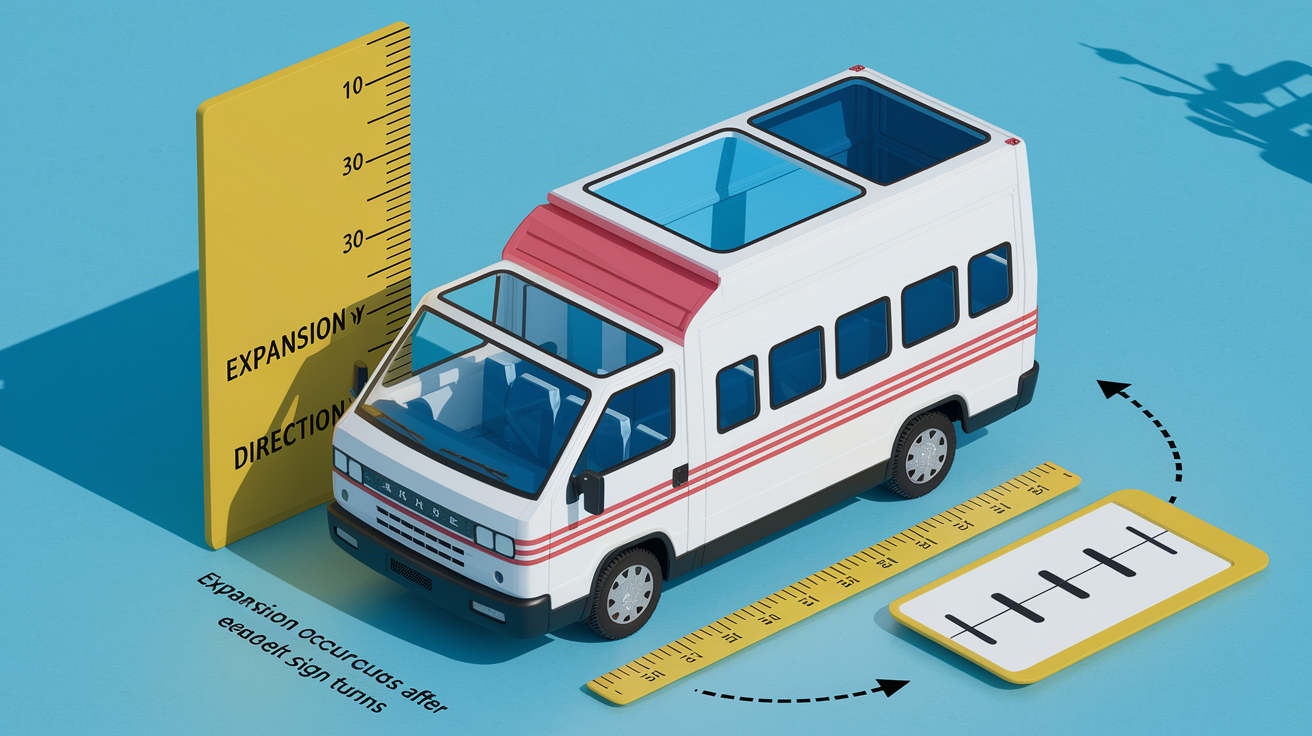
Expandable carriers have zippered panels or fold-out sections that increase interior space once the plane reaches cruising altitude. Airlines only permit expansion after the seatbelt sign turns off, and the carrier has to stay fully zipped and compressed during taxi, takeoff, and landing. The expanded section can’t stick out into the aisle or bother neighboring passengers, so you need to confirm the seat next to you is empty or that your travel companion’s okay with the added space.
Collapsible frames can deform after washing or long storage, especially if the carrier uses spring wire or flexible plastic rods. A carrier that measured 17 inches when new might shrink to 16.5 inches after several washes, which helps with fitting tight spaces but can also make the bag sag and cut interior headroom. Remeasure collapsible carriers before each trip to make sure the dimensions still meet your pet’s comfort needs and the airline’s published limits.
- Measure the carrier in both collapsed and expanded states to confirm the collapsed size meets airline maximums.
- Test the expansion at home by putting the carrier under a chair and unzipping the expandable section to see how far it extends horizontally.
- Confirm the expansion doesn’t block your legroom or the aisle, and practice zipping it back to the collapsed state quickly in case a flight attendant asks.
Variability in Under-Seat Space Across Aircraft Types
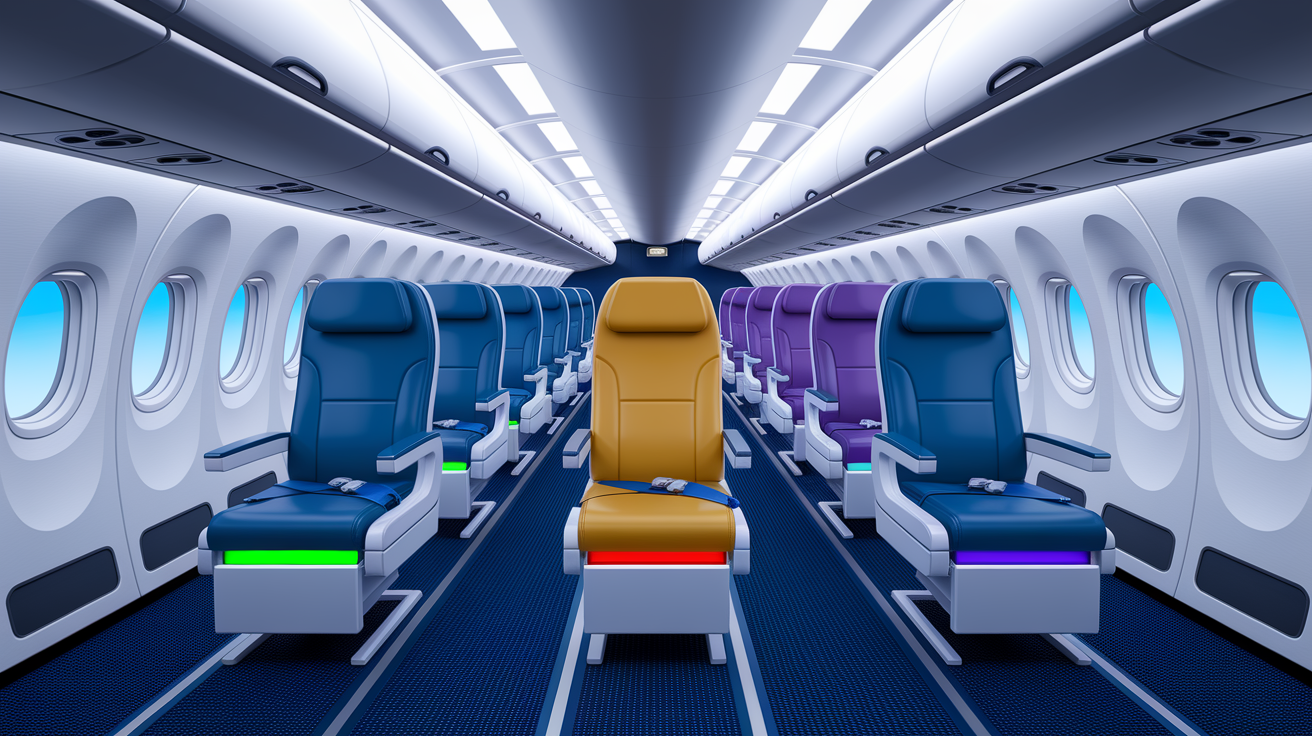
Under-seat dimensions vary by aircraft manufacturer, seat model, and even the specific setup the airline chose. Narrow-body jets like the Airbus A320 or Boeing 737 usually offer between 9 and 11 inches of usable under-seat height in standard economy, but regional jets flown by partner carriers often drop to 8 or 9 inches. Wide-body aircraft like the Boeing 777 or Airbus A350 can give slightly more vertical clearance in premium economy or business class, but bulkhead and exit rows on any plane don’t allow carriers because those seats lack under-seat storage.
Seat bars, life vest boxes, and electronic equipment housings cut into the advertised under-seat space. A Boeing 767 economy seat might have a published under-seat area of 18″ × 11″, but metal support bars and a rigid life vest compartment can shrink the usable height to 8.5 or 9 inches at the point where your carrier has to pass through. Airlines don’t publish these real-world clearances, so checking the specific aircraft type and seat map for your flight is the only way to anticipate fit problems before you get to the gate.
| Aircraft Type | Typical Usable Under-Seat Height |
|---|---|
| Regional jets (e.g., Embraer E175, CRJ-700) | 8″–9″ |
| Narrow-body jets (e.g., Boeing 737, Airbus A320) | 9″–10.5″ |
| Wide-body jets, economy (e.g., Boeing 767, 777) | 8.5″–11″ |
| Wide-body jets, premium economy/business (e.g., A350, 787) | 10″–11″ |
Popular Airline-Approved Carriers and Their Dimensions
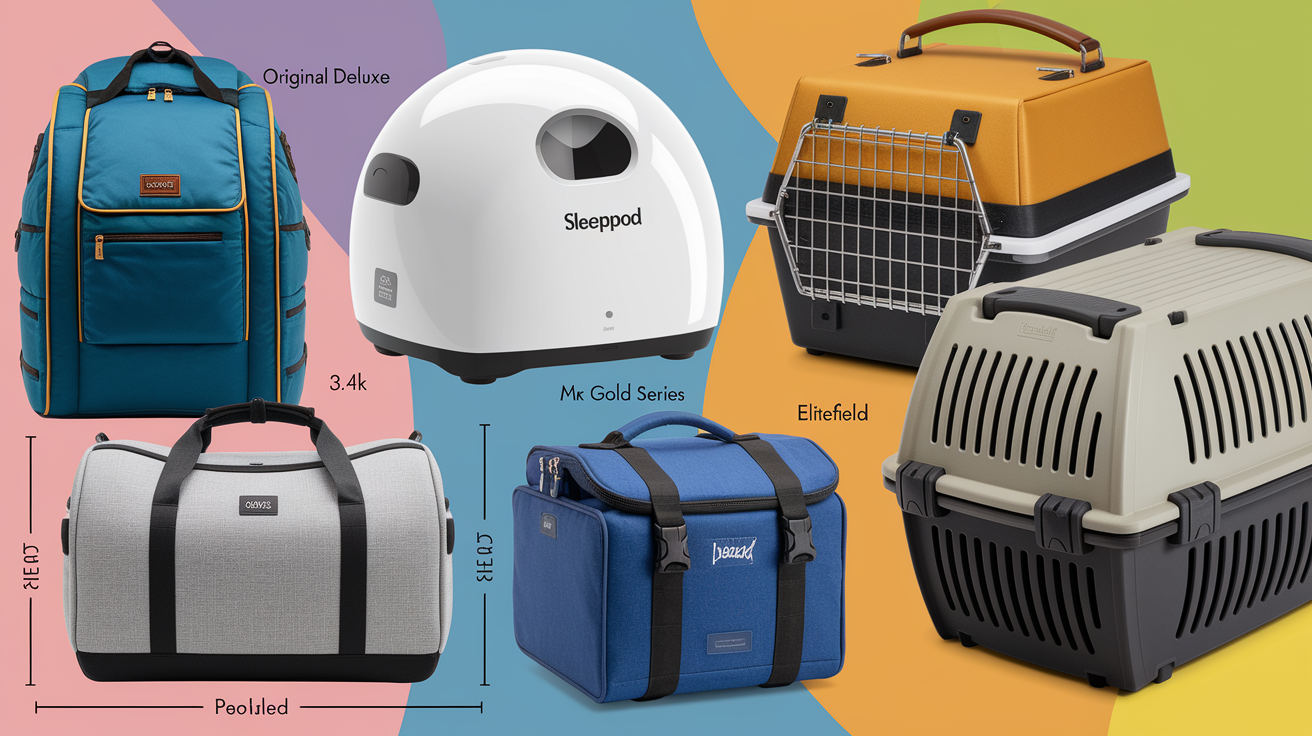
Sherpa Original Deluxe is one of the most recognized soft carriers, measuring about 17 inches long, and it’s part of the Sherpa Guaranteed On Board program accepted by many major U.S. airlines. The spring-wire frame gives some structure but can “fight back” when compressed, making it less reliable on very low-clearance seats. Sleepypod Air, in its newest model, compresses to about 16 inches in length and includes a fourth side ventilation window to meet international travel requirements, making it a strong pick for tight under-seat spaces and longer flights.
Mr. Peanut’s Gold Series measures around 18 inches long, with a very soft body that stays squished once pressed down. It includes locking zippers and a leak-resistant base, positioning it as a solid middle-ground option for standard domestic flights. Petmate’s hard kennels follow rigid IATA-compliant dimensions and are usually used for cargo or checked baggage rather than in-cabin travel, but smaller Petmate models occasionally fit under seats on wide-body aircraft if height clearance exceeds 9 inches.
| Brand | Listed Dimensions | Notes on Fit |
|---|---|---|
| Sherpa Original Deluxe | ~17″ L × 11″ W × 11″ H | Spring-wire frame, part of Guaranteed On Board program; can resist compression. |
| Sleepypod Air (newest model) | ~16″ L × 11″ W × 10″ H compressed | Compresses lengthwise; four-sided ventilation; fits very tight under-seat spaces. |
| Mr. Peanut’s Gold Series | ~18″ L × 11″ W × 11″ H | Very soft, stays squished; locking zippers; leak-resistant base; solid for standard routes. |
| EliteField Soft Carrier | ~18″ L × 11″ W × 11″ H | Budget-friendly, good mesh, compressible; zippers may need extra clips. |
| Petmate hard-sided kennel (small) | Varies by model; typically ~19″ × 13″ × 9″ | Rigid IATA-style; limited in-cabin use; better for cargo or wide-body premium cabins. |
Carrier Compliance Checklist Before Travel
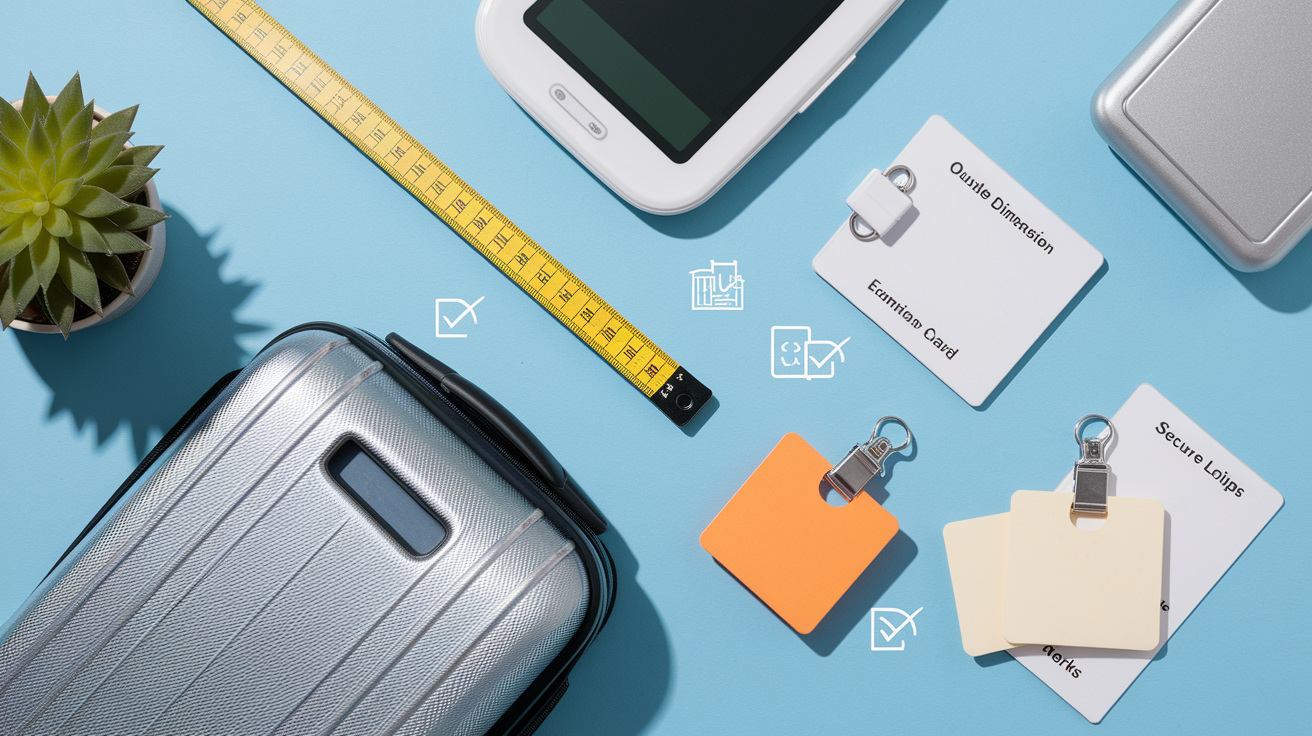
Confirm your carrier meets the airline’s published external dimension limits and leaves at least one inch of clearance on all sides when compared to those maximums. Weigh the empty carrier and your pet separately, then verify the combined total stays at or below the airline’s weight cap, which is commonly around 20 pounds for in-cabin travel. Inspect zippers for secure closures and add small locking clips if the pulls tend to slide open under pressure.
- Measure external dimensions (length, width, height) including all protrusions.
- Confirm combined weight (pet + carrier) is at or below the airline’s limit.
- Check ventilation: mesh on at least two sides for in-cabin; 16% surface area for cargo.
- Test compressibility by pressing down on the top and sides to make sure the carrier squishes without collapsing on the pet.
- Attach secure ID tags to the outside and place a second tag inside with your contact information.
- Pack TSA-friendly features: wide top opening or panel zippers for quick pet removal during security screening.
- Do the home chair test to simulate under-seat clearance and confirm the carrier slides through without forcing.
FAQ: Common Questions About Under-Seat Pet Carrier Dimensions

Carriers that meet published size and construction requirements have about a 98 percent approval rate, while 92 percent of denied pet boardings come from oversized carriers that don’t fit under the seat. Combined weight limits (pet plus carrier) usually cap at 20 pounds for in-cabin travel, though a few airlines allow up to 25 pounds in premium cabins. Some carriers permit two very small pets, like young littermates under six months old and each weighing less than a few pounds, to share one carrier, but this is rare and has to be confirmed in writing before booking.
Expandable carriers have to stay fully zipped during taxi, takeoff, and landing, and the expanded section can only be opened once the seatbelt sign turns off and the surrounding space allows it. If the carrier doesn’t fit under your assigned seat, flight attendants might try to find a different seat with more clearance, but there’s no guarantee, and you could be asked to deplane and rebook. Carriers that have been washed repeatedly or stored compressed can shrink slightly, so remeasure before each trip to avoid surprises at the gate.
- What happens if my carrier is slightly oversized? Gate agents can deny boarding or offer to check the pet as cargo if a suitable kennel’s available, but same-day rebooking isn’t guaranteed.
- Can I put two small pets in one carrier? Only if both are very young littermates (typically under 6 months), each weighs just a few pounds, and the airline explicitly permits it in writing.
- Do soft carriers really compress enough to matter? Yes, compressible carriers can cut height by a half-inch to an inch, which is often the difference between fitting under a low-clearance seat and being denied.
- How do I know the actual under-seat height on my flight? Check your aircraft type on the airline’s seat map, then search online forums or seat review sites for measured under-seat clearances reported by other travelers.
- Are expandable carriers allowed during takeoff? No, expansion panels have to stay zipped until the seatbelt sign turns off and only if the expanded section doesn’t block the aisle or bother neighboring passengers.
Final Words
We started with the common industry maximum, about 18″ × 11″ × 11″, then walked through how to measure carriers and your pet and why airlines use exterior measurements.
Next, we compared soft and hard carriers, expandable options, aircraft differences, airline-specific rules, popular models, and a practical pre-travel checklist you can use before the gate.
Use the measuring steps and checklist to confirm your under seat airplane pet carrier dimensions meet airline guidelines. Take a deep breath—travel with your pet can be calm and doable.
FAQ
Q: What is the largest size pet carrier fit under an airplane seat? What size bag fits under a seat for an animal?
A: The largest pet carrier that fits under most airplane seats and the typical bag size for an animal is about 18″ L × 11″ W × 11″ H; airlines vary, so confirm before travel.
Q: Can a 25 lb dog fit under an airplane seat?
A: A 25 lb dog usually exceeds most airlines’ combined in-cabin weight limits (often 20 lb or less), so it likely won’t be allowed; check your airline and consider gate-checking or cargo options.
Q: What size animal carrier is TSA approved?
A: TSA does not approve pet carriers; airlines set carrier size rules, and most accept about 18″ × 11″ × 11″ soft-sided in-cabin carriers, so always confirm with your airline before travel.