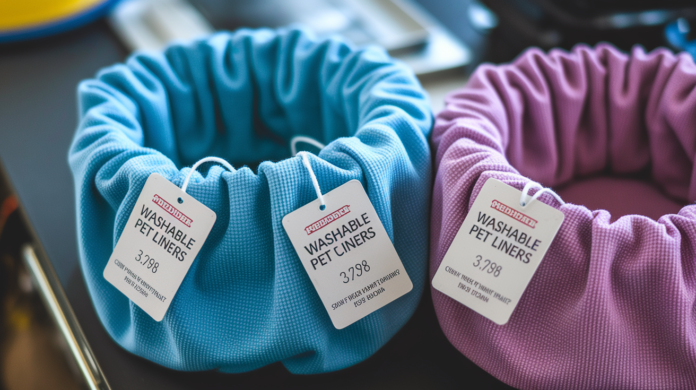

Think disposable pads save time?
Washable pet carrier liners often cost less and reduce odors when you wash them right.
They come in fleece, cotton, polyester, and waterproof mixes, sized from kitten pads to giant crate covers.
This post compares top options, explains how absorbency and backing affect leaks and smell, and gives simple measuring and care tips so you pick a liner that fits your carrier and your budget.
Top Washable Pet Carrier Liner Options and Pricing
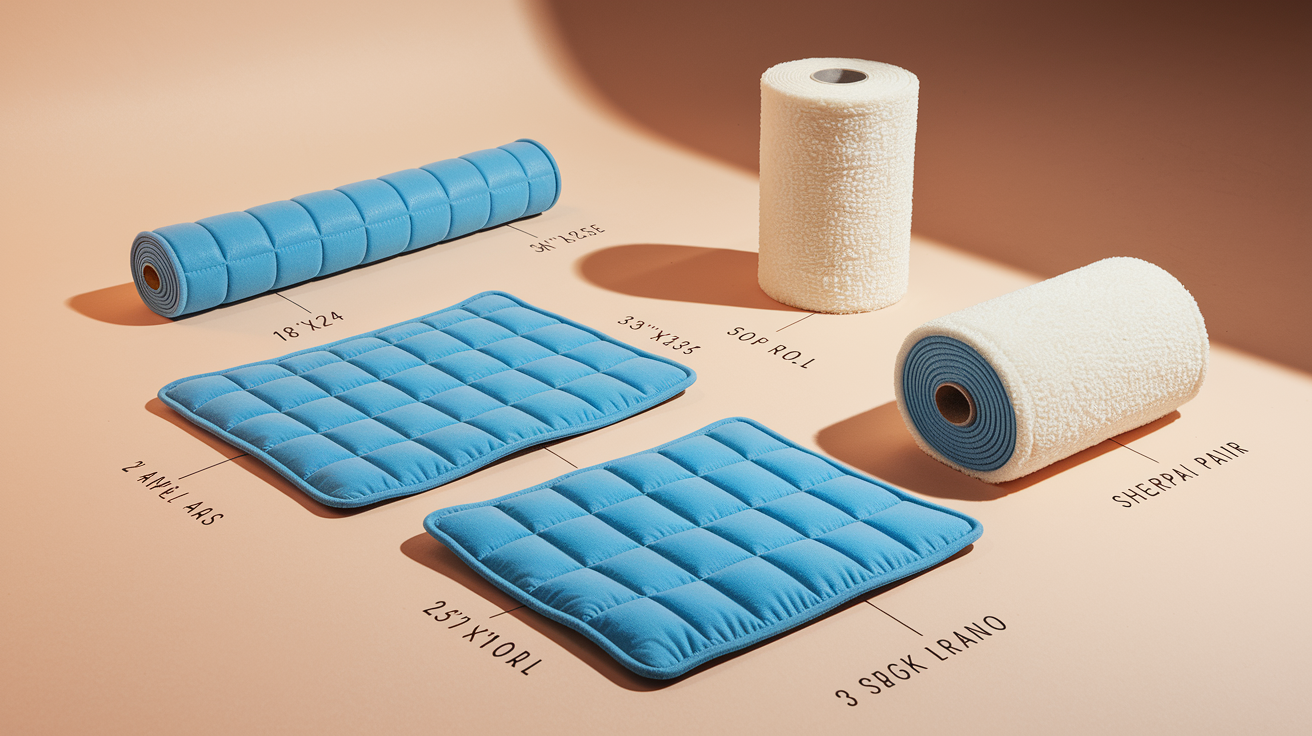
DryFur® Pet Carrier Insert Travel Pads come in 2-pack bundles. You’ll pay $18 to $44 depending on size. Small to medium pads are 18″ x 24″, large to extra-large pads span 24″ x 35″, and giant pads cover 33″ x 44″. There’s also a full roll with 500 pads if you travel constantly or run a grooming business.
Sherpa replacement liners sell as 2-packs at $64.99 regular price, but you can usually grab them on sale for $49.99. These medium-size liners typically measure around 17″ x 11″ or 16.25″ x 11.25″, depending on which listing you’re looking at.
Deano Designs offers custom-made liners priced between $16.00 and $32.00 per liner. They list 21 standard sizes in centimeters and 47 fabric patterns to choose from. You can request reversible construction and rounded corners if your carrier has curves.
Most washable liners handle typical travel accidents without seeping through to the carrier floor. Urine, drool, minor vomit. Two-pack options cut your per-unit cost and give you a backup while one’s in the wash. Prices generally reflect size, how many absorbent layers are stacked inside, and whether you’re buying off the shelf or going custom.
Shopping factors worth your attention:
- Price range: Budget options start around $16 per liner. Premium or sale bundles climb to $65 for a 2-pack.
- Absorbency level: Multiple-layer construction captures more liquid than single-ply pads.
- Washability: Machine-washable liners cut long-term costs and keep stuff out of landfills.
- Pack count: Two-packs let you rotate liners between wash cycles without downtime.
- Travel use cases: Local vet trips need less absorbency than cross-country flights or multi-day road trips.
- Reusability: A washable liner that survives 30 washes costs less per use than a disposable pad you toss after one trip.
Materials and Construction Details for Carrier Liners
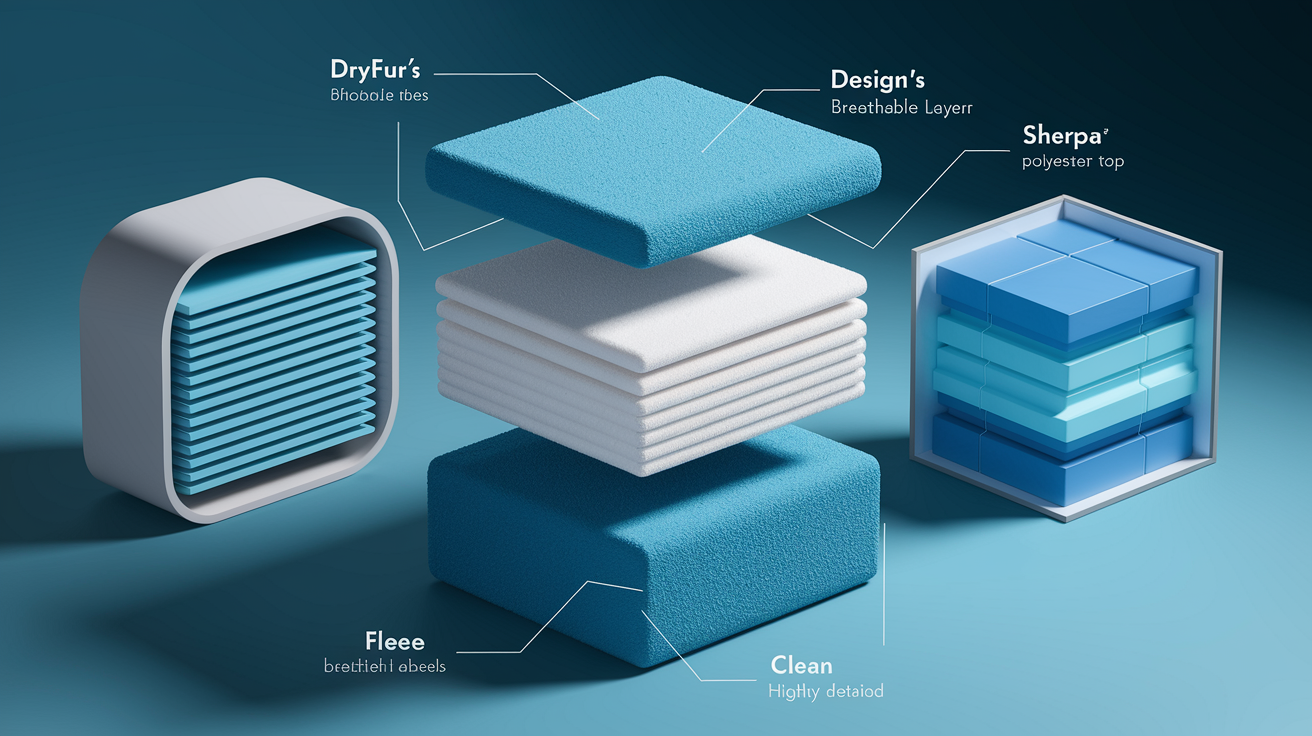
Deano Designs uses three-layer construction. Top fleece layer, two internal absorbent cotton layers, bottom fleece layer. The double absorbent layers increase liquid capacity and add rigidity, so the liner stays flat instead of bunching into corners when your pet shifts around. Both fleece sides are reversible. You pick two fabric patterns, one for each side.
DryFur® pads skip the plastic backing sheet entirely. They rely on breathable layers that wick wetness away from the surface and dry quickly. Sherpa liners pair a soft polyester top with a waterproof bottom layer that stops leaks from reaching the carrier floor. Polyester dries faster than cotton but may feel less plush against sensitive paw pads.
Fleece surfaces tend to be hypoallergenic and gentle on skin. Good choice for anxious pets or puppies prone to chewing.
Material strengths to consider:
- Fleece: Soft, hypoallergenic, wicks moisture, resists matting after multiple washes.
- Cotton absorbent layers: Natural fiber that captures liquid and reduces odor buildup.
- Polyester: Lightweight, quick-drying, often less expensive than natural fibers.
- Waterproof backing: Protects carrier floors but can trap heat if not paired with breathable top layers.
- Breathable construction: Reduces the risk of mildew and keeps air circulating around your pet during longer trips.
Washing, Care, and Long-Term Durability of Washable Liners
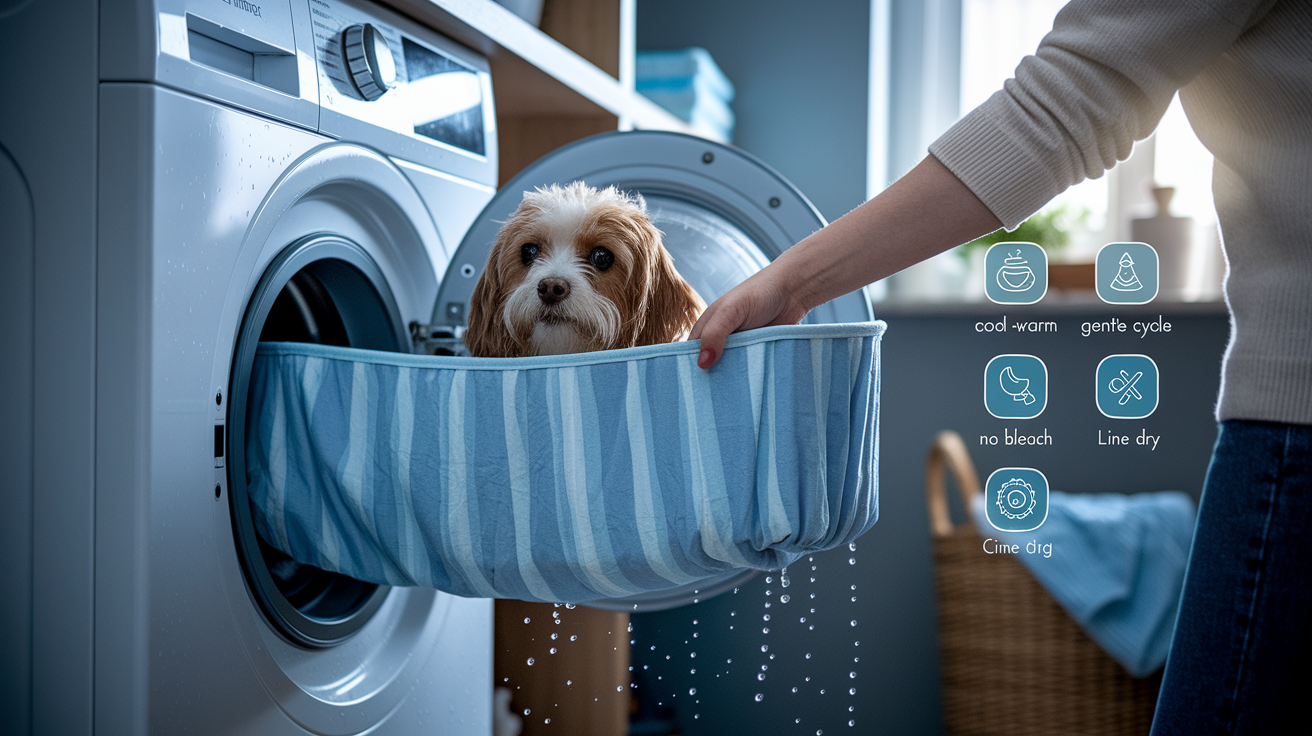
Sherpa liners are fully machine-washable. Deano Designs confirms its fleece and cotton construction can go in the wash, though neither brand specifies exact cycle settings or temperatures on their product pages. A cold or warm wash on a gentle cycle usually protects fleece fibers from pilling. Skip fabric softener. It leaves waxy buildup that reduces absorbency over time.
For stain removal, rinse urine or vomit off the liner as soon as you get home. Pre-treat stubborn spots with a pet-safe enzyme cleaner, let it sit for five minutes, then toss the liner into the machine. Line-drying or tumble-drying on low heat extends the life of waterproof backing layers. High heat can crack or peel them. Most washable liners hold up for 20 to 40 washes before seams loosen or absorbent layers lose their original thickness.
DryFur® pads are marketed as super absorbent and quick-drying, but the company doesn’t publish washing instructions. If you choose a disposable-style pad, check whether it’s labeled as reusable before putting it in the machine. Some pads are designed for single-trip use and will fall apart in a washer.
Cleaning mistakes to avoid:
- Using bleach or harsh detergents: These chemicals break down fleece fibers and can irritate your pet’s skin.
- Overloading the washer: Liners need room to agitate and rinse clean.
- High-heat drying: Excessive heat warps waterproof layers and shrinks cotton.
- Skipping a pre-rinse: Dried urine or vomit sets into fabric and creates lasting odor.
- Washing with other pet bedding: Fur and debris from blankets or beds can clog the liner’s absorbent layers.
Size Compatibility and Measuring for Carrier Liners
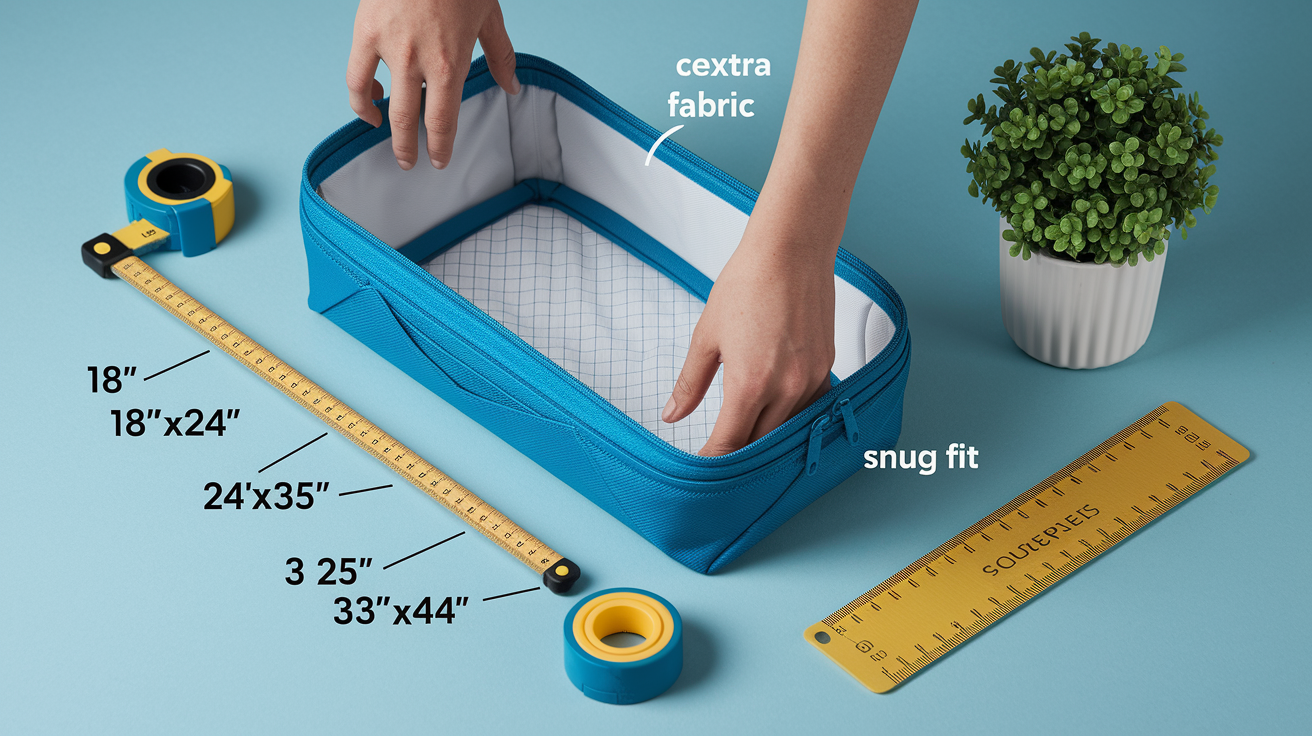
Measure your carrier from the inside, bottom edge to bottom edge. Add a few centimeters if you want the liner to come up the sides slightly. Flip the carrier upside down and measure the base from underneath if the interior has rounded corners or raised edges that make straight measurement tricky. A loose fit is fine. Extra fabric folds flat and helps contain spills near the edges.
DryFur® offers four standard sizes. 18″ x 24″ for small to medium carriers, 24″ x 35″ for large to extra-large carriers, 33″ x 44″ for giant crates, and a universal 22″ x 33″ pad that folds to fit various kennels and cages. Deano Designs lists 21 sizes in centimeters, starting at 30 x 20 cm and running up to 40 x 55 cm, with custom sizing available by quote. Sherpa medium liners measure around 17″ x 11″ or 16.25″ x 11.25″, depending on the listing.
If your carrier falls between two sizes, choose the larger liner and fold the excess underneath or tuck it against the sides. A liner that’s too small leaves gaps where liquid can pool on bare plastic. Custom sizing works best for unusual carrier shapes, like hexagonal cat carriers or airline-approved soft-sided bags with tapered floors.
Steps to measure for a carrier liner:
- Remove all bedding, bowls, and toys from the carrier.
- Use a flexible measuring tape to measure the longest interior dimension from front to back.
- Measure the width from side to side at the widest point.
- Write down both measurements in inches or centimeters, then compare against the brand’s size chart.
| Brand | Liner Size | Suitable Carrier Type |
|---|---|---|
| DryFur® | 18″ x 24″ | Small cat carriers, puppy crates |
| DryFur® | 24″ x 35″ | Large dog kennels, medium travel crates |
| DryFur® | 33″ x 44″ | Giant dog crates, airline-approved large kennels |
| Sherpa | 17″ x 11″ | Medium soft-sided carriers, grooming totes |
| Deano Designs | 30 x 40 cm (11.8″ x 15.7″) | Small rabbit carriers, kitten transport boxes |
| Deano Designs | 40 x 55 cm (15.7″ x 21.7″) | Large cat carriers, compact dog crates |
Product Comparison: Reusable vs Disposable Pet Carrier Liners
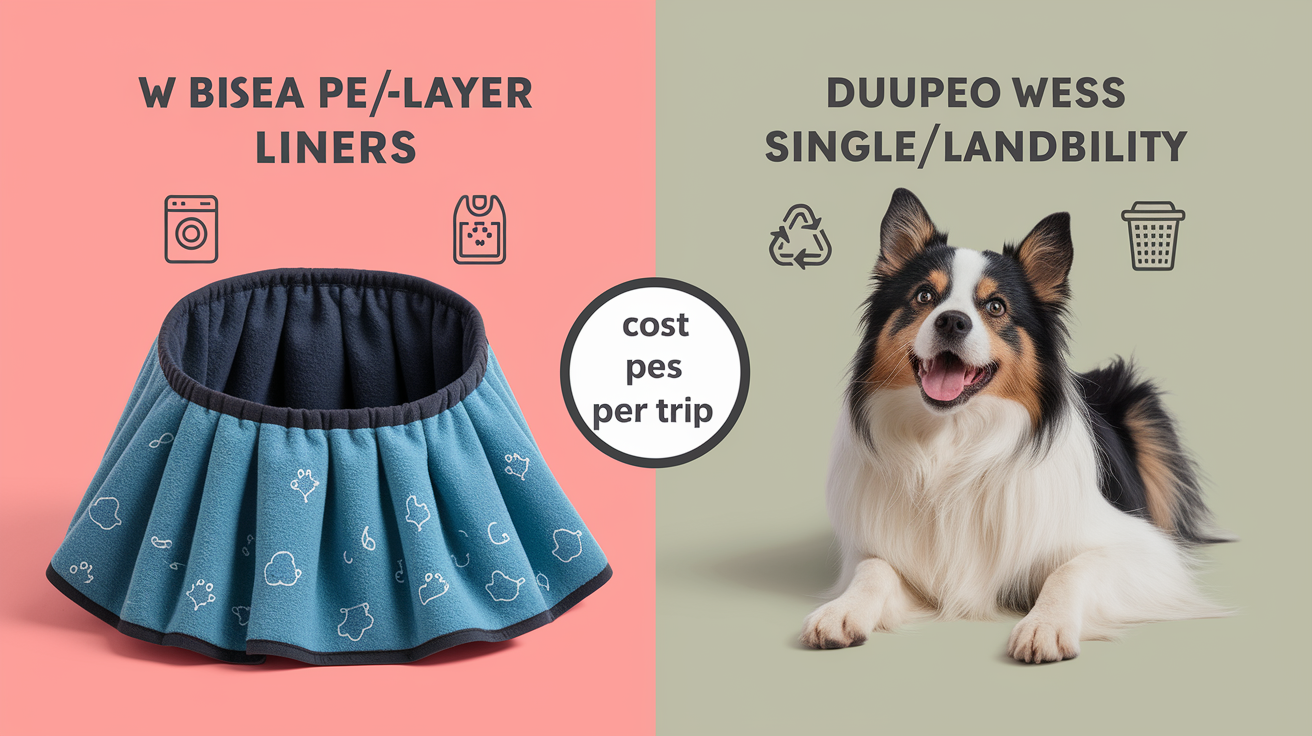
DryFur® markets both reusable travel pads and full rolls containing 500 disposable-style pads. Disposable pads offer quick cleanup after messy trips. You toss the pad and replace it with a fresh one. Reusable liners from Deano Designs and Sherpa require washing but eliminate repeat purchases and reduce waste.
Over a year of monthly vet visits, a $20 washable liner that survives 30 washes costs about 67 cents per trip. A disposable pad at $2 each adds up to $24.
Disposable pads absorb fluids quickly and lock wetness into layers, but they don’t always handle heavy urine loads or repeated accidents on long trips. Reusable washable liners with two or three absorbent layers capture more liquid overall and maintain their shape after multiple wash cycles. Breathable construction in both types reduces odor buildup, though reusable fleece tends to trap less smell than some disposable paper-based pads.
Pros and cons to weigh:
- Disposable pads: Convenient for one-time travel, no washing required, lightweight. But higher long-term cost and more landfill waste.
- Reusable washable liners: Lower cost per use, eco-friendly, durable for dozens of washes. Require laundry time and storage space.
- Absorbency: Multi-layer reusable liners often outperform single-use pads for heavy wetters or anxious pets.
- Odor control: Washable fleece and cotton release odor during laundering. Disposable pads must be changed immediately to prevent smell.
- Storage: A pack of disposable pads takes up shelf space. One or two washable liners fold flat and fit in a tote bag.
- Sustainability: Reusable liners cut waste by hundreds of pads per year. Disposable options contribute to landfill buildup unless composted or recycled.
Brand Guide: Top Washable Pet Carrier Liner Options
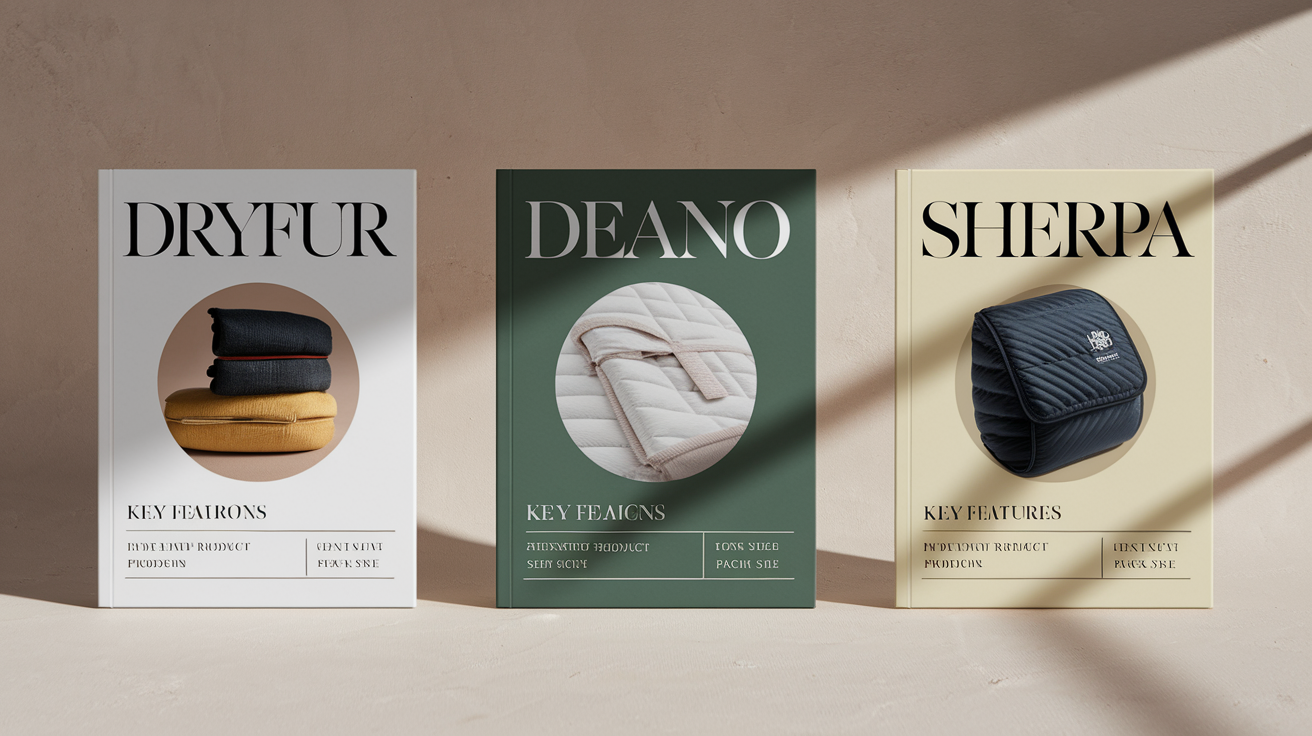
DryFur® Pet Carrier Insert Travel Pads 2-PK holds a patented quadruple award-winning design and arrives in 2-packs across four size ranges. Prices start around $18 for small to medium pads and climb to $44 for giant pads. The company also offers full rolls of 500 pads for groomers, vets, or frequent travelers who prefer disposable-style convenience. Breathable construction without a plastic backing sheet helps the pad dry quickly between uses. The pads claim to absorb most fluids, including oils.
Deano Designs sells custom-made reversible liners priced from $16 to $32 each. 21 standard sizes in centimeters and 47 fleece fabric patterns to mix and match. You choose two patterns, one for each side, and can request rounded corners or fully custom dimensions by quote. Double absorbent cotton layers add rigidity so the liner stays flat under paw traffic. These liners work well for anxious cats or puppies that tend to bunch bedding into corners. The brand doesn’t publish customer reviews yet, but the three-layer construction and customization options appeal to pet parents with unusual carrier shapes or specific color preferences.
Sherpa Waterproof Travel Pet Carrier Replacement Liners retail at $64.99 for a 2-pack, though sale pricing often drops to $49.99. These medium-size polyester liners include a waterproof bottom layer and are fully machine-washable. Sherpa lists a “cooling” special feature, which may refer to breathable polyester that wicks heat away from the pet’s body during warm-weather travel. The brand has been available since February 2010 and is manufactured in China by Quaker Pet Group. Stock availability is consistent, and the product isn’t discontinued.
| Brand | Key Features | Price Range | Pack Size |
|---|---|---|---|
| DryFur® | Patented, breathable, no plastic backing, four size ranges, full roll option | $18 – $44 | 2-pack or 500-roll |
| Deano Designs | Reversible, 47 fabric patterns, custom sizing, rounded corners, double absorbent layers | $16 – $32 per liner | Individual or custom order |
| Sherpa | Waterproof bottom, polyester, machine-washable, cooling feature, medium size | $49.99 – $64.99 | 2-pack |
Extra Features and Specialty Liners for Unique Pet Needs
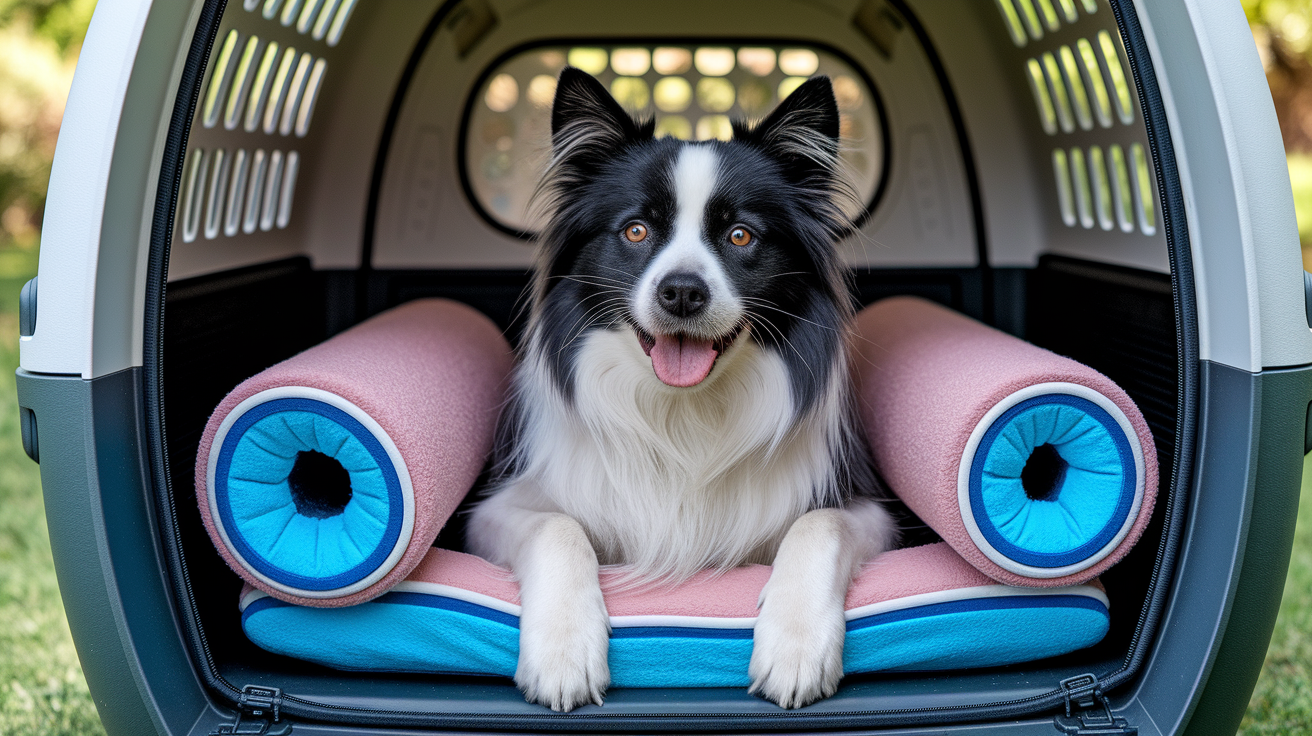
Sherpa’s cooling feature makes its polyester liners a practical choice for summer road trips or warm climates where heat buildup inside a carrier can stress pets. Orthopedic washable liners add memory foam or extra padding under the absorbent layers. Helps senior dogs or cats with arthritis stay comfortable during long travel days.
Medical recovery liners often include antimicrobial treatments or extra-thick absorbent cores to handle post-surgery incontinence or heavy medication-related accidents. Temperature-regulating materials, like phase-change fabrics that cool when your pet’s body warms up, appear in premium travel bedding but are less common in standard carrier liners.
If your pet has mobility issues, look for non-slip backing that grips the carrier floor and prevents the liner from sliding when your pet stands or turns. Washable orthopedic inserts are typically custom-made and cost more than standard liners, but they reduce pressure points and make carrier time less painful for pets recovering from surgery or managing chronic joint pain.
Specialty liner types to consider:
- Senior pet recovery pads: Extra cushioning and antimicrobial treatments for aging or post-surgery pets.
- Medical recovery liners: Thicker absorbent cores designed for heavy incontinence or medication side effects.
- Memory foam travel liners: Orthopedic support for arthritic or mobility-limited pets.
- Cooling liners: Breathable or phase-change materials that reduce heat buildup in warm weather.
- Non-slip washable inserts: Textured backing that grips smooth carrier floors and prevents shifting during movement.
DIY Washable Pet Carrier Liners and At-Home Customization
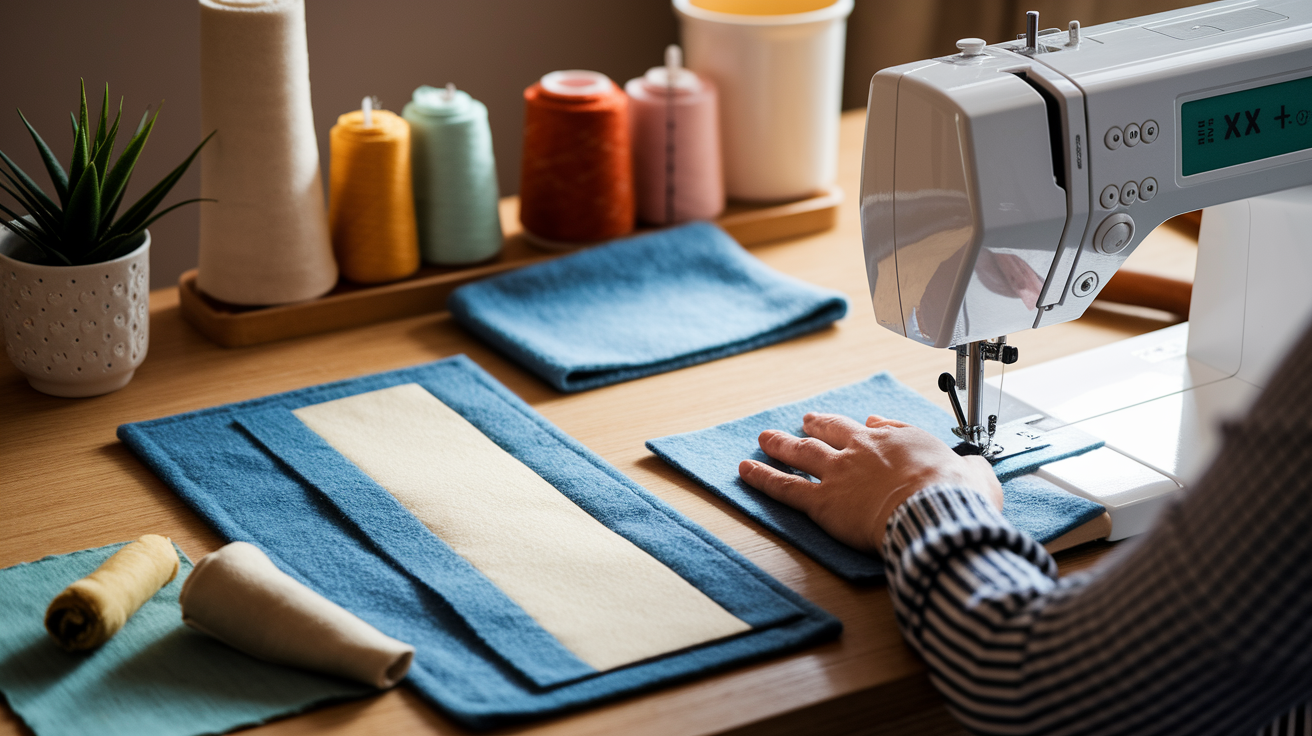
Making your own washable liner works well if your carrier has an unusual shape or you want to control fabric choices for a pet with allergies. You’ll need two layers of fleece, one for the top and one for the bottom, plus one or two layers of absorbent cotton batting in the middle. Skip plastic backing unless you sew a waterproof layer on the very bottom. Plastic can trap heat and moisture if placed too close to your pet’s skin.
Steps to sew a simple carrier liner:
- Measure the interior of your carrier and add 1 inch to each dimension for seam allowance.
- Cut two fleece rectangles and one or two cotton batting rectangles to match your measurements.
- Stack the layers: fleece (right side down), batting, fleece (right side up).
- Pin the layers together around all four edges.
- Sew around the perimeter with a 1/2-inch seam allowance, leaving a 4-inch gap on one side for turning.
- Turn the liner right side out through the gap, then topstitch the gap closed and quilt the layers with a grid pattern to keep the batting in place.
Use cotton or bamboo fleece for hypoallergenic properties. Wash all fabric before sewing to preshrink the fibers. Avoid synthetic fleece blends that pill easily or melt under high dryer heat. Don’t use wool, which can felt and shrink dramatically in the wash, or materials with loose weaves that let batting fibers migrate through the surface.
Final Words
Jumping right in, we showed top product picks and pricing, then explained how materials, construction, and care affect real-life use. We also covered washing tips, measuring your carrier, and the reusable versus disposable tradeoffs.
You got a brand guide, specialty liner ideas, and an easy DIY option if you prefer to customize. Use absorbency, washability, pack count, and travel needs to narrow choices.
Pick a liner that fits your routine and pet. With the right washable pet carrier liners, trips will feel cleaner and calmer.
FAQ
Q: What are the top washable pet carrier liner options and their prices?
A: The top washable pet carrier liner options are DryFur, Deano Designs, and Sherpa; DryFur sells 2-packs across standard sizes, Deano offers many custom sizes, and Sherpa often appears as a 2-pack around $49.99 on sale.
Q: Are washable carrier liners machine washable and dryer safe?
A: Washable carrier liners like Sherpa and Deano are machine washable; use a gentle cycle and pet-safe detergent. Dryer use varies—air dry or low heat to protect waterproof backing and prolong life.
Q: What materials are commonly used in carrier liners and what do they do?
A: Carrier liners commonly use fleece, cotton, polyester, and waterproof backings; fleece adds softness, cotton layers absorb, polyester aids durability, and leakproof bases protect the carrier from moisture.
Q: How should I wash and care for washable liners to extend their life?
A: To care for liners, wash on a gentle cycle with mild pet-safe detergent, pre-treat stains, avoid high heat in the dryer, and rotate liners after messy trips to reduce wear.
Q: How do I measure my carrier to get the right liner size?
A: To measure for a liner, measure the carrier floor length and width and the underside, allow a few centimeters for the sides, and choose universal or custom sizing based on shape and fit.
Q: What’s the difference between reusable washable liners and disposable pads?
A: The difference is cost and waste: reusable liners cost more up front but save money and reduce waste long term, while disposable pads are convenient for single trips but add recurring expense and trash.
Q: Which brand should I pick: DryFur, Deano Designs, or Sherpa?
A: Choose by needs: pick DryFur for widely available absorbent 2-packs, Deano for custom sizes and style options, and Sherpa for budget-friendly 2-packs with waterproof features and machine washability.
Q: Are there specialty liners for senior or medical needs?
A: Specialty liners include orthopedic memory-foam, cooling pads, and recovery liners; they offer extra support, temperature control, or softer surfaces for seniors, injured pets, or long trips.
Q: Can I make a DIY washable carrier liner at home?
A: You can make a DIY washable liner by cutting to fit, using a soft top fabric, absorbent middle layers, and a breathable backing, then sewing and testing for washability before regular use.
Q: What buying factors should I consider when choosing a washable carrier liner?
A: Key buying factors include price range, absorbency, washability and drying method, pack count, travel use, and whether you need waterproofing, odor control, or machine-dry convenience.