

Could the carrier you use be making vet trips worse for your anxious cat or small dog?
A shoulder strap carrier keeps your pet close to your chest, cuts down loud clinic sounds, and leaves your hands free for doors, leashes, and paperwork.
That closeness often calms panic more than a hard box on the floor, so choosing the right strap, ventilation, and openings matters.
Here’s a quick guide to the best shoulder strap carriers for vet visits, the calming features that actually help, and simple tips to make trips less stressful.
Best Hands‑Free Pet Carriers for Vet Visits (Top Picks)
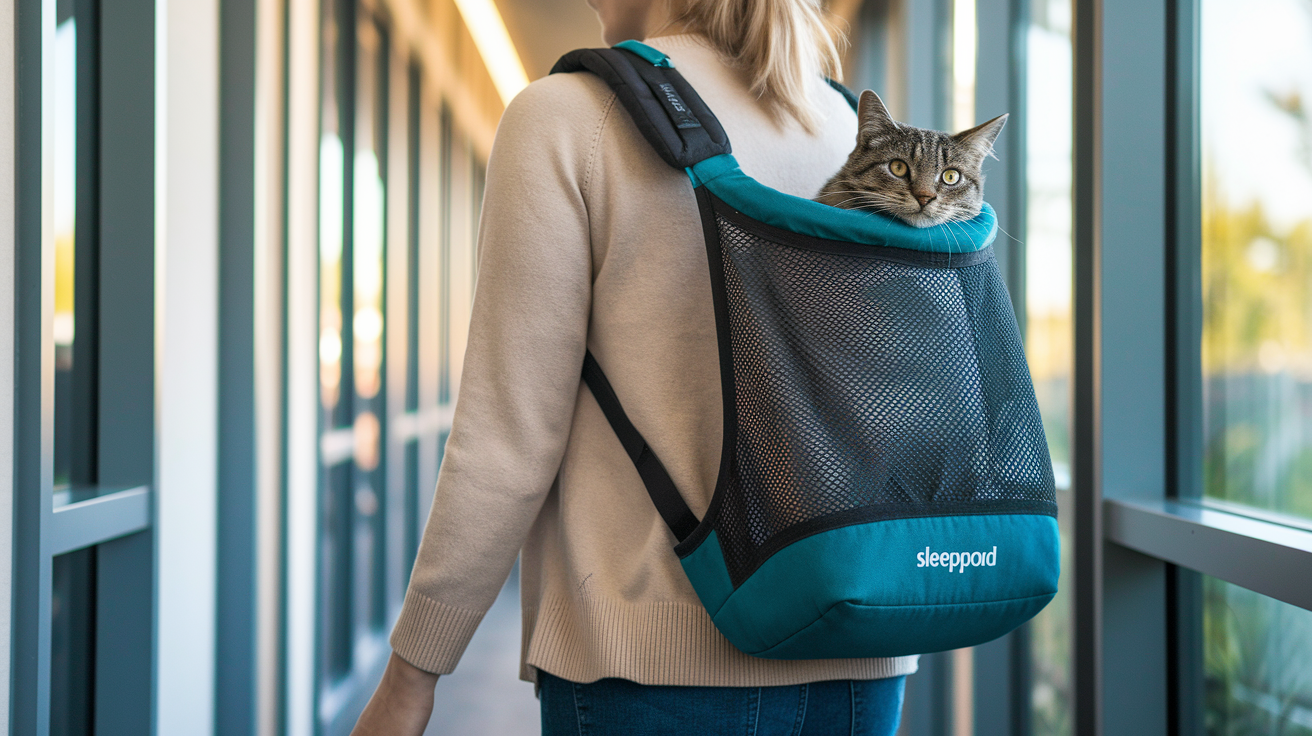
A good shoulder strap carrier for vet visits keeps your pet secure and close while your hands stay free for doors, paperwork, or keeping your balance. These models combine solid straps, breathable design, and comfort features that help anxious cats and small dogs feel safer when you’re moving them.
1. Sleepypod Air
Adjustable shoulder strap with crossbody option, lightweight build with wraparound mesh for airflow, top unzips fully left to right so vets can reach in easily, works for cats up to 18 lb, mid to higher price, good for anxious pets that need gentle handling and plenty of air.
2. Sherpa Travel Original Deluxe
Padded shoulder strap spreads weight evenly, mesh panels on three sides, front entry plus top access, fits cats and small dogs up to 16 lb, mid range pricing, solid choice for pets that prefer dimmer interiors and less fussing.
3. EliteField Soft‑Sided Carrier
Adjustable padded shoulder strap and short handles, three mesh windows and two zippered entries, collapsible and light, available in multiple sizes for pets up to 20 lb, budget to mid range, works well for calmer pets that need extra ventilation.
4. Petsfit Expandable Carrier
Adjustable shoulder strap with comfort pad, expandable design (19 inches to 31.5 inches), 270° mesh for visibility, top and side openings, mid range price, good for nervous pets that benefit from extra space and being able to see out.
5. Diggs Passenger Travel Pet Carrier
Padded adjustable shoulder strap, crash tested with five star rating, three access points (top, front, side), removable soft floor and pee pad system, capacity up to 18 lb, premium pricing around $186, excellent for very anxious pets or if you want the safest option and easy vet exam access.
These models work well for vet visits because they combine secure closures with easy access for staff, balanced ventilation that keeps pets calm without overexposing them, and padded straps that let you carry your pet close to your body. That proximity cuts down stress and gives you better control in busy waiting rooms or when you’re moving between car and clinic.
Key Features to Look For in a Shoulder Strap Pet Carrier
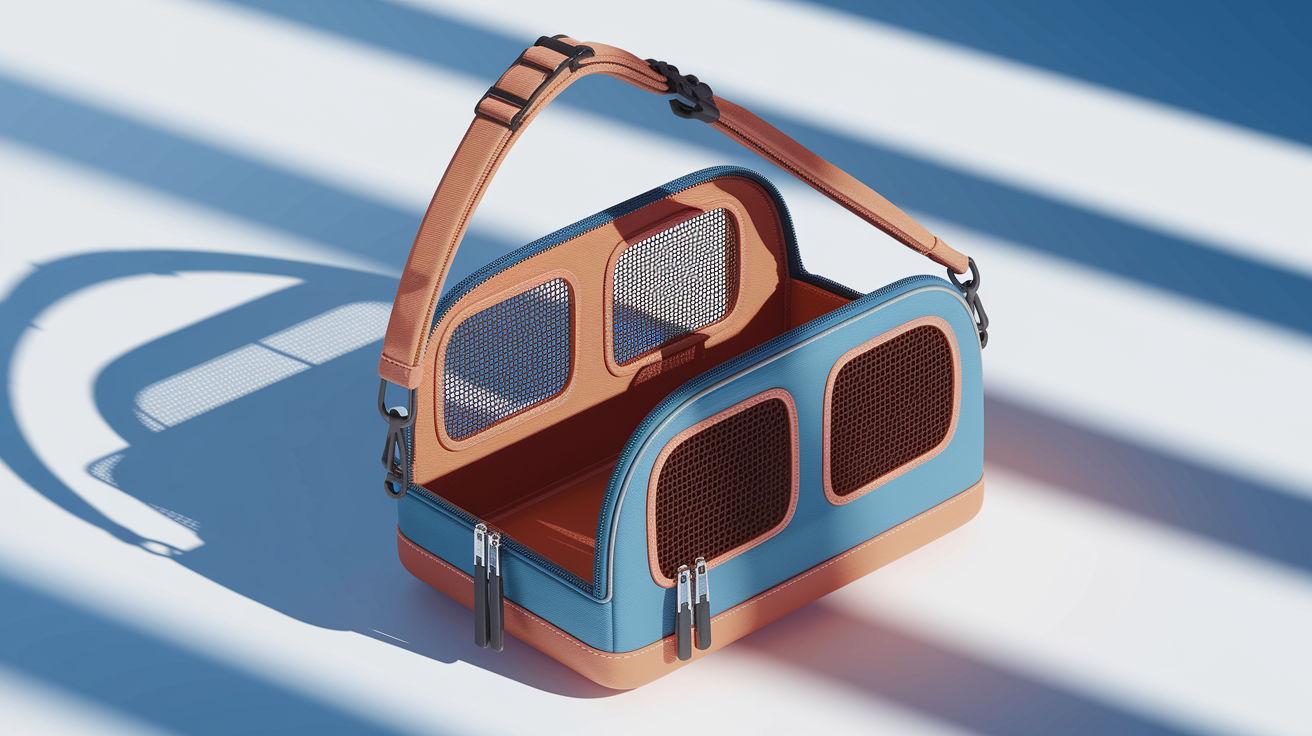
When you’re shopping for a shoulder strap carrier, focus on features that support your comfort and your pet’s security during the trip. The right design reduces strain on your shoulder and back while preventing escape or injury.
Look for these things:
Adjustable, padded shoulder strap. Strap should adjust for your height and body type, with at least half an inch of padding to spread weight evenly and prevent shoulder fatigue during longer walks or waiting periods.
Breathable mesh panels. Multiple mesh windows (at least two sides) let air move and give your pet visibility without overexposing anxious animals to unfamiliar sights.
Escape proof closures. Reinforced zippers with lockable sliders or clips stop pets from pushing doors open mid transit.
Stable, reinforced base. A firm base keeps the carrier from sagging or collapsing when you set it down, which makes it easier for your pet to stand or turn inside.
Interior tether or D ring. Lets you clip your pet’s harness or collar to prevent sudden bolts when you unzip the carrier at the clinic.
Washable or wipeable interior. Removable pads or easy clean plastic surfaces make cleanup simpler after accidents.
Appropriate weight rating. Carrier should be rated for at least 2 to 3 pounds above your pet’s current weight to keep things safe and comfortable.
These features directly affect how safe and manageable the carrier feels in real use. A poorly adjusted strap can cause back pain or mess with your balance, especially if you’re carrying a 12 to 18 lb pet up stairs or through a parking lot. Secure closures and a stable base keep your pet from panicking or hurting themselves, and wipeable materials let you handle messes quickly so the carrier stays clean for next time.
Comfort and Stress‑Reduction Features for Anxious Pets
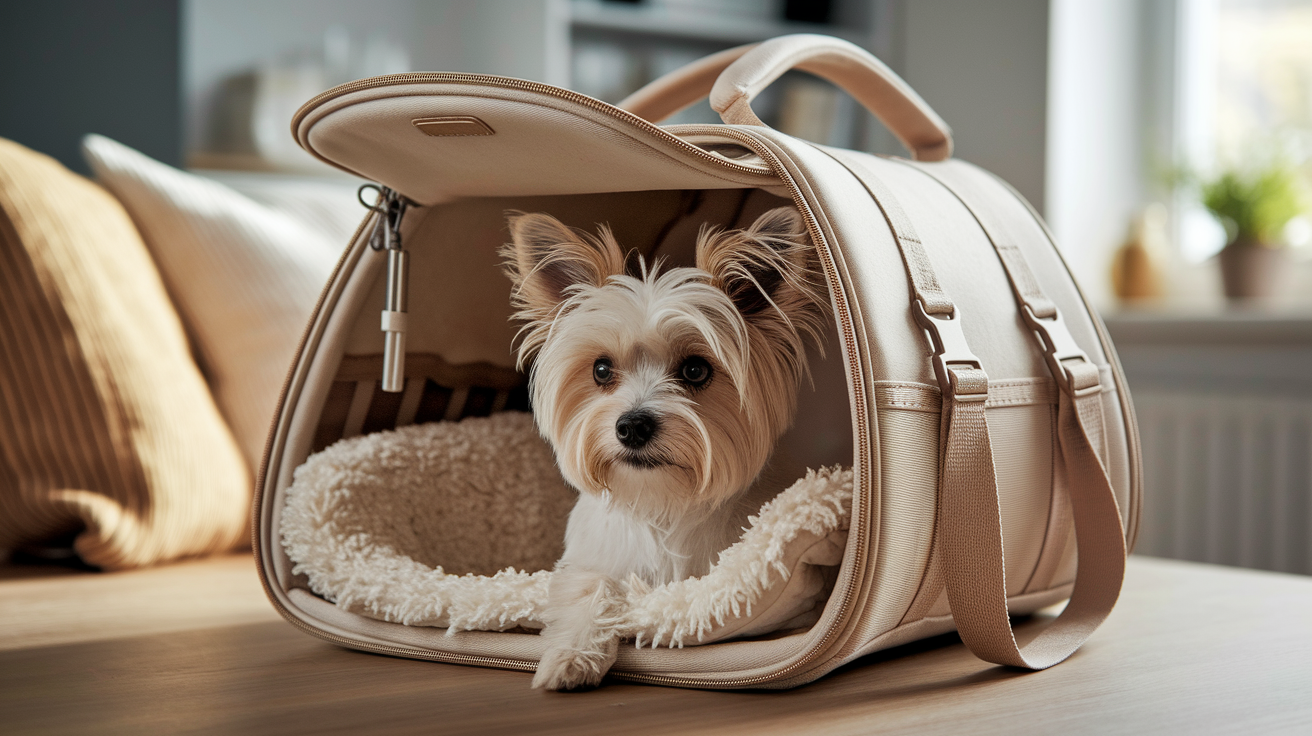
Anxious pets often react to vet visits with hiding, panting, shaking, or trying to escape. Common triggers include unfamiliar sounds, bright lights, the scent of other animals, and the feeling of being enclosed. A shoulder strap design naturally cuts down on some of this fear by keeping your pet close to your body, where they can hear your heartbeat and feel your warmth.
Carriers worn on your shoulder or across your chest let your pet stay near your familiar scent and voice. This proximity often calms nervous cats and small dogs more than placing them in a separate carrier on the floor or car seat.
Look for these calming features:
Privacy flaps or partial covers. Shields your pet from direct eye contact with other animals in the waiting room without blocking ventilation.
Soft, removable bedding or pads. Familiar smelling blankets or washable fleece inserts give anxious pets a comforting surface and can absorb stress related accidents.
Noise dampening materials. Thicker fabric walls or padded sides muffle loud sounds like barking or clinic equipment.
Multiple entry points. Top and side openings let you choose the least stressful loading method and allow vet staff to access your pet without forcing them out.
Before the appointment, leave the carrier out at home for at least a week with the door open and a favorite blanket or toy inside. Toss treats into the carrier daily so your pet connects it with something positive rather than just vet visits. If your pet is extremely anxious, ask your vet about calming pheromone sprays you can apply to the bedding an hour before leaving, or consider a short practice trip around the block to help them adjust to the motion and sounds of travel.
Price and Quality Comparison Guide
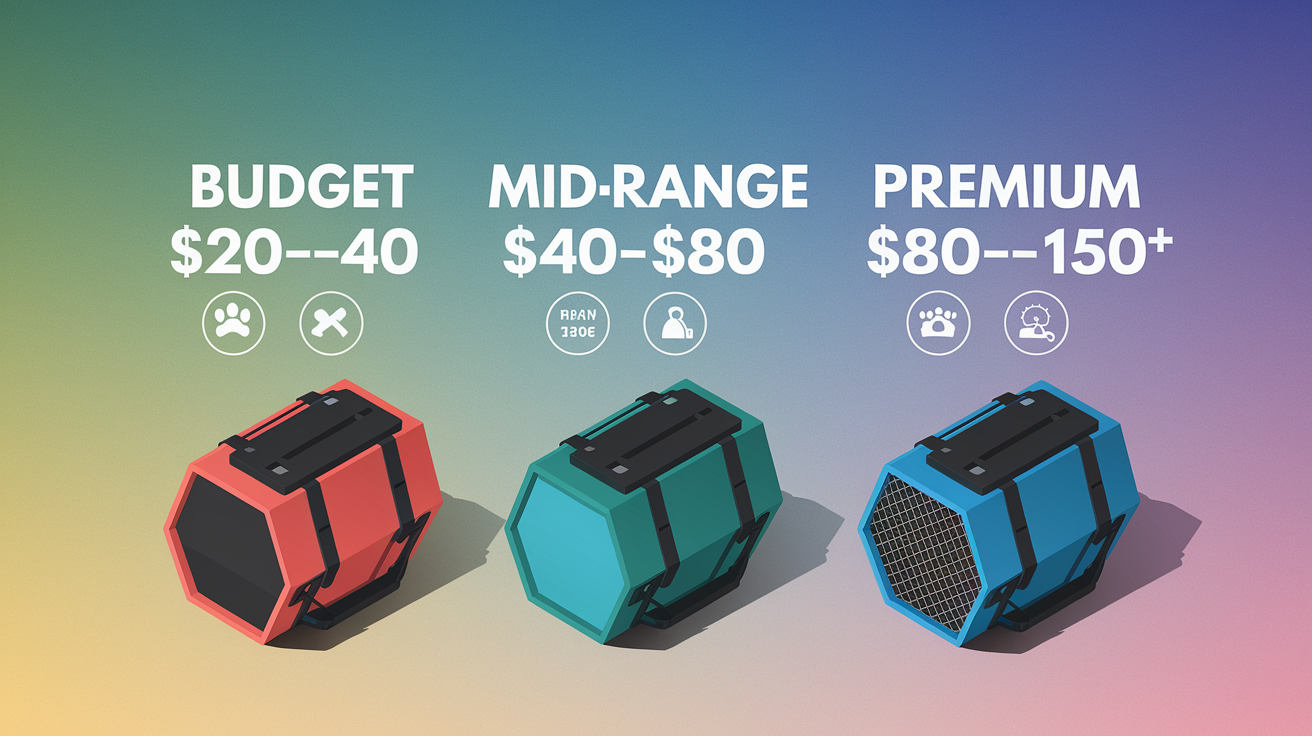
Shoulder strap pet carriers range from basic budget models to premium designs with crash tested frames and memory foam straps. Understanding what each price bracket offers helps you match your spending to your pet’s size, temperament, and how often you’ll use the carrier.
| Price Range | Typical Features | Ideal For |
|---|---|---|
| $20–$40 | Basic mesh panels, single shoulder strap, soft sides, lightweight, minimal padding, simple zippers | Calm, smaller cats or dogs (under 10 lb), infrequent vet visits, owners on a tight budget |
| $40–$80 | Padded adjustable straps, multiple entry points, reinforced base, wipeable liner, moderate ventilation, collapsible design | Moderately anxious pets (10–16 lb), regular vet appointments, owners who want durability and easier cleaning |
| $80–$150+ | Crash tested construction, memory foam shoulder pads, multi layer mesh, removable washable bedding, interior tether, seatbelt compatibility, pee pad system | Highly anxious or escape prone pets, larger cats or small dogs (up to 18–20 lb), frequent travel, owners prioritizing safety and long term use |
Budget carriers work fine for calm, lightweight pets and short trips, but they often lack the reinforced stitching and secure closures that prevent escape or injury with anxious animals. Mid range models offer better comfort and cleaning features, making them a practical choice for routine vet visits with pets that show mild to moderate stress.
Premium carriers justify their higher cost with safety certifications, ergonomic designs that reduce strain on your body, and materials that hold up to regular washing and heavier use. If your pet is nervous, strong, or over 12 pounds, spending in the $80+ range usually saves you money and stress down the road by preventing the need to replace a cheaper carrier that broke or became unsafe.
Real User Experiences and Common Concerns
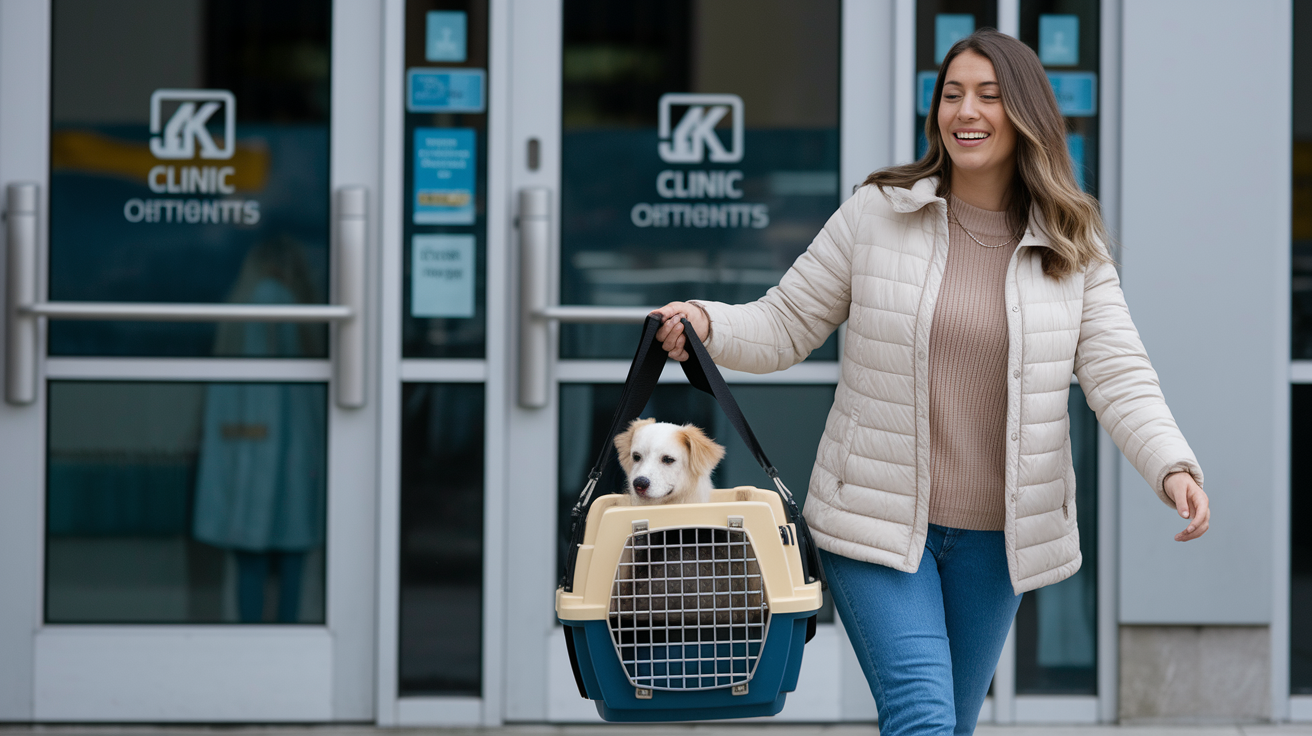
Many pet owners say that switching to a shoulder strap carrier made vet visits noticeably easier, especially when managing parking, clinic doors, and check in paperwork with one hand. Cross body straps and escape proof zippers come up frequently as confidence boosters, particularly for owners of cats that have previously bolted or dogs that panic in enclosed spaces. Users also like carriers with reinforced bases because they can set the carrier down on the exam table or floor without it tipping or collapsing, which helps keep anxious pets calmer.
Common buyer concerns:
Weight distribution and shoulder fatigue. Owners carrying pets over 12 pounds often find that non padded straps dig into their shoulder or cause back pain during longer walks or waiting times.
Pet reluctance to enter the carrier. Cats and small dogs that connect carriers only with vet visits may resist going inside, which leads to stressful chasing and forcing.
Cleaning after accidents. Soft sided carriers with non removable liners can be tough to clean thoroughly after urine, vomit, or diarrhea incidents.
If shoulder fatigue is an issue, look for carriers with at least half an inch of padding and adjustable straps that let you shift the load across your body rather than resting entirely on one shoulder. To reduce reluctance, keep the carrier out in a common room at home with the door open and place treats or favorite toys inside daily so your pet builds positive connections over time.
For cleaning concerns, choose models with removable, machine washable pads or hard plastic bases that can be wiped down quickly. If a soft carrier does get soiled, take it apart as much as possible, rinse under cool water, apply an enzyme based pet odor remover, and air dry completely before putting it back together.
FAQs About Shoulder Strap Pet Carriers for Vet Visits
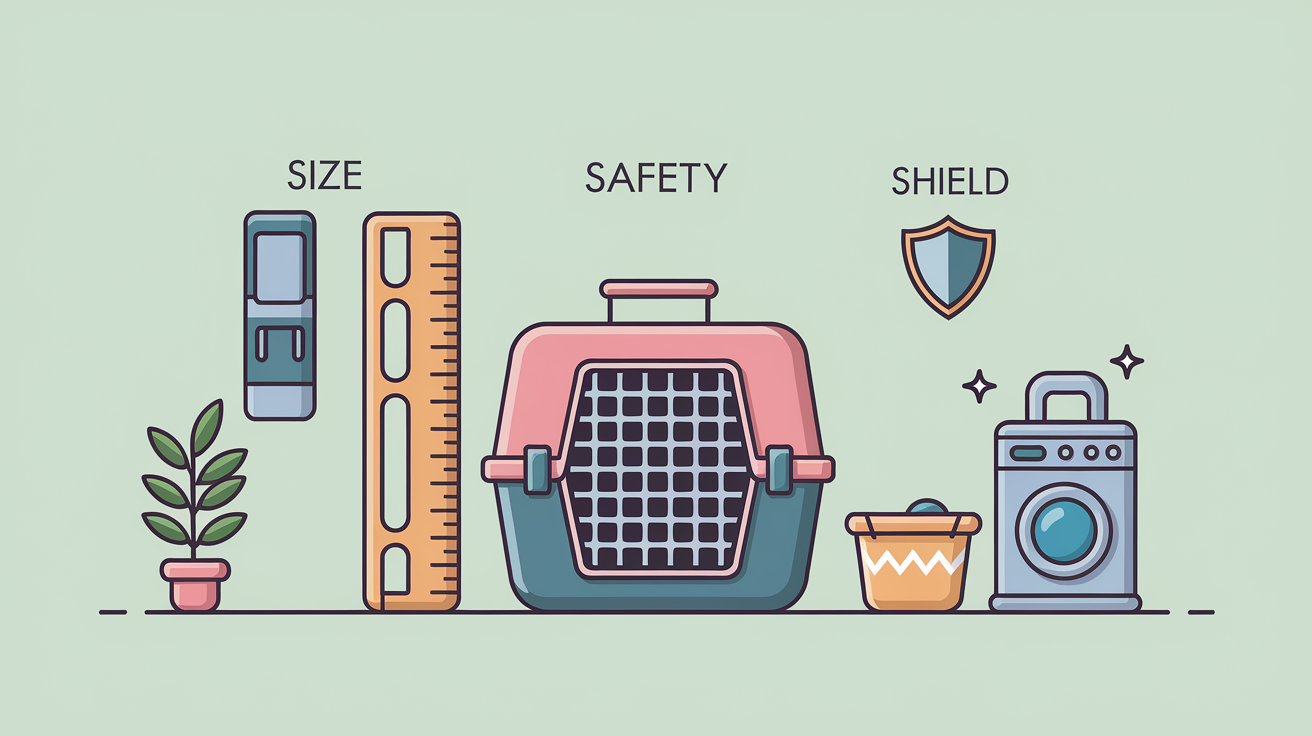
What size shoulder strap carrier do I need for my cat or small dog?
Measure your pet from nose to base of tail and add 3 to 4 inches to figure out minimum interior length. Your pet should be able to stand, turn around, and lie down comfortably. For most cats and small dogs, carriers rated for 10 to 18 lb capacity work well.
Are shoulder strap carriers safe for car travel to the vet?
Many models include seatbelt pass throughs or tether loops that let you secure the carrier in place. Crash tested carriers like the Diggs Passenger offer the highest level of safety, but any carrier should be anchored to prevent it from sliding or tipping during sudden stops.
Can I use a shoulder strap carrier if my pet is very anxious or aggressive?
Yes, but choose a model with multiple secure closures, reinforced zippers, and an interior tether so you can clip your pet’s harness before opening the door. The close to body positioning often calms anxious pets, and top access designs let vet staff handle your pet with less forcing.
How do I clean a shoulder strap carrier after an accident?
Remove any washable pads or bedding and machine wash on a gentle cycle with pet safe detergent. Wipe hard surfaces with a pet safe disinfectant or enzyme cleaner. For carriers with non removable soft interiors, spot clean right away, rinse under cool water, apply odor remover, and air dry completely.
Will a shoulder strap carrier work for airline travel?
Some models like the Sherpa Travel are airline approved, but always check the specific carrier’s dimensions against your airline’s under seat requirements. Shoulder strap carriers designed mainly for vet visits may be slightly larger or lack the soft sided collapsibility required for in cabin flight.
Final Words
You saw five top hands-free carriers, the key features to pick, calming options for anxious pets, price brackets, and real user tips.
Pick a carrier that fits your pet, has a padded, adjustable shoulder strap, secure closures, and easy-to-clean materials. Try short practice carries and a favorite blanket before the appointment.
A well-fit shoulder strap pet carrier for vet visits keeps your pet close, lowers stress, and makes trips easier. You’ll be ready for calmer, smoother vet days.
FAQ
Q: How do I choose the right size shoulder‑strap pet carrier for vet visits?
A: The right size shoulder‑strap carrier for vet visits fits your pet with room to stand, turn, and lie down; measure length from nose to base of tail and height at shoulder, then add 2–4 inches.
Q: What weight limit should a hands‑free pet carrier have?
A: A carrier’s weight limit should match or exceed your pet’s weight; choose one rated at least as much as your pet, or 10–20% higher for safety and durability, especially for active or heavy-set pets.
Q: Are shoulder‑strap pet carriers safe for anxious pets during vet visits?
A: Shoulder‑strap carriers can be safer for anxious pets because close body contact calms them; pick models with privacy panels, soft interiors, secure tethers, and escape‑proof zippers, and practice short rides before the vet.
Q: How do I clean and maintain a shoulder‑strap pet carrier?
A: Cleaning a shoulder‑strap carrier means removing washable liners, machine‑washing or hand‑washing per label, wiping mesh and straps with mild soap, rinsing well, and air‑drying; clean promptly after accidents to prevent odors.
Q: Can shoulder‑strap pet carriers be used on planes or other transport?
A: Shoulder‑strap carriers are often not airline‑approved; airline-friendly carriers are low, soft‑sided, and fit under the seat—check your airline’s size rules and carrier features before travel.