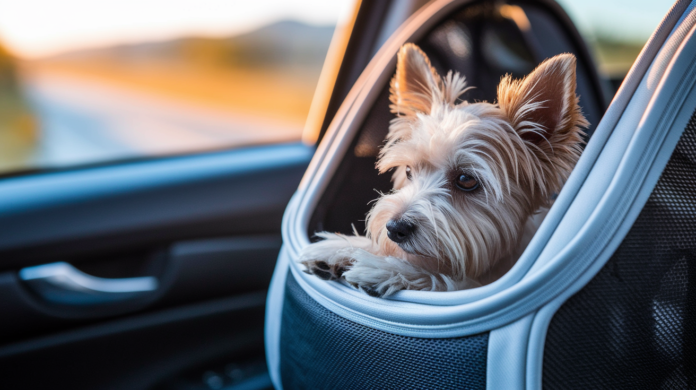

Many pet carriers that say “crash-tested” have never been through a real crash lab.
The Center for Pet Safety (CPS) runs 30 mph tests with weighted dummies and high-speed cameras to show what happens in a crash.
Only a few carriers pass those independent tests, and the winners use reinforced shells, strong anchor points, and doors or zippers that stay closed when things get rough.
This guide highlights CPS-certified carriers, compares how they performed, and gives clear steps to choose, fit, and secure the right one for your pet.
Top Crash-Tested Pet Carriers With Verified Safety Certifications

Crash-tested carriers get put through controlled frontal-impact testing at around 30 mph. The results aren’t theoretical. The Center for Pet Safety (CPS) runs these tests using sled machines, high-speed cameras, and weighted dummies to see what actually happens to a pet carrier during a collision. Only a few carriers pass rigorous independent crash tests, and the ones that do are built differently. Reinforced shells, tested anchor points, materials designed to absorb impact instead of shatter or pop open.
Here’s what’s verified and currently available:
Gunner Kennel G1 – Double-wall rotomolded construction with a triple-locking door (one keyed lock, two slider latches). Comes in Small, Medium, Intermediate, and Large. CPS certification only applies when you use the manufacturer’s OEM tie-down straps, sold separately for about $100. Small size works for second-row installation. Medium, Intermediate, and Large are cargo area or truck bed only. The Large G1 didn’t pass CPS certification. Weight limits and interior space vary by size. Lifetime warranty, made in the USA. Heavy and awkward to move, but it holds up under drop and crush testing.
Sleepypod Mobile Pet Bed – Round, convertible carrier that works as a pet bed too. You secure it by wrapping the lap belt around the base and threading the shoulder belt through a dome security strap. Weight limit: 18 lb and under. CPS testing showed minimal rebound, intact stitching, secure zippers during frontal impact. The Sleepypod line includes other CPS-rated models (Sleepypod Atom: 5 stars, Sleepypod Mini: 5 stars, Sleepypod Air: 4 stars). Installing it means rethreading tight security straps through plastic clips, which can be frustrating. The round shape makes shoulder carry awkward, but it distributes impact forces evenly.
Sleepypod Air – Lightweight, semi-soft carrier with a 4-star CPS rating. Built for air travel but also rated for car use when installed with vehicle seatbelts. Works for small pets under the manufacturer’s weight limits. Mesh panels for airflow, zippered dome that stays shut during crashes.
GunDog Intermediate Kennel (Cabela’s) – Single-wall molded plastic crate with a stainless-steel door and molded handles. 5 stars from CPS. Doors stayed locked, straps held, no fractures during impact testing. Some deformation (crush) happened, but the crate can pop back into shape once you remove the straps. Comes with safety straps and a locking pin that’s critical for maintaining certification. You have to follow the strap-down pattern exactly. Lighter and cheaper than double-wall options, but installation has to be precise.
Away Pet Carrier – Semi-rigid build with reinforced corners and tested locking zippers. Designed for travel versatility (airline-approved and car-safe). CPS certification varies by model and year, so check the CPS certified-products list before buying.
Each of these has been independently tested under controlled crash conditions. They’ve proven they can contain a pet, keep their structure, and hold anchor points during a 30 mph frontal impact. Non-certified carriers, even ones marketed as “crash-tested” without third-party verification, haven’t gone through the same testing.
Understanding Crash-Test Standards for Pet Carriers
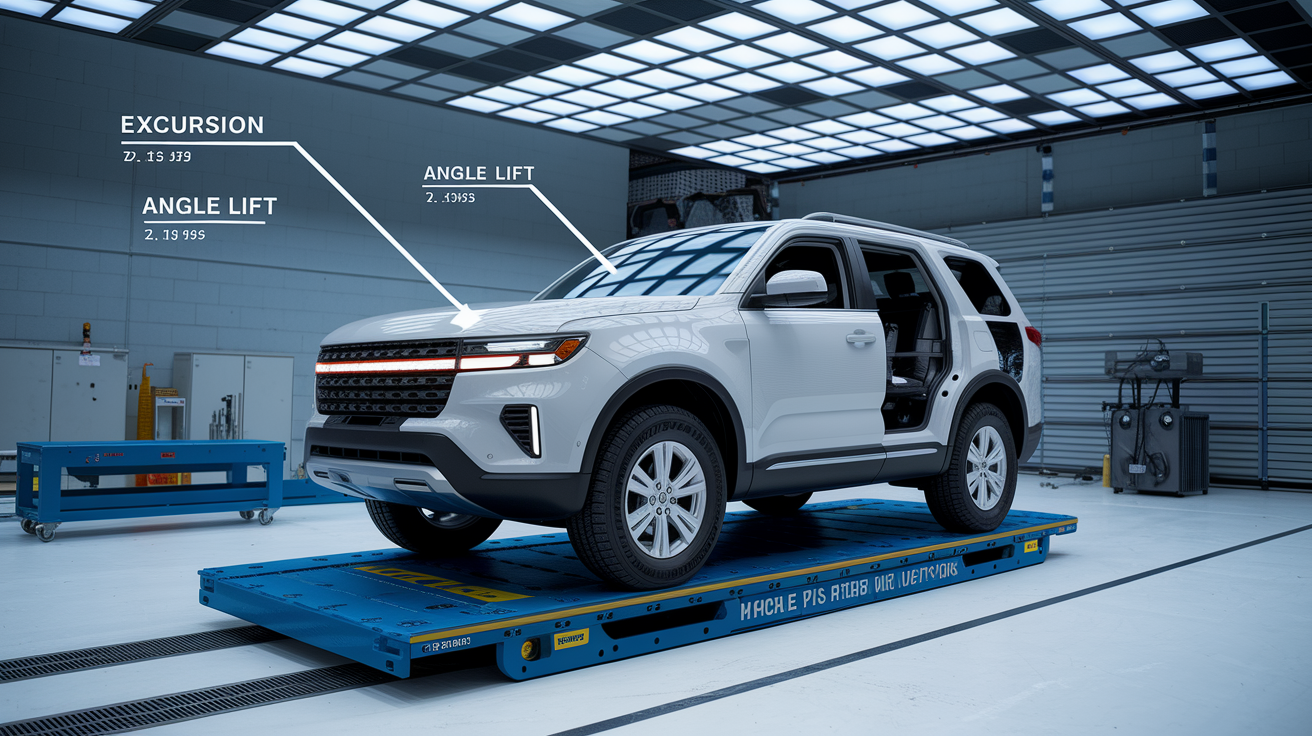
The Center for Pet Safety runs frontal-impact crash tests at 30 mph using weighted pet dummies, sled machines, high-speed cameras, and digital calipers. They measure excursion (how far the carrier moves forward), angle lift (how much it tilts), and where the structure fails. Passing means the carrier stays intact, doors and zippers stay closed, anchor straps don’t tear or come loose, and the pet dummy doesn’t escape or get thrown too far forward. For crates, the test happens on a carpeted sled that mimics a truck bed or cargo area. For carriers and harnesses, it’s a second-row bench seat with factory seatbelt hardware. If a product includes an extension tether, it’s automatically disqualified from CPS certification, even if everything else about the design is solid.
A lot of products fail because stitching tears, plastic buckles break, or the carrier slides too far forward during impact. That creates dangerous rebound or turns the pet into a projectile. Some crates might deform or crush under impact but still pass as long as the door stays locked, the pet stays inside, and the straps hold. Deformation by itself doesn’t mean failure if containment works. Dynamic crash testing is completely different from static load testing, which just measures how much weight a strap or buckle can hold when pulled slowly. A carrier that passes a static pull test can still fail in a real crash because impact forces are sudden, come from multiple directions, and involve rapid deceleration.
CPS certification is the gold standard. Independent, transparent, based on actual crash physics. They publish star ratings (1 to 5 stars) and keep a public list of certified products, so you can verify claims before you buy.
Comparing the Best Crash-Tested Pet Carriers
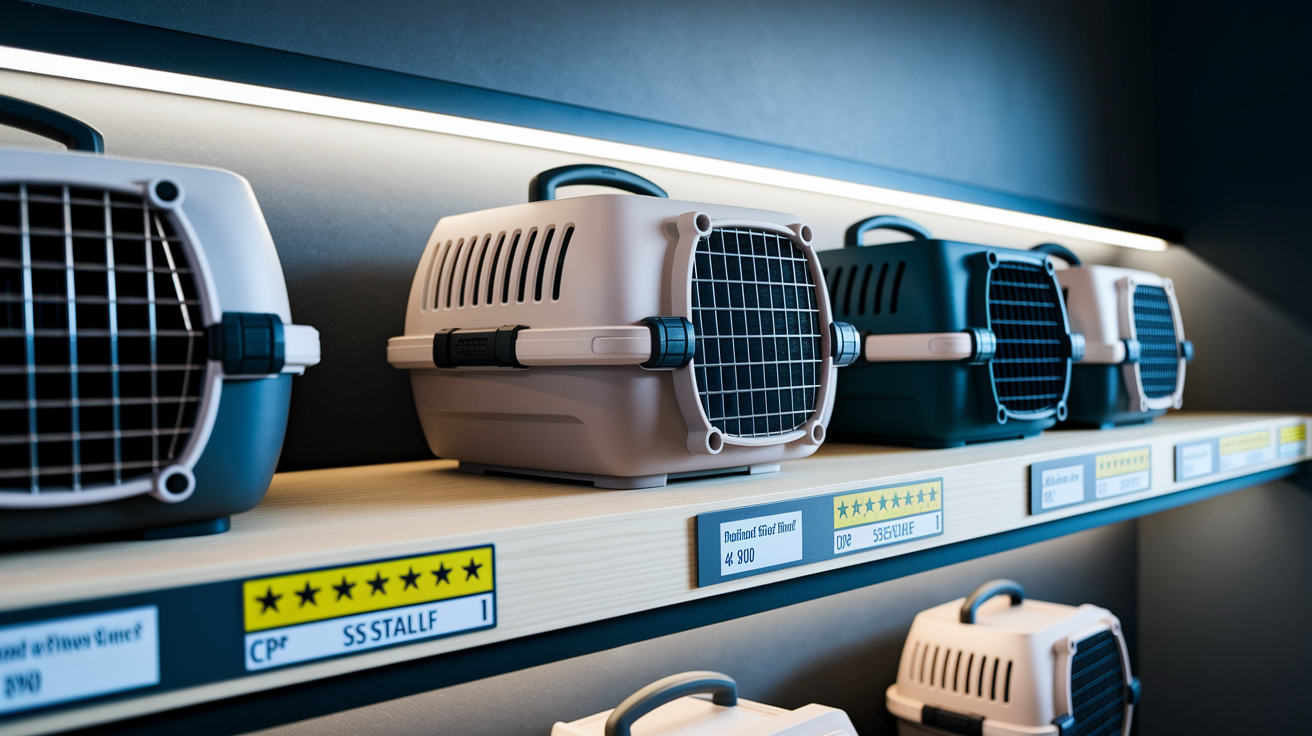
| Carrier Name | Certification | Weight Limit | Ideal For | Price Range |
|---|---|---|---|---|
| Gunner Kennel G1 (Small) | CPS-certified (with OEM straps) | Varies by size | Second-row installation, small dogs | $300–$450 (straps +$100) |
| Sleepypod Mobile Pet Bed | CPS-certified | 18 lb and under | Small dogs, cats, short trips | $150–$220 |
| Sleepypod Air | CPS 4-star | Manufacturer-specified (small pets) | Air and car travel, cats, small dogs | $180–$250 |
| GunDog Intermediate Kennel | CPS 5-star | Intermediate size range | Cargo area, truck bed, medium dogs | $120–$180 (straps included) |
| Sleepypod Clickit Sport (harness) | CPS-certified | Up to 75 lb | Seatbelt-restrained dogs, second-row | $60–$100 |
When you’re comparing crash-tested carriers, the big differences are construction method (rotomolded vs. single-wall plastic vs. semi-soft shell), installation requirements (cargo-only vs. second-row compatible), and whether safety straps are included or sold separately. Double-wall rotomolded carriers like the Gunner G1 are heavier and pricier, but they give you maximum structural strength and a lifetime warranty. Single-wall crates like the GunDog Intermediate are lighter and cheaper but might deform under impact. They can still pass certification if they keep the pet contained. Semi-soft carriers like the Sleepypod models are easier to carry and store, but you need precise seatbelt routing and tight strap installation to meet safety standards.
Ventilation, door locks, and anchor materials vary a lot too. Stainless-steel doors and molded locking pins are more reliable than plastic latches or zippers alone. Carriers with multiple anchor loops and automotive-grade webbing spread crash forces more evenly than single-point tethers. Price reflects the cost of testing, certification, and materials. Crash-tested carriers start around $120 and can go over $450 when you add OEM straps and accessories.
How to Install a Crash-Tested Pet Carrier Safely
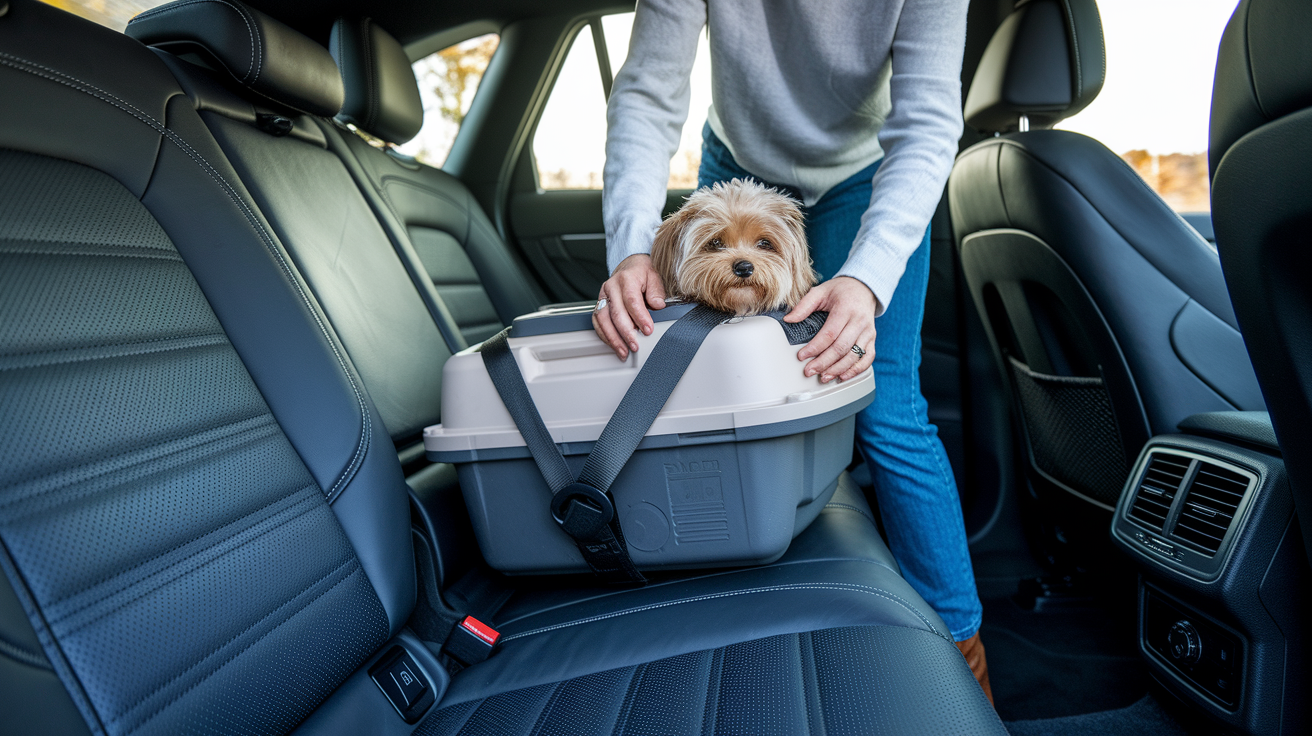
Proper installation is what makes a certified carrier actually work. Even a CPS-certified product can fail if you route the straps wrong, forget to engage locking pins, or put it somewhere that doesn’t match its certification. Follow these steps every time:
Check that the carrier works with your vehicle and where you’re putting it. Second-row carriers need factory seatbelts or compatible LATCH anchors. Cargo crates need tie-down points in the truck bed or rear hatch area. Don’t put a cargo-certified crate in the second row.
For seatbelt installs, thread the lap belt around the carrier base first. Then route the shoulder belt through the security strap or loop. Pull the belt tight, make sure the latch plate clicks into the buckle. The seatbelt should lock when you pull it sharply, not stay loose.
For crate installs using tie-down straps, use only the manufacturer’s OEM straps. Aftermarket straps might not meet CPS standards and can void safety performance. Route each strap through the right anchor point, tighten until the crate can’t slide more than an inch in any direction.
Engage all locks. Keyed locks, slider latches, locking pins. Check that doors and windows are fully closed and latched. A door that looks closed but isn’t locked can pop open during impact.
Compare the strap routing against the manufacturer’s diagram. Some crates need a specific crosshatch or parallel pattern to distribute forces correctly. Wrong routing cuts crash performance even if the straps feel tight.
Put the carrier in the center of the second row when you can. That’s farthest from side-impact zones and front airbags. If center placement doesn’t work, use the rear passenger-side seat. Never install a carrier in the front passenger seat if there’s an airbag.
Before every trip, tug the carrier hard in all directions. Recheck locks. Straps loosen over time, especially after temperature changes or repeated installs.
Choosing the Right Size and Fit for Your Pet
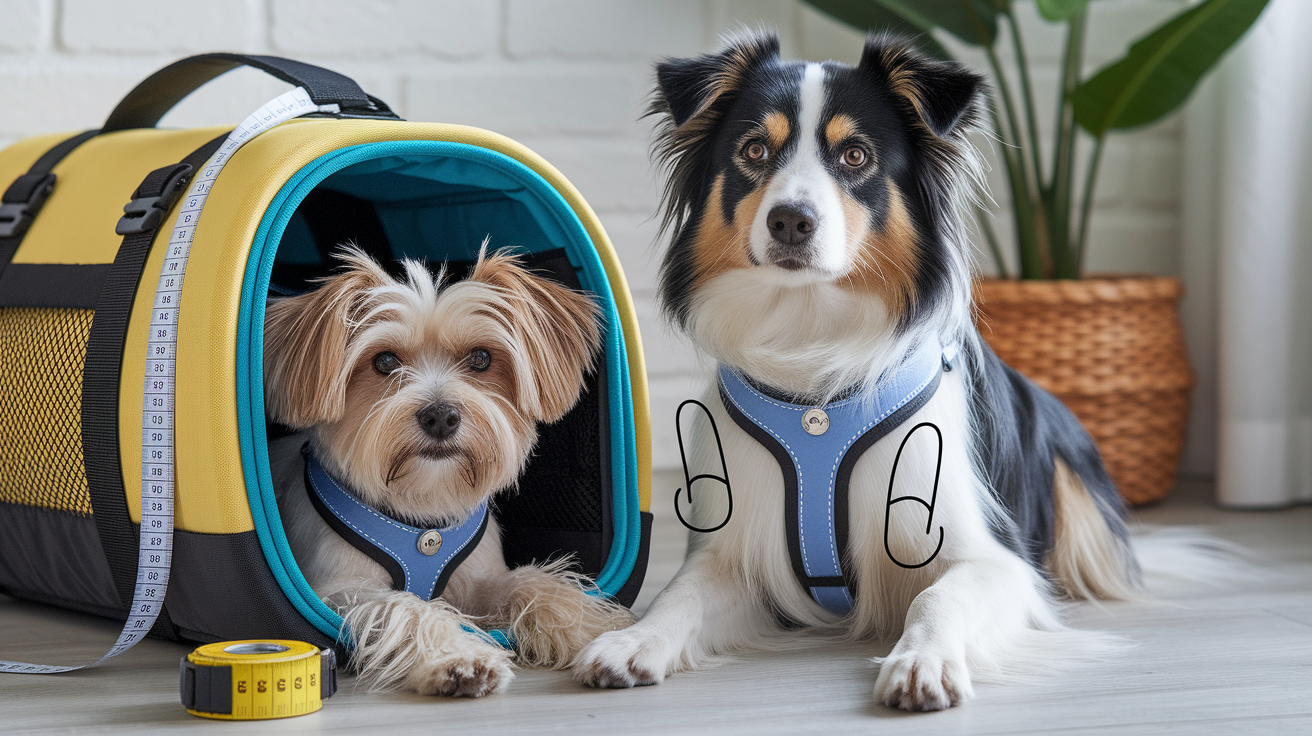
A carrier that’s too big lets your pet shift during impact, which increases internal forces and injury risk. Too small restricts movement, causes stress, and might not give enough airflow. Proper fit is about body measurements, not just weight. Pets in the same weight class can have very different body lengths and leg heights.
Measure your pet’s length from nose tip to the base of the tail (don’t include the tail). The interior carrier length should be at least 4 inches longer so your pet can turn around and lie down comfortably.
Measure height from the floor to the top of the shoulder when standing. Interior carrier height should be 1 to 2 inches taller. Your pet should be able to sit upright without crouching or pressing against the top.
Weigh your pet using a bathroom scale or at the vet. Compare that weight to the carrier’s rated limit. Don’t exceed the manufacturer’s max, crash-test certification is based on specific load assumptions.
Check the manufacturer’s sizing chart for breed-specific recommendations. Some carriers work better for compact, short-legged breeds. Others are designed for taller, leaner builds. A 20-pound Dachshund and a 20-pound Border Terrier might need different carrier shapes.
For harnesses, use the two-finger fit test. Adjust straps so you can slide two fingers between the harness and your pet’s body at the chest and shoulders. It shouldn’t shift or rotate when you tug gently, but it also shouldn’t pinch or restrict breathing.
Watch your pet’s behavior during a short test ride. Correct fit means they can stand, turn, sit, and lie down without trouble. Incorrect fit shows up as excessive panting, escape attempts, or inability to adjust posture.
Key Features to Look For When Buying a Crash-Tested Pet Carrier
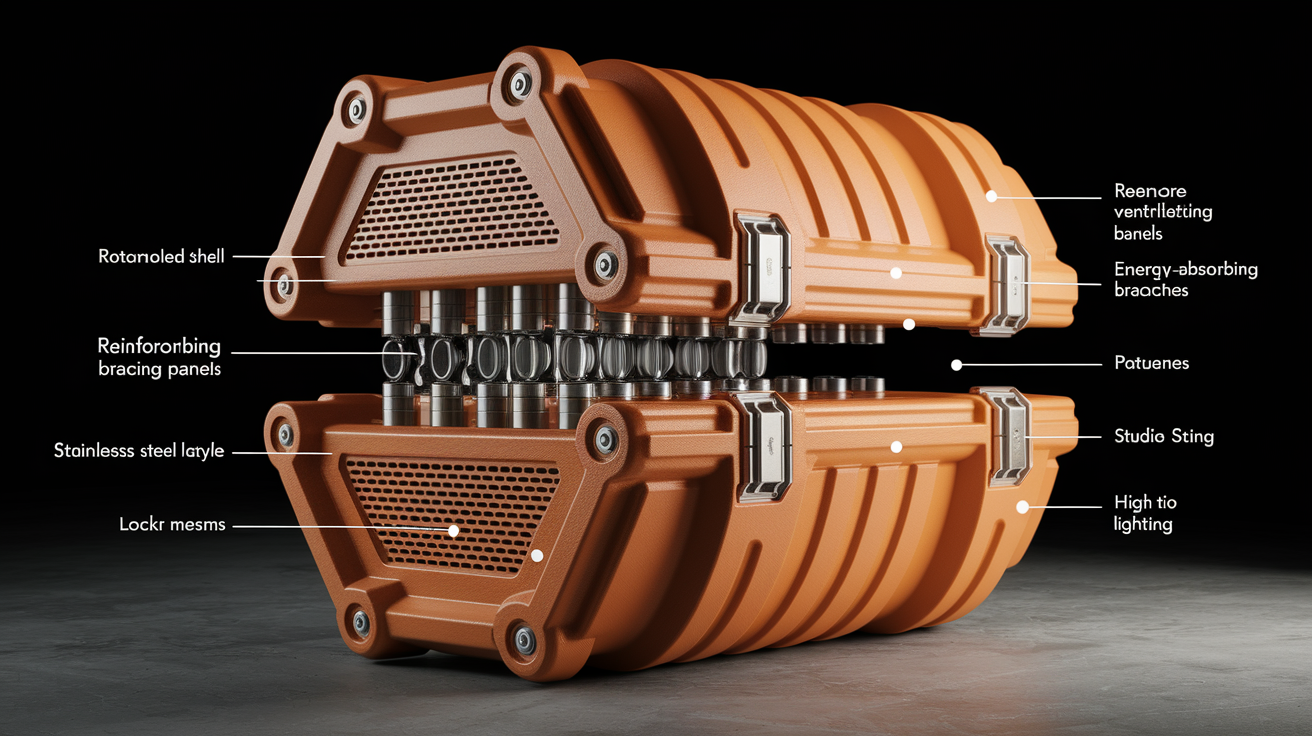
Independent crash-test certification is non-negotiable, but the design details that let a carrier pass testing matter just as much. Reinforced panels made from rotomolded plastic, fiberglass-reinforced resin, or aircraft-grade aluminum give you structural rigidity that prevents collapse during impact. Single-wall carriers can still pass if they use impact-resistant polymer blends, but they’re more likely to deform. Look for carriers that tell you the shell material and whether the design includes energy-absorbing crumple zones or internal bracing.
Ventilation affects pet safety during long travel and if there’s a delay after a crash. Mesh panels, perforated sides, multiple openings reduce heat buildup and keep air moving. But ventilation shouldn’t compromise strength. Look for reinforced mesh backing or metal grilles that keep the mesh from tearing during impact. Locks have to be tested and rated for crash forces. Stainless-steel latches, slider locks with safety pins, keyed systems are more reliable than plastic buckles or simple zipper closures. Some carriers include backup locking points, like a keyed lock plus two slider latches, which give you extra security if one loosens.
Escape-proof closures matter because even a small gap can let a scared pet push through during or after a crash. Check that zippers have locking sliders, door frames overlap with the carrier body, and there aren’t weak points where a paw or nose can create leverage. Interior padding should be removable and washable but shouldn’t mess with proper fit. Padding that’s too thick cuts into usable space and can shift during impact. Not enough padding offers no comfort or protection. Look for low-profile, non-slip padding that stays put and doesn’t compress much under your pet’s weight.
Final Words
Quick recap: we covered top crash-tested pet carriers like Gunner Kennel G1, Sleepypod Mobile Pet Bed, Sleepypod Air, Away Pet Carrier, and other CPS-certified options, including their pass/fail status, sizes, materials, and weight limits.
We also explained CPS crash-test basics, compared features, walked through safe installation, sizing checks, and what to prioritize when shopping. Use those points as a simple checklist.
Choosing certified crash tested pet carriers for cars cuts risk and makes travel calmer. Start with fit, secure the carrier, and enjoy safer trips ahead.
FAQ
Q: What is a crash-tested pet carrier and why does it matter?
A: A crash-tested pet carrier is a travel crate tested for crash forces to protect pets in a car. It matters because verified testing reduces injury risk and gives real safety confidence.
Q: Which carriers have verified crash-test or CPS certification?
A: Carriers with verified crash testing include the Gunner Kennel G1, Sleepypod Mobile Pet Bed, Sleepypod Air, and the Away Pet Carrier, plus other models that meet Center for Pet Safety test standards.
Q: How do CPS crash tests for pet carriers work?
A: CPS crash tests replicate frontal-impact forces at set speeds, checking structural integrity, tether strength, and restraint failure. Pass means the carrier contained and protected the pet under test criteria.
Q: How should I install a crash-tested carrier safely in my car?
A: To install a crash-tested carrier safely, place it on a rear seat, thread the seat belt or use LATCH/ISOFIX points per instructions, tighten snugly, confirm no forward movement, and recheck before driving.
Q: How do I choose the right size and fit for my pet?
A: To choose size and fit, measure your pet’s length, height, and weight; pick a carrier allowing them to stand, turn, and lie down; ensure snug fit to limit movement during a crash.
Q: Can I use crash-tested pet carriers on airplanes?
A: Crash-tested carriers for cars are not automatically airline-approved. Airline use depends on dimensions, soft-sided vs hard, and carrier rules—check your airline’s pet travel policy first.
Q: What materials and features should I look for in a crash-tested carrier?
A: Look for reinforced panels, impact-resistant plastics or composites, strong latches and tethers, good ventilation, escape-proof closures, and interior padding matched to your pet’s weight and size.
Q: Do I need to replace a pet carrier after a crash?
A: You should replace a pet carrier after any crash, even a minor one, because hidden damage can weaken structure and reduce future protection for your pet.
Q: Are crash-tested carriers heavier or harder to carry than regular carriers?
A: Crash-tested carriers are often heavier due to reinforced materials and padding. Choose a model that balances safety with your ability to lift and carry it comfortably.
Q: How often should I check my crash-tested carrier for wear or problems?
A: Check your crash-tested carrier before every trip and do a thorough inspection monthly: look for cracked plastic, loose bolts, frayed straps, and worn latches, and fix problems before use.