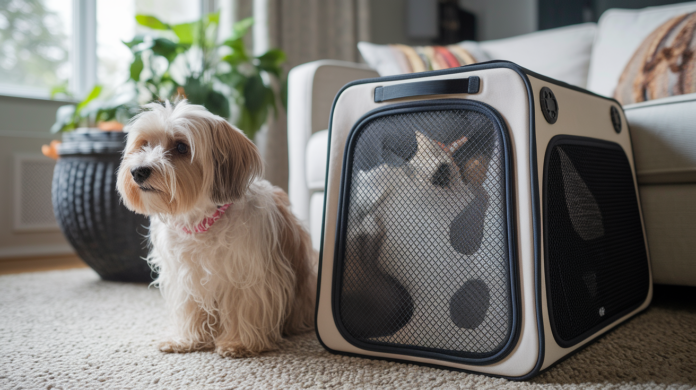

Does a carrier that lets your pet see everything calm them—or make escape and panic more likely?
Mesh gives airflow, light weight, and a clear view; solid panels offer a sturdy shell, privacy, and better protection against scratches and impacts.
Neither is automatically safer—the right pick depends on your pet’s stress level, size, and the kind of trip.
This guide covers ventilation, visibility, durability, and simple rules to help you choose a carrier that keeps your pet comfortable and contained.
Mesh vs Solid Pet Carriers: Quick Comparison
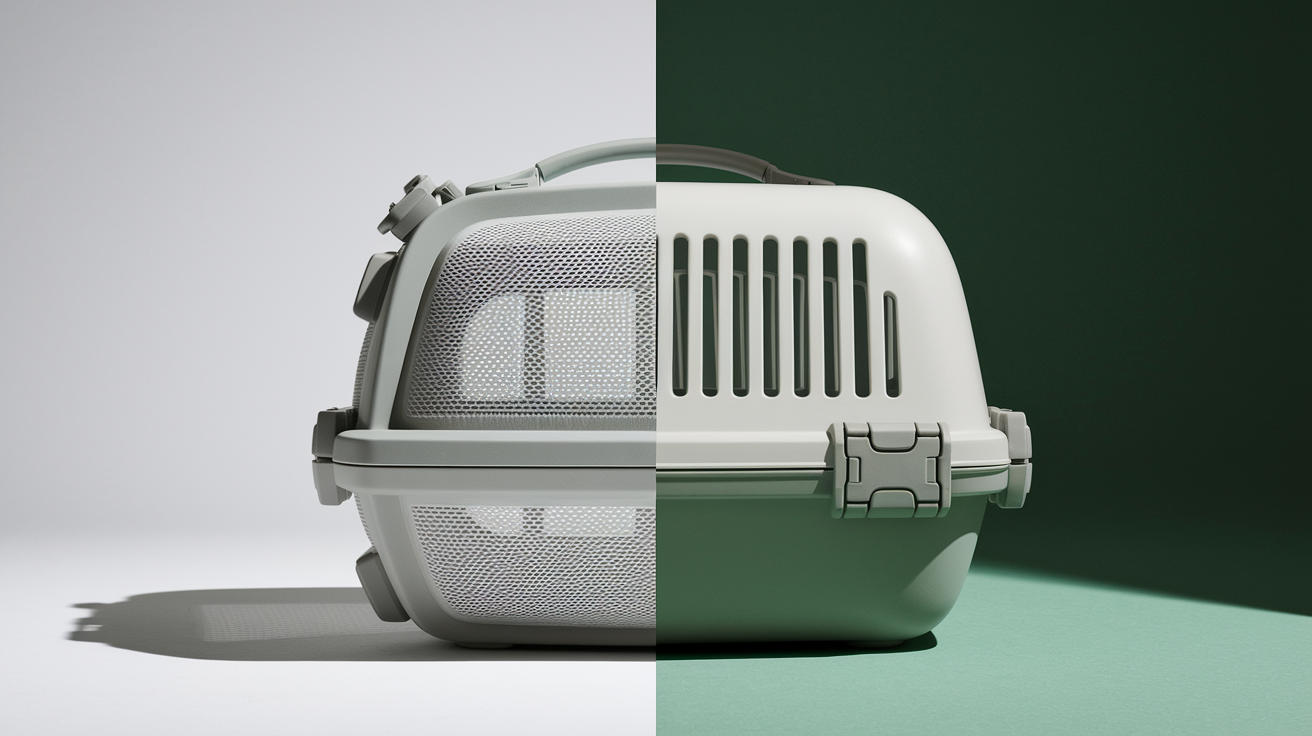
Mesh carriers are all about airflow and seeing out. They’re built with fabric walls and big mesh panels that let fresh air move through and give your pet a clear view of what’s happening around them. That breathability helps in warm weather, and some pets feel calmer when they can keep an eye on their surroundings. Solid panel carriers do the opposite. They use rigid plastic or molded walls with smaller vent slots or grates. The enclosed design creates a private, den-like feeling that anxious pets often prefer because it blocks out a lot of stimulation.
Neither one’s automatically better. What works depends on how your pet handles stress, where you’re going, and whether you care more about protection or air circulation. Mesh is lighter and flexible, but it can rip or stretch if your pet gets worked up. Solid panels are heavier and take up more space, but they hold up to impacts and keep escape artists locked in.
Ventilation: Mesh gives you serious airflow through those large open sections. Solid panels use smaller vent holes or grates, which can hold heat if the design’s stingy with openings.
Visibility: Mesh lets your pet see everything, which calms curious animals but can overwhelm nervous ones. Solid panels limit the view and usually create a quieter environment for anxious travelers.
Structural integrity: Solid construction keeps its shape under pressure and won’t collapse. Mesh can sag, warp, or cave in if something leans on it or it gets stacked.
Safety during travel: Solid panels handle bumps better and cut down escape risk. Mesh doesn’t stand a chance against determined claws, teeth, or frantic scratching.
Pet anxiety response: Mesh works for calm, social pets who want to see what’s going on. Solid panels fit anxious, shy, or easily startled animals who need a secure hideaway.
Cleaning and maintenance: Solid surfaces wipe down fast, but small gaps collect debris. Mesh and fabric pieces often go in the washing machine or pop out easily, though they can trap smells in the weave.
If your pet stays relaxed in new places and doesn’t shred fabric, mesh will probably be more comfortable and breathable. If your pet panics at the vet, scratches when stressed, or needs a quiet refuge, solid panel construction gives you better security and less worry.
Advantages and Disadvantages of Mesh Pet Carriers
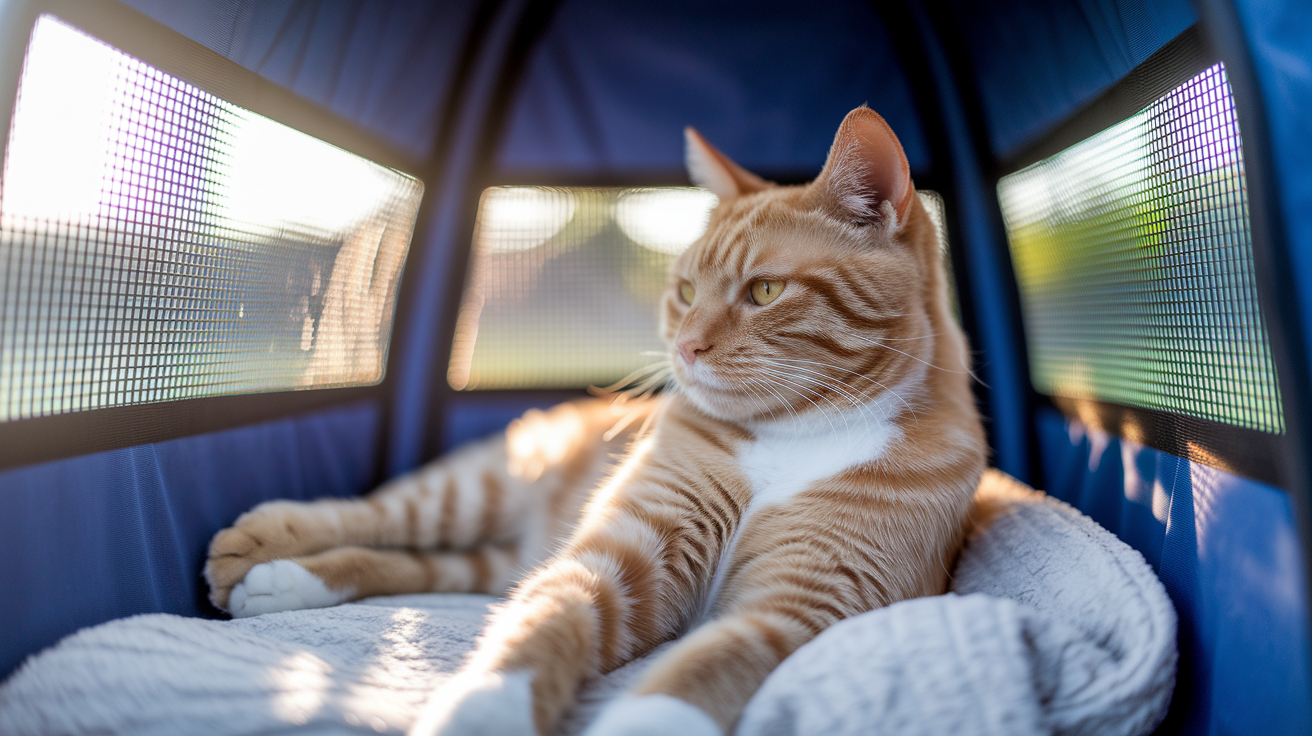
Mesh carriers keep your pet cool and comfortable. Those large mesh panels let air flow from all sides, which cuts the risk of overheating during warm trips or when you’re stuck waiting in a packed vet lobby. A lot of airlines want soft-sided mesh carriers for in-cabin travel because the flexible build compresses to fit under the seat, and the mesh meets their ventilation rules. If your pet likes watching the world go by or feels safer when they can see you, the full visibility through mesh windows can ease travel nerves and make the ride less lonely.
Durability’s where mesh runs into problems. Fabric walls and nylon mesh can’t take sharp claws, especially when a stressed or determined pet tries to bust out. One good scratch session can tear the mesh or weaken a seam. Zippers are another weak spot. Pets who paw or chew at closures can sometimes force a zipper open or snap the slider. Even tough mesh won’t survive the kind of punishment a panicked or aggressive pet dishes out, and fixes usually don’t last.
Mesh works best for short trips with calm, well-behaved pets who don’t chew or scratch under pressure. It’s perfect for in-cabin flights, quick vet runs, or car rides in decent weather when you need something portable and breathable more than impact-proof. If your pet’s got a track record of escape attempts or destructive behavior when anxious, mesh is a gamble.
Tears and punctures from claws or teeth happen. Zippers fail under pressure or repeated pawing. You get less protection if the carrier gets bumped or stacked. Fabric and mesh soak up urine or vomit, and odors stick around even after washing.
Advantages and Disadvantages of Solid Panel Pet Carriers
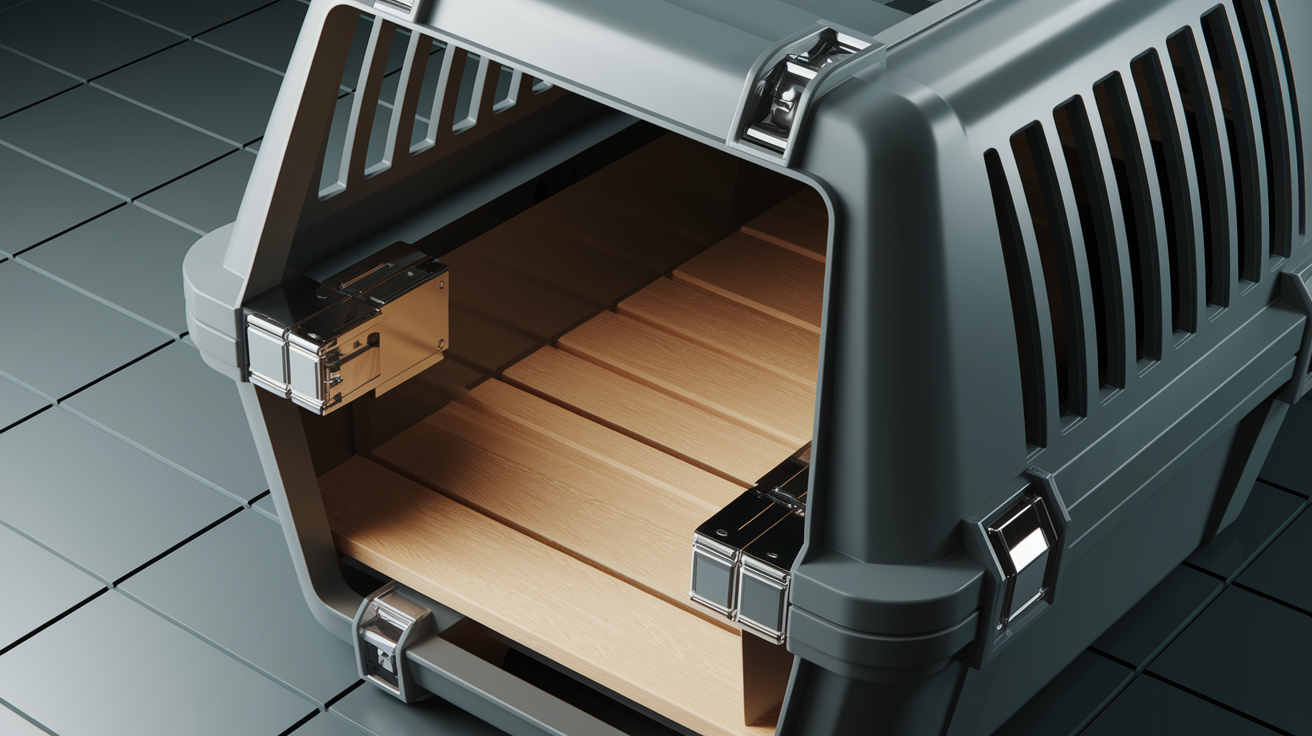
Solid panel carriers are built for protection. The rigid plastic or metal shell takes impacts, holds its shape under pressure, and stops your pet from collapsing the walls inward if they push or lean. That stability matters during car travel when the carrier might shift or tip, and in busy public spaces where people or luggage could knock into it. Solid construction also locks down determined escape artists. Thick plastic walls and secure metal or plastic doors stand up to scratching, biting, and prying way better than fabric or mesh, which makes solid carriers the default choice for strong, anxious, or destructive pets.
The downside’s reduced airflow and visibility. Solid panels depend on vent holes or grates instead of open mesh, and if those openings are small or badly placed, the carrier traps heat and limits fresh air. Your pet can’t see as much of their surroundings either, which might stress out curious or social animals who feel safer when they can watch what’s happening. Solid carriers weigh more and take up more space than mesh models, so they’re harder to haul for long distances and tougher to store when you’re not using them.
Solid panel carriers are perfect for car travel, vet visits with nervous or aggressive pets, and any situation where physical protection and escape prevention matter most. They work especially well for pets who like a quiet, enclosed space and don’t need constant visual check-ins. If you’re flying and need an under-seat carrier, most solid models won’t squeeze down enough to fit, so double-check airline dimensions before you buy.
Heavier weight makes long-distance carrying more exhausting. Fixed dimensions mean less storage flexibility and they might not fit under airline seats. Limited visibility can ramp up anxiety for pets who want to see their surroundings. Ventilation’s entirely up to hole or grate design, which changes a lot by brand.
Best Use-Case Scenarios for Each Carrier Type
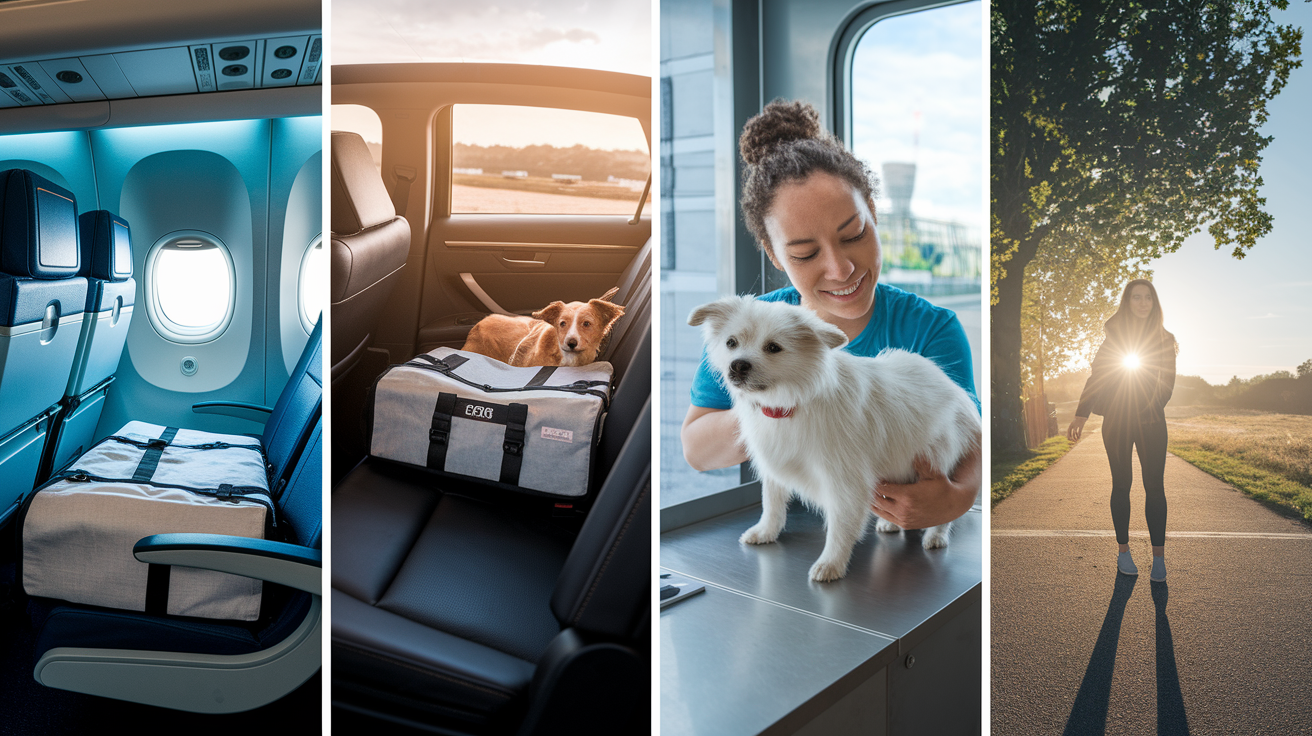
Air travel almost always calls for mesh carriers on in-cabin trips. Airlines need carriers that fit under the seat in front of you, and most solid panels are too bulky or stiff to compress into those tight spaces. Mesh carriers with flexible sides can squeeze through dimension requirements, and the breathable mesh hits airline ventilation standards. Always measure the carrier against your specific airline’s published under-seat dimensions before you book. If your pet’s traveling in cargo, the rules switch. Cargo holds need rigid, airline-approved hard kennels with secure bolt closures and proper ventilation grates.
Car travel leans toward solid panel carriers when safety’s your main worry. The rigid shell offers more impact resistance if you brake hard or if something shifts in the vehicle. Solid construction also keeps pets locked in if the carrier tips or slides. For short drives to the vet or groomer, a mesh carrier’s fine if your pet stays calm and you can strap it down securely with a seatbelt. In hot weather, the extra airflow from mesh can stop overheating during longer trips, but you’ll need to watch temperature closely and never leave your pet in a parked car.
Vet visits depend on how your pet behaves. Nervous or aggressive animals do better in solid carriers because the enclosed walls cut down on visual triggers and the sturdy build stops escape mid-exam. A lot of vets prefer top-loading hard carriers because they can pull off the top half and check the pet without forcing them out of the familiar bottom section. If your pet stays relaxed at the clinic and doesn’t scratch or bite when stressed, a lightweight mesh carrier makes the trip easier on your arms and back.
| Scenario | Recommended Carrier Type |
|---|---|
| Anxious or escape-prone pets | Solid panel for security and reduced visual stimulation |
| In-cabin airline flights | Mesh (soft-sided) to fit under seat and meet airline ventilation rules |
| Hot climates or warm-weather travel | Mesh for superior airflow and cooling |
| Car travel with crash-safety priority | Solid panel for impact resistance and structural stability |
| Multi-pet households with shared carriers | Solid panel for durability and easy disinfection between pets |
| Calm, social pets on short trips | Mesh for comfort, visibility, and portability |
Safety Considerations When Choosing a Pet Carrier
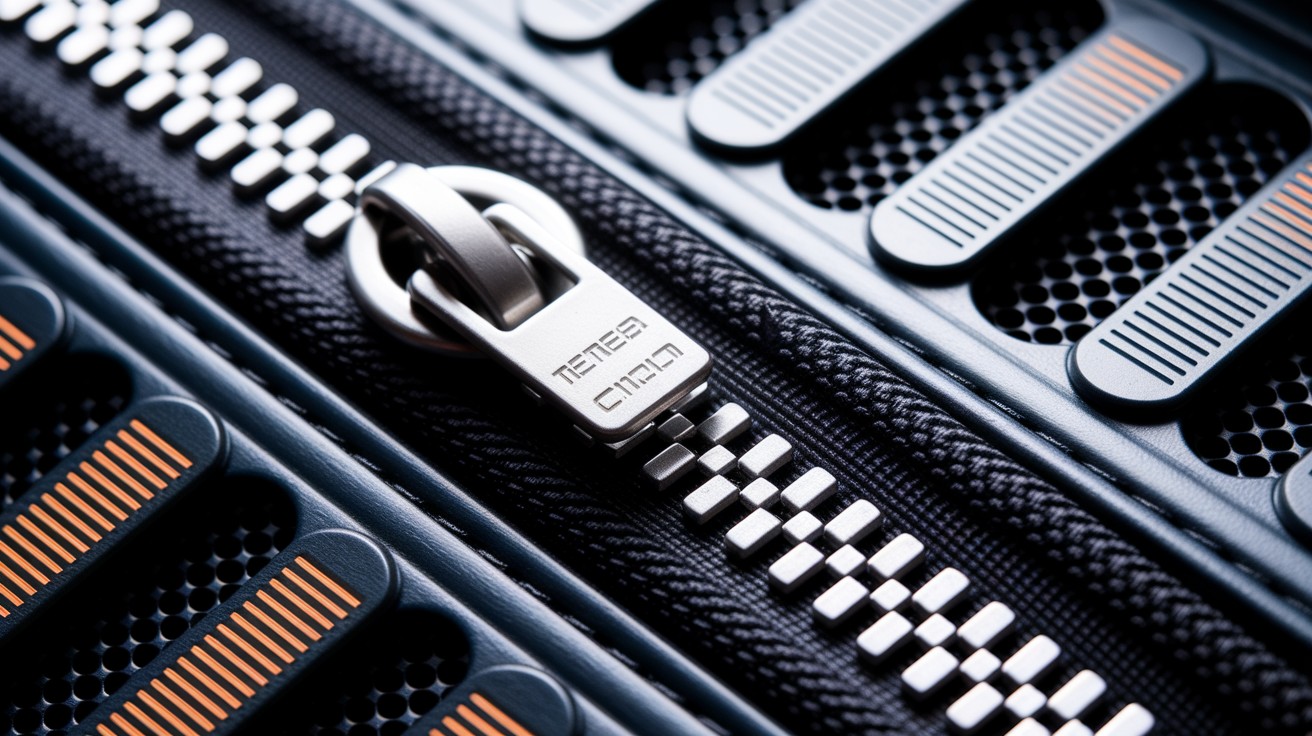
Ventilation’s the first safety check. Your pet needs steady airflow to stay comfortable and avoid overheating, especially during longer trips or warm weather. Mesh carriers usually deliver plenty of air circulation through large panels, but you still need to confirm the mesh isn’t blocked by pockets, straps, or thick padding. Solid panel carriers rely completely on vent holes or grates, so count the openings and check their size. A carrier with only a few small slots on one side traps heat fast. Look for designs with vents on at least three sides, and don’t cover ventilation openings with blankets or towels, even if you’re trying to settle an anxious pet.
Escape risk climbs when pets get stressed. A lot of animals can force their way through mesh if they’re determined enough. A panicked cat or small dog will claw, bite, and push at weak points until something breaks. Check every seam, zipper, and closure before your first trip. Zippers should lock or clip together so they can’t slide open under pressure. Mesh panels need reinforced stitching at the edges, and any Velcro or snap closures should be industrial strength, not decorative. Solid panel carriers are tougher to break out of, but latches and door hinges still fail. Test the door by pulling it firmly while it’s latched. If it pops open or feels loose, get a better model. Metal screw-bolts and multi-point locks beat single-clip plastic latches.
Travel rules change depending on how you’re getting there. If you’re driving, strap the carrier down with a seatbelt or stick it on the vehicle floor behind a seat so it won’t slide or tip during sudden stops. For flights, verify your carrier hits the airline’s exact size, material, and ventilation specs. Some airlines reject certain mesh designs or need specific locking setups. Vet visits might not seem high-risk, but a pet who feels cornered in a waiting room can panic and hurt themselves trying to escape. Pick a carrier that matches your pet’s stress level and physical strength, not just the trip length.
Zipper and closure integrity: Pull zippers hard to confirm they lock or clip closed and won’t slide open when your pet pushes against them.
Mesh and fabric strength: Press hard on mesh panels and seams to check for tears, weak stitching, or stretching. Replace carriers with visible damage.
Vent slot design and placement: Count ventilation openings and confirm they’re spread across multiple sides, not bunched in one area.
Floor and base stability: Push down on the carrier floor to make sure it doesn’t sag or flex too much, which could stress seams or let waste leak out.
Restraint compatibility: Verify the carrier includes seatbelt loops, clips, or channels if you plan to lock it down in a vehicle, and test the anchor points under tension.
Final Words
If your pet overheats or likes to watch the world, go mesh—great airflow, visibility, and airline-friendly ventilation. If your pet needs privacy or extra protection, choose a solid panel carrier for structure and calm.
We covered airflow, visibility, privacy, durability, pros and cons, best use cases, and safety checks so you can pick what fits your pet. The mesh vs solid panel pet carrier choice comes down to your pet’s needs and your travel style—choose the match, and travel will be smoother.
FAQ
Q: Are soft-sided or hard-sided cat carriers better? Are plastic or fabric cat carriers better?
A: Soft-sided (fabric/mesh) carriers are better for airflow, visibility, and short trips; hard-sided (plastic) carriers are better for impact protection, escape resistance, and anxious pets needing privacy.
Q: What do vets recommend for cat carriers?
A: Vets recommend a sturdy, well-ventilated, escape-proof carrier that lets the cat turn, is easy to clean, and is introduced with short practice trips so the cat learns it’s safe.
Q: What is the least stressful way to transport a cat?
A: The least stressful way to transport a cat is using a familiar carrier with a soft blanket, calming scent, short practice rides, smooth driving, and a cover to limit visual stress.