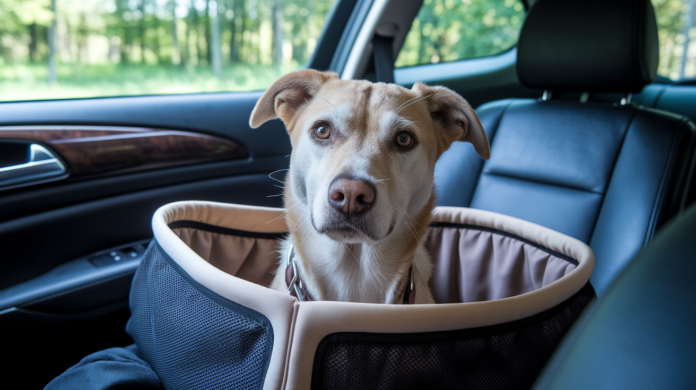

How long can your dog stay in a carrier without risking health or stress?
Pet parents get mixed advice, and that makes travel harder.
Quick trips: 2 to 3 hours; healthy adults can manage up to 8 hours only with bathroom, water, and stretch breaks; puppies, seniors, big breeds, and flat-faced dogs need much shorter.
This post gives clear age- and size-based timeframes, carrier-fit tips, and the signs that mean you should stop and call your vet.
Maximum Safe Carrier Duration for Dogs: Clear Timeframes and What They Mean
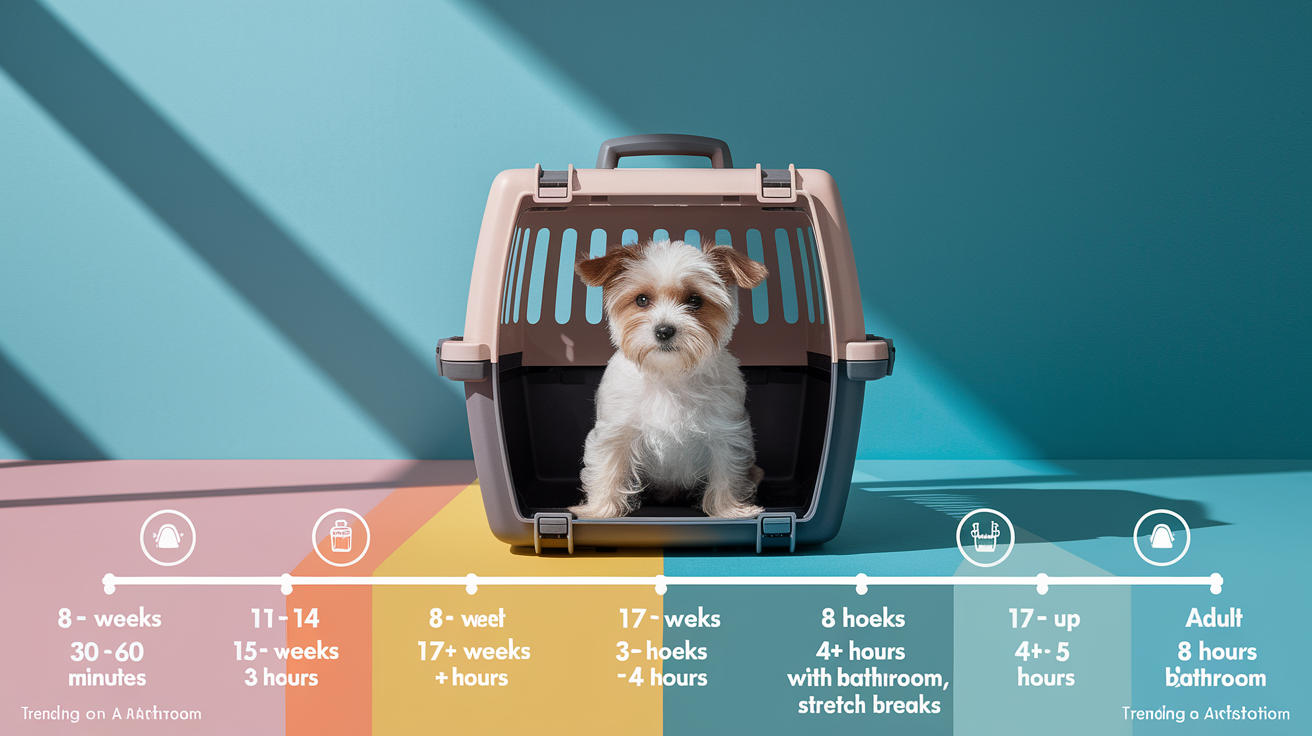
Don’t keep your dog in a carrier longer than 2–3 hours for quick trips or errands. Adult dogs can handle up to 8 hours in a properly sized, well-ventilated carrier during overnight travel or flights, but they need breaks for bathroom, water, and stretching at least every 3–4 hours.
Puppies need much shorter durations. Their bladders are tiny and their bodies are still growing. An 8- to 10-week-old puppy shouldn’t spend more than 30–60 minutes at a time in a carrier. By 11–14 weeks, you can stretch that to 1–3 hours. Adolescents around 15–16 weeks can manage 3–4 hours, and by 17 weeks, most dogs handle 4–5 hours before they need relief. Large breeds often feel cramped after about an hour, even as adults, because their bodies fill the carrier space more completely.
Push past these limits and you’re risking real physical harm. Muscle stiffness, reduced blood circulation, pressure sores on joints. Mental stress builds fast too. Anxiety, trembling, drooling, escape attempts. Dehydration becomes a problem on longer trips, especially if water isn’t available or the carrier ventilation is poor. Prolonged confinement can worsen existing conditions in senior dogs or brachycephalic breeds, who already struggle with mobility or breathing in tight spaces.
8–10 weeks old: 30–60 minutes maximum per session
11–14 weeks old: 1–3 hours maximum per session
15–16 weeks old: 3–4 hours maximum per session
17+ weeks old: 4–5 hours maximum per session
Adult dogs: up to 8 hours with regular bathroom and hydration breaks
Carrier Duration Factors That Influence How Long a Dog Can Stay Inside
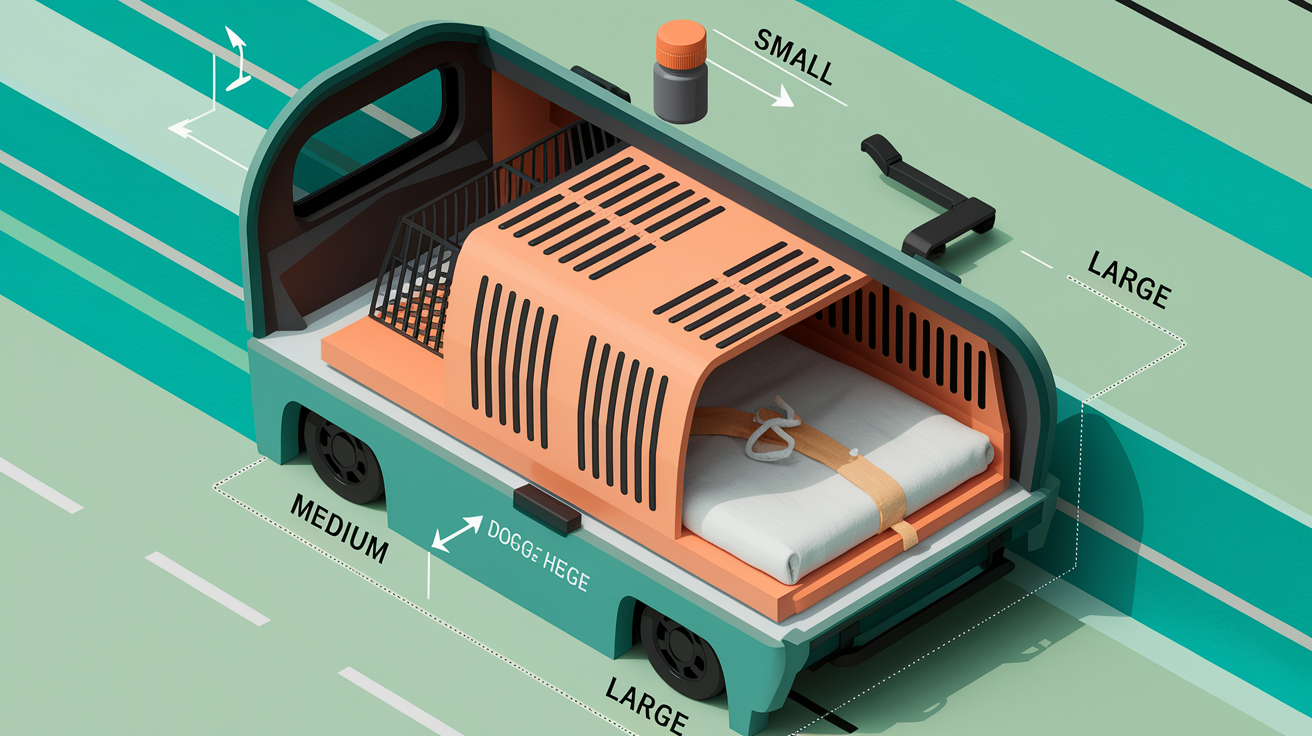
The carrier itself plays a huge role in how long your dog stays comfortable. A carrier must allow your dog to stand up fully, turn around without bumping the walls, and lie down flat on one side. If the space is too cramped, your dog’s muscles and joints fatigue faster. Breathing may become labored.
Ventilation directly affects temperature and air quality inside the carrier. Mesh panels, vented sides, or air holes prevent overheating and allow fresh air to circulate. Poor ventilation can cause a dog to overheat in as little as 20–30 minutes in warm weather. Even indoors. Soft, padded bedding cushions pressure points and makes longer stays more bearable, but avoid thick blankets that trap heat.
Hydration and temperature control are non-negotiable on trips longer than an hour. Attach a collapsible water bowl or a clip-on bottle to the carrier door so your dog can drink without you opening the crate. In hot weather, place a cooling mat or frozen water bottle wrapped in a towel inside. In cold conditions, add a breathable fleece blanket. Always measure your dog’s height from floor to shoulder, length from nose to tail base, and weight before selecting a carrier size category.
Small carriers (5–25 lbs): Allow longer safe durations due to efficient ventilation and compact body heat
Medium carriers (25–40 lbs): Require slightly more frequent breaks as body mass increases airflow demands
Large carriers (40+ lbs): Dogs tire faster due to limited turn-around space and higher metabolic heat
Ventilation quality: Mesh panels or multiple air holes reduce overheating risk and extend safe time by 30–50%
Size and Age Guidelines That Affect Carrier Time Tolerance
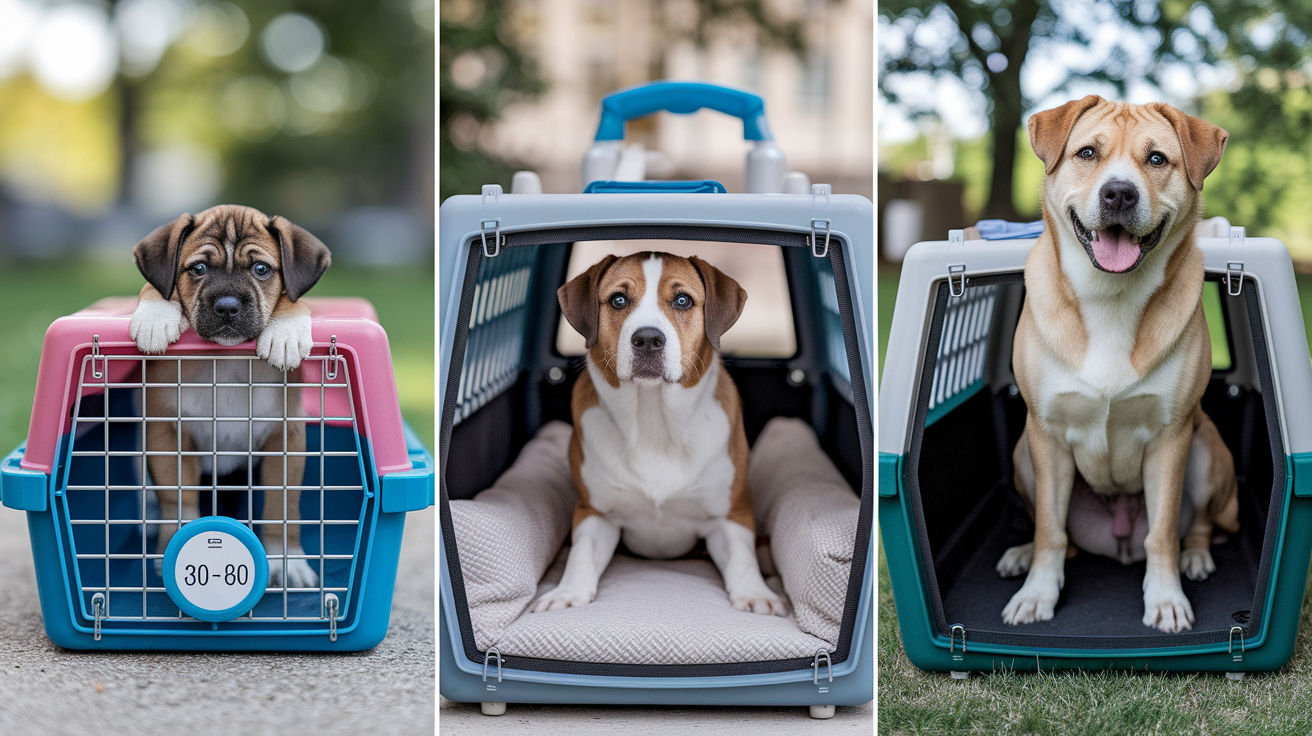
Puppies have rapidly developing bones, joints, and muscles that fatigue quickly under confinement. Their bodies aren’t yet conditioned to hold still for long periods, and their small bladders fill fast. A puppy’s cartilage is softer than an adult’s, making pressure from lying in one position more uncomfortable. Their higher metabolic rate also means they overheat more easily and need to move, stretch, and cool down more often.
Senior dogs face the opposite challenge. Arthritis, reduced muscle tone, stiffer joints. Lying on a hard surface becomes painful after even short periods. Older dogs may also have weaker bladder control, so they need bathroom breaks more frequently than healthy adults. Brachycephalic breeds like pugs, bulldogs, and boxers have shortened airways that restrict airflow. Enclosed spaces with limited ventilation can trigger labored breathing, overheating, or panic, especially during warm weather or stressful travel.
Large breed dogs occupy more carrier volume relative to total interior space. Less room to shift posture or reposition sore limbs. Their size also generates more body heat, which accumulates faster in smaller carriers. Even a well-ventilated large carrier can feel cramped to a 70-pound dog after a short period, while a 15-pound terrier may stay comfortable in the same time frame.
| Age/Size Category | Key Influencing Factors | Notes |
|---|---|---|
| Puppy (8–16 weeks) | Soft cartilage, small bladder, high metabolism, limited endurance | Growth stage requires frequent movement and potty access |
| Adolescent (17 weeks–1 year) | Developing musculature, moderate bladder capacity, high energy | Still building tolerance; needs regular exercise breaks |
| Adult (1–7 years) | Mature joints, full bladder control, stable metabolism | Best tolerance for extended carrier use when healthy |
| Senior (7+ years) | Arthritis risk, reduced muscle tone, weaker bladder, slower circulation | Requires softer bedding and more frequent position changes |
| Brachycephalic (all ages) | Shortened airways, overheating risk, restricted oxygen intake | Ventilation and temperature control are critical; avoid long confinement |
Health and Safety Risks of Extended Time in a Dog Carrier
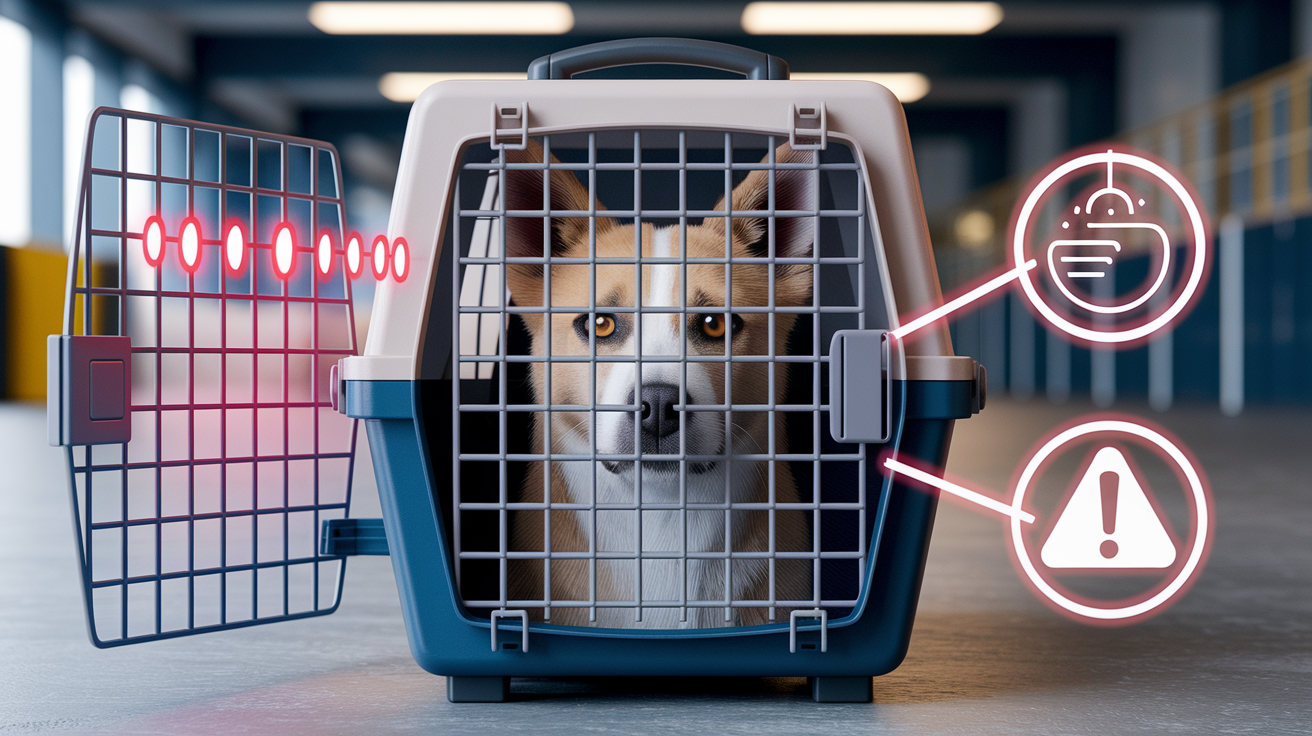
Muscle stiffness sets in when a dog stays in one position too long without the ability to stretch or shift weight. Lying flat or curled for hours reduces blood flow to the limbs. Can lead to numbness, tingling, or temporary lameness when the dog finally exits the carrier. Pressure sores develop on bony areas like elbows, hips, and shoulders when soft tissue is compressed against the carrier floor for extended periods.
Dehydration becomes a real concern on trips longer than three hours, especially if the dog is panting from stress or heat. Without access to water, saliva thickens, gums become tacky, energy drops. Anxiety and boredom compound physical discomfort, leading to trembling, whining, pacing inside the carrier, or frantic scratching at the door. Temperature extremes make all of these risks worse. Whether it’s a hot car interior or a cold cargo hold.
Excessive panting, even when the environment feels cool to you
Trembling or shaking, which signals fear, cold, or pain
Drooling or foaming at the mouth, often linked to nausea or panic
Repeated attempts to escape, like pawing, biting, or pushing at the carrier door
Whimpering, barking, or unusual silence. Both extremes can indicate distress.
Practical Tips to Extend Safe Carrier Time During Travel
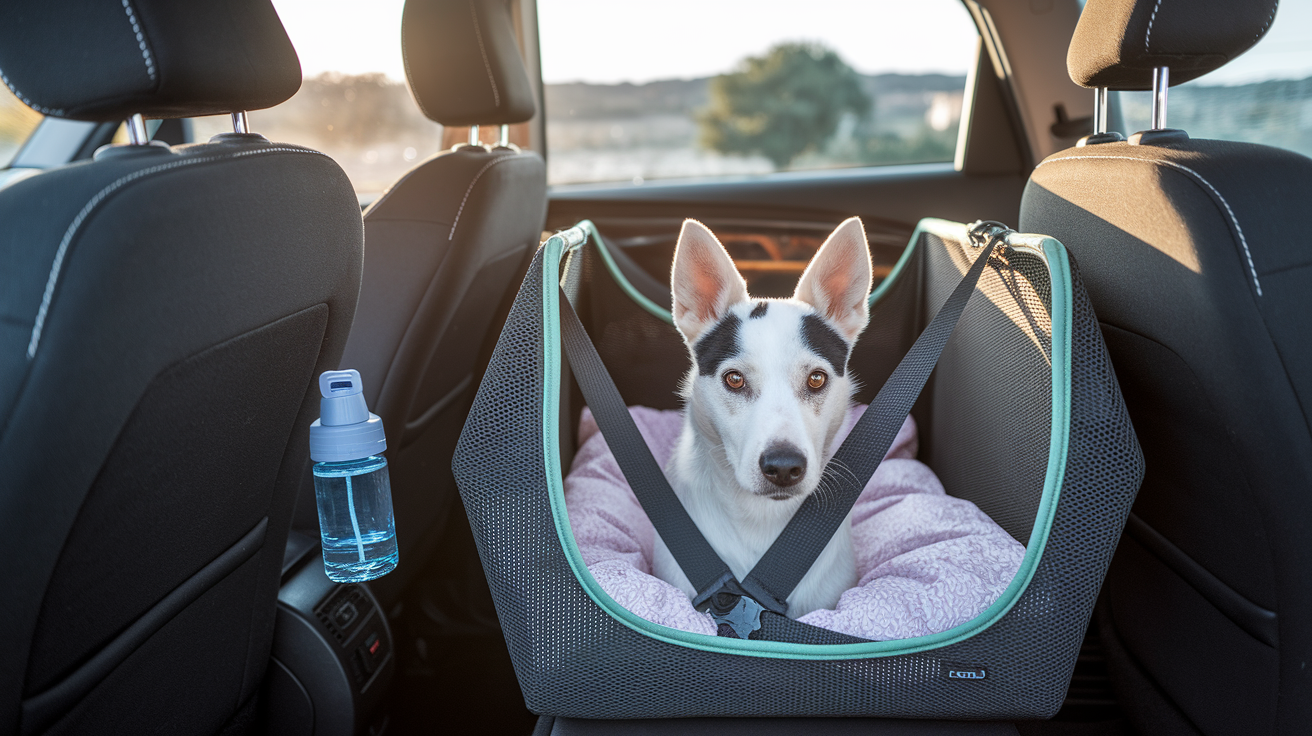
Secure the carrier with a seat belt or bungee straps so it doesn’t tip, slide, or jostle during sudden stops or turns. Movement inside the car can throw your dog off balance, increasing stress and nausea. Place a soft, washable mat or blanket on the carrier floor to cushion joints and absorb any accidents.
Drape a breathable cotton or linen cover over the top and sides of the carrier to create a den-like environment that feels safe and calm. Leave the front mesh panel uncovered so your dog can still see out and air can circulate freely. Clip a collapsible water bowl to the carrier door or tuck a no-spill bottle inside so your dog can drink whenever needed. On trips longer than two hours, stop every 90 minutes to let your dog stretch, sniff, and relieve themselves in a safe, leashed area.
Add a calming aid like a small piece of lavender-infused bedding or a favorite toy that smells like home. Avoid placing food inside the carrier during travel. Eating while confined can trigger nausea or choking. Give your dog a chance to exercise before the trip. A 15-minute walk or play session burns off nervous energy and makes settling into the carrier easier.
Fasten the carrier securely to prevent tipping or sliding
Line the bottom with soft, washable padding
Use a breathable cover to block distractions and create a cozy feel
Attach a water source inside the carrier for trips over one hour
Stop every 90 minutes for bathroom breaks and short walks
Remove food but keep a chew toy or familiar blanket for comfort
Preparing Dogs for Carrier Use Through Acclimation and Training
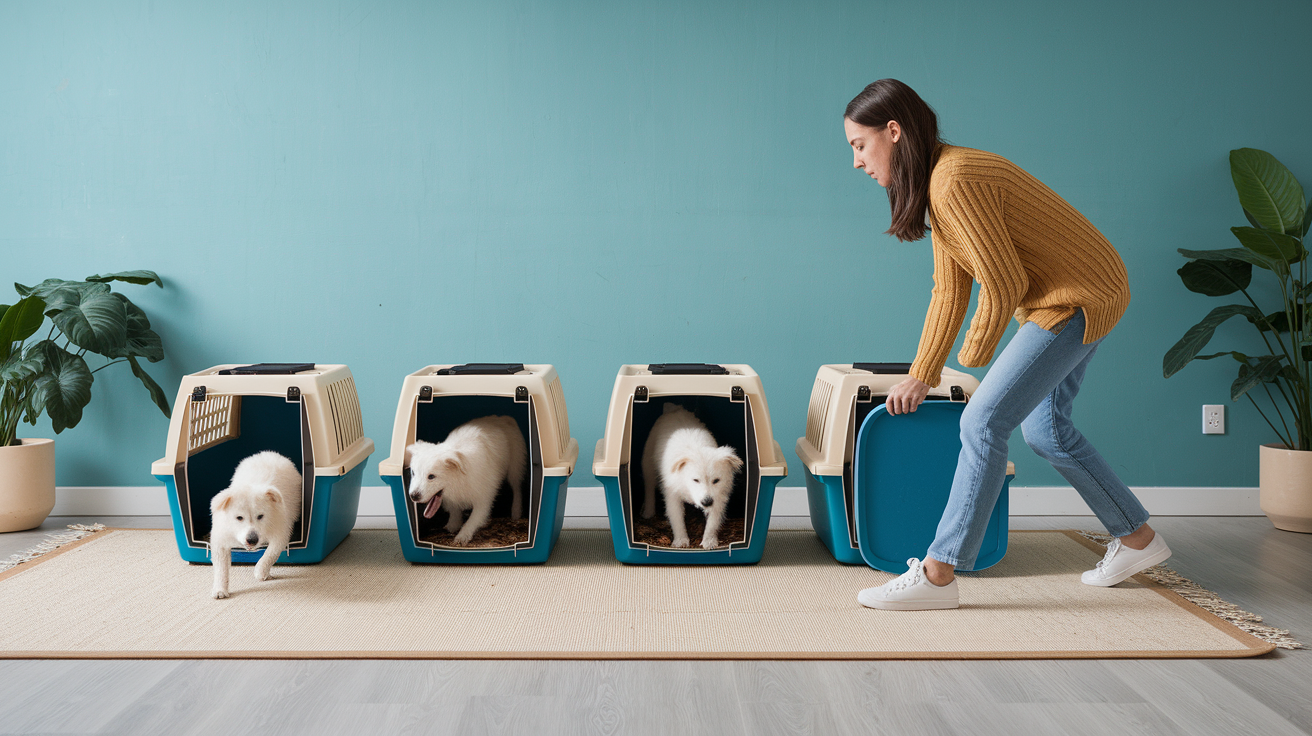
Start acclimation weeks before your first trip. Place the carrier in a room your dog already likes, with the door propped open and a soft mat or favorite blanket inside. Let your dog explore on their own terms. No forcing, no shutting the door yet. Toss a treat or toy inside every few hours so your dog associates the carrier with good things, not confinement or punishment.
Once your dog willingly enters the carrier to grab treats, begin closing the door for just 10–15 seconds while you sit nearby. Open it before your dog shows any stress, then reward with a treat and calm praise. Gradually extend the door-closed time over several days, moving from 30 seconds to a few minutes, then 10 minutes. Always ending on a positive note.
Never use the carrier as a timeout spot for bad behavior. If your dog connects the carrier with punishment, anxiety will spike every time you try to load them for a trip. Early adaptation builds mental resilience and helps puppies develop the patience needed for longer confinement as they mature. Dogs introduced to carriers as young adults can still learn, but the process may take a bit longer.
Step-by-Step Carrier Acclimation Routine
-
Day 1–3: Place the open carrier in your dog’s favorite room with a treat and toy inside; let them investigate freely without closing the door.
-
Day 4–7: Toss treats deeper into the carrier; close the door for 10 seconds while you stay visible, then open and reward calmly.
-
Day 8–10: Extend door-closed time to 1–2 minutes; sit nearby and offer quiet praise through the mesh.
-
Day 11–14: Practice 5–10 minute sessions with the door closed; begin moving the carrier a few feet to mimic light travel motion.
-
Day 15+: Take short car trips around the block with your dog in the secured carrier; reward calm behavior immediately after each trip.
Carrier Time During Car Travel and Road Trips
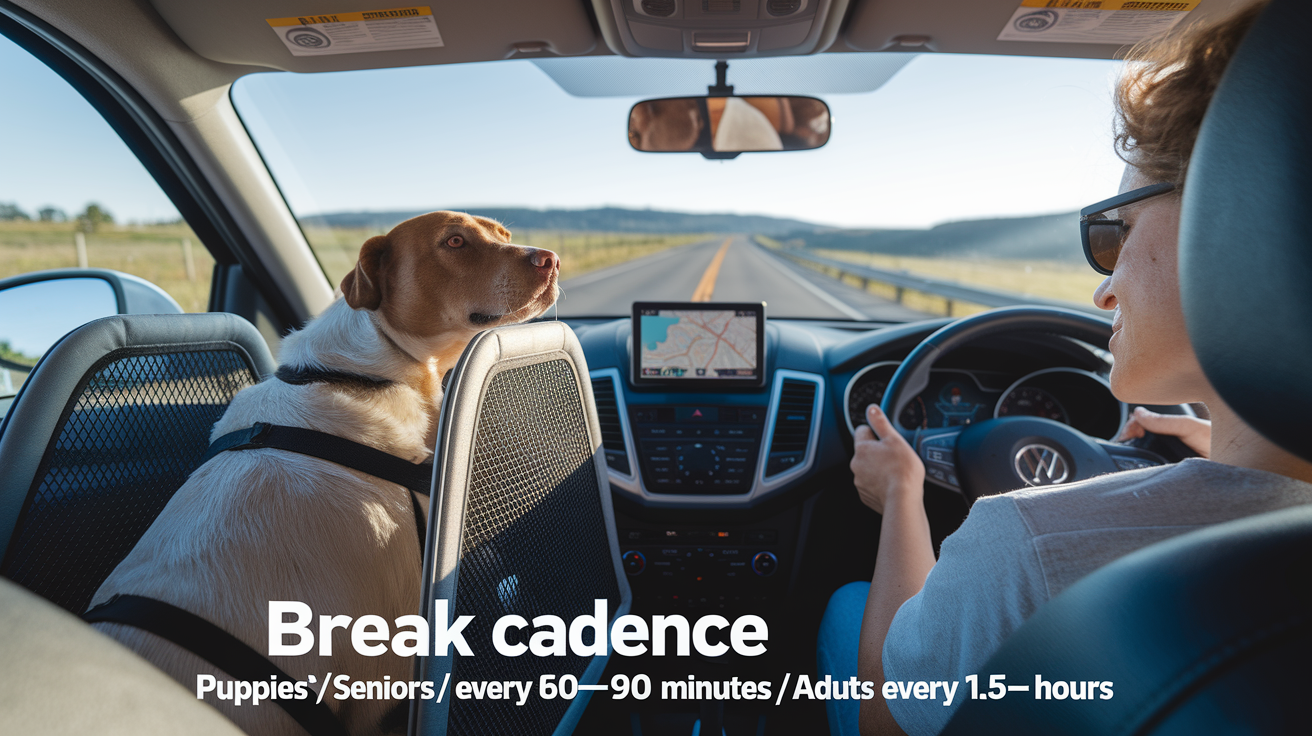
On short car trips under an hour, most adult dogs stay comfortable in a properly sized carrier without breaks, as long as they used the bathroom before departure. For trips longer than 90 minutes, plan a stop every 1.5 to 2 hours so your dog can walk, drink water, and relieve themselves. Puppies and seniors need breaks closer to every 60–90 minutes.
Secure the carrier in the back seat or cargo area using a seat belt or cargo straps. An unsecured carrier can become a dangerous projectile in a sudden stop or accident. Monitor the car’s interior temperature closely. Carriers trap heat faster than open seats, so crack a window or adjust the air conditioning to keep airflow steady. Use a thermometer or your hand to check the space around the carrier every 30 minutes on warm days.
Every 60–90 minutes for puppies and seniors
Every 1.5–2 hours for healthy adult dogs
Check carrier temperature every 30 minutes in warm or cold weather
Offer water and a short leashed walk at each break, even if your dog doesn’t drink or potty immediately
Airline Travel Rules That Dictate How Long Dogs Stay in Carriers
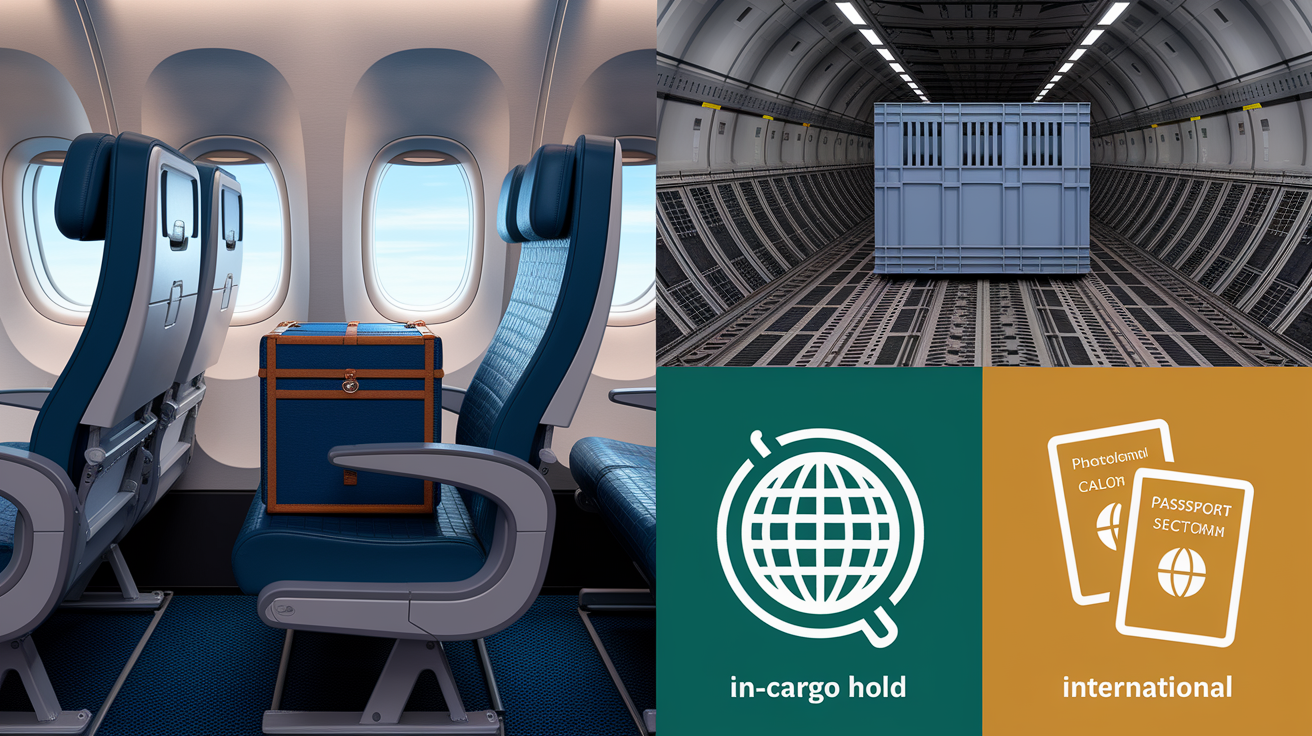
Airlines require dogs traveling in the cabin to remain inside an approved carrier for the entire flight, from boarding until you exit the gate. That can mean 3–6 hours of continuous confinement, depending on flight length and any delays. The carrier must fit under the seat in front of you, and most airlines set maximum dimensions around 18 inches long, 11 inches wide, and 11 inches tall. Exact specs vary by carrier and aircraft type.
Dogs traveling in the cargo hold must use a hard-sided, IATA-approved crate with secure latches, proper ventilation on at least three sides, and a leak-proof floor. Cargo-hold stays can last 4–8 hours or longer on international flights, with no access to water or bathroom breaks until the plane lands. Some airlines allow you to freeze a small water dish that melts during the flight, giving your dog a chance to drink mid-trip.
Always check your specific airline’s pet policy at least two weeks before departure. Rules on carrier dimensions, weight limits, breed restrictions, and required health certificates change frequently. ASPCA guidelines recommend avoiding air travel for brachycephalic breeds, very young puppies, and senior dogs with health conditions. Cargo-hold temperatures and reduced oxygen levels pose serious risks.
| Travel Type | Carrier Requirement | Notes |
|---|---|---|
| In-cabin | Soft-sided, airline-approved, fits under seat; typical max 18″L × 11″W × 11″H | Dog stays inside from boarding to gate exit; flight duration = confinement time |
| Cargo hold | Hard-sided, IATA-approved crate with ventilation on 3+ sides and secure latches | No access to water or breaks; monitor temperature and oxygen risks for vulnerable breeds |
| International | IATA crate + country-specific health certificate, microchip, and rabies documentation | Flights can exceed 8 hours; check destination country’s import rules well in advance |
Emergency Situations Where Dogs May Stay Longer in Carriers
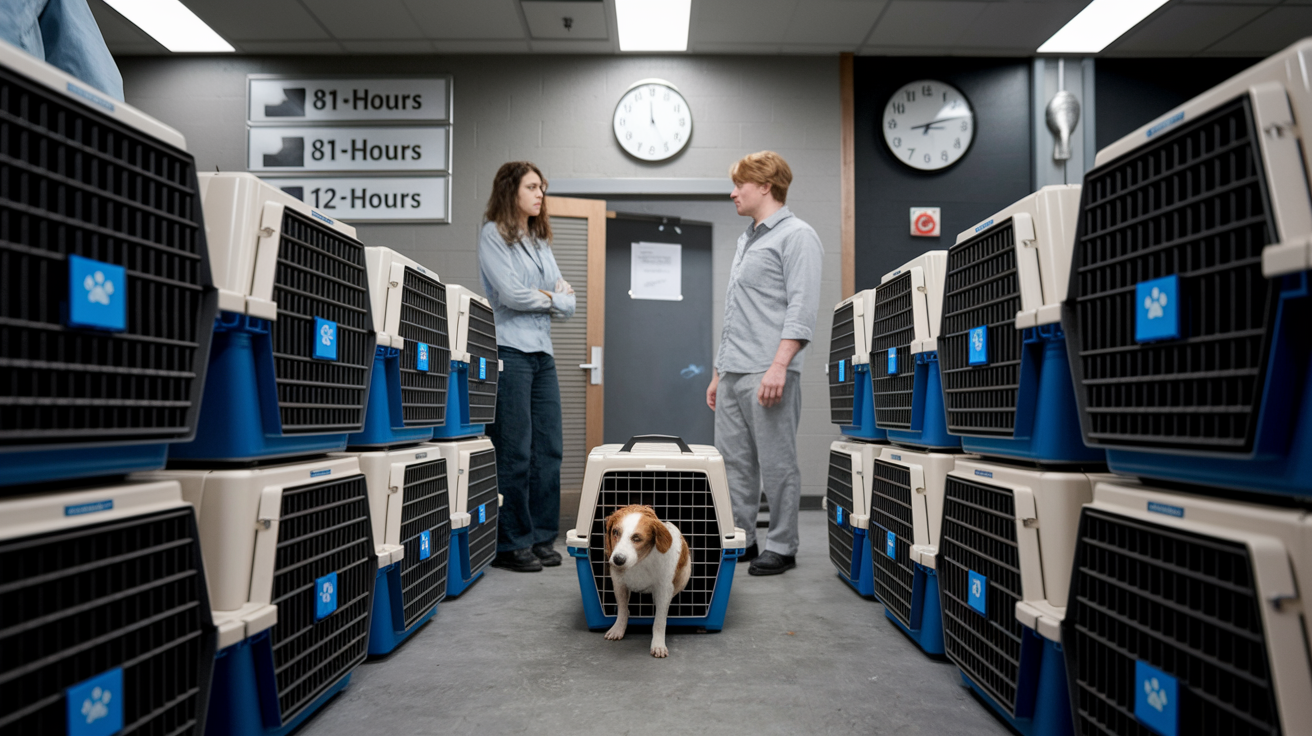
During evacuations, shelter stays, or natural disasters, you may need to keep your dog in a carrier longer than the typical 2–3 hour guideline. Emergency shelters that accept pets often require animals to remain crated for safety and space reasons, sometimes for 8–12 hours at a stretch until you can relocate to pet-friendly housing.
In these cases, prioritize your dog’s welfare by checking for signs of overheating, dehydration, or severe distress every 1–2 hours. Offer water whenever possible, even if it means briefly opening the carrier door in a secure area. Pad the carrier floor with extra bedding to reduce pressure sores, and request access to outdoor relief breaks as frequently as shelter rules allow.
Monitor body temperature by feeling ears and paw pads; hot, dry surfaces signal overheating
Check hydration by gently lifting the skin on the back of the neck; slow return indicates dehydration
Watch for severe distress like uncontrollable panting, vomiting, or collapse; seek veterinary help immediately if these appear
Final Words
Stick to the short rule: most dogs do best 2 to 3 hours at a stretch. The post gave age and size tweaks and spelled out the risks of longer holds.
You also got practical fixes: the right carrier fit, good ventilation, water, regular breaks, and training to build tolerance. Travel and emergency notes explain extra steps when longer holds are needed.
If you’re still asking how long can dog stay in carrier, follow the limits, watch for distress, and stop for breaks and water. Small habits make trips safer and calmer.
FAQ
Q: How long can you leave a dog in a carrier?
A: How long you can leave a dog in a carrier depends on age and size. As a rule, limit most dogs to 2–3 hours at a time; adults shouldn’t go about eight hours without breaks.
Q: What is the 7 7 7 rule for dogs?
A: The 7 7 7 rule for dogs is a loose training guideline, often meaning one week to settle in, seven short sessions daily, and about seven minutes per session.
Q: What words do dogs hear best?
A: Dogs hear words best that are short, high-pitched, and clear, like two-syllable names, sharp consonants, and reward words such as “sit” or “treat” said with an upbeat tone.
Q: Can I take my 30 pound dog on a plane?
A: You can often take a 30-pound dog on a plane, but it depends on the airline’s rules, carrier size, and whether travel is in-cabin or cargo; check the airline’s pet policy and carrier dimensions first.