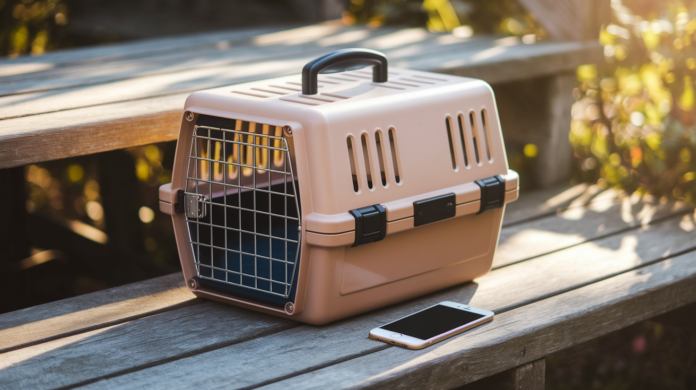

Think a zipper and a snap are enough to keep your cat inside?
Most escapes happen in the first five seconds when a paw finds a gap, a claw hooks mesh, or a latch gives under pressure.
An escape-proof carrier stops those moves by using reinforced zippers tucked behind protective flaps, rigid frames that do not bend, and multi-point locks that need more than a single push to open.
Read on for the must-have features, simple tests to try at the store, and quick swaps that cut bolting during vet visits or car rides to a minimum.
Essential Escape-Proof Features Every Cat Carrier Needs
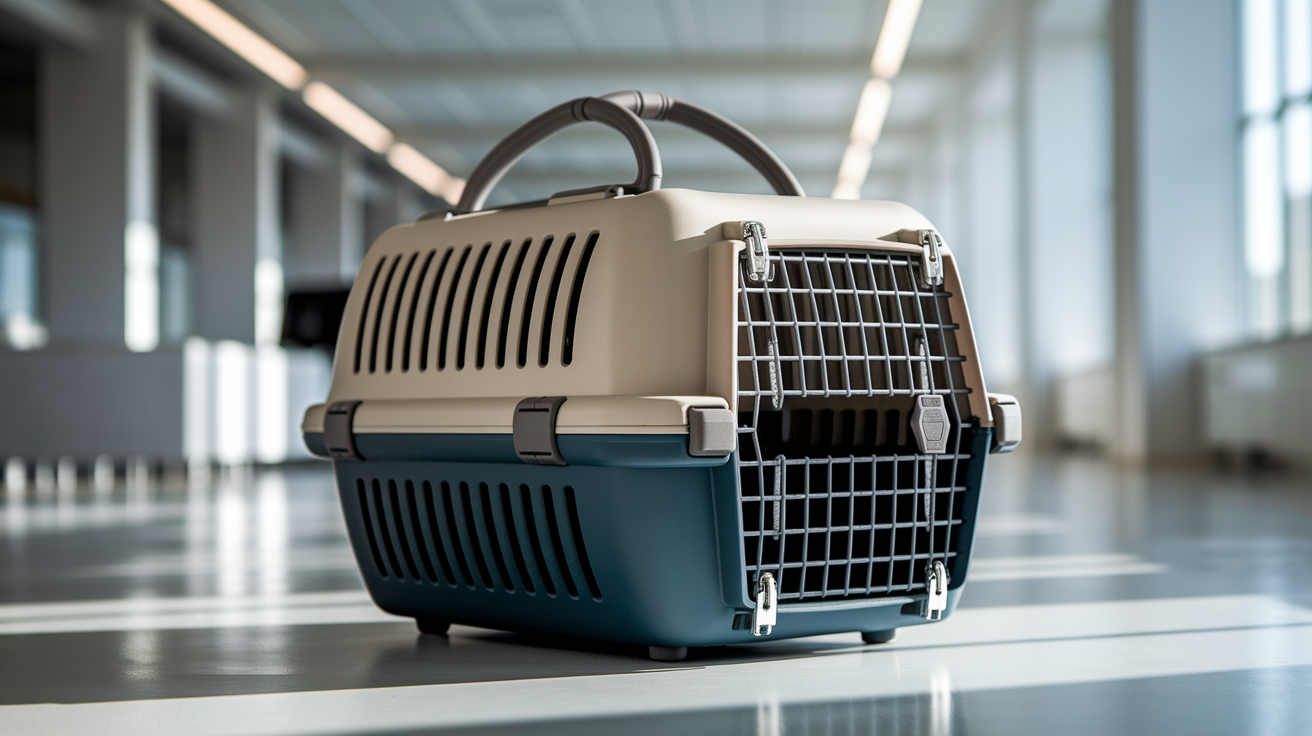
Most escapes happen in the first five seconds. You’re opening the door, lifting your cat in, or pulling them out at the vet. Zippers are halfway open, latches aren’t fully clicked, and your cat spots the gap. They’re fast. A paw hooks through loose mesh, a nose wedges into a zipper gap, or they throw their weight against a flexible wall. An escape-proof carrier shuts down these tactics before they start. It reinforces every closure, eliminates flex where it matters, and keeps ventilation holes too small for paws or teeth to exploit.
Structural reinforcements stop the carrier from bending under pressure. Metal or thick polymer frames don’t budge when your cat slams into a corner. Reinforced stitching at seams, especially where handles attach or panels meet, keeps fabric from ripping apart under sudden force. Zippers tucked inside protective gutters or flaps can’t be pulled backward by claws, and double-stitched webbing around entry points spreads stress across multiple attachment sites instead of one fragile line of thread.
Locking components add steps between “secured” and “open.” Dual-slider zippers that accept a small carabiner, three-point door latches, bolt-style closures. These force you to take deliberate action during transfers and block opportunistic escape attempts. A single-point plastic clip can pop open when a cat pushes or scratches. A three-point metal latch requires simultaneous release at multiple locations, which claws and noses can’t manage. Together, these features create overlapping barriers. A determined cat has to defeat multiple systems at once. Few manage it before you notice.
Six core escape-proof features to prioritize:
- Reinforced zippers. Heavy-duty coil or molded zippers (size #8 or larger) with dual sliders and stitched gutters that shield the zipper track from paw access.
- Zipper locks or clips. Small carabiners, integrated locking sliders, or external clips that prevent zippers from sliding open under pressure.
- Rigid shells or thick fabric panels. Injection-molded plastic (3 to 5 mm wall thickness) or 600 to 1200D reinforced polyester that resists puncture, flex, and tearing.
- Small ventilation openings. Holes under 6 mm diameter or tightly woven mesh (2 to 3 mm aperture) that allow airflow but block claws and noses.
- Double-entry doors. Top and front openings with independent closures, reducing the need to force a cat through a single narrow gap where escape risk is highest.
- Metal or high-strength polymer frames. Steel or aluminum struts (3 to 6 mm diameter) or internal molded ribs that maintain shape and prevent collapse when a cat leans, jumps, or thrashes inside.
Understanding Common Cat Escape Behaviors
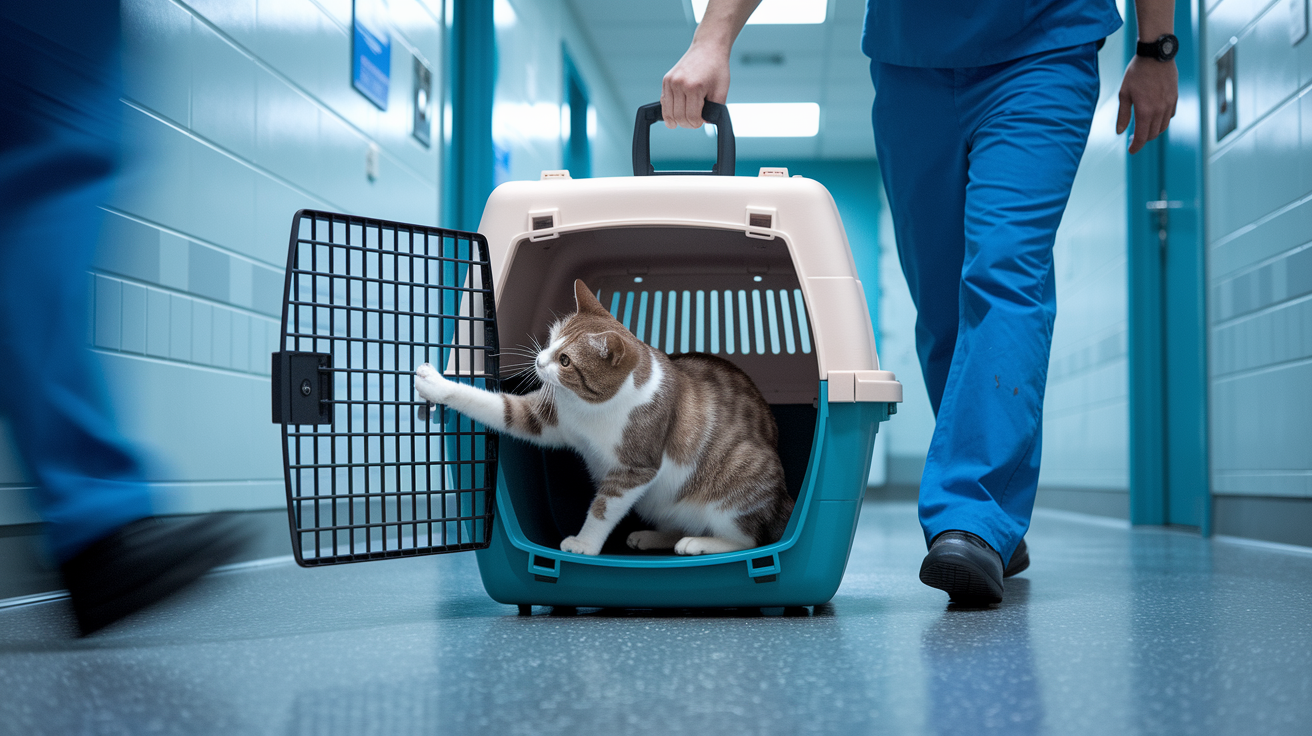
Cats bolt the moment they sense a loss of control. The carrier door swings open at the vet clinic. You tilt it to slide into the car. Unfamiliar sounds trigger panic mid-transfer. At these high-stress moments, your cat’s first instinct is to find the nearest exit and push through it. Claws hook mesh or fabric edges, teeth grip zipper pulls, body weight flexes weak door frames. Carriers with loose closures or thin materials fail because they rely on a single barrier. One zipper, one latch, one layer of fabric. A motivated cat only needs to defeat that one point to bolt.
Physical escape tactics follow predictable patterns. Cats scratch persistently at seams and corners, testing for separation points where stitching is sparse or thread has worn thin. They nose into gaps around door edges, widening any space between the frame and the closure until they can force a paw through. Front-loading carriers with single-clip latches often pop open when a cat throws its weight forward during braking or sudden movement. Soft-sided carriers with decorative mesh panels or oversized ventilation windows invite hooking. Cats slide claws through openings sized for visibility, then pull backward with enough force to tear fabric or snap weak stitching.
Escape-proof design anticipates these behaviors. It eliminates single points of failure and makes every vulnerable surface harder to manipulate than your cat’s effort threshold. Double-entry systems reduce handling time and let you lower a cat in from above, bypassing the front-door scramble where most bolts happen. Reinforced corners resist the repetitive scratching that eventually frays standard seams. Ventilation grilles sized below 6 mm block the initial claw-hook that starts a tear.
Structural Materials That Improve Escape Resistance
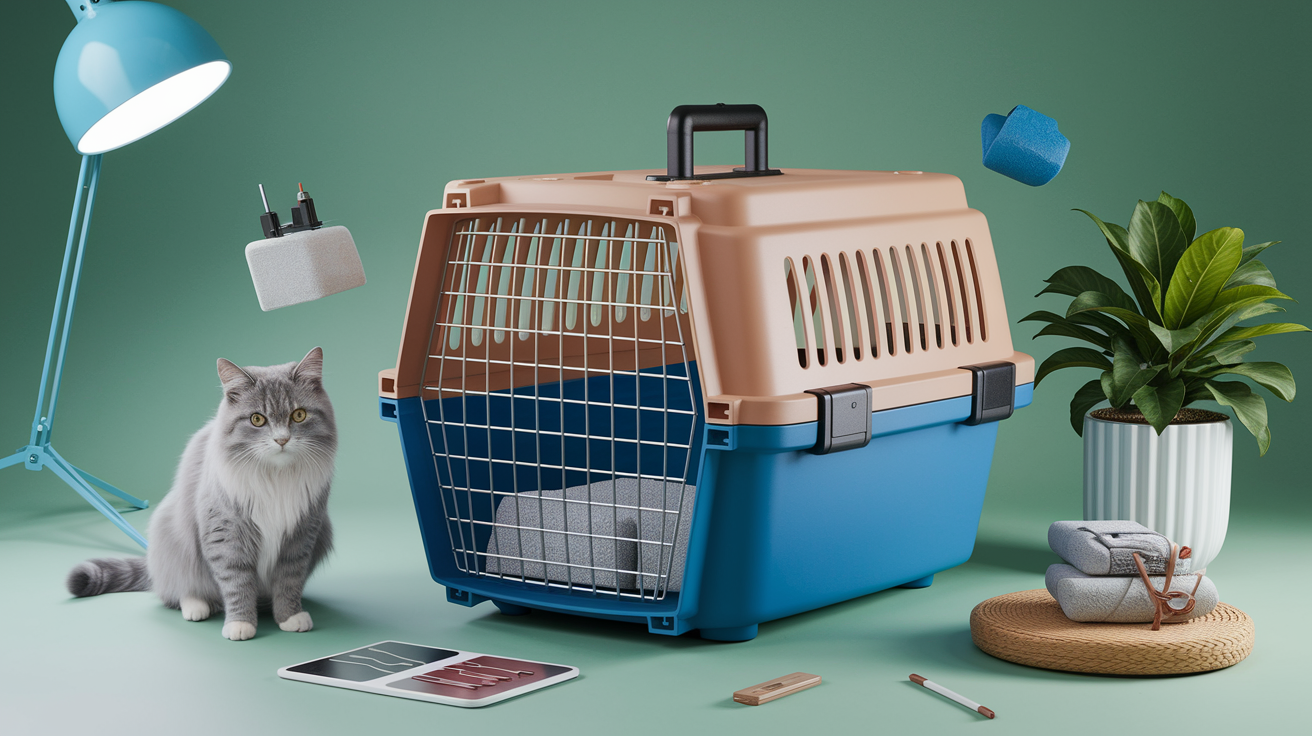
Hard-shell carriers built from injection-molded ABS or polypropylene offer the highest resistance to deformation and breakage. These plastics maintain rigidity across a wide temperature range, hold their shape under impact, and provide smooth interior surfaces that give claws no purchase for leverage. Wall thickness between 3 and 5 mm balances weight and strength. Thinner shells crack under sudden force, thicker shells add unnecessary bulk for most cats. Molded ribs or internal bracing panels distribute stress away from screw holes and latch mounting points, preventing the stress fractures that occur when cats repeatedly throw themselves against a single spot. Metal fasteners (stainless-steel bolts or locking clips) secure two-piece shells without relying on friction-fit plastic tabs that loosen over time.
Reinforced soft carriers depend on fabric denier, weave tightness, and stitching quality. Fabrics rated 600 to 1200 denier, often coated polyester or ballistic nylon, resist puncture and tearing better than lightweight mesh or uncoated cotton blends. The weave density matters as much as the denier number. Tightly woven fabric with a weight around 400 to 1000 grams per square meter provides a firm surface that claws skid across rather than snag into. Box-stitched or bar-tacked seams, especially at stress points like handle bases and corner joins, use overlapping thread paths that remain intact even if one line breaks. Internal frame rods made from steel or aluminum (3 to 6 mm diameter) prevent the walls from collapsing inward when a cat leans or pushes, maintaining the carrier’s shape and keeping ventilation openings properly aligned.
Heavy-duty mesh and metal components close the gaps soft materials leave open. Ventilation panels should use welded or tightly crimped wire mesh with apertures under 3 mm, small enough to block a claw tip but large enough for unobstructed airflow. Zipper hardware (metal teeth or reinforced coil designs in size #8 to #10) handles the repetitive stress of opening and closing without teeth misaligning or sliders jamming. Door frames constructed from stamped steel or thick wire rod (minimum 3 mm) resist bending when a cat pushes outward, and welded hinge points prevent doors from popping off their mounting brackets during rough handling or sudden stops.
Strongest material choices for escape resistance:
- Injection-molded plastic shells (3 to 5 mm wall thickness). Rigid, crack-resistant, smooth interior, easy to clean, holds shape under impact.
- 600 to 1200D coated polyester or ballistic nylon. Tear-resistant, puncture-resistant, maintains structure when paired with internal frame rods.
- Welded wire mesh or stamped-steel ventilation grilles (aperture under 3 mm). Blocks claws and noses, provides airflow, resists deformation.
- Stainless-steel or heavy-gauge aluminum fasteners and frame rods (3 to 6 mm diameter). Corrosion-resistant, maintains tension, reinforces stress points at corners and handles.
Expert Recommendations for Escape-Proof Carrier Selection
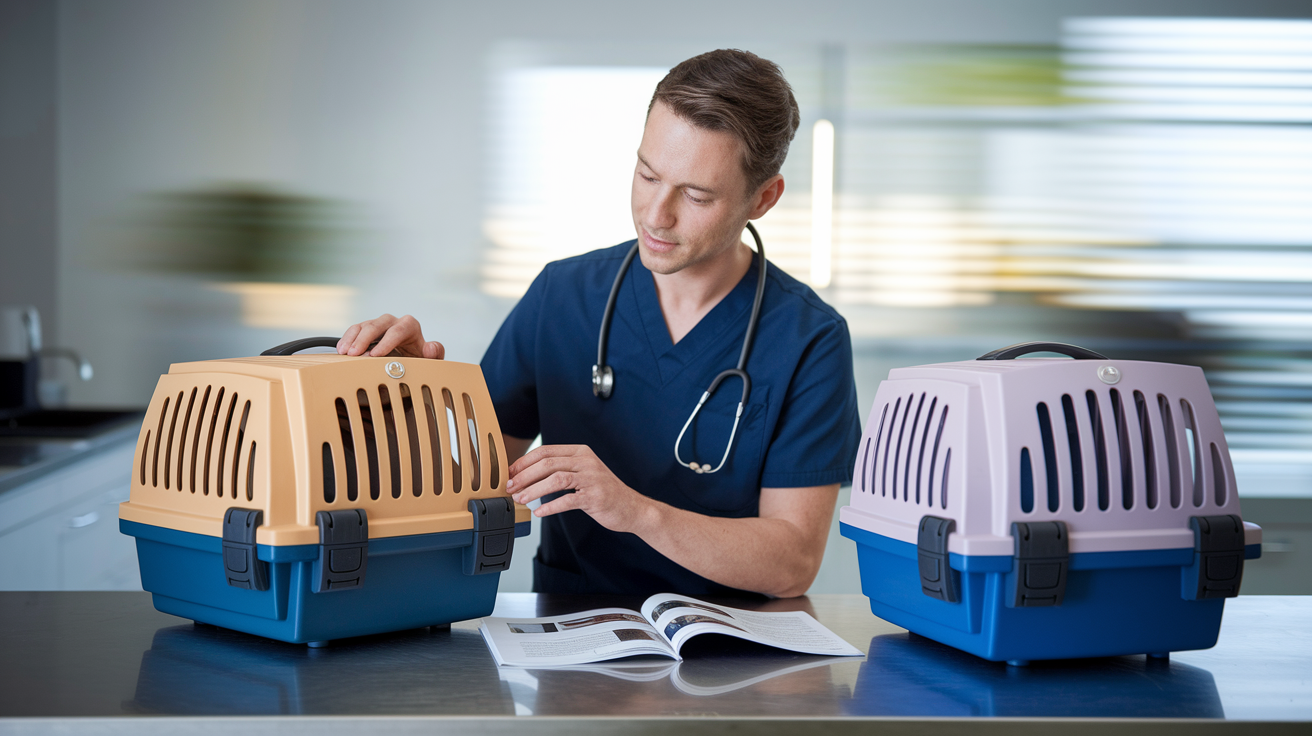
Veterinarians consistently recommend carriers with top-loading or removable-top designs because they simplify the transfer process and reduce the window of opportunity for escape. Lowering a cat into a carrier from above keeps the animal’s body weight moving downward into a secure space. Front-loading often requires pushing or coaxing a reluctant cat through a narrow door where it can brace its legs and twist free. Multi-point locking systems (three or four independent latches on hard-shell carriers or dual-slider zippers with carabiner clips on soft carriers) are flagged as essential because single-point closures routinely fail under the combined stress of a panicked cat and hurried handling. Vets also stress the importance of minimal seam exposure. Carriers with welded or molded construction have fewer sewn joints where fabric can separate or threads can fray after repeated cleaning and use.
Travel specialists emphasize weight distribution and handle stability to prevent the carrier from tipping or swinging during movement, which can trigger escape attempts when a cat loses balance and scrambles for an exit. Padded, reinforced handles anchored with rivets or metal plates distribute lifting force across a broad attachment area, reducing the risk that a handle tears free mid-carry and the carrier drops or opens. Seatbelt pass-through loops or integrated anchor straps allow the carrier to be secured upright in a vehicle, preventing it from sliding or tipping during sudden stops. That’s a common moment when unsecured carriers tip forward, doors flex, and latches pop. For air travel, specialists recommend airline-approved hard-shell carriers with ventilation on at least three sides and four-point locking nuts instead of snap-fit closures, because these designs meet both IATA standards and the practical need to withstand baggage handling without springing open.
Real-world case examples show how expert-approved features prevent escapes in high-stress scenarios. One veterinary clinic reported a 90 percent reduction in exam-room escapes after switching to loaners with top-entry and three-point latches, compared to their previous front-loading carriers with single plastic clips. A pet transport service documented zero in-transit escapes over two years by exclusively using hard-shell carriers with seatbelt anchors and metal locking bolts, even during long-distance moves involving multiple vehicle transfers and overnight stops. These results align with the principle that escape-proof performance comes from layering multiple strong features. Good materials, secure closures, stable construction, and thoughtful handling design. Not from relying on a single “unbreakable” component.
Side-by-Side Comparison of Escape-Proof Cat Carrier Types
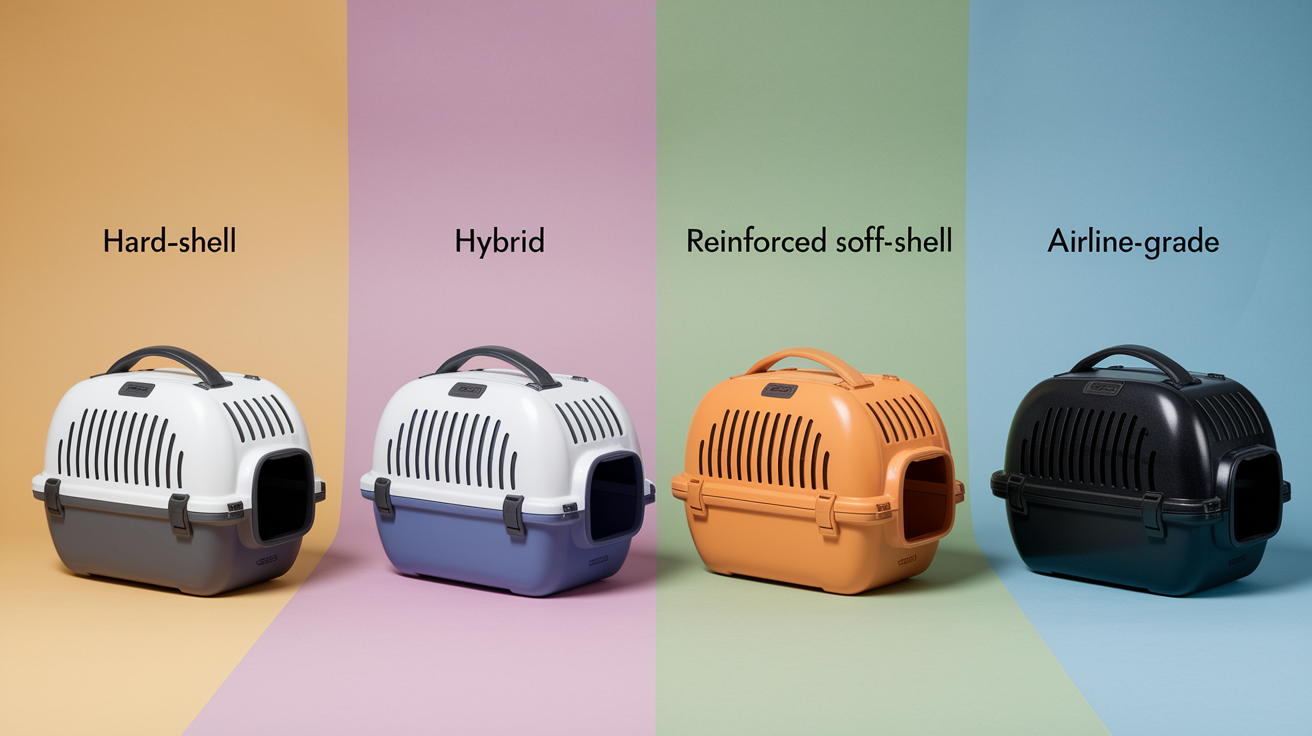
Different carrier categories balance escape resistance, portability, and comfort in distinct ways. Hard-shell carriers deliver maximum structural integrity and are nearly impossible for a cat to deform or tear, but they’re bulky and offer no flexibility for tight spaces. Hybrid carriers combine a rigid base and frame with soft, collapsible upper panels, providing better portability than full hard-shell designs while maintaining enough structure to resist collapse and keep closures aligned. Reinforced soft-shell carriers prioritize light weight and packability but require heavy-duty zippers, thick fabric, and internal frame rods to approach the escape-proof performance of hard designs. Airline-grade carriers, whether hard or reinforced soft, meet specific ventilation, locking, and strength standards that make them suitable for both cabin and cargo travel, though these models typically cost more and weigh more than basic carriers.
Choosing the right type depends on your cat’s temperament, travel frequency, and the scenarios you face most often. A cat with a history of escape attempts or severe travel anxiety benefits most from a hard-shell or airline-grade carrier with three-point locks and top-entry. For occasional vet visits and short car trips, a well-constructed hybrid or reinforced soft carrier with dual-slider zippers and a rigid frame often provides enough security without the bulk of a full hard shell.
| Carrier Type | Strengths | Weaknesses | Approximate Durability Rating (1–10) |
|---|---|---|---|
| Hard-Shell | Rigid construction resists all deformation; easy to clean; multi-point metal latches; top and front entry common; crash-tested models available. | Heavy; bulky storage; limited ventilation on some budget models; harder to fit under airline seats. | 9 |
| Hybrid (Rigid Base + Soft Sides) | Lighter than full hard-shell; collapses for storage; reinforced base prevents tipping; dual-entry designs common; moderate portability. | Soft panels may tear under sustained scratching; zippers are single point of failure if not reinforced; less protective in a collision. | 7 |
| Reinforced Soft-Shell | Lightweight; packable; hands-free carry options; airline-compliant sizing; internal frame maintains shape; machine-washable liners. | Requires high-quality zippers and thick fabric to prevent escapes; seams vulnerable without bar-tack stitching; less rigid under stress. | 6 |
| Airline-Grade (Hard or Reinforced Soft) | Meets IATA standards; ventilation on multiple sides; metal fasteners or heavy-duty zippers; designed for cargo handling; top-tier materials. | Expensive; heavier; overkill for short local trips; larger footprint for hard models; soft versions still need careful zipper management. | 9–10 |
Visual Examples of Escape-Proof Design Elements
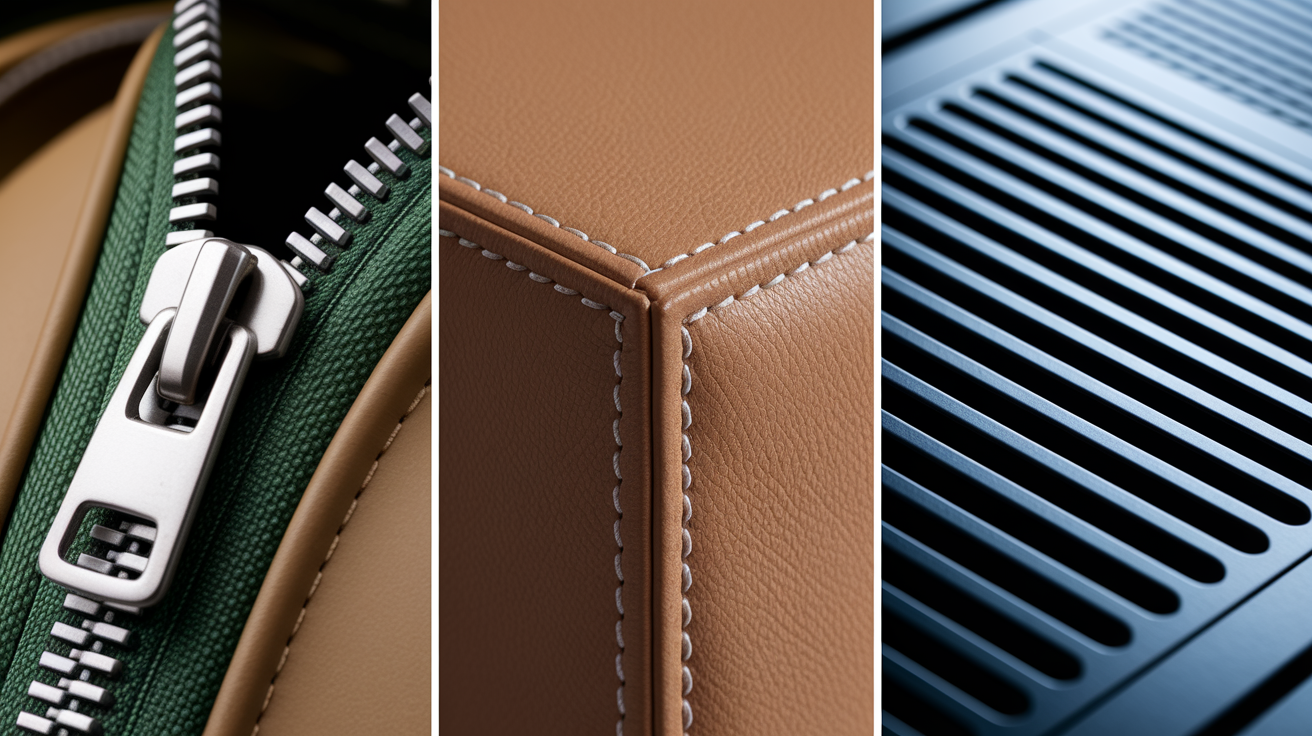
When inspecting a carrier in person or online, look for overlapping zipper flaps that create a double barrier between the zipper track and your cat’s claws. A well-designed flap extends at least 1 inch beyond the zipper on both sides and is stitched down along its edges, so even if a paw reaches the zipper, the slider remains covered and can’t be hooked backward. Metal locking clips or carabiner loops at the ends of dual-slider zippers provide a clear visual cue that the closure can be secured beyond the zipper’s own mechanism. If you see only a single slider with no secondary lock point, the carrier is vulnerable to zipper creep under pressure.
Reinforced corner stitching appears as tight, crisscrossed thread patterns (box or bar-tack) at every junction where fabric panels meet or where handles attach to the body. These stitched zones should be visibly denser than the straight seams running along panel edges, often with a contrasting thread color or a small square of reinforcement webbing underneath. Rigid ventilation grilles (whether molded plastic inserts or welded wire panels) sit flush with the carrier wall and show no flex when you press them with your thumb. Grilles with screw mounts or snap-lock fittings resist being pushed inward by a cat’s nose or paw, whereas glued or loosely fitted mesh panels can separate under sustained pressure.
Three key visual checks before purchase:
- Zipper close-up. Verify size #8 or larger coil or molded teeth, dual sliders that meet in the middle, and a fabric gutter or flap covering the entire zipper run. Test that sliders lock together or accept a small clip.
- Corner and seam reinforcement. Inspect every corner for box-stitching (overlapping square thread pattern) and look for metal rivets, plates, or extra webbing layers at handle bases and door frame edges.
- Ventilation aperture size and mounting. Confirm vent holes measure under 6 mm or mesh aperture is tightly woven (under 3 mm). Check that grilles are screwed, bolted, or snap-locked in place, not simply glued or friction-fit.
Final Words
Start by checking the big takeaways: reinforced zippers, locks, rigid panels, small vents, double doors, and strong frames. We covered why cats try to escape, which materials hold up, expert tips, and how carrier types compare.
Now, try a quick test: zip and lock every seam, press the shell, and look for gaps. Pick a carrier that fits your cat and your travel routine, and ask your vet if you’re unsure.
Those escape proof cat carrier features make trips calmer. You’ll feel more confident and your cat safer.
FAQ
Q: What is the 3 3 3 rule for cats when moving?
A: The 3‑3‑3 rule for cats when moving says expect 3 days to hide and explore, 3 weeks for normal eating and toileting, and up to 3 months to feel fully comfortable.
Q: What annoys a cat the most?
A: What annoys a cat the most are abrupt loud noises, forced handling, dirty litter boxes, sudden routine changes, and other animals invading their space.
Q: What color is most calming to cats?
A: The color most calming to cats tends to be blue‑green tones because cats see blues and greens more clearly than reds, making soft blues and greens less stimulating.
Q: How to put a stray cat in a carrier without them freaking out?
A: To put a stray cat in a carrier without them freaking out, leave the open carrier with a towel and food as a lure, move slowly, gently lift or towel‑wrap the cat, then cover the carrier to calm it.