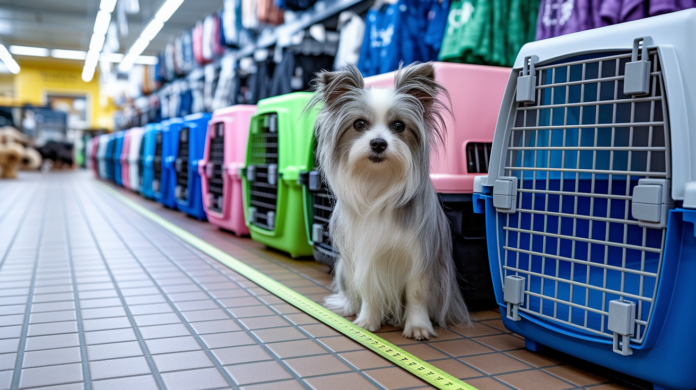

Think a carrier marked “airline approved” will always fit your flight?
It won’t.
Getting the wrong size can mean a stressed pet or a denied boarding.
This guide shows how to measure your pet, from nose-to-tail base to height and width, and how to turn those numbers into the right carrier size for in-cabin or cargo travel.
You’ll learn quick measurement tips, the buffer inches to add, and which airline rules to watch so your pet travels safely and comfortably.
Complete Chart for Pet Carrier Sizes Based on Pet Measurements
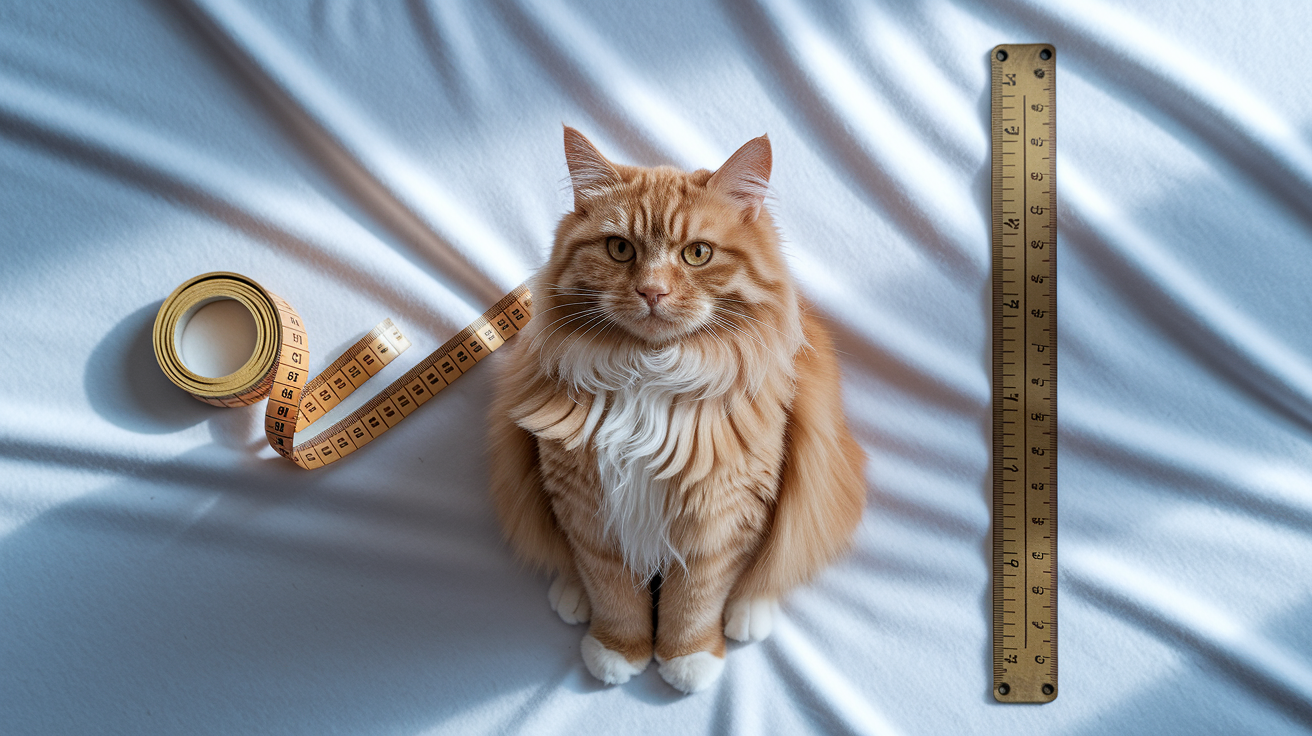
Start by measuring your pet’s length, height, and width, then cross reference those numbers with the chart below. You want a carrier that gives your pet enough room to stand, turn around, and lie down without cramping.
Airlines enforce size limits based on the carrier’s exterior dimensions, not your pet’s measurements. You need to account for the carrier walls, padding, and structure when you choose a size. Most in-cabin carriers max out around 18 to 20 inches in length, and the combined weight of your pet plus the carrier typically can’t exceed 15 to 20 pounds.
| Pet Type | Pet Measurements (A nose–tail base, D height) | Recommended Carrier Size | Typical Airline Limit |
|---|---|---|---|
| Small cat or kitten (tail excluded) | A: 10–13 in, D: 8–10 in | 16 x 10 x 9 in (interior) | In-cabin, under 20 lb combined |
| Small dog (Chihuahua, Yorkie) | A: 9–12 in, D: 7–9 in | 16 x 10 x 9 in (interior) | In-cabin, under 20 lb combined |
| Medium dog (Beagle, Corgi) | A: 14–18 in, D: 11–13 in | 20 x 12 x 11 in (interior) | Cargo required if over 20 lb |
| Large dog (Labrador, Boxer) | A: 22–28 in, D: 20–24 in | 30 x 20 x 22 in (interior, IATA formula A + B/2) | Cargo only, IATA-compliant rigid crate |
| Puppy under 6 months | A: 8–11 in, D: 6–8 in | 15 x 9 x 8 in (interior) | In-cabin, some airlines allow two per crate if under 14 kg each |
| Snub-nosed cat or dog (Pug, Persian) | A: 11–15 in, D: 9–11 in | 18 x 11 x 10 in (add 10% for breathing room) | In-cabin if allowed, check airline restrictions |
| In-cabin soft-sided standard | Pet fits with 2–4 in buffer | 18 x 11 x 11 in (exterior) | Must fit completely under seat |
| Cargo hard-sided kennel | Use formula: Length = A + B/2, Width = C × 2, Height = D + bedding | Varies, rigid plastic/fiberglass only | IATA-compliant, metal hardware, ventilation on 3+ sides |
After you pick a carrier from the chart, test the fit at home. Place the carrier under a kitchen or dining chair to see if it slides in and out smoothly, just like it will under an airplane seat. Your pet should be able to stand up without hunching and turn in a full circle. If the carrier feels snug when you run your hand around the inside walls, add an inch of clearance and size up.
Measurement Guide for Pets to Match the Carrier Size Chart
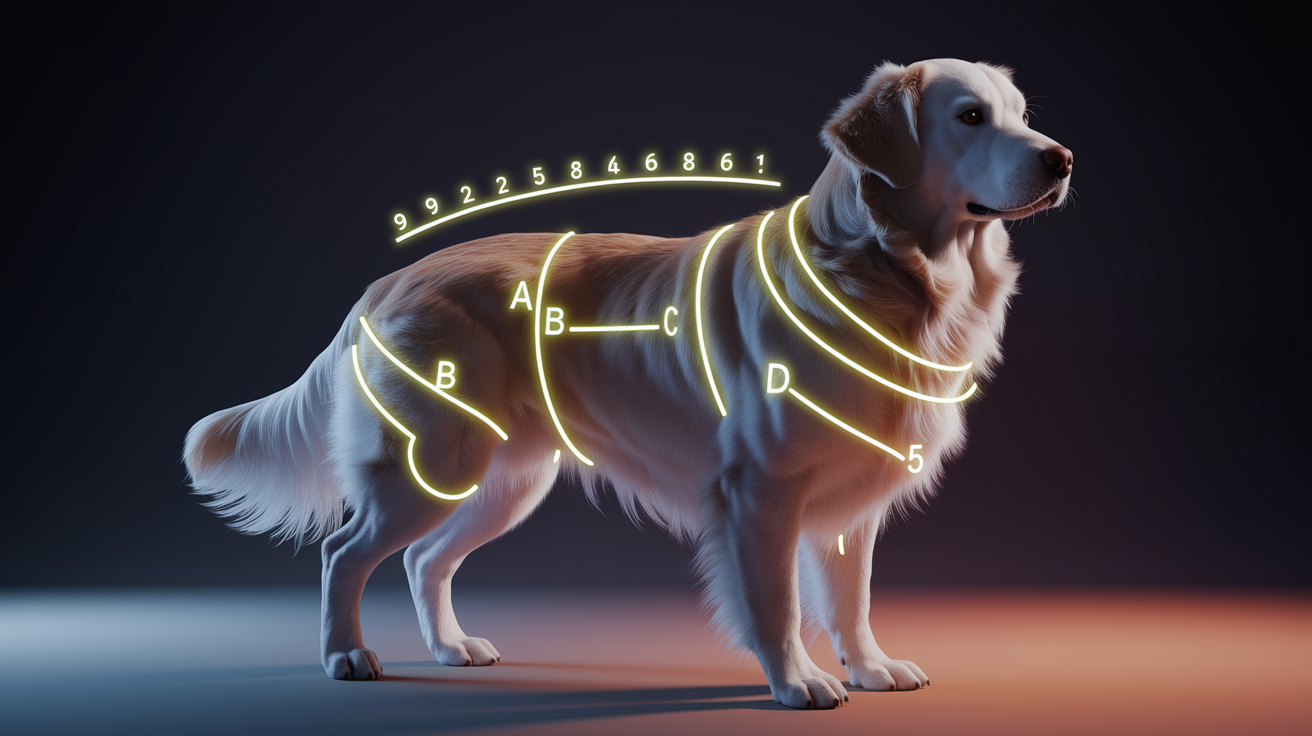
You need four core measurements, labeled A through D in IATA guidance. Measurement A is the length from the tip of your pet’s nose to the base of the tail. Don’t include the tail, especially for cats. Measurement B is the height from the ground to your pet’s elbow joint, which you’ll use in the length formula for cargo crates. Measurement C is the width across the shoulders or the widest point of your pet’s body. Measurement D is the natural standing height from the floor to the top of your pet’s head or the tip of the ears, whichever is taller.
Common mistakes happen when you measure a sitting or lying pet. Always measure while your pet is standing naturally on all four paws. For energetic pets, use a two-person method where one person gently steadies the pet and the other takes the measurements. You can also mark a wall with painter’s tape at nose height and ear height, then measure the tape afterward.
Add 2 to 4 inches to both the length and height measurements to give your pet room to shift position and breathe comfortably. Soft-sided carriers compress slightly, so a bit of extra space helps the carrier fit under the seat without squishing your pet.
Flexible measuring tape or a straight yardstick for length and height. Notepad and pen to write down each measurement immediately. Helper or wall to keep your pet standing still. Measure nose to tail base for A, floor to elbow for B, shoulder width for C, floor to ear or head tip for D. Add 2 to 4 inches to A and D for comfort buffer. Repeat all measurements twice to catch errors or shifts in posture.
Measure your pet at least twice on different days, especially if they tend to wiggle or slouch. Pets settle into different positions, and a second round of measurements will show you if your first numbers were off.
Understanding Carrier Dimensions and How They Relate to Your Pet’s Size
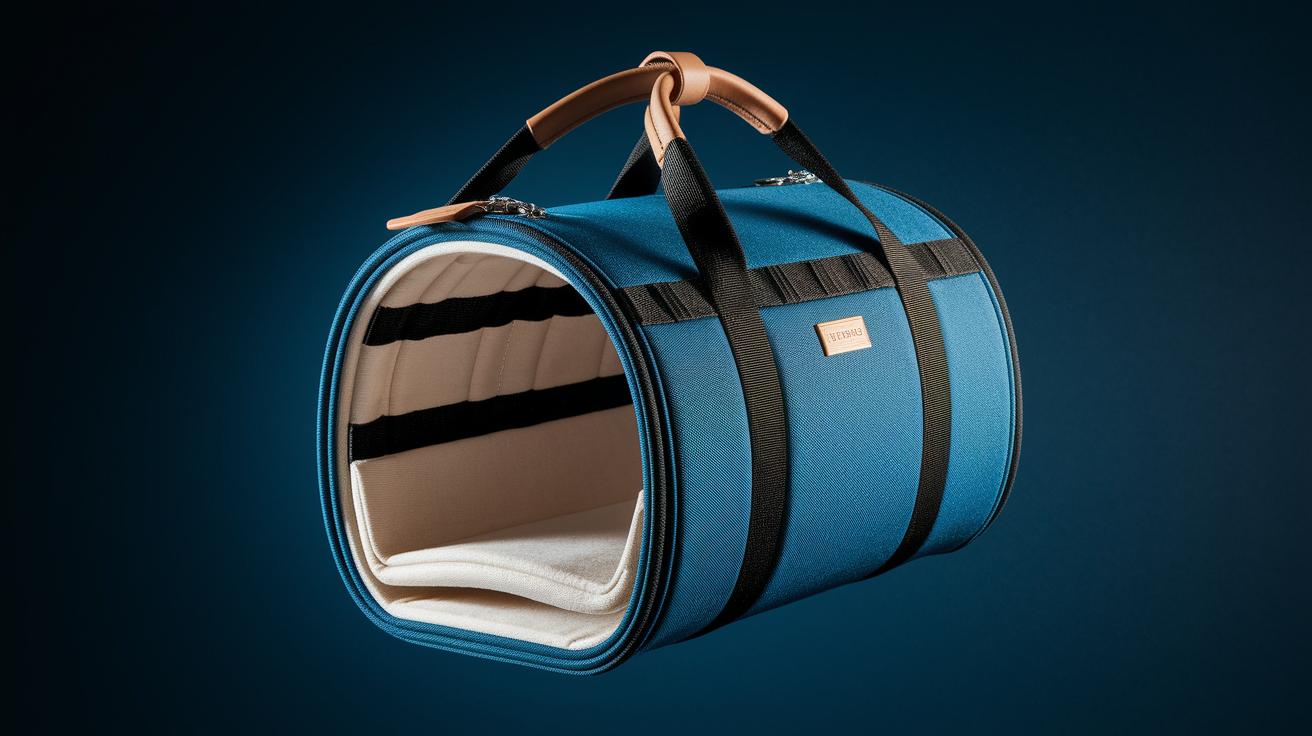
Airlines judge carriers by their exterior dimensions, which include the frame, zippers, handles, and any bulky seams. Interior dimensions are what matter for your pet’s comfort, but exterior dimensions determine whether the carrier passes inspection at the gate. Soft-sided carriers can compress an inch or two when you push them under a seat, but you shouldn’t rely on squishing to make an oversized carrier fit.
IATA height guidelines say the interior height must equal measurement D plus the thickness of any bedding you plan to add, typically about 3 inches. Your pet needs enough headroom to sit without hunching and enough floor space to turn around in a complete circle. Cargo crates also require ventilation openings on at least three sides, positioned over the upper two-thirds of the container walls. For in-cabin soft carriers, look for chew-proof mesh panels on at least two sides to keep airflow steady and prevent escape attempts during boarding.
Airline Guidelines Affecting Carrier Size Selection
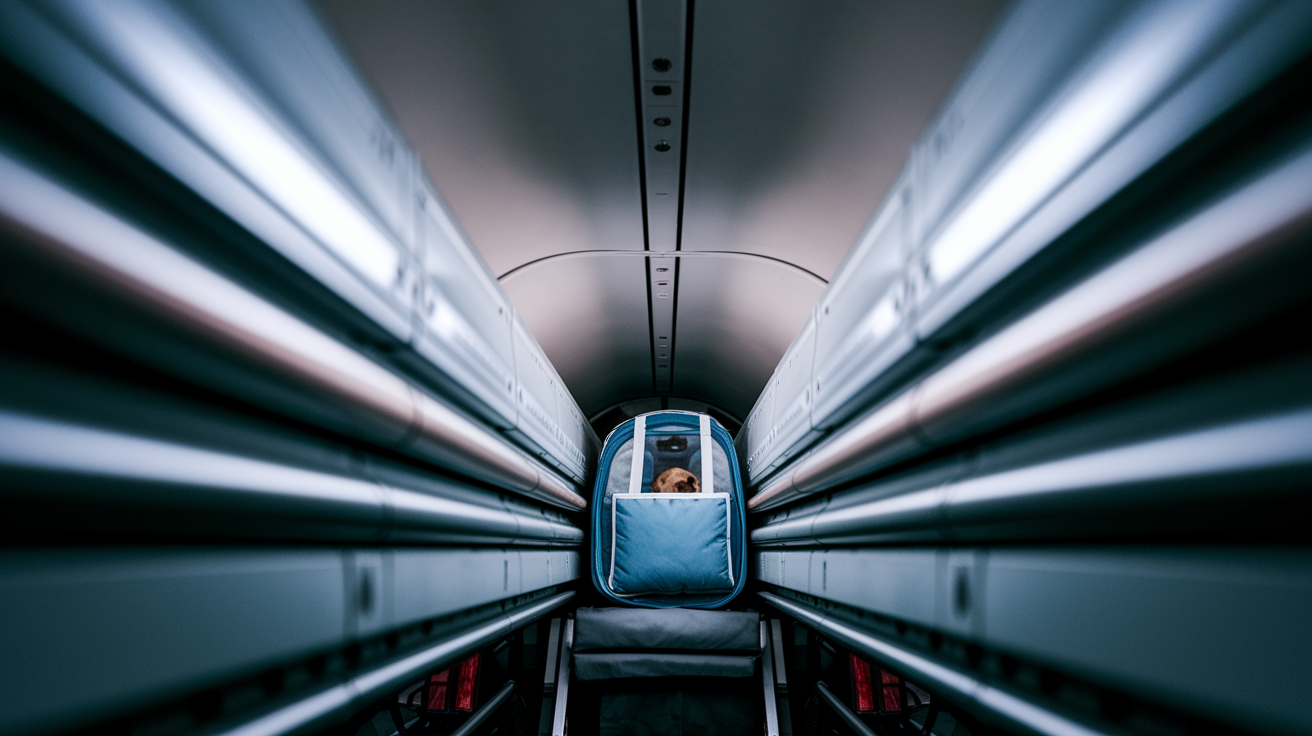
Most major US airlines use a baseline of roughly 18 inches long, 11 inches wide, and 11 inches tall for soft-sided in-cabin carriers. Delta enforces 18 x 11 x 11 for soft carriers. United allows soft carriers up to 18 x 11 x 11 but restricts hard-sided carriers to 17.5 x 12 x 7.5. American’s mainline flights accept hard carriers up to 19 x 13 x 9. Southwest enforces 18.5 x 13.5 x 9.5 with strict under-seat testing. Regional jets and smaller aircraft often have less under-seat clearance, so always verify the specific aircraft model when you book.
Weight limits for in-cabin travel typically cap the combined pet-plus-carrier weight at 15 to 20 pounds. Pets heavier than that threshold must travel in the cargo hold inside IATA-compliant rigid crates. Snub-nosed breeds like Bulldogs, Pugs, and Persian cats need about 10 percent more interior space than the standard formulas suggest, and some airlines restrict or ban these breeds from cargo altogether due to breathing risks.
Delta soft-sided: 18 x 11 x 11 inches. United soft-sided: 18 x 11 x 11 inches; hard-sided 17.5 x 12 x 7.5 inches. American mainline hard-sided max: 19 x 13 x 9 inches. Southwest: 18.5 x 13.5 x 9.5 inches, strict fit test at gate. Combined weight limit: usually 15 to 20 pounds for in-cabin.
Data from 2024 shows that 92 percent of denied pet boardings happen because the carrier is oversized, and 85 percent of successful in-cabin approvals depend on matching the airline’s precise published dimensions. When you book, call the airline or check the specific aircraft seat layout online to confirm under-seat measurements, especially for regional flights.
Size Charts for Soft-Sided, Hard-Sided, Backpack, and Sling Carriers

Soft-sided carriers are the go-to choice for in-cabin travel because their flexible walls can compress slightly to fit under varied seat frames. Hard-sided carriers are required for cargo and have smaller in-cabin allowances since they can’t flex. Backpack-style carriers are popular for cats and small dogs and often include expandable sections that you zip open after takeoff. Sling carriers work only for very small pets, typically under 10 pounds, and lack the structure needed for longer flights or larger animals.
External dimensions are what gate agents measure, so always check the manufacturer’s specs before you buy. A carrier labeled “airline approved” may still exceed your specific airline’s limits if the brand uses a generic standard instead of matching Delta, United, or Southwest rules.
| Carrier Type | Typical Dimensions (Exterior) | Best For |
|---|---|---|
| Soft-sided in-cabin | 18 x 11 x 11 in | Small dogs, cats, in-cabin flights |
| Hard-sided in-cabin | 17.5 x 12 x 7.5 in | Cats, very small dogs, easier cleaning |
| Backpack expandable | 16 x 12 x 10 in collapsed, 18 x 12 x 12 in expanded | Cats, small dogs, hiking, quick errands |
| Sling/front-facing | 14 x 9 x 8 in | Tiny dogs, kittens, short trips only |
Material choices affect both weight and sizing. Heavy canvas adds bulk and pounds, while lightweight nylon keeps the carrier frame thin and the overall weight low, leaving more room in your 20-pound combined allowance for your pet.
Breed-Based Examples to Help Choose the Correct Carrier Size
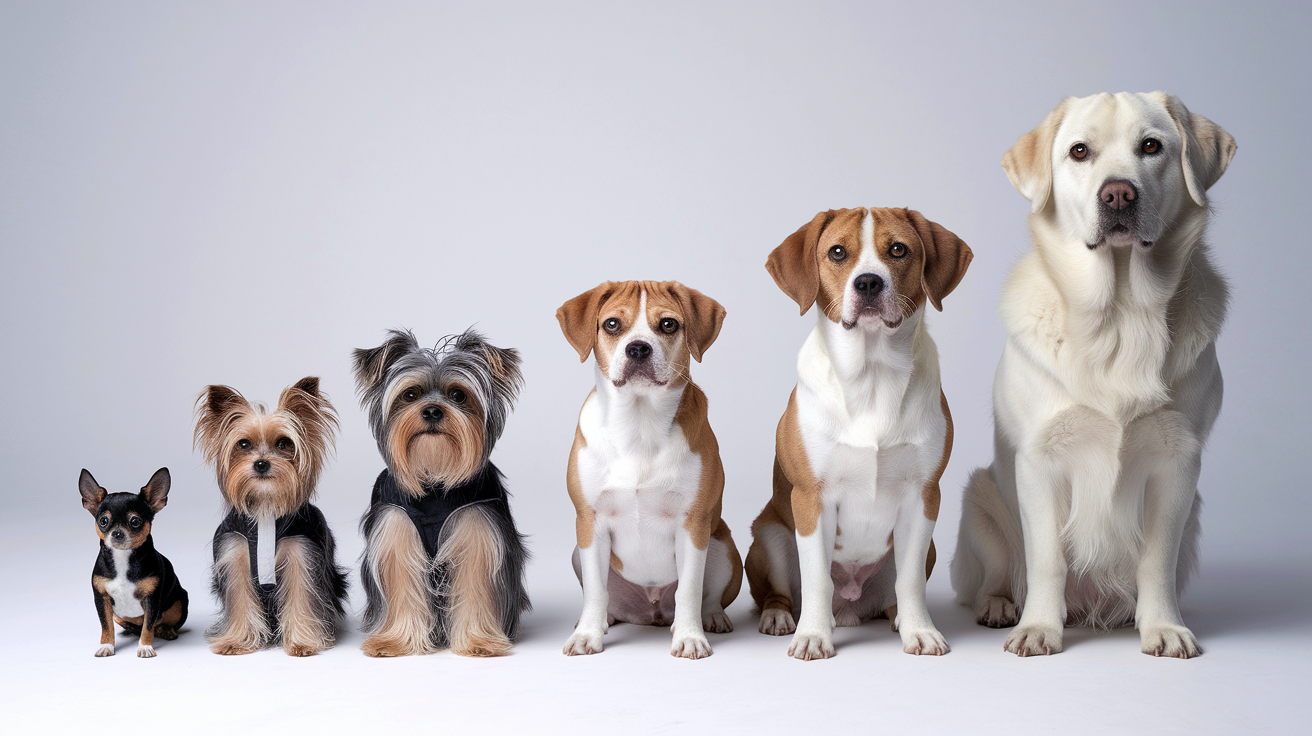
A Chihuahua or Yorkshire Terrier typically measures around 9 to 12 inches from nose to tail base and 7 to 9 inches tall, so a 16 x 10 x 9 inch interior carrier works well. Beagles and Corgis fall into the medium range at roughly 14 to 18 inches long and 11 to 13 inches tall, which pushes them close to the in-cabin weight limit and often requires cargo travel. Labrador Retrievers and Boxers need cargo crates sized with the IATA formula, usually landing around 30 x 20 x 22 inches on the interior.
Snub-nosed breeds like Pugs, Boston Terriers, and Persian cats need 10 percent more space than the standard formulas to reduce breathing stress. That extra room translates to roughly 2 inches added to length and height. Long-haired pets should be measured by body contour, not fur fluff, so gently press the coat down when you take shoulder width and standing height. Overweight pets need extra width to turn comfortably, so add an inch or two to measurement C if your pet carries extra pounds around the middle.
Puppies and kittens under six months old can sometimes share a single larger carrier if each weighs less than 14 kilograms, which is about 30.9 pounds, and they’re from the same litter. Most airlines require each adult pet to travel in a separate carrier unless the combined weight stays under the threshold and both animals are very small.
Carrier Fit & Comfort Checklist to Use With Any Pet Carrier Size Chart
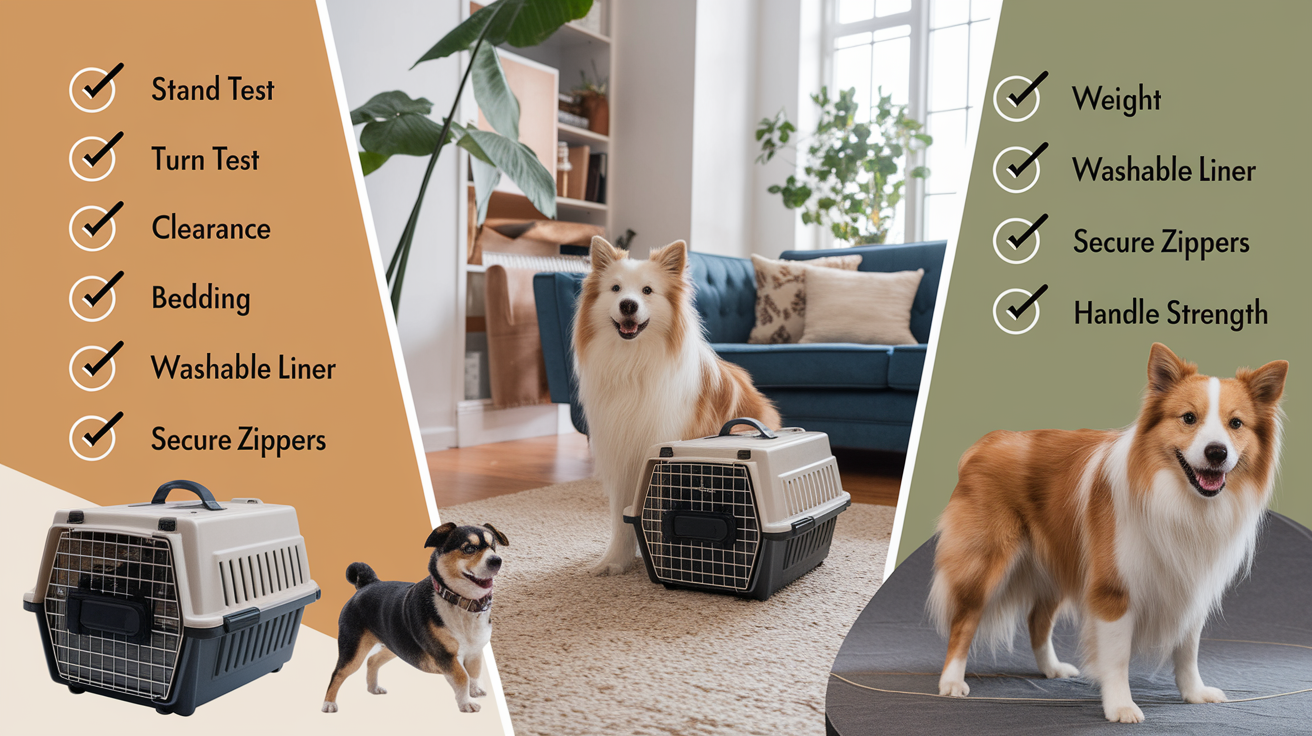
Stand test: Your pet should stand up without the top of the head or ears touching the carrier ceiling. Turn test: Your pet must be able to turn in a full circle without bumping the walls. Lie-down test: Your pet should stretch out flat on one side with room to spare. Clearance check: Leave at least 1 inch of space on all sides when your pet sits or lies down. Bedding allowance: Add up to 3 inches of soft padding, then confirm the total interior height still fits measurement D plus bedding. Ventilation count: Soft carriers need chew-proof mesh on at least two sides; cargo crates need openings on three or more sides. Weight limit: Weigh your pet and the empty carrier separately, then add them together to stay under 15 to 20 pounds for in-cabin. Washable liner: Choose carriers with removable, machine-washable pads to handle accidents. Secure zippers: Test that zippers lock or clip closed so your pet can’t nose them open mid-flight. Handle strength: Lift the carrier by the handle with your pet inside to confirm it holds steady without sagging.
After you check each item, slide the carrier under a kitchen or dining chair at home. If it fits smoothly and your pet can move inside, you’re ready for airport screening.
Special Sizing Considerations: Snub-Nosed Breeds, Seniors, Pregnant Pets, and Pets With Medical Gear
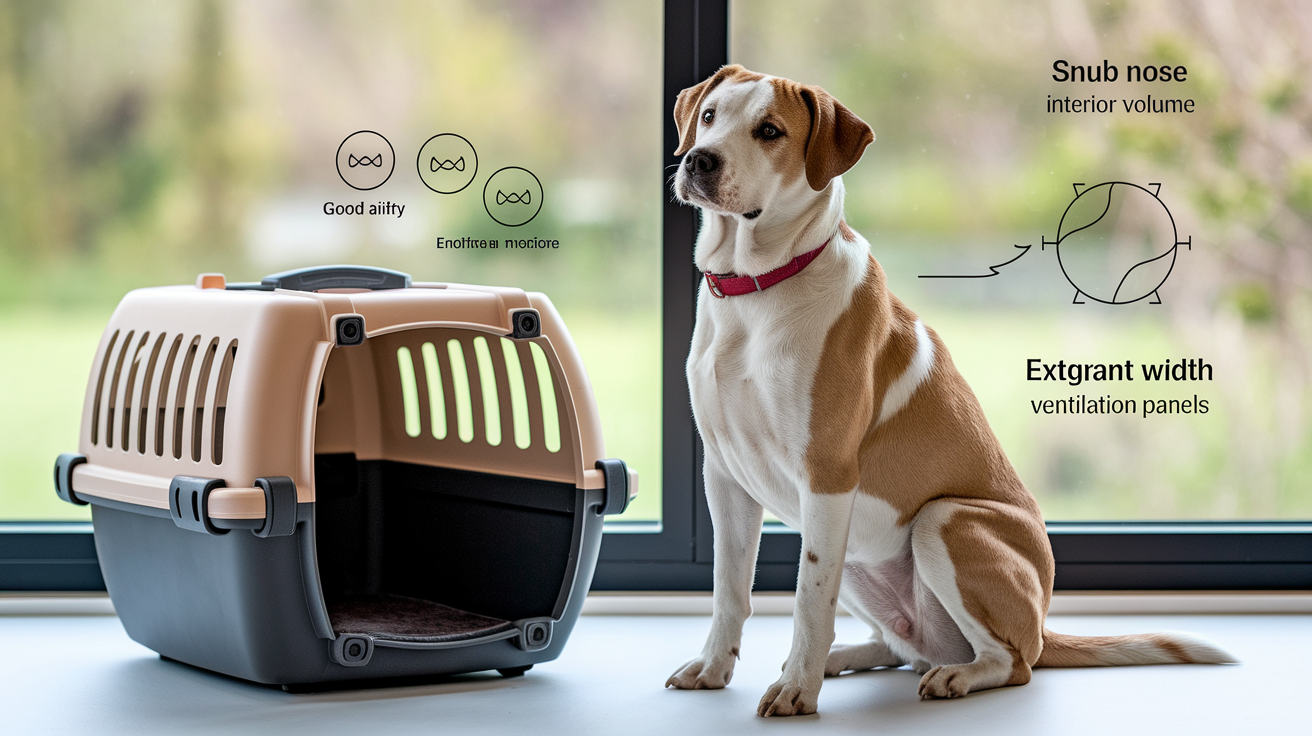
Snub-nosed breeds struggle with airflow, so IATA recommends adding 10 percent more interior volume beyond the standard formulas. That usually means choosing the next size up and confirming extra ventilation panels. Senior pets with arthritis or joint pain need carriers with low-entry doors so they don’t have to climb or jump, which may require a taller carrier to maintain headroom while lowering the door threshold.
Pregnant pets need more ventilation and a bit of extra width to accommodate their changing shape. Medical equipment like oxygen tubes, monitoring harnesses, or post-surgery cones reduces the usable interior space, so measure your pet while wearing the gear and add those dimensions to your carrier size. Some airlines restrict brachycephalic breeds from cargo travel entirely, especially during hot months, so always confirm breed-specific policies before booking and consider in-cabin soft carriers with maximum airflow if your pet qualifies.
Common Mistakes When Using a Pet Carrier Size Chart (and How to Avoid Them)

Measuring your pet while sitting or lying down instead of standing naturally on all four paws. Ignoring exterior dimensions and only checking interior space, which leads to gate denials. Forgetting combined weight limits, so the pet and carrier together exceed 20 pounds. Overfilling bedding past the 3-inch allowance, which reduces headroom. Choosing a carrier that’s too tall for the under-seat space on your specific aircraft. Skipping the home fit test under a chair, then discovering at the gate that the carrier doesn’t slide in. Relying on “airline approved” labels without verifying your exact airline’s published size limits.
Correct these errors by double-checking your airline’s website for current dimension rules and testing the carrier under furniture at home. Measure your pet twice on different days and weigh the empty carrier before you add your pet. Data from 2024 confirms that 85 percent of in-cabin approvals depend on matching the airline’s precise measurements, so even a half-inch difference can trigger a denial. When in doubt, size up slightly within the airline’s limits, or contact the airline directly with your carrier’s exterior dimensions before your travel date.
Final Words
Matched pet measurements to carrier styles, walked through the A–D measuring steps, and showed typical airline limits and type-specific dimensions so you know what to look for when shopping.
We also covered how to measure at home, soft vs hard carriers, breed and special-needs tweaks, and a simple fit checklist to test under a chair. Repeat measurements and add the recommended 2–4 inch buffer.
Use the pet carrier size chart to pick a carrier, try it at home, and adjust bedding or harness as needed. You’ll feel ready and calmer on travel day.
FAQ
Q: What is an ideal size for a pet carrier?
A: The ideal size for a pet carrier is one that lets your pet stand up, turn around, and lie down comfortably, with 2–4 inches of extra room and enough head height to sit upright.
Q: What size is an airline approved TSA pet carrier?
A: An airline-approved TSA pet carrier is typically sized to fit under an aircraft seat—about 18–20 inches long and roughly 11 inches tall/wide for soft-sided models, with weight limits usually 15–20 pounds depending on the airline.
Q: What sizes do dog carriers come in?
A: Dog carriers come in small, medium, large, and extra-large; typical interior lengths are small ~16–18 inches, medium ~18–22 inches, large ~22–28 inches, and extra-large 28+ inches—measure your dog to match.
Q: Can a 20 lb dog fit in a carrier?
A: A 20 lb dog can fit in a carrier if the carrier’s interior dimensions let it stand, turn, and lie down, and if the airline’s in-cabin weight and under-seat rules allow pets around 15–20 pounds.