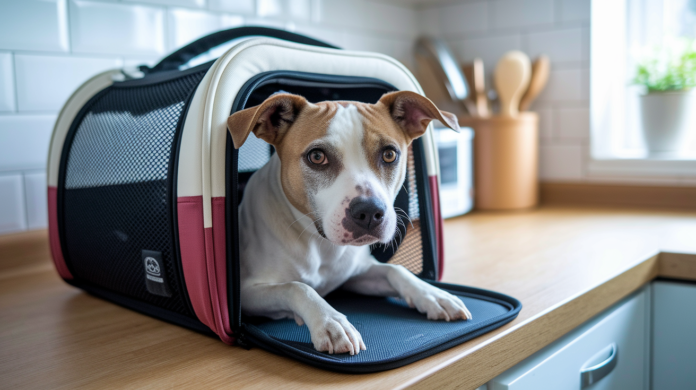

Tired of scrubbing a whole pet carrier after one car-sick moment or a muddy walk?
Removable padding fixes that.
Pull out the cushion, wash it, and you’re ready again.
This post shows easy-clean carriers with removable pads, the features that matter, and picks that fit airline rules, car trips, and quick vet runs.
You’ll learn which materials dry fast, which give joint support, and which keep headroom under airline limits.
If you travel often or swap carriers between pets, the right pad saves time and keeps your pet healthier.
Top Carrier Recommendations and Key Features to Look For
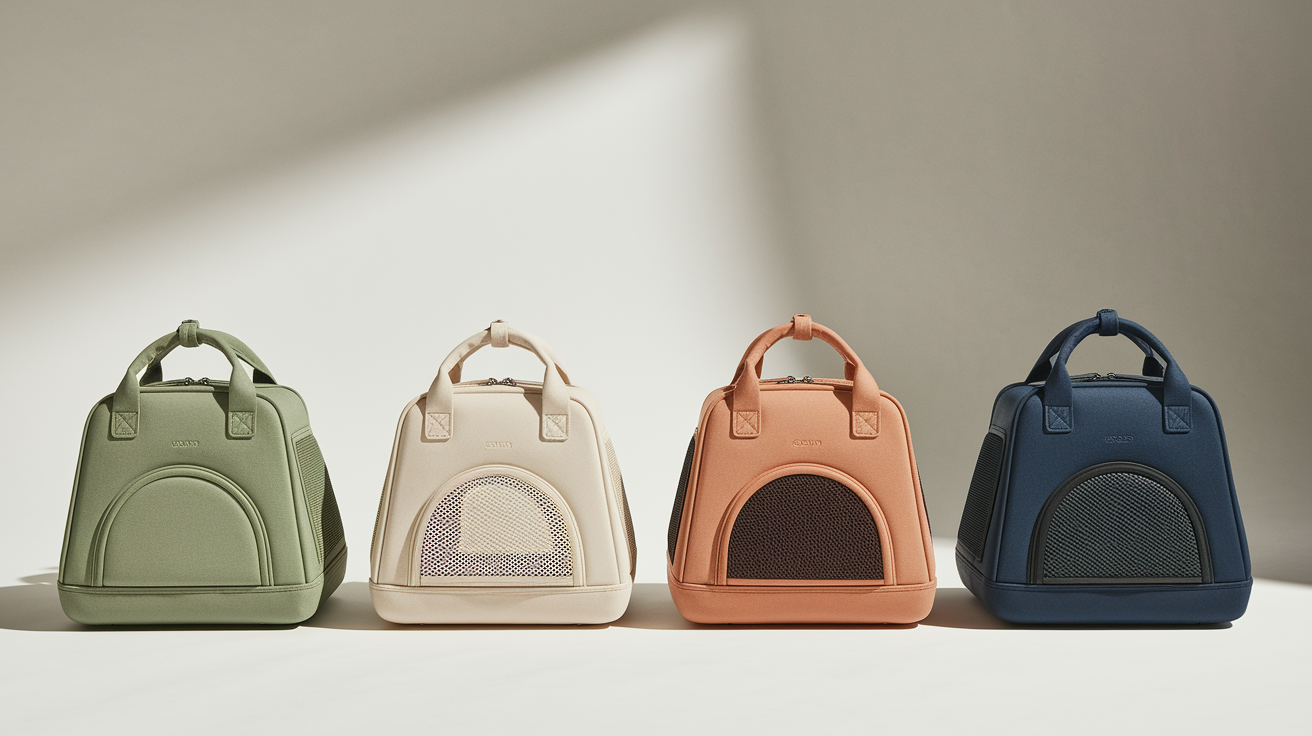
Quick picks to get started:
Petsfit 2 Side Expandable Pet Carrier ($30–$50) – Budget option with removable fleece bedding and dual expandable mesh zones, fits airline under seat rules for Delta, American, and United.
Wild One Travel Carrier ($100–$150) – Mid range soft sided carrier with machine washable interior cushion that rolls out as a bed or travel mat, includes built in collar clip and mesh walls.
SturdiBag Pro 3.0 ($150–$250) – Only tested carrier offering machine washable outer shell plus removable foam core bedding insert, available in five sizes up to 50 pounds.
Away Pet Carrier ($200–$300) – Premium option with plush removable sherpa bedding, five star crash test rating from Center for Pet Safety, and exterior latches for car seat belt attachment.
Removable padding matters most when accidents happen mid trip. A detachable cushion for cat carrier or dog travel bag means you can wash away vomit, urine, or muddy paw prints without scrubbing the entire carrier frame. Washable pet carrier liner setups typically attach via zipper, Velcro, or snap fasteners and range from thin fleece toppers (0.5 inches) to thick memory foam bases (up to 3 inches). Thicker pads give more cushion for older pets or long flights, but they also take longer to dry after washing.
Most removable pet carrier pad designs separate the foam core from the fabric cover. The cover goes into the washing machine on cold and gentle. The foam gets hand washed and air dried flat. Buyers report that padding with separate waterproof liners dries faster and resists odor better than single layer fleece that absorbs everything. If your pet tends to stress drool or has bladder control issues during car rides, a two layer removable system saves hours of spot cleaning and keeps the carrier usable between trips.
What to look for in a removable padding setup for dog or cat carriers:
Machine washable cover. The fabric shell removes from foam insert and survives repeated cold water cycles without shrinking or fraying.
Secure fastening method. Zippers, heavy duty Velcro strips, or metal snaps keep the pad from sliding when your pet circles or scratches.
Non slip bottom. Rubberized or textured base prevents the pad from bunching up during turbulence or sudden braking.
Comfort level. Thickness between 1 and 3 inches for joint support, soft fleece or plush top layer that pets willingly lie on.
Material quality. 600 denier polyester or ballistic nylon outer fabric, reinforced stitching on edges where pets dig or turn.
Quick drying design. Waterproof inner liner or moisture wicking fleece that air dries in under 6 hours instead of overnight.
Benefits of removable padding in pet carriers show up fastest when you travel weekly or manage multiple pets. A washable travel carrier pad you can swap out between trips means one carrier serves two cats without cross contaminating scents. Quick dry materials and replaceable inserts (typically $10–$60) extend the life of a $100+ carrier by years. Proper fastening systems keep anxious pets from burrowing under loose fabric and panicking during takeoff or highway merges.
Comparing Pet Carriers With Removable Padding Across Travel Needs
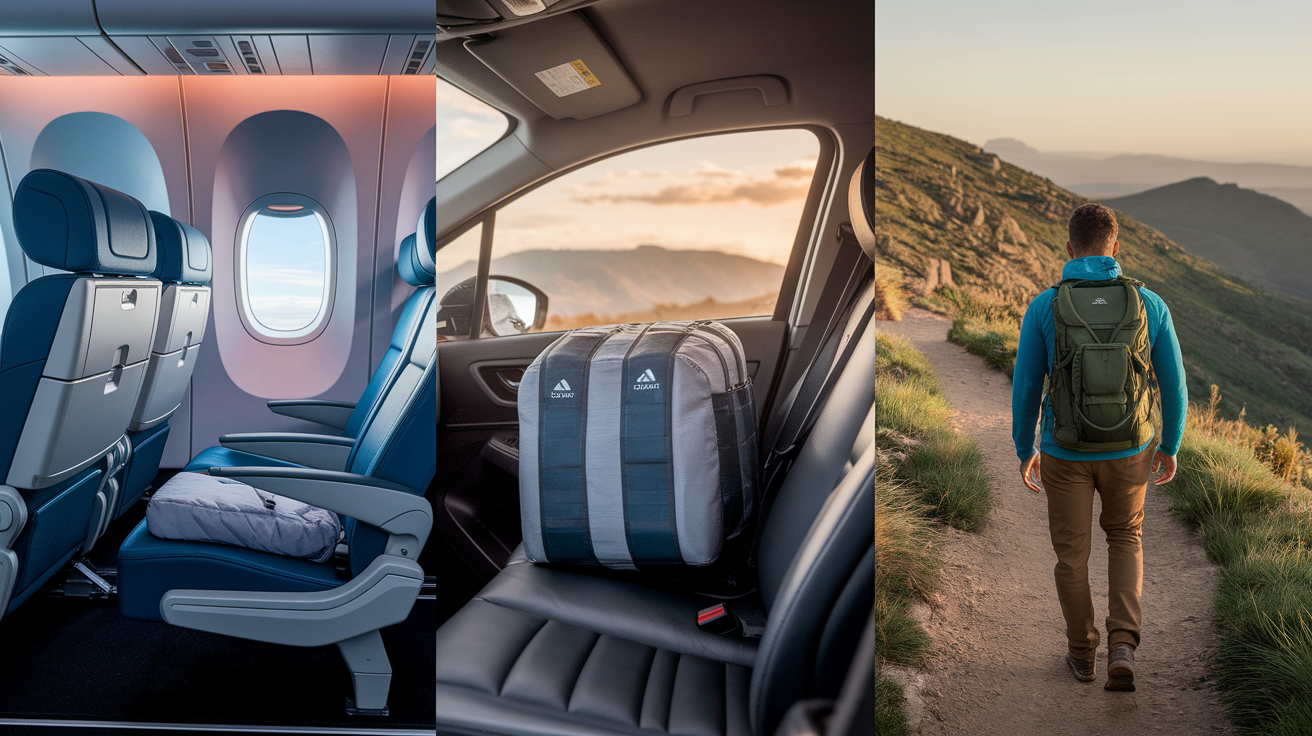
Airline approved soft carriers with removable bed for airline carrier setups prioritize compressibility and under seat fit over thick padding. JetBlue limits dimensions to 17″ × 12.5″ × 8.5″. American, Delta, and United all cap soft sided carriers at 18″ × 11″ × 11″. That narrow height tolerance means padding thickness directly cuts into headroom.
A 2 inch memory foam insert in an 11 inch tall carrier leaves only 9 inches of usable space. Tight for a cat that needs to stand or turn. Removable padding for long trips on planes often uses thinner fleece or polyester fiberfill (0.5–1 inch) to preserve interior volume, with the trade off that your pet sacrifices some cushion for the ability to move.
Car travel allows thicker, heavier padding because under seat airline rules don’t apply. Crash tested models like the Sleepypod Air and Tavo Dupree include foam core bases up to 1.5 inches thick, designed to absorb impact energy while keeping the pet’s body stable during sudden stops. These carrier padding for small dogs or cat setups often weigh 1–2 pounds more than their airline counterparts and attach to seat belt anchors or latch bars. The padding in car specific carriers also tends to include waterproof liners on the bottom, since road trips involve longer confinement periods and higher odds of accidents.
Daily errands and vet visits benefit most from carrier lining for kittens or nervous adults that need quick comfort. Soft, plush fleece toppers (under 1 inch thick) feel cozy without adding bulk. Zippered or Velcro attachments let you pull the pad in under 30 seconds for a fast wash after a stressful checkup. These travel friendly carrier pad designs prioritize speed over durability. You can toss a fleece insert in the washer between morning drop off and afternoon pickup without worrying about drying time. Non slip bases matter here too, since short car rides and quick handling cause more pad shifting than steady highway cruising.
| Travel Type | Recommended Carrier Features | Padding Type | Max Pet Weight |
|---|---|---|---|
| Airline Travel | Compressible sides, under seat dimensions 16–19″ L × 10–13″ W × 8–11″ H, mesh ventilation panels | Thin fleece or polyfill (0.5–1″) | 8–22 lb |
| Car Travel | Crash tested frame, seat belt clips or latch anchors, waterproof liner, reinforced stitching | Memory foam or orthopedic foam (1–2.5″) | Up to 50 lb (larger sizes) |
| Daily Errands/Vet Trips | Quick access zipper, shoulder strap, lightweight frame, built in leash clip | Soft fleece or faux sheepskin (0.5–1.5″) | 10–20 lb |
| Outdoor/Hike Carriers | Backpack straps, chest/sternum strap, ventilated mesh back panel, multiple storage pockets | Breathable polyester fiberfill (1–2″) | Up to 22 lb |
Outdoor and hiking carriers balance padding comfort with ventilation. Backpack style designs like the Mr. Peanut’s Monterey Series use breathable polyester fiberfill that wicks moisture away from your pet’s belly while you climb. Removable padding for long trips on trails needs to dry quickly if your dog steps in a creek or your cat has an accident mid hike, so look for perforated foam cores or mesh backed fleece that air dries in under 4 hours when hung in direct sun.
Advanced Differences Between Carrier Padding Materials

Memory foam inserts 1–3 inches thick mold to your pet’s body shape and distribute weight across hips and shoulders. Helpful for arthritic seniors or breeds prone to joint stress. The dense cellular structure traps heat, though. Memory foam pads work better in air conditioned cars or climate controlled cabins than in summer outdoor carriers. Orthopedic foam shares the joint support benefit but uses a firmer, more resilient cell design that bounces back faster after compression. Both foam types absorb moisture slowly and take 8–12 hours to fully air dry after hand washing. Serious drawback if you need the carrier ready for a return trip the same day.
Polyester fiberfill pads (0.5–2 inches) dry in under 6 hours and cost less to replace, typically $10–$20 versus $30–$60 for memory foam. The fill compresses more easily under repeated use, losing loft after a few dozen trips. But the lightweight structure allows better airflow around your pet’s belly. Fiberfill also resists mildew better than foam when stored damp, though it offers no orthopedic benefit.
Fleece toppers and faux sheepskin liners add a plush texture that anxious pets find calming. The soft fibers mimic a mother’s fur and encourage settling. Lighter colored fleece shows stains and sheds loose fibers after the first few washes.
Hypoallergenic foam options use medical grade polyurethane without chemical flame retardants or dyes, reducing skin reactions in pets with sensitivities. These pads cost 20–30% more than standard foam and require the same careful hand washing to preserve density.
Attachment mechanisms influence how well padding stays aligned during movement. Zippers create the most secure seal but add a ridge along the edge that some pets chew or scratch. Velcro strips allow faster removal but lose grip strength after 15–20 wash cycles. Metal or plastic snaps sit flat and last longer than Velcro but require precise alignment. A fumbling hassle when you’re wrestling a squirming cat back into the carrier after a vet visit.
What else to think about beyond basic washability:
Thermal regulation. Memory foam traps heat, fiberfill allows airflow, reversible cool gel liners prevent overheating in warm climates.
Orthopedic density. Foam rated 3–5 lb per cubic foot supports joints, lower density fill compresses too easily for senior pets.
Airflow structure. Perforated foam or mesh backed fleece reduces sweating and hot spots on long trips.
Moisture wicking capability. Synthetic fleece pulls liquid away from skin faster than cotton blends, reducing rash and odor.
Texture behavior for anxious pets. Plush, high pile fleece encourages burrowing and calms stress, smooth polyester feels cooler but offers less tactile comfort.
Cleaning and Washing Removable Carrier Padding (Advanced Care Techniques)
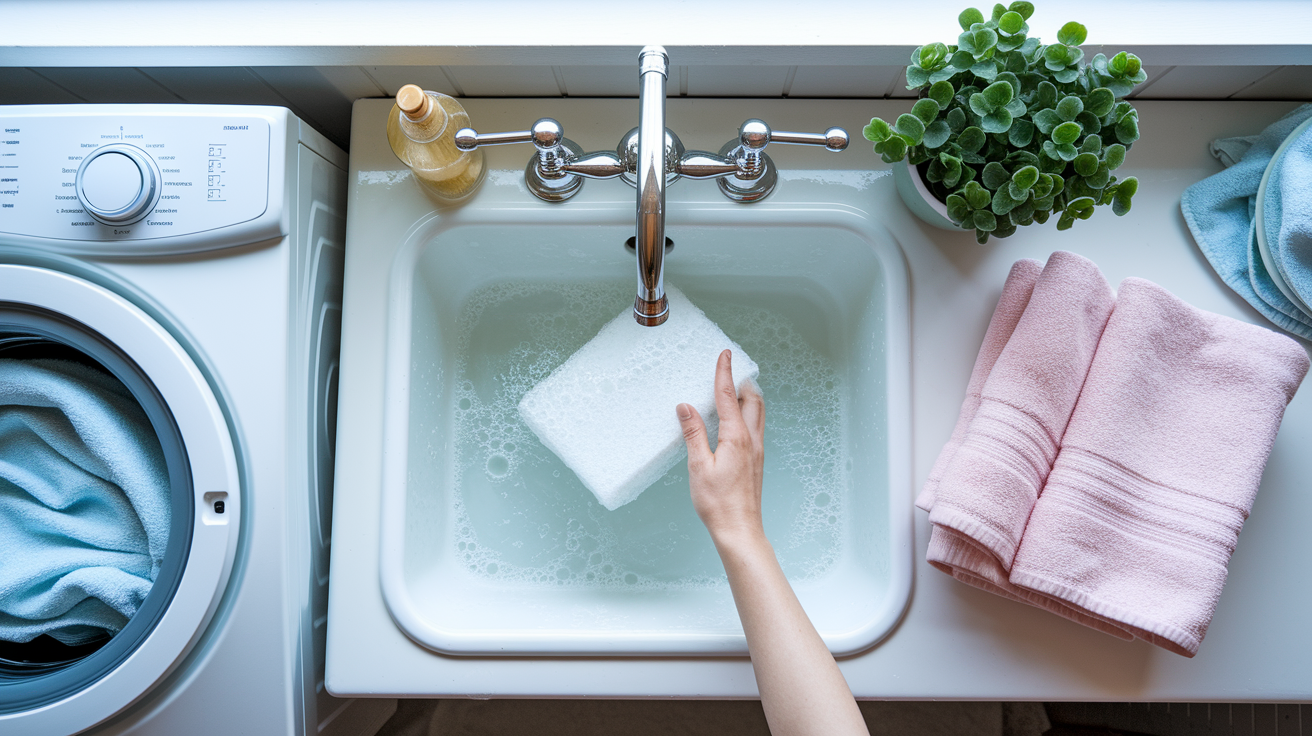
Remove the foam core or orthopedic insert before placing any fabric cover in the washing machine. Foam that goes through a wash cycle absorbs water like a sponge and can take 24+ hours to dry, creating a mildew risk. Unzip or unsnap the cover, pull out the foam slab, and set it aside. Check the care label for exact temperature guidance. Most covers tolerate cold water on a gentle or delicate cycle, but a few budget fleece liners shrink in anything warmer than 86°F. Use a mild, unscented detergent without bleach or fabric softener. Both leave residues that irritate sensitive pet skin and can break down waterproof linings over time.
Air dry fabric covers flat or hang them on a drying rack in a well ventilated area. Tumble drying on low heat works for some polyester shells, but high heat causes shrinkage and weakens elastic edges or Velcro strips. If the care label allows tumble drying, pull the cover out while it’s still slightly damp to finish air drying. This prevents over shrinking and preserves the fit.
Hand wash foam inserts in a bathtub or large sink using lukewarm water and a few drops of mild soap. Gently press soapy water through the foam without twisting or wringing. Aggressive squeezing tears the cell structure and creates permanent lumps. Rinse thoroughly under running water until no suds remain, then press out excess water by laying the foam flat on a towel and rolling the towel up like a burrito to absorb moisture.
Lay foam inserts flat on a clean, dry towel in direct sunlight or near a fan. Flip them every 2–3 hours to expose all surfaces to air. Full drying takes 8–12 hours for 2 inch memory foam, 4–6 hours for thinner fiberfill. Never hang foam vertically while wet. Gravity pulls water to the bottom edge and stretches the cells unevenly.
To prevent mildew, make sure foam is completely dry before reassembling the carrier. Press your palm into the center of the foam. If it feels cool or damp, give it another hour. Store cleaned padding in a breathable fabric bag, not a sealed plastic bin, to allow residual moisture to escape.
Steps for stain resistance and odor control:
Pre treat stains immediately. Blot urine or vomit with paper towels, then spray the spot with a 1:1 mix of white vinegar and water before washing to break down enzymes and reduce odor.
Add baking soda to the wash. Sprinkle 2 tablespoons into the detergent compartment to neutralize lingering smells without adding fragrance that pets dislike.
Protect foam density during hand washing. Never twist or wring foam, use a press and release motion to push water through without tearing internal cells.
Accelerate drying with a fan. Position a box fan 2 feet from the drying foam on low speed to cut drying time by 30–40% and reduce mildew risk.
Apply waterproof spray to fabric covers. After washing and drying, treat polyester shells with a pet safe waterproofing spray every 3–4 washes to restore stain resistance.
Inspect fasteners and seams. Check zippers, Velcro, and stitching for wear after each wash, replace damaged pads before fasteners fail mid trip.
Weekly washing keeps odor and bacteria under control for frequent travelers. If you only use the carrier monthly, wash the removable pad after each trip or whenever you notice a smell. Waiting longer allows urine salts and organic residue to bond with foam, making stains nearly impossible to remove even with enzyme cleaners.
Understanding Carrier Fit: Measuring Your Pet and the Padding
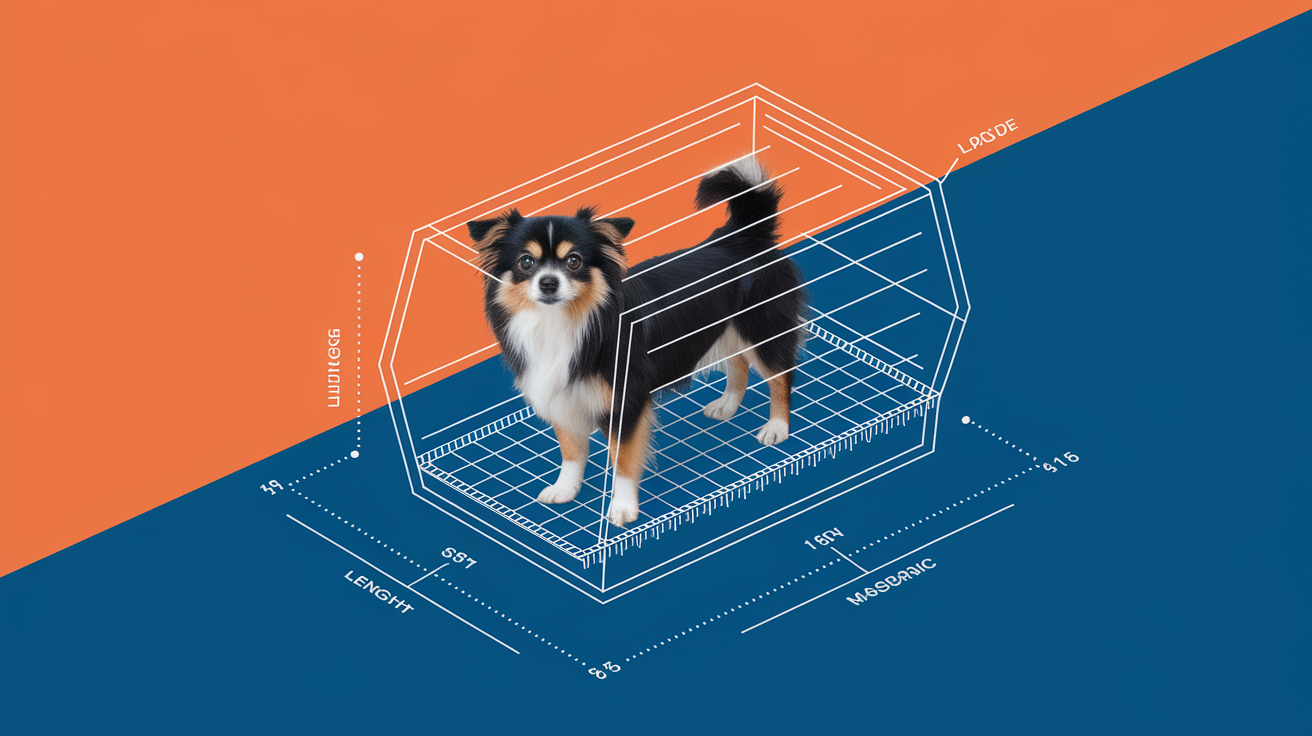
Measure your pet from the tip of the nose to the base of the tail while standing, not including the tail itself. Add 2–4 inches to that length to ensure room to turn around. Measure height from the floor to the top of the head or ears in a natural standing position, then add 2–3 inches so your pet doesn’t have to crouch. For width, measure across the widest part of the shoulders or hips and add 1–2 inches. A cat or small dog that measures 14 inches long, 9 inches tall, and 8 inches wide needs a carrier with interior dimensions around 16–18″ L × 11–12″ H × 9–10″ W before accounting for padding thickness.
Padding thickness reduces usable interior space. A medium carrier listed at 19″ × 12″ × 12″ with a 1.5 inch foam base and 0.5 inch side cushions offers closer to 17″ × 11″ × 10.5″ of actual room. Subtract padding thickness from advertised dimensions to find true interior clearance.
If your 15 pound terrier mix needs 11 inches of headroom and you choose a carrier with 2 inches of bottom padding, buy a carrier with at least 13 inches of listed height. Small carriers (around 16″ × 10″ × 10″) typically max out at 10 pounds, medium carriers (19″ × 12″ × 12″) handle up to 20 pounds, and large soft sided models exceeding 23 inches in length support 20–30+ pounds but rarely fit under airline seats.
Steps to measure for the right removable padding fit:
Measure pet length, height, and width while standing. Add 2–4 inches to each dimension for movement room.
Subtract padding thickness from carrier’s listed interior dimensions to find true usable space.
Compare your pet’s weight to the carrier’s maximum load, leave a 2–3 pound buffer for safety.
Test fit the carrier at home before travel. Place your pet inside with the padding installed and check if they can stand fully upright and turn in a complete circle.
For airline travel, confirm the carrier with padding installed still compresses to fit your specific airline’s under seat dimensions, not the manufacturer’s generic “airline approved” claim.
Fastening Systems That Keep Removable Padding Secure
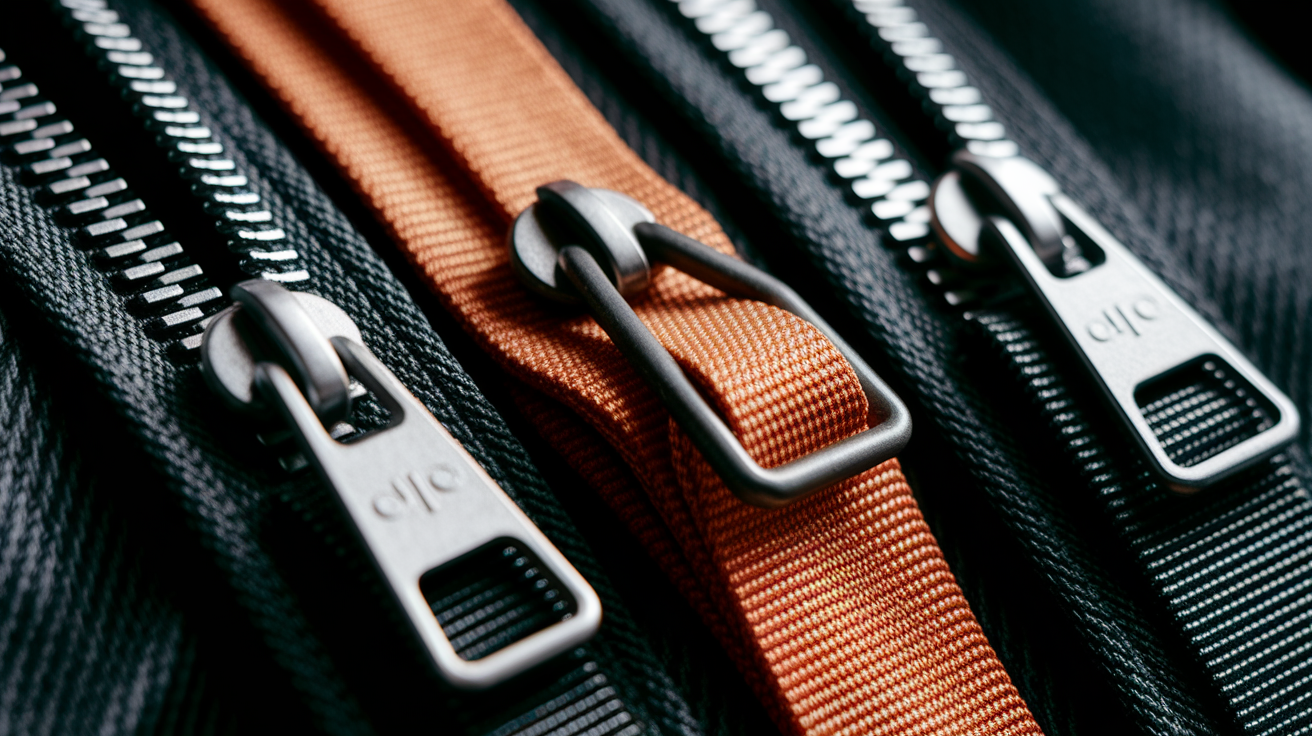
Zippers running along three or four edges of the pad create the tightest seal and prevent any sliding during turbulence or quick stops. The zipper track adds a small ridge inside the carrier that anxious pets sometimes paw at or chew. But the padding stays locked in place even when a 20 pound dog circles five times before settling. Metal zippers last longer than plastic coil zippers and resist jamming when fur or fabric gets caught in the teeth. Some carriers use self locking zipper pulls that won’t slide open unless you pinch the tab. Helpful feature if your pet noses around the edges trying to escape.
Velcro strips along the perimeter or at each corner offer faster removal. You can peel the pad free in under 10 seconds for emergency cleaning. Heavy duty hook and loop tape holds firm for the first dozen wash cycles, then begins to lose grip as lint and pet hair clog the hooks. Cheaper Velcro systems fail after 15–20 washes, leaving the pad free to bunch up under your pet’s paws.
Plastic or metal snaps sit flush with the fabric and create no interior ridges, but you need both hands free and decent lighting to align male and female halves. Snap in systems work best for calm pets and short trips where you won’t need to remove the padding mid journey.
Non slip rubberized bases or silicone dots on the underside of the pad add a secondary layer of security regardless of fastening type. Gripping the carrier floor even if a zipper partially opens or Velcro loosens.
Price and Value Guide for Carriers With Removable Padding

Budget carriers in the $20–$50 range use thin polyester fleece or basic fiberfill pads (0.5–1 inch thick) attached with Velcro or simple snaps. The Petsfit 2 Side Expandable and Sherpa Original Deluxe sit in this tier, offering machine washable covers and enough durability for occasional vet trips or short car rides. Zippers and stitching quality vary. Some budget models develop loose threads or stuck zippers after a few months of weekly use. Replacement pads for budget carriers cost $10–$20 and are widely available on Amazon or directly from manufacturers. Pad quality matches the low price. Expect faster compression and shorter lifespan than mid range options.
Mid range carriers ($50–$120) step up to thicker memory foam or orthopedic inserts (1–2 inches), reinforced metal zippers, and water resistant bases. The Wild One Travel Carrier and Mr. Peanut’s Gold Series models include machine washable cushions that double as standalone pet beds, adding versatility beyond simple transport. Fabric quality improves to 600 denier polyester or ballistic nylon, and stitching around stress points gets double reinforcement. These carriers often come with 1 year warranties covering defects in zippers, seams, and padding attachment hardware. Replacement pads in this tier run $25–$40 and use higher density foam that retains loft longer.
Premium carriers ($120–$300+) like the SturdiBag Pro 3.0, Sleepypod Air, and Away Pet Carrier offer crash tested frames, thicker orthopedic or memory foam pads (up to 3 inches), and machine washable outer shells in addition to removable bedding. Warranties extend to 2 years, and some brands offer crash replacement programs that provide a new carrier free if yours is damaged in an accident. Replacement padding for premium models costs $40–$60 but includes features like moisture wicking fleece, antimicrobial treatments, or reversible warm/cool gel layers. The higher upfront cost pays off if you travel multiple times per month or own senior pets that need maximum joint support.
What drives the price up for carriers with removable padding:
Material quality. 600–900 denier polyester, ballistic nylon, and reinforced stitching raise costs by $30–$80 over basic fabrics.
Padding type and thickness. Memory foam and orthopedic inserts add $20–$60 to the base price compared to thin fleece.
Airline compliance features. Compressible frames, under seat sizing, and ventilation meeting IATA 16% surface area minimums increase manufacturing complexity and price.
Brand reputation and warranty. Established brands with crash test certifications, multi year warranties, and responsive customer service charge 20–40% more than no name imports.
Customer Review Insights on Removable Padding Comfort and Durability

Verified buyers consistently praise carriers where the pad unzips or unsnaps in under 30 seconds and the cover survives repeated machine washing without shrinking. The SturdiBag Pro 3.0 and Wild One Travel Carrier earn high marks for thick, plush bedding that pets settle onto immediately and fabric that maintains shape after a dozen wash cycles. Owners of anxious cats report that soft fleece toppers reduce yowling and scratching during car rides. The familiar texture calms stress faster than bare plastic or thin nylon floors. Odor control shows up frequently in positive reviews. Removable pads treated with antimicrobial coatings or washed weekly prevent the sour smell that builds up in spot clean only carriers.
Common complaints focus on flimsy zippers that jam or break after a few months, especially in budget models under $40. Moisture absorption ranks as the second biggest frustration. Buyers note that foam inserts in carriers like the Sherpa Original Deluxe soak up urine or drool and take more than 12 hours to dry, leaving the carrier unusable for next day travel.
Inaccurate “airline approved” labeling appears in dozens of one and two star reviews. Customers discover at the gate that their carrier with padding installed exceeds under seat dimensions by an inch or two, forcing them to check the pet as cargo or miss the flight. Durability issues surface with cheaper Velcro systems that lose grip after 10–15 washes, letting pads slide and bunch during turbulence or hard braking.
Five customer review trends across removable padding carriers:
Easy removal. Top rated pads detach in under 30 seconds via full perimeter zippers or reinforced Velcro, allowing quick cleanup after accidents.
Soft, thick fleece. Plush toppers 1 inch or thicker receive praise for immediate pet comfort and reduced anxiety during stressful trips.
Long drying times. Foam inserts requiring 10+ hours to air dry frustrate frequent travelers who need same day turnaround.
Weak fasteners. Budget Velcro strips and plastic snaps fail within 6 months of weekly use, causing pads to shift and fold under active pets.
Misleading size claims. Carriers marketed as airline compliant often exceed actual under seat limits once thick padding is installed, leading to gate surprises.
Choosing Padding for Anxious Pets or Senior Pets
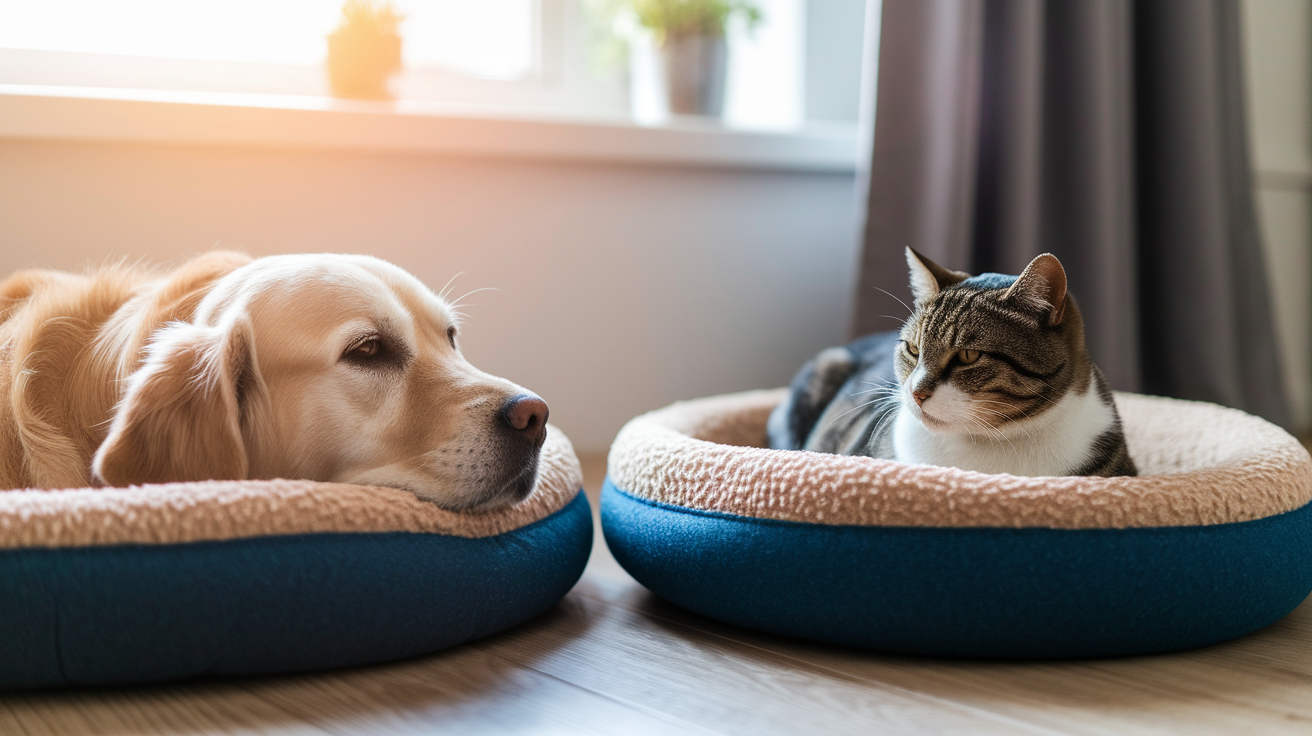
Anxious cats and dogs respond best to plush, high pile fleece or faux sheepskin liners that mimic the soft texture of a mother’s fur. The tactile comfort encourages burrowing and nesting behavior, which distracts from travel stress and reduces pacing or yowling. Look for removable pads at least 1 inch thick with a top layer you can sink your fingers into. Thin polyester shells feel slick and offer no sensory reassurance. Some anxious pets also benefit from reversible pads with a warm fleece side for winter travel and a cool, breathable mesh side for summer. The familiar smell and texture stay consistent even as temperature changes.
Senior pets with arthritis, hip dysplasia, or joint pain need orthopedic or memory foam inserts 1.5–3 inches thick to cushion pressure points during long trips. Thicker foam distributes weight across hips and shoulders, reducing the sharp ache older animals feel on hard surfaces. Memory foam molds to body shape but traps heat, so pair it with a moisture wicking fleece cover or choose orthopedic foam with built in ventilation channels. For pets over 10 years old or those recovering from surgery, prioritize padding thickness over quick dry convenience. The extra drying time is worth the pain relief a proper cushion provides.
Padding recommendations for special needs pets:
High pile fleece or faux sheepskin. Soft, textured surface calms anxious pets by mimicking comforting natural fibers.
Orthopedic foam 2–3 inches thick. Firm, supportive base reduces joint pain in senior pets or those with mobility issues.
Reversible warm/cool liners. Dual sided pads let you flip between insulating fleece and breathable mesh depending on season and pet preference.
Moisture wicking synthetic fleece. Pulls sweat and drool away from skin faster than cotton, preventing hot spots and rashes on long trips.
Final Words
You have quick carrier picks with price ranges, the must-have features, and cleaning and fit guides so you can decide fast.
We also compared padding materials, travel needs, fastening options, and value, plus tips for anxious or senior pets.
Use these points to choose a pet carrier with removable padding that fits your pet and routine. It keeps things cleaner, comfier, and easier to care for long term. You’re ready to shop with confidence.
FAQ
Q: What is the most comfortable way to carry a dog?
A: The most comfortable way to carry a dog is using a supportive, well-fitting carrier or harness that spreads weight across shoulders or hips, includes padding and ventilation, and lets the dog sit comfortably and breathe.
Q: Can I bring my 50 lb dog on a plane?
A: You usually cannot bring a 50 lb dog in-cabin; most airlines limit under-seat pets to about 8–22 lb. Contact your airline about checked or cargo transport, and consider direct flights and crate requirements.
Q: What can I use instead of a pet carrier?
A: Instead of a pet carrier, you can use a secure harness with car seat attachment, a backpack or sling carrier, a soft-sided travel crate, or a pet stroller—choose by pet size, safety needs, and travel mode.
Q: What is a TSA approved pet carrier?
A: A TSA approved pet carrier is not a formal label; TSA allows soft-sided carriers that fit under the aircraft seat, are ventilated, secure, and leak-resistant—always verify your airline’s exact size and weight limits first.