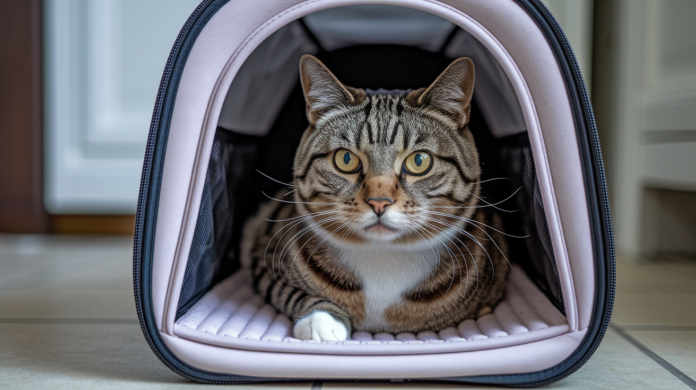

Most carriers make senior cats’ joints worse.
If your cat has arthritis or stiff hips, a standard carrier can add pain and stress for both of you.
This post gives quick, practical picks for carriers that ease mobility: low-entry steps, wide front or top openings, thick padded beds, and rigid bases that don’t flex.
You’ll find soft, hard, top-loading, airline, and budget options, plus clear tips to pick the one that fits your cat’s size, weight, and vet needs.
Best Pet Carrier Options for Senior Cats (Category-Based Picks)
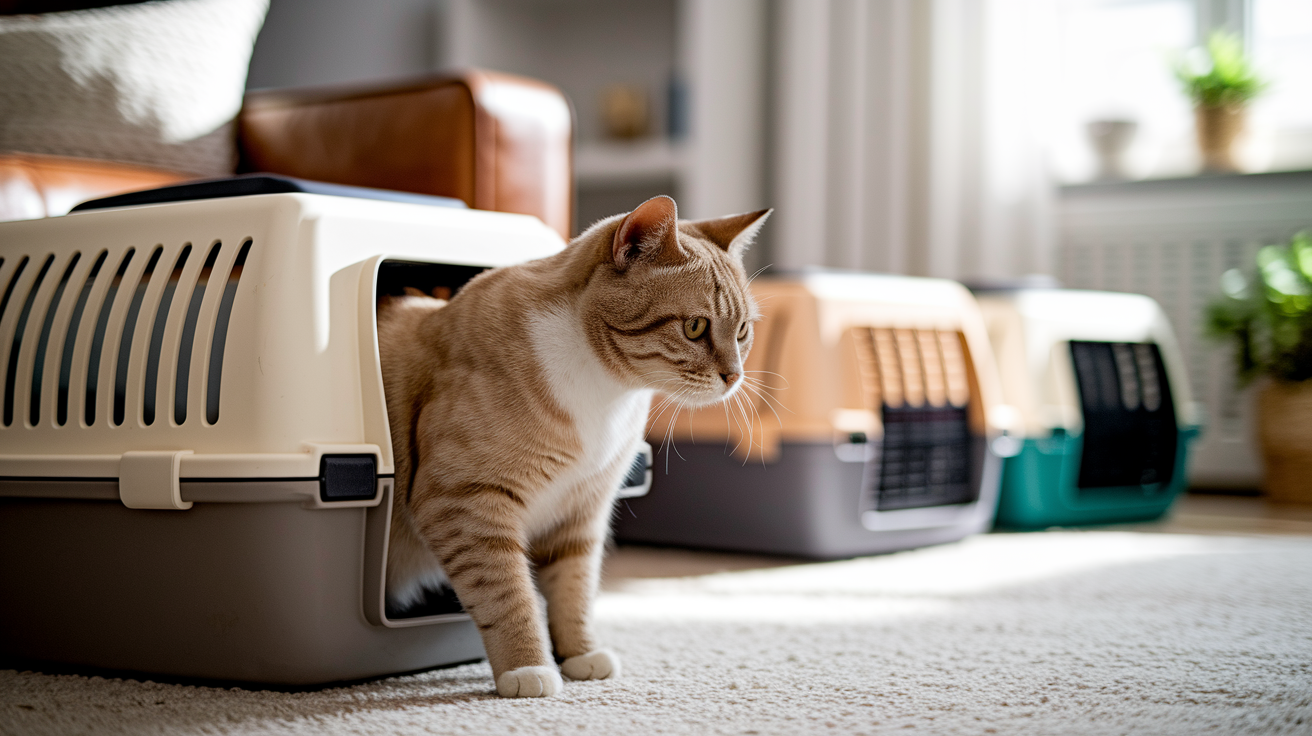
Senior cats often deal with arthritis, joint stiffness, and reduced mobility that turn standard carriers into uncomfortable traps. The best carriers for aging cats share a few must-haves: low entry points, wide openings, padded interiors, and stable bases that won’t tip or flex. Soft-sided carriers usually run $25 to $120, hard-shell kennels $70 to $180, and premium padded models $160 to $220. Your choice depends on your cat’s weight, temperament, mobility, and how often you’re on the road.
Soft-Sided Low-Entry Carrier for Seniors
A soft-sided carrier with a low threshold (2 to 4 inches) and a wide front opening lets arthritic cats step in without lifting their hind legs or straining sore joints. These usually include removable padding up to 1 inch thick and fold flat when you’re not using them. They’re solid for short vet trips and quick errands when your cat can walk in without help. Look for double-stitched seams and reinforced zippers, especially if your cat’s over 12 pounds or likes to push on fabric panels.
Hard-Sided Carrier With Wide Front Opening
Hard plastic carriers with a full-width door give you a stable, enclosed space that won’t collapse or shift during car rides. The wide front opening lets you place your senior cat inside without bending the carrier or forcing your cat through a narrow gap. These work great for cats that need more support during travel, including those recovering from surgery or managing hip dysplasia. The rigid base prevents tipping, and most models include built-in handles and airline-compliant ventilation slots.
Top-Loading Carrier for Stress-Free Vet Visits
Top-loading carriers let you lift your cat straight down from above. This cuts out the need to push or coax your cat through a front door. The design works well for cats with limited mobility or anxiety around tight spaces. The top opening should measure at least 10 inches wide by 8 inches deep for easy placement. Many vets prefer top-loading carriers because they can do quick exams without fully removing the cat or taking apart the carrier.
Airline-Approved Carrier for Senior Cats
Airline-approved soft carriers usually measure around 18 inches long by 11 inches wide by 10 inches high to fit under most economy seats. These include reinforced sides, mesh ventilation panels covering at least 30 percent of the surface, and internal tethers to secure your cat during takeoff and landing. Padding thickness varies, but seniors do best with carriers that include at least ½ inch of memory foam or high-density cushioning. Always confirm your specific airline’s under-seat dimensions before you buy.
Best Budget Carrier for Occasional Use
Budget carriers in the $25 to $60 range can work for infrequent vet visits or short car trips, but they often come with thinner padding (under ½ inch), lighter-duty zippers, and less ventilation mesh. If you go budget, add your own washable fleece liner or folded towel to improve comfort. Check zippers and seams before each use, since cheaper carriers can show wear after just a few trips. Budget carriers are fine for seniors that travel once or twice a year, but frequent travelers benefit from midrange or premium models with thicker padding and stronger construction.
Top Features That Make the Best Pet Carrier Comfortable for Senior Cats
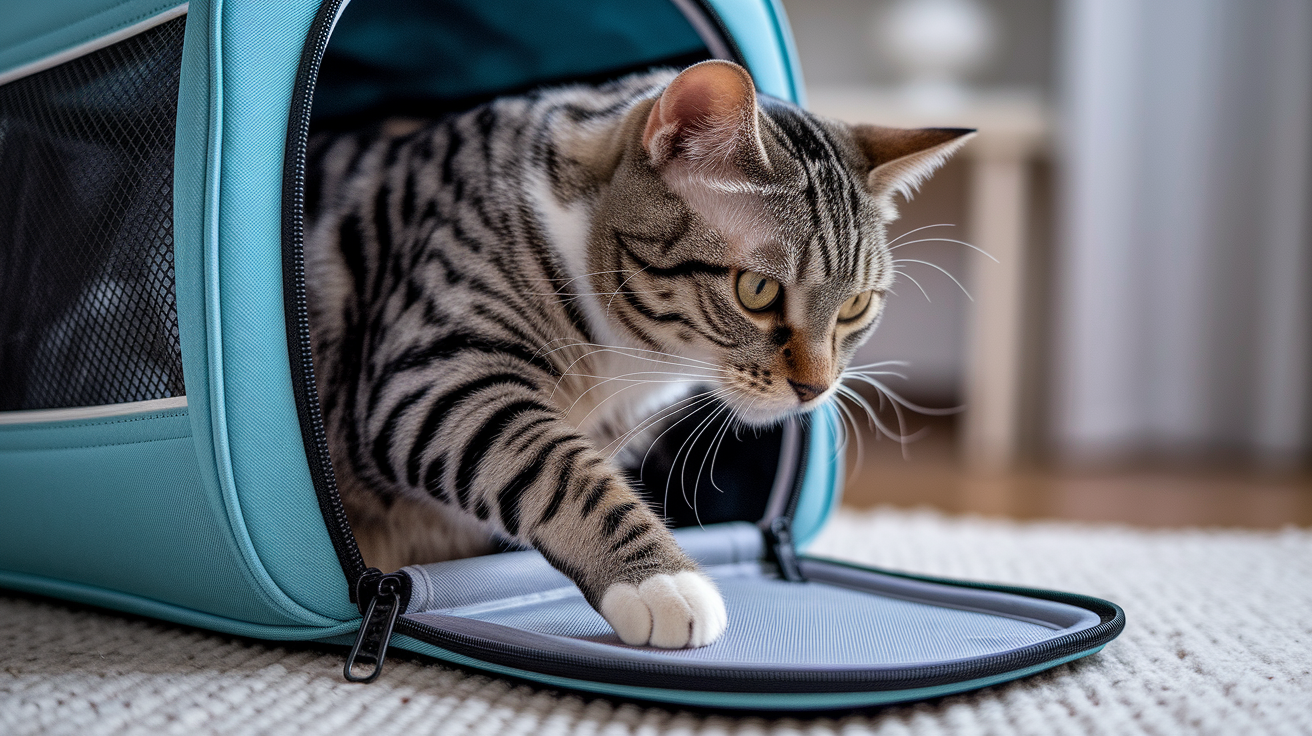
Senior cats often develop arthritis, hip dysplasia, or general joint stiffness as early as age 7. These conditions make jumping, climbing, or stepping up into a standard carrier painful or impossible. Soft-sided carriers with low entry thresholds and wide front openings tend to work best for everyday use. Hard-sided carriers with full-width doors provide better stability and crash protection during car travel. Both types can support senior cats well if they include the right mix of access, padding, and ventilation.
Access design is the most important factor for cats with limited mobility. A low-entry threshold of 4 inches or less lets your cat walk in without lifting sore hind legs. Top-loading carriers reduce the need to push or pull your cat through a narrow opening, which can cause anxiety and discomfort. Wide front zippers that open along three sides create a ramp-like entrance, making it easier to place your cat inside without bending or twisting the carrier.
Comfort and safety depend on good padding, strong ventilation, and washable materials. Memory foam or high-density foam pads between ½ and 1.25 inches thick cushion arthritic joints and reduce pressure on bony hips and shoulders. Mesh panels covering at least 30 percent of the carrier’s surface improve airflow and visibility, which can help anxious seniors stay calm. Removable, machine-washable liners simplify cleanup after accidents or drooling, which become more common as cats age.
- Low-entry threshold of 4 to 6 inches or less to reduce joint strain
- Top-loading or wide-front access for easy, low-stress placement
- Padding thickness of at least ½ inch, ideally memory foam
- Mesh ventilation on three or more sides for airflow and visibility
- Stable, non-slip base with rubberized feet or a rigid insert
Carrier Types That Work Best for Senior Cats With Mobility or Arthritis Concerns

Slings, totes, backpacks, and traditional enclosed carriers each serve different senior cat needs. Sling carriers drape over your shoulder and hold your cat against your body, which can comfort anxious seniors but offers little protection during car travel. Tote-style carriers resemble purses with mesh windows and work well for calm cats on short errands, though they usually lack the padding and structure that arthritic cats need. Backpack carriers distribute weight evenly across your shoulders and free both hands, but the upright positioning can stress cats with joint pain. Traditional soft or hard carriers with low thresholds and wide openings remain the most versatile choice for seniors. They provide stable bases, ample padding, and secure closures during both car rides and vet visits.
Full-enclosure carriers with zippered doors and mesh ventilation panels work best for cats that jump, chase, or startle easily. They prevent escape and limit exposure to external stressors. Partial-enclosure carriers with open tops or roll-down covers suit calm, well-socialized seniors that enjoy seeing their surroundings but still need a tether to prevent sudden exits. Waterproof or water-resistant liners are especially helpful for older cats with incontinence or drooling issues, since they protect the carrier’s structure and simplify cleanup.
- Soft-sided low-entry carrier: easy step-in access for cats with arthritis or hip pain
- Hard-sided wide-door carrier: stable base and crash protection for car travel
- Top-loading soft carrier: stress-free placement for anxious or immobile seniors
- Sling carrier: close contact for short errands, but limited joint support
- Backpack carrier: hands-free transport, better for younger or lighter seniors
- Convertible car-seat carrier: doubles as a secured car seat with added stability
How to Choose the Right Carrier Size and Fit for an Older Cat
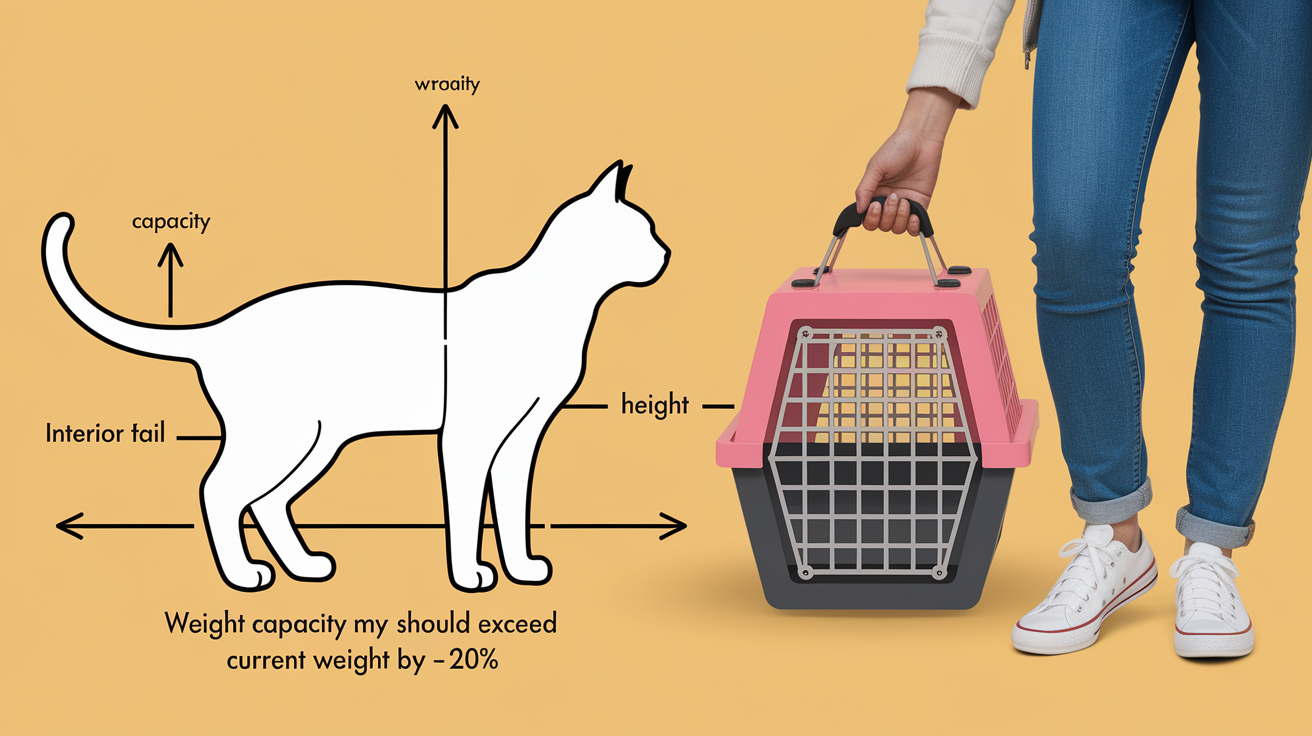
Measure your cat’s body length from the tip of the nose to the base of the tail, then add 4 to 6 inches to determine the minimum interior length. For example, a cat measuring 15 inches from nose to tail base needs a carrier with an internal length of at least 19 inches. Measure your cat’s shoulder height while standing, then select a carrier with an interior height at least 1.25 times that measurement. This allows your cat to sit upright without hunching. Weight capacity should exceed your cat’s current weight by at least 20 percent to account for the added weight of bedding, harness, and any movement during travel.
Small carriers (interior dimensions around 15 inches long by 10 inches wide by 10 inches high) suit cats up to 10 to 12 pounds. Medium carriers (18 inches long by 12 inches wide by 12 inches high) work for cats between 12 and 18 pounds. Large carriers (23 inches or longer) are necessary for cats over 18 pounds or for seniors that need extra room to shift positions during longer trips. If your cat falls between two sizes, choose the larger option to avoid cramping, especially if your cat has arthritis or joint stiffness that limits flexibility.
- Measure nose-to-tail-base length and add 4 to 6 inches for interior length
- Measure shoulder height while standing and multiply by 1.25 for interior height
- Confirm weight capacity exceeds your cat’s weight by at least 20 percent
- Choose one size up if your cat needs extra room to turn or stretch
Safety and Stability Features Senior Cat Carriers Should Include
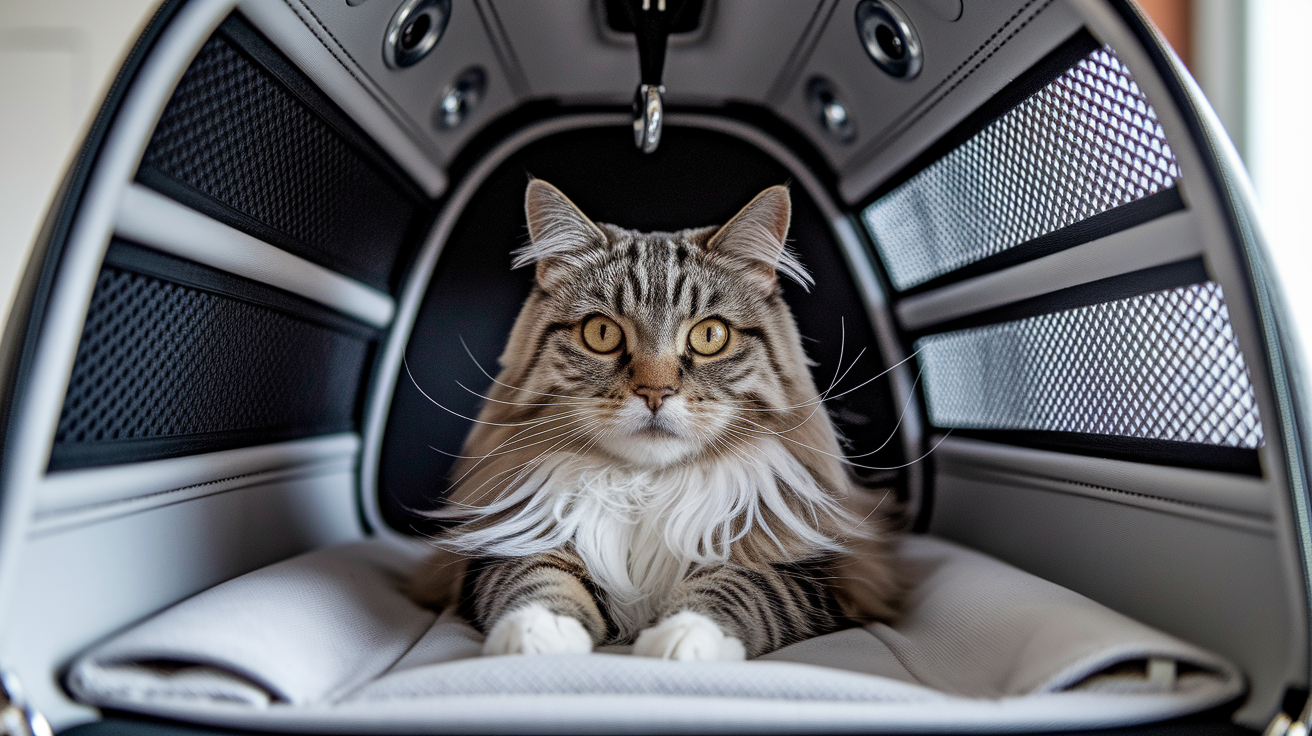
Secure double latches prevent accidental door openings during car rides or handling. Reinforced seams and double-stitched edges reduce the risk of tearing, especially at stress points near zippers and handles. Internal tether loops let you attach a harness, which keeps your cat from pushing through an open door during vet exams or transfers. Non-slip interiors, including rubberized mats or textured fabric liners, prevent your cat from sliding during sudden stops or turns.
Hard-sided carriers offer better crash protection and don’t collapse under pressure, making them the safer choice for longer car trips or multi-cat households where carriers might be stacked. Soft-sided carriers provide better comfort and easier storage but require stabilization during car travel. Place a rigid board or firm cushion beneath soft carriers to prevent flexing, and secure the carrier with a seatbelt threaded through reinforced handles or straps. Some premium soft carriers include built-in seatbelt slots or anchoring systems designed for vehicle use.
Ventilation panels should be made from tear-resistant mesh with double-stitched borders. Seniors that scratch or paw at mesh due to anxiety can damage cheaper materials, creating escape routes or ventilation failures. Look for carriers with mesh panels on at least three sides to ensure good airflow even if one panel becomes partially blocked by bedding or your cat’s body.
Acclimating a Senior Cat to a New Carrier (Step-by-Step Method)
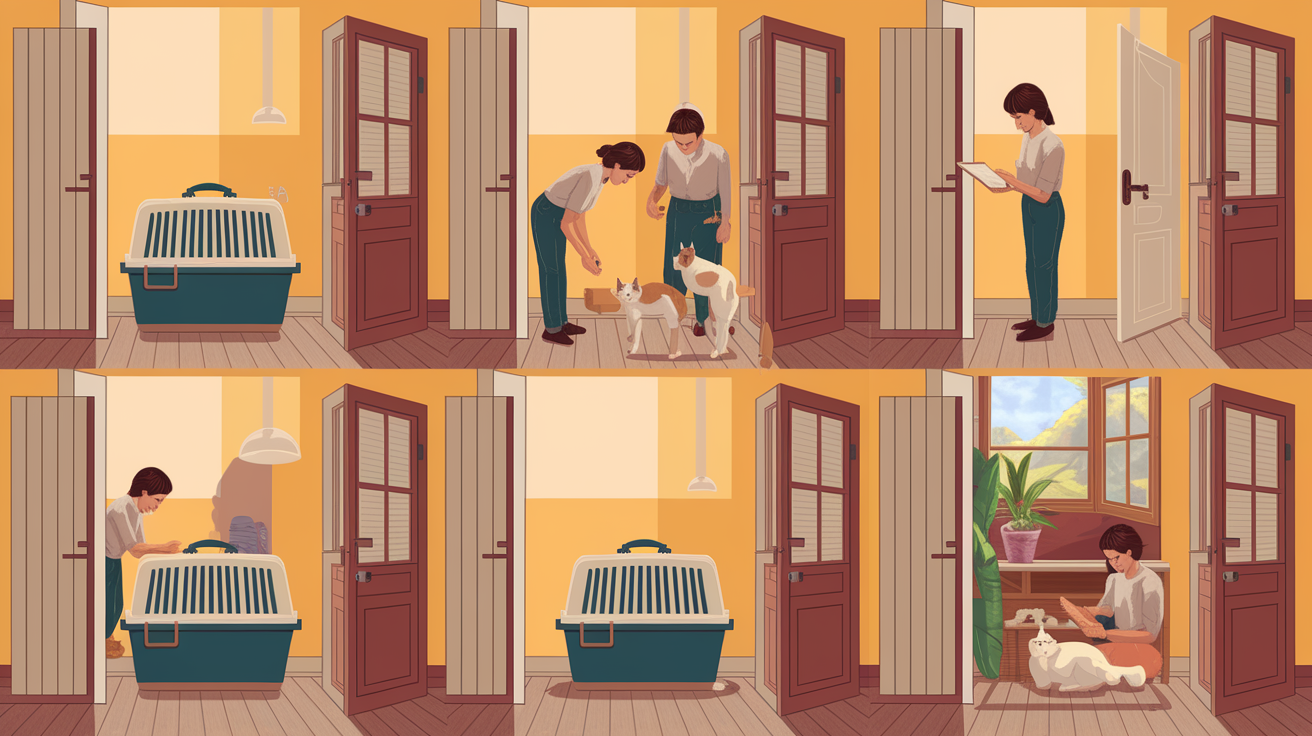
Introduce the carrier gradually over 7 to 14 days to reduce stress and build positive associations. Senior cats often resist new routines, so short, low-pressure sessions work better than long training blocks. Begin by placing the carrier in a quiet, familiar room with the door open and a piece of your cat’s bedding or a worn T-shirt inside. Let your cat explore freely without forcing interaction.
- Days 1 to 3: Place the carrier in a calm room with familiar bedding inside and leave the door open. Let your cat investigate for 5 to 10 minutes twice daily without closing the door or forcing entry.
- Days 4 to 5: Add a few high-value treats near the carrier entrance and inside the carrier. Let your cat eat the treats at their own pace, rewarding any voluntary entry with verbal praise or a gentle head scratch.
- Days 6 to 7: Close the carrier door for 30 to 60 seconds while your cat is inside eating treats, then open it immediately. Repeat 2 to 3 times per day, gradually increasing door-closed time to 2 minutes.
- Days 8 to 10: Carry the closed carrier around the house for 2 to 3 minutes, keeping movements slow and steady. Set the carrier down gently and open the door, offering a treat as your cat exits.
- Days 11 to 14: Take short car rides of 5 to 10 minutes, gradually increasing to 15 to 30 minutes. Pair each trip with a small reward immediately after arrival.
- Ongoing: Use the carrier for non-veterinary outings, such as sitting in the car while parked or visiting a friend’s home, to prevent the carrier from becoming associated only with stressful vet visits.
- Adjustment: If your cat shows signs of severe stress (panting, hiding for hours, refusing food), slow the timeline and reduce session length to 3 to 5 minutes until your cat relaxes.
Calming Tools That Help Seniors Adjust
Synthetic pheromone sprays, such as products containing feline facial pheromone analogs, can reduce anxiety when sprayed on the carrier liner 10 to 15 minutes before use. Apply the spray to washable bedding rather than directly on mesh or plastic to avoid lingering scents that may irritate sensitive cats. Place a familiar blanket or a piece of clothing with your scent inside the carrier to create a comforting environment. Keep the acclimation area quiet, away from loud appliances, barking dogs, or high-traffic zones, to help your senior cat associate the carrier with calm, predictable experiences.
Maintenance, Cleaning, and Long-Term Care for Senior Cat Carriers
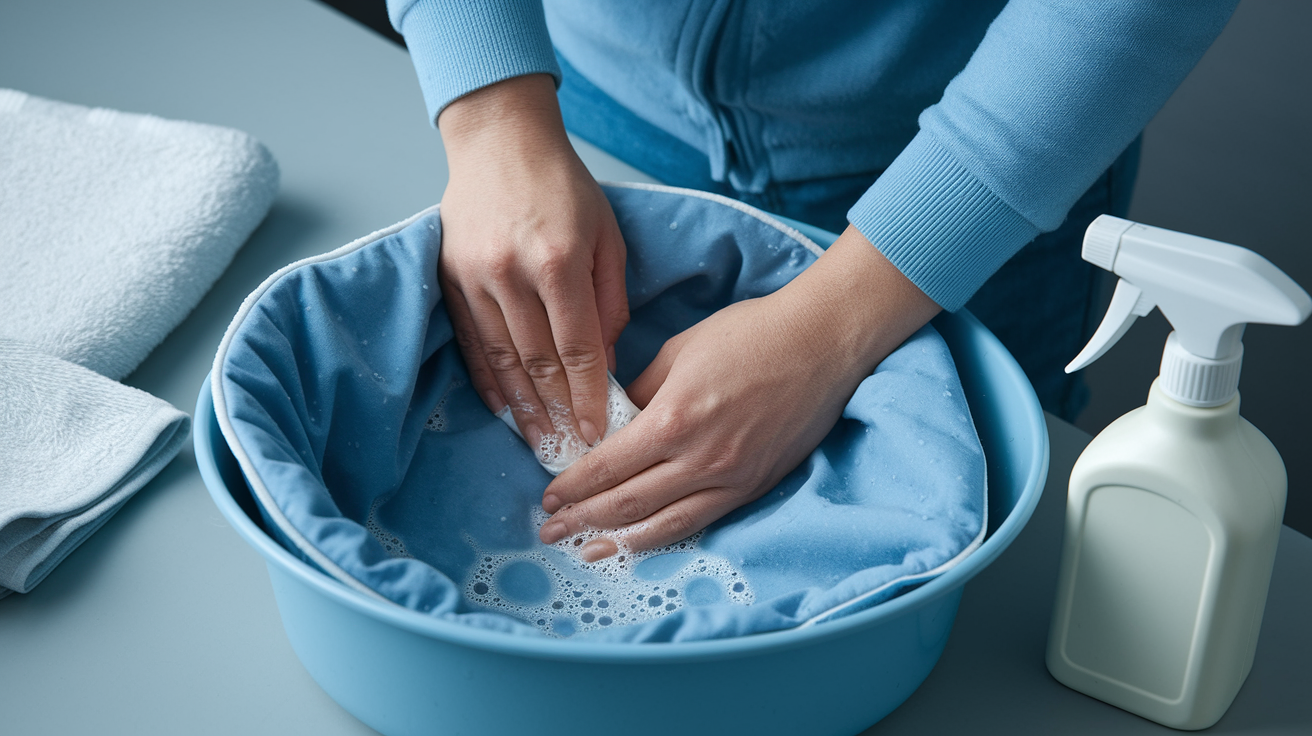
Remove and wash soft liners and padding every 2 to 4 weeks, or immediately after accidents. Machine wash removable pads on a gentle cycle at 30 to 40 degrees Celsius (86 to 104 degrees Fahrenheit) and air dry or tumble dry on low heat if the manufacturer permits. Hard plastic carrier bases can be disinfected with a diluted bleach solution (1 part bleach to 32 parts water), rinsed thoroughly, and air-dried. Skip ammonia-based cleaners, which can leave scents that mimic urine and cause your cat to avoid the carrier.
Replace padding every 6 to 12 months if it becomes flattened, stained, or develops persistent odors that washing can’t remove. Inspect zippers, seams, and mesh panels monthly for signs of wear, including fraying, loose stitching, or small tears. Replace carriers immediately if zippers fail to close completely or if mesh panels develop holes large enough for your cat’s paw or head to push through.
- Zippers and closure mechanisms for smooth operation and secure latching
- Seams and stitching for fraying, loose threads, or separation
- Padding and liners for flattening, odor retention, or visible staining
Senior Cat Travel Tips for Vet Visits, Cars, and Longer Trips
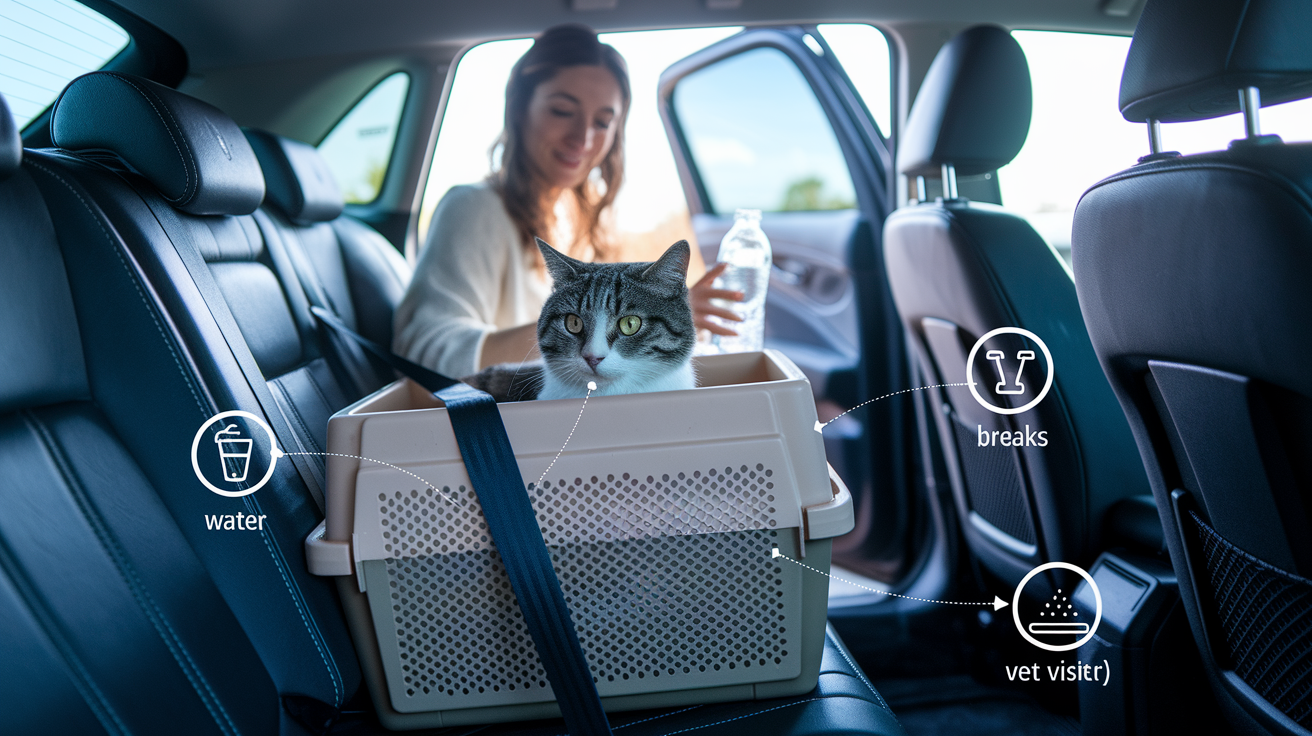
Secure the carrier with a seatbelt threaded through reinforced handles or straps to prevent the carrier from sliding or tipping during sudden stops. Soft carriers may compress under seatbelt pressure, so place a rigid board or firm cushion beneath the carrier to maintain its shape and protect your cat from being squeezed. Position the carrier on the floor behind the front seat or on the back seat with the seatbelt fastened, never in the front seat where airbags could deploy and cause injury.
Apply synthetic pheromone spray to the carrier liner 10 to 15 minutes before placing your cat inside to help reduce anxiety. Keep the carrier warm during cold weather by placing a towel that’s been warmed in the dryer (not a heating pad, which can overheat) inside the carrier for a few minutes before travel. In hot weather, make sure mesh panels stay unobstructed and don’t leave the carrier in direct sunlight or in a parked car, even with windows cracked. Run the car’s air conditioning or heater to keep interior temperature stable between 18 and 24 degrees Celsius (65 to 75 degrees Fahrenheit).
For longer trips, plan 15 to 20 minute breaks every 2 to 3 hours to check on your cat and offer water from a shallow dish or syringe if your cat is willing to drink. Bring a small litter box and a harness with a leash if your cat needs to use the bathroom during a stop. Keep the carrier covered with a lightweight blanket during rest stops to reduce visual stimulation and help your senior cat stay calm.
Comparison Table: Carrier Features Senior Cat Owners Should Evaluate
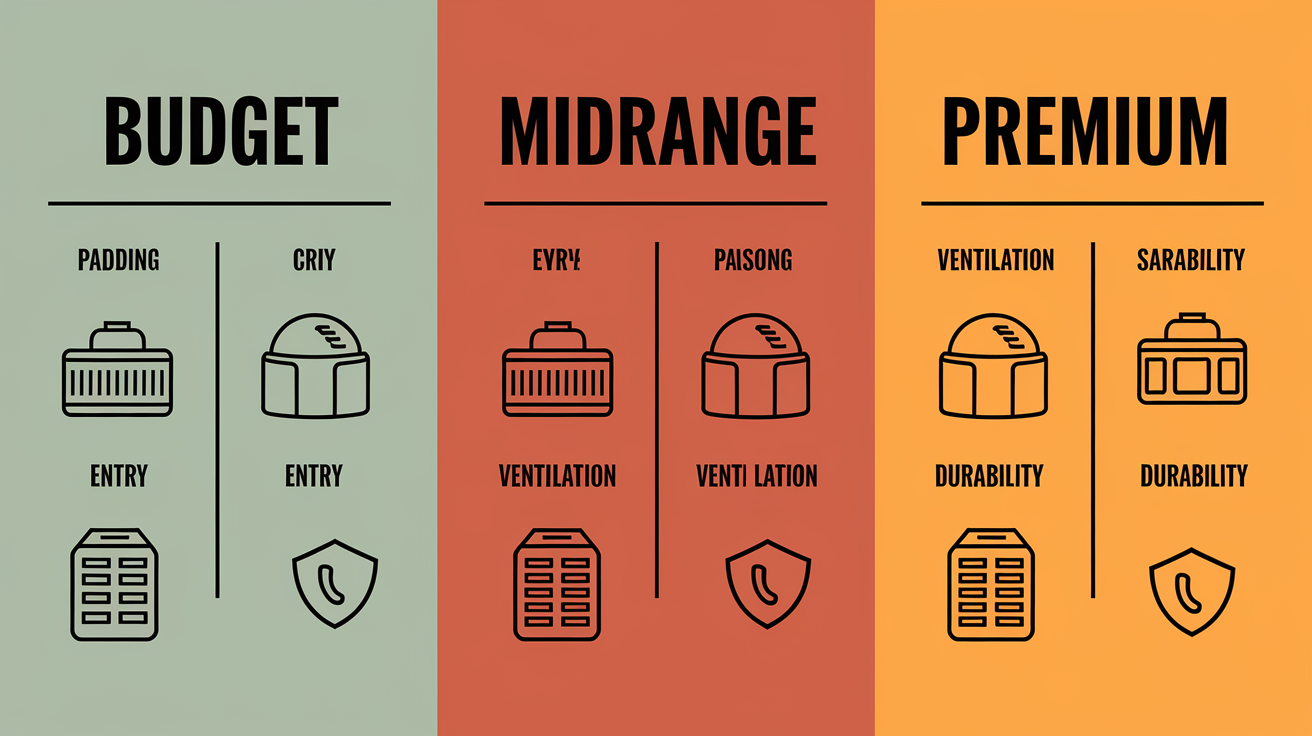
| Feature | Budget ($25–$60) | Midrange ($60–$120) | Premium ($160–$220) |
|---|---|---|---|
| Padding thickness | Under ½ inch, often thin foam or fleece only | ½ to 1 inch high-density foam or memory foam | 1 to 1.25 inches memory foam with washable cover |
| Entry access | Front zipper, sometimes narrow opening | Top-loading or wide front zipper with low threshold | Multiple access points (top, front, side) with easy lift-in design |
| Ventilation coverage | 20 to 25 percent mesh, may be single-stitched | 30 to 40 percent mesh, double-stitched borders | 40+ percent mesh, reinforced tear-resistant panels on three or more sides |
| Durability and construction | Lighter-duty zippers, thinner fabric, shorter lifespan | Reinforced seams, stronger zippers, stable base with non-slip feet | Heavy-duty zippers, crash-tested frames, rubberized base, and long-term warranty |
Budget carriers work for occasional vet visits or short errands when your senior cat travels only once or twice a year. Midrange carriers offer the best balance of comfort, access, and durability for regular use, including monthly vet appointments and seasonal trips. Premium carriers provide maximum padding, multiple access points, and better stability for frequent travelers, cats with severe mobility issues, or owners who want crash-tested safety features for long car rides.
Final Words
Pick a low-entry, well-padded carrier your senior cat can step into without strain. We covered top picks, like soft low-entry, hard wide-front, top-loading, airline-friendly, and budget options, and why each helps older cats.
Then check key features: low thresholds, thick padding, firm base, good ventilation, and secure latches. Measure your cat, confirm weight capacity, follow the 7–14 day acclimation steps, and keep the carrier clean.
With the right size and features, you’ll find the best pet carrier for senior cats that keeps them safe and calm on trips. You’ll have calmer, safer outings together.
FAQ
Q: What is the 3 3 3 rule for cats when moving?
A: The 3-3-3 rule for cats when moving means expect 3 days of hiding, 3 weeks to explore and resume routines, and up to 3 months to feel fully settled and confident in the new home.
Q: How to carry a senior cat?
A: To carry a senior cat, support their chest and hindquarters, keep the spine straight, lift from a low squat, hold them close, or use a soft sling or top-loading carrier to reduce strain.
Q: What kind of cat carrier do vets recommend?
A: Vets recommend carriers with low entry or top access, sturdy secure latches, a firm base, good ventilation, and washable padding, with hard-shell for car safety and soft-sided or top-loading for clinic comfort.
Q: How long can cats hold their pee and poop while traveling?
A: Cats can usually hold urine for about 6 to 8 hours and bowel timing varies; avoid exceeding 24 hours. Plan litter breaks or short stops every 4 to 6 hours and watch for discomfort.