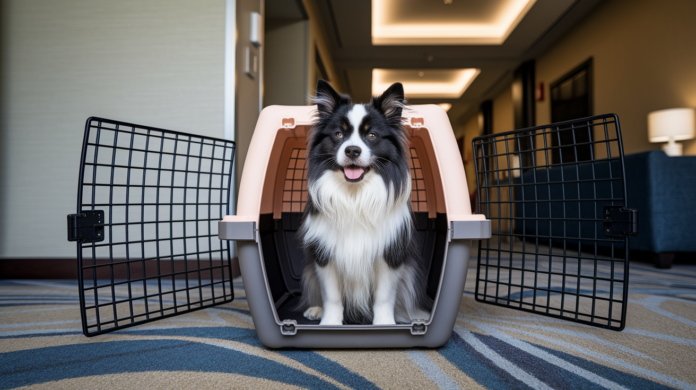

What if the carrier you shove under an airplane seat could unzip into a roomy, comfy den for your cat or small dog?
Many expandable pet carriers add 2 to 8 inches, give better airflow, and include padded floors so travel stops feeling like a squeeze.
This post shows which features really matter, how expansion works, where the air comes in, padding, safety locks, and durability, so you pick a carrier that fits your pet and the airline.
Start here for quick, practical checks you can use at the store or online.
Key Expandable Carrier Features That Matter Most
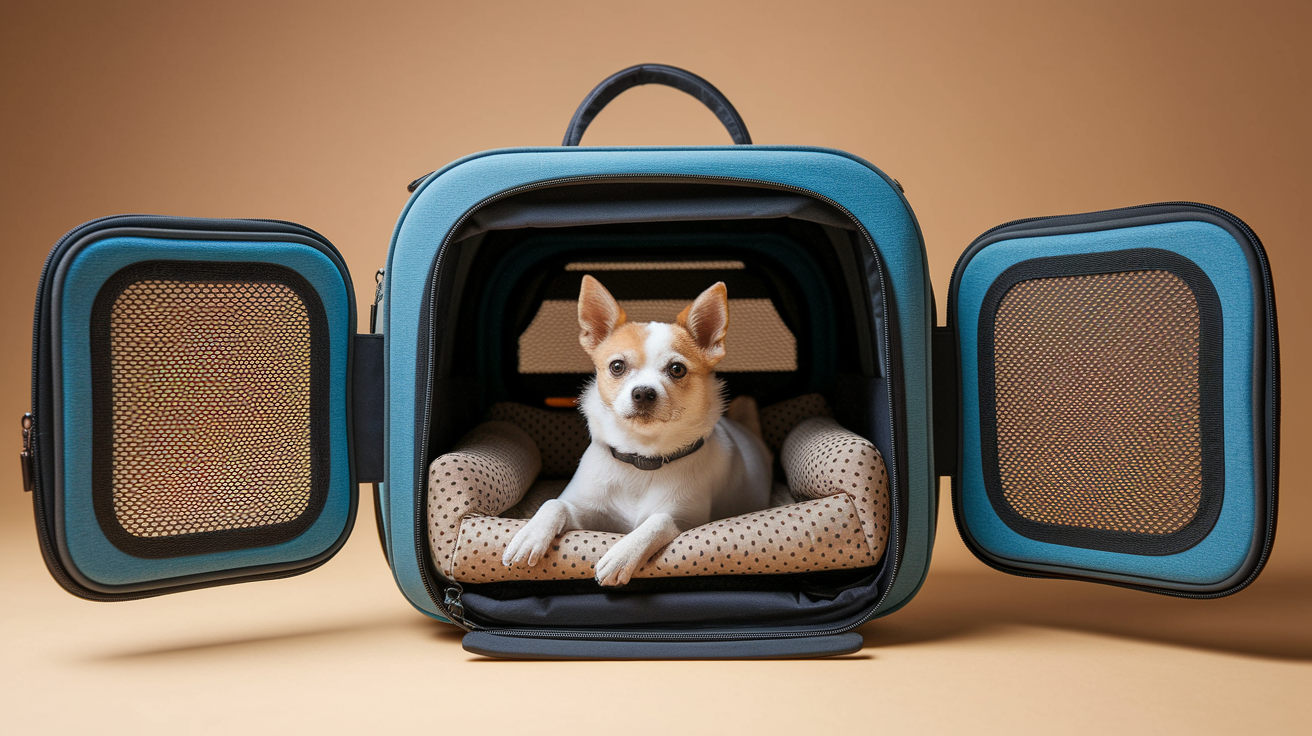
Expandable pet carriers let you grow the interior space when your pet needs room to breathe. Most models add anywhere from 2 to 8 inches through zippered panels, pop-out walls, or fold-down sides. You can squish the carrier down to slide under an airplane seat, then unzip it at the gate or in your hotel so your pet can sit up, stretch out, and actually lie down without being folded in half. A typical expansion adds about 25 to 75 percent more volume compared to the collapsed size. That extra space makes layovers and waiting around way less miserable for both of you. When you’re shopping expandable pet carrier features, focus on how the thing expands, where the air comes in, and whether the locks actually work.
Comfort starts with the pad. You’ll see everything from thin fleece that’s maybe a quarter inch thick to a real memory-foam bed a full inch deep. Ventilation usually means mesh on at least two sides, sometimes three or four. Some carriers promise 360-degree airflow once you expand them. Safety features can’t be an afterthought. Reinforced base panels stop the carrier from sagging when you pick it up mid-trip. Lockable zippers or self-locking pulls keep your pet from escaping while you’re fumbling through airport security. An interior tether clip rated for 50 to 100 pounds clips to your pet’s harness. Even if a zipper pops open, your pet stays put. Washable liners and removable floors let you clean up fast and get ready for the next flight.
Airline rules care about collapsed measurements. You need something that fits under the seat in front of you, which usually means around 18 inches long, 11 inches wide, 11 inches tall or less depending on the airline. Once you’re in the air or sitting at your gate, expand the carrier to give your cat or small dog some actual headroom. When flight attendants walk by or you need to taxi, zip it back down. That’s the whole point of an expandable design.
Understanding Expansion Mechanisms in Pet Carriers
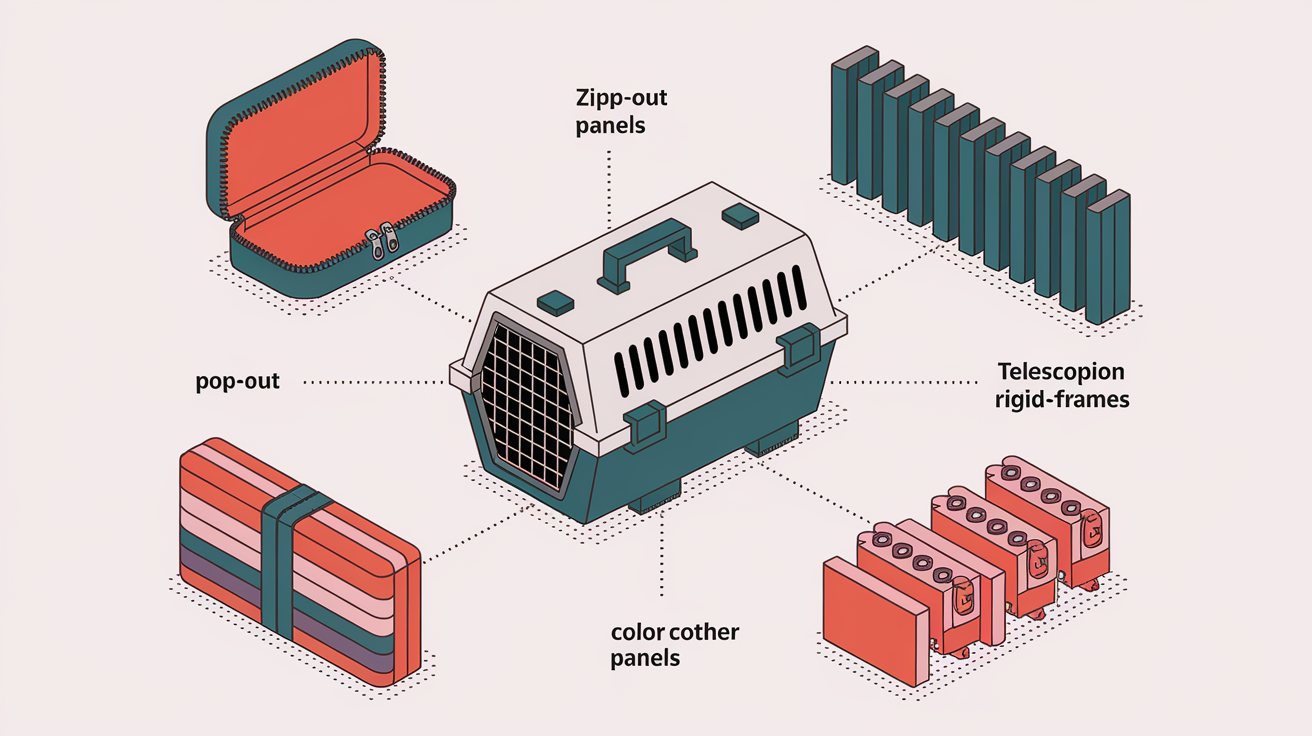
Expansion happens a few different ways. Zippered panels run along one or more edges. You unzip, and fabric that was tucked inside unfolds to create a new wall. Pop-out side extensions use accordion fabric and internal frame rods. You release a snap or buckle, push the wall out, and it locks. Pop-outs can add 3 to 10 inches depending on the model. Telescoping frames slide rigid supports out like an extension ladder, adding 2 to 6 inches in one direction. Modular systems use detachable panels or sections. A 6-in-1 convertible carrier might snap together as a crate, then break apart into a shoulder bag or backpack.
Here’s what you’re trading off:
Zippered gussets are light, simple, no extra parts to lose. Weaker at the seam and zipper compared to rigid options.
Pop-out accordion walls add serious volume, lock in place well, good for pets that need real headroom. Heavier and bulkier when collapsed, sometimes trickier to lock down tight.
Telescoping rigid frames are sturdy, predictable. Less flexible in tight spaces, and the sliding mechanism can jam if dirt or fur gets in the tracks.
Modular snap-together panels give you maximum versatility. Often the only option that turns into a playpen or bed. More setup steps, and losing pieces means losing features.
Quick-deploy systems use a single pull or buckle for instant setup. Convenient but costs more, and one-handed deployment usually means less total expansion.
Storage footprint matters if you travel a lot or live somewhere small. Soft carriers with zippered expansions usually flatten to about 2 to 4 inches thick. You can slide them under a bed or tuck them in a closet between trips. Rigid or modular designs might need partial disassembly to get that thin, and some stay bulky no matter what you do. If you need true portability and easy storage, go for collapsible mechanisms over maximum stiffness.
Collapsed vs Expanded Sizes and How to Measure
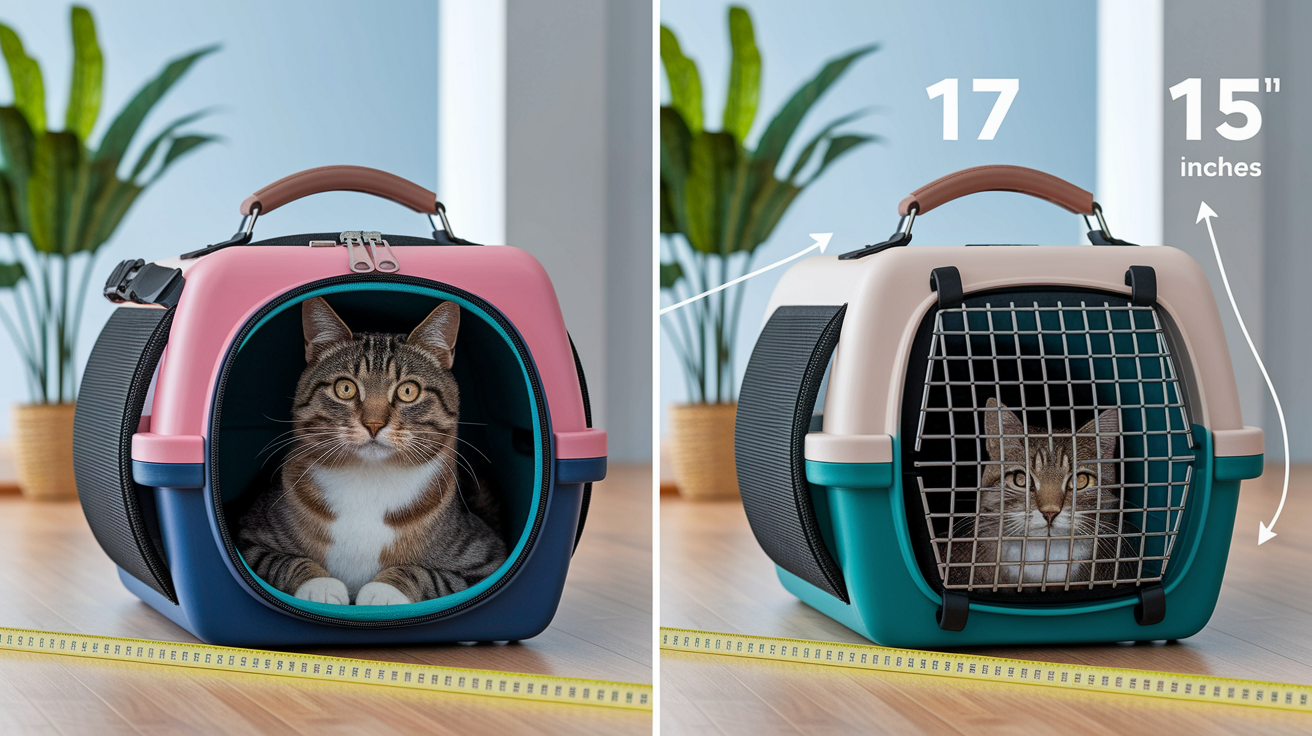
When you’re looking at weight and size charts, the first number is almost always the collapsed dimension. That’s what needs to fit under the seat or in your trunk. The expanded size tells you how much extra room your pet gets once you’re settled. A small carrier might collapse to 17 inches long, 11 inches wide, 10 inches tall, then expand to 17 by 11 by 15. That extra 5 inches lets a cat sit upright or a small dog lie down without crouching. Medium dog carriers usually start around 20 to 22 inches collapsed and expand by 6 to 8 inches in one direction. Double-check expanded dimensions with the manufacturer. Marketing photos can make expansion look bigger than it really is, especially in the TSA approved expandable pet carrier threads where people share actual measurements.
| Size Class | Collapsed Dimensions (L x W x H) | Expanded Dimensions (L x W x H) | Typical Pet Weight Range |
|---|---|---|---|
| Small | 17–18 x 11 x 10–11 in | 17–18 x 11 x 14–16 in | Up to 10–15 lb |
| Medium | 20–22 x 12–13 x 12–13 in | 20–22 x 12–13 x 18–20 in | 15–25 lb |
| Large | 24–27 x 14–16 x 14–16 in | 24–27 x 14–16 x 22–26 in | 25–50 lb |
To get the right fit, measure your pet’s length from the base of the neck to the base of the tail. Add 4 inches. That’s your minimum internal carrier length. Measure shoulder height. That should fit comfortably under the expanded height, with enough clearance for your pet to sit or lie down naturally. If you’re cutting it close on shoulder height in collapsed mode, expansion becomes critical for comfort. Don’t just rely on weight. A long, lean cat can need the same floor length as a short, stocky dog that weighs twice as much.
Ventilation and Airflow Features in Expandable Carriers
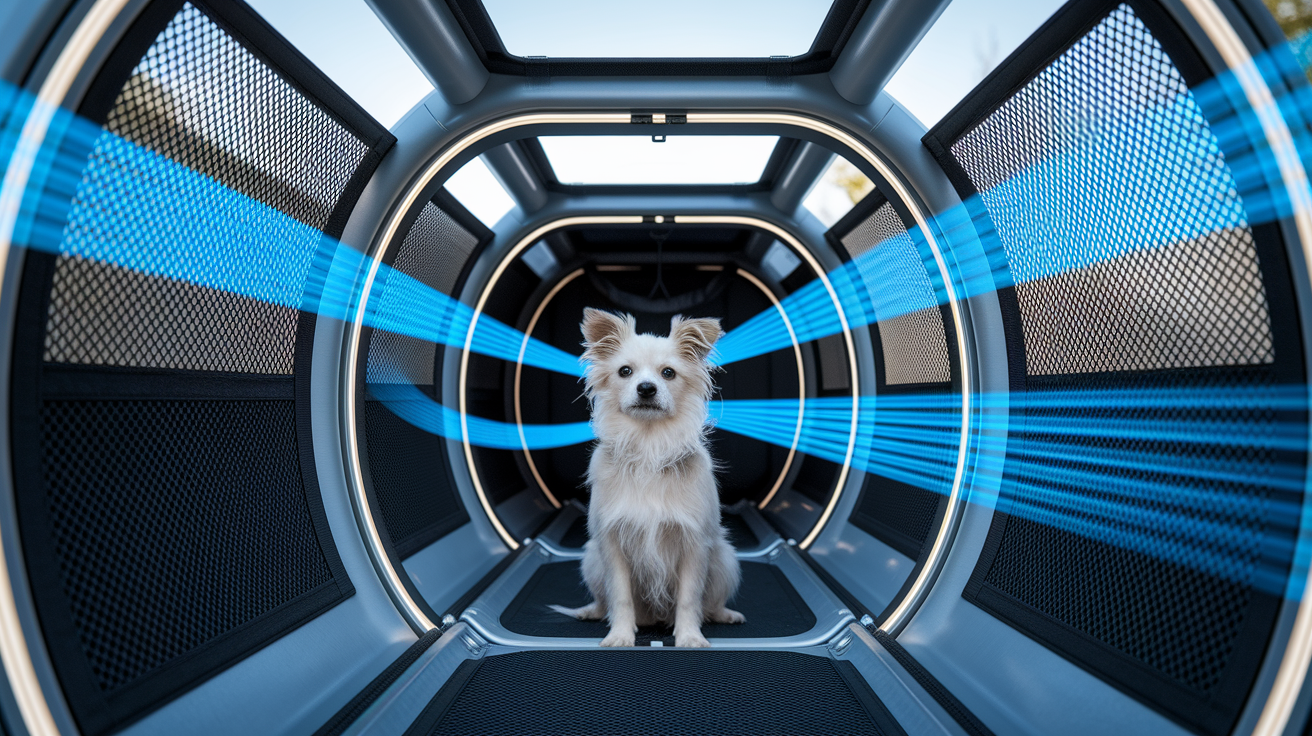
Ventilation directly affects your pet’s comfort and safety. Multi-panel airflow usually means mesh on three or four sides. When you expand the carrier, the new wall sections often include more mesh, increasing the open area by 20 to 60 percent. Some models advertise 360-degree ventilation, meaning every wall has at least a mesh window. That’s useful in warm weather, crowded terminals, or cars without strong AC. Mesh openings let your pet see out, which cuts down on isolation anxiety and lets them keep an eye on you.
Roll-up mesh windows or zippered privacy panels give you control. When your pet is nervous in a busy airport, you can roll down a fabric curtain over the mesh to block visual stimulation. When you’re in a quiet hotel room or the carrier is sitting under your seat mid-flight, you can roll the curtain back up for maximum airflow and visibility. Breathable fabric in the solid panels, like certain polyesters with micro-perforations, adds passive airflow even when mesh is covered. Still, direct mesh openings move way more air. If you’re choosing between two carriers with the same footprint, pick the one with larger mesh panels or more sides covered.
Anxious pets and heat-sensitive breeds need serious airflow. Brachycephalic breeds like Pugs or Persian cats overheat fast and pant hard in confined spaces. Maximum mesh coverage plus expansion space to let them shift position and catch a breeze can make the difference between a calm trip and a stressful one. If your pet tends to hide or shows fear when too exposed, look for carriers with adjustable mesh so you can dial back visibility without completely blocking air. A good middle ground is mesh on the top and one long side, with solid fabric on the short ends and opposite long side.
Materials and Durability in Expandable Designs
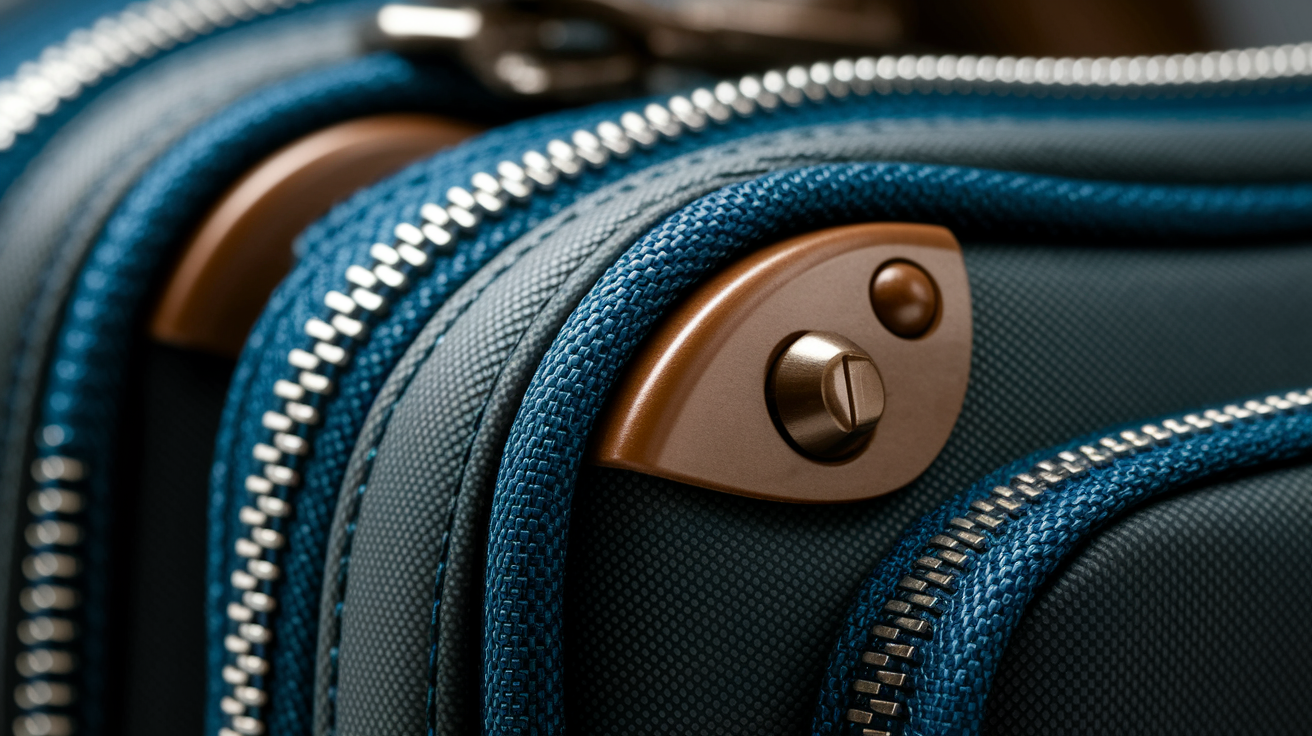
Outer fabrics usually range from 600-denier to 1200-denier polyester or oxford cloth. Denier measures thread thickness. Higher numbers mean thicker, more abrasion-resistant fabric. 600D holds up fine for occasional trips and cats. 1200D handles dogs that scratch or push against walls and resists snags from airport conveyor belts or car seatbelt buckles. Many carriers add a PVC or PU waterproof coating. This keeps accidents from soaking through and makes spot-cleaning easier. Chew-resistant materials matter if your pet gets nervous and starts gnawing seams or zippers. Heavy-duty zippers and seams resist damage better than lightweight versions.
Key reinforcement points to check before buying:
Zippers. Metal teeth last longer than molded plastic. Self-locking zipper pulls prevent the zipper from creeping open under pressure. Some carriers add a fabric flap over the zipper track so pets can’t bite the slider directly.
Seams. Double-stitched seams and bar-tacked stress points, like where the shoulder strap attaches, prevent tearing. Look for reinforced stitching at all four corners and along the base edges.
Base. Reinforced base panels made from rigid plastic or plywood inserts keep the floor flat and prevent the carrier from sagging when you lift it. Removable bases let you replace them if they crack or warp.
Corners. Corner caps or plastic guards protect the most vulnerable points. Expansion hinges and fold lines also need extra stitching or plastic edging to survive repeated collapse and deployment.
Frame construction typically uses aluminum rods or reinforced plastic supports. Aluminum frames are lighter and stiffer. They don’t rust, but they can bend permanently if you drop the carrier on a hard surface or overstuff it. Reinforced plastic supports are heavier and flex more, but they’re less likely to kink. They also cost less, so budget carriers lean toward plastic. For pop-out or accordion expansion, the frame must lock securely in both collapsed and expanded positions. Test the lock in the store or right when the carrier arrives. If it feels loose or the carrier wobbles when expanded, the frame design isn’t strong enough.
Safety and Security Features for Travel
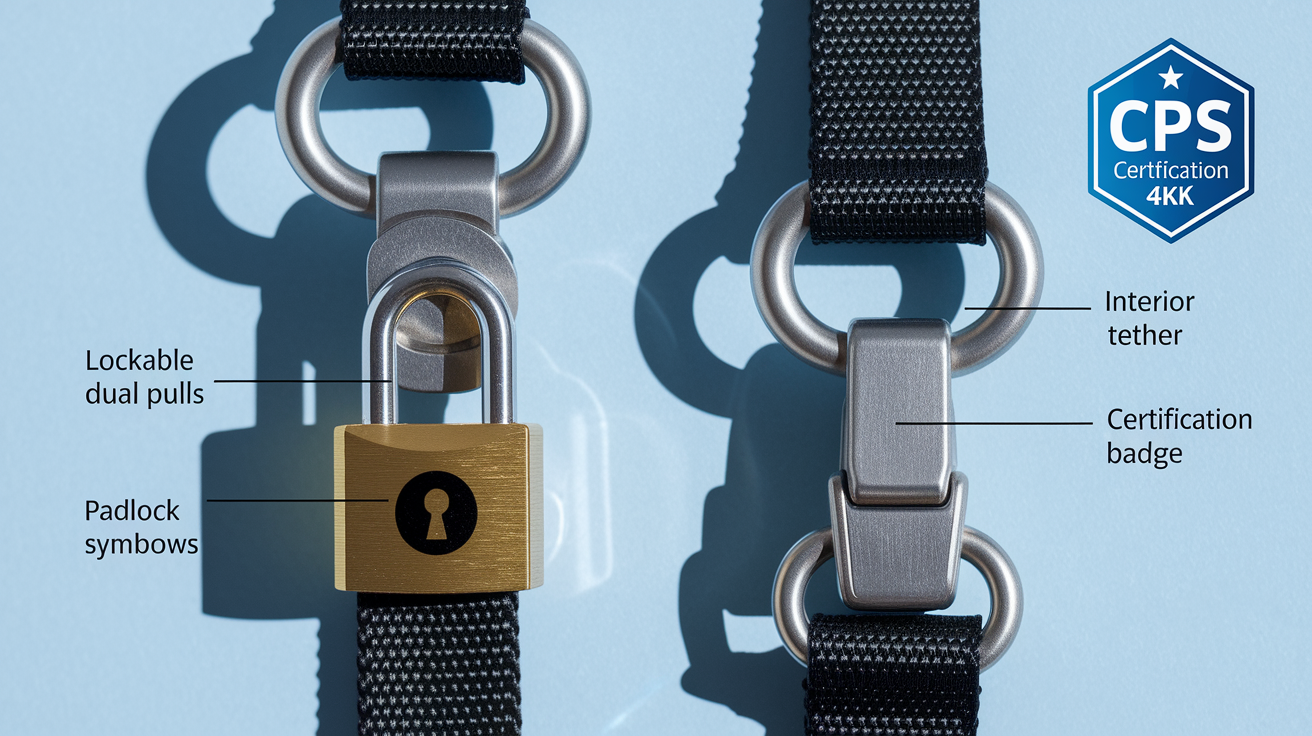
Lockable zipper options keep the main opening secure during handling. A locking zipper has two pulls that meet at a single point, and small holes in the pulls let you thread a luggage lock or carabiner through both. Self-locking zippers use a slider that won’t move unless you squeeze a release tab. This prevents your pet from nosing the zipper open from the inside. Even without a padlock, the self-lock stops accidental opening when the carrier shifts in an overhead bin or under a seat. Some carriers also include a Velcro or snap-closure flap over the zipper as backup.
Integrated safety tether clips sit inside the carrier, usually near the top or along one side. You clip your pet’s harness to the tether before you open the main zipper. If your pet bolts the moment you crack the opening at a rest stop or vet office, the tether holds them inside. Tethers are typically rated to hold 50 to 100 pounds of pull force. Escape-proof entry combines locking zippers, reinforced zipper tape, and tether clips into a system. The zipper tape is the fabric strip the zipper teeth are sewn onto. Reinforced tape resists tearing if your pet claws at it. Bar-tacked stitching at the ends prevents the slider from running off the track.
Crash-tested carriers carry certification labels from groups like the Center for Pet Safety (CPS). A CPS-tested carrier has passed dynamic crash simulations that measure how well the carrier protects a pet during a sudden stop or collision. The Sleepypod Air earned a 4 out of 5 CPS rating for pets up to 18 pounds. The Sleepypod mobile pet bed earned a 5 out of 5. Not every expandable carrier is crash-tested, because testing costs money and most soft carriers aren’t designed for car-seat use. If you plan to use the carrier in a moving vehicle, look for models with exterior seat-belt loops or latches and a CPS or similar certification. Otherwise, the carrier is fine for air travel and stationary use but shouldn’t be your primary car restraint system.
Comfort Features Inside Expandable Pet Carriers
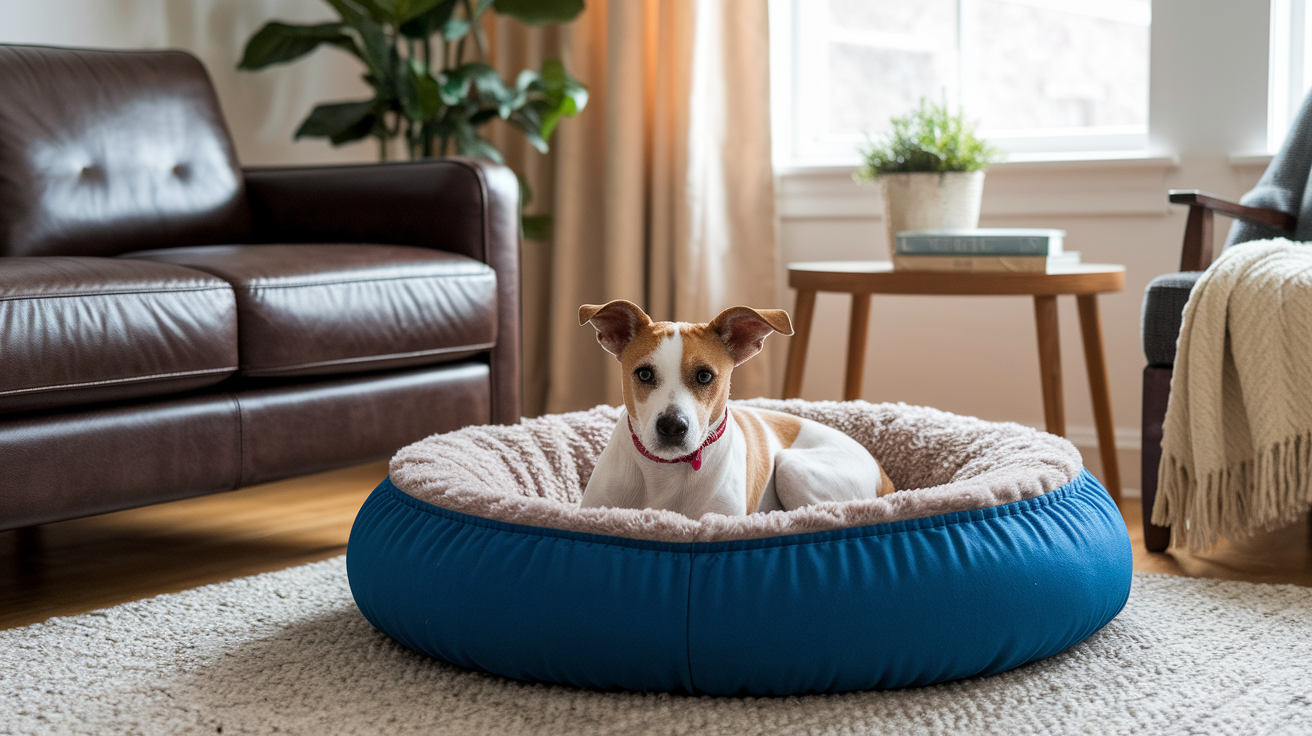
Padded mattress inserts range from thin fleece pads around a quarter inch thick to full memory-foam beds an inch thick. Washable pads usually have a removable cover you can toss in the washing machine. The core pad might be foam, polyester batting, or sherpa fleece. Thicker pads provide more cushion on hard airport floors or car seats. Memory foam conforms to your pet’s body, which helps with joint pressure on long trips. If your pet is older or has arthritis, the extra cushion makes a real difference. Raised edges or bolsters along the sides give your pet something to rest their head against, kind of like a crate or bed at home.
Key comfort add-ons to look for:
Bolsters. Padded edges that frame the sleeping area, offering head support and a sense of security.
Washable or replaceable covers. Machine-washable fabric that zips off the pad, so you can clean accidents or dirt without replacing the entire insert.
Cooling gel pads or moisture-wicking liners. Useful for summer travel or hot climates. Some pads have a gel layer that stays cooler than foam.
Non-slip base. Rubberized or textured material on the underside of the pad prevents it from sliding around when your pet moves.
Waterproof barrier. A thin plastic or coated-fabric layer between the pad and the carrier floor protects the carrier shell from leaks.
Cat-specific interior comforts often include smaller pad sizes, softer textures like faux fur, and neutral or dark colors that feel cave-like. Cats also appreciate a pad that fits snugly wall to wall, eliminating gaps where they might get wedged. Small dogs benefit from similar features, though they’re often less picky about color and more focused on padding thickness. If your carrier’s included pad is too thin, you can buy aftermarket pet bed inserts cut to size. Just make sure the extra thickness doesn’t reduce headroom in the collapsed position or block ventilation holes in the floor.
Portability and Carrying Options in Expandable Carriers
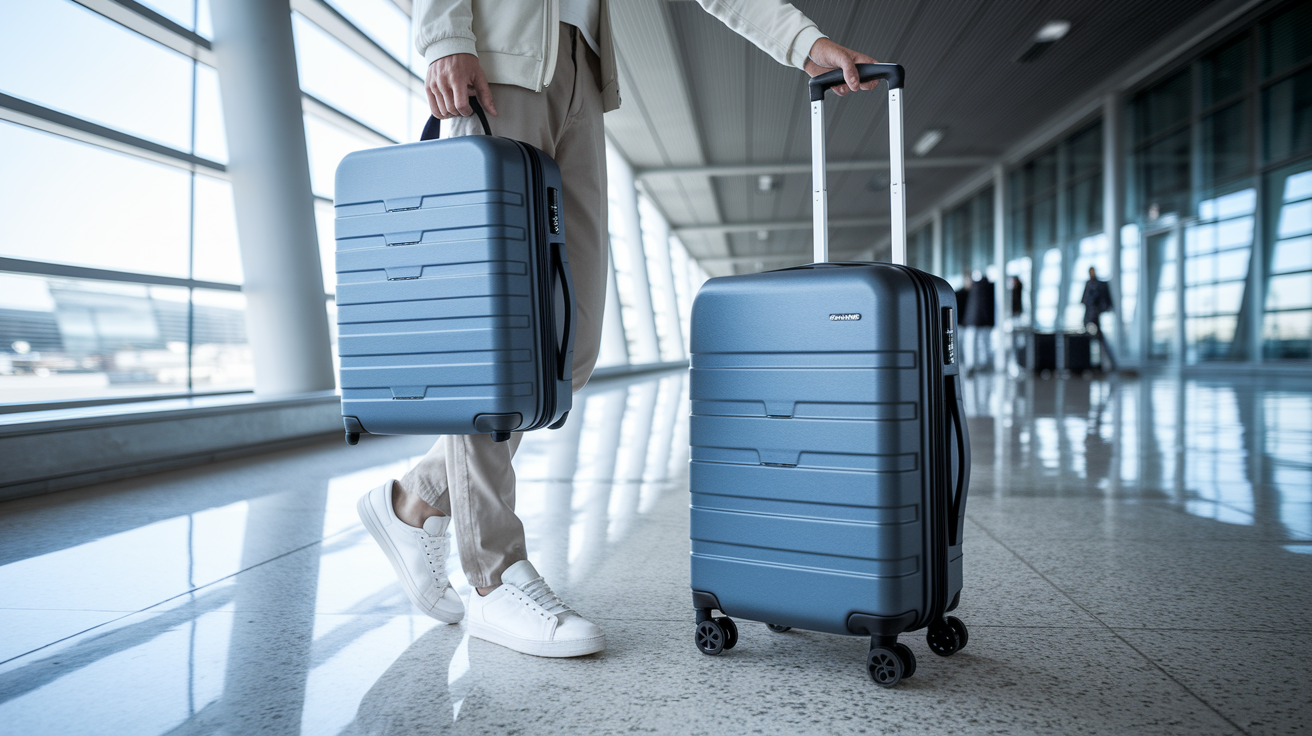
Convertible backpack design lets you wear the carrier on your back, freeing both hands for luggage, tickets, or a leash for another pet. Backpack straps are usually padded and adjustable, running from about 30 to 60 inches in length to fit different torso sizes. An ergonomic handle on top of the carrier allows quick one-handed lifting. Handles are typically reinforced webbing, 1 to 2 inches wide, with a padded grip. Convertible shoulder-to-backpack straps mean a single set of straps can clip on for shoulder carry or route through loops for backpack carry, like the system described in the convertible 6-in-1 pet carrier discussion.
Key portability perks:
Weight distribution. Backpack carry spreads the load across both shoulders and your core, reducing arm and shoulder fatigue on long walks through terminals.
Hands-free operation. You can roll a suitcase, hold a coffee, or check your phone without setting the carrier down.
Quick transitions. Detachable straps let you switch from backpack to shoulder bag or hand-carry in seconds, adapting to security lines, narrow airplane aisles, or tight car interiors.
A trolley sleeve and luggage strap slides over the extended handle of a rolling suitcase, stacking the pet carrier on top of your checked bag. This is especially helpful during connections or when you’re juggling multiple pieces of luggage. The strap is usually a wide elastic band or a fabric sleeve with a pass-through opening. You thread the suitcase handle through, then the carrier rides securely on top while you roll everything together. Some carriers also include side pockets for treats, paperwork, or a collapsible water bowl. Those pockets add convenience but also add weight and bulk when the carrier is collapsed, so decide whether the trade-off works for your travel style.
Airline Compliance for Expandable Carriers
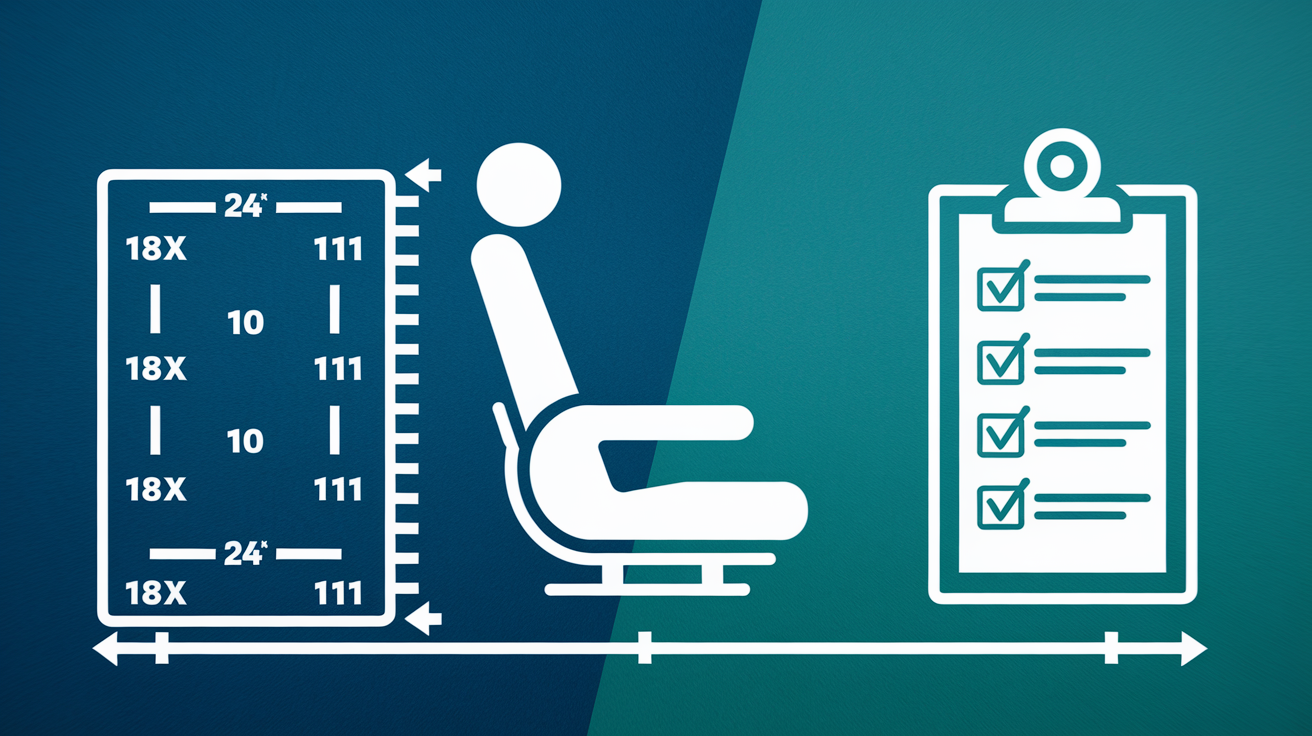
TSA doesn’t approve or certify pet carriers. The Transportation Security Administration screens passengers and belongings for security threats but doesn’t set pet carrier size rules. Airlines control those requirements. Each airline publishes under-seat dimensions and weight limits for in-cabin pet travel. Typical under-seat limits hover around 18 inches long, 11 inches wide, 11 inches tall, but you’ll find variation. Some regional carriers allow only 17 inches of length. Check the specific airline’s pet policy page before you buy a carrier or book your ticket. If your carrier measures 18.5 inches collapsed, it might not fit on certain planes even if it’s close.
Most major U.S. airlines cap combined pet-plus-carrier weight at around 20 pounds for in-cabin travel. A few allow up to 25 pounds. Weigh your pet and the empty carrier together before you leave home. If you’re over the limit, the airline may require you to check the pet as cargo, which is stressful and sometimes prohibited depending on temperature or breed. Airline-approved travel carriers marketed as “airline approved” typically mean the manufacturer designed the collapsed footprint to meet the most common under-seat dimensions, not that any official body certified the carrier.
Steps to verify carrier compliance:
Measure the collapsed carrier with a tape measure. Length, width, height, including any protruding buckles, handles, or feet.
Compare those measurements to the under-seat dimensions listed on your airline’s website under “Traveling with Pets” or “Carry-On Restrictions.”
Weigh your pet on a bathroom scale, then weigh yourself holding the empty carrier and subtract your weight to get the carrier’s weight. Add the two.
Call the airline reservations desk to confirm pet policies if the website is unclear. Policies change, and gate agents have final say on whether a carrier fits.
Bring a soft tape measure in your carry-on so you can demonstrate the collapsed size if questioned at the gate.
Service animals traveling under the Air Carrier Access Act have different rules than pets in carriers. True service animals aren’t required to remain in a carrier and may sit at your feet or on your lap if trained and non-disruptive. Emotional support animals, which used to fly in-cabin under looser rules, now follow standard pet policies on most U.S. airlines as of recent rule changes. If you’re flying with a service dog, you typically won’t use an expandable carrier unless the dog is small enough to rest in the carrier voluntarily. Documentation requirements for service animals include forms confirming the animal’s training and behavior, submitted to the airline 48 hours before departure. Pet travelers don’t need service-animal paperwork but do need a health certificate from a veterinarian, usually dated within 10 days of travel for domestic flights and sometimes 30 days for international routes.
Comparing Expandable Carrier Features (Quick Matrix)
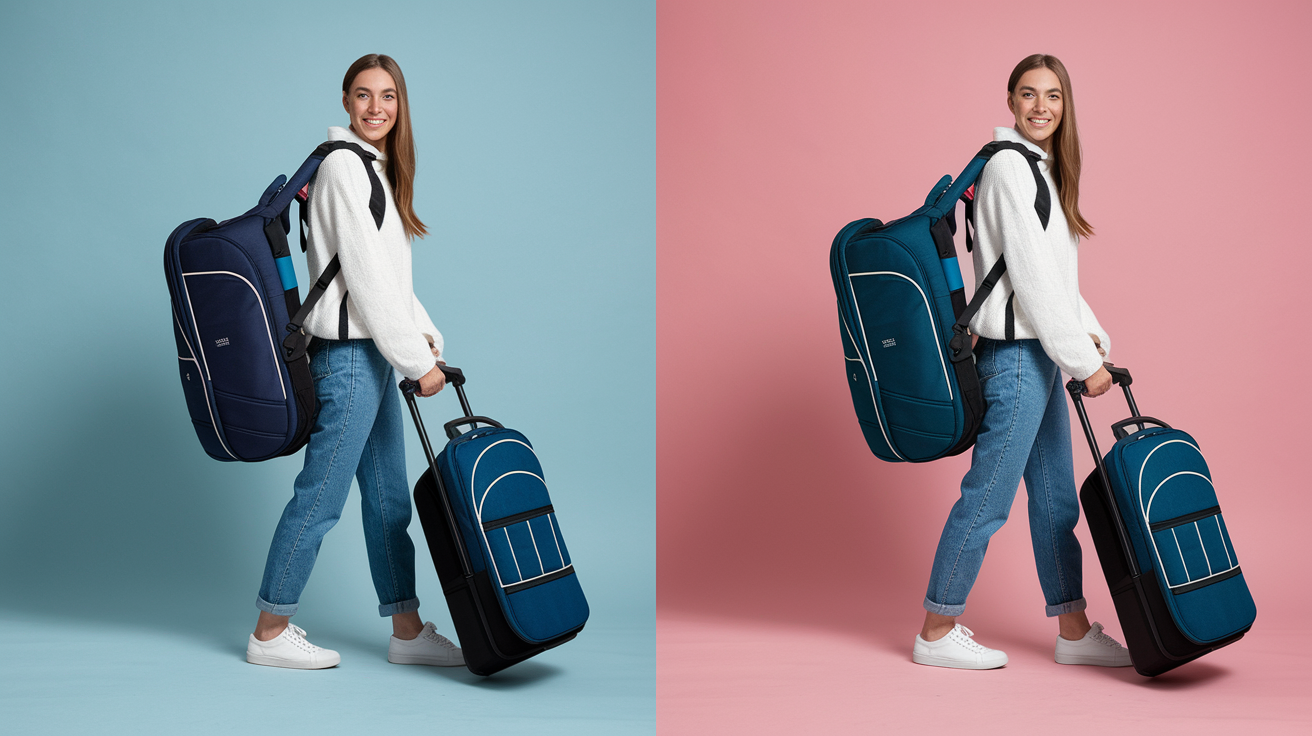
Budget vs premium comparison helps you decide where to spend and where to save. Premium carriers offer stronger aluminum frames, multiple expansion panels on two or more sides, CPS crash-test certifications, memory-foam pads an inch thick, and 1200D outer fabrics with reinforced stitching. Budget models use lighter 600D fabrics, single-direction zip-out expansion, basic foam pads, and plastic frame rods. Both can meet airline size requirements when collapsed, but the premium version will last longer under heavy use and provide more comfort during long waits. If you fly once or twice a year and your pet is calm and lightweight, a budget model works fine. If you travel monthly or your pet gets anxious easily, the extra investment pays off in durability and reduced stress.
| Feature | Budget Models | Premium Models |
|---|---|---|
| Frame Material | Reinforced plastic or thin steel rods | Aluminum or spring-wire frames |
| Expansion Mechanism | Single zip-out panel, +4 to 6 inches | Multi-panel or accordion, +6 to 12 inches |
| Interior Padding | Thin fleece or foam, ~0.25 inch | Memory foam or thick sherpa, ~1 inch |
| Safety Certification | None or basic locking zippers | CPS crash-tested, reinforced tethers |
Practical Use Cases for Expandable Carriers
Airport and hotel scenarios show where expansion really helps. At the airport, you board with the carrier collapsed to fit under the seat. Once you’re at cruising altitude and the seatbelt sign is off, you can pull the carrier out, set it in your foot space, and expand it so your cat can sit up or your dog can stretch out. During a layover, find a quiet corner near your gate, expand the carrier, and give your pet a chance to shift positions, drink water, and relax before the next leg. In a hotel room, expand the carrier fully and use it as a temporary crate. Your pet has a familiar, enclosed space to sleep in without needing to pack a separate travel crate. In the car, the collapsed carrier fits on the back seat or floor. At rest stops, expand it in the trunk or on a picnic table so your pet can rest in shade and ventilation while you stretch your legs.
Visibility windows and mesh panels reduce anxiety. Pets that can see you are less likely to panic or vocalize. When the carrier is expanded and placed on the floor next to your chair in a café or at an outdoor event, your pet can watch the environment and feel included rather than isolated in a dark box. Seasonal use matters too. In summer, maximum mesh and expansion give your pet the best chance to stay cool. In winter, you might keep some mesh panels zipped closed to block drafts, using expansion mainly for added floor space rather than height. Pet comfort and anxiety reduction go hand in hand with these adjustments. A pet that feels physically comfortable, with room to turn and lie flat, is way less likely to whine, scratch, or try to escape.
Final Words
In the action, we ran through how expansion panels and quick-deploy mechanisms add real space, plus how to compare collapsed versus expanded sizes and measure your pet correctly.
We also covered ventilation, comfort inserts, durable frames, safety zippers and tethers, portability options, and airline compliance so you can pick what matters most for trips.
Pick expandable pet carrier features that match your pet’s size and travel style, and you’ll lower stress and make travel smoother and more comfortable.
FAQ
Q: What are the features of a good dog carrier?
A: A good dog carrier has secure zippers with lock options, breathable mesh on multiple sides, a reinforced base, comfortable washable padding, proper size for pet movement, and adjustable straps for carrying.
Q: Do airlines allow expandable pet carriers?
A: Expandable pet carriers are allowed by many airlines if collapsed to the airline’s under-seat dimensions; always check the carrier’s collapsed size, airline rules, and weight limits before booking.
Q: Can I take my 30 pound dog on a plane?
A: Taking a 30-pound dog in-cabin is usually not allowed since most airlines limit in-cabin pet weight to about 15–20 lb including carrier; check airline policies or consider cargo or a pet-friendly carrier option.
Q: Are dog slings a good idea?
A: Dog slings can be a good idea for very small, calm dogs for short trips, but they lack support for larger dogs, can strain hips, and aren’t secure for active pets or long travel.