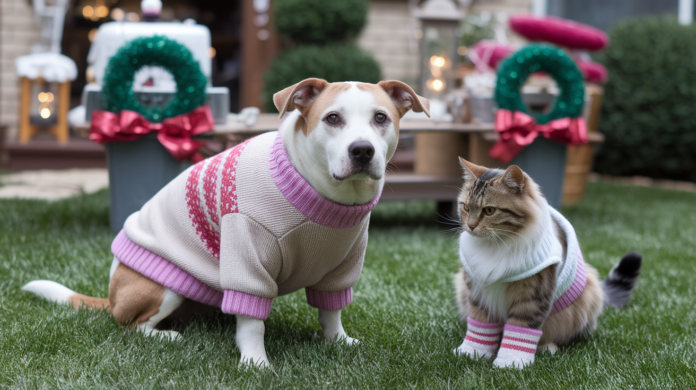

Think a one-size-fits-all pet routine works year-round?
Think again.
Weather, daylight, and pests change what your dog or cat needs.
Summer brings heatstroke and burned paws; spring brings fleas and allergies; winter brings cold stress and cracked paws.
This post gives six simple seasonal adjustments: hydration checks, grooming swaps, parasite timing, feeding tweaks, safe activity shifts, and hazard scans to keep pets healthy all year.
You’ll get quick, practical steps for each season and clear signs to call the vet.
Start now and make small changes that prevent big problems.
Core Seasonal Pet Care Adjustments for Year-Round Safety
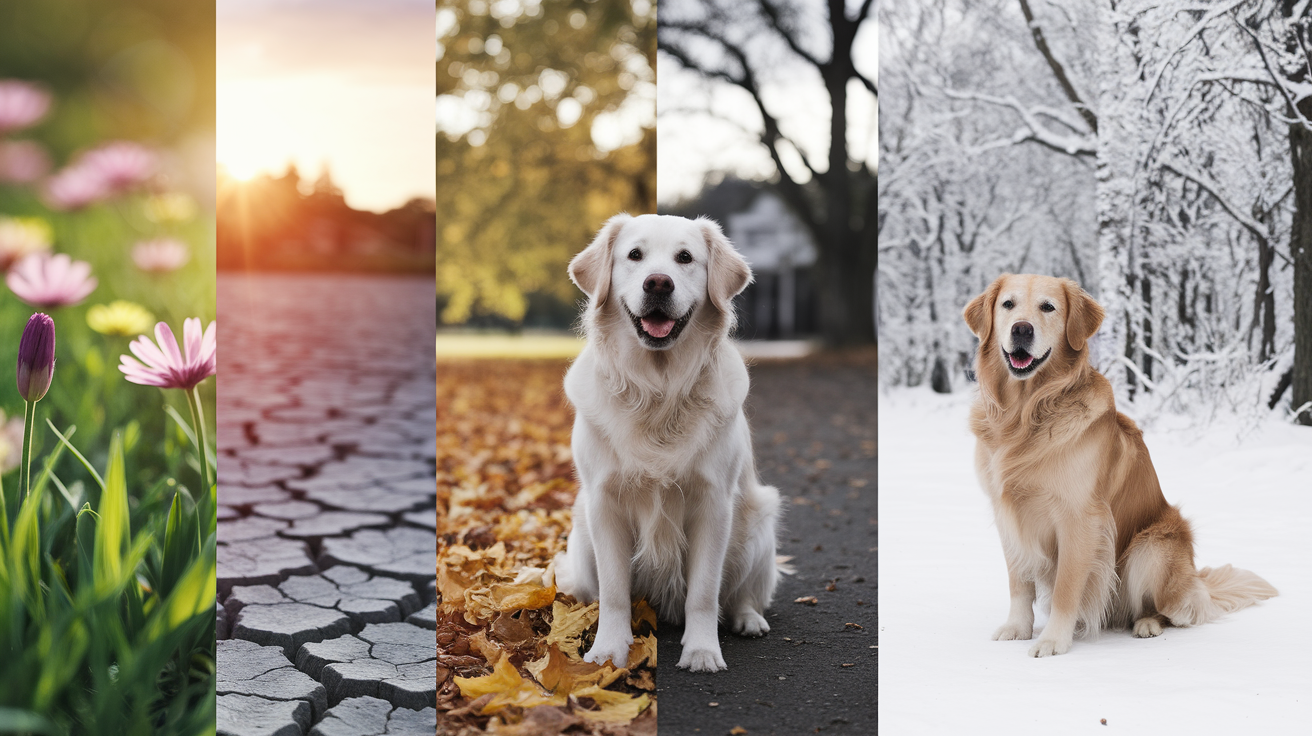
Seasonal pet care adjustments matter because temperature swings, daylight shifts, and weather patterns directly change your pet’s hydration needs, coat condition, parasite exposure, and safe exercise windows. What works in April won’t protect your dog on scorching July pavement, and winter routines that keep short-haired breeds warm inside won’t address the flea surge waiting in your yard come spring. Every season brings its own risks and opportunities. Summer pet safety means watching for heatstroke and burned paws. Spring allergy management for pets kicks in when pollen counts climb and shedding ramps up.
Heatstroke shows up as heavy panting, drooling, fast heartbeat, and lethargy in summer. Cold stress in winter looks like shivering, reluctance to walk, lifted paws. Spring allergies appear as excessive scratching and sneezing. Fall shedding control for pets starts when cooler air triggers coat turnover and mats form faster in damp weather. Seasonal diet adjustments for pets follow activity levels. More calories when outdoor play ramps up in spring, fewer when your cat spends January on the couch. These visible changes tell you when to adapt.
Here are six routine adjustments every pet owner should make as seasons shift:
- Check hydration daily and add water stations in hot months or when heating systems dry indoor air.
- Adjust grooming frequency. Brush more during spring and fall shedding peaks, less when coats are stable.
- Update parasite prevention timing. Start or intensify flea and tick products before warm weather arrives and keep going through fall.
- Shift feeding amounts based on activity changes. Add calories for high energy seasons, reduce for sedentary periods.
- Balance indoor and outdoor time according to temperature extremes. Replace long walks with indoor play when it’s too hot or too cold.
- Scan your environment for seasonal hazards like antifreeze spills in fall, hot pavement in summer, poisonous mushrooms after rain, and salt or deicers on winter walkways.
These six adjustments form the backbone of seasonal pet care. The specific tasks, timing, and intensity change as you move from spring’s allergy surge into summer’s heat risks, then through fall’s shorter days and into winter’s cold weather protection needs.
Spring Routine Adjustments for Seasonal Pet Care
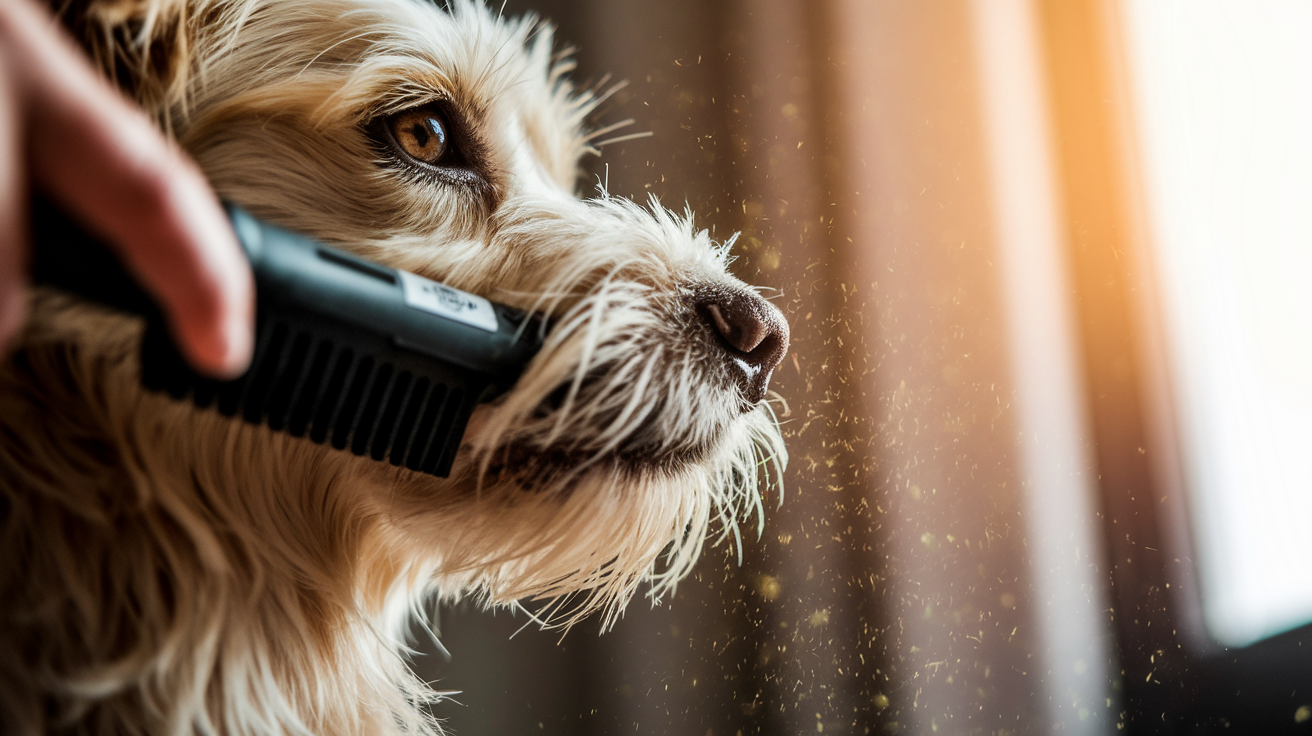
Spring triggers the year’s heaviest shedding as your pet drops the winter coat, and that means daily or every other day brushing to stay ahead of mats and control loose fur all over your house. Spring allergy management for pets starts now. Watch for itching, red skin, watery eyes, or sneezing as pollen counts climb and grasses green up. Flea and tick populations explode with warmer soil and longer daylight, so this is the season to update or restart preventive medications and check your pet’s skin carefully after every outdoor session. Mud, standing water, and early season puddles also increase bacterial and parasite exposure. Clean paws and coats thoroughly after messy walks or yard play.
Spring specific seasonal pet care routine adjustments include:
- Increase brushing frequency to two or three times per week. Use a deshedding tool if shedding is heavy.
- Update flea and tick prevention with your vet’s recommended product before parasite activity peaks.
- Rinse and dry your pet after outdoor play in mud or standing water to reduce skin irritation and parasite hitchhikers.
- Adjust feeding or add higher protein treats if activity level jumps with longer daylight and more outdoor time. Check with your vet before changing diet.
- Schedule a spring veterinary checkup for vaccinations, parasite screening, and a general health review after winter.
River currents run high and fast during spring snowmelt, so if your dog swims, avoid swollen streams and use a life jacket even for confident swimmers. Grooming frequency changes by season matter most in spring, when a weekly winter brushing schedule won’t keep up with the fur your pet’s dropping daily. Check skin as you brush. Spring parasites hide in warm folds and behind ears. Balancing the jump in outdoor activity with safety checks keeps spring enjoyable without adding preventable vet visits.
Summer Heat Focused Seasonal Pet Care Adjustments
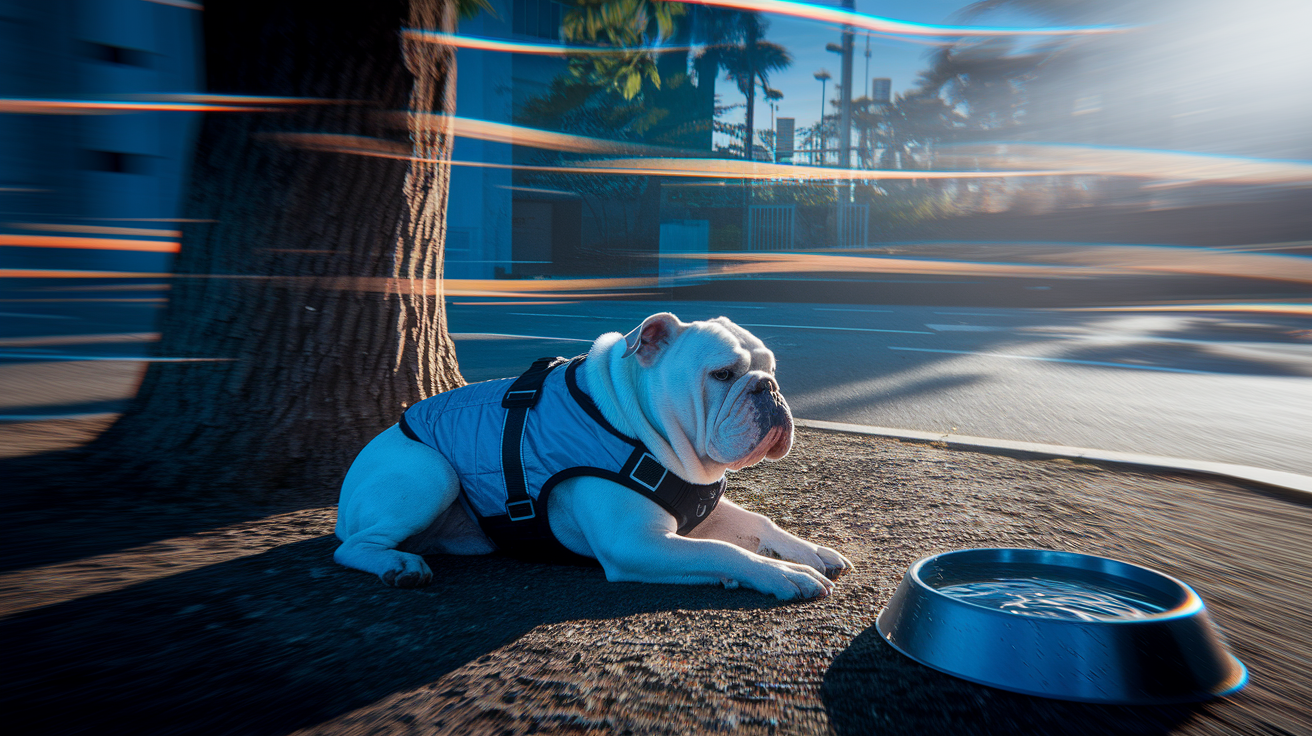
Summer pet safety centers on managing heat and humidity, which hit pets harder than most owners expect. Dogs and cats can’t cool themselves as efficiently as humans, and brachycephalic breeds like bulldogs, pugs, and Persian cats face even higher risk because their shortened airways make panting less effective. Shift strenuous exercise to early morning or late evening when temperatures drop, and keep midday outings short and close to home. Constant access to fresh, cool water and shaded rest spots are non negotiable summer adjustments, indoors and out.
Hot pavement burns paw pads fast. Test surfaces with the back of your hand for five seconds before letting your pet walk on asphalt, concrete, or sand. If it’s too hot for your hand, it’s too hot for paws. Hydration tips for hot weather pets include adding wet food to meals for extra moisture intake and watching for dehydration signs like dry or tacky gums and reduced energy. Pets with short coats, light fur, or exposed skin on noses and ear tips need pet safe sunscreen to prevent sunburn. Never apply human sunscreen. It can contain zinc oxide or other ingredients toxic to pets.
Preventing heatstroke in dogs and protecting cats from heat require recognizing emergency signs early. Heavy panting that doesn’t slow down, excessive drooling, a rapid or irregular heartbeat, and sudden lethargy or collapse all signal heatstroke. Move your pet to a cool, shaded area immediately, offer small amounts of water, and contact your vet or an emergency clinic without delay. Don’t leave pets in parked cars, even for a few minutes with windows cracked. Interior temperatures climb to dangerous levels within ten minutes on warm days.
| Hazard | Adjustment Needed |
|---|---|
| Heatstroke | Limit outdoor activity to cooler hours, provide shade and water, recognize warning signs (heavy panting, drooling, lethargy), never leave pets in cars. |
| Hot Pavement | Test surface temperature with your hand, walk on grass when possible, consider protective booties, avoid midday walks on asphalt or concrete. |
| Dehydration | Ensure continuous access to fresh water, add wet food to increase moisture, monitor gums and energy level, increase water stations indoors and outdoors. |
| Sunburn | Apply pet safe sunscreen to exposed skin (nose, ear tips), limit direct sun exposure during peak hours, provide shaded rest areas. |
Fall Seasonal Pet Care Routine Changes

Fall shedding control for pets picks up again as your dog or cat starts growing a thicker coat for winter, and that means regular brushing to prevent mats that trap moisture and irritate skin. Cooler temperatures and shorter days naturally reduce activity levels, so weight monitoring becomes important. Many pets gain a few pounds in fall and winter without owners noticing. Older dogs or those with arthritis often feel joint discomfort more as temperatures drop. Consider adding orthopedic bedding and ask your vet about supplements like glucosamine or chondroitin if stiffness increases. Fall also introduces new outdoor hazards. Poisonous mushrooms pop up after rain, wildlife like raccoons and skunks become more active as they prepare for winter, and vehicle antifreeze leaks onto driveways and roads. Antifreeze tastes sweet to pets but is extremely toxic.
Four fall seasonal pet care routine adjustments to make now:
- Add reflective collars, leashes, or vests for evening and early morning walks as daylight hours shrink.
- Continue brushing two to three times per week to manage fall shedding and check for ticks or skin changes.
- Walk your yard and remove or fence off poisonous mushrooms, and store antifreeze and other winter chemicals securely out of reach.
- Monitor your pet’s weight and adjust feeding portions if activity decreases, or maintain exercise routines with indoor play on rainy days.
Arthritis flare up prevention in winter starts in fall. If your senior pet moves more slowly or hesitates on stairs, talk to your vet now about pain management and joint support before cold weather makes it worse. Keep grooming consistent even as outdoor time drops. A clean, mat free coat insulates better and reduces skin problems. Shorter days mean more walks happen in low light, so reflective gear for night walks is a simple safety upgrade that makes you and your pet visible to drivers. Fall is also the season to prepare your home for winter. Check that heating vents and space heaters are out of paw reach and that your pet’s indoor rest areas stay warm and draft free.
Winter Pet Care Adjustments for Cold Weather Safety
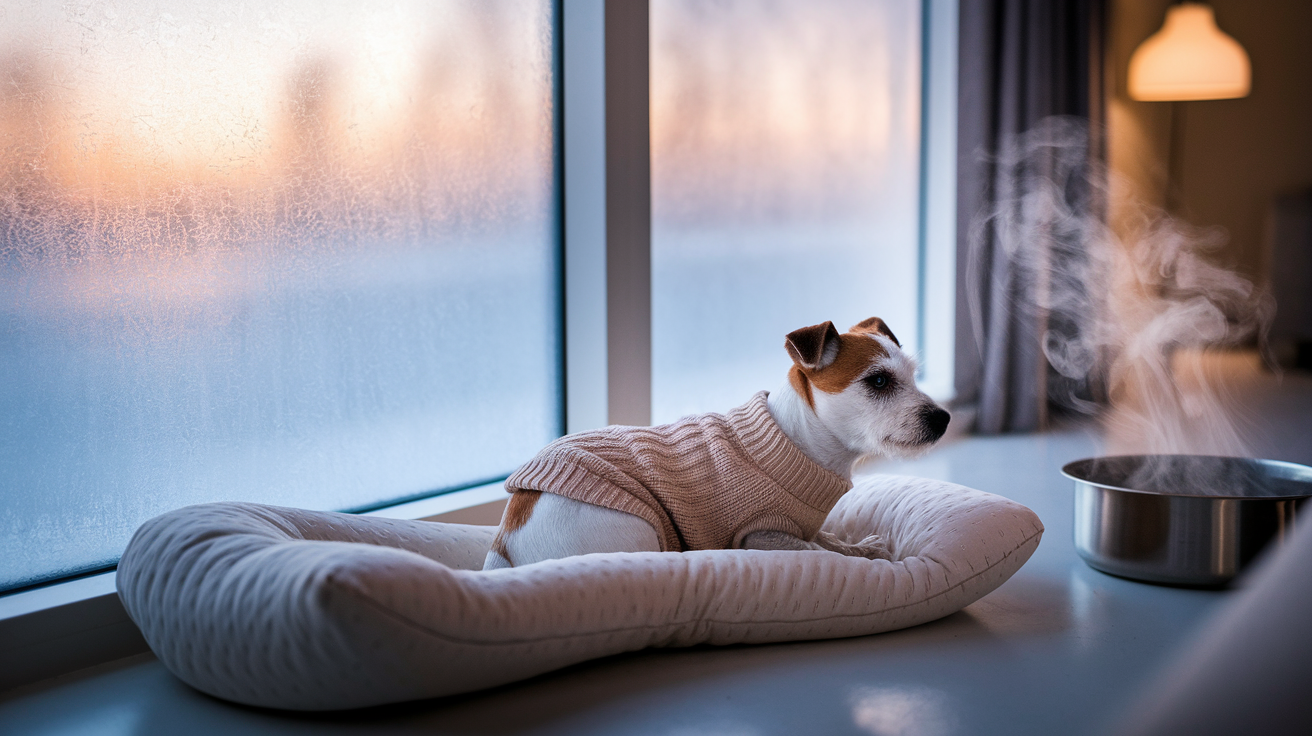
Cold weather dog care starts with recognizing that short haired breeds, small dogs, puppies, and senior pets lose body heat faster than larger or thick coated animals. Sweaters or coats for outdoor walks keep these pets comfortable and safe, and warm, draft free bedding indoors prevents overnight chills. Keep your pet away from space heaters, fireplaces, and heating vents to avoid burns, and never leave them outside for extended periods when temperatures drop near or below freezing. Watch for signs your pet is too cold during walks, including shivering, reluctance to keep moving, or lifting paws repeatedly off the ground.
Paw care for winter sidewalks is a daily task. Salt, chemical deicers, and ice melting products irritate and crack paw pads, so rinse and dry all four paws as soon as you come inside. If your pet tolerates them, booties provide a protective barrier against salt and freezing surfaces. Use only pet safe ice melts on your own walkways and driveway. Standard deicers can cause chemical burns or poisoning if licked off paws. Antifreeze and cold chemical poisoning prevention is urgent in winter. Even small amounts of antifreeze are deadly, and pets are drawn to the sweet taste. Store all winter chemicals on high shelves and clean up any spills immediately.
Indoor exercise ideas for pets become necessary when weather limits outdoor time. Puzzle toys, hide and seek with treats, indoor fetch in a hallway, and short training sessions keep dogs mentally and physically engaged when it’s too cold for long walks. Cats benefit from vertical climbing spaces, laser pointers, and interactive feeders that mimic hunting. Seasonal diet adjustments for pets in winter vary by activity level. Some dogs burn more calories to stay warm during active outdoor play, others need fewer calories if they become couch potatoes. Always provide access to unfrozen water. Dehydration happens in winter when water bowls freeze or indoor heating dries the air.
Cross Season Parasite, Grooming, and Diet Adjustments

Flea and tick product selection by season depends on where you live and your pet’s exposure, but in many regions parasites stay active year round or restart earlier than expected in warming climates. Summer is peak flea and tick season, but spring and fall still carry risk, and even winter indoor environments can harbor fleas if they hitch a ride inside on clothing or other pets. Work with your vet to choose prevention products that match your local parasite life cycle and seasonal risk, and perform quick visual and hands on checks after every outdoor session, especially in grassy, wooded, or brushy areas.
Five recurring tasks that shift intensity across seasons:
- Adjust grooming frequency. Brush heavily in spring and fall shedding peaks, maintain a lighter schedule in stable summer or winter coats.
- Shift feeding portions up or down as activity and temperature demands change. More calories for active warm weather pets, fewer for sedentary cold weather periods.
- Time parasite medication consistently but increase vigilance during warm months and after outdoor activities in any season.
- Maintain coat health year round with regular inspections for mats, hot spots, dry skin, or irritation that signal grooming or diet needs.
- Monitor hydration daily, increasing water availability in summer heat and during winter when indoor heating dries air and pets drink less.
Deshedding strategies depend on coat type and season. Double coated breeds like huskies and golden retrievers shed explosively twice a year and need near daily brushing during those windows, while short haired breeds may only need weekly attention. Adjusting feeding schedules for activity level keeps weight stable. A dog who hikes all summer may need 10 to 20 percent more food than the same dog spending January indoors. Pay attention to your pet’s body condition. You should feel ribs easily without seeing them prominently, and adjust portions before weight gain or loss becomes obvious. Seasonal hydration vigilance matters because pets often drink less in winter even though dry indoor air increases their need, and in summer they can dehydrate quickly during play.
Seasonal Safety and Environmental Hazard Adjustments
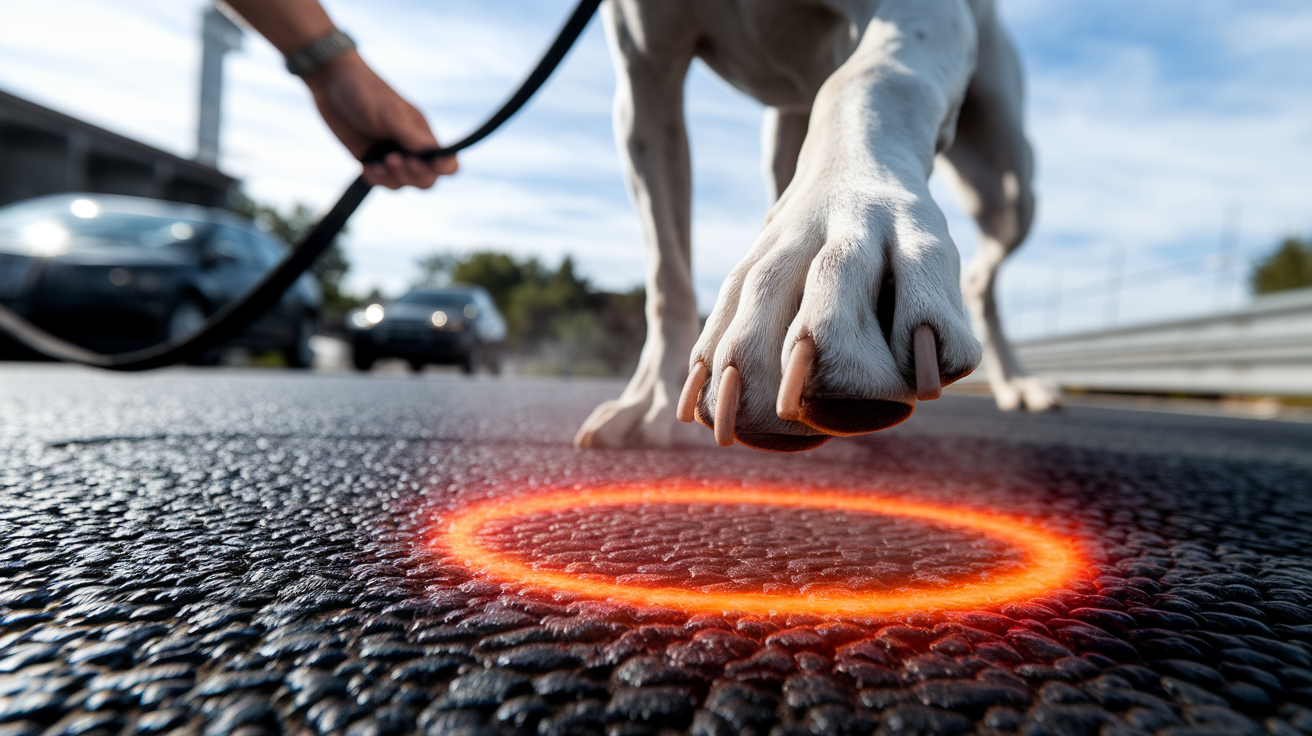
Outdoor dangers shift as seasons turn, and your pet’s routine must account for new risks that appear and disappear with the weather. Hot pavement in summer can burn paw pads in under a minute, and ice in winter creates slip hazards and hides sharp edges that cut pads. Spring river runoff makes normally calm streams dangerous with fast currents and submerged debris, so delay water play until flows return to normal. Fall brings poisonous mushrooms that grow overnight after rain, often in the same yard your dog plays in daily, and toxic plants that were dormant or out of reach in summer become accessible as landscaping dies back. Antifreeze spills and leaks happen most in fall and winter when people winterize vehicles and homes. Store all chemicals securely and clean driveways immediately if spills occur.
Lighting changes throughout the year create visibility hazards for evening and early morning walks. Reflective gear matters most in fall and winter when the sun rises later and sets earlier, but seasonal outdoor lighting and safety also include avoiding unlit paths where your pet could step into holes or underbrush hiding wildlife. Walk routes may need seasonal adjustments. Shaded summer paths that stay cool can turn icy and slippery in winter, and spring trails near rivers should be avoided during snowmelt. Pool and water safety for pets is a summer priority. Never leave pets unsupervised near open water, ensure pool covers are secure or teach exit routes, and remember that not all dogs are natural swimmers despite the stereotype. Frozen water hazard prevention includes blocking access to ponds or canals where thin ice can break, and breaking up ice in outdoor water bowls so pets don’t go thirsty in freezing weather.
Building a Personalized Seasonal Pet Care Routine Checklist

Building a seasonal pet care checklist turns general guidance into a repeatable action plan you can adjust every few months as conditions change. Start with eight core items that apply across all seasons but need different intensity or timing depending on weather, daylight, and temperature. Check off each task weekly or monthly depending on your pet’s age, health, breed, and environment, and update the list when you notice patterns like increased shedding or when the weather forecast shows a sharp temperature shift coming.
Your seasonal checklist should include:
- Hydration check. Verify fresh water is available at all times, add extra bowls in hot weather, break ice or refill frequently in freezing conditions.
- Grooming schedule. Increase brushing during shedding seasons, reduce slightly when coat is stable, inspect skin and coat for mats, parasites, or irritation every session.
- Parasite control update. Confirm flea, tick, and heartworm prevention is current, increase checks after outdoor time in warm months.
- Diet and feeding adjustment. Monitor weight and body condition monthly, adjust portions up or down based on activity level and temperature demands.
- Exercise routine modification. Shift walk timing to cooler or warmer parts of the day, replace outdoor activity with indoor play when weather is extreme.
- Environmental hazard scan. Walk your yard and routes for seasonal dangers like hot pavement, ice, toxic plants, mushrooms, antifreeze, or wildlife.
- Seasonal gear check. Confirm you have appropriate clothing, booties, reflective gear, sun protection, or cooling aids ready before you need them.
- Indoor enrichment plan. Keep puzzle toys, training goals, and interactive play options on hand for days when outdoor time is limited by weather.
| Season | Key Routine Adjustment |
|---|---|
| Spring | Increase brushing for shedding, update flea and tick prevention, schedule vet checkup, clean pets after muddy outdoor play, watch for allergy symptoms. |
| Summer | Shift exercise to early morning or evening, provide constant water and shade, test pavement temperature, apply pet safe sunscreen, recognize heatstroke signs. |
| Fall | Continue grooming for coat transition, monitor weight as activity decreases, add reflective gear for low light walks, remove toxic mushrooms and secure antifreeze. |
| Winter | Add protective clothing for short haired pets, rinse and dry paws after walks, use pet safe ice melt, increase indoor play, adjust calories based on activity. |
Personalize this framework by adding your pet’s specific needs. Senior dogs may need a monthly joint mobility check, brachycephalic breeds require closer summer monitoring, and outdoor cats need year round parasite prevention even in cold climates. Update your checklist at the start of each season, and keep a simple calendar reminder so tasks like grooming frequency changes or parasite medication refills don’t slip through the cracks when routines get busy.
Final Words
Summer heat, spring allergens, winter cold, and fall hazards change what your pet needs each week. You saw clear steps for hydration, grooming, parasite checks, diet and exercise, plus how to spot heatstroke, cold stress, allergies, and toxin risks.
Use the quick checklist to make small, seasonal switches that fit your household.
These seasonal pet care routine adjustments help keep walks, play, and rest safe and comfortable, and they make caring for your pet easier and more confident.
FAQ
Q: How should I change my pet care routine through the four seasons?
A: Changing your pet care routine through the four seasons means adjusting water, grooming, parasite protection, exercise timing, diet, and safety checks to match heat, cold, allergies, and outdoor risks.
Q: What quick checks should I do every season?
A: Quick seasonal checks are: water bowl, coat and skin, parasite lookover, gear fit, and a yard-path hazard sweep. Do these monthly and after muddy or long outdoor sessions.
Q: How do I protect my pet from summer heat and heatstroke?
A: Protecting pets from summer heat means giving constant water and shade, walking early or late, never leaving them in cars, cooling with wet towels, and watching for heavy panting or collapse.
Q: How do I keep my pet safe in winter from cold and antifreeze?
A: Keeping pets safe in winter means warm bedding, sweaters for short coats, rinsing paws after walks, storing antifreeze securely, using booties for ice, and offering indoor exercise when outings are short.
Q: What spring grooming and parasite steps should I take?
A: Spring grooming and parasite steps include extra brushing during shedding, updating flea and tick prevention, rinsing off mud after play, checking skin for bugs, and scheduling a spring vet check if due.
Q: What fall hazards should I watch for and how do I prepare?
A: Fall hazards to watch for are poisonous mushrooms, antifreeze, and wildlife. Prepare by using reflective gear for short days, scanning yards, continuing coat care, and checking senior dogs for joint stiffness.
Q: How should I adjust my pet’s food and activity by season?
A: Adjusting food and activity by season means increasing calories if your pet works harder in cold, or reducing portions if outdoor time falls, and rechecking weight monthly to stay steady.
Q: How do I manage parasite prevention year-round?
A: Managing parasites year-round means following a product schedule suited to your climate, giving monthly preventives as recommended, checking pets after outdoor time, and talking to your vet about local timing.
Q: What paw care do pets need for hot pavement, salt, and ice?
A: Paw care for hot pavement, salt, and ice includes testing surface heat, using booties or paw balm, rinsing paws after walks to remove salt, and inspecting pads for burns, cuts, or cracking.
Q: What seasonal signs require an urgent vet visit?
A: The seasonal signs that require an urgent vet visit are trouble breathing, collapse, repeated vomiting, heavy bleeding, inability to urinate, severe pain, or unresponsiveness. Seek immediate veterinary care for these.