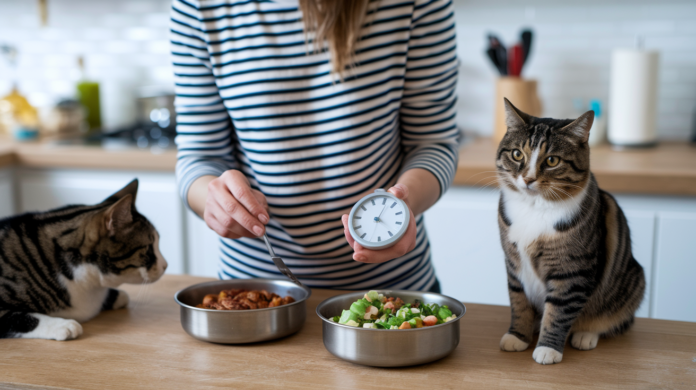

Think being busy means bad pet care? Think again.
A few short, reliable habits each day keep pets healthy, calm, and out of trouble.
This guide gives a real routine you can follow on rushed mornings and late nights: timed meals, quick potty checks, five minute play or training bursts, easy grooming steps, and smart tools that fill gaps.
No big time blocks. Just predictable touchpoints that work for you and your pet, week after week.
A Time Efficient Pet Care Routine Designed for Busy Owners

A predictable daily structure lowers your pet’s stress and keeps their physical health stable. When feeding, bathroom breaks, and activity happen at roughly the same times every day, your dog or cat’s body clock adjusts. Digestion runs smoother. Behavior settles. That consistency matters more than the total minutes you spend together.
Anchor your mornings with a quick potty or litter check, fresh water, and a timed meal. Then add a five minute play session or a short walk before you leave. Evenings follow the same pattern: bathroom break, dinner at the same hour, and a brief interactive game or cuddle routine before bed. These short, repeated touchpoints create structure without demanding extra hours.
Quality beats quantity when your schedule is packed. A focused two minute game with a favorite toy or a brisk ten minute walk gives your pet real engagement, movement, and mental work. Distracted half hour stretches on the couch do less for their well being than five minutes of active attention, so design your routine around intentional moments that actually matter.
Six step daily routine framework:
- Morning potty or litter cleaning – Do this first, before breakfast prep or coffee.
- Timed meal – Feed at the same hour every day to regulate metabolism and reduce begging.
- Brief activity burst – Five minute play session, short walk, or quick training game.
- Midday check – If possible, schedule a sitter visit, walker stop, or automated feeder refill.
- Evening meal and bathroom break – Second meal at a set time, followed by outdoor or litter break.
- Wind down routine – Gentle cuddle, favorite blanket, and calm environment to signal sleep time.
Efficient Feeding Habits and Meal Prep for a Busy Owner Pet Care Routine
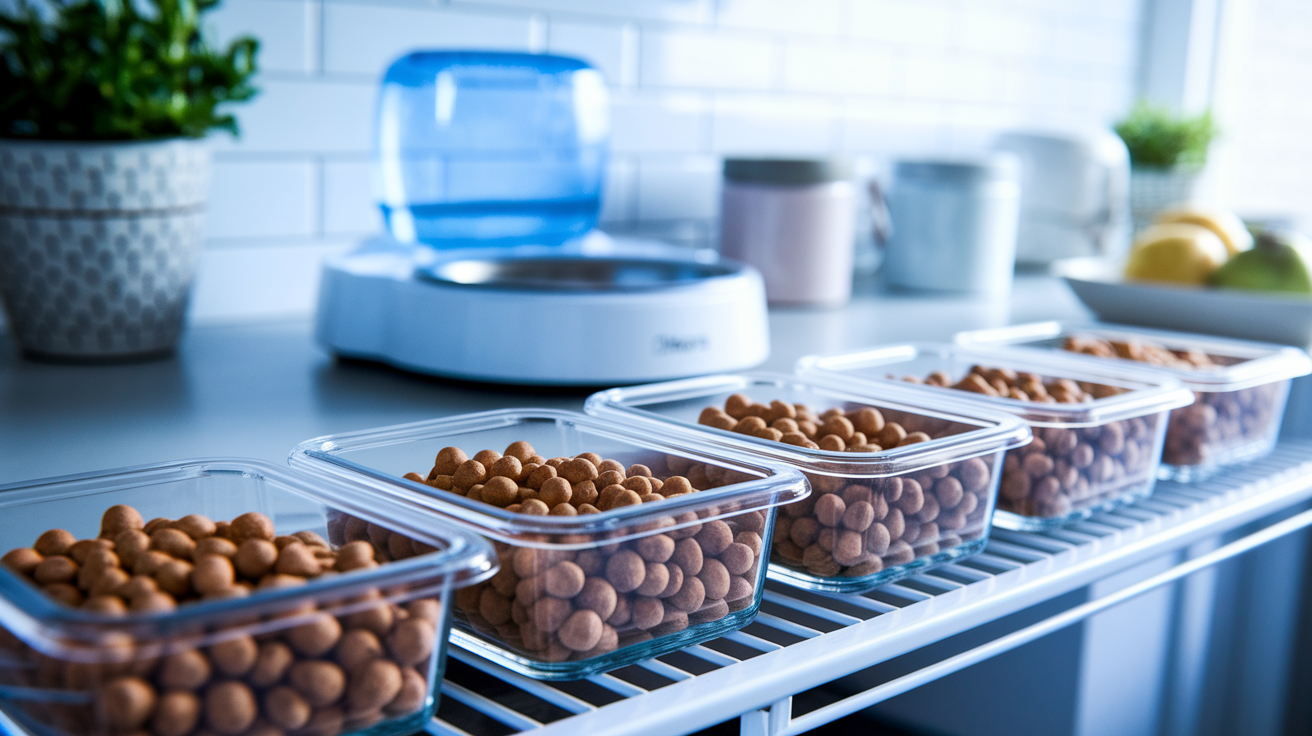
Preparing meals and portioned snacks the night before removes morning guesswork and keeps feeding times consistent. Measure portions into containers, line them up in the fridge, and grab one as you head out the door. This simple habit regulates your pet’s metabolism, supports steady weight, and prevents digestive upset from irregular feeding patterns.
Automatic feeders deliver meals at the same time whether you’re home or stuck in traffic. Look for models with portion control and programmable schedules, and test them on a weekend before relying on them during the workweek. Pair an automatic feeder with a fresh water fountain to keep hydration consistent and reduce the number of tasks you need to manage each morning and evening.
Five meal prep steps for busy owners:
• Batch portion meals on Sunday – Divide the week’s food into individual servings and refrigerate or freeze.
• Pre fill treat puzzles – Load puzzle feeders or snack balls the night before and leave them ready to deploy.
• Label portions with the day – Use sticky notes or marker on containers so you never double feed or skip a meal.
• Keep backup kibble in a to go container – Store a small sealed bin in your car or work bag for emergency meals.
• Rotate treat types weekly – Prep a small variety to keep puzzle toys interesting without daily shopping trips.
Night before prep also helps you catch when you’re running low on food, so you can restock before the bag runs out. No last minute scrambles or inconsistent diet changes.
Fast, High Impact Exercise and Enrichment Routines That Support a Busy Pet Care Schedule
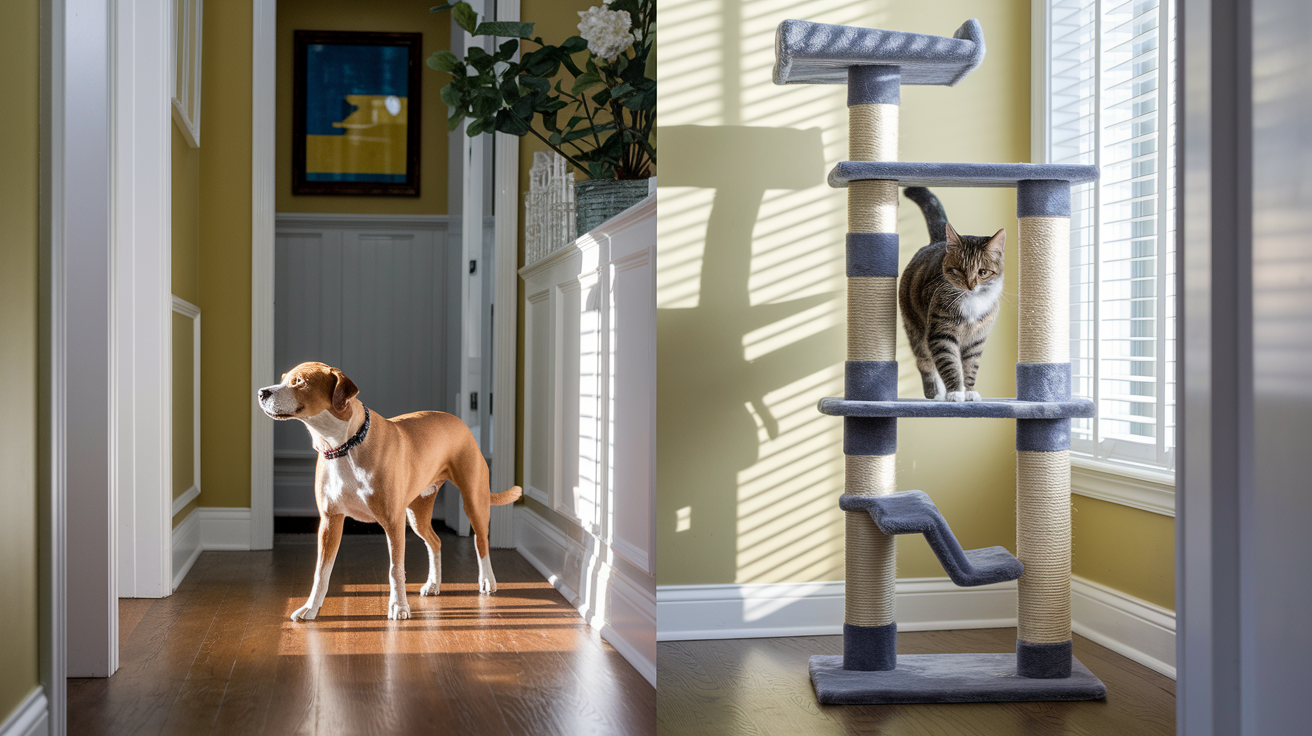
Short bursts of focused physical activity and mental problem solving can meet most of your pet’s daily needs without requiring long blocks of free time. A ten minute training session with a new trick, a quick game of tug, or a brisk lap around the block gives your dog real exercise and engagement. Indoor puzzle feeders, hide and seek treat games, and automatic ball launchers keep energy levels balanced when outdoor time is limited.
Mental stimulation prevents the destructive behaviors that pop up when pets are bored. Chewing furniture, excessive barking, scratching walls. Puzzle toys that dispense kibble one piece at a time, treat hiding games under cups or blankets, and rotating toy bins all challenge your pet’s brain and tire them out faster than passive activities like lying on the couch together.
Cats benefit from vertical space and window access as much as they do from active play. A tall cat tree, wall mounted shelves, or a simple window perch gives indoor cats a way to climb, observe, and burn energy throughout the day, even when you’re not home to dangle a wand toy.
Quick Dog Enrichment and Exercise Ideas
• Two minute hallway fetch – Toss a soft toy down a hallway or up and down stairs for rapid retrieval reps.
• Sniff walks – Let your dog lead and sniff every tree and post on a short block. Mental work tires them as much as distance.
• Frozen treat puzzle – Freeze wet food or peanut butter in a Kong and let your dog work on it while you get ready.
• Tug and drop training game – Combine tug play with a “drop it” cue to practice impulse control in under five minutes.
Fast Cat Enrichment Options for Busy Days
• Vertical chase session – Use a wand toy to lure your cat up and down a cat tree or onto shelves.
• Laser pointer sprint – Three minutes of chasing a red dot around the room provides a cardio burst.
• Treat dispensing ball – Fill a rolling ball with dry food and let your cat bat it around to eat.
• Rotating toy swap – Keep half your cat’s toys hidden and swap them weekly so they feel new and interesting.
Grooming and Hygiene Routines That Fit a Busy Owner’s Pet Care Schedule
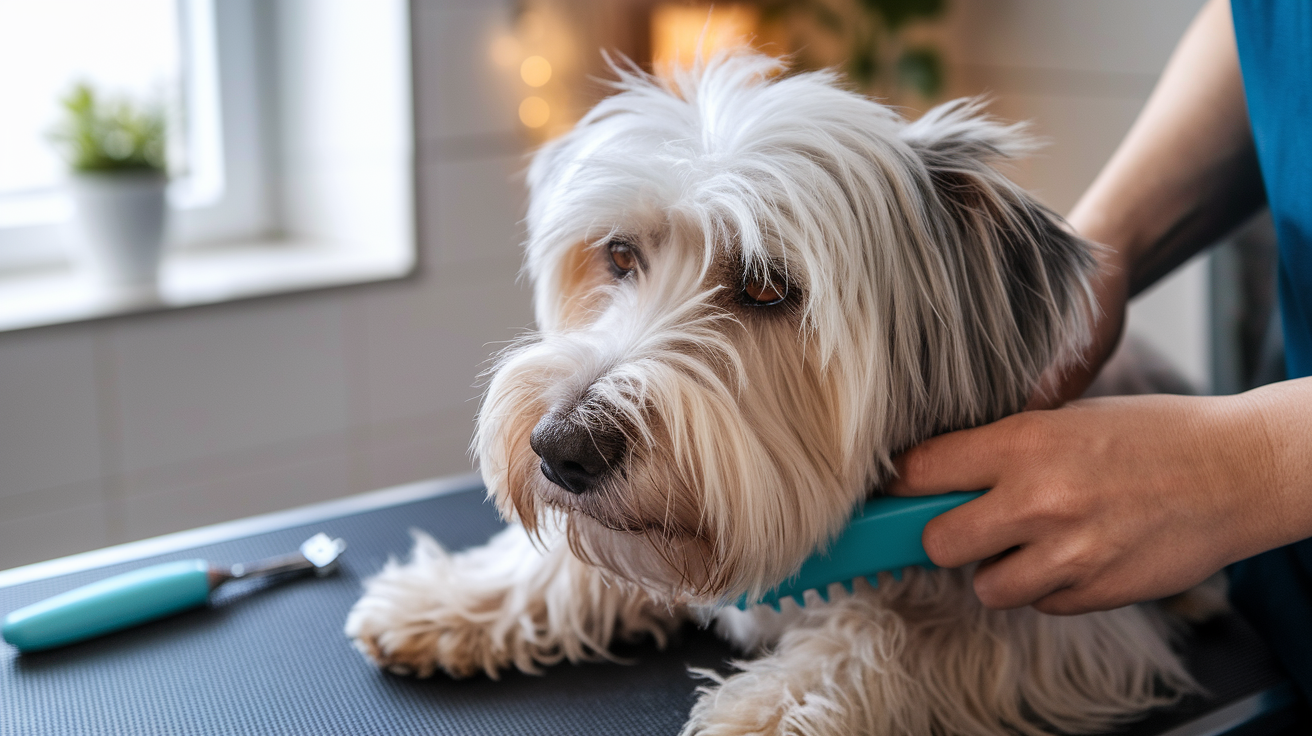
A quick daily brushing session, two minutes while you watch the news or during your morning coffee, removes loose fur and prevents mats. It also gives you a chance to check for skin lumps, ticks, or irritation. Short haired pets need less frequent brushing, but a weekly once over still helps control shedding and keeps your furniture cleaner.
Paw wipes after outdoor walks, dry shampoo between baths, and a monthly nail trim keep hygiene manageable without blocking out entire evenings. If nail trimming feels stressful, file nails with a pet safe grinder for 30 seconds per paw while your pet is relaxed on the couch. Dental care can be as simple as a chew treat designed to scrape plaque or a 60 second tooth brushing session three times a week.
| Routine Task | Time Needed | Frequency |
|---|---|---|
| Brushing (short coat) | 2–3 minutes | 2–3 times per week |
| Paw wipe after walks | 1 minute | Daily (or as needed) |
| Nail trim or file | 5 minutes | Every 3–4 weeks |
Consistent grooming routines catch small problems early. Ear infections, broken nails, dental disease. They turn into quick fixes instead of emergency vet visits. Regular checks also make your pet more comfortable with handling, which reduces stress during real grooming appointments or medical exams.
Bathroom Break Strategies and Litter Care Routines for Time Pressed Pet Parents
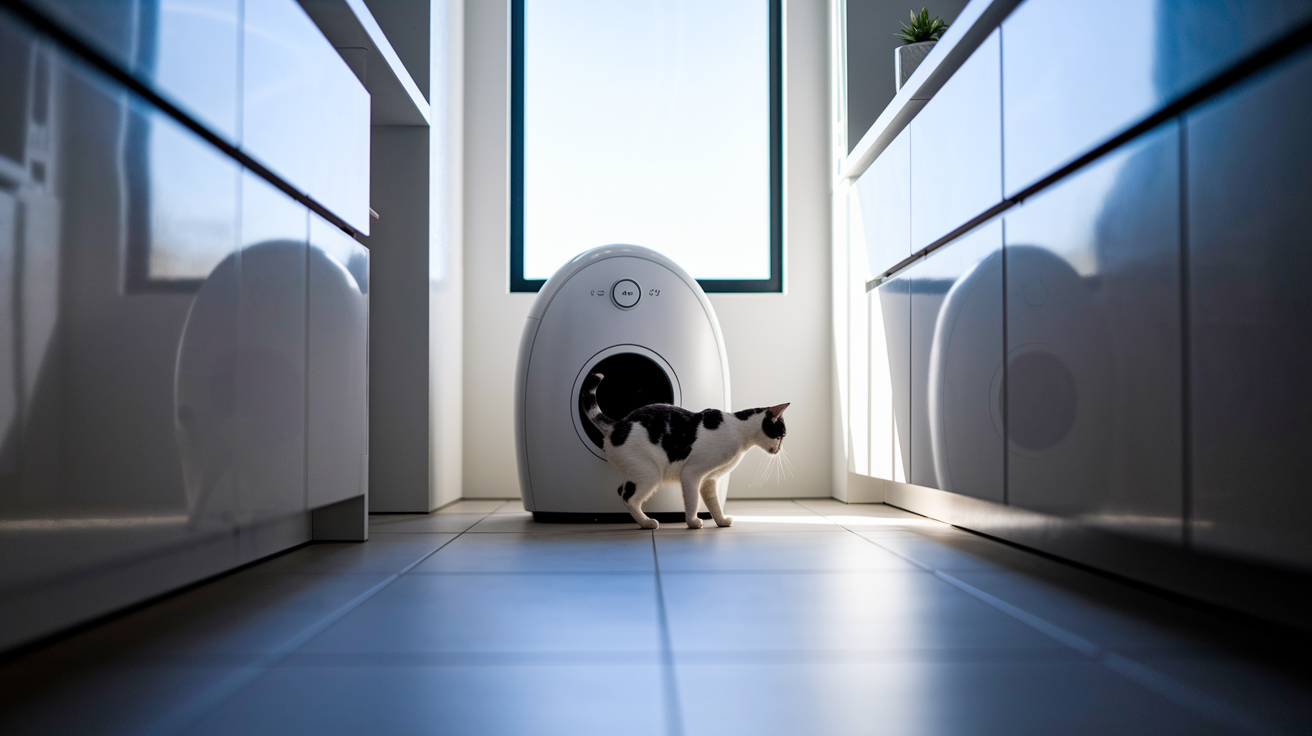
Start every morning with a potty trip or litter scoop before you pour coffee or check your phone. This single habit prevents accidents, controls odor, and gives you a quick health check. Your pet’s stool and urine can signal digestive trouble, hydration issues, or urinary problems before they become urgent.
If you work long hours, schedule a midday dog walker or pet sitter to provide a bathroom break and a short outdoor visit. Most adult dogs can hold their bladder for six to eight hours, but regular breaks reduce stress on their system and lower the risk of urinary infections or anxiety driven accidents. Cats need daily litter scooping to keep boxes appealing. A neglected box often leads to out of box elimination.
Four time saving litter and potty management strategies:
• Self cleaning litter boxes – Automate scooping with a raking or rotating unit that runs after each use.
• Washable pee pads near the door – Use reusable pads as a backup zone for dogs when you’re delayed.
• Odor neutralizing spray and liner bags – Keep a spray bottle and pre fitted trash bags next to the litter box for fast cleanups.
• Scheduled walker or neighbor check in – Arrange a standing midday visit so your pet never waits longer than six hours.
Delegating Parts of Your Pet Care Routine: Walkers, Sitters, and Support Services

Hiring a dog walker for midday visits takes pressure off your schedule and gives your dog exercise, a bathroom break, and social interaction during long workdays. Walkers also provide quick mood and health checks. They’ll notice limping, changes in appetite, or unusual behavior and report it before small issues grow. Most walkers offer 20 or 30 minute visits, enough time for a neighborhood loop and fresh water.
Pet sitters handle feeding, medication, playtime, and litter care when you travel or work late. A sitter who visits your home keeps your pet’s routine intact and reduces the stress of boarding. Cat sitters are especially helpful for litter maintenance, interactive play, and monitoring eating patterns in multi cat homes. Some sitters also offer overnight stays for pets with separation anxiety or complex medication schedules.
Poop scooping services, dog daycare, and adventure hikes are additional options that fit specific needs. Daycare works well for high energy dogs who crave group play, while hikes provide intense exercise for active breeds. Choose services based on your pet’s temperament, energy level, and health. Not trends or peer pressure.
Five questions to ask before hiring pet care help:
- What is your experience with my pet’s breed, size, or temperament? – Match the helper’s skill set to your pet’s needs.
- Are you insured and bonded? – Protect yourself and your pet in case of accidents or emergencies.
- How do you handle behavior issues or medical concerns? – Confirm they know when to call you or a vet.
- What is your cancellation and backup policy? – Understand what happens if the sitter or walker is unavailable.
- Can you provide references from other local clients? – Speak to pet owners who’ve used the service regularly.
Smart Tech Tools That Strengthen a Busy Owner’s Pet Care Routine
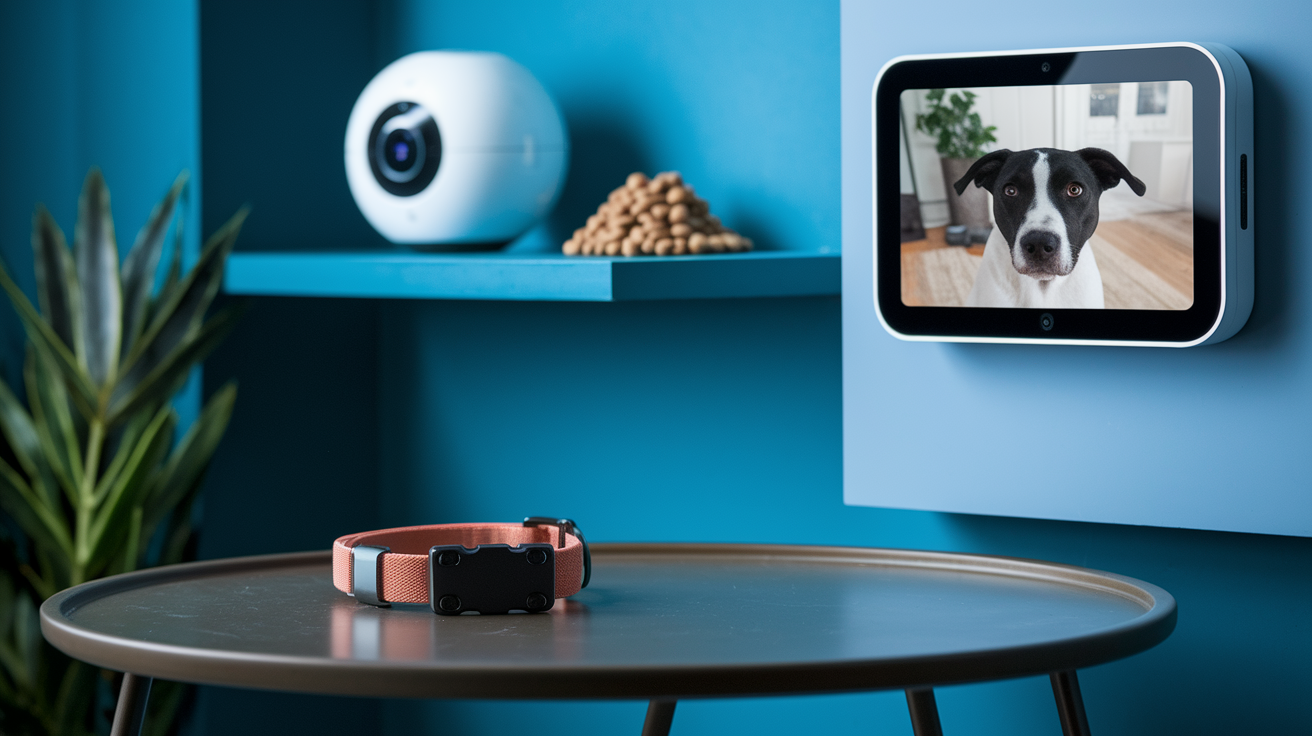
Pet cameras with two way audio let you check in, talk to your pet, and even toss treats remotely. This can ease separation anxiety and give you peace of mind during long meetings or commutes. Look for models with motion alerts so you’re notified when your pet moves into a specific area, like near the door or their food bowl, and clear night vision if you work evening shifts.
Automatic feeders maintain meal schedules even when you’re stuck in traffic or traveling. Programmable models let you set portion sizes and feeding times for multiple meals per day, which supports weight control and reduces the risk of bloat in large dogs. Pair an automatic feeder with a water fountain that circulates and filters water, keeping it fresh and encouraging pets to drink more throughout the day.
| Device | Main Benefit | Time Saved |
|---|---|---|
| Pet camera with treat dispenser | Remote check-ins and interaction | Eliminates mid-day trips home |
| Automatic feeder | Consistent meal times | No morning or evening feeding rush |
| Water fountain | Fresh, filtered hydration | Refill once every 2–3 days |
| Self-cleaning litter box | Automated waste removal | Daily scooping eliminated |
| GPS collar or tracker | Real-time location monitoring | Fast recovery if pet escapes |
Tech tools don’t replace quality time, but they do reduce the guilt and logistical stress that come with unpredictable schedules. Knowing your pet is fed, hydrated, and monitored lets you focus on work or errands without constant worry. You’ll arrive home ready to give real, focused attention instead of scrambling to catch up on care tasks.
Health, Wellness, and Preventive Care Built Into a Busy Pet Care Routine
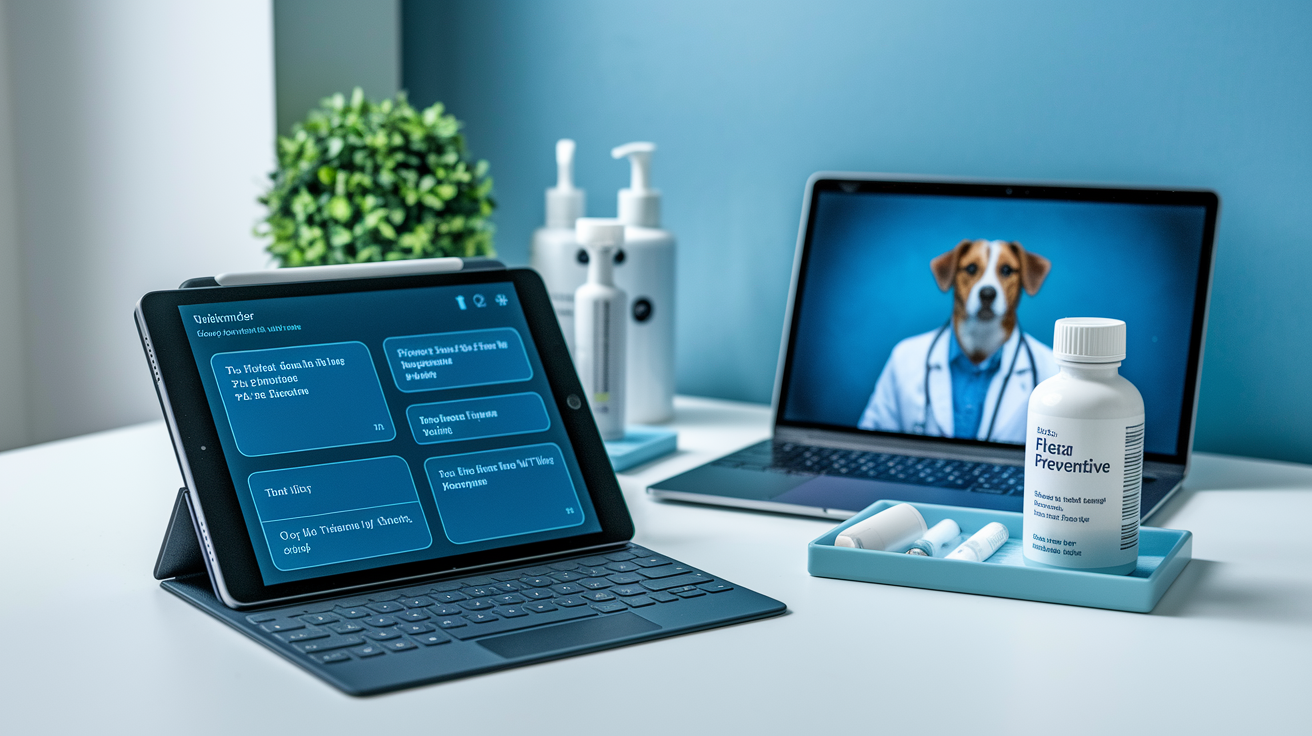
A shared digital calendar or pet care app helps you track flea and tick treatments, heartworm prevention, grooming appointments, and annual vet check ups without relying on memory. Set reminders two days before tasks are due so you have time to reorder medication, schedule appointments, or prep supplies. Missing preventive treatments can lead to expensive health problems, like tick borne diseases or flea infestations, that demand far more time and money than the prevention itself.
Routine wellness exams catch early signs of dental disease, weight gain, joint trouble, and organ issues before symptoms become obvious. Schedule annual or biannual vet visits based on your pet’s age and health status, and use those appointments to update vaccinations and discuss any behavior or appetite changes you’ve noticed. Telemedicine consultations can handle minor concerns, like mild digestive upset or skin irritation, without requiring a full office visit.
Building preventive care into your weekly routine turns it into background maintenance instead of crisis management. A monthly flea treatment on the first of every month, a weekly ear check during Sunday grooming, and a quarterly weight check on your bathroom scale create a simple rhythm that protects long term health.
Three essential preventive tasks for busy owners:
• Monthly flea, tick, and heartworm prevention – Mark the same date each month and keep a three month supply on hand.
• Quarterly weight and body condition check – Weigh your pet and feel their ribs. Sudden changes signal diet or health issues.
• Biannual vet wellness exam – Schedule six months apart and use the visit to update vaccines and discuss any concerns.
Multi Pet and Small Space Adjustments for a Practical Busy Owner Pet Care Routine
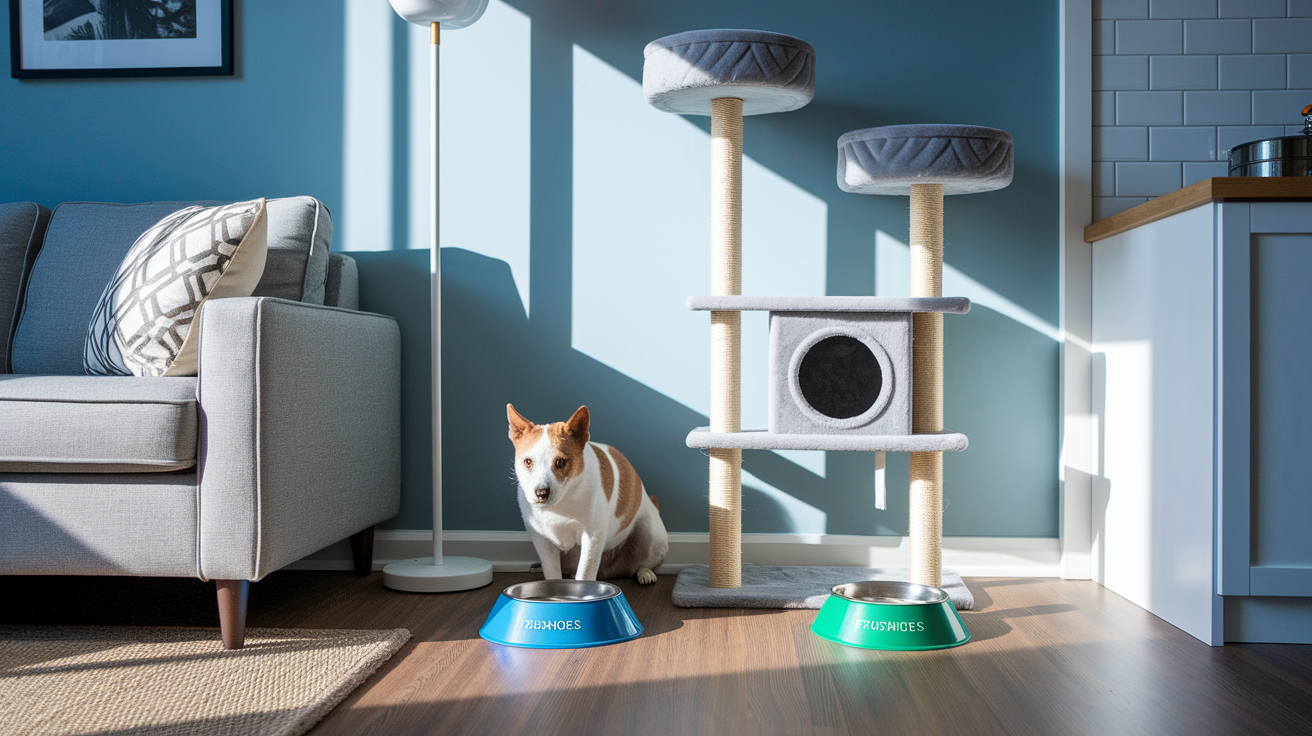
Feeding multiple pets efficiently starts with separate feeding stations to reduce competition, food guarding, and stress. Use slow feeders or puzzle bowls for fast eaters to prevent bloat and vomiting, and stagger feeding times by a few minutes if one pet intimidates the others. Label bowls or stations clearly so everyone in your household knows which pet gets which food and portion size.
Small apartments require tighter cleaning routines to control fur, dander, and odor. Vacuum high traffic zones daily or every other day, wash pet bedding weekly, and keep a handheld vacuum or lint roller near the door for quick touchups before guests arrive. Washable, waterproof pet bed covers and machine washable throw blankets make laundry faster and protect furniture from accidents and shedding.
Four multi pet feeding solutions:
• Timed feeding stations – Feed pets in separate rooms or crates to prevent stealing and allow slower eaters to finish in peace.
• Elevated bowls for taller dogs – Reduce neck strain and make it easier to clean underneath feeding areas.
• Microchip activated feeders – Unlock only for the correct pet, useful when managing different diets or medication schedules.
• Slow feeder inserts or puzzle bowls – Extend mealtimes and reduce gulping, vomiting, and digestive trouble.
Three small space cleaning shortcuts:
• Daily paw wipes at the door – Stop dirt and allergens before they spread through the apartment.
• Odor neutralizing spray on soft surfaces – Use enzyme based sprays weekly on couches, rugs, and bedding.
• Robotic vacuum on a schedule – Run it every morning after you leave to keep floors clear of fur and litter tracking.
Short Training Sessions and Behavior Stability Inside a Busy Pet Care Routine
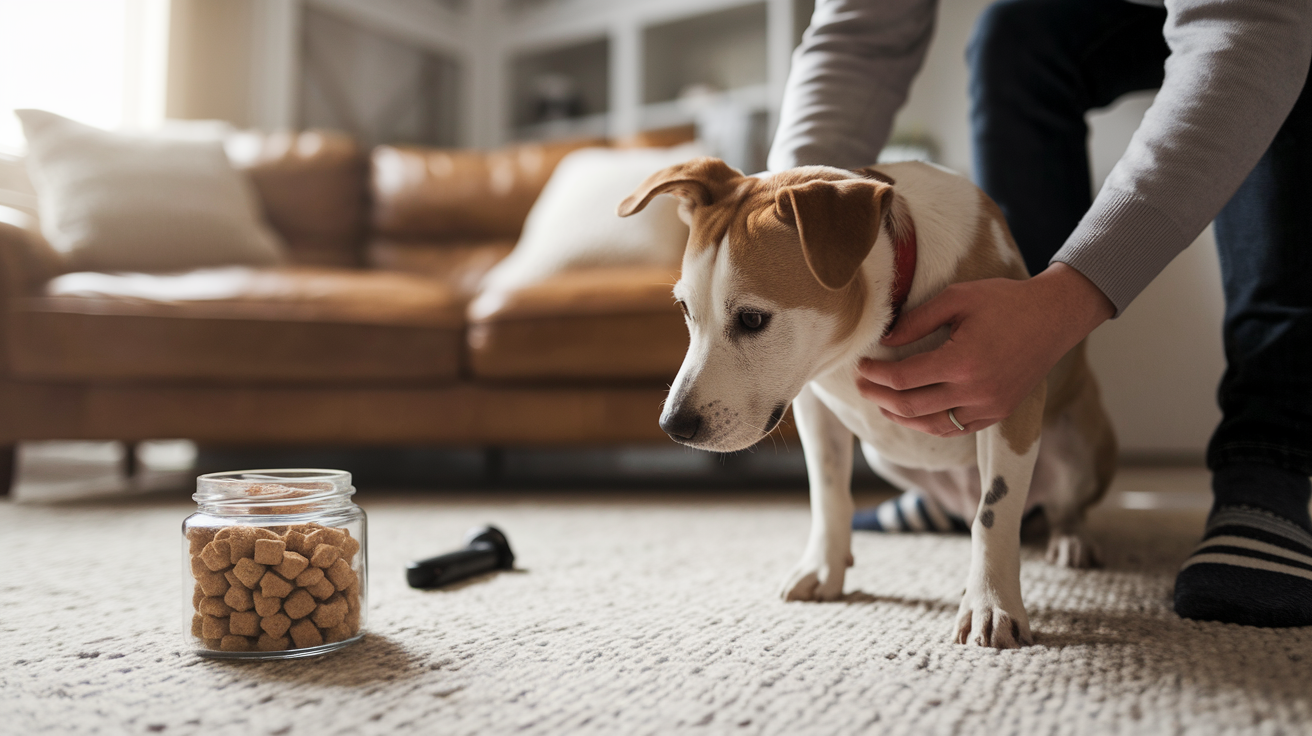
Two minute training sessions scattered throughout the day build skills faster and hold your pet’s attention better than one long, exhausting block. Practice a single cue, like “sit,” “stay,” or “leave it,” while you wait for your coffee to brew, during a commercial break, or right before you serve dinner. Repetition in short bursts reinforces learning without frustration, and the frequent rewards keep motivation high.
Positive reinforcement, immediate treats, praise, or play after the correct behavior, teaches your pet what you want without confusion or stress. Clicker training speeds up the process by marking the exact moment your pet does the right thing, making it easier for them to connect action and reward. Carry a small treat pouch or keep a jar of bite sized snacks in every room so you’re always ready to reward good behavior the second it happens.
Five micro training sessions for busy owners:
- Morning “sit” before breakfast – Hold the food bowl and wait for a sit, then reward with the meal.
- Doorway “wait” before walks – Practice a calm wait at the door before clipping the leash and heading outside.
- “Touch” game during TV time – Teach your pet to touch their nose to your hand on cue, then reward with a treat.
- Evening “settle” on a mat – Reward your pet for lying calmly on a designated mat or bed while you cook dinner.
- Bedtime “quiet” cue – Reward silence and stillness in their sleeping area to build a calm nighttime routine.
Routine consistency reduces separation anxiety by making your departures and arrivals predictable and low drama. Pair your leaving routine with a long lasting chew or puzzle feeder so your pet associates your exit with something positive. Use a pet camera with two way audio to check in and offer calm verbal reassurance if they seem restless during the day.
Final Words
In the action, you now have a tight, doable plan: quick morning potty and meals, short play bursts, simple grooming checks, and a bedtime wind‑down.
We also covered meal prep and automation, high‑impact enrichment, litter and bathroom shortcuts, hiring help, useful tech, preventive care, small‑space tweaks, and micro training tips.
Use these steps to build a pet care routine for busy owners that fits your life — small habits, consistent anchors, and smart tools make days easier and keep your pet calm and healthy. You’re on the right track.
FAQ
Q: What is a time-efficient pet care routine for busy owners?
A: A time-efficient pet care routine for busy owners is a short, predictable plan that covers feeding, potty, play, and a calm bedtime; use timed meals, 10-15 minute activity bursts, and night-before prep.
Q: How do I set a quick morning and evening routine for my pet?
A: A quick morning and evening routine for your pet includes a fast potty or litter clean, timed meals, a brief walk or play burst, and a 5-10 minute wind-down with cuddles or a blanket.
Q: How can I streamline feeding and meal prep for pets?
A: To streamline feeding and meal prep, prepare portions the night before, use measured containers or an automatic feeder, and add puzzle feeders or slow bowls to slow eating and boost mental stimulation.
Q: Are automatic and timed feeders worth it?
A: Automatic and timed feeders are worth it for consistency because they keep portion control and schedules steady; check battery backup and consult your vet for special diets or medical needs.
Q: What quick enrichment can I give my dog during short sessions?
A: A quick enrichment routine for dogs uses 2-5 minute games like hide-and-seek treats, puzzle toys, indoor fetch circuits, and obedience micro-sessions to burn energy and stimulate the brain.
Q: What fast enrichment can I give my cat on busy days?
A: A fast enrichment routine for cats uses vertical space, window perches, 2-5 minute wand play or laser chases, and puzzle feeders to provide exercise and mental challenge in short bursts.
Q: How often should I groom my pet with a busy schedule?
A: A simple grooming plan for busy owners uses daily paw and face wipes, 2-10 minute brushing most days for shedding coats, weekly nail checks, and quick dental wipes or brushing a few times weekly.
Q: How do I manage potty breaks and litter when I’m short on time?
A: Quick bathroom routines start the day with scooping, schedule mid-day breaks via a sitter or walker, use washable bedding for odor control, and consider a self-cleaning litter box to save time.
Q: When should I hire a walker, sitter, or daycare and what should I ask?
A: You should hire help when your pet needs mid-day exercise, socialization, or medical care; ask about experience, emergency plans, references, rates, and whether they’ll follow your routine.
Q: What smart tech tools help with a busy pet routine?
A: Smart tech tools that help include two-way audio cameras, automatic feeders with portion control, water fountains for steady hydration, motion alerts, and apps to track meds and appointments.
Q: How do I keep up with preventive care on a busy schedule?
A: Use a calendar or app to schedule vaccines, flea/tick and heartworm meds, and vet reminders; set recurring alerts and use telemedicine for quick follow-ups when needed.
Q: How do I manage multiple pets or small living spaces efficiently?
A: In multi-pet or small spaces, use separate feeding stations, slow feeders, vertical cat shelves, washable bedding, quick vacuuming of high-traffic zones, and odor-neutralizers to cut cleaning time.
Q: How can I fit short training sessions into a busy day?
A: Short training sessions work by doing 1-3 minute micro-trainings throughout the day, stacking cues, rewarding immediately, and keeping sessions consistent to reinforce habits without long time blocks.