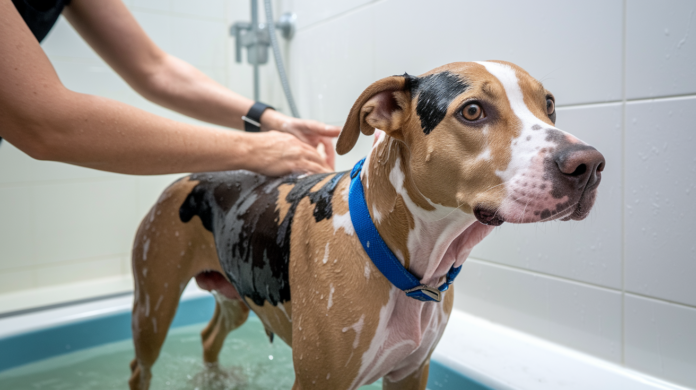

You’ve probably heard that double-coated dogs don’t need frequent baths, but figuring out what that actually means when your Husky smells like wet dog or your Shepherd tracked mud through the house isn’t always clear. The truth is, bathing too often strips away the natural oils that keep a double coat healthy, but waiting too long can leave dirt, dander, and dead undercoat sitting against the skin. Most double-coated dogs do best with a bath every 6 to 12 weeks, adjusted for their activity level, season, and how fast they get visibly dirty. Here’s how to figure out the right schedule for your dog.
Bathing Frequency Guidelines for Double-Coated Dogs

Most double-coated dogs should be bathed every 6 to 12 weeks. This range keeps the coat clean without stripping away the natural oils that protect the skin and insulation layers. Double coats have two distinct layers, a topcoat of longer guard hairs and a dense, fluffy undercoat that traps warmth and repels water. When you bathe too often, you wash away the oils both layers need to stay healthy, flexible, and weather resistant. Over time, frequent washing can leave the skin dry, flaky, and more prone to irritation.
Dogs that spend a lot of time outdoors, roll in mud, or swim regularly often need baths closer to every 6 weeks. Active dogs pick up dirt, allergens, and odors faster, and their coats benefit from more frequent cleaning during peak activity seasons. On the other hand, dogs that live mostly indoors, walk on clean surfaces, and have calm routines can go closer to 12 weeks between full baths. Seasonal shedding also plays a role. Many double-coated breeds blow their undercoats heavily in spring and fall, and a bath during those cycles helps loosen dead hair and makes brushing more effective.
Breeds like the Siberian Husky, Golden Retriever, German Shepherd, and Australian Shepherd all follow this general timeline, though individual dogs vary based on lifestyle and skin sensitivity. Bathing more often than every 3 to 4 weeks, unless directed by a veterinarian for a medical condition, can weaken the skin’s natural barrier and disrupt the coat’s ability to shed properly. The undercoat may tangle more easily, the topcoat can lose its shine, and the dog’s ability to regulate temperature drops. Stick to the 6 to 12 week guideline and adjust only when the dog’s activity level, health, or visible dirt calls for it.
Why Double-Coated Dogs Need a Unique Bathing Routine

A double coat is built for insulation and protection. The outer layer, made of long guard hairs, sheds water and blocks dirt, UV rays, and minor scratches. Underneath sits a soft, dense undercoat that traps air close to the skin, keeping the dog warm in winter and surprisingly cool in summer by creating a buffer against heat. This two-layer system only works when the natural oils produced by the skin can coat both layers evenly. Those oils condition the hair, reduce friction between strands, and create a mild water repellent barrier. Frequent bathing washes the oils away faster than the skin can replace them, and once that balance is lost, the coat becomes dry, brittle, and prone to tangling.
When you bathe a double-coated dog too often, the undercoat stops shedding smoothly. Dead hair gets trapped against the skin instead of releasing naturally, and new hair struggles to push through. The skin itself becomes dry and irritated, sometimes flaking or developing small red patches that itch. Dogs may scratch more, which damages the topcoat and creates thin spots. The coat can also start to mat more easily because dry hair tangles faster than well-oiled hair. Repeated over-bathing can even slow down coat regrowth after seasonal shedding, leaving the dog with a thinner, less protective coat than it should have.
The goal is to clean the dog only when needed and rely on brushing and spot cleaning the rest of the time. Preserving the natural oil layer keeps the coat functional, the skin comfortable, and the dog better insulated year round.
Factors That Change Bathing Frequency for Double-Coated Dogs
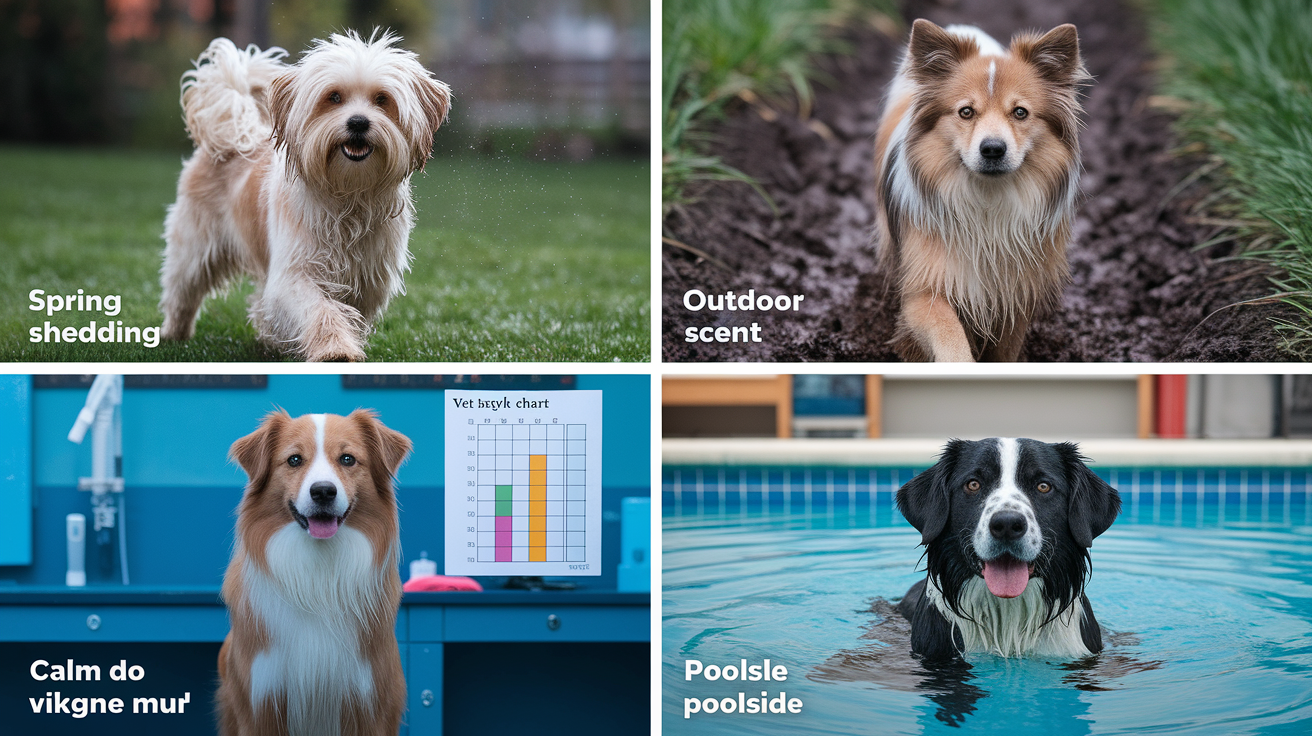
Bathing frequency isn’t one size fits all. Some dogs stay clean for months with regular brushing, while others need a bath every six weeks because of their lifestyle or environment. The baseline is 6 to 12 weeks, but real world factors shift that window up or down.
The main variables that affect how often a double-coated dog needs a bath include seasonal shedding cycles, when the undercoat loosens and a bath helps remove dead hair faster. Outdoor activity level matters too, including hiking, rolling in dirt, or working in fields where debris gets trapped deep in the coat. Skin conditions or allergies that cause itching, odor, or flaking sometimes require medicated or hypoallergenic baths on a vet’s schedule. Swimming in chlorinated pools or salt water dries out the coat and skin and may call for a rinse or gentle bath afterward.
Dogs that blow their coats twice a year, typically in spring and fall, benefit from a bath during the peak of the shed. The warm water and shampoo help loosen the undercoat so brushing pulls out more dead hair in less time. Active dogs that spend hours outside, especially in wet or muddy conditions, may need baths every 6 to 8 weeks to keep dirt from building up against the skin. Dogs with environmental allergies or sensitive skin sometimes need regular baths with veterinary approved shampoo to remove pollen, dust, and irritants, but the products and timing should follow a vet’s guidance to avoid drying out the skin further. Any dog that swims frequently should be rinsed or bathed more often to wash away chemicals or salt that cling to the coat and can cause itching or dullness over time.
Brushing and Coat Maintenance Between Baths
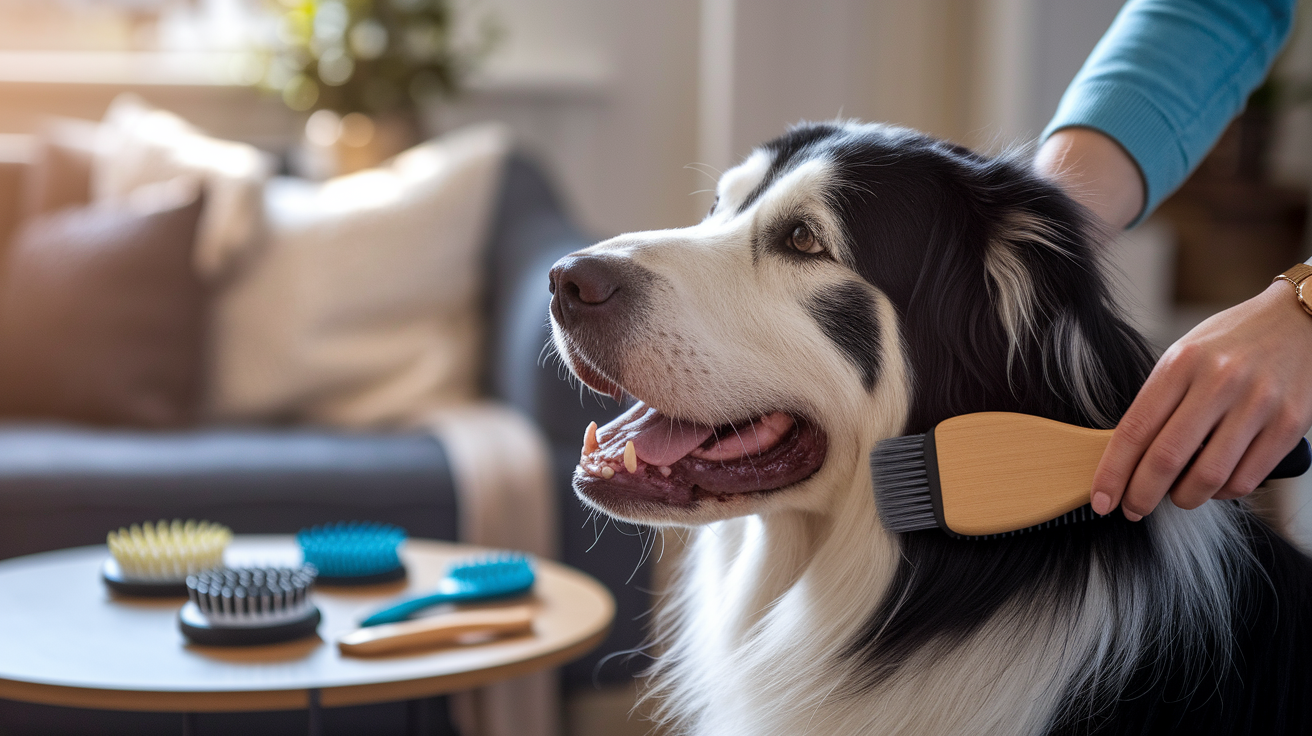
Brushing is the most effective way to keep a double-coated dog clean without water. Regular brushing removes loose undercoat, distributes natural oils, pulls out dirt and debris, and reduces the odor that builds up when dead hair sits against the skin. During shedding seasons, daily brushing prevents mats and makes baths more effective because the coat is already free of tangles. Off season, brushing two to three times a week keeps the topcoat shiny and the undercoat from compacting. The more you brush, the longer you can go between full baths, and the healthier the coat stays overall.
The right tools make a difference. A basic grooming kit for a double-coated dog should include a slicker brush for smoothing the topcoat and catching loose surface hair. You’ll want an undercoat rake to reach through the guard hairs and pull out the dense underlayer. A pin brush helps with gentle detangling and finishing. A deshedding tool strips away dead undercoat during heavy shedding periods, and detangling spray makes brushing easier and reduces static in dry weather.
Brush in sections, working from the skin outward to lift and separate the undercoat. Start at the rear legs and hindquarters, then move up the back, across the shoulders, and finish with the chest, neck, and tail. Pay extra attention to areas where mats form quickly. Behind the ears, under the legs, around the collar line, and along the belly. If you hit a tangle, hold the hair close to the skin and work it out gently with a slicker or pin brush to avoid pulling.
Consistent brushing reduces the amount of dirt, dander, and oils that build up over time, which means the dog smells fresher and feels cleaner without needing frequent baths. It also gives you a chance to check the skin for redness, bumps, ticks, or hot spots before they become bigger problems. A well brushed coat dries faster after a bath, mats less, and sheds more predictably.
Proper Bathing Techniques for Double-Coated Dogs
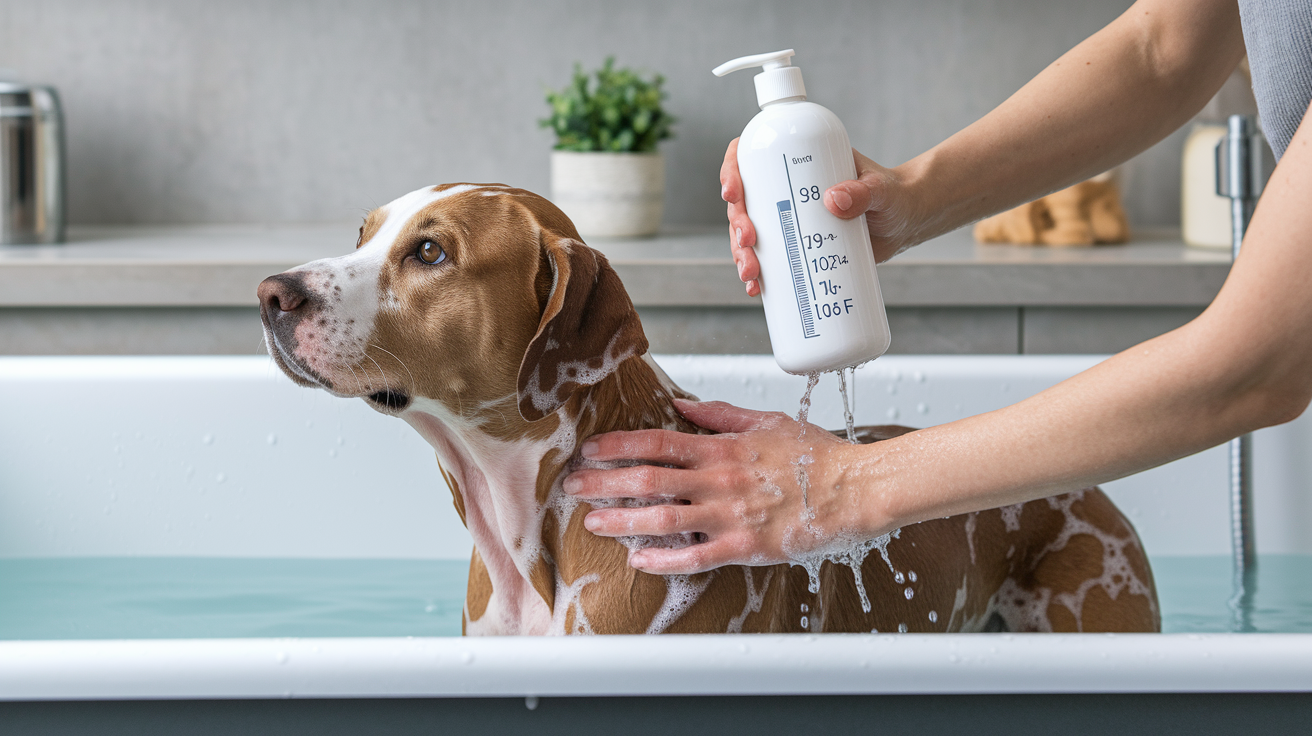
The way you bathe a double-coated dog matters as much as how often you do it. Poor technique can leave soap residue in the undercoat, trap moisture against the skin, or create mats that take hours to brush out. A thorough, methodical approach protects the coat and skin while getting the dog genuinely clean.
Follow these steps for a safe and effective bath. Brush the dog completely before wetting the coat to remove loose undercoat, tangles, and surface dirt. Use lukewarm water between 98 and 102 degrees Fahrenheit, warm enough to open the coat but not hot enough to irritate the skin. Dilute dog shampoo with water, typically 1 part shampoo to 3 to 10 parts water depending on the product and how dirty the dog is. Apply diluted shampoo in sections, working it down to the skin with your fingers and massaging gently to lift dirt from the undercoat. Rinse thoroughly for at least 3 to 5 minutes, lifting the coat and letting water run all the way to the skin until it runs completely clear. Apply a lightweight dog conditioner if the coat is dry or tangled, then rinse again until no slickness remains. Dry the dog using a high velocity blow dryer on low heat, brushing in sections as you dry to separate the undercoat and prevent mats.
The undercoat holds water like a sponge. If you stop drying while the underlayer is still damp, the coat will mat, the skin may develop a musty smell, and in some cases, moisture trapped against the skin can lead to hot spots or fungal irritation. Towel blotting helps remove the first layer of water, but a blow dryer is necessary to reach the dense underlayer. Work in small sections, lifting the hair with a slicker brush or comb as you direct air toward the skin.
Start drying at the legs and belly, where the coat is thinner, then move to the back, chest, and neck. Finish with the tail and any feathering around the legs or rear. Keep the dryer moving and check the skin as you go. The coat should feel completely dry to the touch, with no cool or damp spots when you press your hand into the undercoat.
After drying, go over the dog one more time with an undercoat rake or deshedding tool. Loose hair that was softened by the bath will come out easily now, and this final brushing leaves the coat smooth, fluffy, and free of hidden tangles.
Breed-Specific Bathing Considerations for Double-Coated Dogs
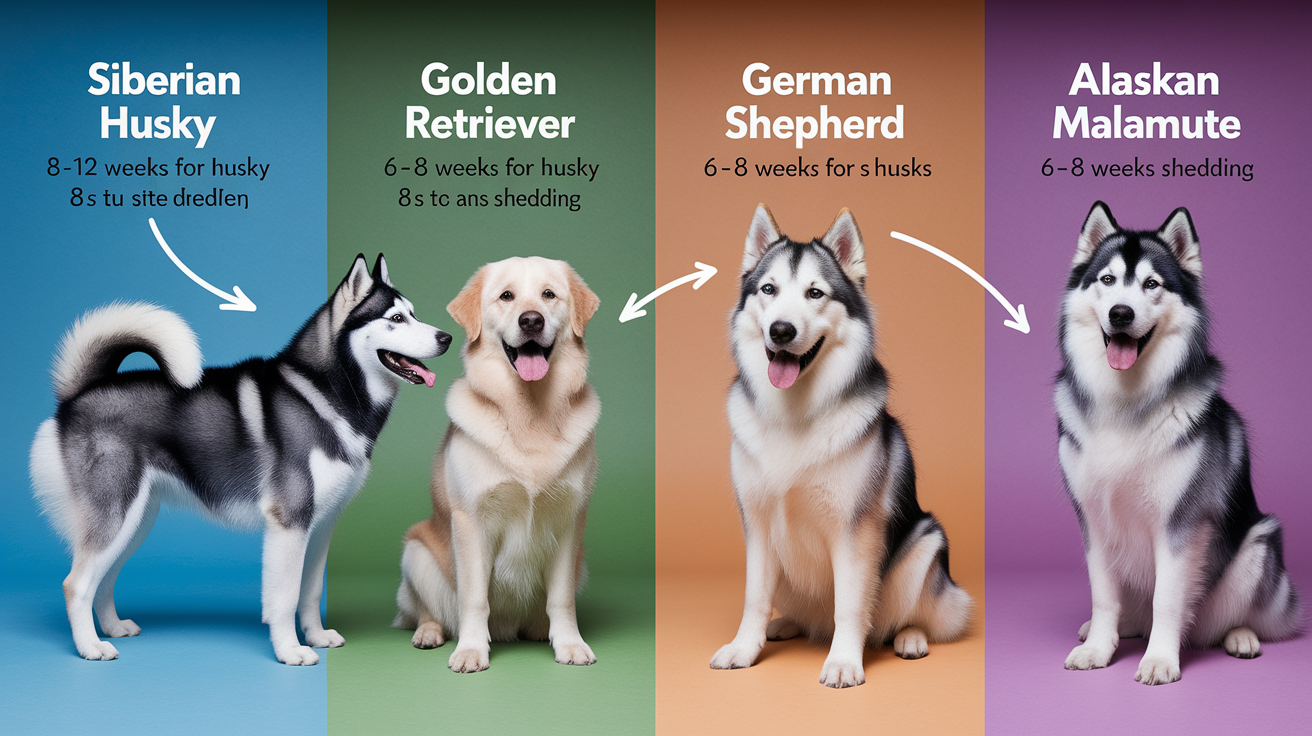
Different double-coated breeds have slightly different grooming needs based on coat density, length, and the environments they were bred to work in. A Siberian Husky has a shorter, denser coat that sheds heavily twice a year and typically does well with baths every 8 to 12 weeks. A Golden Retriever has a longer, wavier topcoat with feathering that picks up more dirt and may need baths closer to every 6 to 8 weeks, especially during active outdoor seasons. Understanding your dog’s breed tendencies helps you set a realistic baseline.
| Breed | Typical Interval | Special Notes |
|---|---|---|
| Siberian Husky | 8–12 weeks | Heavy seasonal shedding, self-cleaning coat, minimal odor |
| Golden Retriever | 6–8 weeks | Longer feathering picks up dirt, may need more frequent spot cleaning |
| German Shepherd | 8–12 weeks | Year-round shedding, benefits from regular brushing between baths |
| Alaskan Malamute | 8–12 weeks | Very dense undercoat, requires thorough drying to prevent mats |
Even within a breed, individual dogs vary. A Golden Retriever that swims daily and lives on a farm will need more frequent baths than one that walks on sidewalks and spends most of the day indoors. Pay attention to how quickly your dog’s coat picks up odor, dirt, and oil buildup, and adjust the schedule accordingly. The breed guideline is a starting point, but your dog’s lifestyle and skin condition should always guide the final decision.
Signs Your Double-Coated Dog Needs a Bath Sooner

Most of the time, sticking to a 6 to 12 week schedule works well. But there are clear signs that a bath is needed before the calendar says so. Learning to read your dog’s coat and behavior helps you catch problems early and keeps the skin comfortable.
Watch for a strong, oily, or musty odor that doesn’t go away with brushing. Visible dirt, mud, leaves, or debris trapped deep in the undercoat is another signal. Frequent scratching, biting at the skin, or rubbing against furniture can indicate irritation or buildup of allergens. Mats forming quickly even with regular brushing often mean that oils and dirt are causing the coat to tangle.
If your dog rolls in something foul, gets sprayed by a skunk, or comes home covered in mud after a hike, a bath is the right call even if it’s only been a few weeks since the last one. Use a gentle, diluted shampoo and rinse thoroughly to avoid stripping more oil than necessary. After the bath, return to your regular schedule rather than shortening the interval permanently unless the dog’s activity level has changed for good.
Persistent scratching or a sudden increase in odor, especially if the skin looks red or flaky, may point to a skin infection, allergies, or parasites. In those cases, check with a veterinarian before increasing bath frequency. Medicated shampoos or prescription treatments may be needed, and bathing too often without the right products can make the problem worse.
Alternatives to Full Baths for Double-Coated Dogs
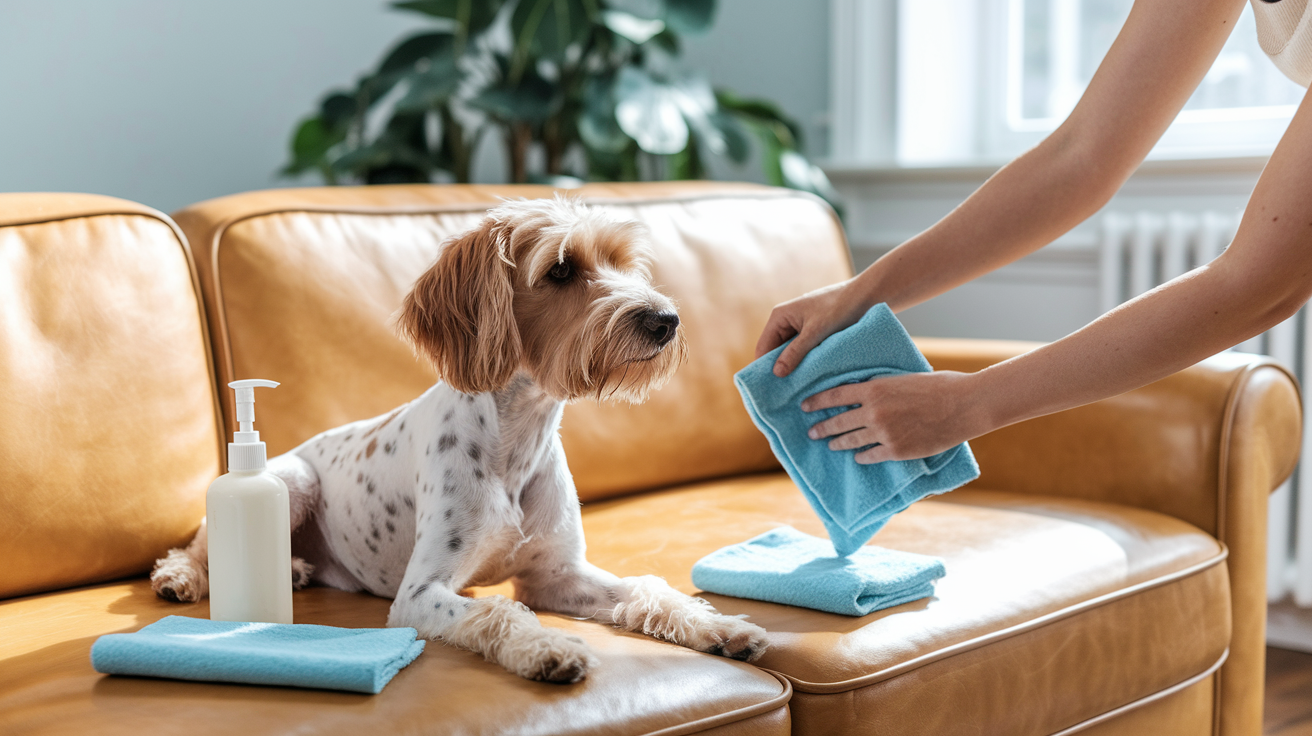
You don’t need to give a full bath every time your dog gets a little dirty or starts to smell between scheduled washes. Simple alternatives keep the coat fresh and reduce the wear on the skin’s natural oil balance.
Spot cleaning with a damp cloth and a small amount of diluted dog shampoo works well to wash muddy paws, a dirty belly, or soiled rear areas. Waterless shampoo in foam or spray form lifts light dirt and odor without rinsing, though it shouldn’t replace regular baths long term. Grooming wipes designed for dogs are useful for quick cleanups after outdoor walks or to freshen the coat on hot days. A plain water rinse with no shampoo can wash off pollen, pool chemicals, or salt water after swimming.
Spot cleaning works best for isolated areas. Wet a towel with lukewarm water, add a drop of shampoo if needed, and wipe the dirty section gently. Rinse the towel and wipe again with clean water to remove any soap, then dry the area with a separate towel. This method is fast, low stress, and keeps most of the coat dry so you don’t have to deal with blow drying the whole dog.
Waterless shampoos are convenient but shouldn’t become a replacement for regular brushing or full baths. They can leave a slight residue if used too often, and they don’t clean the undercoat the way water and proper rinsing do. Save them for travel, quick fixes, or situations where a full bath isn’t possible. When dirt becomes heavy, mats start forming, or the coat feels greasy to the touch, it’s time for a real bath no matter how many wipes or sprays you’ve used in between.
When to Seek Professional Grooming for Double-Coated Dogs
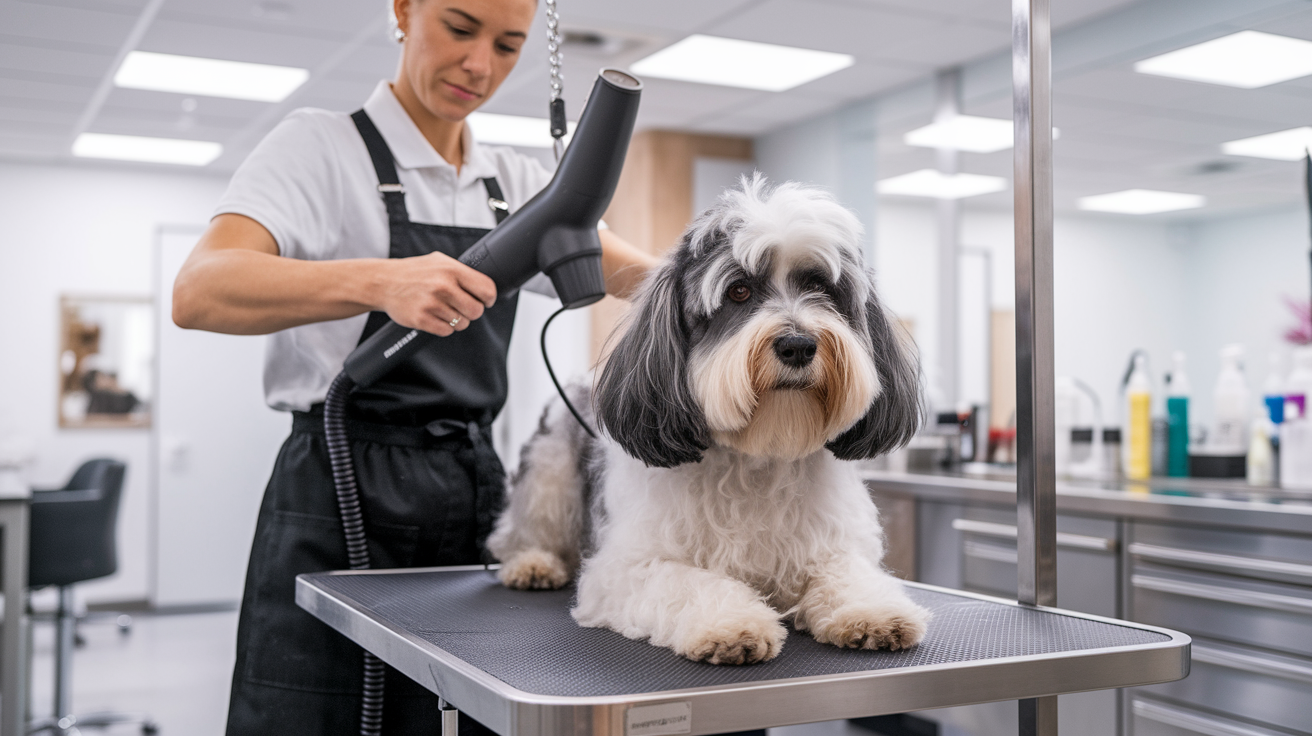
Professional grooming offers tools, experience, and efficiency that most owners can’t match at home. A groomer trained in double-coated breeds knows how to thoroughly de-shed the undercoat, use high velocity dryers that reach deep into the coat, and spot early signs of skin or coat problems. For many owners, scheduling a professional grooming session every 6 to 12 weeks, timed with the dog’s bath schedule, makes home maintenance easier and keeps the coat in better condition overall.
Professional blowouts are especially valuable during heavy shedding seasons. A groomer can remove more loose undercoat in one session than several weeks of home brushing, and the high powered drying process fluffs the coat and prevents mats from forming as the undercoat grows back in. The bath itself is done with proper dilution, thorough rinsing, and products suited to the dog’s coat type and any skin sensitivities. Many groomers also trim sanitary areas, clean ears, and clip nails as part of the full service, which reduces the number of tasks you need to handle at home.
Severe matting, excessive shedding that you can’t keep up with, or visible skin irritation like redness, bumps, or hot spots are all reasons to bring the dog to a groomer or veterinarian sooner rather than later. Mats that sit against the skin for too long can pull on the hair, trap moisture, and create painful sores. A groomer can safely remove mats without injuring the skin, and in cases where the matting is extensive, shaving may be the only option. If skin issues are present, the groomer may recommend a veterinary visit before proceeding with grooming, since medicated baths or treatments may be needed to address the underlying cause.
If your veterinarian prescribes medicated baths for allergies, infections, or other skin conditions, ask whether you should handle them at home or have a groomer do them. Some medicated shampoos require precise contact time and thorough rinsing, and a professional setup makes it easier to follow the treatment plan correctly.
Final Words
Aim for a 6 to 12 week bath routine for most double-coated dogs. Their double coat, with a topcoat and dense undercoat, means frequent washing strips natural oils and can dry the skin. Reserve baths for visible dirt, swim exposure, or heavy shedding.
Between baths, brush often, try spot cleaning or waterless shampoo, and always dry fully to avoid mats.
If you’re asking how often should you bathe a double coated dog, the short answer is usually every 6 to 12 weeks, adjusted for activity and season. You’ll keep their coat healthy and comfy.
FAQ
Q: How often should I wash my double-coated dog?
A: You should wash a double-coated dog about every 6–12 weeks. Bathe closer to six weeks if they’re muddy, very active, or in heavy shedding; avoid routine baths more often than 3–4 weeks.
Q: What is the 7 7 7 rule for dogs?
A: The 7 7 7 rule for dogs is a simple training plan: seven seconds per cue, seven repetitions, repeated over seven days to help build a new habit with short, consistent practice.
Q: What not to do with double-coated dogs?
A: Don’t shave a double coat, bathe them too often (less than 3–4 weeks), use human shampoo, or aggressively pull undercoat mats—these actions strip oils, weaken insulation, and harm skin.
Q: What is the 7 second rule for dogs?
A: The 7 second rule for dogs means give a reward or correction within seven seconds of the behavior so the dog links the consequence to the action; delay weakens that connection.