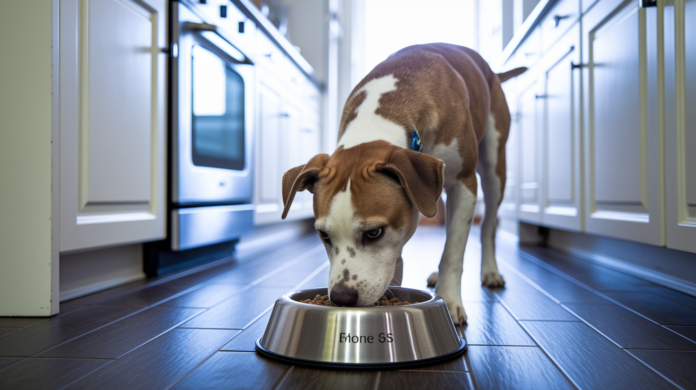

If your dog finishes a bowl in under two minutes, it’s not just messy—it’s risky.
Fast eating can lead to choking, painful vomiting, and a life threatening condition called bloat (GDV).
You can slow meals to 10 to 15 minutes with simple, safe steps you can try right away.
This post gives immediate fixes, easy DIY ideas, and short training moves so your dog eats calmer and safer.
Start small—no special bowl needed.
Immediate Ways to Slow Your Dog’s Eating Behavior
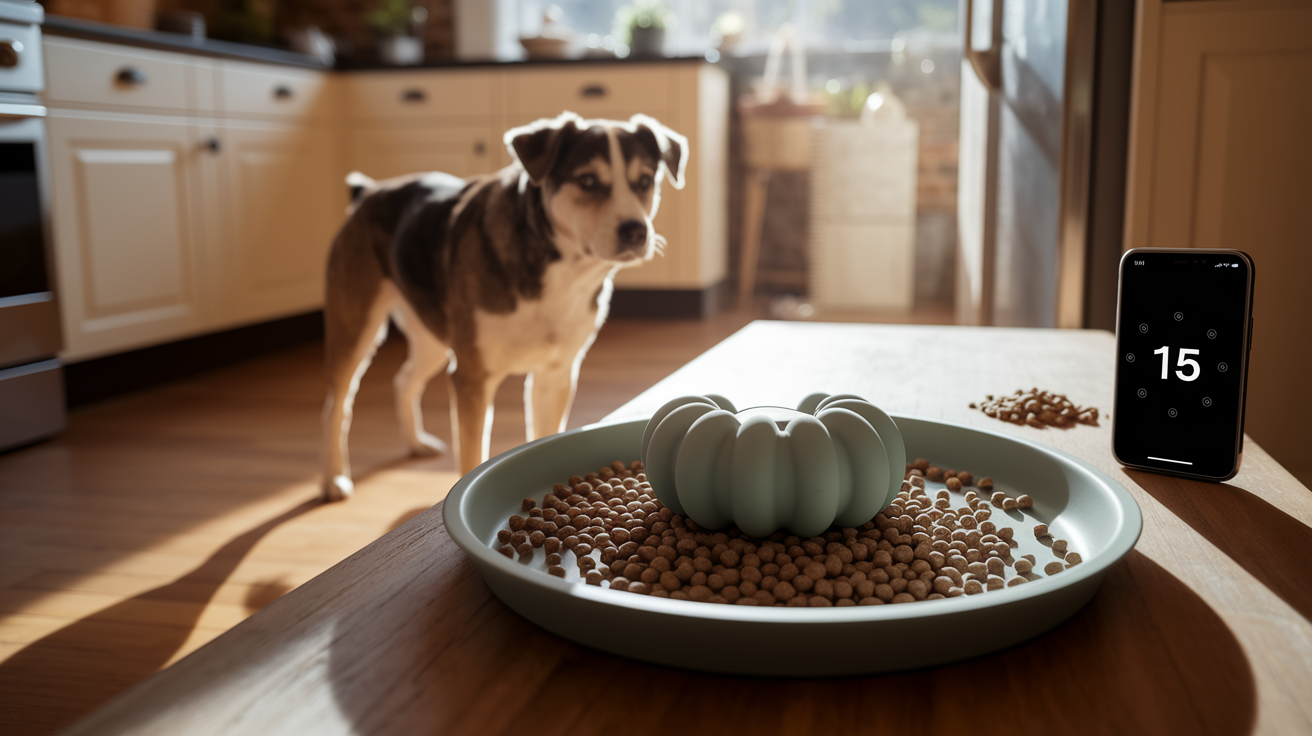
Fast eating isn’t just messy. It’s dangerous. When a dog inhales food in under two minutes, the risk of choking, regurgitation, and life threatening bloat jumps sharply. Bloat, also known as gastric dilatation volvulus or GDV, happens when the stomach fills with gas and twists, cutting off blood flow. It’s an emergency that requires immediate surgery. Even without bloat, rapid eating can cause painful vomiting, gagging, and chunks of kibble coming right back up.
Your first goal is simple. Stretch mealtime from under two minutes to at least 10 to 15 minutes. Time your dog’s next meal with a phone timer. If the bowl’s empty in less than two minutes, you’re working with a speed eater. That target of 10 to 15 minutes gives the stomach time to register fullness, reduces air gulping, and makes choking far less likely.
You don’t need to wait for a special bowl or training plan to start slowing things down. Use what you have right now. Scatter kibble across the kitchen floor or backyard so your dog has to search and move between bites. Drop a clean tennis ball or large rubber toy into the bowl so they have to nudge it aside to reach food. Split the meal into six or more tiny servings and hand them out one at a time, waiting 30 seconds between each. These tweaks buy you time while you plan longer term solutions.
Here are five things you can do in the next 10 minutes:
- Swap the regular bowl for any wide, shallow dish that spreads food out in a single layer.
- Toss 50 to 200 pieces of kibble on a clean floor and let your dog hunt for them.
- Place a large, non toxic object in the bowl, anything too big to swallow that forces slower access.
- Divide the meal into 10 small piles on a baking sheet and space them two inches apart.
- Hand feed half the meal, one piece every few seconds, while asking for a sit between bites.
Understanding Why Dogs Eat Too Fast
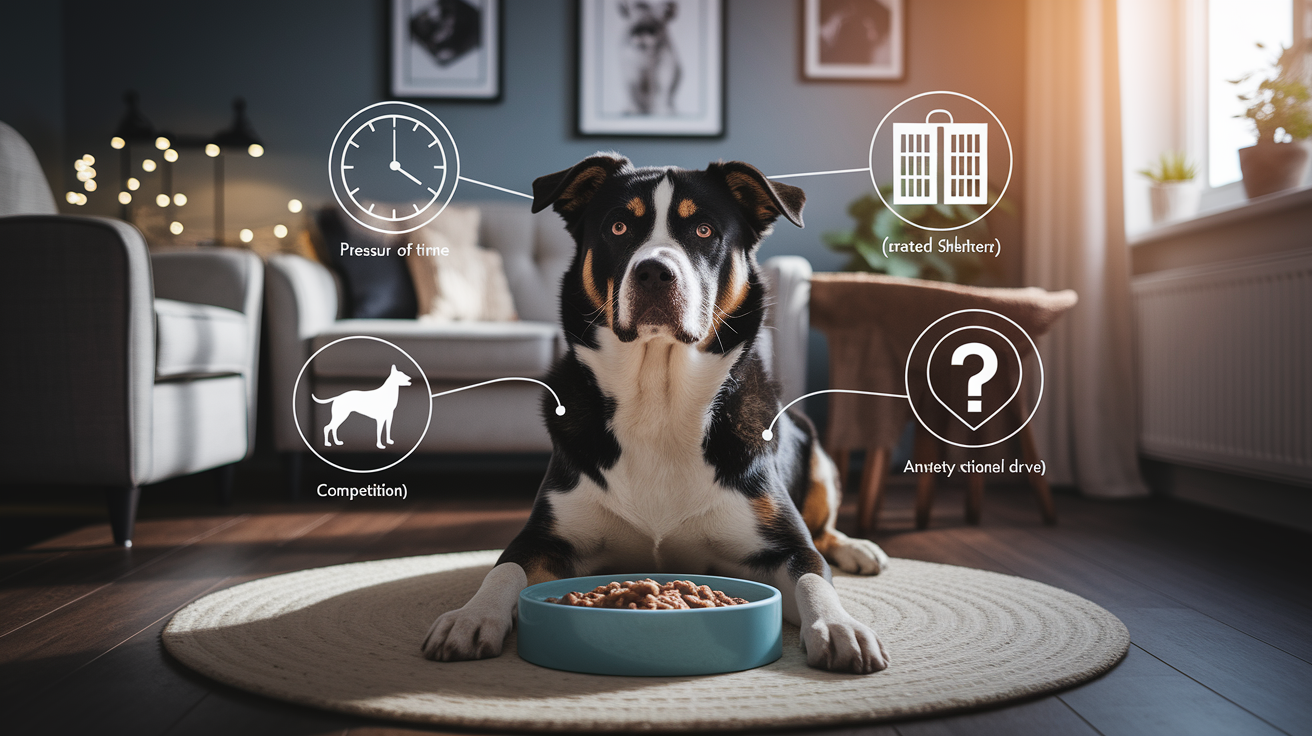
Most dogs don’t gulp food because they’re starving. They gulp because something in their history, environment, or wiring tells them to hurry. Some grew up in shelters or large litters where food disappeared fast. Others live with other pets and feel the pressure to finish before a housemate wanders over. A few dogs simply learned that fast eating gets rewarded with attention or a quicker release from the crate.
Anxiety plays a big role. A dog that’s worried about losing resources will eat like it’s the last meal they’ll ever see. In multi dog households, even a calm looking mealtime can trigger internal competition. One dog finishes and stares at the other’s bowl, and that’s enough to make the second dog speed up. Puppies often race through meals because they haven’t learned portion security yet. Seniors sometimes eat quickly if they’re in pain and want to retreat to a quiet spot afterward.
Common reasons dogs eat too fast include:
Competition from other pets in the household, even if bowls are separated.
Learned behavior from past food scarcity, shelter life, or large litter puppyhood.
Excitement or high food motivation, especially in breeds selected for drive and energy.
Anxiety or stress around mealtime routines or unpredictable feeding schedules.
Medical issues like dental pain, metabolic disorders, or swallowing difficulties that make eating uncomfortable.
Evolutionary instinct. Wild canids ate quickly to avoid losing a kill to competitors.
Slow Feeder Bowls and Feeding Tools That Reduce Eating Speed
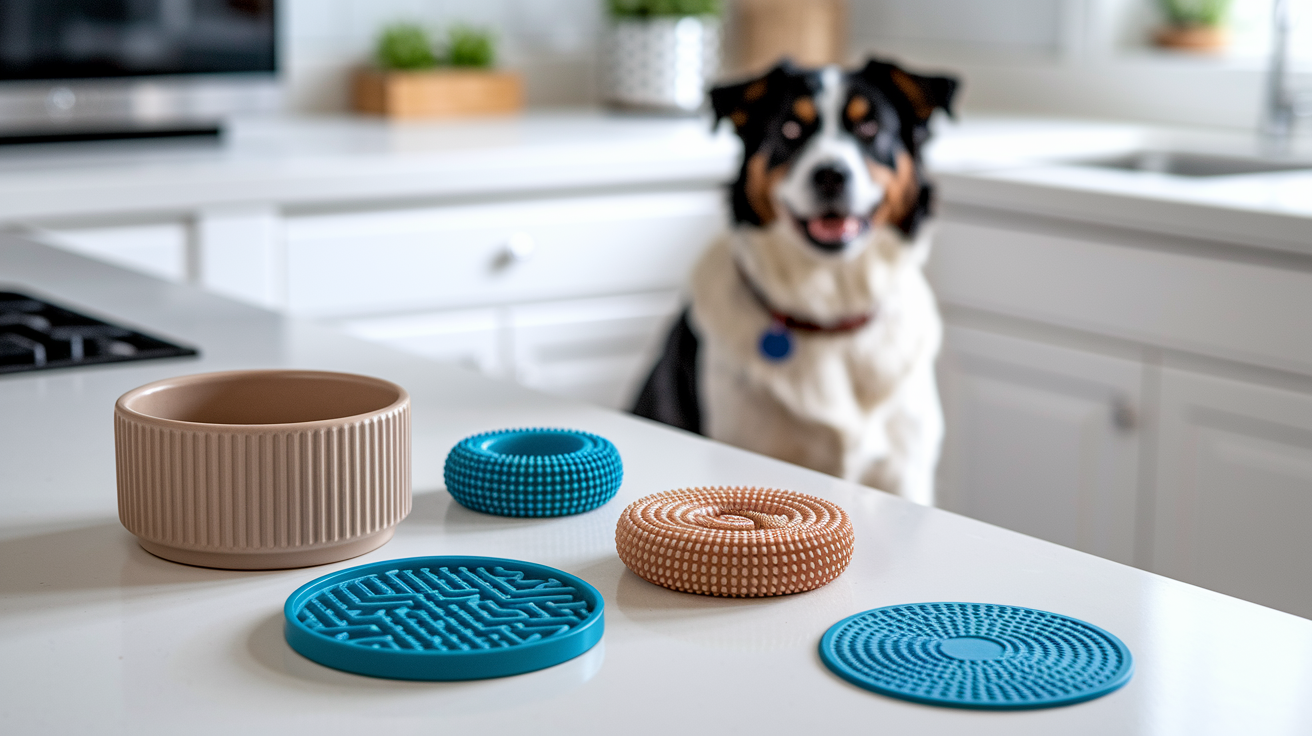
A slow feeder bowl is the fastest fix most owners try first, and it works. These bowls have raised ridges, maze patterns, or spiral designs that force a dog to eat around obstacles. Instead of inhaling a full cup in 30 seconds, the dog has to lick and nudge kibble out of narrow channels. Most dogs slow down to five or ten minutes on the first try. Basic models start around five dollars, dishwasher safe plastic versions run ten to twenty, and heavy duty stainless steel bowls top out near thirty.
Puzzle feeders take the concept further by adding sliding panels, flip lids, or rotating compartments. These cost more, typically 15 to 60 dollars, but they deliver real mental work alongside slower eating. A dog has to figure out how to access each compartment, which keeps them busy and tired. Food dispensing toys like Kongs or Wobblers turn mealtime into a game. You fill the toy, toss it, and the dog rolls or chews it to release kibble a few pieces at a time. This approach works especially well for high energy dogs that need movement and problem solving.
Lick mats and snuffle mats offer a gentler, lower intensity option. Spread wet food, plain yogurt, or mashed pumpkin on a silicone lick mat and freeze it for 20 to 60 minutes. The dog has to lick slowly to get each bite, and the repetitive motion has a calming effect. Snuffle mats hide kibble in fabric folds, encouraging natural foraging. Both tools are quieter and less stimulating than hard puzzle feeders, which makes them a good fit for anxious dogs or nighttime meals.
| Tool Type | Price Range | Pros | Cons |
|---|---|---|---|
| Slow Feeder Bowl | $5–$30 | Immediate effect, dishwasher safe, easy to use | Some dogs learn the pattern, may not slow extreme gulpers |
| Puzzle Feeder | $15–$60 | Mental enrichment, reliably slows eating | Learning curve, requires regular cleaning |
| Food Dispensing Toy | $10–$35 | Adds exercise, durable, freezer friendly | Can be messy, not ideal for aggressive chewers |
| Lick Mat | $8–$25 | Calming, extends meal duration, easy cleanup | Requires prep time, works best with wet food |
| Snuffle Mat | $15–$40 | Engages foraging instinct, quiet, low impact | Fabric holds odors, not suitable for heavy chewers |
DIY and Budget Friendly Slow Down Methods
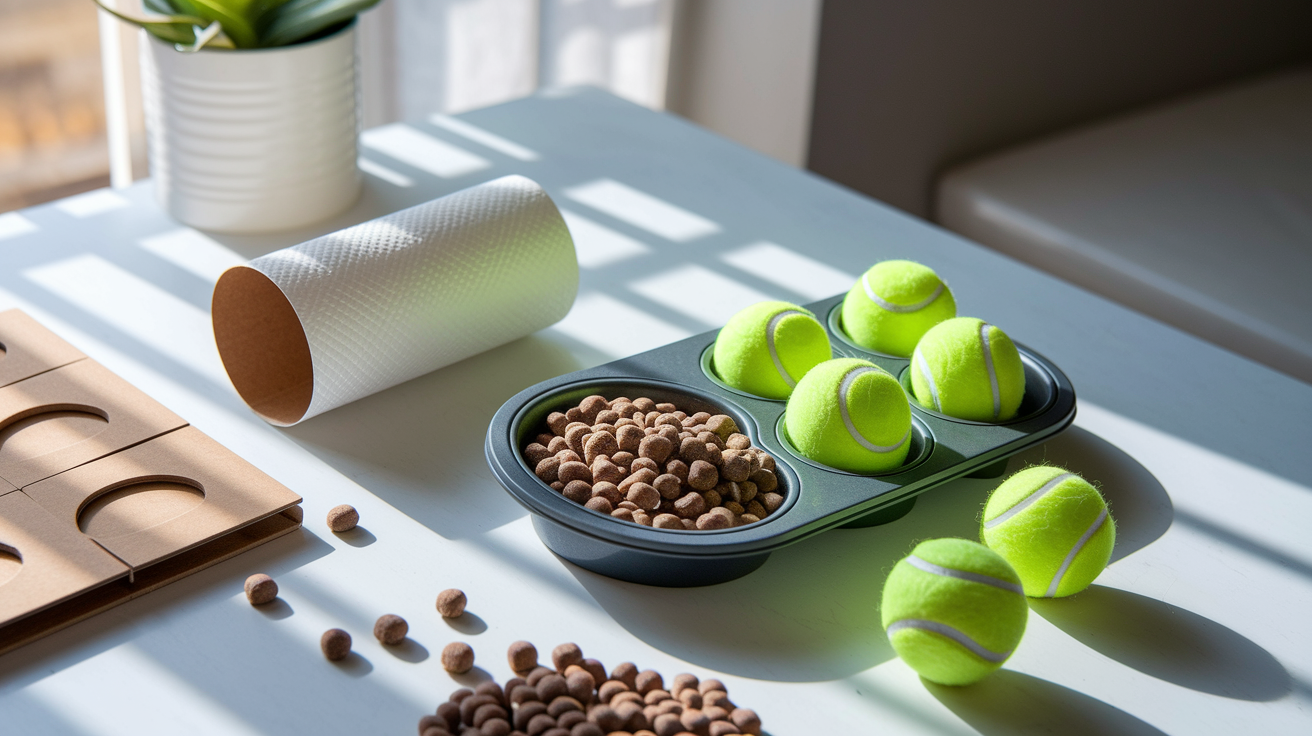
You don’t need to buy anything if you’d rather build or improvise. A standard muffin tin and a handful of tennis balls make an excellent puzzle feeder. Drop a small pile of kibble into each muffin cup, then cover half the cups with tennis balls. Your dog has to lift or nudge each ball to find the food. This simple setup stretches a two minute meal into 10 or 15 minutes and costs nothing if you already have the supplies.
Scatter feeding is even simpler. Toss 50 to 200 pieces of kibble across a clean kitchen floor, hallway, or fenced yard. Your dog walks, sniffs, and picks up one piece at a time. It mimics natural foraging and keeps them moving between bites. If you’re worried about mess or hygiene, use a large washable mat or a clean bedsheet spread on the floor. Shake it out and toss it in the laundry after each meal.
Here are four more DIY methods you can set up in under five minutes:
-
Folded towel feeder. Spread kibble across a clean kitchen towel, then fold or roll the towel loosely. Your dog nudges and unrolls it to reach each piece. Use an old towel you don’t mind getting slobbery.
-
Cardboard tube puzzle. Cut three or four small slits along a paper towel roll, pour kibble inside, and fold both ends closed. Your dog bats and rolls the tube to shake food out through the slits. Toss the tube when it gets too chewed.
-
Plate or baking sheet scatter. Pour the meal onto a large dinner plate or rimmed baking sheet in a single layer. The wide, flat surface makes gulping impossible because the dog can only grab a few pieces at a time.
-
Ice cube tray portions. Drop five to ten pieces of kibble into each compartment of an ice cube tray. Your dog licks and nudges each cube well individually. Freeze a few trays with kibble and a splash of low sodium broth for an even longer lasting version.
Training Techniques That Teach a Healthier Eating Pace
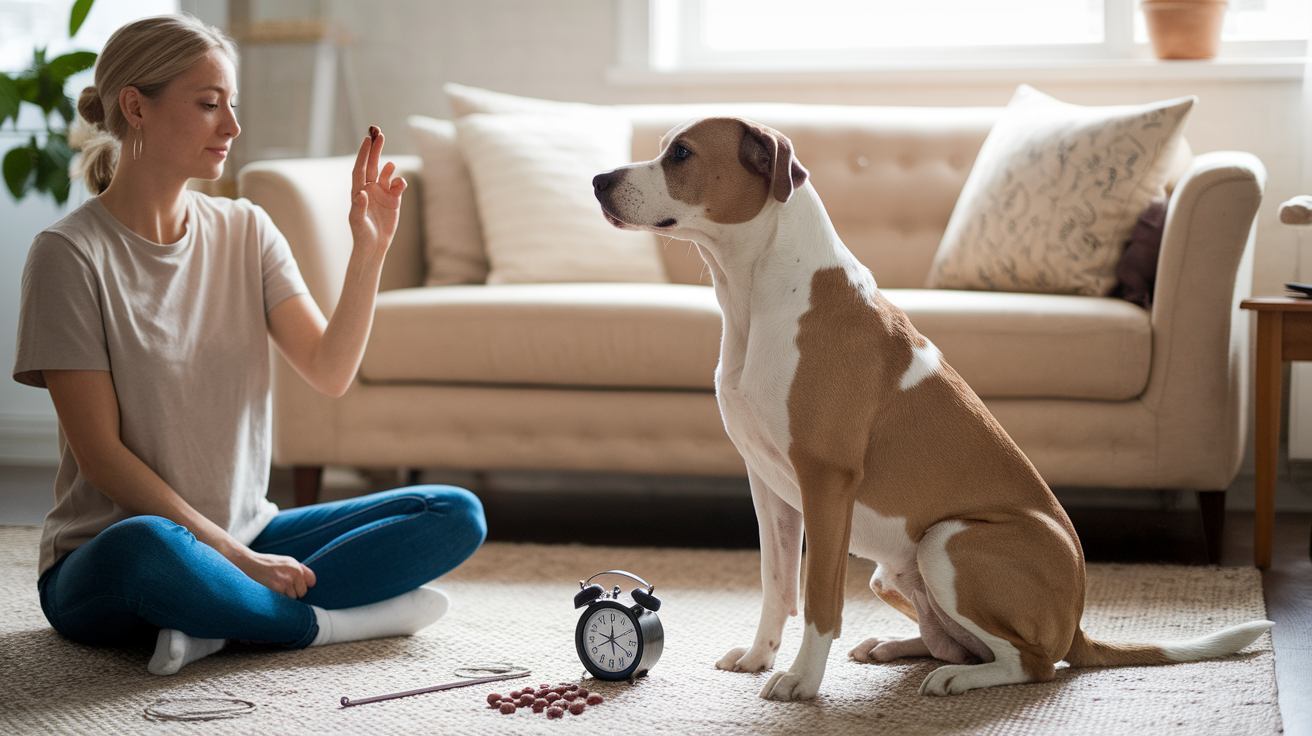
Training works slower than a puzzle bowl, but the results last. A dog that learns to wait calmly before eating will carry that skill into every meal for the rest of their life. It takes consistency and patience, but the payoff is a calmer, safer eater who doesn’t need constant management. Start with short, simple repetitions and build duration gradually over two to six weeks.
Teaching “Wait” and “Leave It”
Hold the food bowl at chest height and ask your dog to sit. Wait two seconds, then lower the bowl and say “okay” or “take it” as your release cue. If your dog lunges before the release, lift the bowl back up and reset. Repeat this five to ten times per meal for the first few days. Once your dog holds the sit reliably for two seconds, increase the pause to five seconds, then ten, then twenty. Most dogs reach a 30 second calm wait within two to three weeks of daily practice. Use the same approach with “leave it” by placing the bowl on the floor, covering it with your hand, and rewarding your dog for looking away or sitting instead of diving in. Gradually reduce your hand coverage until the bowl sits uncovered and your dog waits for permission.
Hand Feeding to Encourage Calm Behavior
Hand feeding turns mealtime into a slow, interactive process. Measure out the full meal, then sit on the floor or a chair and offer eight to twenty small pieces at a time. Wait two to three seconds between each handful and only give the next portion when your dog sits, makes eye contact, or shows calm body language. This teaches impulse control and reinforces that food comes reliably and slowly. It also builds trust and reduces anxiety around mealtime. You don’t have to hand feed every meal forever, but doing it once or twice a week keeps the behavior fresh and gives you a chance to practice calm routines during high stress periods like holidays or moves.
Portion Sequencing and Controlled Access
Divide the full meal into eight to twelve tiny piles and place them in a line on the floor or across a large mat. Let your dog approach and finish the first pile, then gently call them to the second. Move slowly between piles so your dog learns to pause and wait between portions instead of rushing. This method works especially well for anxious dogs because it proves that more food is always coming. After a week or two, most dogs relax and slow their pace even when you return to a single bowl.
Portion Control, Meal Timing, and Feeding Schedules
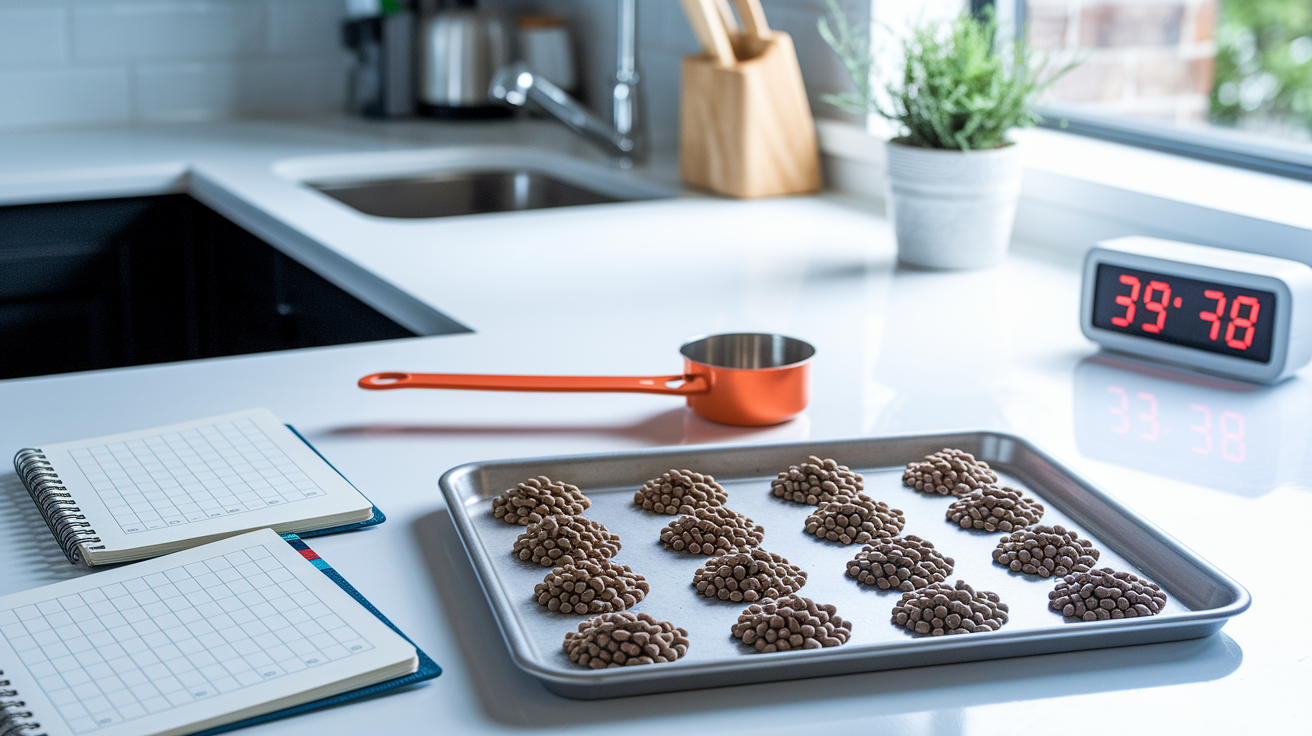
How you divide and schedule meals matters as much as what tools you use. Most adult dogs do well on two meals per day, morning and evening, spaced roughly 10 to 12 hours apart. Puppies need three to four smaller meals because their stomachs are small and their energy needs are high. Senior dogs often prefer one or two meals depending on their appetite, activity level, and any medical conditions like kidney disease or diabetes.
If your dog eats a total of two cups per day, try splitting that into four half cup servings instead of two full cups. Smaller portions are easier to manage, reduce the urge to gulp, and give the digestive system time to process each round of food. For extreme speed eaters, go even smaller. Divide two cups into eight quarter cup servings and space them throughout the day. Yes, it’s more work upfront, but most dogs slow down naturally within a few days once they realize food keeps appearing on a predictable schedule.
Track meal duration with a timer for at least a week. Write down how long each meal takes so you can spot patterns and measure progress. If Monday’s breakfast takes 12 minutes and Friday’s takes four, something changed. Maybe the dog felt rushed, maybe another pet wandered too close, or maybe the kibble size or bowl setup shifted. Knowing the baseline helps you troubleshoot and celebrate small wins, like going from 90 seconds to five minutes in the first week.
Sample feeding schedules that help slow eating:
Two meal adult schedule. 7:00 AM and 6:00 PM, each meal split into two smaller portions delivered 10 minutes apart.
Three meal puppy schedule. 7:00 AM, 12:00 PM, and 5:00 PM, using a slow feeder bowl or scatter method for each meal.
Four meal speed eater schedule. 7:00 AM, 11:00 AM, 3:00 PM, and 7:00 PM, rotating between hand feeding, puzzle feeder, and scatter feeding.
Senior low activity schedule. One larger meal at 8:00 AM, one smaller meal at 5:00 PM, both served on a lick mat or in a slow feeder to extend duration without increasing volume.
Safety Risks of Fast Eating and Warning Signs to Watch For
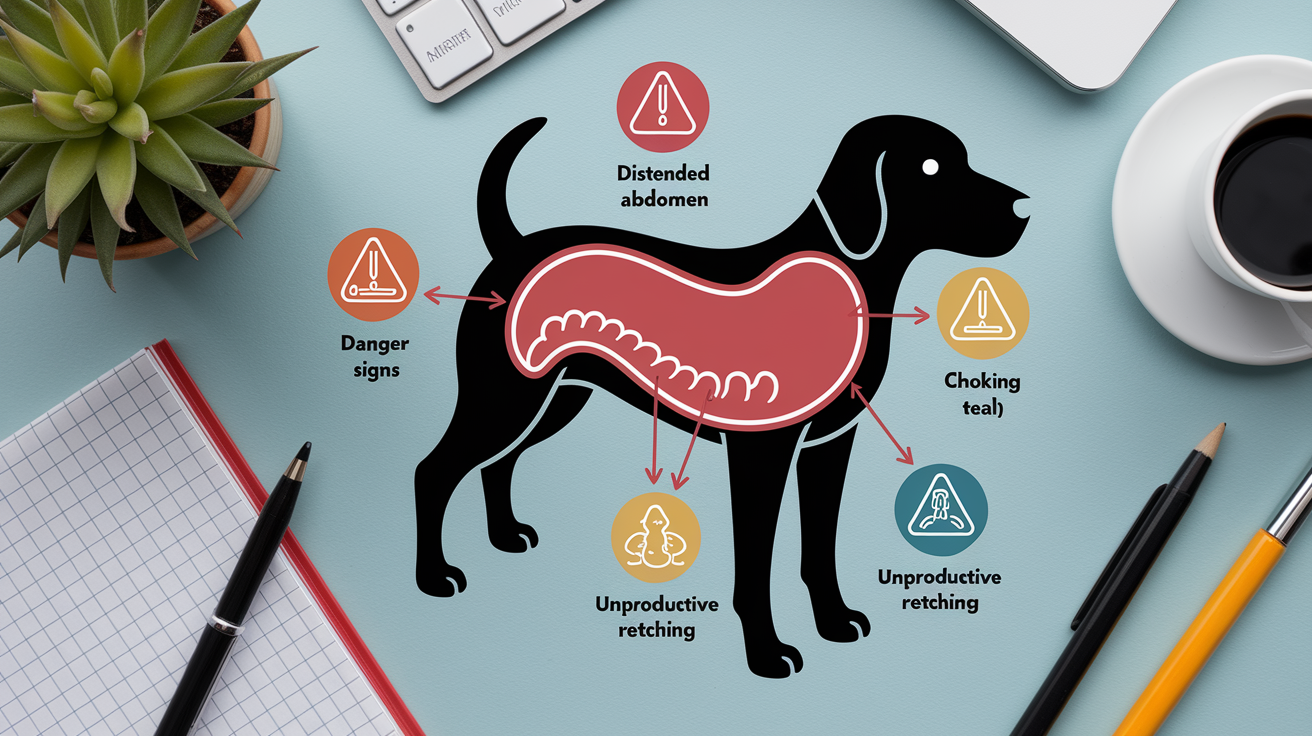
Bloat is the nightmare scenario every dog owner dreads. Officially called gastric dilatation volvulus, or GDV, it happens when the stomach fills with gas or food and then twists on itself. Blood flow stops, the stomach tissue dies, and without emergency surgery the dog can go into shock and die within hours. Deep chested breeds like Great Danes, German Shepherds, and Standard Poodles face higher risk, but any dog that gulps food and water quickly can develop it.
You’ll know something is wrong fast. The dog’s abdomen swells visibly, becoming hard and drum tight. They try to vomit but nothing comes up, just retching and gagging. Excessive drooling starts, along with pacing, whining, or a hunched posture. Some dogs collapse or can’t stand. If you see any combination of these signs, skip the phone call and drive straight to an emergency vet. GDV is always an emergency, and every minute counts.
Even without bloat, fast eating causes problems. Dogs choke when kibble slides into the airway instead of the esophagus. They vomit or regurgitate shortly after meals, sometimes bringing up undigested food in a neat tube shape. Repeated vomiting irritates the esophagus and stomach lining, leading to inflammation and discomfort. Some dogs gulp so much air with their food that they become bloated and gassy for hours, pacing and unable to settle. Weight gain sneaks in too, because a dog that eats too fast doesn’t register fullness until they’ve already overeaten.
Watch for these six warning signs that mean it’s time to change your approach or call a vet:
Repeated vomiting within 30 minutes of eating, especially if it happens after multiple meals in a row.
Distended, hard abdomen that feels tight like a drum and doesn’t soften after a few minutes.
Unproductive retching, gagging, or attempts to vomit that bring up nothing or only foam.
Excessive drooling or thick ropes of saliva, especially combined with pacing or discomfort.
Collapse, weakness, or inability to stand, particularly if it happens suddenly after eating.
Pale gums or rapid breathing, both signs of shock or poor circulation that require immediate care.
Feeding Environment Adjustments for Dogs That Eat Quickly
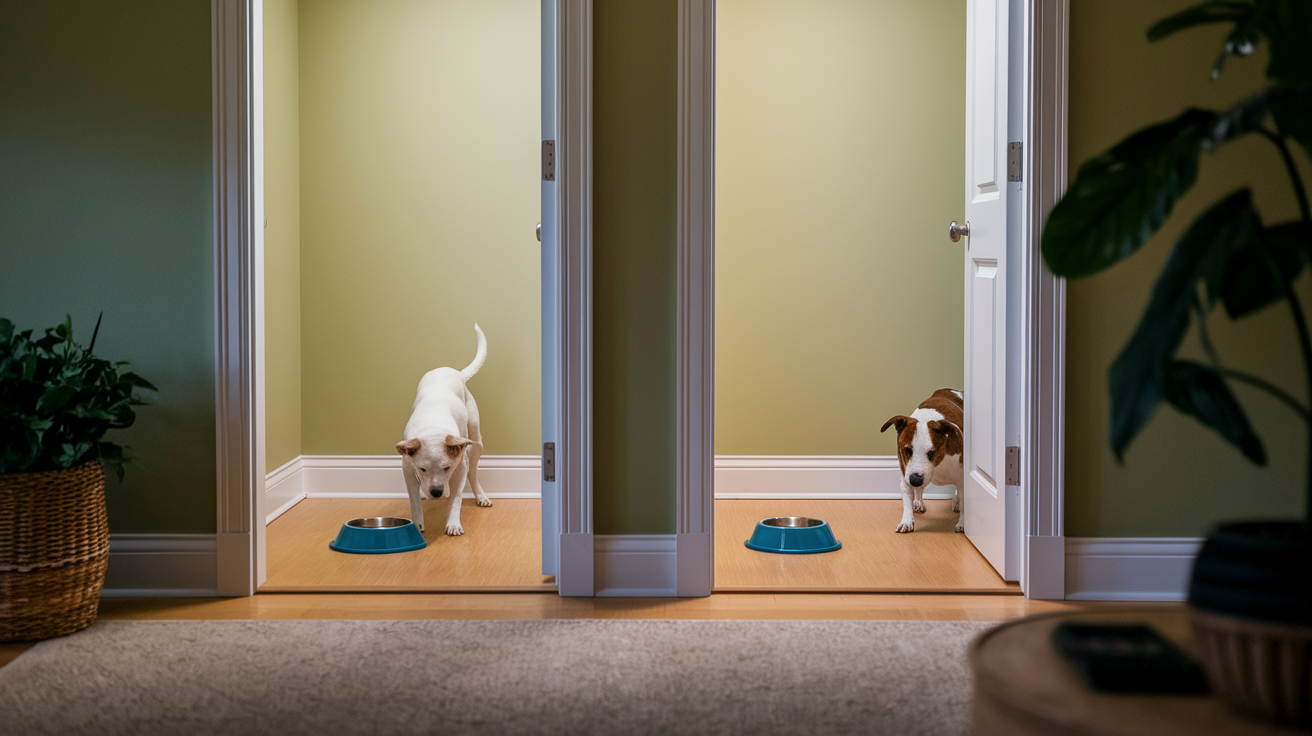
Where and how you feed your dog changes their eating speed more than most owners realize. A dog that eats in a busy kitchen with kids running past, a TV blaring, and another dog staring from three feet away will rush. They’re not trying to be difficult, they’re reacting to perceived pressure. Move the bowl to a quieter spot, a laundry room, bathroom, or even a large crate in a separate room, and watch the pace drop.
In multi dog homes, separation is everything. Even if your dogs don’t fight over food, the presence of another animal creates subtle competition. Start by feeding them three to six feet apart, each facing a wall or corner so they can’t make eye contact. If that doesn’t slow things down, feed them in entirely separate rooms with doors closed. Keep that separation consistent for seven to fourteen days, then gradually reduce the distance only if both dogs show calm, steady eating for at least a week. Some households need permanent separation, and that’s fine. A safe, slow eater is worth the extra effort of managing two feeding stations.
When to Consult a Veterinarian or Professional Trainer
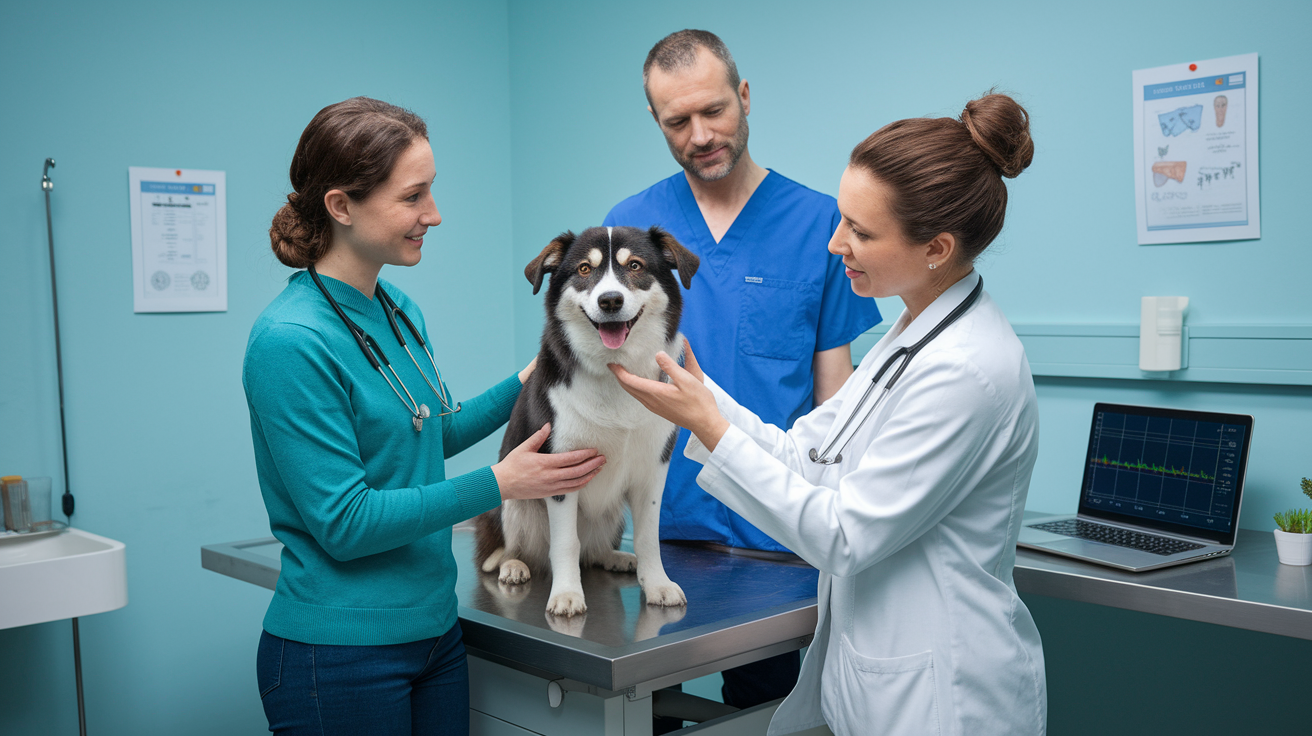
If your dog shows any signs of bloat, distended abdomen, unproductive retching, collapse, or pale gums, get to an emergency vet immediately. Don’t wait to see if it passes. GDV doesn’t resolve on its own, and the survival rate drops sharply with every hour of delay. Even if it turns out to be something less serious, a vet visit is always the right call when you see sudden, severe symptoms after eating.
Schedule a regular vet appointment if your dog vomits frequently, loses weight despite eating normal portions, coughs or chokes during meals, or has trouble swallowing. These signs can point to dental disease, esophageal problems, megaesophagus, or metabolic conditions that won’t improve with slow feeders alone. Your vet may recommend blood work, X rays, or an exam under sedation to check the throat and teeth. If anxiety or resource guarding is driving the speed, and your efforts haven’t made progress after two to four weeks, a certified dog behaviorist or veterinary behaviorist can design a tailored plan that addresses the root cause instead of just managing symptoms.
Four situations that mean it’s time to call the vet now:
Signs of GDV appear during or after a meal. Distended abdomen, unproductive retching, drooling, pacing, collapse.
Persistent vomiting or regurgitation happens after most meals for more than two days in a row.
Visible pain, difficulty swallowing, or gagging that doesn’t improve when you slow feeding or change the bowl.
Sudden weight loss or refusal to eat after a period of fast, enthusiastic eating, which may signal an underlying health issue.
Final Words
Start today: swap to a slow-feeder, scatter kibble, or break meals into micro-portions to slow gulping and reduce health risks. Add short training like “wait” and hand-feeding, and give it 2 to 6 weeks. It’s often enough for steady change.
Watch for red flags like repeated vomiting, a distended belly, or collapse and call your vet right away if they appear.
Aim for 10 to 15 minutes per meal. These steps can help with how to stop a dog from eating too fast and make mealtimes calmer and safer.
FAQ
Q: How to train your dog not to eat so fast?
A: To train your dog not to eat so fast, use slow-feeder bowls or scatter kibble, practice “wait” and hand-feed small pieces at 2–3 second intervals, and split meals into many tiny portions until eating slows.
Q: What causes dogs to eat so fast and why does my dog keep gulping and eating grass?
A: Dogs eat so fast because of anxiety, competition, learned urgency, past scarcity, or medical issues; gulping and grass-eating can point to boredom, mild stomach upset, or a repeated habit—see your vet if it’s frequent.