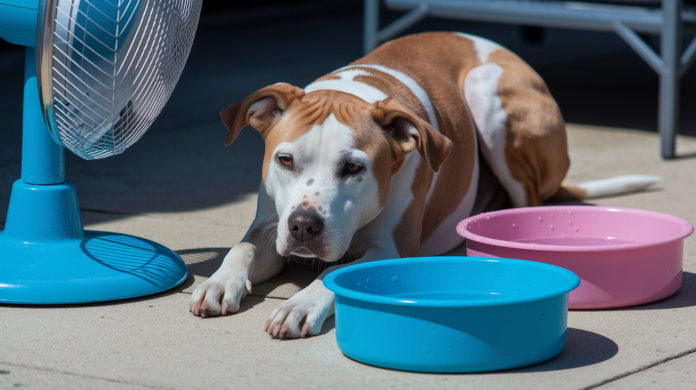

Cracked windows and a short walk won’t save your pet from dangerous heat.
Summer temperatures can climb fast, and small mistakes lead to dehydration or heatstroke.
This guide gives quick, practical steps to keep pets cool right now and prevent trouble later.
You’ll learn immediate cooling moves, hydration tips, safe outdoor timing, indoor tricks, frozen treats, water play, car safety, and clear heatstroke signs to watch for.
Simple, low-cost steps anyone can do, so start here.
Immediate Cooling Actions for Pets During Summer Heat

Put out multiple water bowls in different rooms and outside. Pets drink more when water’s nearby, and they’ll head for the closest bowl when they’re hot. Refill with fresh, cool water every few hours. Toss a few ice cubes in to keep it cold longer.
If your pet looks uncomfortable, move them to shade or somewhere cool right away. A basement works. So does a tiled bathroom or any room with decent airflow. Turn on a fan and put a frozen water bottle wrapped in a tea towel in front of it so cool air blows their way. You can dampen their coat lightly with cool tap water, especially the belly, paws, and ears. Don’t use cold or ice water because it can shock their system and actually make cooling harder.
When temperatures go above 20°C (68°F), cut back on physical activity. Skip long play sessions. Swap them out for calm indoor games like sniff work, treat puzzles, or short training sessions that keep their brain busy without raising body heat. Even a few minutes of hard running can push body temperature too high on a hot day.
Move your pet to shade or the coolest room you’ve got. Offer cool, fresh water right away. Place a fan near their resting spot with a frozen bottle in front. Dampen fur lightly with cool water, belly and paws first. Stop all exercise and active play until temperatures drop.
Hydration Strategies to Keep Pets Cool and Safe
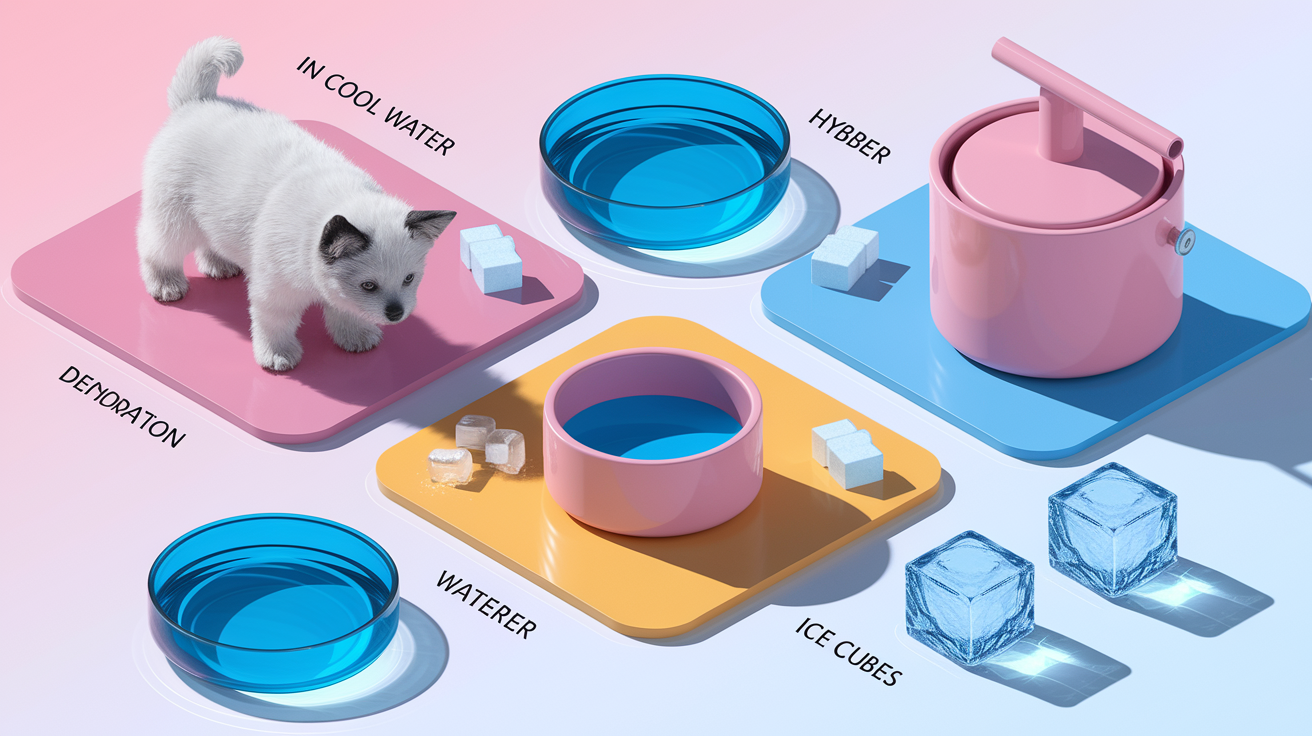
Dump and refill water bowls often. Pets refuse water that’s gotten warm. On hot days, water sitting in a bowl for a few hours can reach room temperature or higher, and most dogs and cats will walk away from it. Keep a jug of cool water ready so you can top off bowls quickly. If your pet’s outside, place bowls in shaded spots so direct sunlight doesn’t heat the water.
Watch for subtle signs of dehydration. If your pet’s gums feel sticky or tacky instead of wet, or if the skin around the muzzle or neck takes a second or two to snap back when you gently pinch it, they may already be dehydrated. Extreme thirst, thick saliva, heavy drooling, and reduced energy are other red flags. Offer water every time you see your pet panting or after any outdoor time.
| Hydration Method | Purpose | Notes | Ideal For |
|---|---|---|---|
| Cool, fresh water in multiple bowls | Provides easy access throughout the home and yard | Refill every 2–3 hours; dump warm water | All pets |
| Portable collapsible waterers | Allows hydration during walks and travel | Pack with a small water bottle; offer every 10–15 minutes on hot walks | Dogs on walks or trips |
| Ice cubes added to bowls | Keeps water cold longer | Use a few cubes; avoid filling the bowl entirely with ice | Pets who drink slowly or bowls in warm spots |
| Shaded outdoor water stations | Prevents water from heating up in direct sun | Check and refill more often if bowl is outside | Outdoor pets or those with yard access |
Safe Outdoor Time and Heat-Aware Exercise for Pets
Walk your dog first thing in the morning or after sunset when temperatures drop. Even evening walks can be risky if humidity climbs after dark, so check the forecast before heading out. Choose shaded routes like woodland paths, trails with tree cover, or streets with lots of shade from buildings. If you can walk to a stream, pond, or safe swimming spot, even better.
Use the hand test for surface safety. Press the back of your hand firmly on the pavement, sidewalk, or packed dirt for five seconds. If it’s too hot for your hand, it’s too hot for your dog’s paws. Hot asphalt, sand, and concrete can cause serious paw burns in seconds. On very hot days, stick to grass or shaded dirt paths.
Keep walks short when temperatures are above 20°C. Cut your usual 30 minute walk down to 10 or 15 minutes, and bring water with you. Offer water every few minutes, especially if your dog’s panting. If your pet seems tired, stops frequently, or slows down, head home right away.
Shorten walk times to 10–15 minutes on hot days. Carry a collapsible water bowl and offer water every few minutes. Avoid asphalt, concrete, and sand during peak heat. Use protective booties if hot surfaces can’t be avoided.
Indoor Cooling Techniques for Pets During Heatwaves
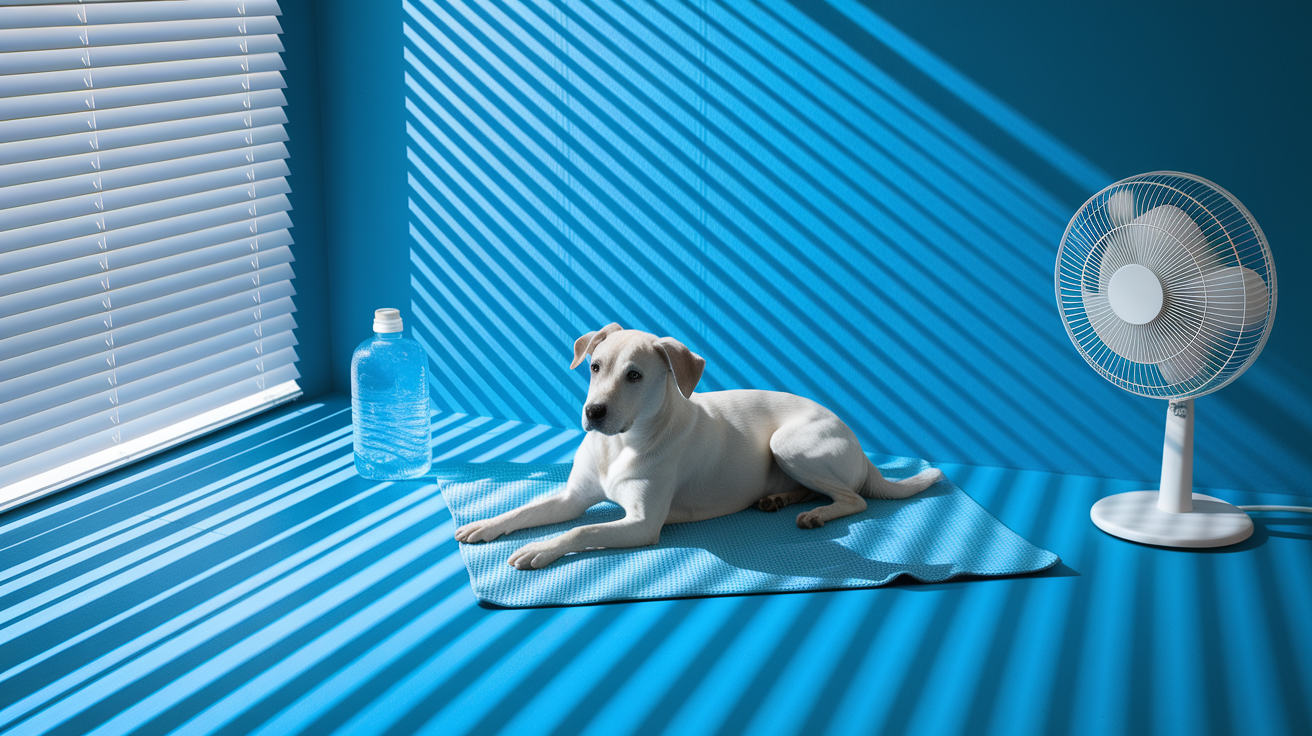
Good airflow makes a big difference. Open doors between rooms so cool air can move through the house. Turn on ceiling fans or place a box fan near your pet’s favorite resting spot. For an easy cooling boost, freeze a few water bottles, wrap them in a tea towel or small blanket, and place them in front of the fan. Your pet can lie near the airflow or move away if they get too cool.
Cooling mats and reflective beds help pets rest comfortably. Self-cooling mats use gel that stays cool without freezing, while others need a few hours in the freezer before use. If you don’t have a cooling mat, lay a damp towel on a tiled floor or in a crate. Basements and ground level rooms tend to stay cooler, so move beds and crates to those spots if possible. Close blinds or curtains on windows that get direct sun to block heat buildup.
Use self-cooling or freezer activated cooling mats under your pet’s bed. Place reflective or light colored bedding in shaded, cool rooms. Block direct sunlight with blinds or curtains during the hottest hours. Set up frozen water bottles wrapped in towels near resting areas. Open interior doors to improve airflow and prevent heat from getting trapped.
Cooling Foods, Frozen Treats, and Enrichment for Hot Days
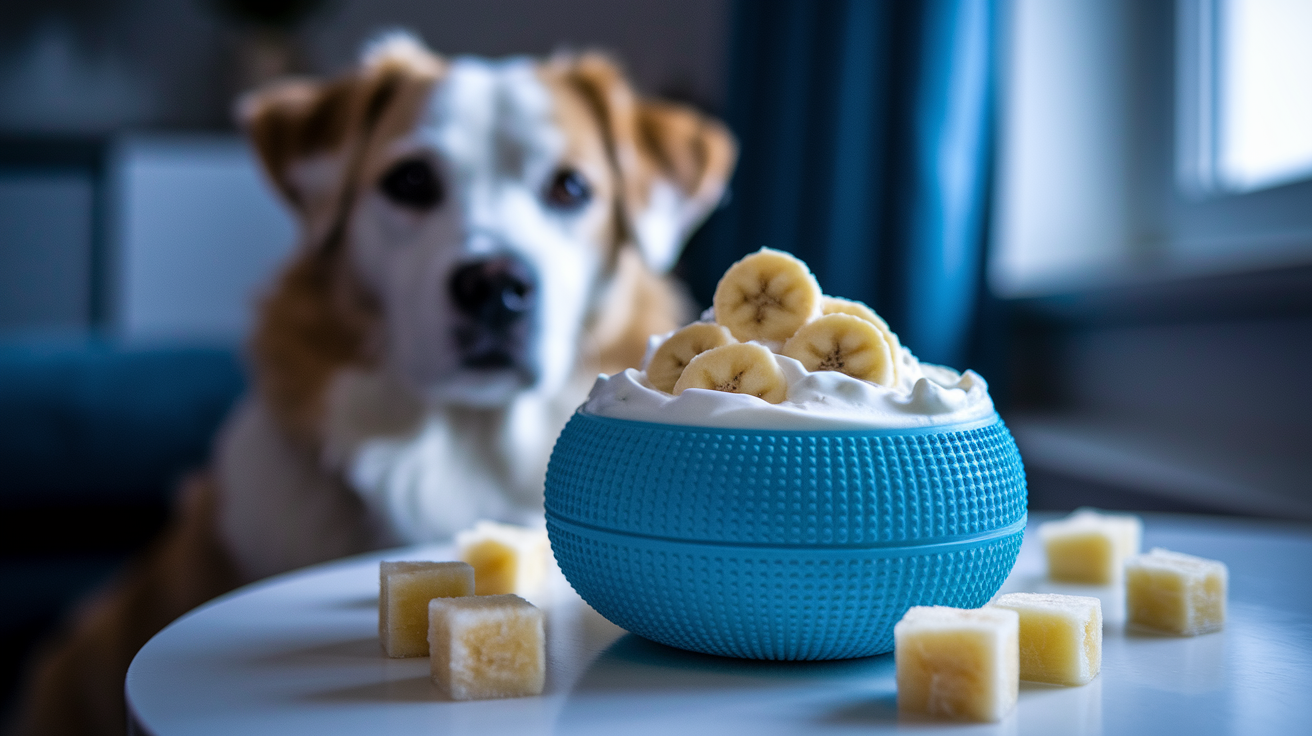
Frozen treats give your pet something fun to do while helping them cool down. Fill a Kong or similar toy with plain yogurt, unsalted broth, mashed banana, or pureed pumpkin, then freeze it for a few hours. You can also freeze small pieces of dog safe fruit like watermelon, blueberries, or apple slices. Make sure treat sizes match your pet’s mouth. Small cubes for small dogs and cats, larger pieces for big dogs, so there’s no choking risk.
Feed frozen treats in moderation. Too much at once can upset the stomach or cause diarrhea, especially if your pet isn’t used to cold foods. Offer one frozen Kong or a small handful of frozen fruit once a day, and always supervise while your pet is licking or chewing. Avoid giving large ice blocks that your pet might bite too hard or chew aggressively. If you’re using frozen toys, check them regularly to make sure they’re not cracking or breaking apart.
Water Play and Safe Water-Based Cooling for Pets

Set up a paddling pool in a shaded spot in the yard. Fill it halfway with cool water, not freezing cold. Toss in a few favorite floating toys to encourage your dog to step in. Some pets need a little time to get comfortable, so don’t force it. Let them explore at their own pace.
Misting your pet’s coat with a spray bottle can bring quick relief. Focus on the belly, chest, paws, and the inside of the back legs where fur is thinner. Avoid spraying directly at the face or ears. If you use a garden sprinkler, watch for over excitement. Dogs can get so wound up playing in the spray that they overheat from the activity itself.
Check the water temperature before your pet gets in. Cool water feels good, but ice cold water can cause shock or make muscles cramp. Empty and refill the pool every day to keep it clean and to avoid algae or bacteria buildup.
Fill the paddling pool halfway with cool tap water and place it in full shade. Add a floating toy or two to make it inviting, and let your pet investigate without pressure. Monitor excitement levels closely. If your pet is running, barking, or playing hard around the water, take a break and offer rest in the shade.
Car Safety and Heat Risks for Pets in Vehicles
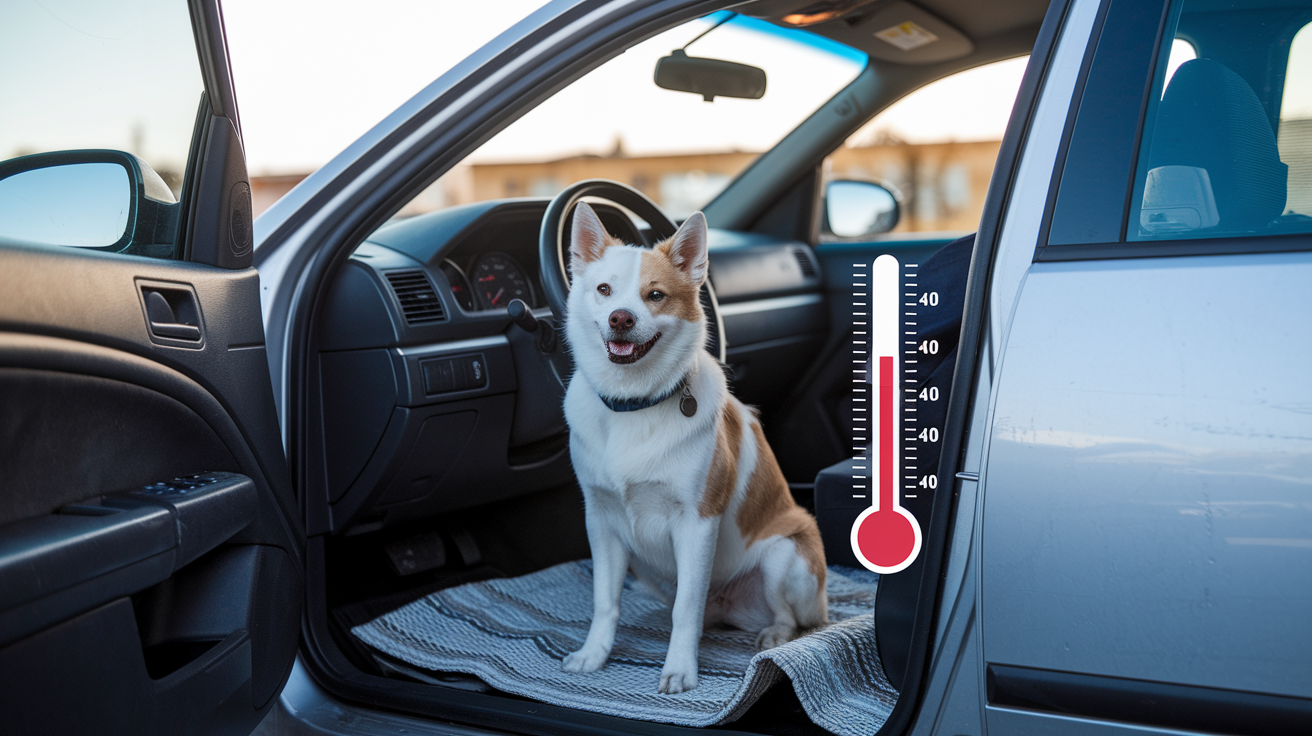
Never leave your pet alone in a parked car when the outside temperature is above 70°F, even for a few minutes. Cars heat up fast. On a 95°F day, the inside of a car can reach dangerous temperatures in under 10 minutes, even with windows cracked. Pets can suffer heatstroke or die in that time.
When you travel with your pet, bring a water bowl and a bottle of cool water. Roll the windows down slightly or run the air conditioning while driving. Plan your route so you can stop every hour or two to let your pet drink, stretch, and cool off in the shade.
Pack a travel water bottle and collapsible bowl for every car trip. Use air conditioning or crack windows to keep air moving while driving. Schedule regular stops in shaded rest areas so your pet can drink and cool down. If your pet shows signs of distress in the car, pull over immediately, offer water, and move them to shade.
Recognizing Heatstroke Signs in Dogs and Cats
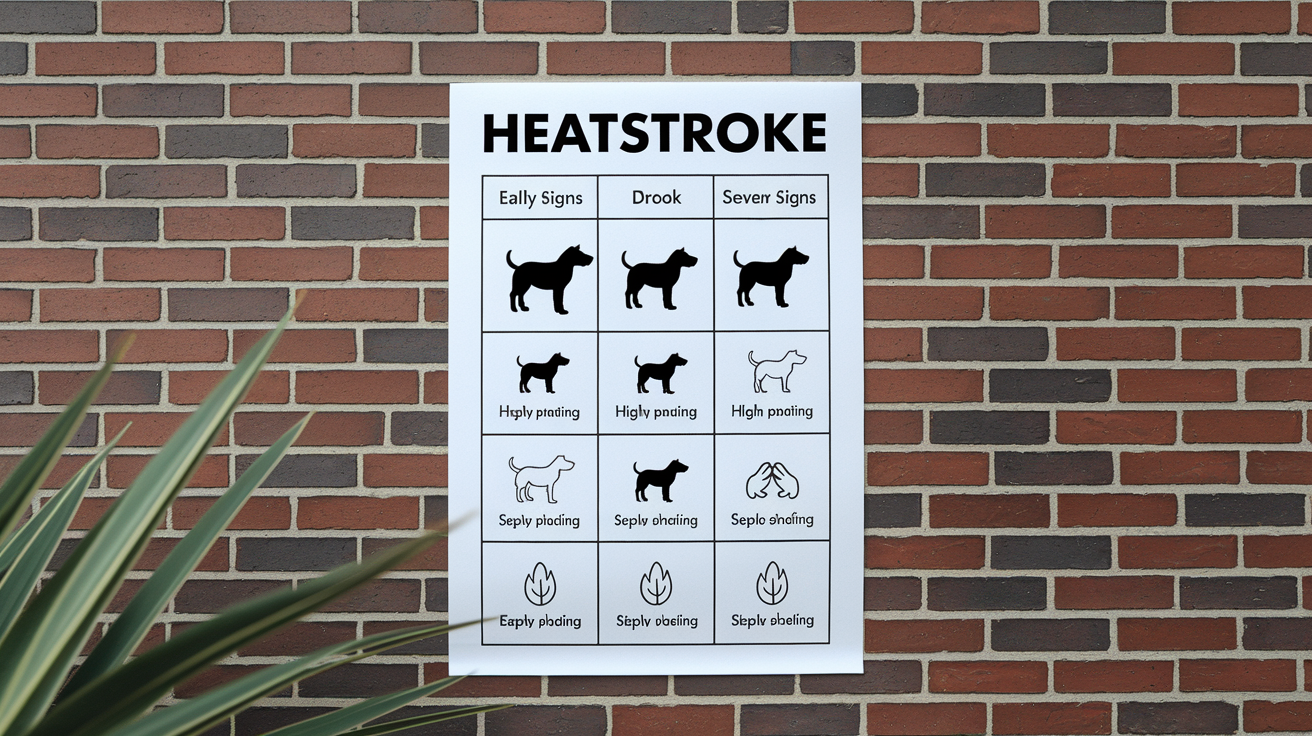
Heatstroke most often happens during exercise or play on hot days, but it can also occur if a pet is left outside without shade or trapped in a hot car. Watch for excessive panting that sounds loud, rapid, or strained. Healthy panting should be steady and calm. If your pet’s breathing seems frantic or they’re struggling to catch their breath, that’s a warning sign.
Check the color of their gums and tongue. Normal gums are pink and moist. Dark red, bright red, or purple gums mean body temperature is climbing dangerously high. Other signs include heavy drooling with thick saliva, repeated vomiting, weakness, stumbling, or collapsing. Some pets will also show extreme thirst or become unresponsive.
Dangerous internal temperatures for dogs hover around 108°F, and for cats around 106°F. At those levels, organs can start to fail. Even if your pet seems alert, heatstroke can still cause lasting damage or turn fatal without fast action. If you see any combination of these signs, treat it as an emergency.
| Species | Early Signs | Severe Signs | Action Needed |
|---|---|---|---|
| Dogs | Heavy panting, drooling, red gums, restlessness, excessive thirst | Dark red or purple tongue and gums, vomiting, weakness, collapse, difficulty breathing | Move to shade, cool with water, call vet immediately |
| Cats | Open mouth panting (uncommon in cats), drooling, seeking cool surfaces, lethargy | Bright red gums, vomiting, tremors, unresponsiveness, seizures | Move to cool area, dampen coat, transport to vet urgently |
Emergency Steps to Cool an Overheated Pet

Move your pet out of the heat immediately. Bring them indoors or into full shade, ideally somewhere with good airflow like a bathroom with a fan or a basement. Time matters, so act fast.
Wet their coat with cool tap water. Pour water over their head, back, belly, and legs, or use a gentle stream from a hose. You can also place them in a tub with a few inches of cool water. Focus on the belly, paw pads, and ears because those areas release heat fastest. Do not use ice cold water or ice packs directly on the skin. That can cause blood vessels to tighten, which traps heat inside the body and makes things worse.
Offer a small amount of cool water if your pet is alert enough to drink safely. Don’t force it. If they’re vomiting, disoriented, or can’t lift their head, skip the water and focus on cooling. If you have a rectal thermometer, check their temperature. Once it starts dropping toward 103°F, ease off the active cooling to avoid sending them into hypothermia.
Even if your pet seems to stabilize, call your veterinarian or an emergency clinic right away. Heatstroke can cause internal damage that isn’t obvious at first, including organ failure, blood clotting problems, or brain swelling. Continue cooling during transport if possible. Run the car’s air conditioning and keep damp towels on your pet’s body.
Move your pet to the coolest spot available, indoors with airflow or deep shade. Wet their entire coat with cool tap water, focusing on the belly, paws, and ears. Avoid ice water. Offer a small drink of cool water only if your pet is alert and able to swallow safely. Continue cooling their body while preparing to transport them to a veterinarian. Call ahead to the vet clinic so they’re ready when you arrive, and keep cooling efforts going in the car.
Breed, Age, and Health Considerations for Heat Sensitivity
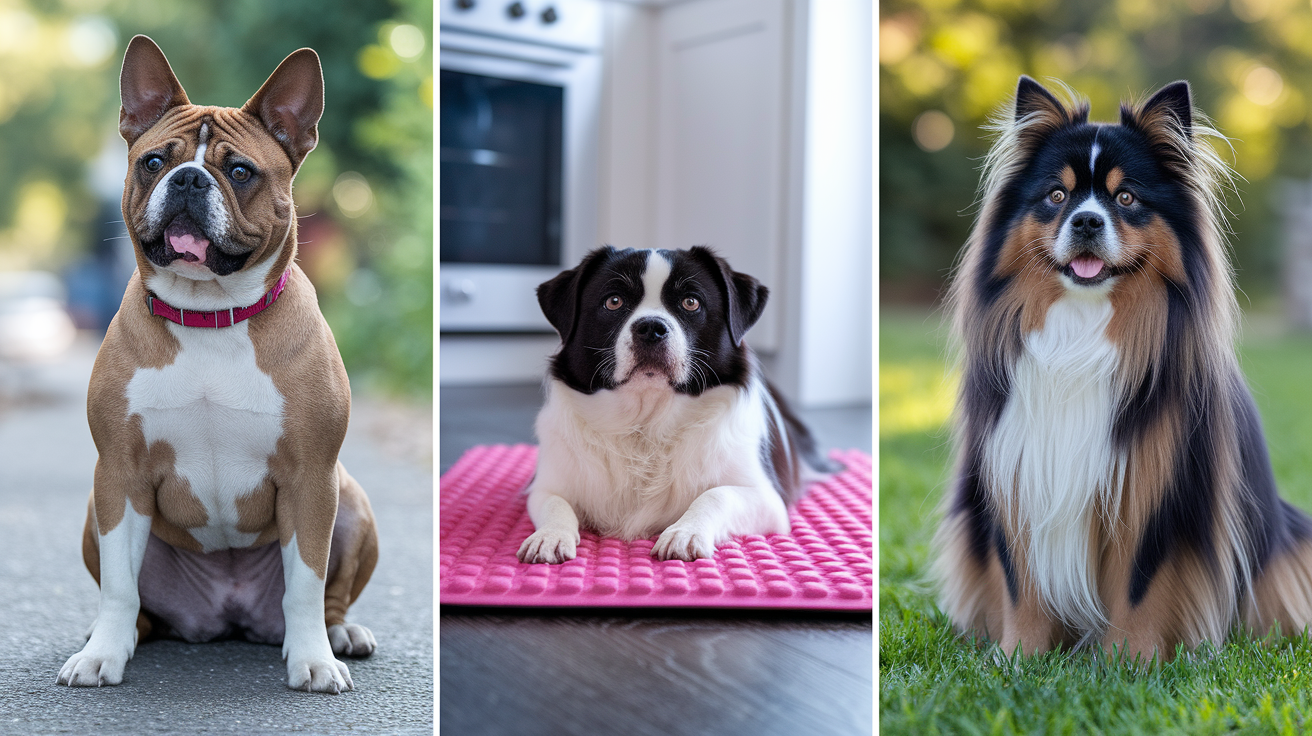
Some pets overheat much faster than others. Brachycephalic breeds, dogs and cats with short, pushed in noses like Pugs, Bulldogs, Boxers, and Persians, struggle to cool themselves because their airways are narrower. They can’t pant as effectively, so even mild heat can push them into danger. Seniors, puppies, and kittens also have a harder time regulating body temperature.
Overweight pets carry extra insulation, which traps heat. Black coated dogs absorb more sunlight and heat up faster than lighter colored pets. Thick coated breeds like Huskies, Malamutes, and Chow Chows were bred for cold climates and can overheat quickly in summer, even with regular grooming. If your pet falls into any of these groups, start cooling routines earlier in the day and watch them more closely.
Brachycephalic breeds need limited outdoor time, avoid all exercise in heat, keep indoors with fans or AC. Senior pets need extra water stations, soft cooling mats, and watch for early signs of fatigue or confusion. Puppies and kittens should avoid direct sun, keep playtime short and indoors, monitor hydration closely. Overweight pets should work with your vet on safe weight loss, restrict activity during heat, and offer longer rest breaks. Thick or dark coated pets need increased grooming frequency, provide constant shade, and use cooling vests or damp towels during any outdoor time.
Grooming and Coat Care Techniques that Keep Pets Cooler
Regular brushing removes loose fur and helps air reach the skin. Brush your dog or cat every few days during summer, more often if they’re shedding heavily. Matted or tangled fur traps heat close to the body, so work through knots gently with a comb or detangling spray.
Dampening the coat with cool water gives quick relief. Focus on the chest, belly, and paws. For double coated breeds like Golden Retrievers, Huskies, or German Shepherds, do not shave the coat down to the skin. The undercoat actually helps regulate temperature by trapping a layer of air that insulates against both heat and cold. Trimming or thinning the coat is fine, but a full shave can lead to sunburn and reduce the coat’s natural cooling ability. If you’re unsure, ask your vet or a professional groomer what’s safe for your pet’s coat type.
Final Words
Start by offering cool water, moving your pet into shade, and using quick cooling tricks like wetting the coat or a fan with frozen bottles. Do these right away if they seem warm.
This post covered hydration routines, safe outdoor timing, indoor cooling options, frozen treats, signs of heatstroke, and clear emergency steps. Keep checks short but regular.
Use the steps here to learn how to keep pets cool in summer heat and to spot trouble early. You’ll feel more confident, and your pet will stay safer and more comfortable.
FAQ
Q: How to keep pets cool during a heatwave? / How to keep pets cool in summer without AC?
A: Keeping pets cool during a heatwave or without AC means moving them to shade or the coolest room, offering multiple bowls of cool water and ice cubes, dampening fur, using fans with frozen bottles, and limiting activity.
Q: What is the 7 second rule for dogs?
A: The 7 second rule for dogs means if a surface is too hot to hold your hand comfortably for seven seconds, it’s too hot for your dog’s paws. Avoid walking there.
Q: What temperature is too hot for pets?
A: Temperatures above about 20°C (68°F) make exercise risky for many pets; never leave pets in vehicles above 70°F (21°C). Body temps above ~108°F in dogs or ~106°F in cats need urgent veterinary care.