
Think a long walk will tire your high-energy dog? Think again.
Most dogs need mental work, not just miles.
You can throw a ball for an hour and still come home to chewed shoes or barking if their brain’s bored.
This post shows proven activities—nose games, puzzle feeders, structured play, and DIY agility—that often tire dogs faster than running.
You’ll get simple, step-by-step options you can try today, plus safety tips and how to raise the challenge without causing frustration.
Immediate Ways to Tire Out a High-Energy Dog Effectively
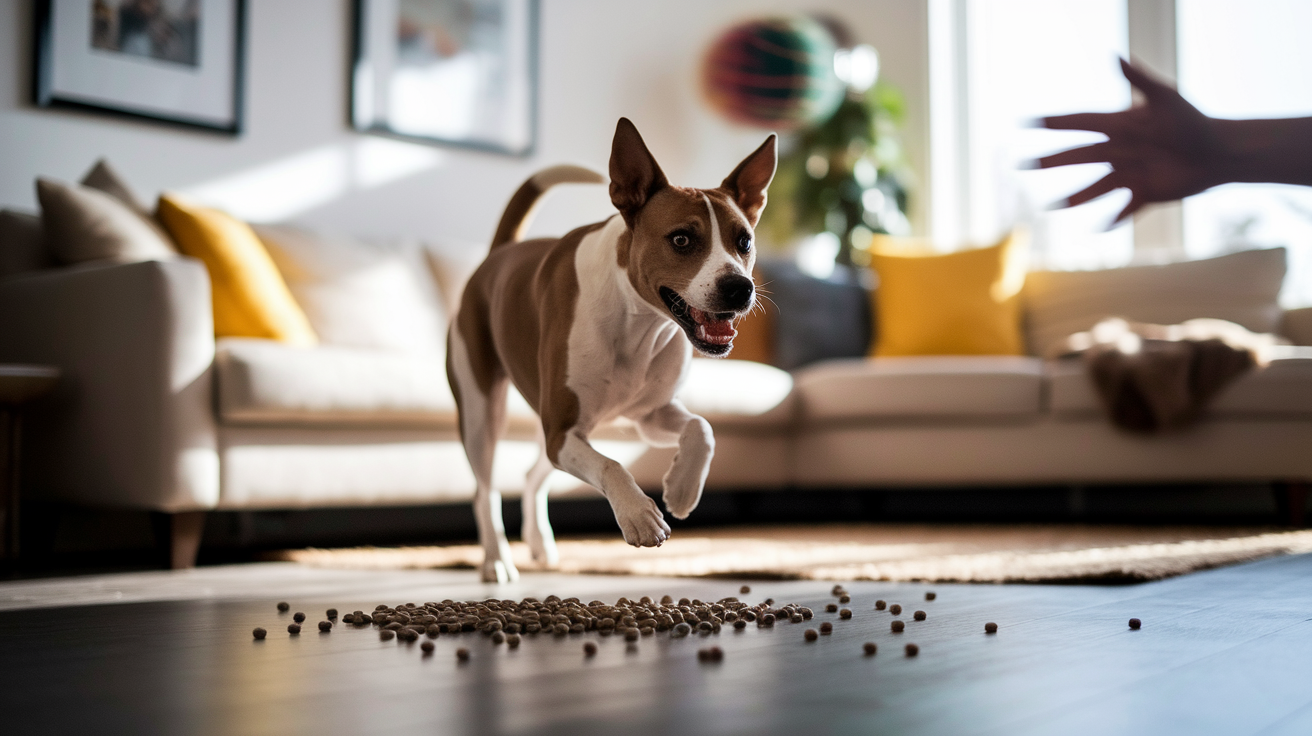
High-energy dogs need both mental and physical work to actually settle. You can throw a ball for an hour and still come home to chewed shoes or problem barking if your dog’s brain hasn’t been engaged. A lot of behavior issues aren’t about surplus energy at all. They’re about boredom.
You don’t need fancy equipment to start. Scatter a handful of kibble around a room or yard (start where your dog can see it, then make it harder). Hide a portion of their food in a single container while your dog waits behind a baby gate, then release them with “search!” Or grab a toy and make them sit or lie down between every few throws. These methods take almost no effort on your part but deliver serious mental payoff. They often tire a dog faster than a long run.
Things you can try right now:
- Kibble scatter hunt – sprinkle breakfast across the floor and let your dog forage. Work up to hiding pieces under towels or behind furniture.
- Container nosework – put one piece of food in a Kong or box, hide it somewhere obvious, release with “search!” and celebrate when they find it.
- Structured tug – ask for a sit before each pull, practice drop on cue, reward with another tug round.
- Ping-pong recall – two people sit across a room and alternate calling the dog between you using a formal release from a sit-stay. Prevents random running.
- Puzzle feeder breakfast – freeze a stuffed Kong or slow feeder the night before, hand it over in the morning for 20 minutes of quiet licking work.
- Indoor obstacle burst – stack two chairs, drape a blanket, lure your dog to crawl under and hop over in 60 seconds.
Start every new activity at the easiest level. Visible hides, short distances, simple one-step tricks. Gradually increase difficulty as your dog catches on. Avoid slippery hardwood for jumps or fast play to reduce joint strain, and watch for frustration. If your dog gives up quickly, dial back the challenge and rebuild confidence before adding complexity.
Outdoor Energy-Burning Activities for High-Energy Dogs
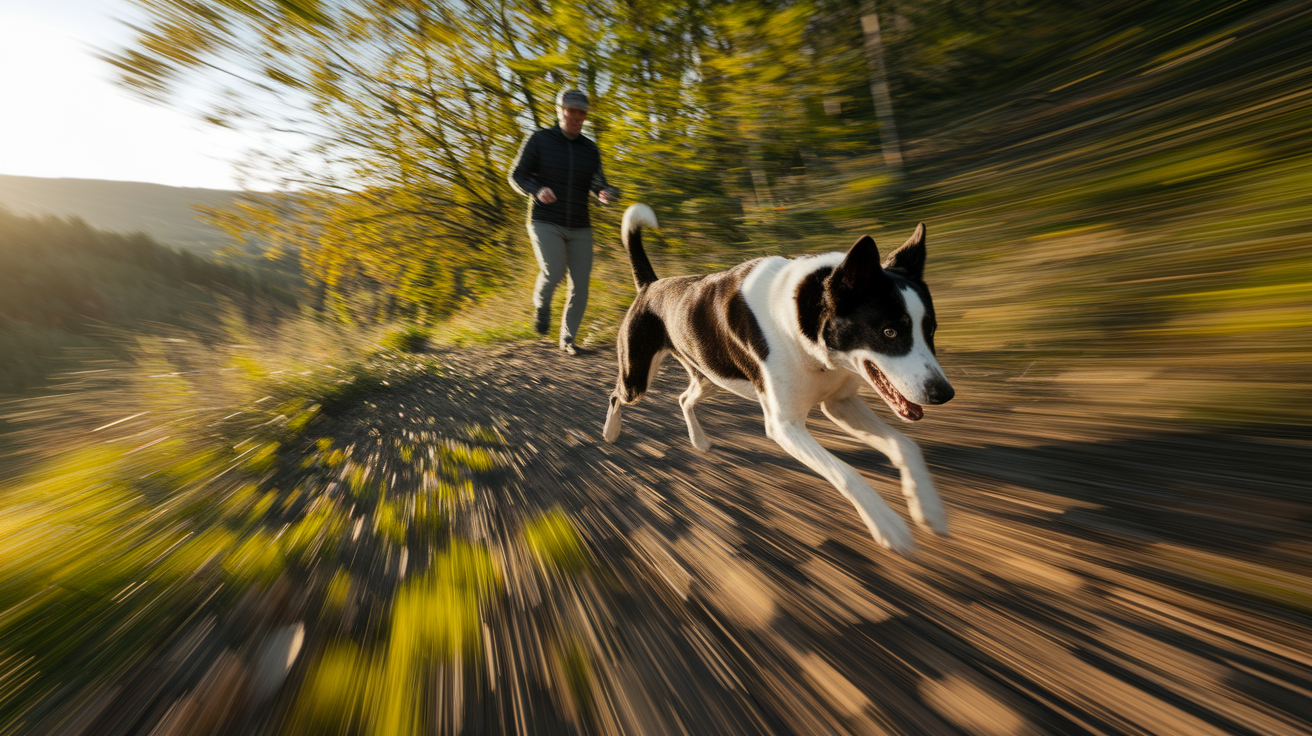
Long walks alone rarely tire a high-energy dog. But add structure and variety, and they turn into powerful brain-and-body workouts. Vary your route every few days so your dog encounters new scents, sights, and terrain. Dedicate part of each walk to sniffing. The cognitive load of processing environmental smells can exhaust a dog as much as jogging.
Alternate between brisk walking and short jogs. Throw in a set of stairs or a grassy hill. Pause for quick obedience reps at curbs, sit, down, wait. You’re layering mental work onto cardio.
Fetch and frisbee sessions burn energy fast when you add rules. Ask your dog to sit and wait before every throw. Practice drop or return on cue. End the session before excitement tips into overstimulation. Swimming is perfect for dogs with joint concerns or during hot weather. It delivers full-body cardio with zero impact and naturally tires dogs because water resistance requires more effort than running on land.
Outdoor activities to rotate into your week:
- Shaded trail hikes with natural obstacles like logs and creek crossings
- Interval fetch on soft grass (5 throws, 2-minute rest, 5 more throws)
- Water retrieves from a pond, lake, or kiddie pool (start shallow if your dog is new to swimming)
- Hill or stair sprints in 30-second bursts with controlled breaks
- Route-changing neighborhood walks to introduce constant novelty
Check pavement temperature before long walks. If you can’t hold your palm on it for seven seconds, it’s too hot. Avoid repetitive high-impact games on hard surfaces to protect joints, and carry water on any session longer than 20 minutes. If your dog starts panting heavily, drooling, or slowing down, find shade and rest immediately.
Indoor Workouts to Tire Out a High-Energy Dog When You’re Busy
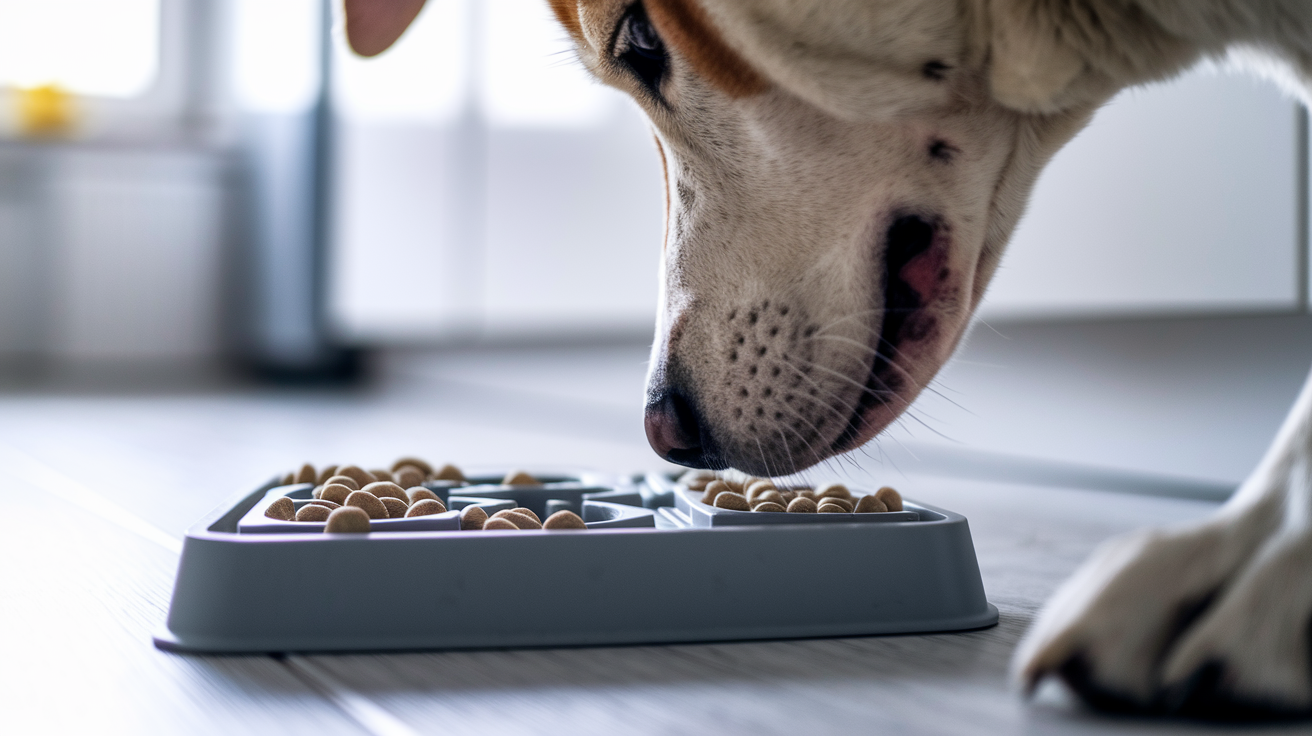
When weather or time keeps you inside, mental stimulation tools do the heavy lifting. Interactive feeders, puzzle toys, and frozen treat dispensers transform meals into 20 to 40 minute problem-solving sessions that exhaust a dog’s brain without requiring your constant participation. These are especially useful during back-to-back meetings, dinner prep, or any block of time when you need your dog calmly occupied.
| Toy Type | How It Tires Your Dog |
|---|---|
| Frozen stuffed Kong | Licking and chewing for 20+ minutes; freezing increases duration and calms arousal |
| Puzzle feeder or slow bowl | Forces nose and paw work to access kibble; adds 10–15 minutes of cognitive effort to every meal |
| Treat-dispensing ball or cube | Rolling, nudging, problem-solving to release food; combines light physical movement with focus |
| Chew items (bully sticks, raw bones, antlers) | Natural stress relief and jaw workout; satisfies chewing instinct while keeping dog stationary and focused |
Rotate toys every few days to maintain novelty. Start each new puzzle on the easiest setting so your dog experiences success, then increase difficulty by adding more compartments, tighter lids, or hidden treat pockets. If your dog loses interest quickly, the challenge is probably too hard. Dial it back and rebuild confidence before advancing.
Scent Work, Nose Games, and Foraging to Exhaust Your Dog Mentally
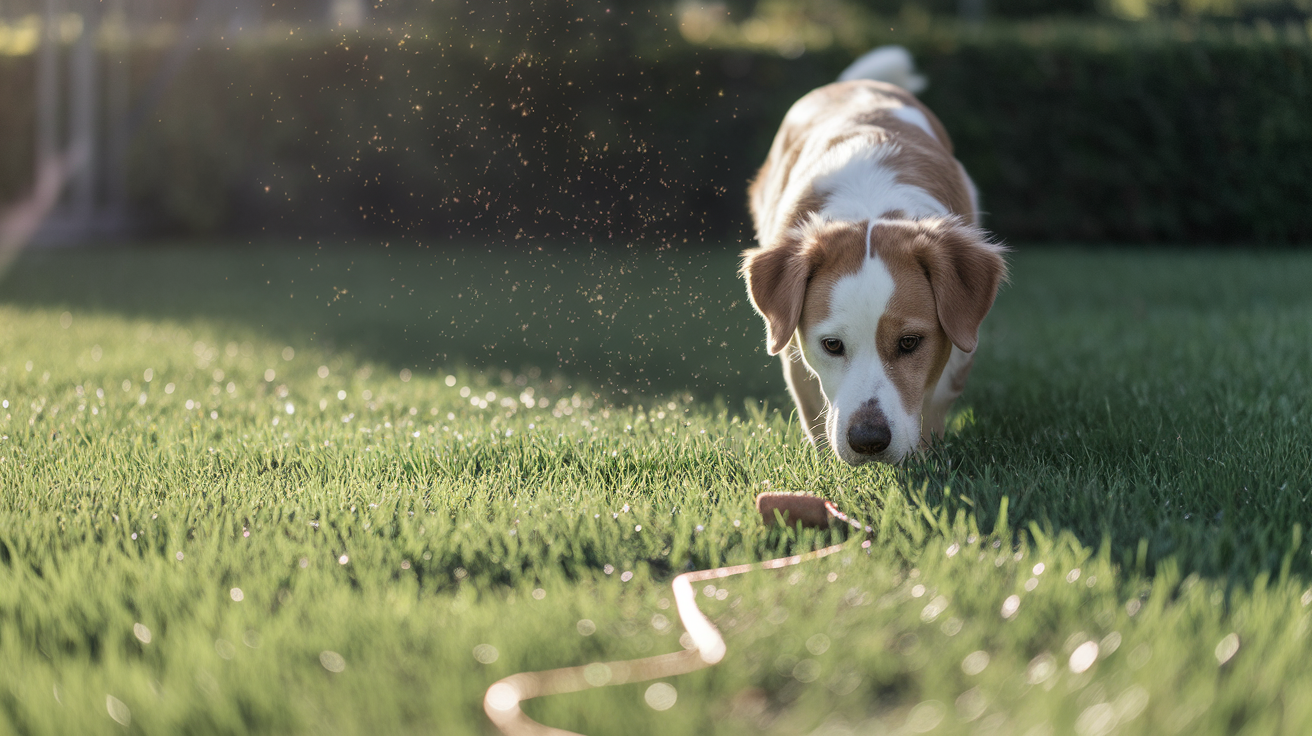
Scent-based activities tap into a dog’s most powerful sense and deliver deep mental fatigue with minimal physical effort. Even a five-minute nosework session can leave a high-energy dog calmer than a 30-minute walk because tracking and discriminating odors requires intense focus and decision-making.
Beginner Scent Games
Start with a visible kibble scatter across the floor or lawn. Your dog sees the food, walks to it, eats it. Simple foraging that builds confidence. Next, scatter kibble under towels, behind chair legs, or along baseboards so your dog has to use their nose to locate each piece. Keep the area small at first, one room or a 10-foot section of yard, then expand as your dog gets faster and more confident.
Intermediate Nosework Searches
Confine your dog behind a baby gate, in a stay, or tethered to something sturdy. Hide a portion of their meal inside one container (a cardboard box, a Kong, an upside-down bucket), place it in an easy spot, then release your dog with a cue like “search!” or “find it!” Celebrate when they locate the container. Gradually move hides to harder spots, under a chair, behind a door, inside a closet. Add distractions by walking around and touching random objects so your dog learns to use scent instead of tracking your movement.
Advanced Foraging Trails
Once your dog reliably finds single hides, increase distance and complexity. Hide containers in multiple rooms, on different levels (floor, low shelf, inside an open drawer), or outside in bushes, under patio furniture, along a fence line. You can also create scent trails by dragging a treat across the floor and hiding it at the end. Your dog follows the scent path to the reward.
If your dog shows frustration (whining, giving up, looking to you for help), the difficulty jumped too fast. Go back one step, make the hide easier, and let your dog win a few rounds before progressing again. Always end on success.
Structured Play Sessions to Burn Energy Productively
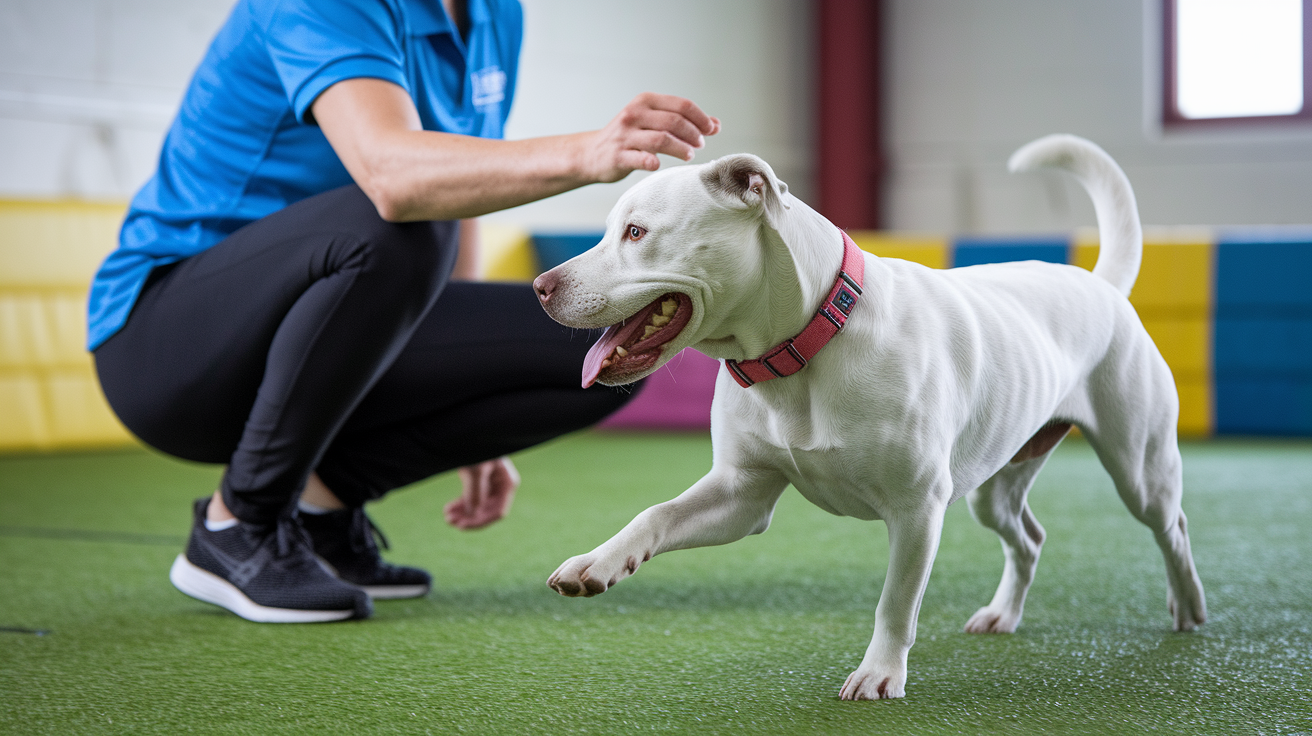
Unstructured play, tossing a ball endlessly or letting your dog zoom in circles, can amp up arousal instead of tiring them out. Adding structure turns play into a mentally demanding workout that builds impulse control and reinforces good behavior while still delivering the physical release your dog craves.
During fetch, ask your dog to sit and wait before every throw. Practice drop or return on cue. Insert a quick trick (spin, down, paw) every third or fourth repetition. This forces your dog to shift gears between excitement and control, which exhausts the brain faster than repetitive running. For tug, establish a clear start cue (“take it” or “get it”) and a drop cue, then reward every clean drop with another round of tugging. If your dog guards toys or won’t release, consult a professional trainer. Trying to fix resource issues without guidance often makes them worse.
Structured play variations that add mental challenge:
- Directional fetch – send your dog left or right to retrieve using hand signals or verbal cues.
- Hide-and-release fetch – hide the toy while your dog waits in a stay, then release them to search and retrieve.
- Obedience-interval tug – tug for 10 seconds, ask for a sit and drop, wait 5 seconds, repeat.
- Trick-sequencing retrieval – ask for sit, down, spin, then throw the ball as the reward.
- Two-toy rotation – throw toy A, ask your dog to drop it and immediately throw toy B to prevent possessive behavior.
Schedule play sessions at consistent times, morning after breakfast, evening before dinner. This helps your dog anticipate and settle between sessions. A predictable routine reduces hyperactivity because your dog learns when energy outlets are coming and can relax in between.
DIY Agility and At-Home Obstacle Courses for Active Dogs
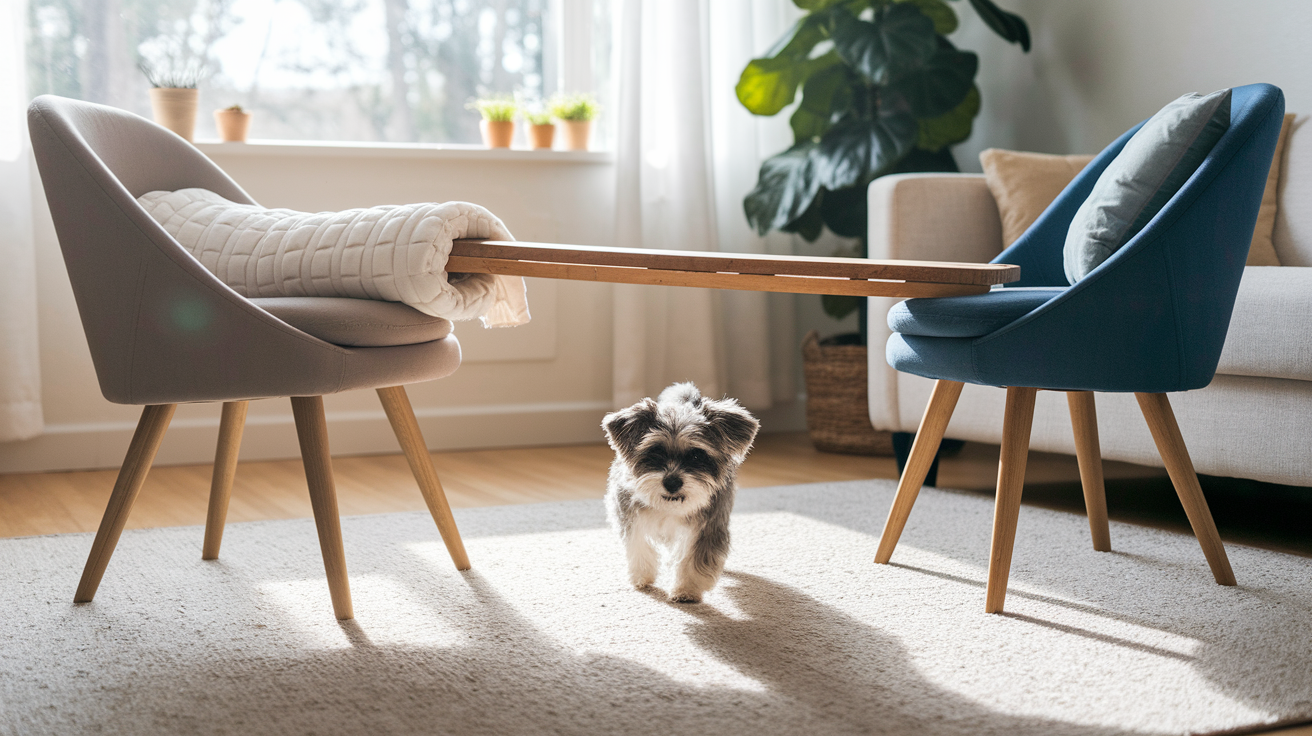
You don’t need expensive agility equipment to build a challenging course at home. Use chairs, broomsticks, cardboard boxes, upside-down buckets, planks of wood, and exercise balls to create hopping, crawling, balancing, and weaving challenges that build body awareness, coordination, and confidence while burning energy.
Set up a simple sequence: place two chairs three feet apart and drape a blanket over them for a crawl-under tunnel. Prop a plank between two low steps for a raised walkway. Line up three buckets for weaving. Finish with a sit on an upside-down storage bin. Lure your dog through the course with treats or a toy, keeping the pace slow at first so they learn each obstacle safely, then gradually increase speed and add distance.
Low-cost equipment ideas:
- Chairs or stools for crawl-unders and jumps (keep jumps low, under elbow height).
- Broomstick or PVC pipe balanced on books or bricks for low hurdles.
- Cardboard boxes (open both ends) as tunnels or stacked as platforms.
- Exercise ball or balance disc to practice paw targeting and core strength.
Avoid setting up courses on slippery hardwood or tile. Traction matters for safety. Don’t ask your dog to jump repeatedly onto hard surfaces (concrete, laminate), and skip high jumps if your dog is under 18 months old or has any joint concerns. Watch for hesitation or refusal. If your dog won’t attempt an obstacle, make it easier (lower, wider, shorter) and rebuild confidence before increasing difficulty.
Flirt Poles, Treadmills, and High-Intensity Interval Play Sessions
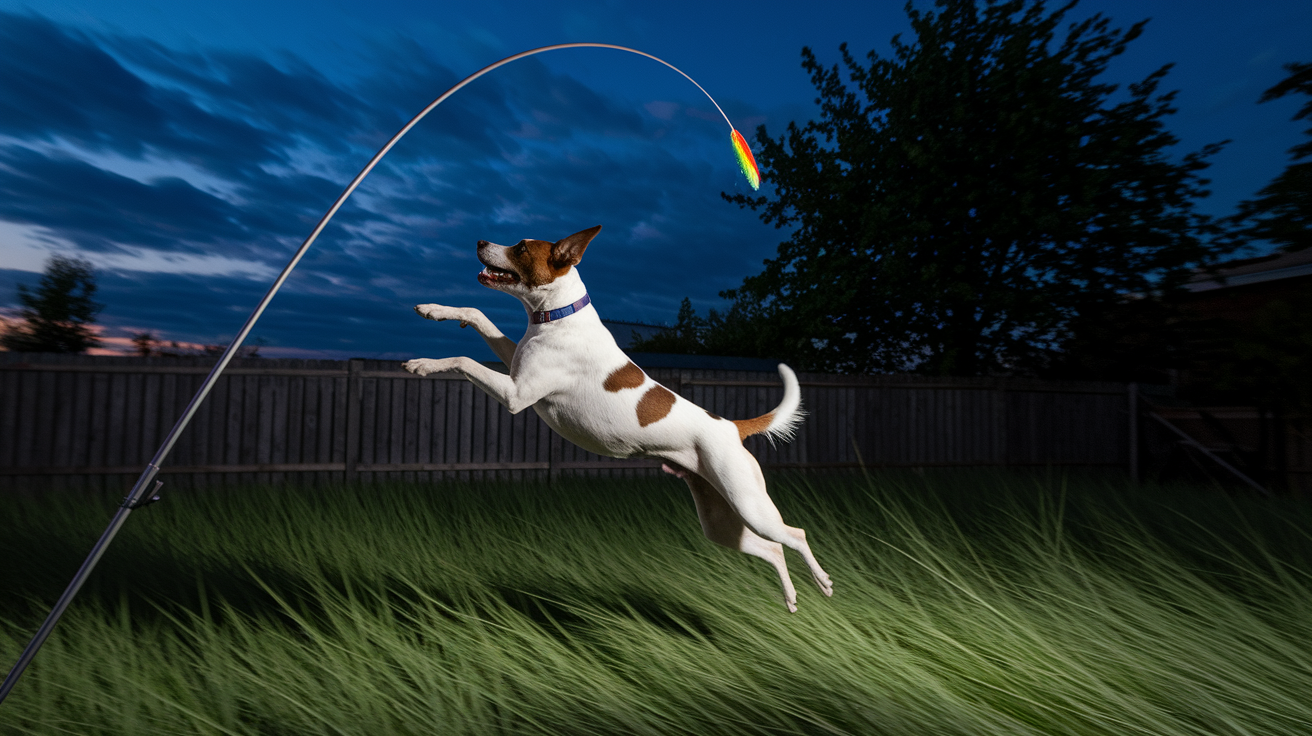
Flirt poles (a long pole with a rope and lure attached) let you deliver intense cardio in short bursts without wearing yourself out. Swing the lure in wide arcs, let your dog chase and pounce, then ask for a drop and brief rest before the next round. Three to five minutes of flirt pole work can exhaust a high-energy dog more than 20 minutes of fetch because the rapid directional changes and sustained focus require total engagement.
Dog treadmills offer a controlled cardio option when outdoor exercise isn’t possible. Introduce the treadmill slowly. Start with it off and reward your dog for standing on the belt, then turn it to the slowest speed and walk alongside with treats. Gradually increase duration and speed over several sessions. Never leave your dog unattended on a treadmill, and keep sessions short (10 to 15 minutes) to prevent boredom or joint strain.
High-intensity interval training for dogs works the same way it does for humans. Short bursts of hard effort followed by rest. Sprint your dog up a hill for 20 seconds, rest for 60 seconds, repeat four times. Or do rapid-fire recall between two people for 30 seconds, rest for a minute, repeat three rounds. These sessions deliver maximum fatigue in minimal time.
Socialization, Playdates, and Safe Group Play for High-Energy Dogs
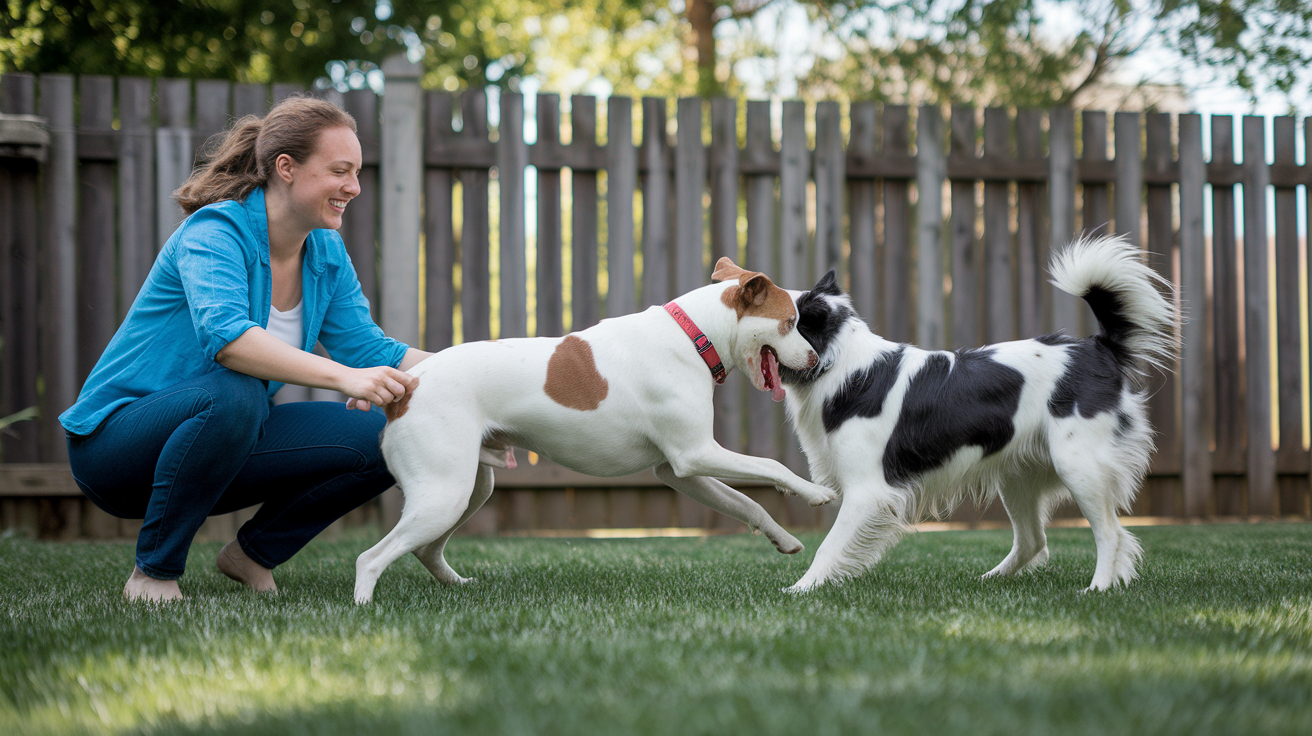
Structured playdates with known, well-matched dogs can burn energy and teach social skills, but random dog park encounters often create more stress than benefit. Look for playmates with similar size, energy level, and play style (wrestling vs chasing, gentle vs rough). Arrange regular meetups so the dogs build familiarity and trust. Regular playmates let you and the other owner communicate, manage roughness, and step in before play escalates into conflict.
Find playmates through puppy classes, obedience courses, neighbors, or friends. Start with short sessions (15 to 20 minutes) in a neutral space like a fenced yard, and watch body language closely. Healthy play includes frequent role reversals (one dog chases, then the other), voluntary breaks, and loose, wiggly movement. If one dog is always on top, always chasing, or won’t stop when the other tries to disengage, separate them and try again later.
Playdate safety tips:
- Match size and play style to reduce injury risk and ensure both dogs enjoy the interaction.
- Monitor arousal levels and call a break if panting gets heavy, play sounds turn to growls, or movements stiffen.
- Interrupt every few minutes with a quick recall or brief leash-up to prevent overstimulation.
- Remove toys and food to avoid resource guarding during the session.
If you’re unsure whether play looks safe, consult a professional trainer or behaviorist. Dog daycare can be helpful for outsourcing cardio and socialization, but not all dogs thrive in large groups. Watch for stress signs (tucked tail, hiding, excessive panting) and choose facilities that separate dogs by temperament and offer structured rest periods.
Training-Based Mental Fatigue: Tricks, Obedience, and Recall Games
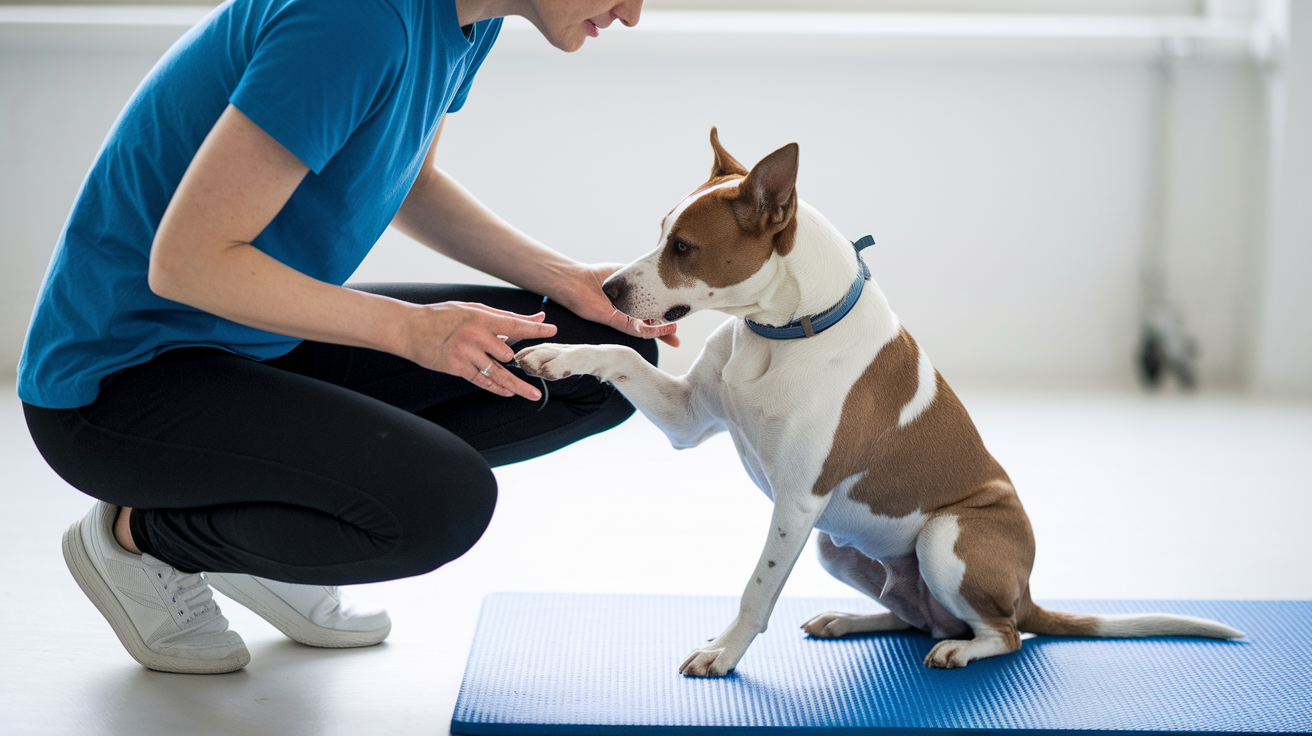
Focused training sessions tire a dog’s brain as well as a long hike. Teaching your dog to sit, down, stay, and come on cue builds impulse control and strengthens your bond, but advancing to tricks and sequencing multiple behaviors back-to-back delivers even deeper cognitive exhaustion. A 10-minute training session can leave a high-energy dog ready for a nap.
Work on basics daily. Short reps of sit-stay with increasing duration, recall from across the yard, down-stay while you walk a circle around your dog. Then layer in tricks that build body awareness and strength: sit pretty (rear end on the ground, front paws lifted), bow (front end down, rear up), stand on hind legs, or balance all four paws on a small platform. Each new skill requires problem-solving, muscle control, and focus.
Sequencing Tricks for Maximum Mental Load
Once your dog knows three or four individual tricks, string them together into a sequence. Ask for sit, then down, then spin, then paw, delivering one treat at the very end. Sequencing forces your dog to remember multiple steps, wait for each cue, and suppress the urge to offer behaviors randomly. Start with two skills, add a third when your dog is fluent, then build to four or five.
Impulse-control exercises that burn mental energy:
- Wait at thresholds – ask your dog to sit and wait at every doorway, release only when calm.
- Leave it with treats on paws – place a treat on your dog’s paw, reward for not grabbing it until you give a release cue.
- Stay during distractions – practice down-stay while you bounce a ball, open the treat jar, or walk out of sight.
- Controlled greetings – ask for a sit before petting, before leash-up, before releasing to greet another person or dog.
Ping-pong recall between two people adds cardio to focus work. Each person sits across a room or yard and alternates calling the dog, using a formal release from a sit-stay to prevent random running. Increase distance gradually and use an “all done” signal (hands dropped, turn away) when the dog is too far to hear clearly. Use a training clicker to mark the exact moment your dog completes a behavior. The precision speeds learning and keeps sessions sharp.
Safety Tips: Hydration, Weather, Joint Protection, and Overexertion Signs
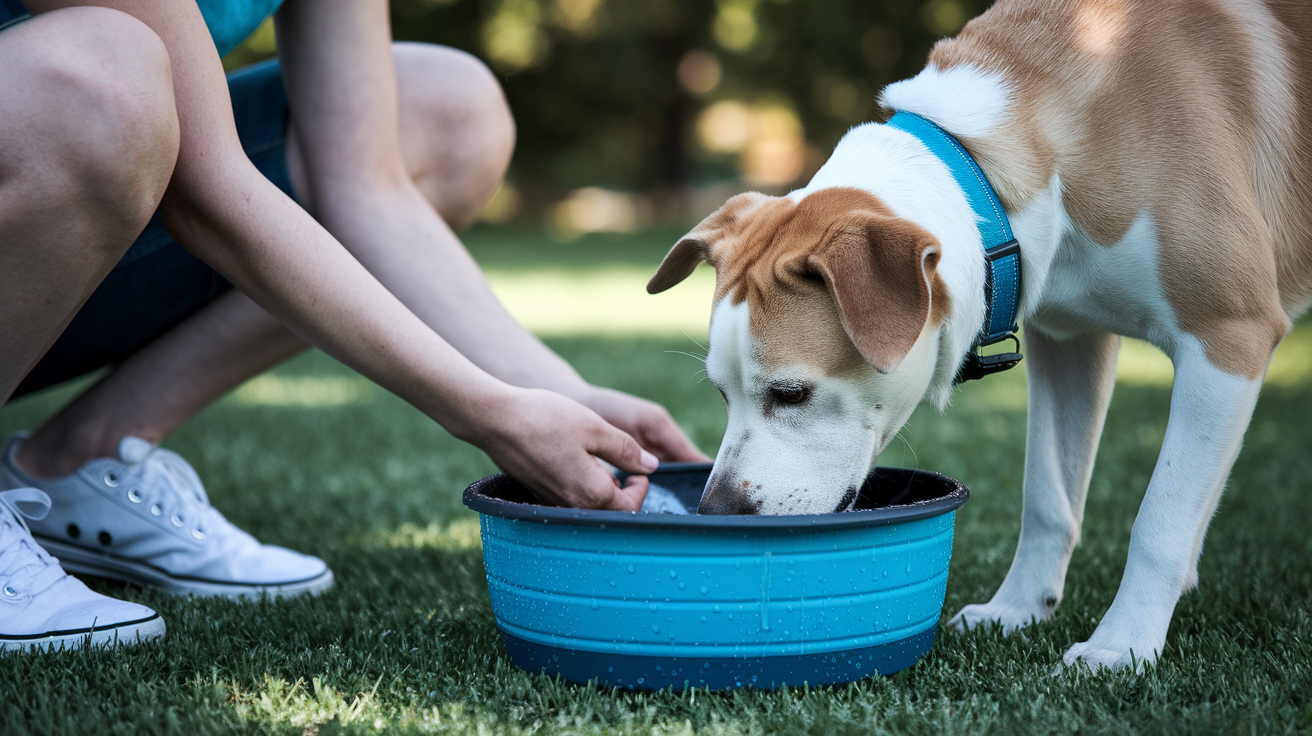
Hydration needs spike during exercise. Offer water every 20 minutes during active play, after every training session, and immediately after outdoor cardio. Carry a collapsible bowl on walks and hikes, and refill it from a water bottle or stream. Dehydration shows up as thick saliva, dry gums, and reduced energy. If you see these signs, stop activity and offer water in a shaded spot.
Heat and cold both create risk. On hot days (above 80°F), exercise early morning or late evening, stick to shaded routes, and avoid pavement that can burn paw pads. In cold weather, shorten outdoor sessions for short-coated or small dogs, wipe ice-melting chemicals off paws immediately after walks, and watch for shivering or lifted paws. Avoid high-impact games on hard surfaces (concrete, asphalt, hardwood) to protect joints, and never ask a dog under 18 months to jump repeatedly. Their growth plates are still closing.
| Sign | What It Means | Action to Take |
|---|---|---|
| Heavy panting, drooling, bright red gums | Possible overheating | Move to shade, offer water, wet paws and belly with cool (not cold) water, rest until breathing slows |
| Limping, favoring a leg, reluctance to move | Joint or muscle strain, possible injury | Stop activity immediately, rest for 24–48 hours, consult vet if limping persists |
| Excessive thirst, lethargy after exercise | Dehydration or overexertion | Offer small amounts of water every few minutes, monitor energy and appetite, call vet if symptoms worsen |
| Disorientation, stumbling, glazed eyes | Heat exhaustion or severe fatigue | Emergency cooling (wet towels, fan, cool surface), call vet immediately, do not force water |
Senior dogs and puppies need modified plans. Older dogs benefit from shorter, more frequent sessions with gentler impact (swimming, slow sniffy walks, puzzle feeders). Puppies need play and training but should avoid repetitive jumping, long runs, or forced exercise until skeletal maturity, usually 12 to 18 months depending on breed.
Breed, Age, and Life-Stage Considerations for Managing High Energy
Working breeds (Border Collies, Australian Shepherds, Belgian Malinois, Jack Russell Terriers) were bred to herd, hunt, or guard all day, so they need jobs, not just exercise. Teach these dogs to carry a small backpack on walks, fetch specific items by name, or complete multi-step tasks like “get your leash, then sit by the door.” Without structured work, many working breeds develop obsessive or destructive behaviors even when physically tired.
Puppies and adolescent dogs (roughly 6 to 18 months) show peak energy and impulsivity. They need frequent, short sessions (10 to 15 minutes of play or training, then rest) rather than marathon exercise, which can damage developing joints. Focus on impulse-control games, basic obedience, and socialization during this stage. Adolescents benefit from consistent routines and clear rules. Unpredictability amps up hyperactivity.
Senior dogs still need mental and physical engagement, but intensity and duration must drop. Replace long hikes with short sniffy walks. Swap agility jumps for balance work on low platforms. Prioritize low-impact options like swimming or gentle nosework. Watch for stiffness, reluctance to move, or slower recovery after activity, and adjust plans immediately if joint pain appears.
When to Seek Professional Help for an Overly Hyper Dog
If your dog remains hyperactive, destructive, or difficult to settle after weeks of consistent exercise and enrichment, the issue is probably behavioral rather than energy-related. Overexertion alone won’t fix anxiety, frustration-based reactivity, or compulsive behaviors. Trying to “tire out” these problems can make them worse by increasing stress and arousal.
Consult a certified professional dog trainer (CPDT-KA or similar credential) or veterinary behaviorist if your dog shows ongoing issues despite a solid routine. Red flags include constant pacing, inability to settle even after intense exercise, destructive behavior that happens immediately after walks, or aggression during play. If your dog guards toys, won’t drop items, or escalates roughness with other dogs, don’t try to troubleshoot alone. Improper handling of resource guarding or social conflicts can create dangerous patterns.
Situations that require professional guidance:
- Constant hyperactivity that doesn’t respond to increased exercise, mental work, or routine changes.
- Destructive behavior focused on doors, windows, or barriers (could indicate separation anxiety or barrier frustration).
- Aggressive or overly rough play with people or other dogs, especially if it includes hard mouthing, sustained mounting, or refusal to stop when interrupted.
Final Words
Start with quick scent searches, kibble scatters, tug with short obedience breaks, or a two-minute indoor obstacle burst to burn energy now.
Then add outdoor runs, fetch variations, flirt-pole or treadmill bursts, plus training sequences and social play to build lasting tiredness.
Keep sessions short, increase difficulty slowly, watch for heat or joint trouble, and match activities to breed and age. If you still wonder how to tire out a high energy dog, blend mental and physical work and ask a pro when needed. You’ll get calmer, happier walks and quieter evenings.
FAQ
Q: How do you tire out a high energy dog?
A: Tiring out a high-energy dog requires both physical exercise and mental work: brisk walks, fetch or interval play, nose games, short training sessions, tug, puzzle feeders, and a consistent daily routine.
Q: What is the 3-3-3 rule for dogs?
A: The 3-3-3 rule for dogs describes adjustment after adoption: three days to decompress, three weeks to learn house rules and bond, and three months to fully settle into new routines.
Q: How to calm down a high energy dog?
A: Calming a high-energy dog starts with tiring them physically and mentally, then adding routines, impulse-control training, calming cues, soothing touch, and safe chews to lower arousal and improve focus.
Q: What is the 7 7 7 rule for dogs?
A: The 7 7 7 rule for dogs isn’t a universal standard; some trainers use it to mean short, frequent practice—seven minutes per session, seven sessions daily, repeated over seven days to build habits.