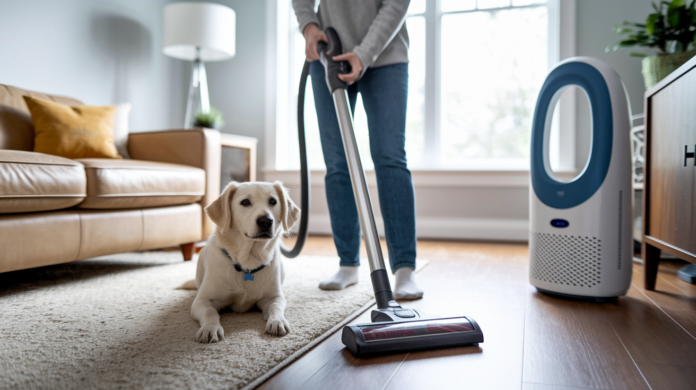

Think your home can never be low-dander with a dog or cat?
Think again.
With a few simple moves, like quick grooming, targeted cleaning, and better air filters, you can noticeably reduce pet dander and feel better the same day.
This guide breaks down immediate steps, weekly routines, and smart home changes that actually cut airborne flakes, ease sniffles, and help you sleep cleaner.
Start here and you’ll get practical, low-cost, pet-friendly steps.
Immediate Ways to Minimize Pet Dander Buildup Indoors
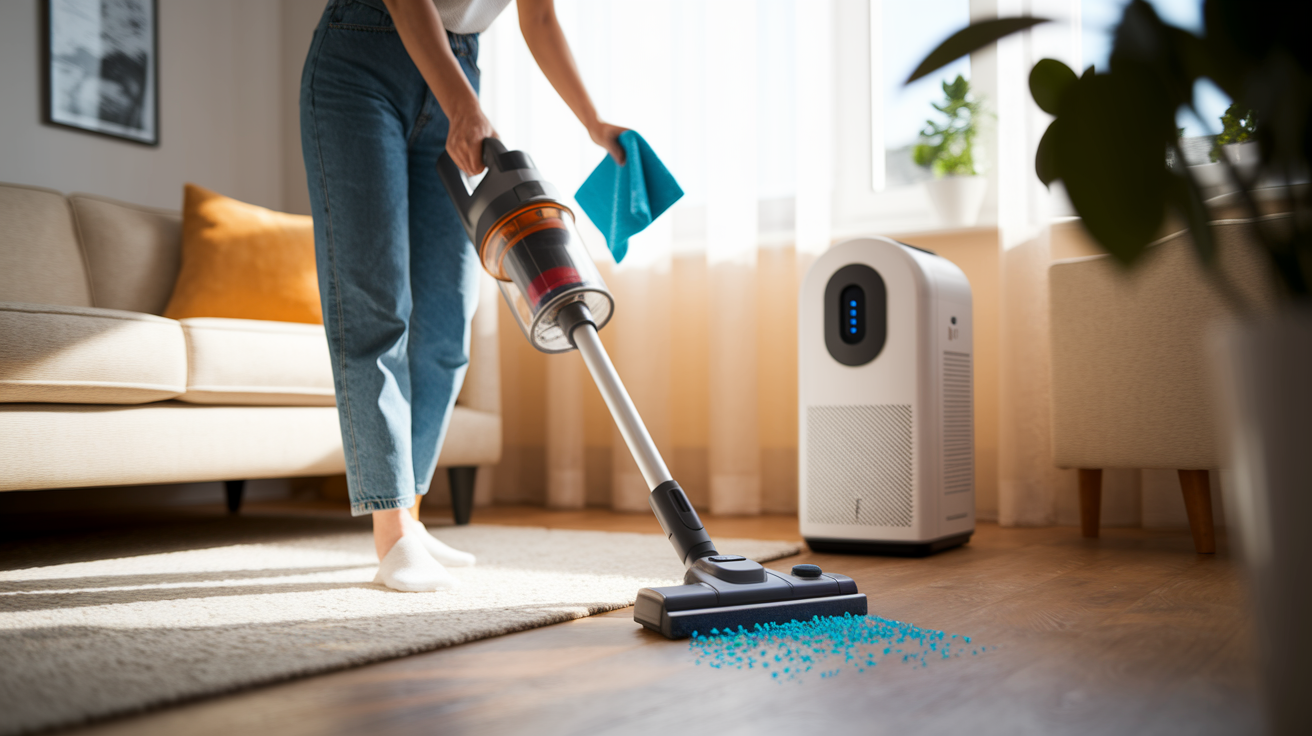
Pet dander is just tiny skin flakes your pet sheds all day, every day. These microscopic particles float through the air and land on everything. If you’re dealing with allergies or breathing issues, a few hours of buildup can kick off sneezing, itchy eyes, or that tight feeling in your chest. Dander doesn’t disappear on its own. It hangs in the air for hours and sticks to fabric, floors, furniture. Act fast and you’ll actually notice cleaner air the same day.
The fastest move right now? Grab a HEPA vacuum and a damp cloth, then spend 30 minutes hitting the spots your pet uses most. Run the vacuum over carpets, rugs, the couch where they nap. Even a quick 10 minute pass pulls up millions of allergen particles that would otherwise keep floating around or settle back down overnight. After that, wipe hard surfaces, baseboards, tabletops with a damp microfiber cloth. Damp wiping traps allergens instead of tossing them back into the air like dry dusting does. Got a portable air purifier? Turn it on high in your pet’s favorite room and let it run for an hour. That single hour cycles a lot of air and drops airborne dander counts fast.
You’ll feel it within a few hours. Less nose irritation, easier breathing, fewer symptoms when you walk into the room. These steps don’t erase dander forever, but they give you immediate relief and make the deeper cleaning and grooming work that much easier.
- Shake throw blankets, pet beds, cushion covers outdoors to knock off loose dander and fur before you vacuum.
- Close the door to one room right now and make it pet free for the rest of the day. Instant low dander zone.
- Run every HEPA air purifier you own on high for at least an hour in pet areas.
- Do a 10 minute HEPA vacuum pass on the carpet or couch your pet uses most.
- Wipe down one high touch surface, coffee table, TV stand, windowsill, with a damp cloth to grab settled allergens.
Grooming Habits That Reduce Pet Dander at the Source
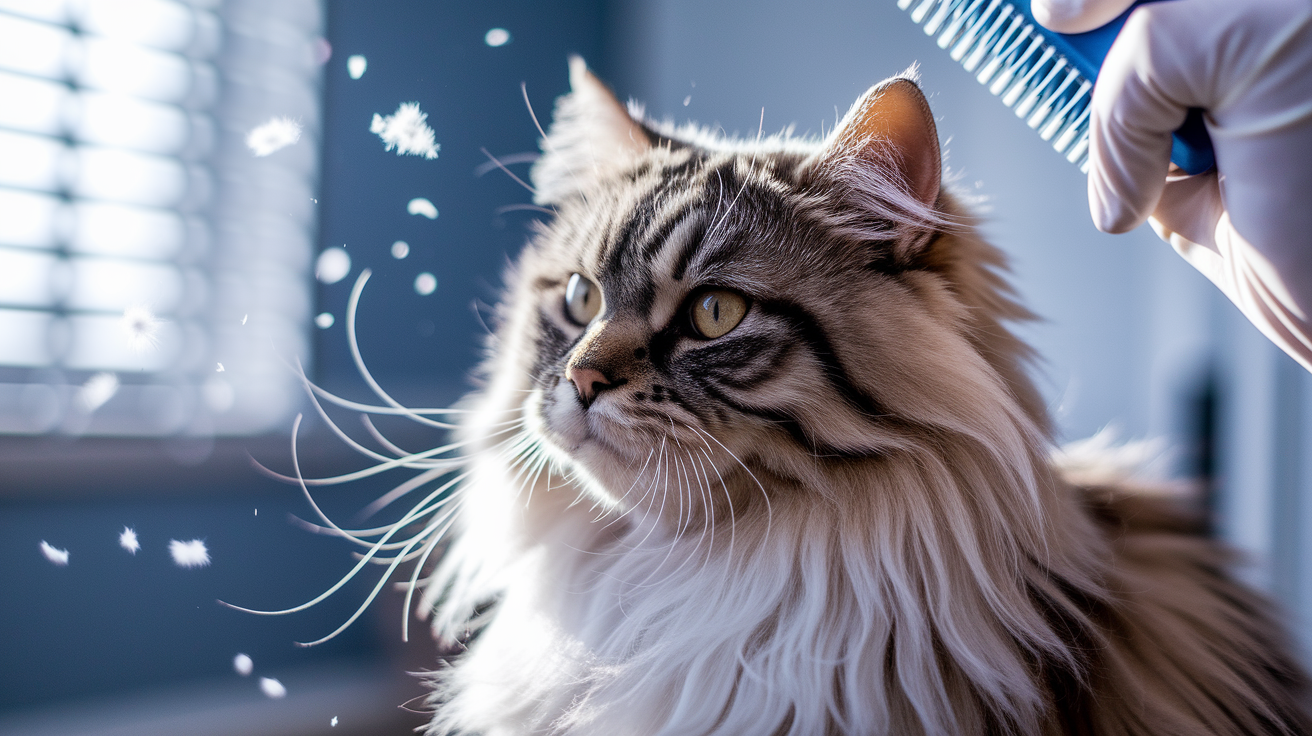
Regular grooming is the single best way to stop dander before it spreads through your home. You’re removing dead skin cells, loose fur, surface oils right off your pet’s coat. Brush your dog or cat daily, or at least every other day. This pulls away the flakes and hair that would otherwise drift onto your floors and into the air you breathe. If you can brush outdoors, do it. You’ll leave most of that dander outside instead of stirring it up inside. For pets that hate traditional brushes, try a grooming glove. The rubber nubs grab loose fur and skin while feeling like a gentle massage, and most animals tolerate gloves way better than wire slicker brushes.
Bathing matters just as much for shedding control and keeping dander low. Most dogs do well with a bath every one to two weeks, though some heavy shedding or oily coated breeds benefit from weekly baths. Cats usually groom themselves, but older cats, long haired breeds, or cats with skin issues may need a bath every few weeks to control buildup. Always use a shampoo made for pets. Many hypoallergenic or dander reducing formulas include ingredients like oatmeal or aloe that soothe dry skin and reduce flaking. Between baths, pet dander wipes or sprays can knock down surface allergens in under a minute. Just wipe your pet’s coat once a day and you’ll reduce the amount of dander that makes it onto your couch or bed.
Skin & Coat Care Routine
Healthy skin sheds less. Consistent coat care goes beyond removing loose fur, it actually decreases the rate at which your pet produces new dander. A balanced diet rich in omega 3 fatty acids supports skin hydration and reduces dry, flaky patches that turn into airborne allergen particles. If your pet’s coat looks dull, feels greasy, or sheds more than usual, talk to your vet about adding a skin and coat supplement or switching to a food designed for skin health. Brushing distributes natural oils from the skin down the hair shaft, which keeps the coat moisturized and cuts down on the dry flaking that creates the worst allergies. Choose a brush that matches your pet’s coat type. Pin brushes for long hair, slicker brushes for medium coats, rubber curry brushes for short haired dogs and cats. The right tool removes dead skin cells without irritating healthy skin and making the problem worse.
Air Filtration Upgrades to Capture Indoor Pet Dander
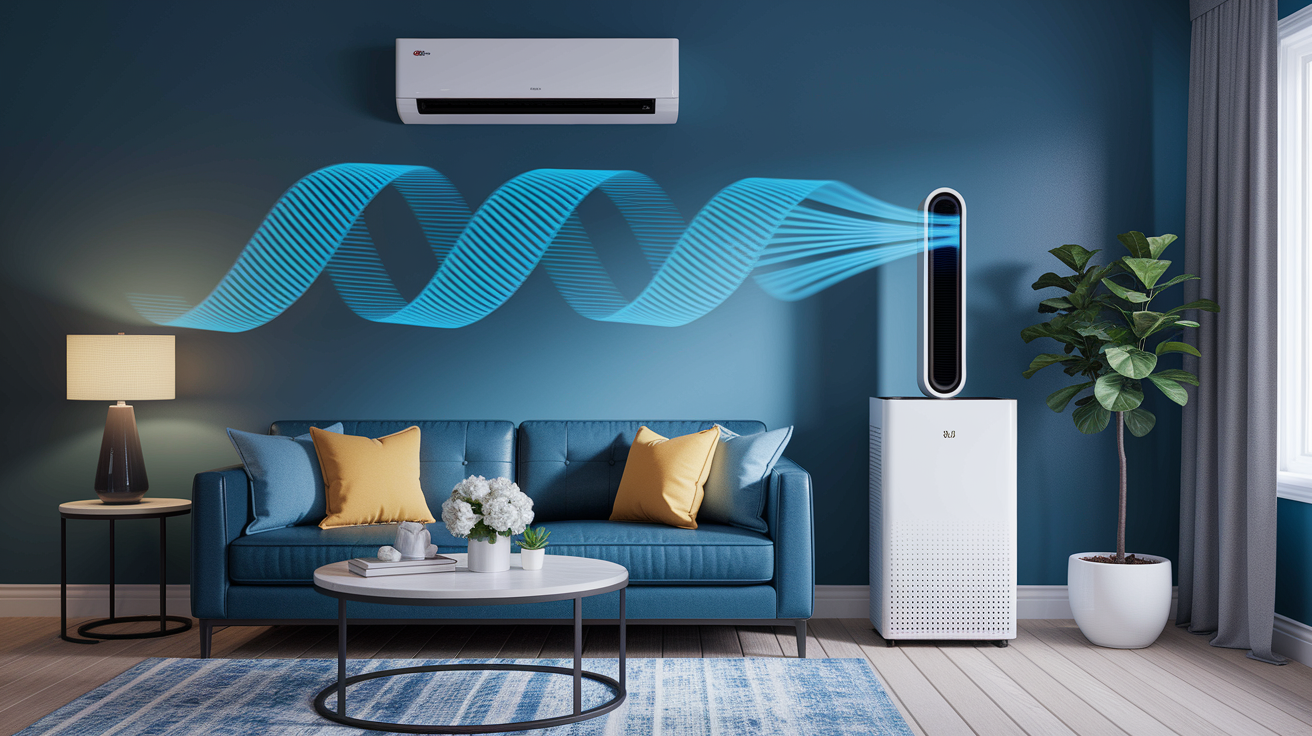
Air purifiers and HVAC filtration systems are your second line of defense, trapping airborne allergen particles before they settle or get inhaled. A true HEPA filter captures 99.97 percent of particles as small as 0.3 microns, which includes pet dander, pollen, dust mite waste. Upgrading to HEPA rated filters in your heating and cooling system will reduce the amount of dander recirculating through every room. Replace those HVAC filters every 60 to 90 days, or more often if you have multiple pets. A clogged filter loses efficiency and can even blow trapped allergens back into your living space. Portable HEPA air purifiers work best when you place them in the rooms where your pet spends the most time. Run them continuously or at least during the hours your pet is active to keep particle filtration working around the clock.
Good air circulation and regular filter replacement make a measurable difference in indoor air quality. Many households notice less sneezing, fewer itchy eyes, better sleep within a week of adding HEPA filtration. If your home has forced air heating or central air conditioning, check the filter slot and measure it so you buy the correct size, then look for filters labeled MERV 11 or higher, or true HEPA if your system supports them. For portable units, choose a model rated for the square footage of your largest pet area. A unit that’s too small will run constantly and still not cycle enough air to lower dander concentrations.
| Air Filtration Method | Benefit |
|---|---|
| HVAC HEPA filter | Captures dander throughout the entire home as air circulates through ducts, reducing recirculation of allergen particles into every room. |
| Portable HEPA purifier | Targets high traffic or high dander areas like the living room or bedroom, continuously filtering and lowering airborne allergen concentrations. |
| HEPA vacuum cleaner | Prevents vacuumed dander from blowing back into the air, trapping particles inside the vacuum canister or bag instead of spreading them during cleaning. |
| Regular filter replacement | Maintains filtration efficiency and prevents clogged filters from releasing trapped allergens back into indoor air. |
Cleaning Strategies That Remove Settled Pet Dander
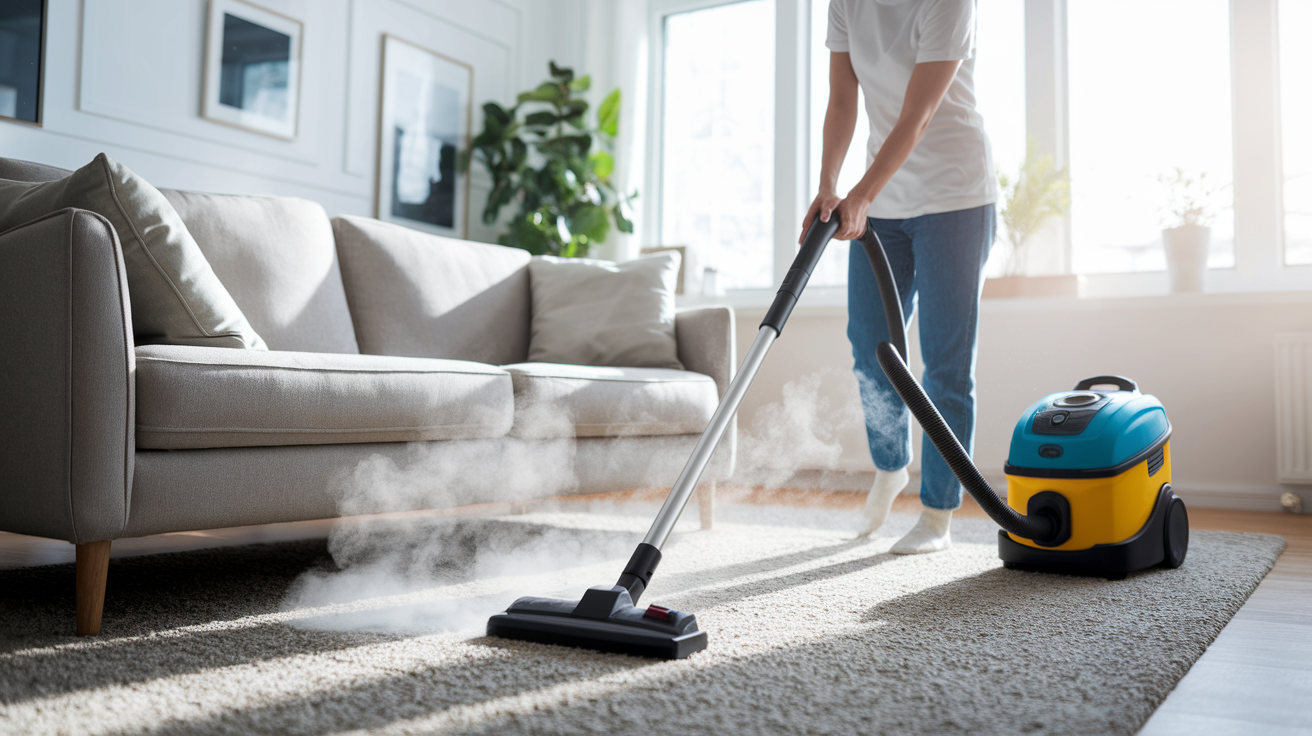
Surface cleaning is where you tackle the dander that’s already landed. A consistent cleaning routine prevents allergen particles from building up to the point where they trigger symptoms every time someone sits down or walks across the carpet. Vacuum all carpets, area rugs, upholstered furniture at least twice a week using a vacuum cleaner with a HEPA filter. Focus extra passes on the spots where your pet naps, plays, sheds the most. Hard floors need attention too, but sweeping or dry mopping just pushes dander around. Damp mop or use a wet microfiber pad to actually capture and remove particles instead of sending them airborne again.
Damp wiping is the secret to keeping dander from becoming a cloud every time you dust. Spray a microfiber cloth lightly with water or a pet safe cleaner and wipe down baseboards, windowsills, shelves, furniture legs, any other horizontal surface that collects a visible layer of dust and pet hair. For deep cleaning, steam cleaning carpets and upholstery every few months lifts embedded dander, oils, allergen particles that regular vacuuming can’t reach. The high heat also kills dust mites and bacteria that can worsen allergy symptoms. Don’t forget walls. Pet dander drifts and clings to vertical surfaces too, so wipe walls in pet areas with a damp cloth or sponge mop every month or so.
Textiles are dander magnets. Wash all pet bedding, blankets, couch throws, removable furniture covers weekly in the hottest water the fabric can handle. Hot water washing breaks down proteins in dander and kills allergens more effectively than cold cycles. If your pet sleeps on your bed or sits on your favorite chair, wash your own bedding and any human blankets they touch just as often. Vacuum pet beds and fabric toys before tossing them in the washer to remove loose hair and surface dander. That pre vacuum step keeps your washing machine from clogging and ensures the wash cycle can actually clean the fabric instead of just swirling hair around.
Weekly cleaning tasks to stay on top of dander:
- Vacuum all carpets, rugs, upholstered furniture twice. Focus on pet zones.
- Damp wipe baseboards, shelves, furniture with a microfiber cloth.
- Wash pet bedding, blankets, any throws or cushion covers pets use in hot water.
- Wet mop or damp mop hard floors instead of dry sweeping.
- Wipe down pet crates, carriers, favorite lounging spots.
- Run the HEPA vacuum over car seats and floor mats if your pet rides along.
Managing Dander Through Home Layout and Pet Free Zones
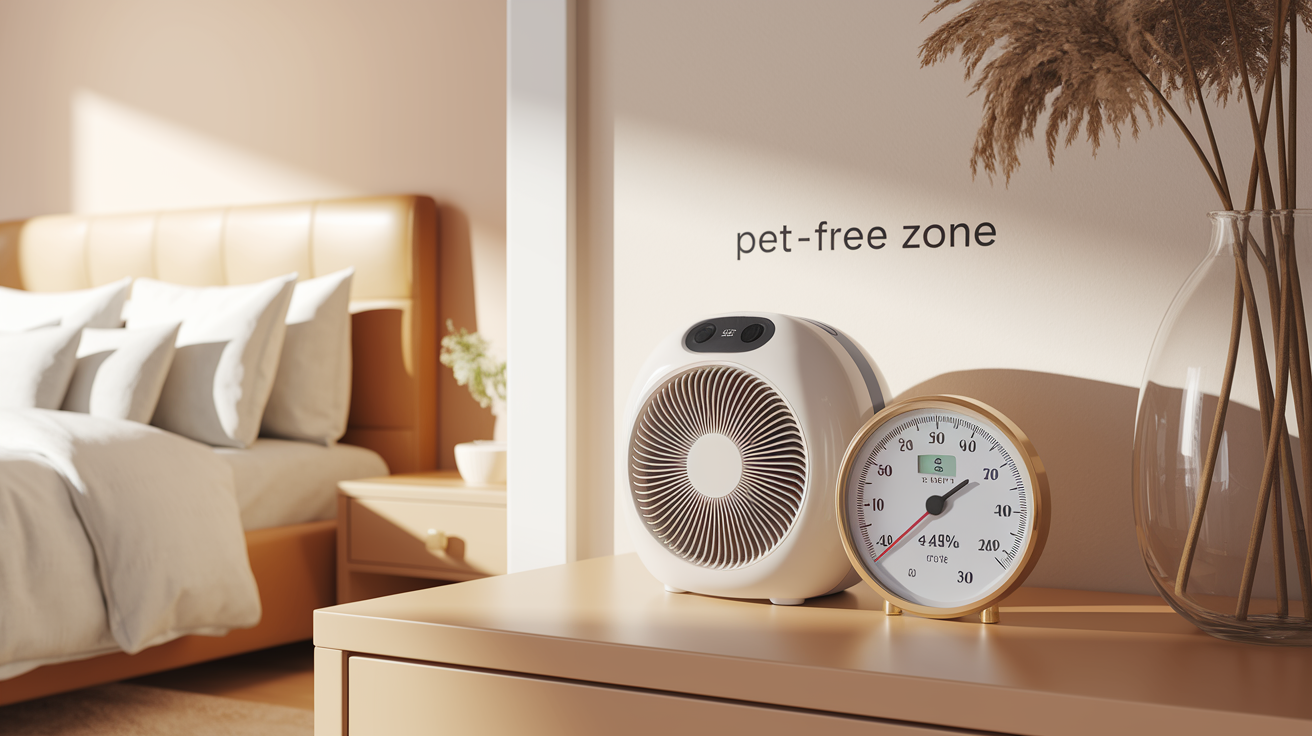
Creating a pet free zone gives you at least one room where allergen particles stay low and allergy symptoms get a break. For most households that room is the bedroom. Keep the door closed at all times, even when you’re home, and don’t let your pet wander in “just for a minute.” A single five minute visit deposits enough dander and pet hair to affect air quality for hours. A pet free bedroom also means you sleep in cleaner air for seven or eight hours every night, which can reduce morning congestion, itchy eyes, the scratchy throat that many people with pet allergies wake up with.
Good ventilation and controlled humidity levels help manage airborne dander throughout the rest of your home. Open windows for a few minutes each day when weather allows, or run exhaust fans to push stale, dander heavy air outside and bring in fresh air circulation. Indoor humidity between 30 and 50 percent keeps pet skin from drying out and producing extra flakes. Use a humidifier in winter if your air gets too dry, but keep it below 50 percent or you’ll encourage dust mites and mold. Reducing clutter also makes a difference, because every extra pillow, stack of magazines, pile of clothes is one more place for dander to settle and hide from your vacuum.
Setting Up an Effective Low Dander Space
Your designated low dander room needs more frequent surface cleaning than the rest of the house to stay truly allergen reduced. Vacuum the floor and any upholstered furniture in that room twice a week, and damp dust all surfaces, shelves, nightstands, dressers, once a week. Choose washable curtains or easy clean blinds instead of heavy drapes that trap dander, and wash or wipe them down monthly. Skip fabric headboards, decorative pillows, upholstered chairs if possible. Hard surfaces and leather or faux leather furniture are much easier to keep dander free. Wash your bedding, including pillowcases, sheets, duvet covers, every week in hot water. Consider using allergen barrier pillow and mattress covers that physically block dander from settling into the fabric. Run a HEPA air purifier in that room 24/7 to maintain the lowest possible airborne allergen levels. Treat it like a controlled environment where dander simply isn’t allowed to accumulate.
Laundry, Fabrics, and Furniture Tips for Lower Dander Exposure
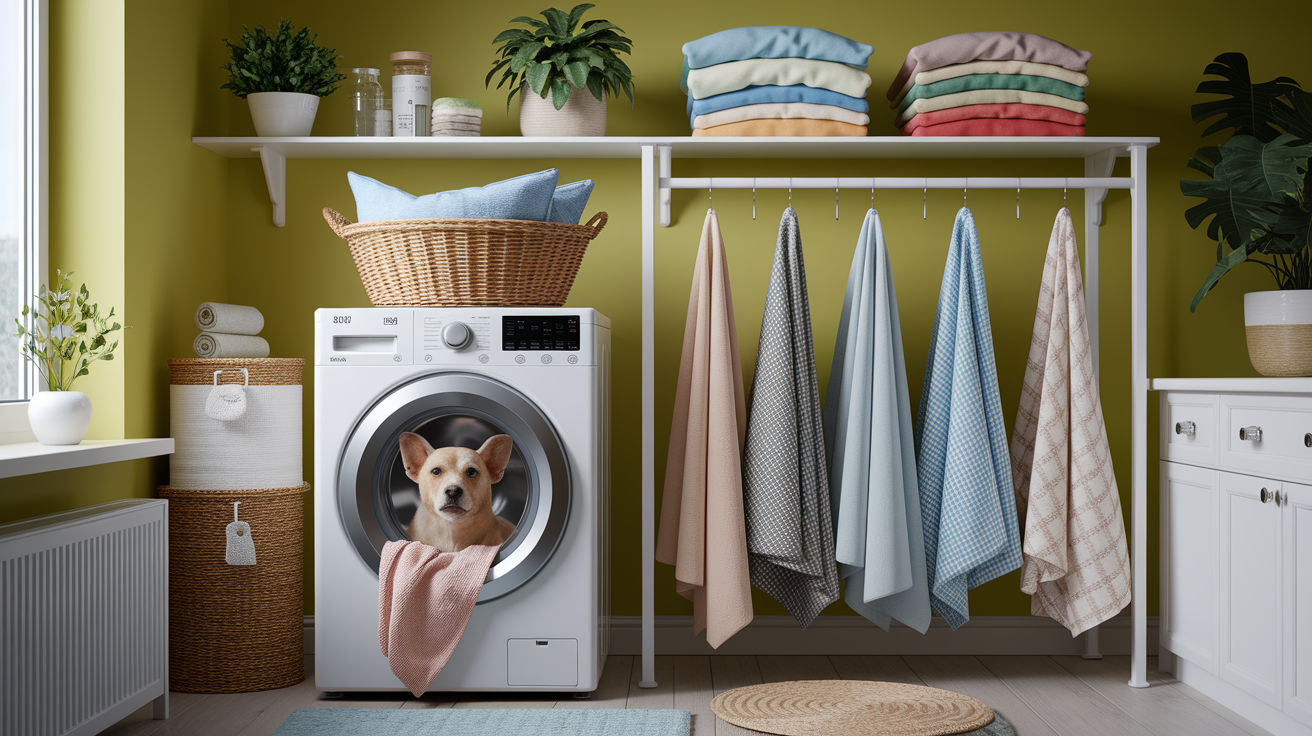
Washable fabrics are your best friend when you live with pets. Anything you can throw in the washing machine can be stripped of dander, pet hair, allergen particles on a regular schedule. Use furniture covers, slipcovers, throw blankets on couches and chairs, then wash those covers weekly so the actual upholstery stays cleaner longer. Curtains and fabric blinds collect a shocking amount of airborne dander. Take them down and wash them every month or two, or switch to wipeable vinyl or wood blinds that you can clean with a damp cloth in under five minutes. When you do laundry, run a hot wash cycle whenever the care label allows, and follow it with a high heat drying cycle. The combination of hot water and heat breaks down and removes allergen particles more effectively than a cold wash and air dry.
Heavy upholstery cleaning may only happen a few times a year, but it’s worth scheduling. Couches, armchairs, padded dining chairs hold onto dander deep in the cushion foam and fabric weave. Vacuum upholstery thoroughly with your HEPA vacuum’s upholstery attachment every week, and steam clean or hire a professional cleaner every six months if your pet uses that furniture daily. Even small fabric items matter. Wash pet toys, collars, harnesses, leashes regularly to stop them from becoming secondary dander sources that redeposit allergens onto your freshly cleaned pet.
Fabric and furniture care checklist:
- Wash furniture covers, slipcovers, throw blankets weekly in hot water.
- Launder or wipe down curtains monthly, or replace with easy clean blinds.
- Vacuum upholstered furniture with a HEPA attachment every week.
- Use high heat wash and dry cycles for all pet contact fabrics when safe for the material.
Health & Medical Approaches for Pet Allergy Relief

Even with perfect grooming, air filtration, cleaning routines, some people still experience persistent allergy symptoms. That’s when medical treatment becomes an important part of the plan. Allergy testing can pinpoint exactly which allergens trigger your respiratory issues or skin reactions. Knowing whether pet dander is your primary problem, or if pollen, dust mites, mold are also involved, helps you and your doctor build a targeted treatment strategy. Over the counter antihistamines can reduce sneezing, runny nose, itchy eyes on a daily basis. Many people find that a single daily dose keeps mild to moderate pet allergies under control when combined with home dander reduction steps.
For more severe symptoms, prescription nasal sprays, stronger antihistamines, or immunotherapy may be necessary. Immunotherapy, also called allergy shots or sublingual tablets, gradually trains your immune system to tolerate pet dander instead of reacting to it. This treatment takes months to years, but many patients see significant improvement in asthma triggers and allergy symptoms over time. If you or a family member has asthma that worsens around pets, work closely with your doctor. Uncontrolled pet allergies can lead to frequent asthma attacks and long term lung issues. Medical intervention doesn’t replace good cleaning and grooming habits, but it fills the gap when environmental controls alone aren’t enough to let you live comfortably with your pet.
Final Words
Start with the fastest wins: a 10-minute HEPA vacuum pass, damp-wipe surfaces, and run an air purifier on high. Do those today and you’ll notice the air feel cleaner.
Then set up steady habits: brush and bathe your pet to cut dander at the source, upgrade filters, wash bedding weekly, and keep a pet-free bedroom. Ask your vet if symptoms stick around.
These steps make a real difference. With a little routine, you can learn how to reduce pet dander in your home and breathe easier.
FAQ
Q: What kills pet dander in the house?
A: Killing pet dander in the house is a misnomer; you remove it with HEPA vacuums, HEPA air purifiers, hot-water washing, steam cleaning, and damp-wipe surface cleaning to trap and lift flakes.
Q: What is the 3 day rule for allergies?
A: The 3 day rule for allergies says symptoms often begin to ease within three days after you reduce exposure; if symptoms don’t improve, contact your doctor for testing or stronger relief.
Q: Can you build a tolerance to pet dander?
A: You can build partial tolerance to pet dander over time with regular low-level exposure, but many people still need medicines or allergy shots (immunotherapy) for steady, long-term relief.
Q: How long does pet dander stay in the house?
A: Pet dander can cling to surfaces for weeks to months and stay airborne until filtered; regular cleaning, HEPA filtration, and weekly washing of fabrics cut that time down significantly.