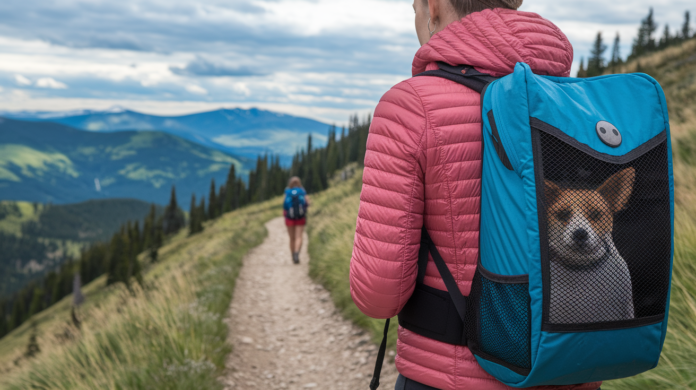

Think strapping your dog to your back is always a great idea?
They’re great for hands-free trips and calming anxious pets, but poor design can squeeze a pup’s spine, trap heat, or cause owner back pain.
This post lays out the most important pros and cons, the safety and fit features that actually matter, and simple steps to pick a carrier that protects both you and your pet.
Read on if you want clear, practical guidance so your next carrier helps instead of hurts.
Key Advantages and Drawbacks of Backpack Pet Carriers

Backpack pet carriers have gotten popular with owners who need both hands free during hikes, commutes, errands, and trips through busy public spaces. You carry your small to medium dog or cat securely on your back, which leaves your hands free to manage stairs, grab coffee, or hold a leash for another pet. Lots of owners also like the close contact. It helps with bonding and can calm anxious pets in new places.
But there are real safety risks if you don’t choose carefully. Poor quality or bad fit can force your dog into unnatural positions that compress the spine and hips over time. Not enough ventilation means overheating, especially in warm weather or when you’re moving fast. Some designs don’t support the dog’s midsection at all, which leaves joints exposed to strain. Fit and design matter if you want to avoid long-term harm.
Whether a backpack carrier actually works depends on the model’s construction, your pet’s personality, and how you’re using it. Good carriers with horizontal positioning, mesh ventilation, and solid bases tend to be comfortable and safe. Cheap ones usually skip the important support features. Check each carrier against your pet’s weight, health, and how they handle being enclosed.
Common Pros:
- Hands free for hiking, commuting, shopping, stairs, crowds
- Close contact can reduce anxiety in pets that feel safer near you
- Built-in mesh windows improve airflow and temperature control (in quality models)
- Extra pockets for water, treats, small personal items
- Adjustable padded straps and hip belts spread weight evenly, reduce fatigue
- Helpful for transporting senior pets or dogs with limited mobility on longer trips
Common Cons:
- Weight and size limits rule out most medium to large dogs
- Vertical or poorly designed carriers force unnatural postures that strain the spine and hips
- Overheating risk if ventilation is weak or the carrier compresses the chest
- Some pets get claustrophobic or stressed when confined in tight spaces
- Owner back strain is common when carrying heavier dogs near the top of a carrier’s weight limit
- Quality carriers with proper support features cost more
Pet Comfort and Support Features in Backpack Carriers

The best backpack carriers keep a dog’s natural horizontal posture intact. All four paws rest on a stable, padded base. Horizontal carriers support the spine in its natural alignment and let the dog shift weight, sit, and stand without cramping. Vertical carriers put downward pressure on the spine and hips, which can worsen joint issues or cause discomfort over time. This is especially true for breeds prone to back problems like dachshunds or corgis.
Ventilation and airflow are just as critical as structural support. Dogs overheat faster than people, so large mesh panels on multiple sides create cross-ventilation that helps regulate temperature. Mesh windows also give your dog visibility and sensory access, which can reduce stress for curious or anxious pets. A sturdy, solid base that distributes the pet’s weight evenly prevents sagging and compression. It keeps the dog’s back properly supported even when the carrier is full.
Key comfort features to prioritize:
- Large mesh ventilation panels on at least two sides for airflow and temperature control
- Padded, washable interior that cushions joints and absorbs moisture
- Stable, reinforced base that doesn’t collapse or sag under your pet’s weight
- Enough interior space for the pet to stand, sit, turn around, and shift position comfortably
Owner Ergonomics and Backpack Wearability

Carrying a dog on your back puts steady load on your shoulders, spine, and hips. Poor weight distribution quickly leads to back fatigue, soreness, and even injury. Adjustable, thickly padded shoulder straps spread the load across a wider surface area, reducing pressure points and making longer trips more manageable. Without proper padding and adjustment, even a 15-pound dog can feel heavy and uncomfortable after just a few minutes.
Hip belts and sternum straps transfer much of the carrier’s weight from your shoulders to your hips and core. It’s the same load-bearing design you’ll find in quality hiking backpacks. A hip belt is especially important when carrying a dog near the top of a carrier’s weight limit or during extended outings. It stabilizes the load and helps you maintain better posture. Proper strap adjustment keeps the carrier sitting high on your back rather than sagging low, which prevents strain on your lower back and keeps the load balanced.
Essential ergonomic features:
- Thickly padded, adjustable shoulder straps to reduce pressure and customize fit
- Removable or adjustable hip belt to transfer weight from shoulders to hips
- Sternum strap to stabilize the load and prevent side-to-side shifting
Weight Capacity, Sizing, and Fit for Backpack Carriers

Every backpack carrier lists a maximum weight capacity. Exceeding it puts dangerous stress on the carrier’s structure and your pet’s body. A carrier pushed past its limit may sag, compress the dog’s spine and hips, or fail at seams and straps during use. Most models are designed for small to medium pets, with weight ranges that go from around 5 pounds up to 40 or more depending on the size category.
Proper fit requires accurate measurements of your pet’s weight, height (from floor to shoulder), and back length (from base of neck to base of tail). Your dog should be able to stand comfortably on all fours, sit upright, turn around, and lie down without cramping or awkward positioning. If the carrier is too short, the dog’s back will curve unnaturally. If it’s too narrow, the dog can’t reposition or shift weight, which increases joint strain and stress.
| Size Tier | Weight Range | Notes on Fit |
|---|---|---|
| Small | 5–25 lbs | Good for cats, toy breeds, small terriers. Measure height and back length to make sure your dog can stand and turn. |
| Medium | 25–40 lbs | Works for compact breeds like corgis or French bulldogs. Check for a sturdy base and padded support for heavier load. |
| Large | 40+ lbs | Rare and often not safe for backpack carry. Needs very strong frame, wide hip belt, and careful ergonomic design. |
Always measure your pet before purchasing. Cross-check the manufacturer’s size chart for height and length limits in addition to weight. A properly sized carrier protects your pet’s spine, joints, and circulation while keeping you comfortable and balanced during transport.
Safety Considerations for Using Backpack Pet Carriers

Poorly designed or ill-fitting carriers can compress a dog’s spine and hips, forcing vertebrae out of alignment and placing too much pressure on joints over time. Dogs with conditions like arthritis, hip dysplasia, or intervertebral disc disease are especially vulnerable when carried in cramped or vertical positions. Even healthy dogs risk long-term harm if a carrier lacks a sturdy base or adequate midsection support.
Not enough ventilation creates overheating and breathing risks, especially during warm weather, physical activity, or extended carry time. Mesh panels should cover a significant portion of the carrier’s sides and top to create cross-ventilation and let heat escape. Carriers that compress the chest or restrict natural breathing mechanics can reduce oxygen intake and circulation. This is especially dangerous for brachycephalic breeds like pugs or French bulldogs. Escape risk is another common safety issue, particularly in cheaper models that don’t include internal tether attachments or rely on weak zippers that a determined pet can push open.
Essential safety features:
- Locking or reinforced zippers that a pet can’t push or paw open from inside
- Internal tether or harness attachment point to secure your dog and prevent escape
- Large mesh ventilation panels on multiple sides for airflow and temperature regulation
- Stable, solid base that supports the dog’s full weight without sagging or collapsing
- Horizontal or natural-position design that preserves spinal alignment and allows the dog to reposition comfortably
Psychological and Behavioral Factors in Backpack Carrier Use

Not all dogs tolerate being enclosed in a backpack carrier. Some experience anxiety, stress, or claustrophobia when confined in a small space with limited mobility. Temperament varies a lot, and dogs that are naturally anxious, reactive, or territorial may struggle with the lack of control and restricted movement. Forcing a dog into a carrier without gradual training can create negative associations that make future use difficult or impossible.
Watch for stress signals like panting, whining, excessive drooling, dilated pupils, stiff body posture, or attempts to escape. If your dog shows these signs, stop using the carrier immediately and think about whether it’s a good fit for their temperament. Some dogs relax once they adjust to the sensation. Others never feel comfortable and may be better suited to alternative transport like strollers or slings.
Training with positive reinforcement helps build a positive association with the carrier. Start with very short sessions. Place the carrier on the floor with the door open and let your dog explore it at their own pace. Reward calm behavior with treats and praise, and gradually increase the time your dog spends inside before you try to lift or wear the carrier. Patience and consistency during this training period make a big difference in long-term comfort and willingness to ride.
Comparing Backpack Carriers to Other Carrier Types
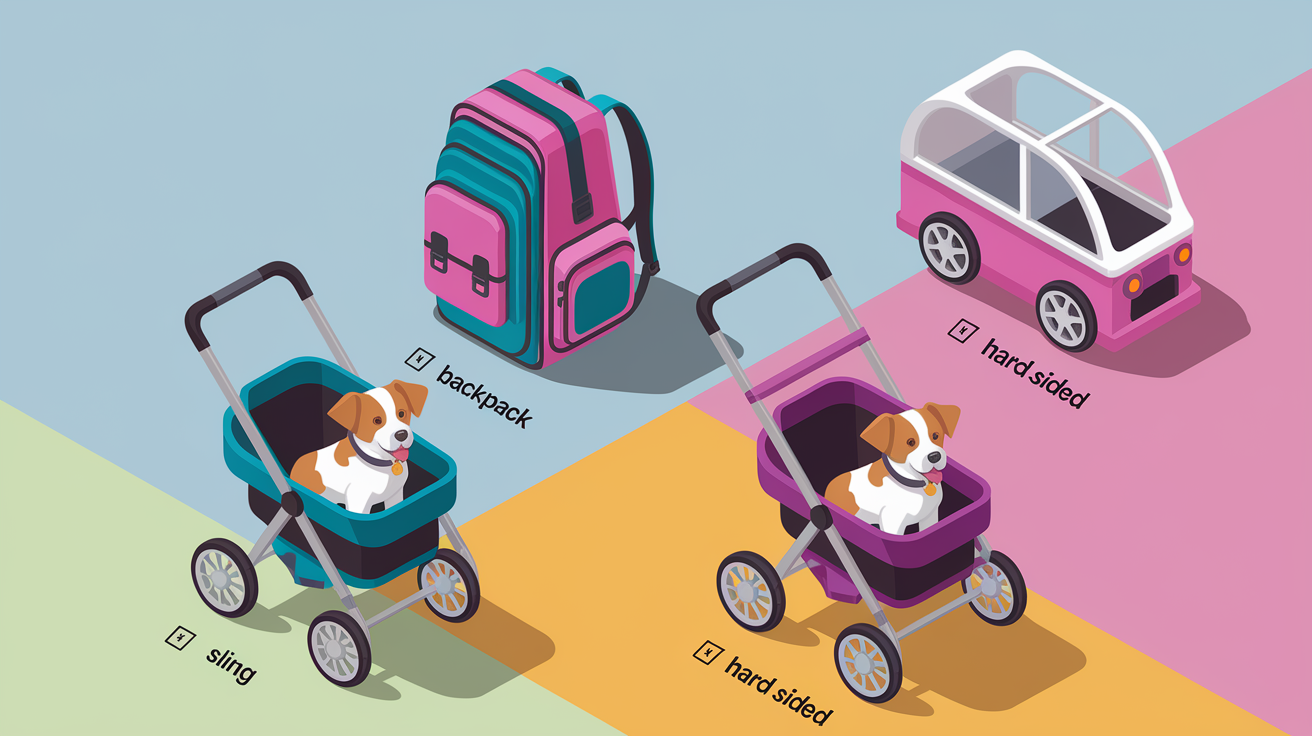
Backpack carriers are one of several transport options, and each type has distinct advantages and limits depending on your needs. Sling carriers are compact and easy to slip on for quick errands, but they provide less structural support and tend to encourage awkward postures for the pet, particularly if the dog is on the heavier end of the size range. Strollers avoid placing any load on your back and offer more space for the pet to move, but they’re bulkier, harder to navigate on uneven terrain, and impractical for stairs or crowded spaces.
Hard and soft-sided travel carriers offer more rigid support and are often required for air travel or vet visits, but they lack the hands-free convenience of a backpack and aren’t designed for extended carry. Backpack carriers work best in situations where mobility, balance, and portability matter most, like hiking trails, public transit commutes, or navigating busy urban environments.
| Carrier Type | Best Use | Key Limitation |
|---|---|---|
| Backpack Carrier | Hiking, commuting, hands-free mobility through crowds or stairs | Weight limits exclude larger dogs. Requires proper fit and ergonomics to avoid owner and pet strain. |
| Sling Carrier | Quick errands, very short trips, pets under 15 lbs | Less structural support. Awkward posture for larger small dogs. Uneven weight distribution on owner. |
| Pet Stroller | Long walks, senior pets, multiple pets, flat terrain | Bulky and difficult to maneuver on stairs, trails, or tight spaces |
| Hard/Soft Travel Carrier | Air travel, vet visits, car transport with seatbelt loops | Not hands-free. Awkward to carry for extended periods. Limited ventilation in some models. |
When Backpack Carriers Are Helpful (Use Cases & Suitability)

Backpack carriers work best for small to medium dogs that enjoy or tolerate close proximity to their owner and need occasional rest during longer outings. Hiking is a common use case. It lets you carry a tired or injured dog off the trail without losing mobility or balance. Senior pets or dogs recovering from surgery, like a dachshund with intervertebral disc disease who has weak back legs after spinal surgery, benefit from supportive horizontal carriers that provide safe transport while limiting strain on healing joints.
Anxious dogs often feel calmer when carried close to their owner’s body. Backpack carriers can reduce stress during exposure to crowded spaces, loud environments, or unfamiliar dogs. Commuters who navigate public transit, busy sidewalks, or multi-story buildings also find backpack carriers practical, as they keep the pet secure and off the ground while leaving both hands free for doors, railings, and tickets.
Common helpful scenarios:
- Hiking or long walks where the pet tires before you and needs a rest break
- Navigating crowded urban spaces, public transit, or busy events where keeping a small dog on the ground is unsafe or impractical
- Transporting senior, injured, or mobility-impaired pets who can’t walk long distances but still benefit from outdoor time
- Reducing anxiety in nervous dogs by keeping them close during exposure to new environments or other animals
Situations Where Backpack Carriers Should Be Avoided

Backpack carriers aren’t suitable for large or heavy dogs that exceed the carrier’s stated weight capacity. Overloading risks structural failure and injury to both pet and owner. Dogs with severe joint or bone conditions, arthritis, osteoporosis, or hip dysplasia shouldn’t be placed in carriers that lack adequate midsection support or force unnatural postures. Vertical carriers are especially risky for breeds prone to spinal problems, as downward pressure on the spine can worsen existing damage or create new issues.
Brachycephalic breeds like pugs, bulldogs, and Boston terriers overheat easily and struggle with restricted airflow. This makes poorly ventilated carriers dangerous even during short trips. Extreme heat, high humidity, or strenuous activity further increase the risk of overheating and breathing distress. Carriers shouldn’t be used in these conditions without frequent breaks and careful monitoring.
Avoid backpack carriers when:
- Your pet’s weight exceeds the carrier’s stated capacity or you’re near the top of the range and planning extended use
- Your dog has diagnosed joint, bone, or spinal conditions that require specialized support or make confinement risky
- Temperatures are high, humidity is elevated, or you’re engaging in strenuous activity that raises your pet’s body temperature
Backpack Carrier Materials, Hardware, and Durability Factors

Most backpack carriers use nylon or polyester fabric for the exterior shell. These materials are durable, water resistant, and lightweight. Quality models reinforce high-stress areas like the base, strap attachment points, and zipper seams with double or triple stitching to prevent tearing under load. Mesh panels should be tightly woven to resist tearing from claws while still providing airflow. The frame, whether semi-rigid or flexible, must support the pet’s full weight without collapsing or bending.
Hardware quality separates premium carriers from budget options. Chew-resistant, locking zippers prevent accidental openings and resist damage from curious pets. Metal buckles and D-rings provide stronger attachment points than plastic. Washable, antimicrobial liners help control odors and simplify cleaning after muddy hikes or accidents. Carriers that skimp on materials often sag, tear, or fail at critical points, putting your pet at risk.
Key material and durability features:
- Heavy-duty nylon or polyester fabric with reinforced stitching at stress points
- Locking, chew-resistant zippers made from durable metal or reinforced plastic
- Tightly woven mesh that resists claw damage while maintaining ventilation
- Washable, antimicrobial padding and liners for odor control and hygiene
- Strong metal buckles, D-rings, and hardware rather than lightweight plastic components
Price, Value, and Feature Comparison in Backpack Carriers
Budget backpack carriers typically cost less but sacrifice critical features like sturdy bases, locking zippers, and ergonomic strap systems. They may use thinner fabrics, lighter frames, and basic padding, which limits durability and comfort for both pet and owner. These models work for very occasional, short-distance use with small, calm pets, but they’re not suitable for regular outings or pets near the top of the weight range.
Mid-range carriers add better ventilation, reinforced stitching, adjustable straps, and internal tethers. This makes them safer and more comfortable for frequent use. Premium carriers include horizontal positioning, strong semi-rigid bases, hip belts, sternum straps, and features like insulated pockets, reflective trim, and lifetime or multi-year warranties. Some sellers also offer risk-free exchange policies and one-year warranties, which provide added confidence when investing in a higher-priced model.
| Price Tier | Typical Features | Key Tradeoffs |
|---|---|---|
| Budget | Basic nylon shell, simple zipper, minimal padding, limited ventilation | Lower durability, fewer safety features, less ergonomic support. Only suitable for very light, short-term use. |
| Mid-Range | Mesh panels, adjustable straps, internal tether, reinforced stitching, washable liner | Good balance of safety and cost. May lack hip belt or premium materials. Suitable for regular use. |
| Premium | Horizontal design, sturdy base, hip/sternum belts, locking zippers, warranty, insulated pockets | Higher upfront cost. Best long-term value for frequent use, heavier pets, or demanding conditions. |
Transport, Travel, and Public-Space Considerations for Backpack Carriers
Many public transit systems allow small pets in carriers as long as the carrier fits within size restrictions, typically matching under-seat dimensions. Backpack carriers are often compact enough to meet these requirements, and their hands-free design makes boarding, exiting, and navigating turnstiles easier than managing a traditional hard-sided carrier. Always verify your local transit authority’s rules, as policies vary by city and mode of transport.
Airline travel with a backpack carrier is more complicated. Most airlines require soft-sided carriers to fit under the seat in front of you, and backpack-style models sometimes exceed those dimensions, especially when packed full. TSA security screening requires you to remove your pet from the carrier and carry them through the metal detector, so the carrier must allow easy, calm removal. Some airlines explicitly prohibit backpack carriers or restrict them to cargo, so confirm your airline’s pet policy well before your departure date.
Car travel with a backpack carrier is generally not recommended unless the carrier includes seatbelt loops or is specifically rated for crash safety. Most backpack carriers aren’t designed to protect a pet during a collision, and placing an unsecured carrier on a seat can result in serious injury. For car transport, use a crash-tested crate, harness, or carrier designed for vehicular restraint.
Travel preparation tips:
- Confirm size and weight restrictions for your specific transit system, airline, or venue before departure
- Practice removing and securing your pet calmly to prepare for TSA or security checkpoints
- Bring a collapsible water bowl and offer water during long trips to prevent dehydration
- Don’t use a backpack carrier as a car restraint unless it’s explicitly rated and tested for crash safety
Practical Checklist for Choosing a Backpack-Style Pet Carrier
Before purchasing, confirm your pet’s exact weight and measure their height from floor to shoulder and back length from the base of the neck to the base of the tail. Cross-check these numbers against the manufacturer’s size chart, and choose the next size up if your pet is near the boundary between two tiers. Look through photos and descriptions carefully to verify that the carrier includes a sturdy, non-collapsing base, large mesh ventilation panels on at least two sides, and locking or reinforced zippers.
Essential checklist items:
- Verify the carrier’s maximum weight capacity matches your pet’s current weight with room to spare
- Measure your pet’s height and back length and confirm the carrier allows standing, sitting, and turning
- Check for large mesh ventilation panels on multiple sides for airflow and temperature control
- Make sure there’s a sturdy, reinforced base that won’t sag or compress under your pet’s weight
- Look for locking zippers or strong closures that resist accidental opening
- Confirm the presence of an internal tether or harness attachment point to prevent escape
- Choose a model with padded, adjustable shoulder straps and, ideally, a hip belt for load distribution
- Review the seller’s warranty, exchange policy, and return window in case the fit or quality doesn’t meet expectations
Final Words
Choose a carrier that balances hands-free convenience with a proper fit, sturdy support, and good airflow. This guide ran through backpack pros and cons, pet comfort and owner ergonomics, sizing and safety, behavior tips, travel notes, materials, price, and a handy buying checklist.
Keep the backpack style pet carriers pros and cons in mind and test with short practice trips to check fit and ventilation. Small steps and simple safety checks help make outings easier and more comfortable for both of you.
FAQ
Q: Are dogs comfortable in backpack carriers?
A: Dogs can be comfortable in backpack carriers when the carrier fits their weight and size, allows standing and turning, has good ventilation and a stable base, and they’re slowly acclimated.
Q: Are backpack cat carriers okay?
A: Backpack cat carriers can be okay if they’re roomy, ventilated, secure, and let the cat retreat; many cats accept them with slow introductions, treats, and short practice trips.
Q: Do dogs like being carried in backpacks?
A: Dogs may or may not like being carried in backpacks; preference depends on temperament, comfort, and prior training. Look for relaxed posture and quiet breathing, and train with short, rewarding sessions.
Q: What do vets recommend for cat carriers?
A: Vets recommend carriers that are sturdy, well-ventilated, large enough to turn and lie down, easy to clean, have internal tether or harness points, and are introduced gradually at home.