

Controversial: that plain water bowl on the floor might be the reason your cat drinks less.
We tested two dozen fountains, checking noise, materials, filtration, capacity, and how easy each is to clean.
This guide compares top picks—from whisper-quiet, whisker-friendly choices like the PetKit EverSweet Solo 2 to large stainless-steel options for multi-pet homes—and gives simple, practical advice so you can choose the best water fountain for your cat and your routine.
Top Expert Picks to Help You Choose the Best Water Fountain for Cats
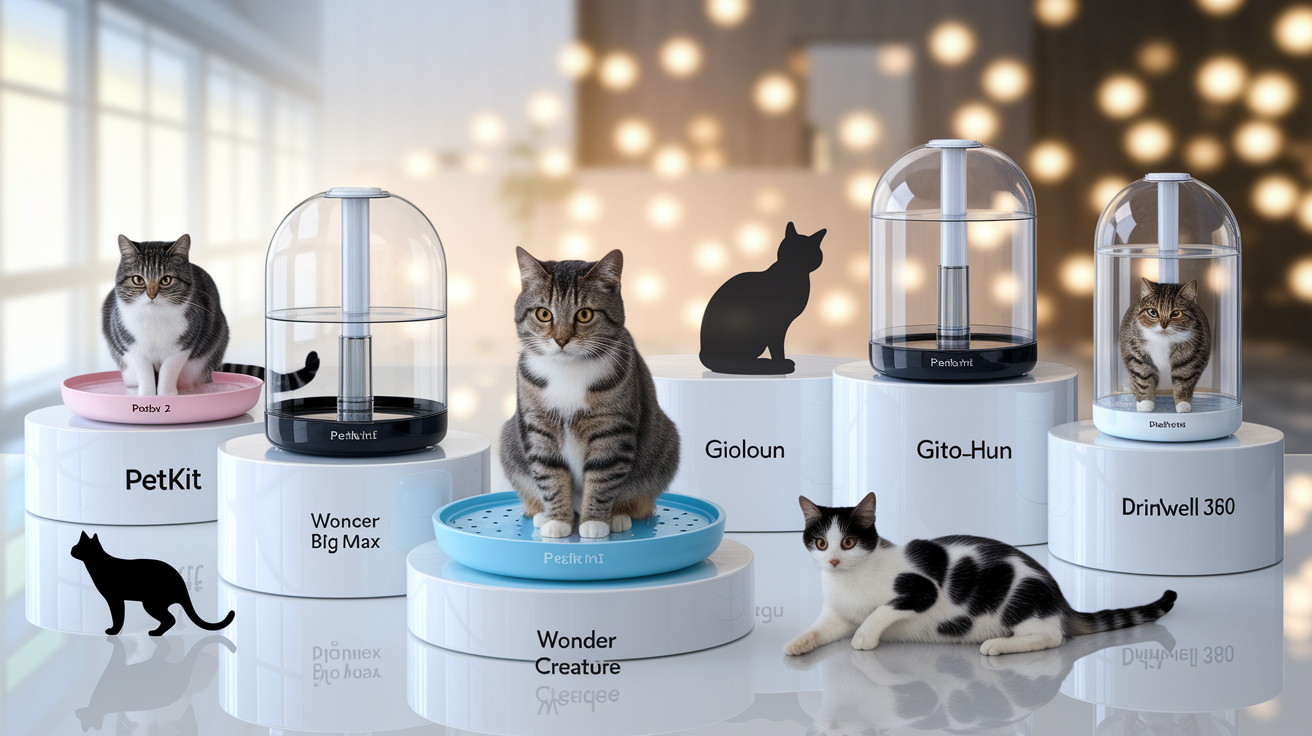
After testing two dozen models, one stood out for cats and small dogs: the PetKit EverSweet Solo 2. It’s a 2.0-liter fountain with a wireless induction-charging pump that runs almost silent and shuts off when water gets low. The shallow open bowl won’t stress whiskers, and the app lets you set reminders or use a smart mode that pulses the pump every three minutes to save power. For bigger households, the Pioneer Pet Big Max Stainless Steel Drinking Fountain holds 3.78 liters and gives you a wide bowl plus mostly dishwasher-safe parts, though the pump housing can be fussy to snap closed.
Budget shoppers get two solid picks. The Giotohun Cat Water Fountain runs one of the quietest wired motors tested, has a curved metal faucet spout, and costs about $33 a year in filters if you swap them monthly. The Wonder Creature Cat Water Fountain features a stainless-steel top, three flow settings, a low-water LED light, and a shallow dish that’s easy on whiskers. Most tested models landed between 2 and 4 liters. One 6-liter model got tested for comparison.
Quiet pumps, decent filtration, and easy cleaning defined the winners. Materials ranged from stainless steel to ceramic to BPA-free plastic, each with different hygiene and upkeep needs. Across testing, filters caught hair and debris and improved taste but rarely came with lab proof they remove contaminants. Pump failures popped up as a weak spot, making warranty length a big decision point.
Top models by category:
- Best overall for cats and small dogs – PetKit EverSweet Solo 2: 2.0 L, wireless magnetic pump, nearly silent, app-enabled smart mode, auto shutoff
- Best for large and multi-pet homes – Pioneer Pet Big Max: 3.78 L stainless steel, 6-foot cord, wide bowl, mostly dishwasher-safe
- Best budget faucet-style – Giotohun Cat Water Fountain: 3.2 L or 2.0 L, quiet motor, disassembles easily, estimated $33/year filters
- Best budget multi-flow – Wonder Creature: 2.4 L, stainless top, three flow modes, LED low-water light, dishwasher-safe top
- Best quiet performer overall – Petlibro Capsule: 2.1 L, 5-layer filtration, noise-insulating tubing, recommended filter change every two weeks
- Best multi-cat large capacity – PetSafe Drinkwell 360: 128 oz stainless steel, five interchangeable spouts, 360° access, loudest model tested
| Model | Capacity | Material | Filtration Type | Noise Level | Ideal For |
|---|---|---|---|---|---|
| PetKit EverSweet Solo 2 | 2.0 L (68 oz) | ABS plastic (BPA-free) | Standard filter + prefilter | Nearly silent | Single cat, small dogs, whisker-sensitive cats |
| Pioneer Pet Big Max | 3.78 L (128 oz) | Stainless steel | Foam + carbon filters | Faint hum | Large dogs, multi-cat homes |
| Giotohun Cat Water Fountain | 3.2 L or 2.0 L | Plastic with metal spout | Carbon filter | Quiet wired motor | Budget buyers, faucet-style preference |
| Wonder Creature | 2.4 L (81 oz) | Stainless top, plastic base | Multi-stage carbon filter | Slightly louder (occasional buzz) | Budget buyers, flow variety, single to two cats |
| Petlibro Dockstream | 2.5 L (84 oz) | Stainless tray, plastic reservoir | 4-layer vertical filtration | Near-silent | Cordless convenience, radar motion mode, tech-forward households |
Key Features That Define the Best Water Fountain for Cats
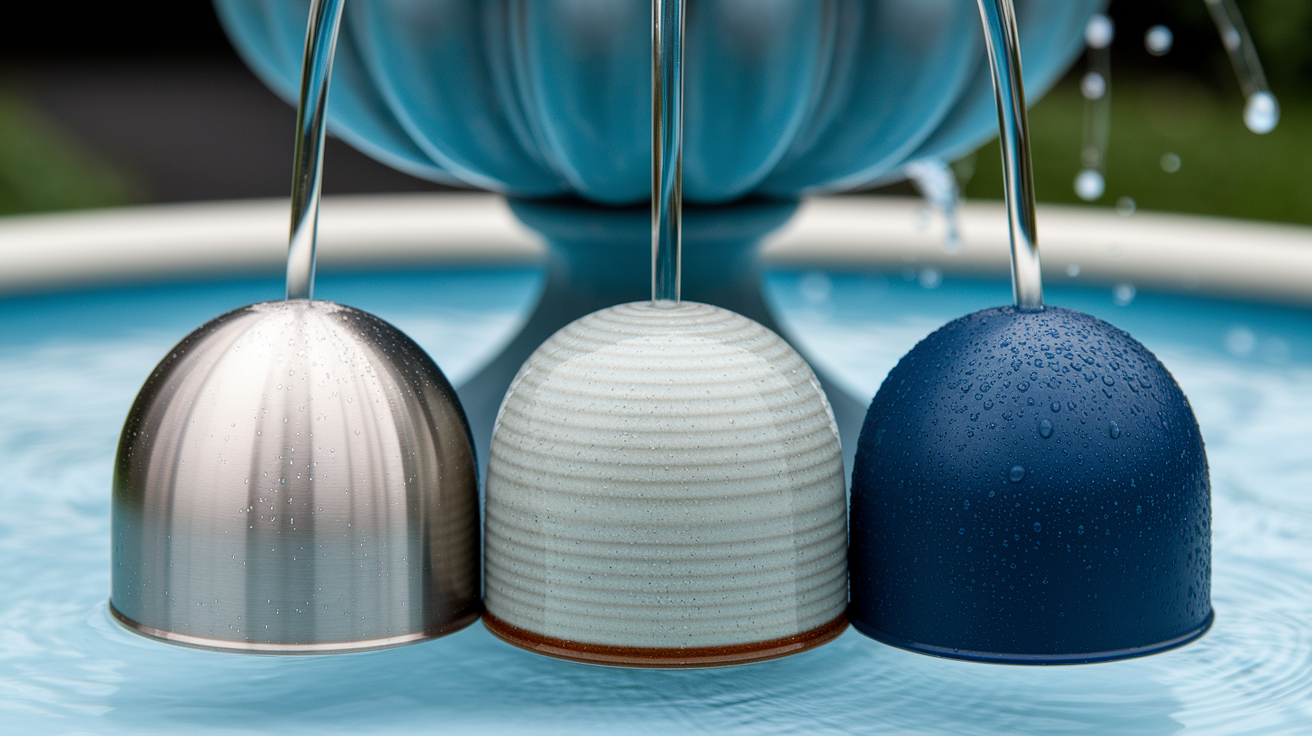
Material choice affects long-term hygiene, cleaning effort, and safety. Stainless steel and ceramic are non-porous, easier to sanitize, and often dishwasher-safe. Plastic is lighter and cheaper but scratches easily, can harbor bacteria, and sometimes triggers feline chin acne. Vets interviewed for this testing leaned toward dishwasher-safe stainless steel or ceramic when possible. Most fountains tested landed between 2 and 4 liters, a range that works for single cats and small multi-cat homes without constant refilling.
Pump reliability was a weak spot across the category. Even highly rated models had reports of pump failures after months or years. A warranty of at least one year helps, and a few models now come with two-year pump coverage.
Filters trap fur, dust, and larger debris and may improve taste, but makers rarely provide lab data on contaminant removal. If you’re worried about heavy metals, chlorine, or other tap water issues, run your water through a home pitcher filter before filling the fountain.
What to look for when picking a fountain:
- Material and hygiene – Stainless steel and ceramic resist bacteria better than plastic. Look for dishwasher-safe parts to simplify weekly cleaning.
- Filtration design – A prefilter catches hair and big particles before they hit the carbon filter, extending filter life and reducing clogs.
- Noise level – Quiet pumps matter for anxious cats and for placement in living spaces. Models with induction or noise-insulating tubing perform best.
- Capacity and refill frequency – Fountains between 2 and 4 liters suit most single to three-cat homes. Larger households or big dogs benefit from 3.8 to 10 liters.
- Cleaning difficulty – Models with five or fewer main parts and wide openings clean faster. Avoid fountains with lots of small crevices or hard-to-reach pump chambers.
Comparing Cat Water Fountain Materials for Safety and Hygiene
Stainless steel and ceramic fountains resist bacterial growth because they’re non-porous and can handle high-heat dishwasher cycles without warping. Stainless steel is lighter than ceramic, doesn’t chip or crack if dropped, and hides hard-water stains a bit better, though mineral deposits still form and need occasional vinegar soaks. Ceramic fountains feel heavy and stable, which prevents tipping for enthusiastic drinkers, and many designs offer decorative glazes that fit home decor.
Plastic fountains dominate the budget and mid-range market because they’re cheap to make, lightweight, and easy to mold into complex shapes like flower petals or multi-tier waterfalls. The downside? Durability and hygiene. Plastic scratches easily, and those tiny grooves collect bacteria even with regular scrubbing. Some cats develop chin acne linked to plastic contact. Switching to stainless or ceramic often clears it up. If you choose plastic, look for BPA-free formulations and plan to replace the unit every one to two years as scratches pile up.
Hygiene pros and cons by material:
- Stainless steel – Non-porous, dishwasher-safe, resists scratches, no acne risk. Can show hard-water stains but vinegar removes them easily.
- Ceramic – Non-porous, dishwasher-safe, heavy and stable, decorative options. Can chip or crack if dropped. Harder to see water level inside.
- Plastic (BPA-free) – Lightweight, inexpensive, many design options. Scratches harbor bacteria, linked to chin acne in some cats, degrades faster, needs more frequent replacement.
Noise, Pump Quality, and Flow Style in the Best Cat Fountains
Pump noise ranged from barely there hums to noticeable splashing and motor buzz. The PetKit EverSweet Solo 2 tied with Petlibro’s battery models for quietest operation, thanks to a wireless induction motor and minimal water turbulence. The NPET Automatic Fountain and Cat Mate models also tested near-silent, while the PetSafe Drinkwell Platinum made the most noise due to its cascading multi-tier design and higher pump output. Cats have sensitive hearing, and a loud pump or splashing waterfall can scare shy or anxious cats away.
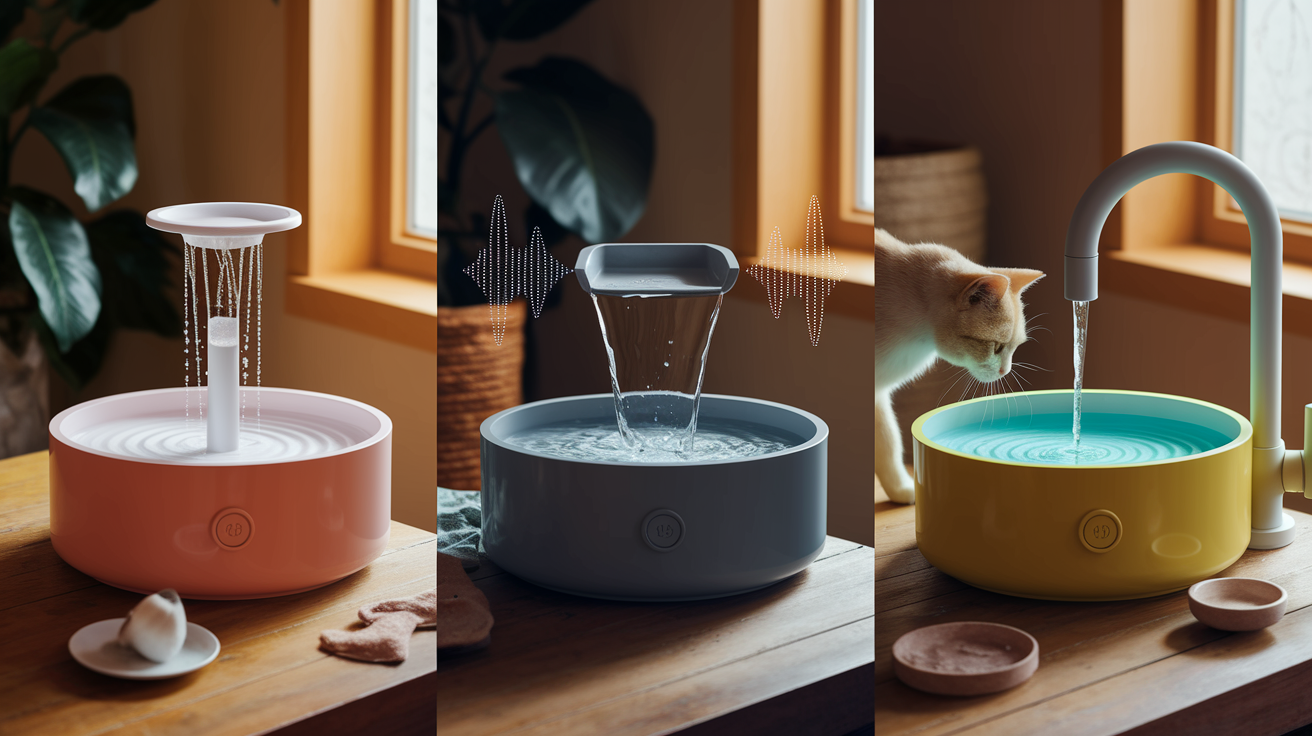
Flow style affects both noise and cat appeal. Bubbler fountains push water up through a central nozzle or dome, creating gentle movement with minimal sound. Waterfall styles pour water over a surface or edge, which oxygenates the water but can add drip and splash noise. Faucet-style spouts mimic a kitchen tap, a favorite for cats that drink from sinks, but the narrow stream requires specialized brushes to clean the spout interior. Some models offer multiple flow modes so you can test what your cat prefers and dial down noise at night.
Flow style comparison:
- Bubbler – Gentle central upward stream, minimal noise, easy to clean, appeals to cats that like still or gently moving water.
- Waterfall – Water pours over a surface, more oxygenation, louder drip/splash, appeals to playful cats and those that drink from taps.
- Faucet-style – Single narrow stream mimicking a tap, moderate noise, requires narrow brushes to clean spout, great for sink-drinking cats.
- Multi-mode – Offers bubbler, waterfall, and sometimes faucet options in one unit. Lets you switch based on noise preference or cat behavior.
| Model | Noise Impression |
|---|---|
| PetKit EverSweet Solo 2 | Nearly imperceptible, quieter than most ambient room noise |
| Petlibro Capsule / NPET | Almost silent, faint motor hum only when ear is close |
| PetSafe Drinkwell Platinum | Loudest tested, noticeable water splashing and motor hum |
Best Water Fountain for Multiple Cats and Large Households
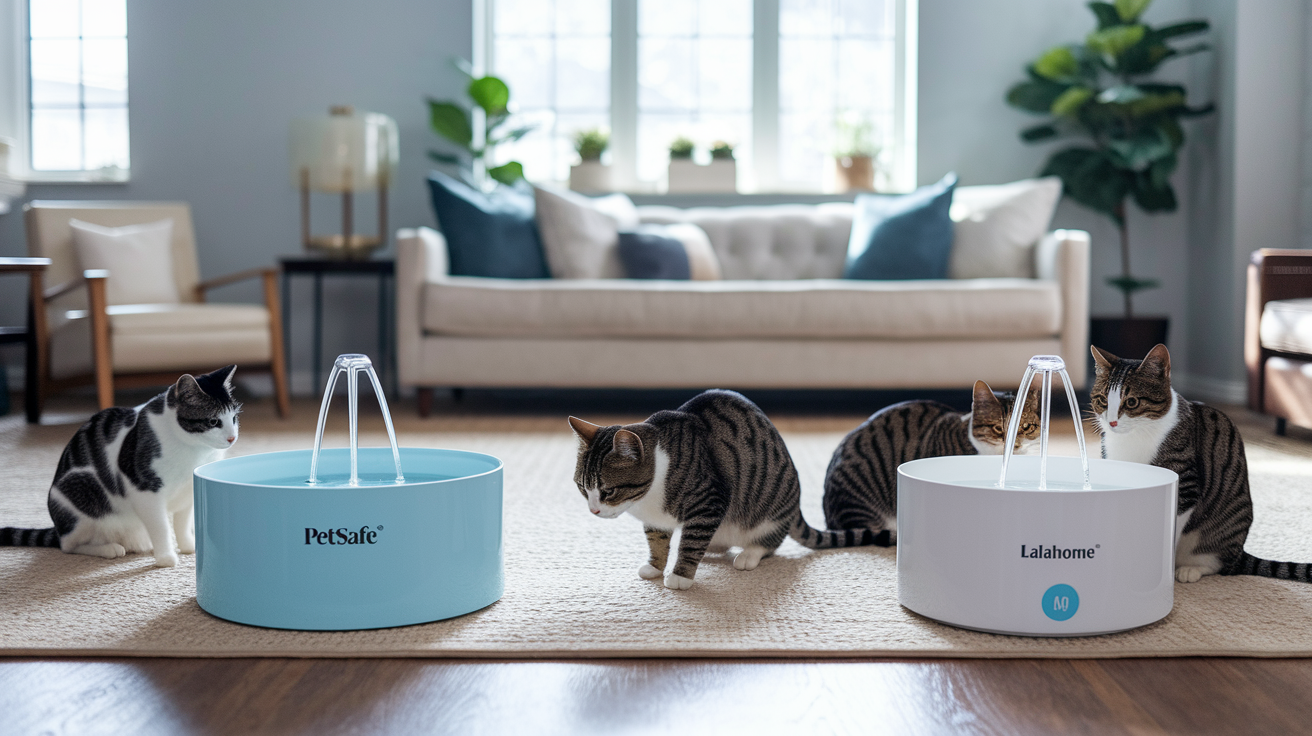
When you’re managing three or more cats, or a mix of cats and small dogs, capacity and access points matter. The PetSafe Drinkwell 360 holds 128 ounces (3.78 liters) and has five interchangeable spouts arranged in a ring, so multiple pets can drink at once without crowding. It’s stainless steel, and most parts are dishwasher-safe, though the pump housing needs hand washing. The main downside is noise. It tested as the loudest model, with distinct water splashing, and the 14.3 x 14.3-inch footprint takes up floor space.
For households with even higher water demands or longer stretches between refills, the LALAHOME 10L offers dual 5-liter tanks, wastewater separation that flushes used water into a drawer, and a 5-stage filtration system including mesh prefilter, sponge, activated carbon, zeolite, and maifan stone. The complexity means more parts to clean and a longer assembly, but the massive capacity and self-flushing feature suit busy multi-cat homes or owners who travel frequently.
Multi-cat dynamics also require thoughtful placement. Cats prefer separate water and food stations, and dominant cats may guard a single fountain. Two smaller fountains in different rooms often work better than one large unit for households with territorial cats.
Setup tips for multi-cat homes:
- Choose a fountain with at least 3 liters capacity or multiple drinking spouts to cut refill frequency and allow simultaneous use.
- Place fountains away from food bowls and litter boxes to prevent contamination and respect cats’ natural preference for separate resources.
- Consider multiple smaller fountains instead of one large unit if you have cats that guard resources or prefer different rooms.
- Test flow modes and adjust for quieter operation to avoid scaring shy or anxious cats in a busy household.
Best Budget and Value Cat Fountains

Budget fountains can deliver solid performance if you match features to your household and accept higher maintenance frequency. The Giotohun Cat Water Fountain costs way less than top-tier models and runs one of the quietest wired motors tested. Its curved metal faucet spout comes apart easily for cleaning, and replacement filters cost about $33 a year if replaced monthly. The black plastic interior can hide grime, so plan on weekly cleanings with a flashlight check.
The Wonder Creature Cat Water Fountain gives you three flow modes (flower waterfall, bubbler, and mixed), a stainless-steel top and dish that are dishwasher-safe, and a blue LED low-water indicator. At 2.4 liters, it’s smaller than the PetSafe Drinkwell 360 but bigger than many single-cat models, and testing notes showed a 22% discount bringing the price well below $30.
Annual filter costs swing widely across budget models. The Catit Flower Fountain sells for around $26 but racks up $31 to $62 per year in filters depending on replacement frequency. Models without a prefilter force the carbon filter to catch hair and debris, shortening its life and bumping replacement frequency. If you’re choosing a budget fountain, factor in long-term consumable costs, not just the upfront price.
Budget model filter cost comparison (estimated annual):
- Giotohun Cat Water Fountain – $33/year (monthly filter replacement, widely available aftermarket filters)
- Wonder Creature Cat Water Fountain – Approximately $25–$40/year (filters less expensive, moderate replacement interval)
- Catit Flower Fountain – $31–$62/year (frequent replacement needed due to lack of prefilter, widely available OEM and aftermarket packs)
- NPET Automatic Fountain – $13–$19/year (cheapest annual filter cost among tested budget models, triple-filtration design)
Battery‑Operated, USB, and Corded Fountain Options
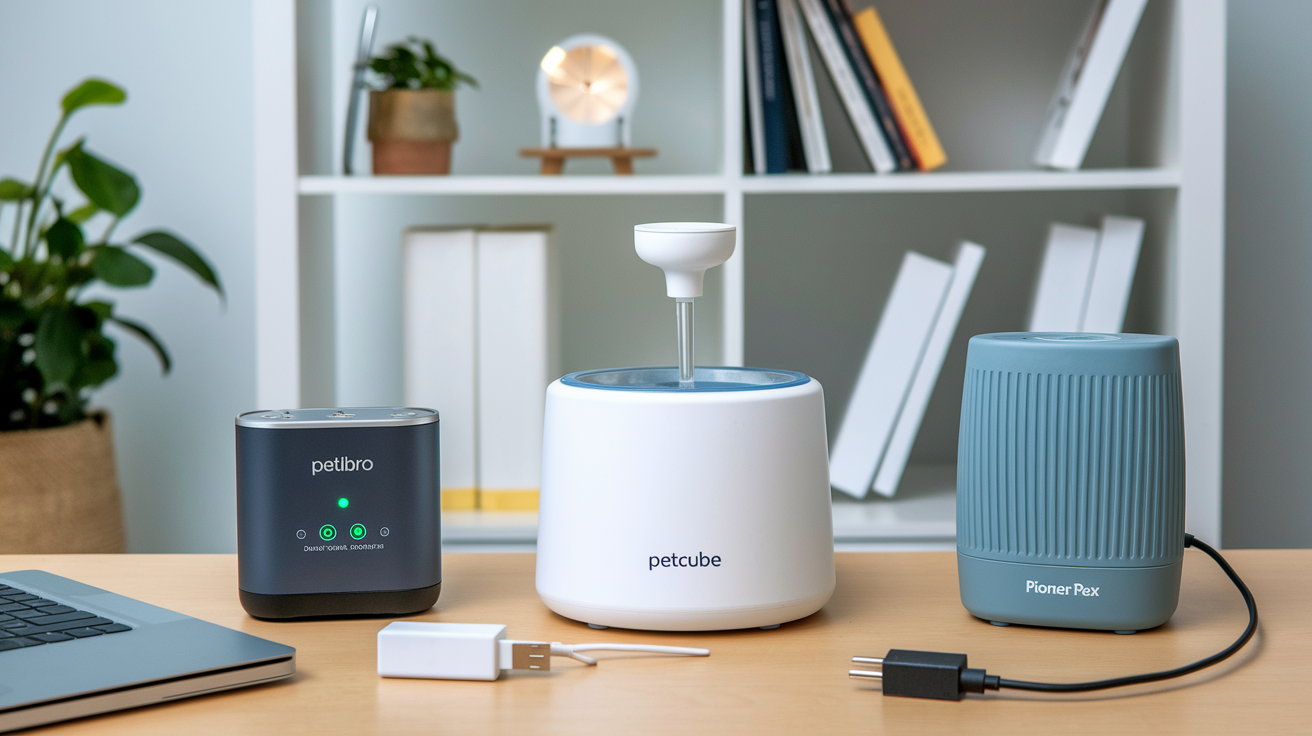
Battery-operated fountains cut the cord, which matters if you don’t have an outlet near your cat’s favorite drinking spot or if your cat or dog chews cables. The Petlibro Dockstream has a 5,000 mAh rechargeable lithium-ion battery that can run up to 30 days on a single charge in continuous mode, or even longer in radar induction mode, which fires up the pump for 20 seconds every hour when motion gets detected within 80 cm (31.5 inches). The fountain also gives you low-water and low-battery lights and a foreign-object detection shutoff for safety. At $70, it costs more upfront than most wired models, but the cordless convenience and smart sensors appeal to tech-forward households.
The Petcube Fountain pairs a 5,200 mAh rechargeable base with a choice of ceramic or stainless basin and an integrated UV-C light for pathogen reduction. Testing showed the battery lasting over two weeks in motion-activated mode. The tradeoff is a smaller 1.7-liter (57-ounce) reservoir and an unusual assembly that can cause spills if overfilled, since you have to lift the entire reservoir to access the power button.
Corded fountains offer unlimited runtime and typically bigger capacities, but you’ll need an outlet and should think about a cord cover if your pets chew. Models like the Pioneer Pet Big Max come with cords just over six feet long, the second-longest among tested units, which gives flexibility in placement without an extension cable.
Power type pros and cons:
- Battery-operated – Cordless portability, safer around chewers, no outlet needed. Smaller reservoirs, higher upfront cost, recurring recharge schedule, battery degrades over time.
- USB rechargeable – Flexible charging (wall adapter, power bank, laptop), often includes smart features like app monitoring. Needs regular recharging, may have proprietary adapters, battery lifespan limits long-term use.
- Corded (plug-in) – Unlimited runtime, bigger capacities available, lower upfront cost. Requires nearby outlet, cord can be chewed, fountain stops during power outages unless bowl retains accessible water.
Cleaning, Filters, and Long‑Term Maintenance for Cat Fountains
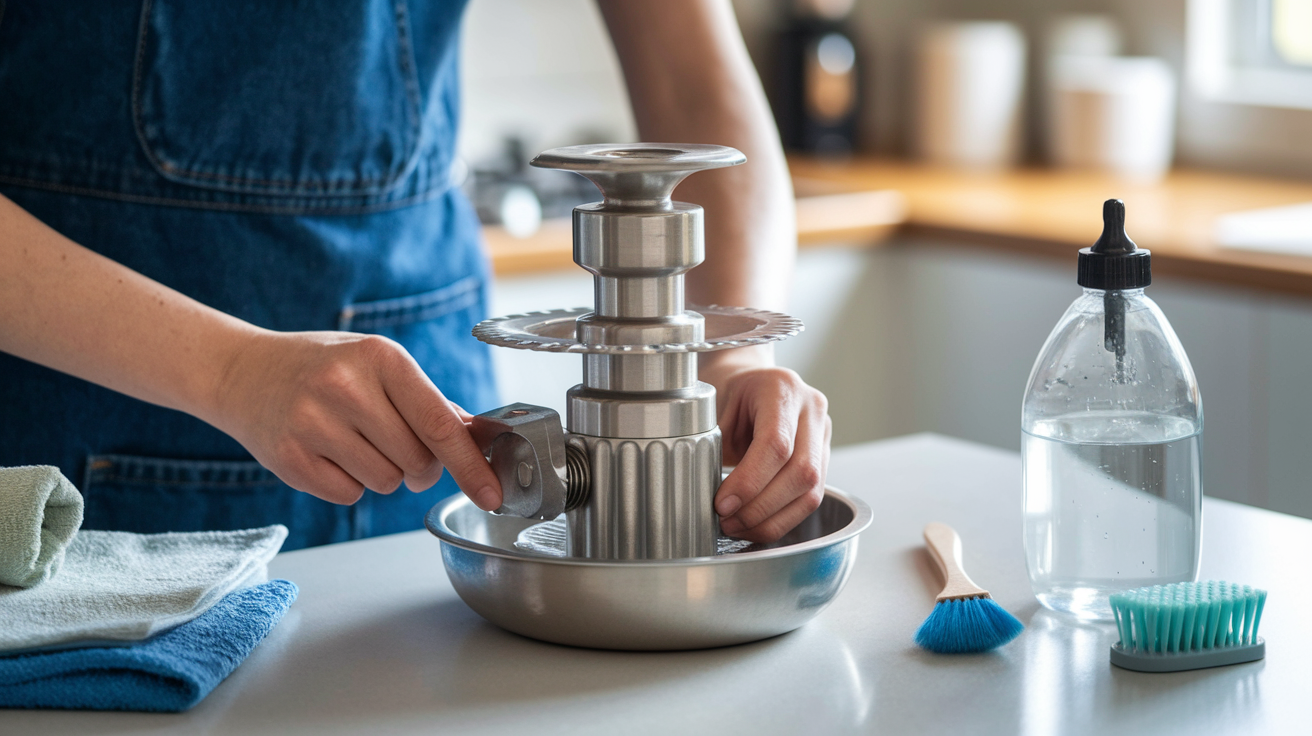
Vets interviewed for this guide consistently recommended refreshing fountain water daily and doing a full cleaning at least once a week. During testing, fountains ran for two-week cycles with thorough cleanings after week one and week two to simulate real-world use. Skipping weekly cleanings let biofilm (a slippery bacterial layer) form on pump impellers and interior surfaces, which cut flow, bumped noise, and made the water smell stale.
Filter replacement schedules vary by model. Most makers say change carbon filters monthly, but a few, like Petlibro Capsule, suggest replacement every two weeks, which drives annual filter costs close to $100 if followed strictly. Models with good prefilters, like the PetKit EverSweet 2 and PetSafe Drinkwell Platinum, caught nearly all hair before it reached the carbon filter, extending filter life and cutting clogs. Pumps are the most common failure point across the category, and regular cleaning of the pump impeller and chamber helps prevent scum buildup that kills motors early.
Hard-water deposits show up as white or cloudy stains on stainless steel and ceramic surfaces. Vinegar soaks (one part white vinegar to three parts water, soak 15 to 30 minutes) dissolve mineral scale without scratching. Never use abrasive scrubbers on plastic parts, they create scratches that harbor bacteria. Dishwasher-safe stainless and ceramic parts simplify weekly maintenance and allow high-heat sanitization.
Weekly cleaning routine:
- Unplug or power off the fountain and empty all water.
- Take apart all removable parts, including the pump, spout, filter holder, and reservoir.
- Rinse the pump impeller and housing under warm running water. Use a soft brush or cotton swab to remove any slime or debris.
- Wash stainless steel and ceramic parts in the dishwasher if safe, or hand-wash all parts with hot water and mild dish soap. Use a flexible pipe-cleaning brush for spouts and narrow channels.
- Check and replace the filter if it looks clogged, discolored, or has been in use for the maker’s recommended interval (typically 2 to 4 weeks).
| Model | Recommended Filter Interval | Estimated Annual Filter Cost |
|---|---|---|
| PetKit EverSweet Solo 2 | Every 4 weeks (smart mode) to every 2 weeks (normal mode) | $13.59–$40/year |
| Petlibro Capsule | Every 2 weeks (manufacturer recommendation) | $49.96–$99.93/year (4-pack ≈ $16) |
| Giotohun Cat Water Fountain | Every 4 weeks | ≈ $33/year |
| PetSafe Drinkwell Platinum | Every 4 to 8 weeks | $9.33–$18.66/year (cheapest among tested) |
Encouraging Cats to Use the Fountain and Ideal Placement

Not every cat will jump straight to a fountain. A 2018 study referenced by a veterinary nutritionist found no consistent group-level preference for still, circulating, or free-falling water. Individual cats develop learned preferences based on early experiences and household routine. Cats that already drink from kitchen sinks often prefer faucet-style spouts, while cats used to still bowls may need a gentler bubbler flow to start.
Place the fountain where your cat naturally hangs out and away from high-traffic or noisy spots that might scare an anxious cat. Keep it separate from food bowls and litter boxes. Cats instinctively avoid drinking near waste or food to reduce contamination risk. Leave a regular bowl filled as backup in case the fountain fails, the power goes out, or your cat just prefers it some days.
If your cat ignores the fountain for the first few days, try unplugging it temporarily so the water sits still, then gradually bring flow back once the cat drinks from the still reservoir. Switching flow modes or adjusting spout height can also help. Patience and observation usually reveal what works.
Placement tips for best adoption:
- Keep water separate from food – Place the fountain at least a few feet away from feeding stations to respect cats’ natural preference for separate resources.
- Avoid noisy appliances and high-traffic zones – Shy or anxious cats avoid fountains near dishwashers, washing machines, or busy hallways.
- Match spout style to observed drinking behavior – Sink-drinkers often prefer faucet-style. Cats that lap from bowls may prefer bubblers or waterfalls.
- Always provide a backup bowl – A regular dish ensures access during power outages, pump failures, or when a cat simply prefers still water.
Where to Buy the Best Water Fountain for Cats

Most cat fountains are available through major online retailers, pet-specialty websites, and brick-and-mortar pet stores. When shopping online, double-check the listing matches the exact model and capacity you researched. Some brands offer multiple sizes or versions under similar names, and mixing them up can mean getting a 2-liter fountain when you needed 4 liters for a multi-cat home. Check recent reviews for reports of pump failures, filter quality issues (charcoal leaking into the water came up for some Catit filters), and long-term durability. User photos and comments often reveal whether a model splashes too much, whether replacement parts are easy to find, or whether customer service responds quickly to warranty claims.
Warranty terms and replacement-part availability should factor into your decision. Some makers offer one-year pump warranties, a few stretch to two years, and others offer only 90-day coverage. Confirm that replacement filters and pumps are sold separately and widely available. A fountain that costs $30 but needs proprietary filters sold only by one vendor at $20 per pack gets expensive fast. Models with generic or widely cloned filter sizes give you more purchasing flexibility and lower long-term costs.
Evaluating online listings:
- Verify exact model name and capacity to avoid confusion between similar-named products with different features or sizes.
- Check filter and pump replacement availability before buying. Confirm aftermarket or OEM options exist and compare costs.
- Read recent reviews for long-term reliability focusing on pump lifespan, filter quality, leaks, and customer-service responsiveness for warranty claims.
Final Words
Start by choosing one of the top picks and set it up where your cat already drinks. Focus on quiet pumps, a 2–4 L capacity, and parts you can clean in the dishwasher.
Match material to your home—stainless or ceramic for hygiene, plastic for budget—and pick a flow style your cat likes. Keep a weekly cleaning routine, spare filters on hand, and place fountains away from food and litter.
Follow the simple checks above and you’ll be closer to the best water fountain for cats for your household, with a happier, better-hydrated pet.
FAQ
Q: What type of water fountain is best for cats?
A: The best water fountain for cats is one with a quiet pump, nonporous material (stainless steel or ceramic), 2–4 L capacity, easy-to-clean parts, and good filtration to reduce debris and smell.
Q: Do vets recommend water fountains for cats?
A: Vets often recommend water fountains for cats because flowing water encourages drinking, which helps urinary and kidney health; they stress weekly cleaning, regular filter changes, and checking your vet for specific health concerns.
Q: What is the number one rated cat fountain?
A: There’s no single “number one” cat fountain; top-rated picks include PetKit EverSweet Solo 2 (2.0 L, nearly silent), Pioneer Pet Big Max (3.78 L stainless steel), and Wonder Creature (2.4 L, three flow modes).
Q: Is there a cat water fountain that doesn’t get slimy?
A: A cat water fountain that doesn’t get slimy doesn’t exist long-term; stainless or ceramic models resist slime best, but weekly cleaning, monthly filter changes, and removing standing water prevent slime and algae buildup.