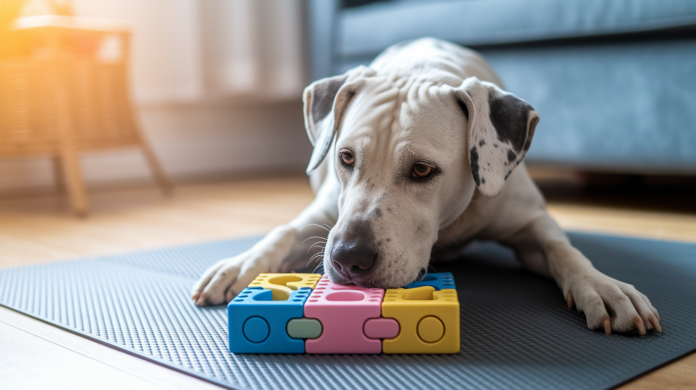

Think old dogs can’t learn new tricks?
Many owners assume mental decline is just part of aging, but short, gentle brain games can slow that decline, ease anxiety, and bring back your dog’s curiosity.
This post gives simple, senior-friendly activities like puzzle feeders, scent games, slow feeders, and gentle name work that fit low mobility and short attention spans.
You’ll get easy steps, timing tips, and clear signs for when to stop or call your vet.
Start with five-minute sessions and build from there.
Essential Mental Stimulation Activities Tailored for Senior Dogs
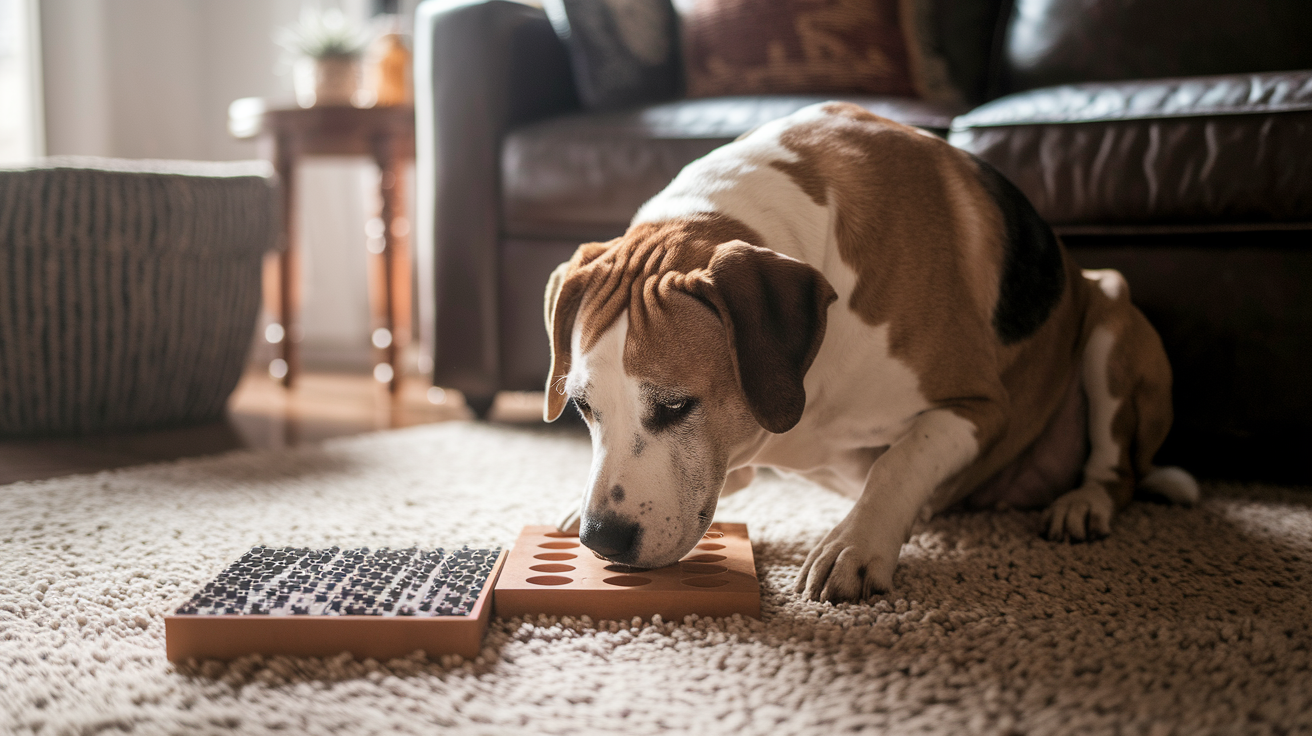
Your dog’s brain changes as they get older. Neurons fire slower, blood flow drops, and plaque starts building up. Memory gets fuzzy. Learning takes longer. Focus drifts. Most dogs hit senior status somewhere between 7 and 10 years old, depending on size and breed. Their bodies slow down too. Joints stiffen, stamina fades, and those long fetch sessions just don’t happen anymore.
But here’s the thing: their brains still need work.
Mental stimulation slows down cognitive decline, eases anxiety, and keeps your dog interested in daily life. You’re not trying to teach complex tricks or run agility courses. You’re offering low-impact brain exercises that don’t wear them out or hurt their joints.
Short sessions work best. Five to 15 minutes, once or twice a day. You can use puzzle toys, scent games, slow feeders, or gentle training drills. The goal is variety without overload.
Here are six ready-to-use brain games safe for dogs with limited mobility:
Floor-level puzzle feeders let your dog push pieces or flip lids while lying down to release treats.
Snuffle mats hide kibble or soft treats in fabric strips and encourage natural sniffing and foraging.
Cup and towel scent games involve treats hidden under cups or folded towels for easy nosework.
Slow-feeder bowls turn mealtime into a gentle problem-solving task.
Name-recognition games teach toy names and build memory without physical effort.
Bird-watching stations give your dog a window perch or low spot where they can watch outdoor movement.
Keep sessions short. Stop when your dog shows signs of fatigue, like lying down mid-game or wandering off. Use non-slip mats or rugs, soft treats that are easy to chew, and supportive bedding if your dog prefers to play while resting. Simple daily enrichment improves quality of life even when walks become shorter or harder.
Recognizing Cognitive Changes and When Brain Games Help
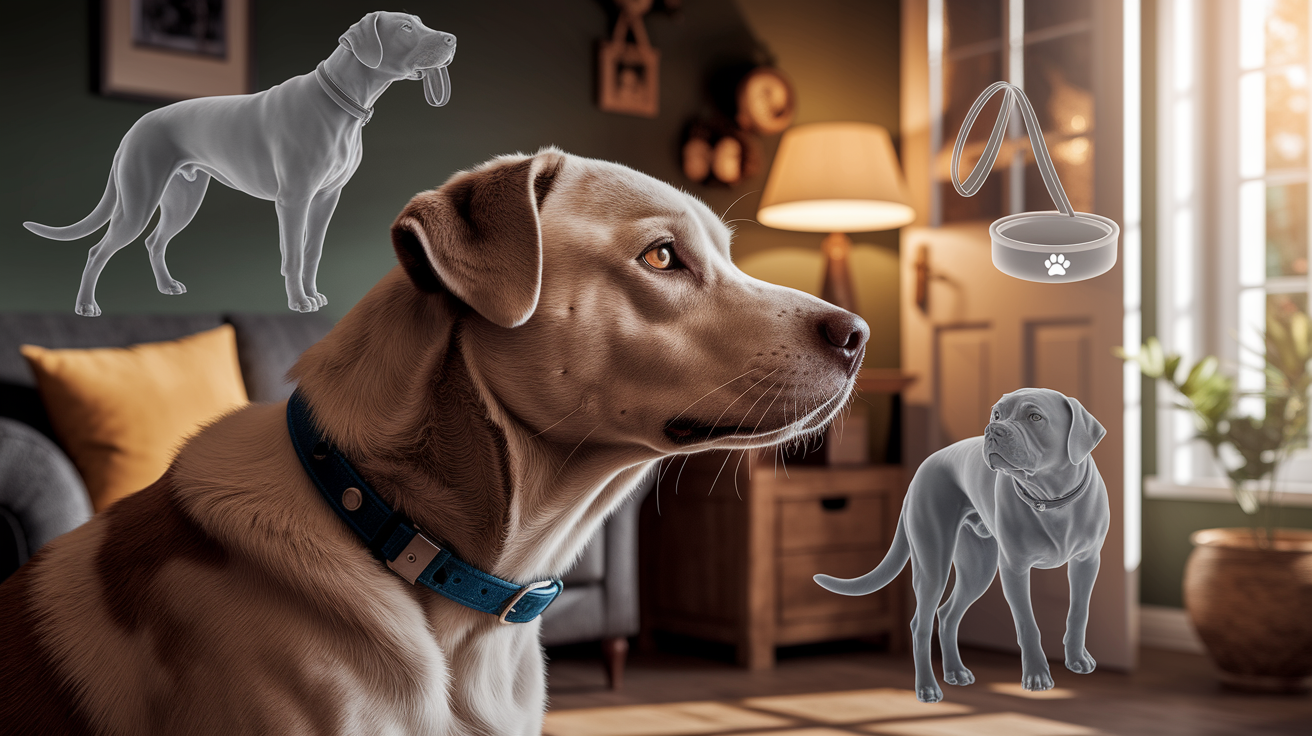
Early signs of cognitive decline appear slowly. They overlap with normal aging, so it’s easy to miss them at first.
Your dog might forget familiar routines. They used to wait by the door at feeding time or perk up when they heard the leash. Now they don’t. Some dogs get restless at night, pacing from room to room without settling. Others become clingy, following you everywhere. Or they lose interest in toys and games they once loved. You might catch your dog staring at a wall or standing in a corner, looking confused.
These changes don’t always mean serious illness. But they do show the brain needs support.
Brain games offer gentle cognitive workouts. Simple puzzles, scent trails, and calm training give structure and predictable mental tasks. Regular enrichment helps anxious dogs feel more secure. It gives withdrawn dogs a reason to engage.
Watch for these common warning signs:
Forgetting routines, like meal times or where the water bowl is.
Restlessness or pacing, especially at night.
Increased clinginess or separation worry.
Less interest in familiar toys or play.
Staring into space, wandering aimlessly, or mild disorientation.
If changes appear suddenly or worsen quickly, contact your veterinarian. Gradual shifts over weeks or months are typical. Rapid confusion or distress can point to pain, illness, or more serious cognitive issues that need medical attention.
Choosing Senior-Friendly Brain Games Based on Physical Ability
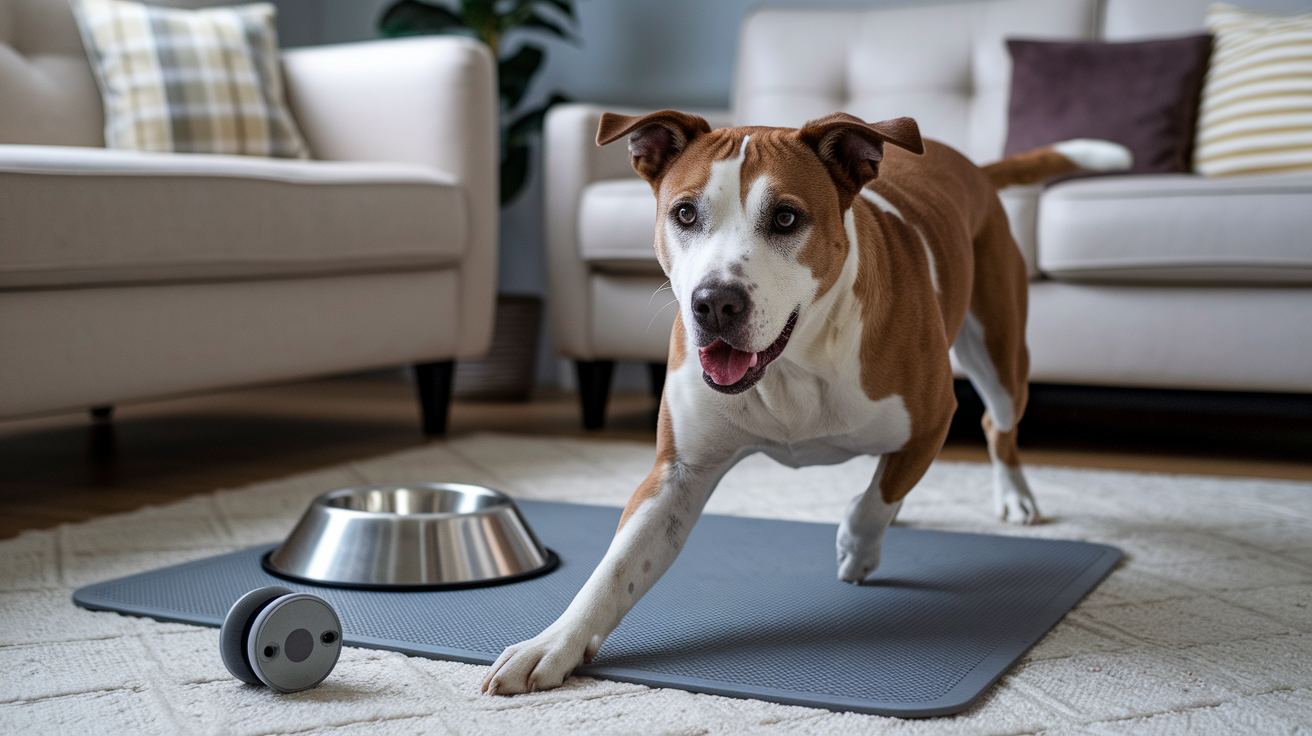
Not all brain games suit every senior dog.
Dogs with arthritis, joint stiffness, or balance problems need low-impact options. Avoid jumping, fast turns, or prolonged standing. Stick with scent work, stationary puzzles, and calm training instead of chase-and-fetch activities.
Watch how your dog moves. If bending to floor level causes hesitation or stiffness, raise the feeding bowl or puzzle. If slipping is an issue, add a yoga mat or non-slip rug under game areas. Supportive bedding helps dogs who prefer to play while lying down.
Gentle obedience games work well when movement is limited. Think hand-targeting, slow recalls, or simple name-recognition drills. Use soft, easy-to-chew treats to protect aging teeth and gums. Keep sessions short, usually 5 to 10 minutes, and offer water and rest breaks.
The table below matches game types to mobility levels and suggests practical modifications:
| Game Type | Mobility Level | Recommended Modifications |
|---|---|---|
| Treat puzzle feeders | Low to moderate | Use floor-level puzzles; allow lying-down play; start with simple, single-step designs |
| Scent games (cups, towels, boxes) | Low | Keep items within reach on non-slip mats; use strong-smelling soft treats; limit search area |
| Slow-feeder bowls and snuffle mats | Low to high | Soak kibble for dental comfort; raise bowls if bending is painful; use quiet, calm feeding spots |
| Toy name recognition and memory drills | Moderate | Practice while dog is seated or lying; use short 5-minute sessions; avoid standing commands |
| Visual and auditory enrichment (bird-watching, music) | Very low or restricted | Set up near resting spots; ensure quiet, predictable environment; no physical effort required |
Adjust games as your dog’s needs change. A game that worked last month might feel harder now. Stay flexible and prioritize comfort over complexity.
Treat Puzzle Toys as Core Brain Games for Senior Dogs
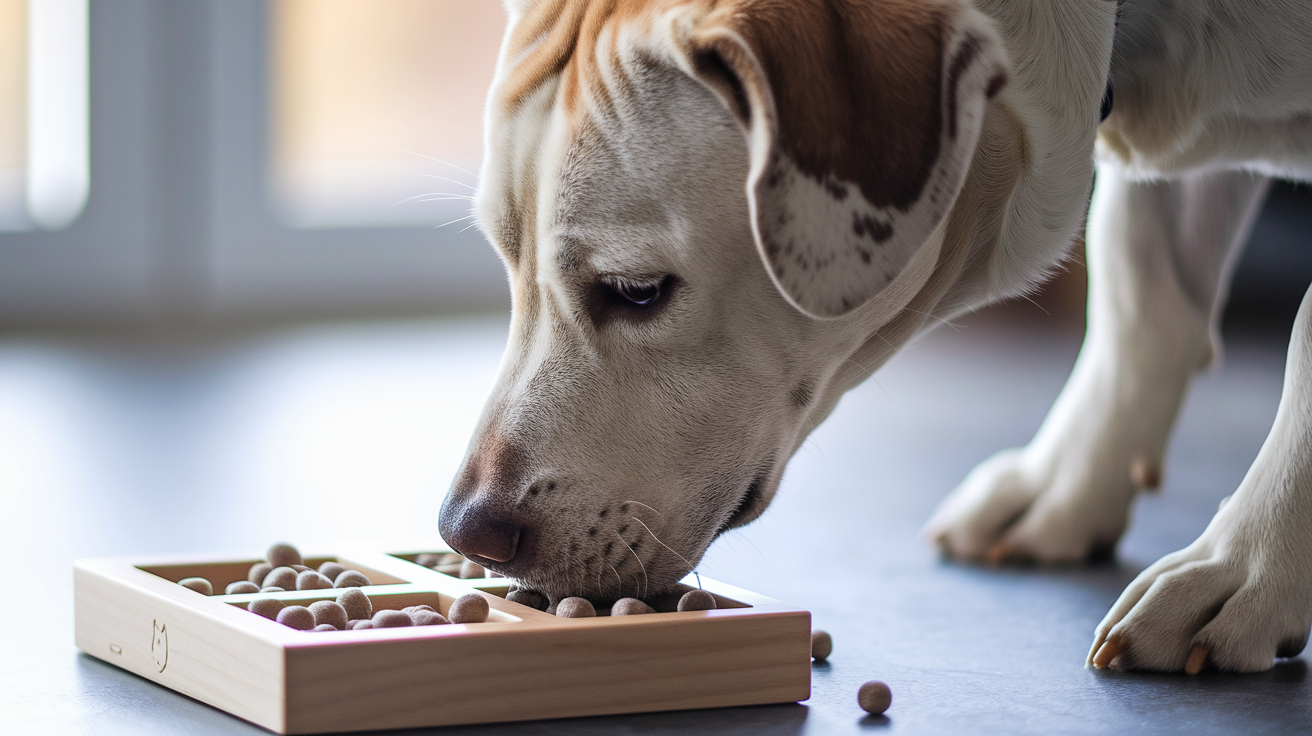
Treat-dispensing puzzles turn snack time into gentle problem-solving.
Your dog pushes, nudges, or flips compartments to release hidden kibble or treats. These toys help maintain focus, slow eating, and offer low-impact mental work. Most seniors do best with simple, floor-level designs that don’t require standing, balancing, or fast movement. Prices typically run $10 to $40 for beginner to intermediate models.
Start with the easiest version. Single compartments with visible treats. Let your dog explore the puzzle without pressure. Reward effort, not just success. If your dog sniffs the toy but doesn’t engage, place a treat on top first to build interest.
Once your dog consistently solves a simple puzzle in under a minute, try a slightly harder design. Rotate 3 to 6 different puzzles every week or two to prevent boredom. Short 5 to 10 minute sessions work better than long ones. Always supervise to catch frustration early and step in if your dog struggles for more than a few minutes.
Use soft, easy-to-chew treats or soaked kibble if teeth are sensitive. Avoid small, hard pieces that can hurt gums or become choking hazards. Clean puzzles after each use to prevent bacteria buildup and keep scents fresh. Store unused toys out of sight so they feel new each time you bring them out.
Safe Difficulty Progression
Puzzle complexity follows a simple three-level system.
Beginner puzzles have one or two visible compartments and require a single action, like sliding a piece or flipping a lid. Most senior dogs solve these quickly once they understand the concept.
Intermediate puzzles add hidden compartments, multiple steps, or lightweight obstacles, like tennis balls covering treats in a muffin tin. Dogs work a bit longer and use problem-solving skills to reach the reward.
Advanced puzzles involve layered steps, distractors, or rotating pieces that require memory and sequencing.
Move to the next level only when your dog solves the current puzzle in under 60 seconds on three separate tries. If progress stalls, drop back to an easier version for a few sessions to rebuild confidence.
Watch for signs of frustration. Pawing hard at the toy, whining, walking away, or giving up. Those signals mean the puzzle is too hard. Repeat easier steps, add bonus treats for effort, and end on a win.
Scent-Based Brain Games That Rely on a Senior Dog’s Strongest Sense
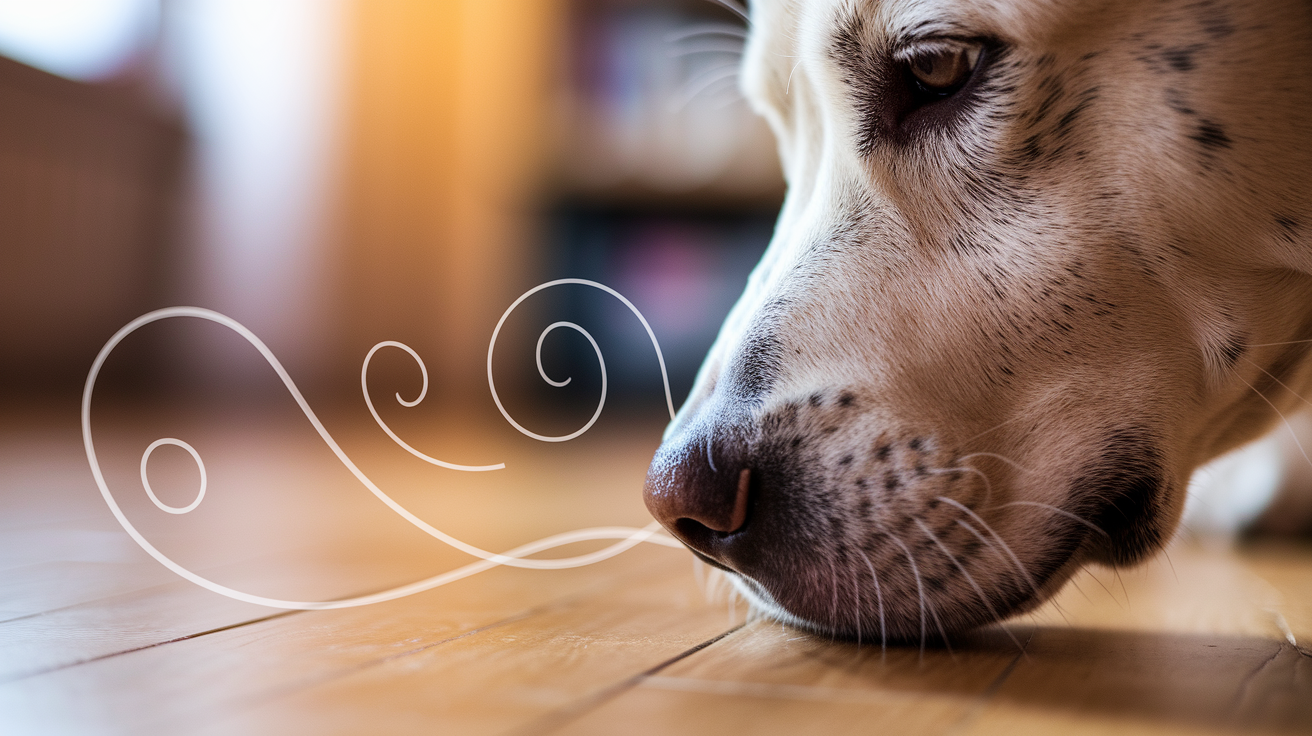
Nose work games use scent instead of speed or agility.
A dog’s sense of smell stays sharp even when eyesight dims and hearing fades. Scent-based activities tap into natural foraging instincts and provide low-impact mental challenges. These games require almost no physical effort, making them ideal for dogs with arthritis, balance issues, or limited stamina.
Keep search areas small, use non-slip surfaces, and place scent sources within easy reach.
Scent trail games start simple and build complexity over time. Use soft treats with strong smells. Cheese, liver, or peanut butter bits work well because your dog picks up the scent quickly. Always supervise to prevent overeating or frustration. Sessions should last 5 to 10 minutes and end before your dog loses interest.
Here are five scent games ranked from easiest to more challenging:
-
Cup flip game. Place a treat under one of three plastic cups on a non-slip mat. Let your dog sniff and nudge the cups until the treat is found. Start with the treat visible, then cover it completely.
-
Towel hide-and-seek. Fold a towel loosely and tuck a few treats inside the folds. Your dog noses through the fabric to uncover each piece. Use a bath towel for easier searches or a hand towel for a tighter challenge.
-
Muffin tin puzzle. Drop treats into the cups of a standard muffin tin and cover each cup with a tennis ball. Your dog lifts or nudges the balls to reach the food. Start with only three cups filled.
-
Cardboard box scent trail. Crumple newspaper or packing paper inside a low cardboard box and hide treats throughout. Your dog digs gently with paws or nose to find the rewards. Keep the box shallow so your dog doesn’t need to climb or strain.
-
“Scent Safari” scatter search. Scatter small treats across a carpeted room or grassy patch in the yard. Increase the search area gradually as your dog gets better at finding every piece. This game works outdoors but keep the space contained and free of hazards.
Interactive Feeding Games That Combine Mealtime and Enrichment
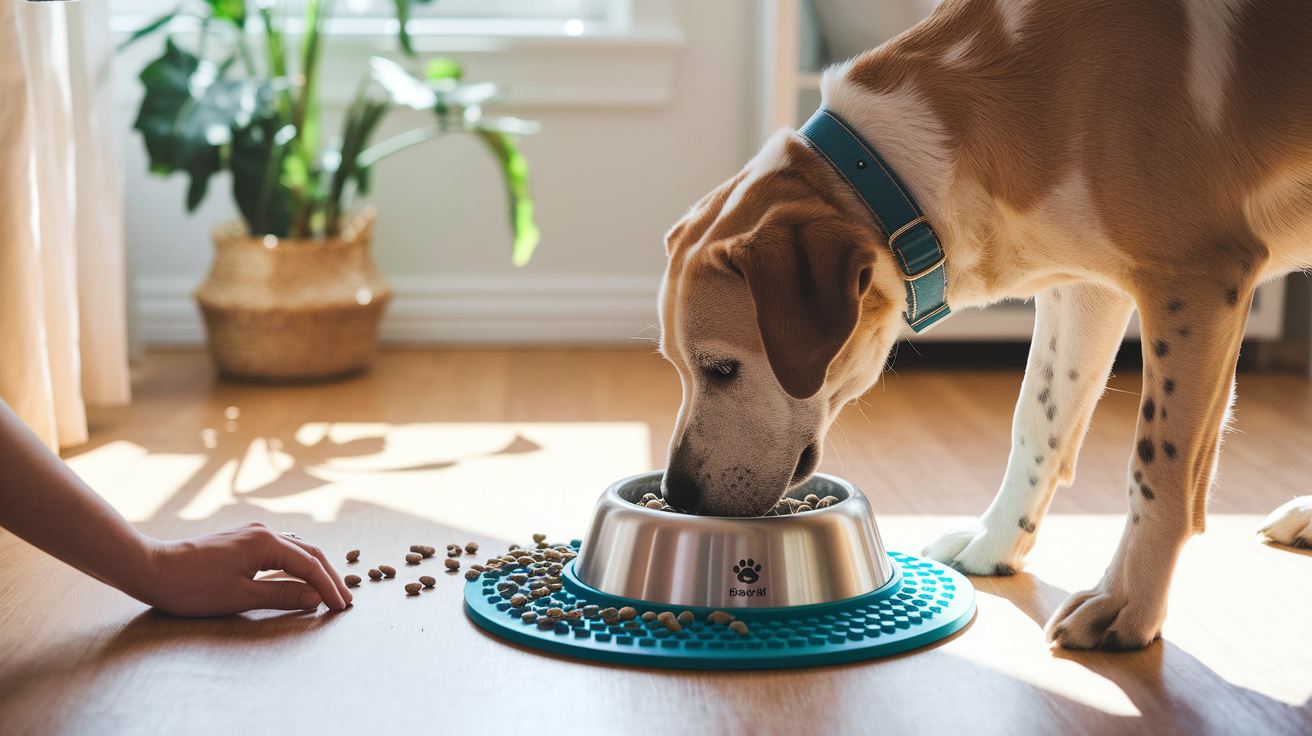
Turning regular meals into enrichment adds mental work to daily routines.
Instead of a standard bowl, use slow-feeder bowls, snuffle mats, or simple scatter feeding to make your dog think, sniff, and work for each bite. These tools help prevent gulping, reduce bloating risk, and offer gentle brain stimulation twice a day. Slow feeder bowls cost around $10 to $25, and snuffle mats range from $10 to $30. Both options are easy to clean and safe for dogs with dental issues when you soak the kibble first.
If your dog has trouble bending or finds floor feeding uncomfortable, raise the bowl or mat to shoulder height using a sturdy stand or stack of books. Keep the feeding area quiet and calm to reduce stress.
Scatter feeding works well in small, contained spaces. Sprinkle kibble across a clean bathroom floor, yoga mat, or low-sided plastic bin. Your dog uses natural foraging skills to find each piece. Start with larger kibble clusters and spread them farther apart as your dog gets the hang of it.
Here are four simple meal-time game variations:
Snuffle mat breakfast. Hide the full meal portion in fabric strips. Let your dog sniff and forage for 10 to 15 minutes.
Slow-feeder bowl dinner. Use raised ridges or maze patterns to slow eating and add light problem-solving.
Scatter feed in a confined area. Toss kibble across a small room or mat. Your dog walks slowly and searches visually and by scent.
Muffin tin meal puzzle. Divide the meal into muffin cups covered with tennis balls. Your dog uncovers each portion piece by piece.
Always measure portions to avoid overfeeding. If you add treats during other games, reduce meal size slightly to keep daily calories in check.
Gentle Training and Memory Games That Build Confidence
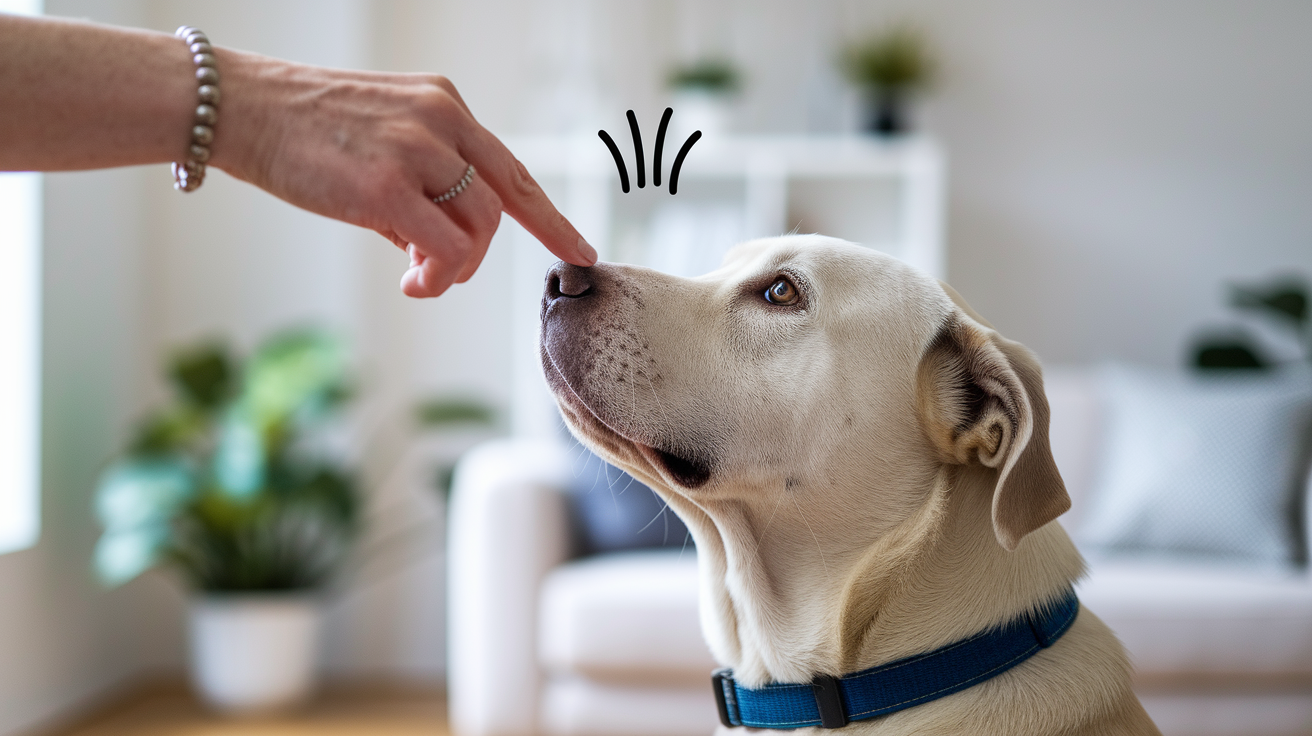
Short training sessions offer structured mental work that builds focus, memory, and confidence.
Sessions of 5 to 10 minutes using calm, positive reinforcement keep learning fun and low-pressure. Seniors learn new cues just as well as younger dogs, sometimes better, because they’re calmer and less distracted. Memory exercises like name recognition, hand-targeting, and simple recall drills help maintain neural pathways and give dogs a sense of routine and achievement.
Use soft treats, verbal praise, and gentle touch as rewards. Avoid asking your dog to stand, jump, or hold positions that strain joints. Instead, teach cues your dog can perform while seated or lying down.
Practice in quiet rooms with minimal distractions. End each session on a successful repetition so your dog finishes feeling good. Training also strengthens your bond and gives anxious or restless dogs clear tasks and predictable structure.
Keep sessions short and repeat easier steps often to maintain confidence. If your dog seems confused or disengaged, go back a step or two and rebuild from there.
Easy Recall and Memory Builders
“Find it” is a simple game where you say the cue and toss a treat a few feet away. Your dog searches, finds it, and returns. Start close and gradually increase distance.
Name-recognition games teach your dog the names of toys. Hold a toy, say its name, and reward when your dog touches or takes it. Repeat with two or three toys until your dog reliably picks the right one when you call its name.
Object-permanence games involve hiding a toy under a blanket while your dog watches, then encouraging your dog to uncover it. These tasks use memory, focus, and problem-solving without physical strain.
Practice these drills daily for 5 minutes. Rotate which game you play to keep things fresh. Memory recall games work best when you use the same cues and reward patterns every time so your dog builds clear, repeatable mental maps.
Clicker-Based Calm Games
Calm clicker games use a clicker or verbal marker, like “yes,” to mark the exact moment your dog does something right.
Teach your dog to touch your hand with a nose-tap. Hold your palm out, wait for contact, click, and reward. Repeat 5 to 10 times per session. Once your dog understands, add a verbal cue like “touch.” This game builds focus and gives you a tool to redirect attention during stressful moments.
You can also use clicker marking to reward slow, deliberate movements. Like a calm walk across the room or sitting quietly on cue. Rewarding memory recall with clicker-based tasks keeps training gentle, predictable, and mentally engaging without physical demands.
Passive Visual and Auditory Enrichment for Low-Energy Senior Dogs
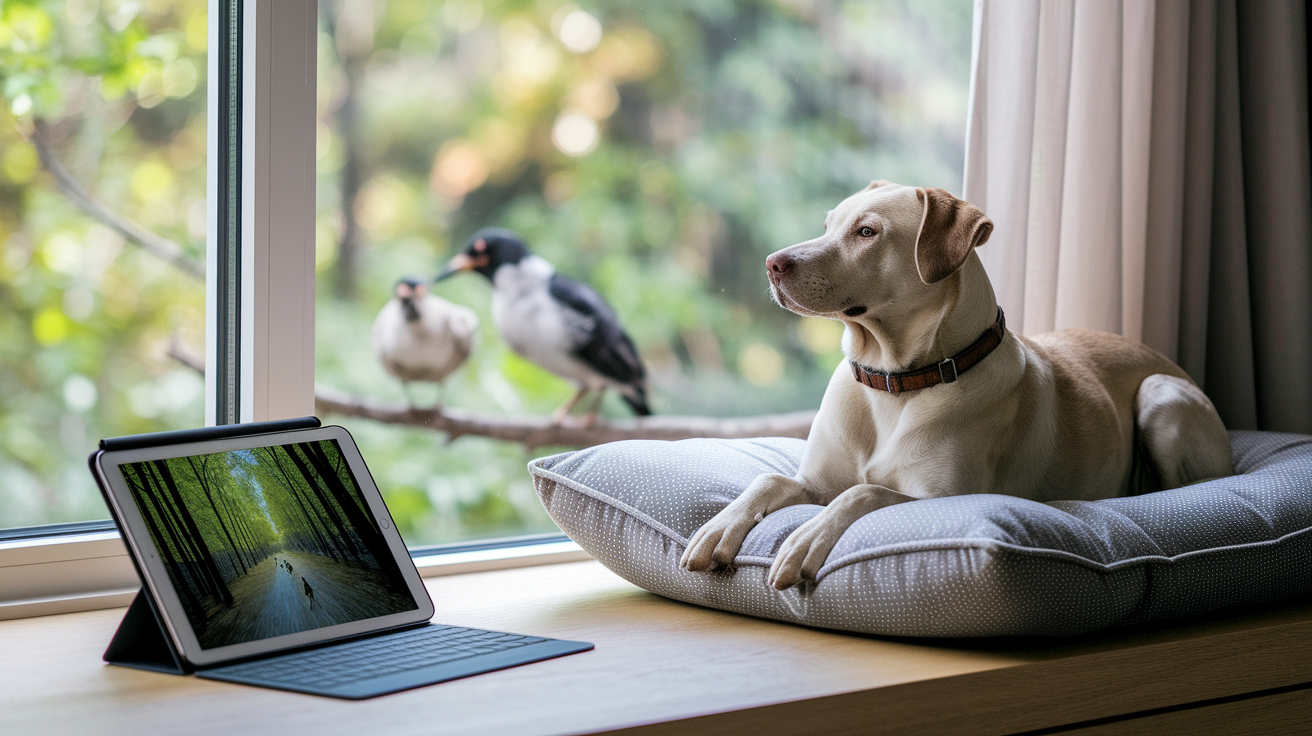
Visual and auditory enrichment work well when movement is very limited or your dog tires quickly.
These passive activities require no physical effort but still engage the brain and reduce boredom. Set up a bird feeder outside a low window or glass door where your dog can watch birds, squirrels, or passing neighbors. Even 10 minutes of quiet observation counts as mental stimulation.
Some dogs enjoy watching interactive pet videos made for canines. Slow-moving animals, nature scenes, or other dogs playing.
Soft, pet-specific music designed to calm anxious dogs can reduce restlessness and help with sleep. Hearing-impaired dogs still benefit from visual cues, scent-based games, and vibration-based toys, but visual setups like window perches are especially helpful.
Keep the environment predictable and quiet to avoid overwhelming your dog. Passive enrichment works best as a supplement to active games, not a replacement.
Here are four simple passive enrichment sources:
Bird-watching perch. A cushioned spot near a low window with outdoor feeder.
Pet-safe nature videos. Slow-paced animal footage on a tablet or TV.
Soft background music. Calming playlists designed for senior or anxious dogs.
Aquarium or fish tank. Gentle movement and soft lighting for quiet rooms.
Use these options during rest periods or on days when your dog’s energy is lower than usual.
Scheduling Brain Games Into a Senior Dog’s Daily Routine
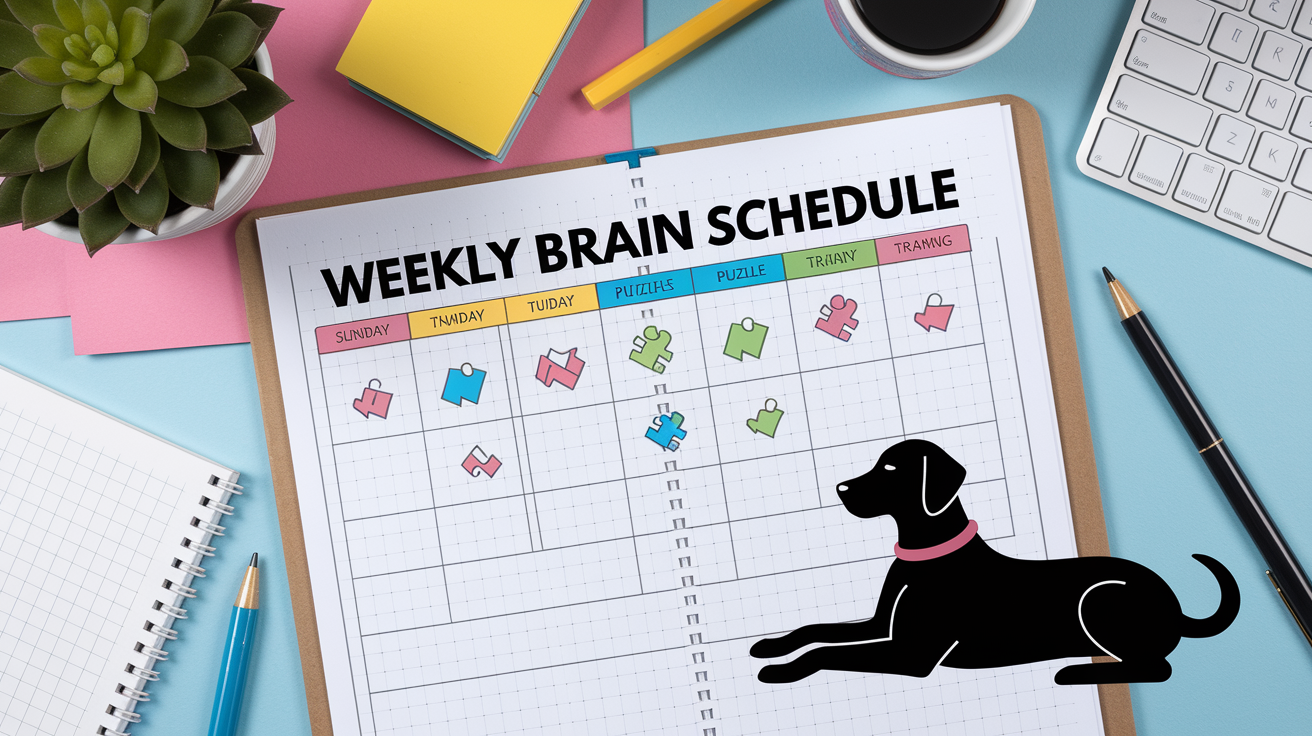
A mental fitness routine works best when it’s consistent, short, and varied.
Most senior dogs thrive with 1 to 2 enrichment sessions per day, each lasting 5 to 15 minutes. Your schedule should include different game types throughout the week to prevent boredom and work multiple brain skills. Scent, memory, problem-solving, and calm focus. Rotate 3 to 6 toys or activities weekly so each one feels fresh when it reappears.
Build enrichment into existing routines. Use a snuffle mat or slow-feeder bowl at breakfast, a short scent game mid-morning, and a gentle training session before dinner. This keeps sessions manageable and prevents mental fatigue.
Always watch for signs your dog is tired or losing interest and stop before frustration sets in.
Here’s a simple seven-day plan using common senior-friendly activities:
| Day | Activity Type | Duration |
|---|---|---|
| Monday | Snuffle mat breakfast + cup flip scent game | 10 minutes total |
| Tuesday | Slow-feeder bowl + gentle hand-targeting training | 12 minutes total |
| Wednesday | Scatter feeding + towel hide-and-seek | 8 minutes total |
| Thursday | Puzzle feeder toy + bird-watching session | 15 minutes total |
| Friday | Muffin tin treat puzzle + toy name-recognition game | 10 minutes total |
| Saturday | Cardboard box scent trail + calm clicker touch drill | 12 minutes total |
| Sunday | Interactive feeding game + short “find it” recall session | 10 minutes total |
Adjust timing and activity type based on your dog’s energy, mobility, and interest. Some dogs enjoy longer scent games, others prefer quick puzzle sessions. Track what works and repeat those activities more often.
Safety, Fatigue Signs, and When to Pause Brain Games
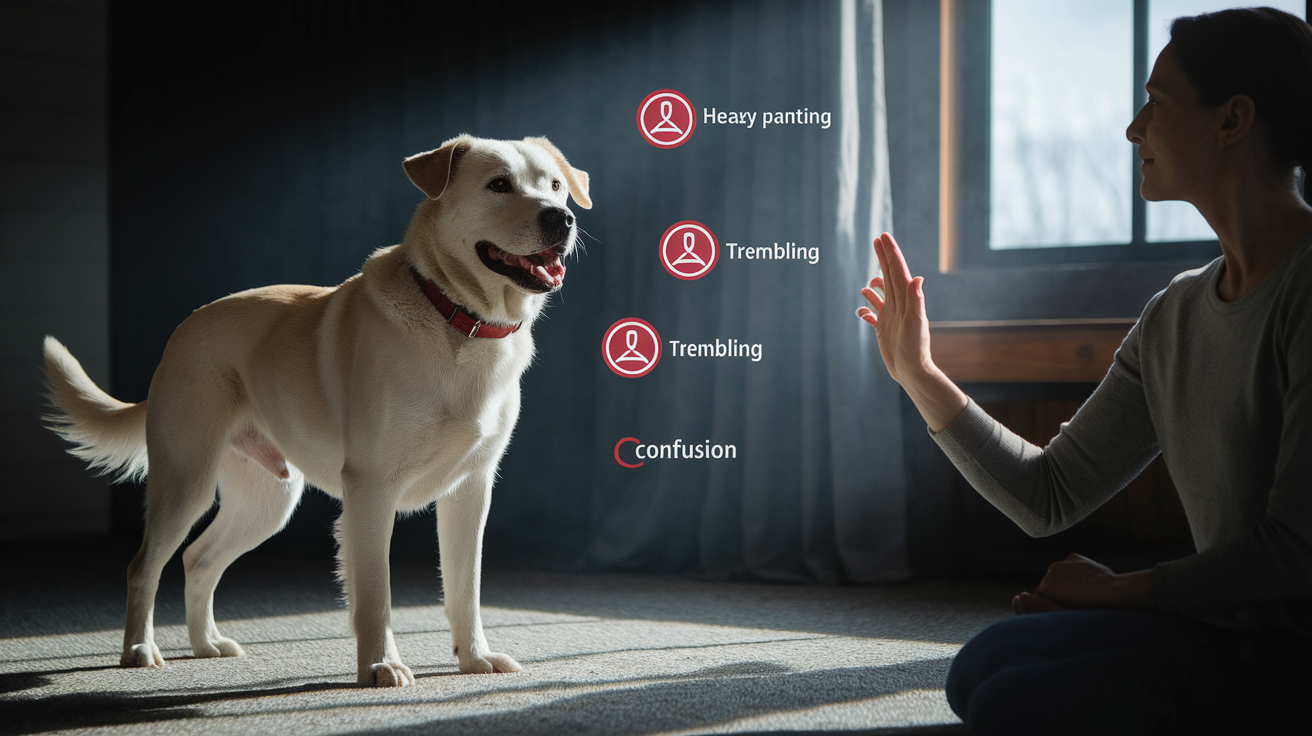
Even gentle brain games can become too much if your dog is tired, uncomfortable, or confused.
Signs to stop a game for safety reasons include heavy panting, trembling, refusal to continue, or wandering away mid-session. Some dogs will lie down and refuse to get up, or they’ll paw at you as if asking for a break. Shorter sessions, more frequent rest breaks, and immediate stops when your dog shows distress are all necessary adjustments.
Watch for frustration signals like whining, hard pawing at a puzzle, or staring blankly at a toy without engaging. If a game causes stress instead of joy, simplify it or switch to something easier.
Use stable, non-slip surfaces, offer water between activities, and choose treats that won’t hurt sensitive teeth or gums. Always clear the play area of obstacles that could cause trips or slips.
Here are five safety red flags that mean you should pause or stop the game immediately:
Heavy panting or drooling that doesn’t stop after a short break.
Trembling, limping, or favoring a leg during or after play.
Refusal to engage, lying down, or walking away repeatedly.
Confusion, staring blankly, or appearing lost mid-game.
Whining, growling, or showing signs of pain when touching toys or treats.
If any of these signs appear, end the session calmly and let your dog rest. Don’t push through discomfort. Brain games should feel good, not stressful or painful.
When Brain Games Aren’t Enough: Knowing When to Contact a Veterinarian
Brain games support cognitive health, but they don’t replace medical care.
Sudden confusion, sharp increases in anxiety, or rapid behavior changes can point to cognitive dysfunction, pain, or illness that needs veterinary attention. Monitoring behavior changes helps you catch problems early.
If your dog used to enjoy puzzles and now refuses to try, or if nighttime restlessness suddenly worsens, schedule a vet visit. Your veterinarian may recommend enrichment as part of a broader care plan, but they may also suggest medication, diet changes, or further testing.
Before starting any new exercise or enrichment routine, especially if your dog has arthritis, heart issues, or other chronic conditions, ask your vet for clearance. Some dogs need activity modifications based on medication side effects or pain levels.
If cognitive signs like disorientation, forgetting family members, or getting stuck in corners appear or worsen quickly, don’t wait. Early intervention can slow decline and improve quality of life.
Brain games help. But they work best as one part of complete senior care that includes regular vet check-ups, appropriate diet, pain management, and love.
Final Words
In the action, pick short, low-impact sessions like scent work, puzzle feeders, slow feeding, gentle training, and passive enrichment. Use non-slip surfaces and soft treats.
Watch for warning signs and pause if your dog pants, trembles, seems confused, or refuses to continue. Rotate toys, keep sessions 5 to 15 minutes, and match games to mobility.
Brain games for senior dogs can help keep their minds active, reduce boredom, and build confidence when done safely. Start small, be consistent, and enjoy the small wins together.
FAQ
Q: How do I mentally stimulate my senior dog?
A: Mentally stimulating your senior dog means low-impact, scent- and puzzle-based play that’s safe and short. Try snuffle mats, slow-feeder puzzles, gentle hide-and-seek, scent trails, and brief obedience drills.
Q: What is 15 minutes of mental stimulation for dogs?
A: Fifteen minutes of mental stimulation for dogs is a short session combining a single puzzle toy (7–10 minutes) with a quick scent search or calm recall practice (5–8 minutes).