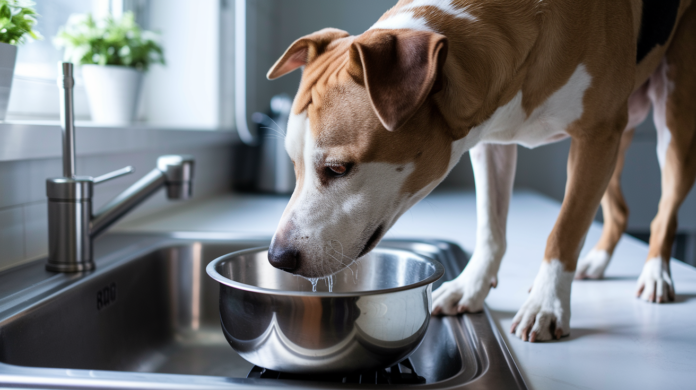

Think tap water is always safe for dogs? Think again.
Most dogs can drink tap water fine when it’s safe for you, but local problems like boil alerts, old pipes, or sudden contamination can make it risky fast.
This post gives the quick rules, how to tell if your tap is okay, what signs mean skip the bowl, and easy fixes from pitcher filters to sending a sample for testing.
Start here and you’ll know what to do today to keep your dog hydrated and out of trouble.
Immediate Guidance on Tap Water Safety for Dogs

Yes, most dogs can drink tap water safely if it’s safe for you. But local contamination can change that fast. When your tap water meets EPA standards and there’s no boil advisory or known issue, your dog can drink it. Simple test: if you won’t drink it, don’t give it to your dog.
Tap water can carry bacteria, heavy metals, chemical additives, and parasites. Where you live and how old your pipes are matter. Even communities with modern systems can have temporary problems, aging infrastructure, or contamination events that introduce risk.
Don’t give your dog tap water when:
- There’s a boil-water advisory or contamination alert in your area.
- Your home has old lead pipes or fixtures that haven’t been replaced.
- The water looks cloudy, smells off, or suddenly changes color.
Dogs need roughly 1 ounce of water per pound of body weight daily. So a 50-pound dog should drink around 50 ounces (about 1.5 liters). Safe hydration starts with safe water, and checking your tap quality before filling the bowl is a practical first move.
Understanding Tap Water Contaminants That Can Affect Dogs
Contaminants vary by region. The most common concerns for dogs? Bacteria, heavy metals, chemical additives, parasites, and mineral buildup. Even trace amounts can affect smaller animals differently than they affect humans, especially with ongoing exposure over months or years.
Bacterial Contamination (E. coli)
E. coli strains enter drinking water through sewage overflow, agricultural runoff, or treatment failures. In dogs, bacterial contamination usually causes appetite loss, diarrhea, vomiting, and lethargy. Puppies, senior dogs, and dogs with weak immune systems face higher risk of severe symptoms.
Heavy Metals (Lead)
Lead leaches from old pipes, solder, and fixtures, especially in homes built before the 1980s when regulations tightened. Acute exposure causes stomach pain, diarrhea, and vomiting. Chronic exposure can trigger seizures, fatigue, poor appetite, blindness, anxiety, and unusual behaviors like pacing or aggression.
Chemical Additives (Fluoride & Chlorine)
Most tap water contains fluoride at low, regulated levels. Usually safe for dogs. High fluoride levels (from well water or treatment errors) can damage kidneys and cause severe sickness, drooling, muscle weakness, and seizures. Chlorine gets added to disinfect water and typically stays within regulatory limits, but disinfection byproducts (DBPs) formed during treatment are a growing concern.
Parasites (Giardia)
Giardia is a microscopic parasite transmitted through fecal contamination in surface water or poorly treated municipal supplies. Dogs infected with Giardia develop diarrhea that’s often soft, greasy, or contains mucus.
Hardness Minerals and Urinary Impact
Hard water contains high levels of calcium and magnesium from limestone or underground aquifers. Long-term consumption of very hard water has been linked to crystalluria (crystals in urine) and a higher risk of urinary stones, especially in dogs already prone to bladder or kidney issues.
| Contaminant | Primary Canine Symptoms |
|---|---|
| E. coli | Diarrhea, vomiting, appetite loss, lethargy |
| Lead | Acute stomach pain, vomiting; chronic seizures, fatigue, behavior changes |
| Fluoride (high dose) | Severe sickness, drooling, muscle weakness, seizures |
| Giardia | Diarrhea (soft, greasy, mucus) |
When Tap Water Becomes Unsafe for Dogs
Risk goes up when local systems fail, infrastructure ages, or environmental conditions introduce contamination. Boil-water advisories, known pipe degradation, and sudden changes in water appearance or smell are red flags. Well water doesn’t get the routine monitoring that municipal systems do, so if you’re on a private well, you need to test more often.
Watch for these signals that you should skip tap water for your dog:
- A municipal boil-water advisory or contamination alert.
- Homes built before 1986 with original lead pipes or solder.
- Water that looks cloudy, brown, or rust-colored without a clear reason.
- A sharp, chemical, metallic, or rotten smell from the tap.
- Sudden color or clarity changes after construction, weather events, or system maintenance.
- Confirmed contamination events reported by local health authorities.
Dogs exposed to contaminated water often show symptoms within hours to a few days. Early signs? Diarrhea, vomiting, reduced appetite, lethargy, increased thirst. If your dog develops these and you suspect water quality, switch to bottled or filtered water immediately and call your vet.
How to Check and Improve Your Dog’s Tap Water Quality
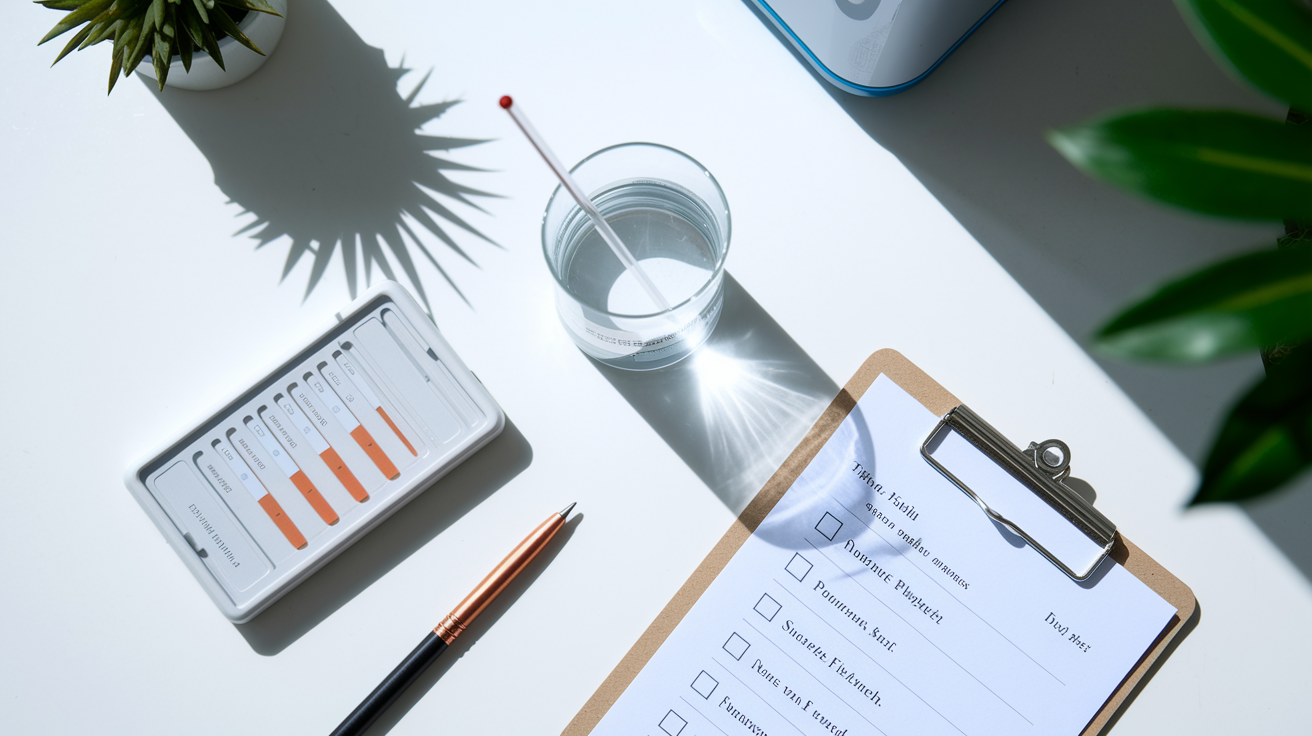
Test your tap water at least once a year. More often if you’re on a private well or live somewhere with older infrastructure. Start by requesting your water supplier’s annual consumer confidence report, which lists detected contaminants and their levels. City water? You can usually find this report online or by phone.
- Request your local consumer confidence report from the water utility to see what’s been detected.
- Use a certified home water-testing kit to check for bacteria, lead, fluoride, chlorine, and hardness minerals.
- Send a water sample to an EPA-approved laboratory or consult your local health department for comprehensive testing, especially if you have well water or ongoing concerns.
If testing shows contamination or your area has known water-quality issues, filtration is the most practical long-term fix. Pitcher filters and faucet-mount filters use activated carbon to remove chlorine, some heavy metals, and bad tastes. Under-sink filters provide higher capacity and better contaminant removal. Reverse osmosis (RO) systems strip nearly all dissolved solids, including lead, fluoride, bacteria, and parasites. They’re more expensive and waste some water during the process.
| Filter Type | Removes | Cost | Best For |
|---|---|---|---|
| Carbon (pitcher, faucet) | Chlorine, some metals, bad taste | Low | Quick, affordable baseline filtration |
| Under-sink | Chlorine, lead, some parasites | Moderate | Higher volume, longer-lasting, daily use |
| Reverse osmosis | Lead, fluoride, bacteria, parasites, most dissolved solids | High | High-risk areas, comprehensive contaminant removal |
Comparing Tap, Filtered, and Bottled Water for Dogs
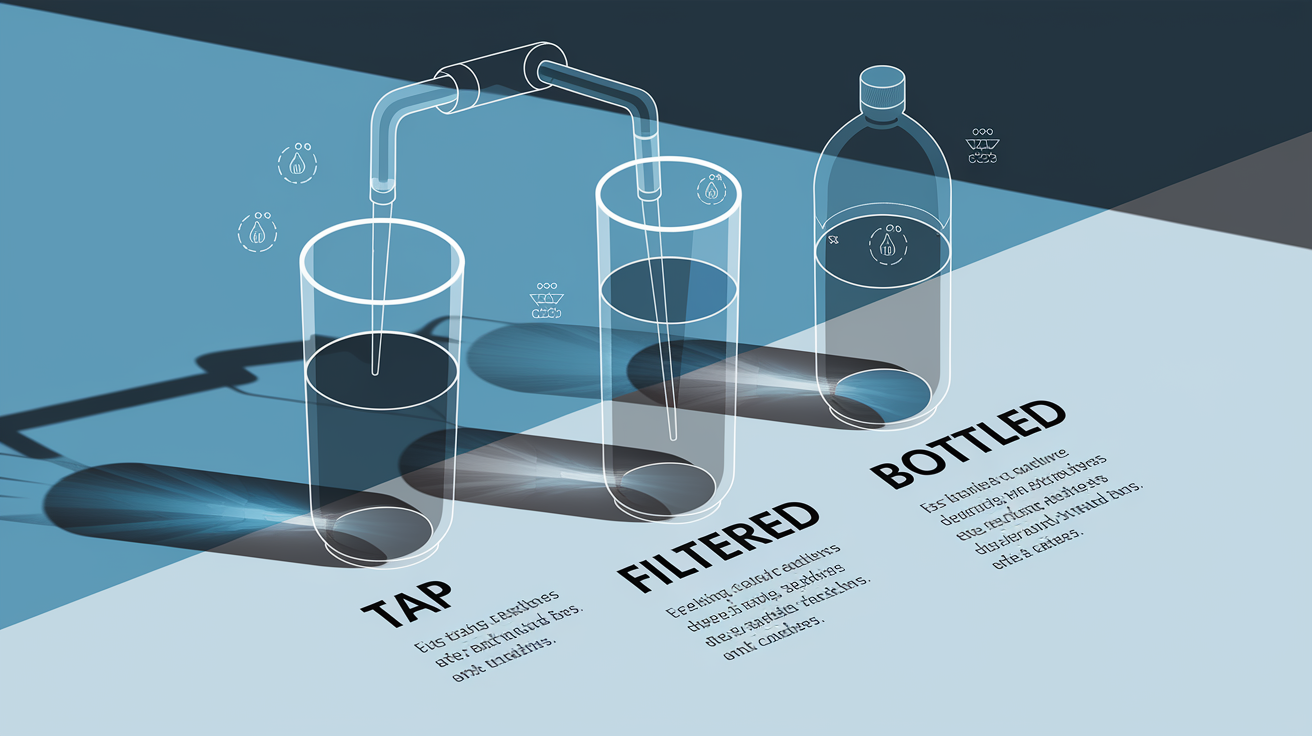
Filtered tap water is usually the safest and most cost-efficient choice for daily hydration. Unfiltered tap water is generally fine if your local supply is clean and your plumbing is sound, but you can’t always confirm that without testing. Bottled water sounds convenient, but quality varies wildly by brand. An independent review found 38 different pollutants across 10 popular U.S. bottled-water brands, including bacteria, pharmaceuticals, fertilizer residue, and industrial chemicals.
Bottled water also carries hidden downsides. Microplastics from the bottle itself can leach into the water, especially when stored in warm conditions. Cost adds up quickly when you’re refilling bowls daily. And the environmental impact of single-use plastic is significant. If you’re traveling or your tap water is temporarily unsafe, bottled water is a practical backup. But it shouldn’t be your long-term default.
| Water Type | Main Benefits | Primary Drawbacks |
|---|---|---|
| Tap (unfiltered) | Free, convenient, regulated | Variable quality, contaminants if pipes are old or treatment fails |
| Filtered tap | Removes key contaminants, cost-efficient, reliable | Filter replacement cost, upfront equipment investment |
| Bottled | Portable, useful as backup | Expensive, microplastics, quality varies, environmental impact |
Hydration Needs and Safe Drinking Habits for Dogs
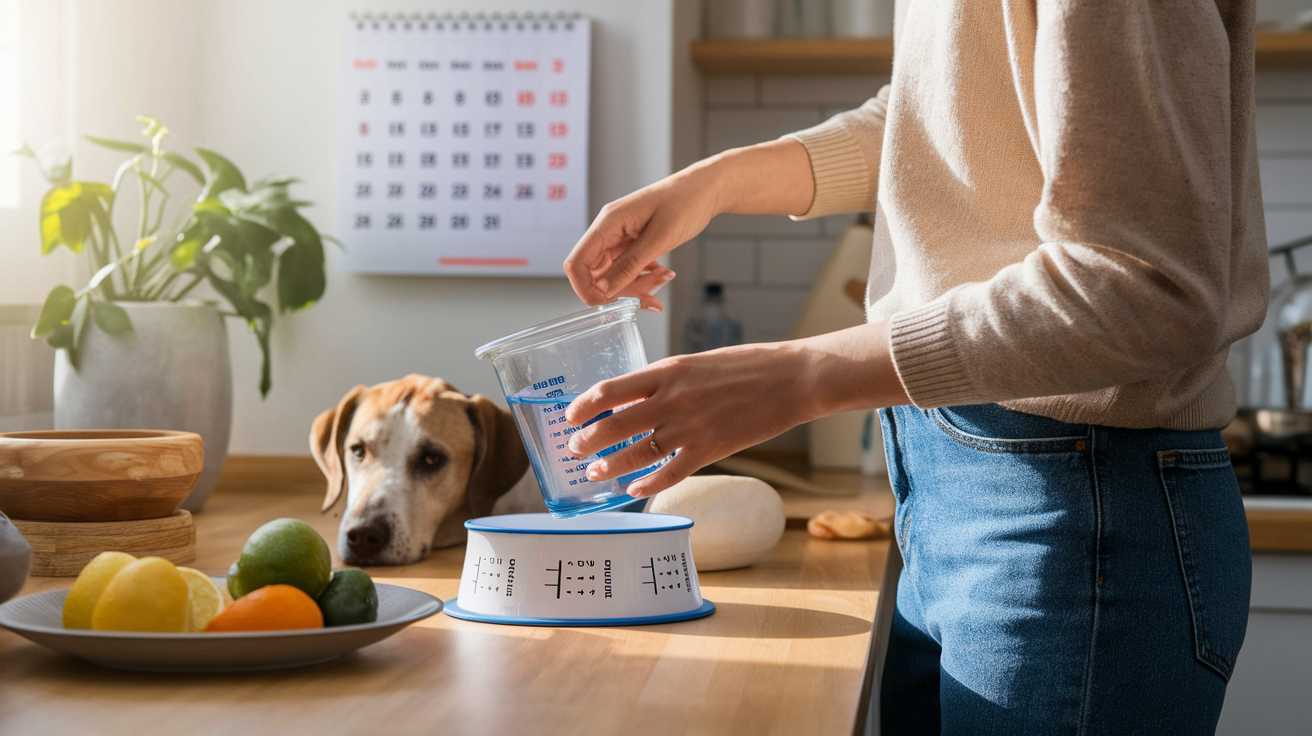
Dogs need about 1 ounce of water per pound of body weight each day. A 30-pound dog should drink around 30 ounces (roughly 3.75 cups). Active dogs, dogs in hot weather, and dogs eating dry kibble need more. Dogs on wet food or raw diets get some moisture from their meals, so their drinking may look lower.
Puppies
Puppies drink more frequently than adults. Their bodies are growing and their kidneys are still maturing. Check their bowl every few hours and refill as needed. Puppies also dehydrate faster if they’ve got diarrhea or vomiting, so any digestive upset requires close monitoring.
Senior Dogs
Senior dogs with kidney disease, diabetes, or other chronic conditions often need more water to flush waste and support organ function. Watch for increased thirst, which can signal underlying health problems. Offer fresh water around the clock and keep bowls in easy-to-reach spots if mobility is limited.
Watch for these dehydration signs:
- Skin that doesn’t snap back quickly when gently pinched (skin tenting).
- Sticky or dry gums instead of moist, slippery tissue.
- Sunken, dull eyes.
- Excessive panting when the dog hasn’t been active or isn’t overheated.
- Loss of appetite or sudden lethargy.
- Dry nose (though a slightly dry nose on its own isn’t always a concern).
If your dog shows dehydration signs, offer small amounts of cool, clean water every few minutes. If the dog refuses to drink, won’t keep water down, or shows worsening symptoms, contact your vet immediately. Severe dehydration needs IV fluids and professional care.
Practical Ways to Keep Your Dog’s Drinking Water Safe Daily
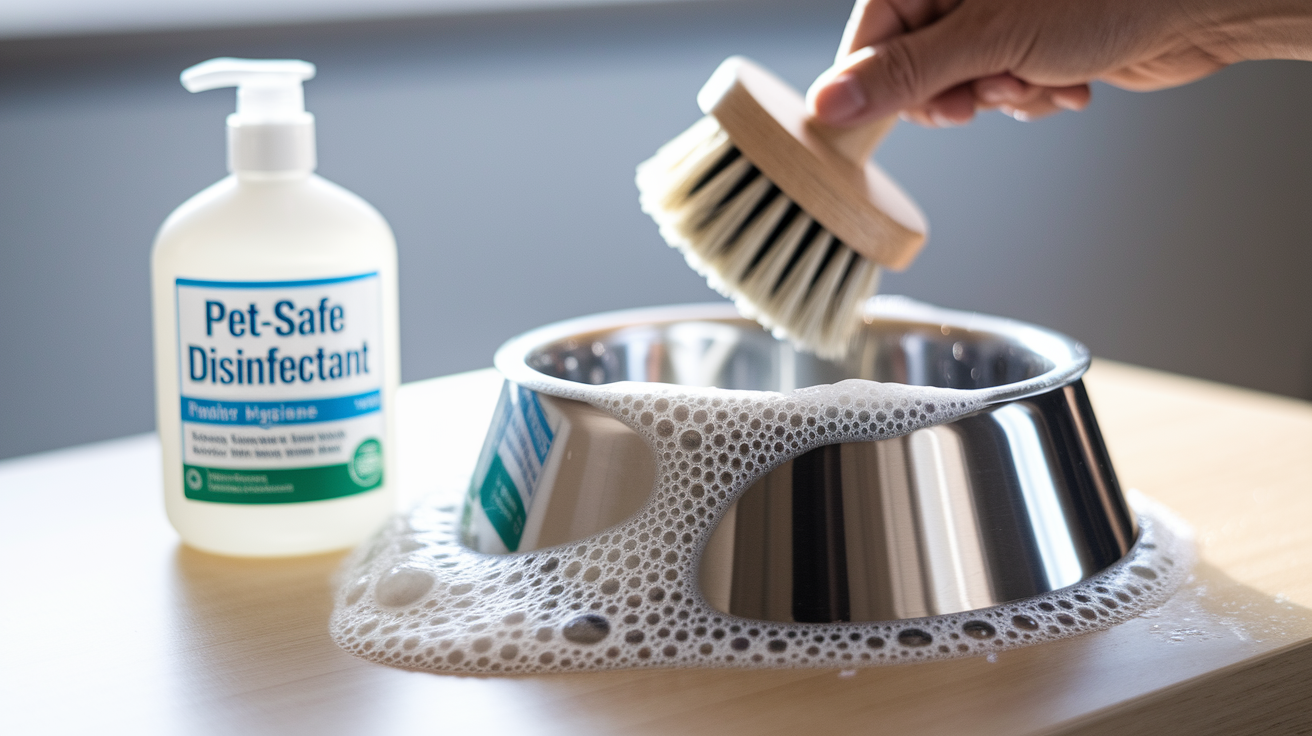
Wash your dog’s water bowl with hot, soapy water every day. This prevents bacterial buildup and slimy biofilm. Stainless steel bowls are easier to clean, don’t trap odors, and won’t leach chemicals like some plastic bowls can. Plastic bowls develop scratches that harbor bacteria, and older plastic may release harmful compounds into the water.
Follow these daily and weekly routines:
- Rinse and refill the bowl with fresh water at least once a day, more often in hot weather or if the dog drools heavily.
- Wash the bowl with hot water and dish soap daily, scrubbing the inside and rim.
- Run a deep clean once a week with a pet-safe disinfectant or a vinegar rinse.
- Replace filter cartridges in pet fountains every 2 to 4 weeks, following the manufacturer’s schedule.
- Avoid plastic bowls older than a year or any bowl with visible cracks, scratches, or discoloration.
Outdoor water sources like ponds, puddles, and streams carry serious risks. Stagnant water breeds algae (including toxic blue-green algae), parasites like Giardia, bacteria, and chemical runoff from fertilizers or pesticides. Even a clean-looking puddle can hide contamination. Always bring fresh water from home when hiking, visiting parks, or spending time outdoors with your dog.
Final Words
In the action, here’s the quick recap: most dogs can safely drink tap water if it’s safe for people, but local contamination (bacteria, chemicals, heavy metals, parasites) can change that. This post covered when water gets risky, how to test and filter, and a practical tap vs filtered vs bottled comparison.
Test your water yearly, keep bowls and fountains clean, and watch for vomiting, diarrhea, or lethargy. If you’re asking can dogs drink tap water, the short answer is usually yes, just take simple steps to be sure. With those habits, your dog stays hydrated and happier.
FAQ
Q: How do dogs say “I love you”?
A: Dogs say “I love you” with soft eye contact, leaning or cuddling, gentle licking, relaxed tail wags, and staying near you; returning calm petting and consistent care strengthens that bond.
Q: Is it safe to give dogs water?
A: Giving dogs water is safe when the water is potable for humans; avoid giving tap water during boil alerts or known contamination, and always offer fresh, clean water to prevent dehydration.
Q: What kind of water can a dog drink?
A: Dogs can drink most tap, filtered, or bottled water that’s safe for people; filtered tap or treated water is best, and avoid stagnant outdoor sources like ponds, puddles, or standing rainwater.