

Think giving your dog an egg every morning is harmless?
Eggs are packed with protein and vitamins.
Many dogs love them, but daily eggs can quietly cause trouble, like digestive upset, extra calories, and problems for dogs with pancreatitis, obesity, or kidney disease.
In most cases, eggs are best as an occasional addition, not a daily habit.
If your dog is on a vet-supervised plan or very active, regular eggs might be okay when portions are balanced.
Bottom line: don’t feed eggs every day without checking with your vet.
Daily Egg Consumption Safety for Dogs

No, dogs shouldn’t eat eggs every day without checking with your vet first. Eggs are nutritious and packed with protein, but feeding them daily can lead to digestive issues, weight gain, and nutrient imbalances in most dogs. Think of eggs as an occasional boost to a balanced diet, not something you toss in the bowl every morning.
Some dogs might handle eggs more often if they’re super active, underweight, or eating a vet-supervised fresh-food plan where portions are dialed in. Large, healthy adult dogs without sensitivities or health problems can probably manage one egg a few times a week just fine.
But daily eggs? Not a good idea for dogs dealing with pancreatitis, obesity, kidney disease, food allergies, or cholesterol issues. And if your dog’s already eating commercial dog food, they’re getting complete nutrition. Adding a 70-calorie egg every day can quietly push them toward excess calories and weight creep.
Nutritional Benefits of Eggs for Dogs
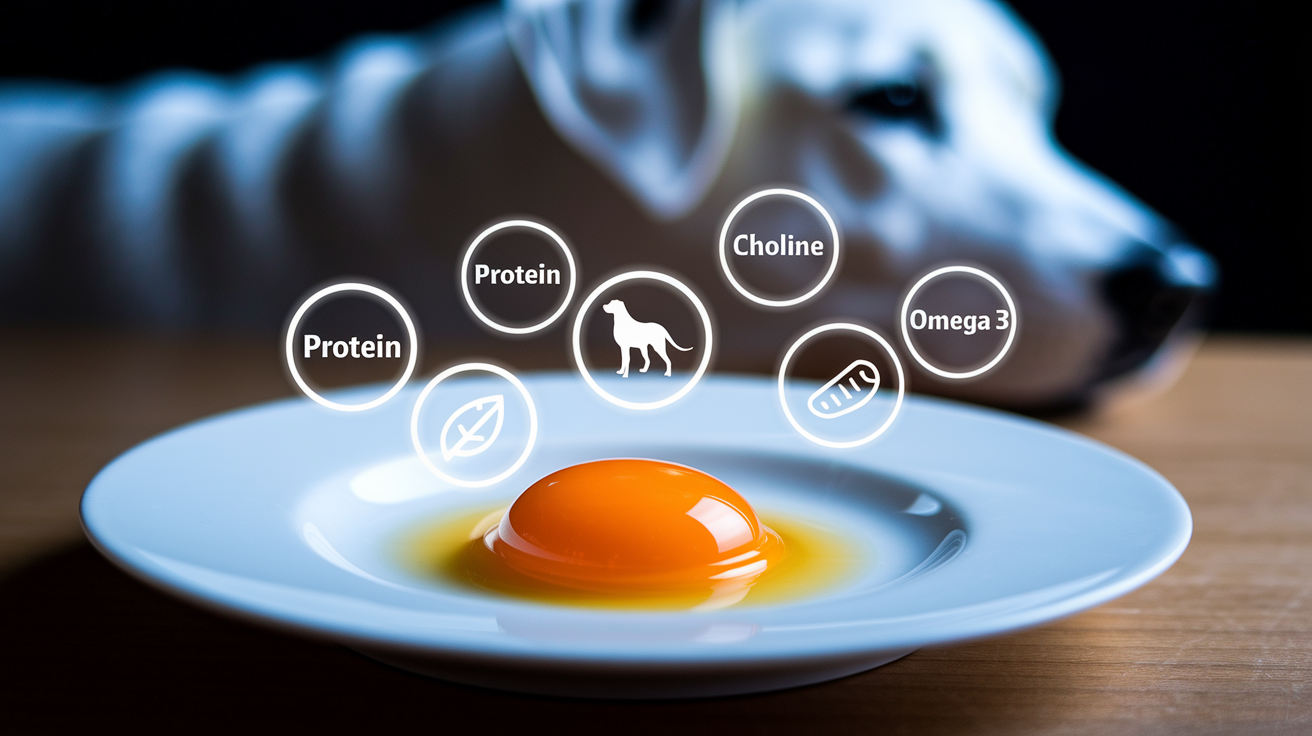
Eggs deliver high-quality protein with all nine essential amino acids, which your dog needs for muscle repair, growth, and energy. One large egg contains roughly 6 grams of protein and 5 grams of fat, plus a bunch of vitamins and minerals that keep things running smoothly.
The yolk holds most of the good stuff: vitamin A for vision and immune health, B vitamins like riboflavin and B12 for energy, and choline for liver and brain support. You also get selenium, an antioxidant that protects cells, and iron, which helps carry oxygen through the blood.
Here’s what eggs bring to the table:
- Protein and amino acids build and maintain muscle, support tissue repair
- Vitamin A supports vision, immune function, skin health
- Vitamin D helps with calcium absorption and bone strength
- Choline promotes liver function, cognitive health, cell structure
- Omega-3 fatty acids improve coat shine, reduce inflammation, support heart and joint health
Eggs can boost nutrition when you use them carefully. But they don’t replace a complete, balanced dog food.
Risks and Side Effects of Feeding Eggs Daily
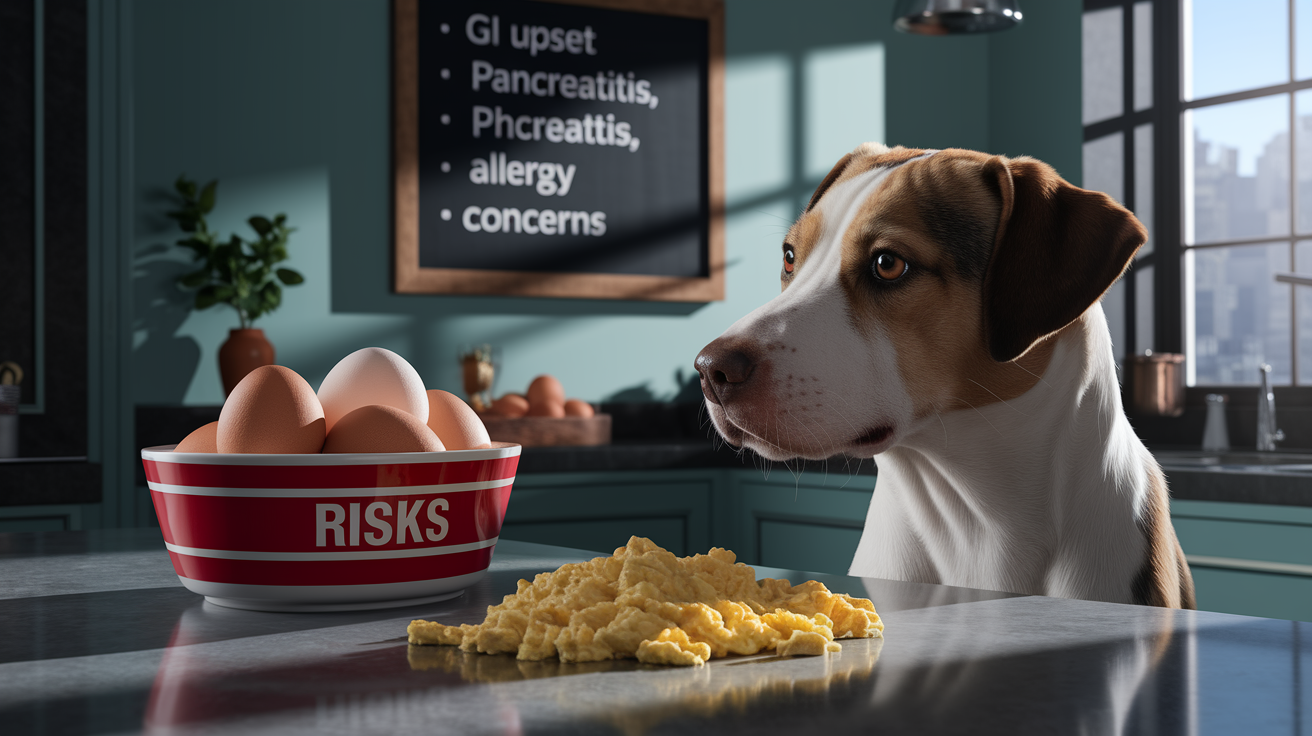
Feeding eggs every day ups the chance of gastrointestinal upset. Vomiting, diarrhea, soft stool. Some dogs start showing mild sensitivities after repeated exposure, especially if you introduce eggs suddenly or feed too much at once.
Egg allergies aren’t super common in dogs, but they happen. The egg white contains most of the allergens, and reactions can range from itchy skin and hives to facial swelling and digestive distress. Dogs with existing food sensitivities or allergic conditions are more likely to react.
For dogs with pancreatitis, the fat in egg yolks can trigger painful flare-ups. Overweight or obese dogs face an extra calorie load. One egg adds roughly 70 calories, which can stall weight loss or push your dog further in the wrong direction. Dogs with kidney disease may need controlled protein intake, and daily eggs can interfere with those restrictions.
Watch for these signs of egg intolerance or sensitivity:
- Vomiting within hours of eating
- Loose stool or diarrhea
- Excessive scratching, skin redness, or hives
- Swelling of the face, ears, or paws
Proper Serving Size and Feeding Frequency
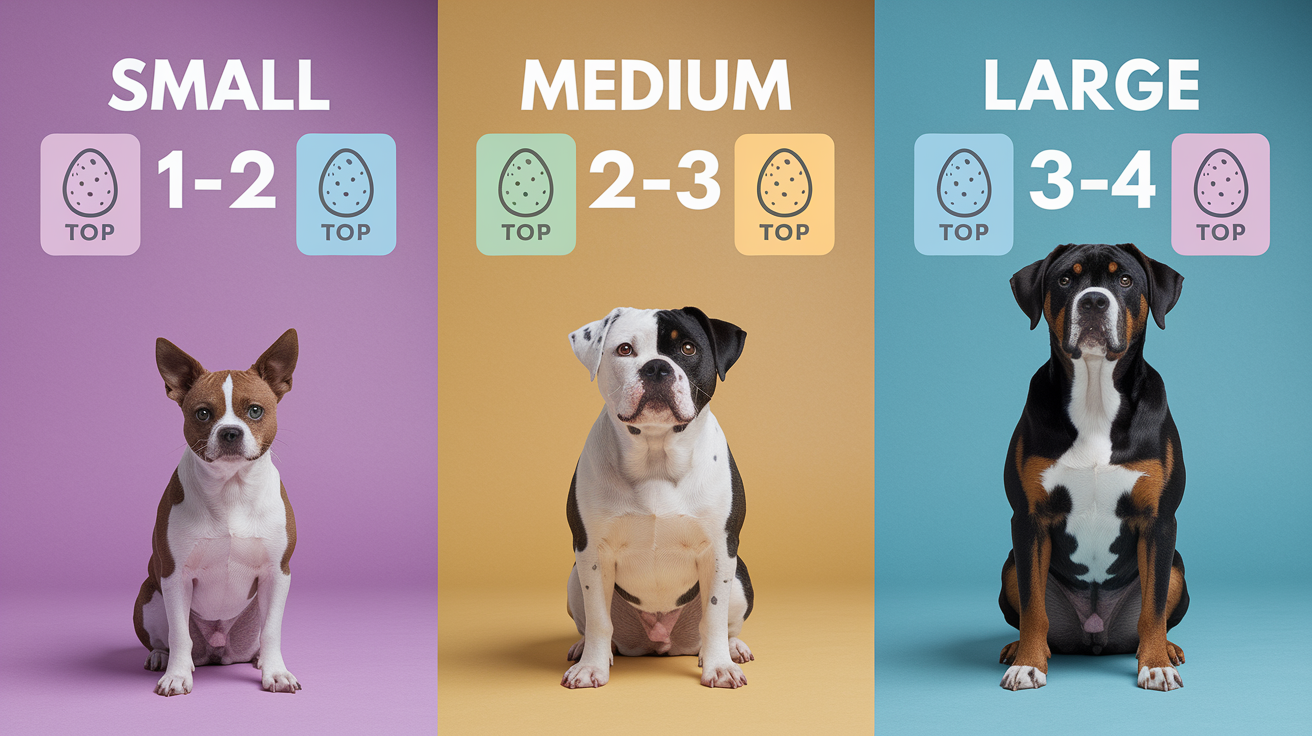
Portion size depends on your dog’s weight, activity level, and overall diet. Eggs should be a supplement or occasional treat, not a meal replacement. For most dogs, feeding eggs two to three times per week is a safe starting point.
| Dog Size | Weekly Egg Limit | Notes |
|---|---|---|
| Small (under 9 kg) | 1–2 eggs | Use half an egg per serving; adjust if feeding daily kibble with high protein |
| Medium (9–23 kg) | 2–3 eggs | Whole egg 2–3 times weekly; monitor weight and stool quality |
| Large (over 23 kg) | 3–4 eggs | Can handle one egg per serving; reduce if dog is inactive or overweight |
Each egg adds about 70 calories to your dog’s daily intake. If your dog eats 400 calories per day, one egg represents nearly 18 percent of their total. Subtract that amount from their regular food to avoid calorie overload and steady weight creep.
Safe Preparation Methods for Eggs

Always cook eggs before feeding them to your dog. Raw eggs carry a risk of salmonella bacteria, which can cause serious digestive illness in dogs and humans. Cooking eliminates most bacterial hazards and makes the egg easier to digest.
The safest cooking methods preserve nutrients without adding fat, salt, or seasonings. Plain preparation is key. No butter, oil, garlic, onion, or spices. Overcooked eggs lose some nutritional value but they’re still safe to eat. Undercooked eggs still pose infection risks.
Safe cooking methods for dogs:
- Hard-boiled: boil for 10–12 minutes, cool, peel, and serve plain
- Scrambled (dry pan): cook gently in a nonstick pan without oil or butter
- Poached: simmer in water until whites are firm and yolk is slightly runny or fully set
- Steamed: place egg in a steamer basket for 10 minutes for a soft, gentle texture
Never feed fried eggs, eggs cooked in bacon grease, or scrambled eggs made with milk or cheese. These additions increase fat content and introduce ingredients that many dogs can’t digest well.
Special Considerations for Dogs With Health Conditions
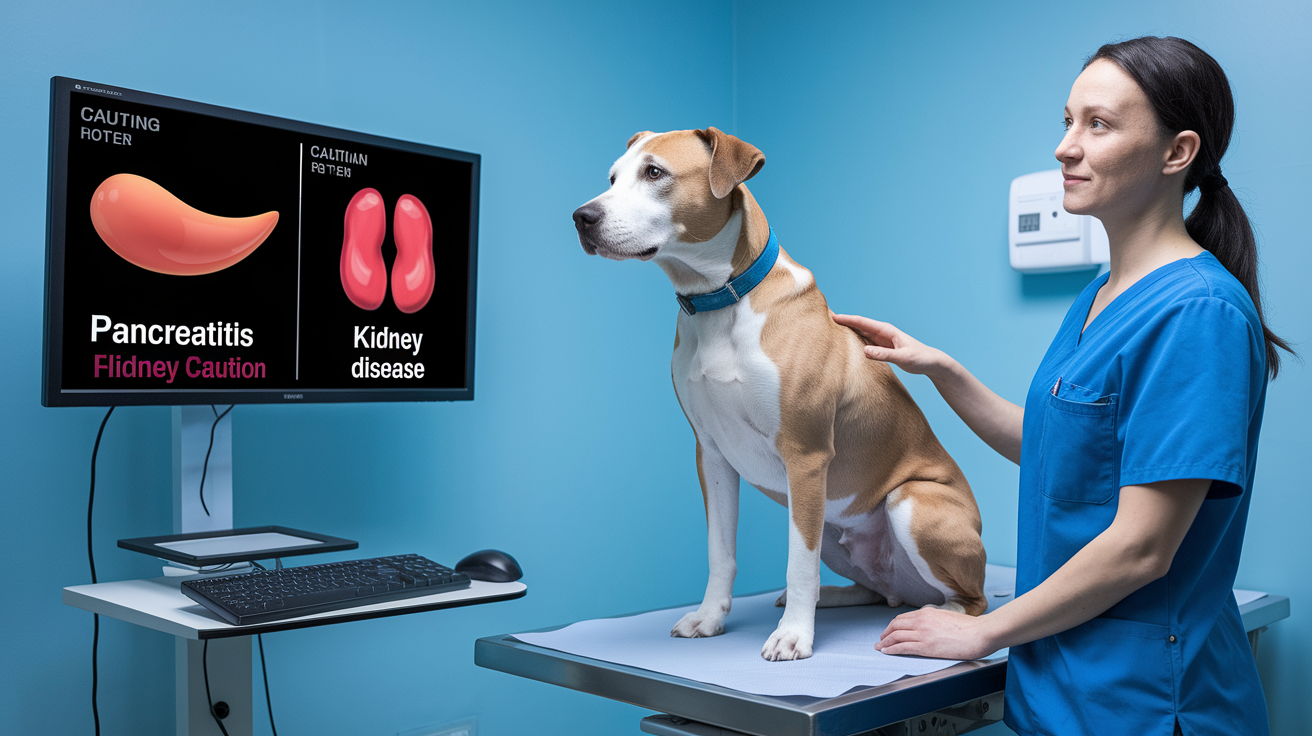
Dogs with pancreatitis need low-fat diets to avoid triggering inflammation in the pancreas. Egg yolks contain most of the fat, so if your dog has a history of pancreatitis, offer only the cooked egg white or skip eggs entirely. Always check with your vet before adding any new food to a pancreatitis-management plan.
Dogs with diagnosed food allergies or sensitivities may react to eggs, especially if they already react to poultry. Introduce eggs slowly. Start with one teaspoon of cooked egg and watch for itching, redness, vomiting, or loose stool over the next 24 to 48 hours.
Overweight or obese dogs need strict calorie control, and a single egg can represent a significant portion of their daily allowance. If your dog’s on a weight-loss diet, eggs should be carefully measured and balanced against reduced kibble portions. Dogs with kidney disease may require protein restrictions, and eggs add concentrated protein that can strain compromised kidneys.
Conditions that require veterinary guidance before feeding eggs:
- Chronic or acute pancreatitis
- Diagnosed food allergies or intolerance to poultry
- Kidney disease or renal insufficiency
Final Words
Yes, dogs can eat eggs every day in some cases, but it depends on their size, health, and overall diet balance.
Eggs offer protein, vitamins, and fatty acids that support muscle, coat, and immune health. Cooked eggs are the safest option to avoid bacteria, and portion control is key to prevent weight gain or digestive upset.
If your dog has pancreatitis, allergies, or weight issues, daily eggs may not be the right choice. Start small, watch for any reactions, and adjust frequency based on how your dog responds.
When you’re not sure whether your dog can eat eggs every day, check with your vet to build a plan that fits their calorie needs and health profile.
FAQ
Q: Can I give my dog a cooked egg every day?
A: Giving your dog a cooked egg every day can be safe for many healthy dogs in small amounts, but it depends on size, weight, and overall health. Check with your vet if your dog has medical issues.
Q: How many eggs can a dog safely eat in a week and how many times a day can a dog eat eggs?
A: A dog can safely eat about 1 to 4 eggs per week depending on size. Small 1-2, medium 2-3, large up to 4. More than one whole egg per day needs calorie adjustments and vet approval.
Q: What can too many eggs do to a dog?
A: Too many eggs can cause an upset stomach, weight gain from extra calories, and raise the chance of allergies or pancreatitis. Stop feeding and call your vet if vomiting, diarrhea, or severe tiredness appear.