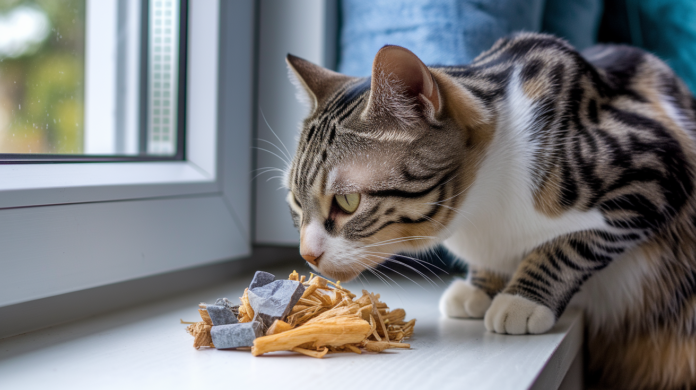

Think catnip is the only way to make your cat playful?
About 30 percent of cats don’t react to catnip, so owners need other options.
Silvervine, valerian and cat thyme offer safe, reliable enrichment for cats who ignore catnip, and each works in different ways so rotating them keeps playtime fresh.
We’ll show which to try first, how to use small amounts, and simple safety checks you can do at home.
Core Catnip Alternatives That Deliver Reliable Enrichment Results

Around 50 to 70 percent of cats respond to catnip because they’ve got the genetic sensitivity to nepetalactone, the active compound in Nepeta cataria. That leaves about 30 percent who couldn’t care less, and plenty of owners wondering how to provide the same kind of sensory joy and behavioral outlet. Good news: catnip isn’t the only plant cats find irresistible.
Four plant alternatives stand out for their ability to trigger playful, exploratory, and relaxed behaviors in cats who ignore catnip or who just need variety. Silvervine is the most effective by far, reaching roughly 79 percent of cats and capturing the attention of about 71 percent of catnip nonresponders. Tatarian honeysuckle appeals to around 53 percent, valerian root to about 47 percent, and cat thyme (though less studied in large trials) is a gentle option for cats seeking mild stimulation. Each plant works through different active compounds, which is why a cat who yawns at catnip may roll ecstatically in silvervine or rub her face on honeysuckle shavings.
When deciding which alternative to start with, silvervine is the logical first choice thanks to its high response rate and dual compound profile. Honeysuckle and valerian follow as second tests for cats who remain unimpressed or who need options that rotate weekly to prevent tolerance. Cat thyme is a good pick for timid or older cats who prefer subtler scents.
- Silvervine (Actinidia polygama): Contains actinidine and dihydroactinidiolide, triggers positive responses in approximately 79% of cats.
- Tatarian honeysuckle (Lonicera tatarica): Sold as wood chips or sticks, attracts around 53% of cats through its natural wood volatiles.
- Valerian root (Valeriana officinalis): Stimulates roughly 47% of cats via valeric acid and actinidine, strong odor may deter humans.
- Cat thyme (Teucrium marum): Gentle aromatic option, less studied but reported anecdotally to engage shy or senior cats.
How Silvervine Fits Into Cat Enrichment Programs
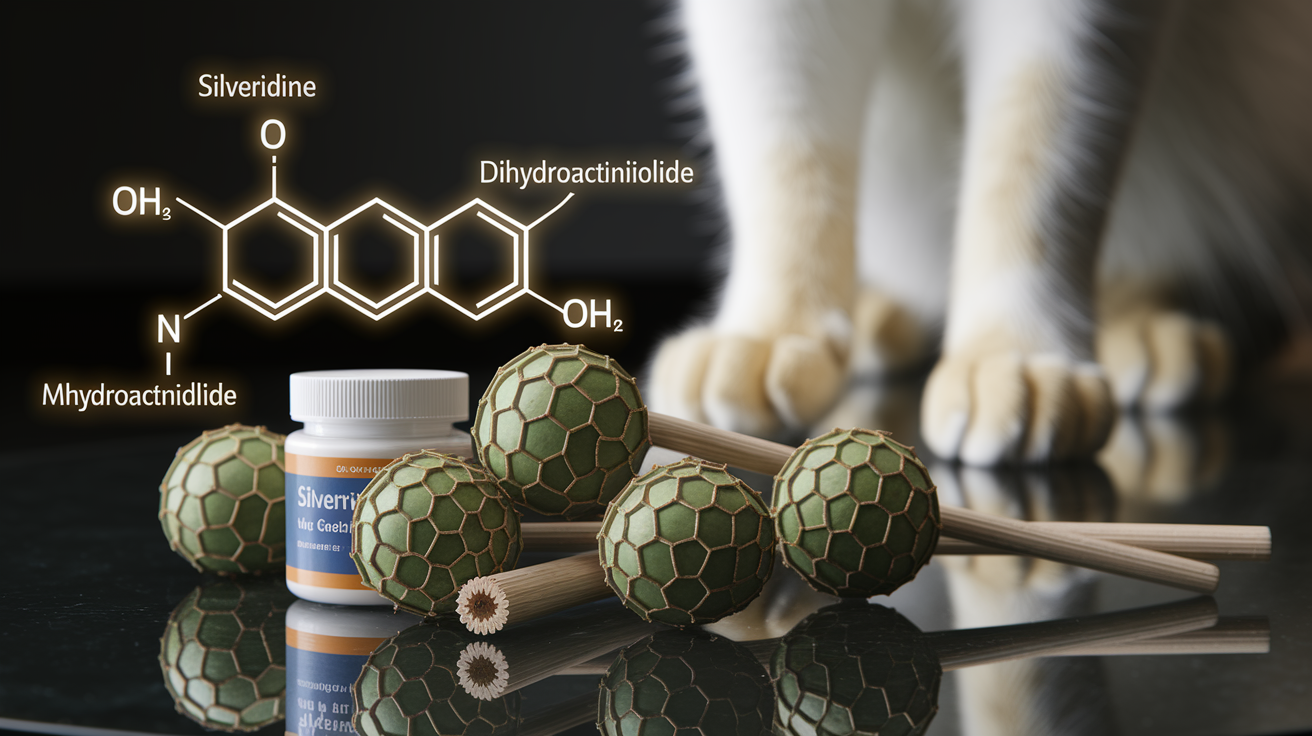
Silvervine works so well because it delivers more than one active compound. While catnip relies solely on nepetalactone, silvervine contains actinidine, dihydroactinidiolide, and higher levels of iridomyrmecin and isodihydronepetalactone. Those additional compounds broaden the pool of cats who respond and often produce a longer, more intense reaction. In controlled trials where cats were exposed to multiple plants, silvervine triggered the highest percentage of positive behaviors, including licking, sniffing, chin rubbing, head shaking, and rolling. The insect induced fruit galls, small knotty growths on the vine, are the most concentrated source of these compounds, which is why they often spark the strongest euphoric response.
You can buy silvervine as dried sticks for chewing, fine powder for sprinkling on toys or scratching posts, or whole gall fruits for interactive batting play. The sticks are a good long term chew option and may help remove plaque or tartar as your cat gnaws. The powder is versatile and easy to refresh inside refillable toys or dust onto surfaces. Gall fruits are the most potent form but should always be supervised. If your cat tries to bite off chunks, remove the fruit and switch to powder or sticks. Silvervine is especially useful for kittens over three months old who haven’t yet shown interest in catnip, senior cats with diminishing responsiveness, and indoor cats who need regular sensory variety to reduce boredom or anxiety.
Exploring Valerian Root and Honeysuckle as Additional Enrichment Options
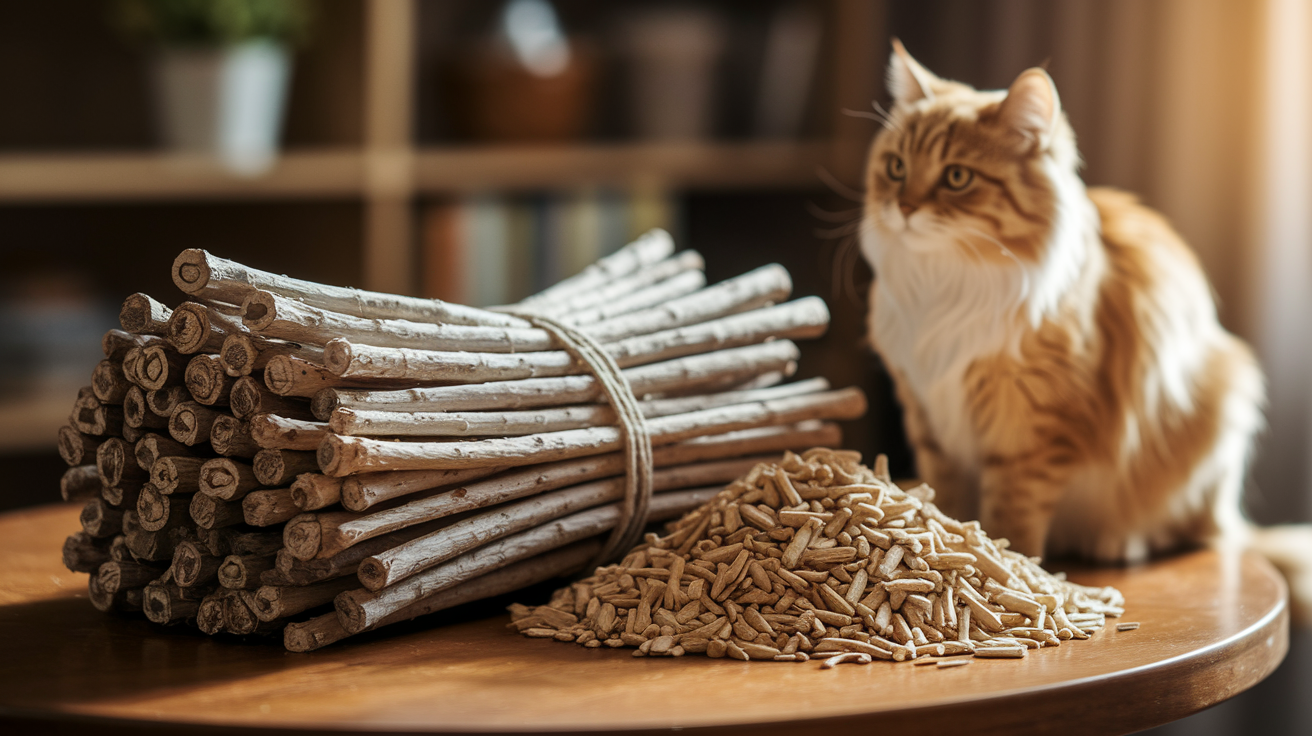
Valerian root is a stimulating herb that triggers playful, energetic behavior in about 47 percent of cats. It’s sold dried and chopped, as a concentrated powder, or pre-stuffed inside plush toys. The active compounds, valeric acid and actinidine, deliver a robust olfactory punch, but the smell is famously strong and often described as smelly cheese or old gym socks. Many cats love it. Many humans do not. If you live in a small apartment or have a sensitive nose, test valerian in a well ventilated room or outdoors first. Use small amounts, a pinch of powder or a teaspoon of dried root inside a toy, and watch for overexcitement or mild digestive upset in sensitive cats. Discontinue use if your cat shows signs of nausea or discomfort.
Tatarian honeysuckle reaches about 53 percent of cats and is one of the safest wood enrichments available, but only if you confirm the species. Lonicera tatarica is the correct, cat safe variety. Other honeysuckle species are not confirmed safe and should be avoided. The wood is sold as fine chips, typically packaged in quarter ounce or one ounce portions, or as natural sticks. The chips must always be enclosed inside a toy, never given loose, because they pose inhalation and splinter risks if a cat tries to lick or chew them directly. The sticks can be offered as supervised chews. To boost the scent and increase initial interest, lightly dampen the wood chips or stick with a few drops of water before presenting them. The moisture activates the volatile oils in the wood. After use, store the chips completely dry in a sealed container to maintain potency.
Choosing between valerian and honeysuckle often comes down to household tolerance and your cat’s sensory preferences. If your cat tends toward high energy and you don’t mind a strong odor, valerian is a good fit. If you prefer a milder scent or your cat responds well to wood textures, start with honeysuckle.
| Herb | Typical Forms | Safety Notes |
|---|---|---|
| Valerian root | Dried chopped root, powder, pre-filled toys | Strong odor, use small amounts, monitor for digestive upset in sensitive cats |
| Tatarian honeysuckle | Wood chips (0.25–1 oz packages), sticks | Only Lonicera tatarica is safe, never give loose chips, enclose in toys, supervise sticks, lightly dampen to activate scent |
| Silvervine | Sticks, powder, gall fruits | Supervise gall fruits, remove if ingestion attempted, sticks support dental health |
Using Aromatic and Calming Herbs as Gentle Enrichment Alternatives
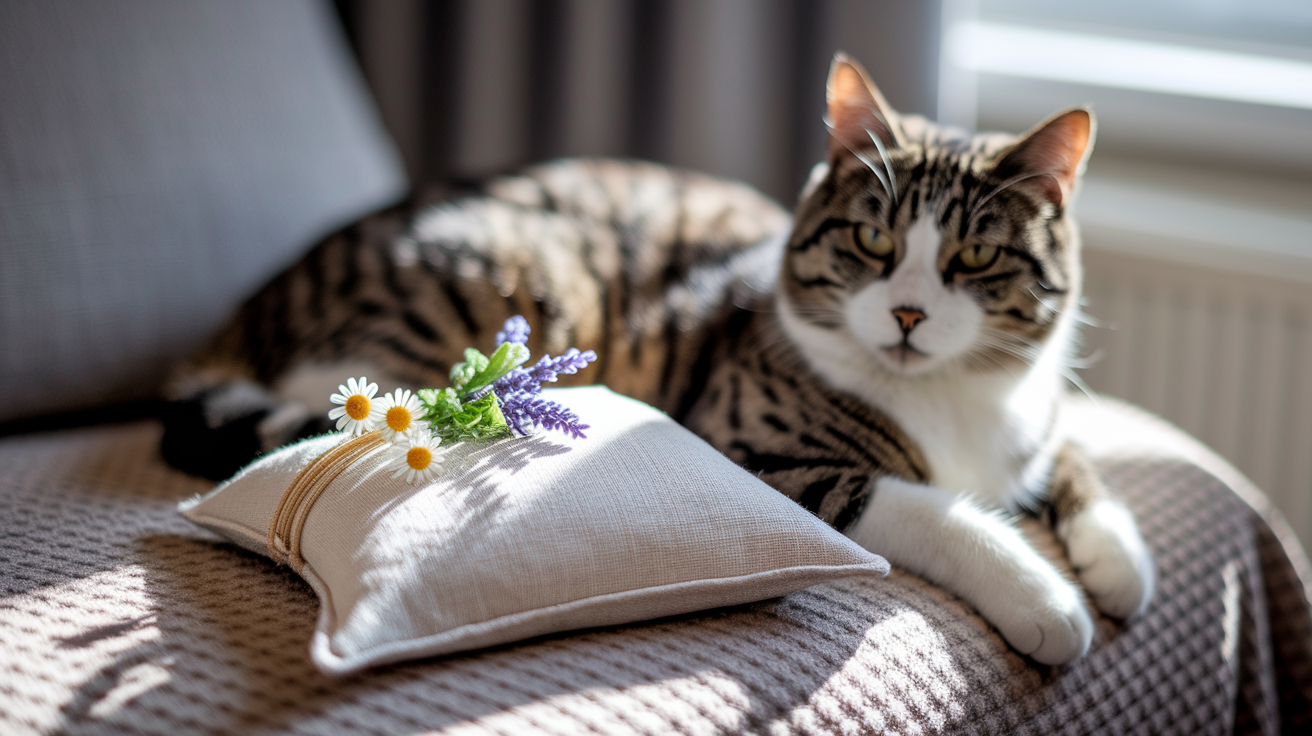
Not every enrichment moment needs to spark a ten minute play frenzy. Some cats, especially those dealing with anxiety, multi-cat tension, or changes in routine, benefit more from gentle calming scents than from stimulating olfactory compounds. Chamomile and lavender are two aromatic herbs that promote relaxation rather than euphoria. They’re best used dried and tucked into small fabric sachets placed near your cat’s favorite resting spot, inside a carrier during travel prep, or on a shelf near the litter box if stress-related elimination is an issue. Strong scents can bother some cats, so start with a small sachet and watch for signs of avoidance like sneezing, head shaking, or leaving the area. If your cat seems comfortable, you can leave the sachet in place for a few days and refresh it weekly.
Essential oils, even lavender or chamomile, should be avoided unless your veterinarian has given specific guidance. Cats lack certain liver enzymes needed to metabolize many essential oil compounds, and concentrated oils can cause respiratory irritation or toxicity. Stick with whole dried herbs in breathable fabric. Place sachets on elevated surfaces or inside carriers rather than directly on bedding where your cat might chew or lick the fabric. If your cat shows interest in batting or carrying the sachet, that’s fine, but if she tries to tear it open, remove it and try a different placement or skip calming herbs altogether.
Choosing Safe Catnip Alternatives and Avoiding Risks
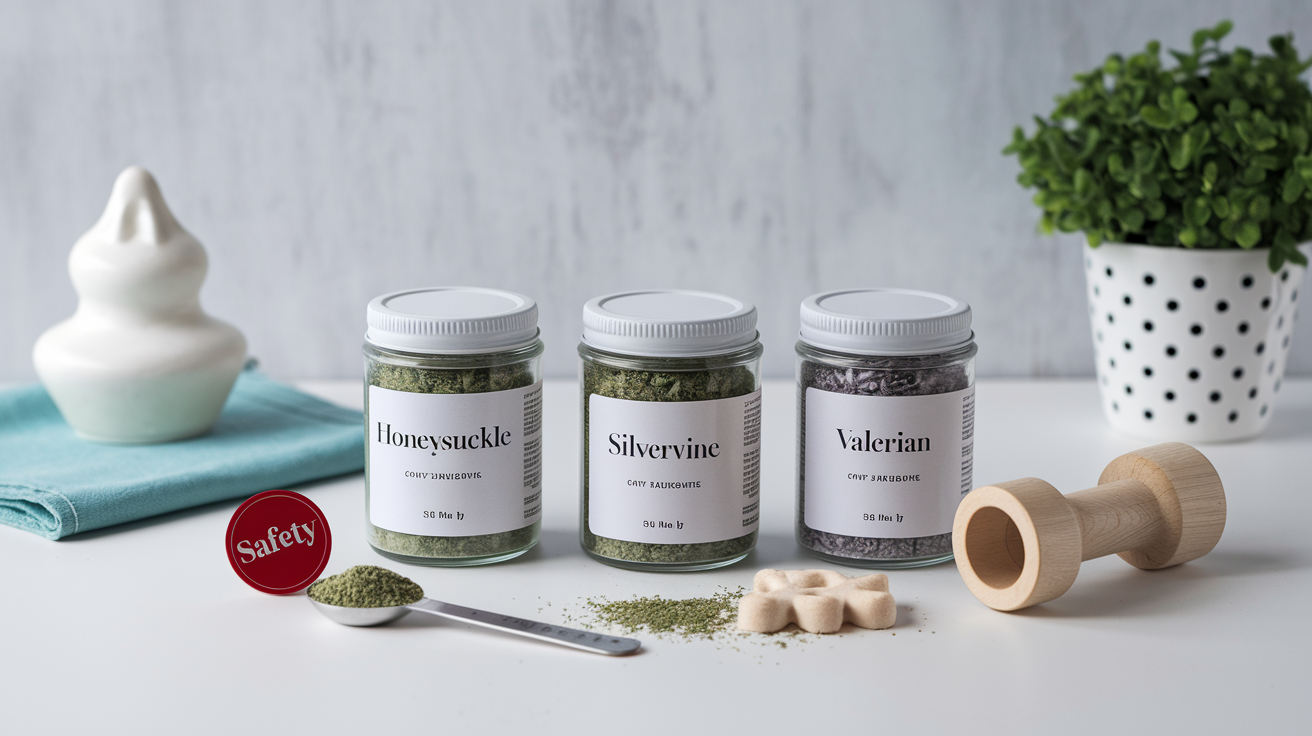
The plant alternatives covered here, silvervine, valerian, Tatarian honeysuckle, chamomile, and lavender, are generally recognized as safe when used correctly, but “generally safe” assumes proper supervision and species correct sourcing. Loose honeysuckle chips should never be handed to your cat directly. The fine wood particles can be inhaled or cause splinters in the mouth or digestive tract. Always enclose chips inside a toy with a sturdy fabric cover, and inspect the toy regularly for tears. Silvervine gall fruits are potent and fun for batting, but some cats will try to chew and swallow pieces. If that happens, remove the fruit immediately and offer powder or a stick instead.
Confirm that any honeysuckle product you buy is explicitly labeled Lonicera tatarica. Other honeysuckle species haven’t been tested for feline safety and may carry unknown risks. When buying any dried herb, choose organic or pesticide free options from reputable pet suppliers or herbal retailers with transparent sourcing. Avoid products with artificial fragrances, dyes, or additives. Check expiration dates if listed, and replace herbs that have lost their scent or have been open for more than a few months.
Store all unused herbs and herbal toys in airtight containers in a cool, dark, dry place. Heat, light, and moisture degrade potency quickly. If your cat shows any unusual reactions, persistent vomiting, drooling, lethargy, difficulty breathing, loss of appetite, contact your veterinarian right away. While serious reactions are rare, individual sensitivities do occur, and it’s always better to check in early than wait.
How to Introduce Catnip Alternatives and Test Your Cat’s Preferences
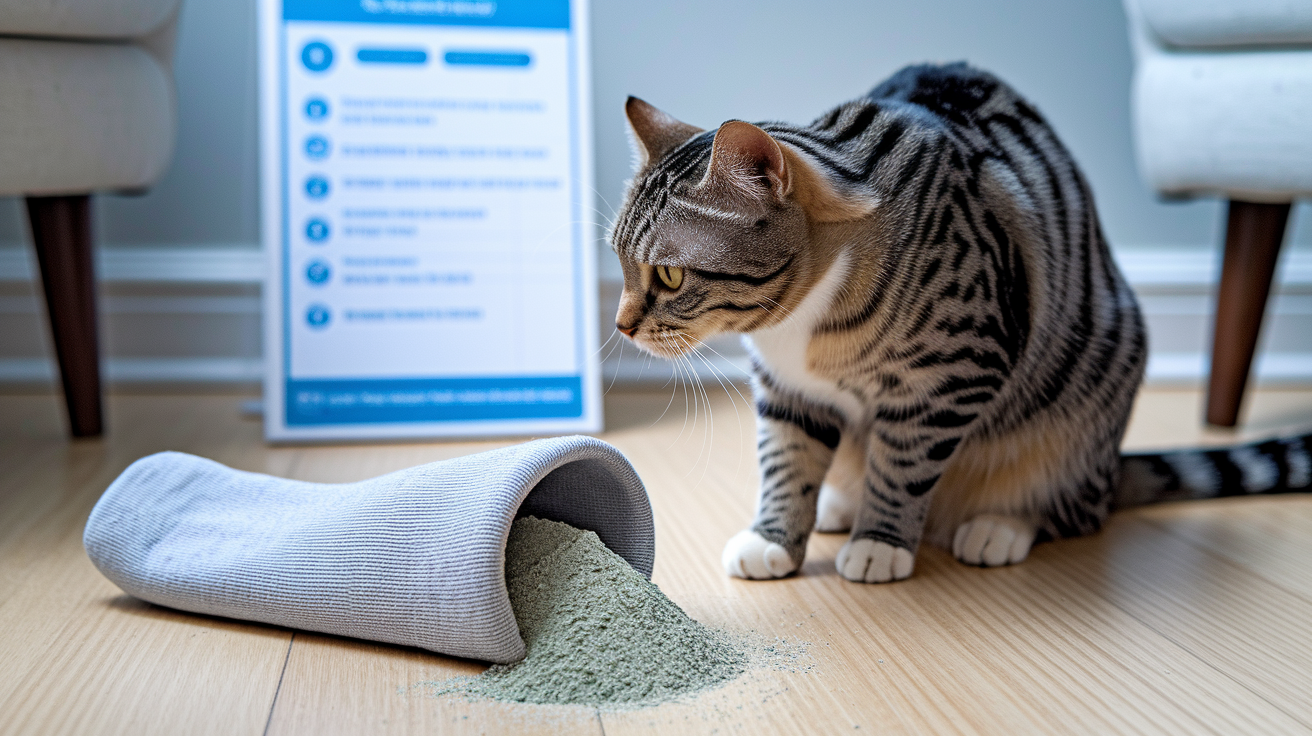
A structured introduction improves your chances of identifying what works and prevents overstimulation or confusion when multiple scents are offered at once. In research settings, cats were exposed to each plant material inside a thin porous sock or spread across a half square meter carpet square, which allowed voluntary interaction without forced contact or accidental ingestion. You can replicate this approach at home by placing a small amount of powder, chips, or a stick inside a clean sock, tying the end loosely, and setting it on the floor in a quiet room. Let your cat approach on her own terms.
Positive responses include sniffing, licking, chin or cheek rubbing, pawing, head shaking, drooling, and rolling. If your cat ignores the sock after a few minutes, try again the next day. Some cats need a second exposure before they engage. If she still shows no interest after two separate tries, that herb is likely not a match. Move on to the next option. Negative responses are simply lack of interest, not stress or fear, so don’t worry if your cat walks away.
- Start with one herb at a time. Present silvervine first, since it has the highest response rate.
- Use a small amount. A pinch of powder, half a teaspoon of dried chips, or one stick is enough for initial testing.
- Allow up to one hour of access during the first exposure, but remove the material as soon as your cat shows a clear positive reaction to avoid saturation.
- Wait at least five minutes between testing different herbs if you plan to try more than one in a session. This washout period prevents scent overlap.
- Limit enrichment sessions to once or twice per week to maintain sensitivity and prevent habituation.
- Rotate herbs weekly once you know what your cat prefers. Offer silvervine one week, honeysuckle the next, then valerian, cycling through to keep novelty high.
DIY Enrichment Projects Using Catnip Alternatives
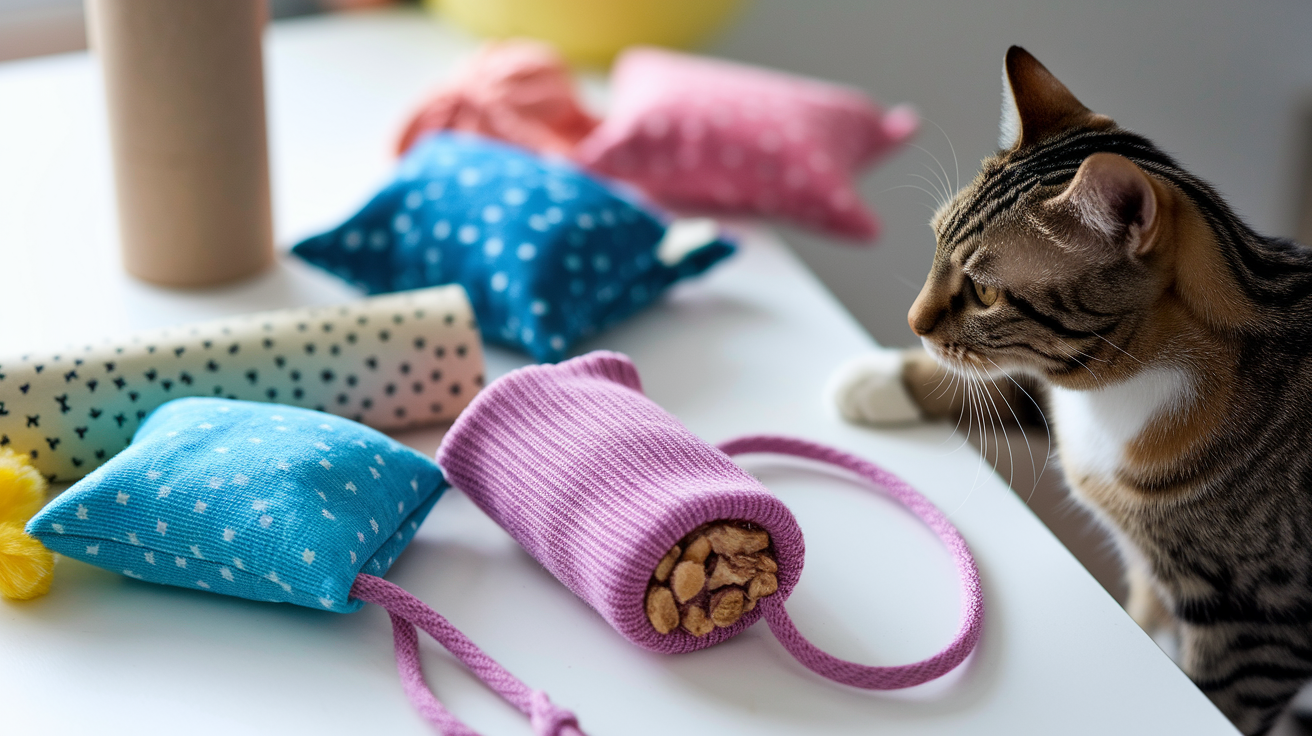
Homemade enrichment projects add novelty, save money, and let you customize the experience for your cat’s preferences. You don’t need sewing skills or special tools. A clean cotton sock, a scrap of fabric, or a small cardboard tube can become a high value toy with a quarter ounce of honeysuckle chips or a teaspoon of silvervine powder inside. If you do sew, small fabric pouches about three inches square work well. Use breathable cotton or muslin, stuff with dried herbs, and stitch the opening closed. These sachets can be refreshed every few weeks by opening a seam, dumping the old herbs, and adding fresh material.
For honeysuckle chips, measure out a quarter to one ounce and lightly dampen them with a few drops of water before stuffing them into a sock or hollow toy. Tie or stitch the end securely so no loose chips escape. After your cat plays, store the toy in an airtight container to keep the scent strong. For silvervine powder, sprinkle a small pinch onto a scratching post, inside a cardboard scratcher, or into the hollow center of a crinkle ball. If you have silvervine sticks, peel away a small section of bark to expose the fresh wood underneath. This releases more scent and makes the stick more appealing. Offer the stick as a supervised chew and remove it when your cat loses interest or if she starts biting off splinters.
Gall fruits can be used as interactive toys under supervision. Place one or two on the floor and let your cat bat them around. Their irregular shape makes them roll unpredictably, which adds to the fun. Remove the fruits after ten to fifteen minutes or sooner if your cat tries to bite them. Between uses, store all herbal toys and loose materials in sealed containers or zip top bags. Refresh the contents every two to four weeks depending on how much scent remains. Rotation is just as important with DIY projects as it is with store bought toys, so don’t leave the same herbal item out every day.
- Stuff clean socks or small fabric pouches with 0.25 to 1 oz honeysuckle chips, seal tightly and dampen lightly before first use.
- Sprinkle silvervine powder onto scratching posts, cardboard scratchers, or inside hollow toys, use a pinch per application.
- Peel a small section of bark from silvervine sticks to release scent, offer as supervised chew and remove if splintering occurs.
- Use gall fruits as batting toys under supervision, remove after 10 to 15 minutes or if cat tries to ingest.
- Store all DIY herbal items in airtight containers between uses and refresh contents every 2 to 4 weeks to maintain potency.
Multi-Cat Household Strategies for Catnip Alternatives

Introducing new enrichment in a multi-cat home requires a plan to prevent competition, resource guarding, and stress. Start by offering multiple toys or herb infused items at the same time, ideally one per cat, placed in different locations throughout the home. This reduces the chance that one cat will monopolize a high value item and trigger tension. If you have three cats, put out three silvervine sticks or three small sachets in separate rooms or on different levels of a cat tree. Monitor interactions closely during the first few sessions. If one cat guards a toy or chases others away, remove that item and try again later with duplicates or a less intense herb.
Pheromone diffusers can support harmony during enrichment introductions, especially if your household already experiences multi-cat tension or inappropriate elimination. Diffusers release synthetic versions of feline facial or maternal pheromones, which can reduce territorial stress and create a calmer environment. Pair the diffuser with staggered herb offerings. Offer silvervine to one cat in the morning and honeysuckle to another in the afternoon to spread out the excitement and reduce competition. Rotate which cat gets which herb each week so no single cat becomes possessive over one scent. This rotation also helps you identify individual preferences without adding conflict.
Where to Buy High Quality Catnip Alternatives

Quality starts with sourcing. Look for suppliers who sell organic or pesticide free herbs and clearly label the plant species, especially for honeysuckle. Reputable online pet retailers, specialty herb shops, and some veterinary clinics carry silvervine, valerian, and Tatarian honeysuckle in multiple forms. Check for organic certifications like USDA Organic when available, and avoid products with added fragrances, fillers, or artificial ingredients. Expiration dates aren’t always listed on herbal products, but freshness matters. If a product has been on the shelf for months or smells faint when you open it, potency has likely dropped.
Choose the form that matches your intended use. Powders are best for sprinkling and refilling toys. Chips and shavings work well for stuffing projects but must be enclosed. Sticks and gall fruits are ideal for supervised interactive play. If you’re testing multiple herbs for the first time, buy small sample sizes, quarter ounce or half ounce packages, rather than bulk quantities. That way you can identify your cat’s preferences without wasting money on herbs she ignores. Store all products sealed and cool, and replace them every few months or sooner if the scent fades.
Final Words
Try the top picks—silvervine, Tatarian honeysuckle, valerian, and cat thyme—and see which one lights your cat up. Start small, supervise gall fruits and chips, and look for rubbing, rolling, or calm sniffing as good signs.
We covered response rates, safe forms, how to test them, DIY toy ideas, and multi-cat tips. Use short trials, a 5-minute washout, and rotate options to keep novelty.
If you see severe vomiting, trouble breathing, or intense agitation, call your vet. Try different catnip alternatives for enrichment and enjoy the discoveries.
FAQ
Q: What can I use instead of catnip? What else acts like catnip?
A: Instead of catnip you can use silvervine, Tatarian honeysuckle, valerian root, or cat thyme; silvervine triggers about 79% of cats, including many catnip nonresponders.
Q: What is kitty crack?
A: Kitty crack is a slang name for plant stimulants like catnip or silvervine that cause playful, euphoric reactions in many cats; use them in moderation and supervise play for safety.
Q: Is Doggijuana just catnip?
A: Doggijuana isn’t just catnip; it’s often a commercial name for silvervine or hemp-based blends for pets. Ingredients vary—check labels, avoid essential oils, and ask your vet before giving to dogs.