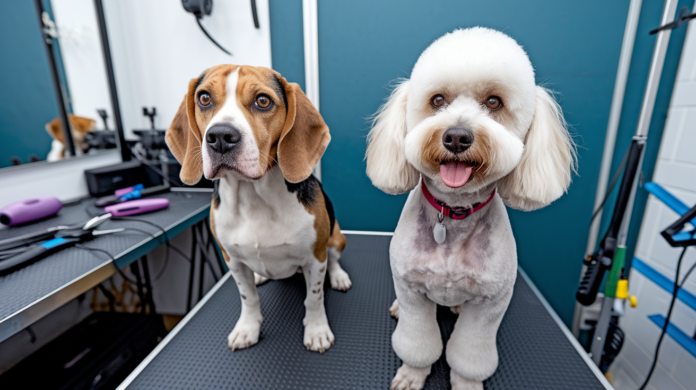

Think all dog coats are the same? Think again.
How you brush, bathe, and clip should match your dog’s coat, not just its size.
Get this wrong and mats, skin problems, or a stressed pup can show up fast.
This post breaks down the seven coat types, gives the right tools and simple schedules for each, and points out quick checks that catch problems early.
Read on to keep your dog comfy, clean, and mat-free without guessing.
Understanding Dog Coat Categories and Their Specific Grooming Needs
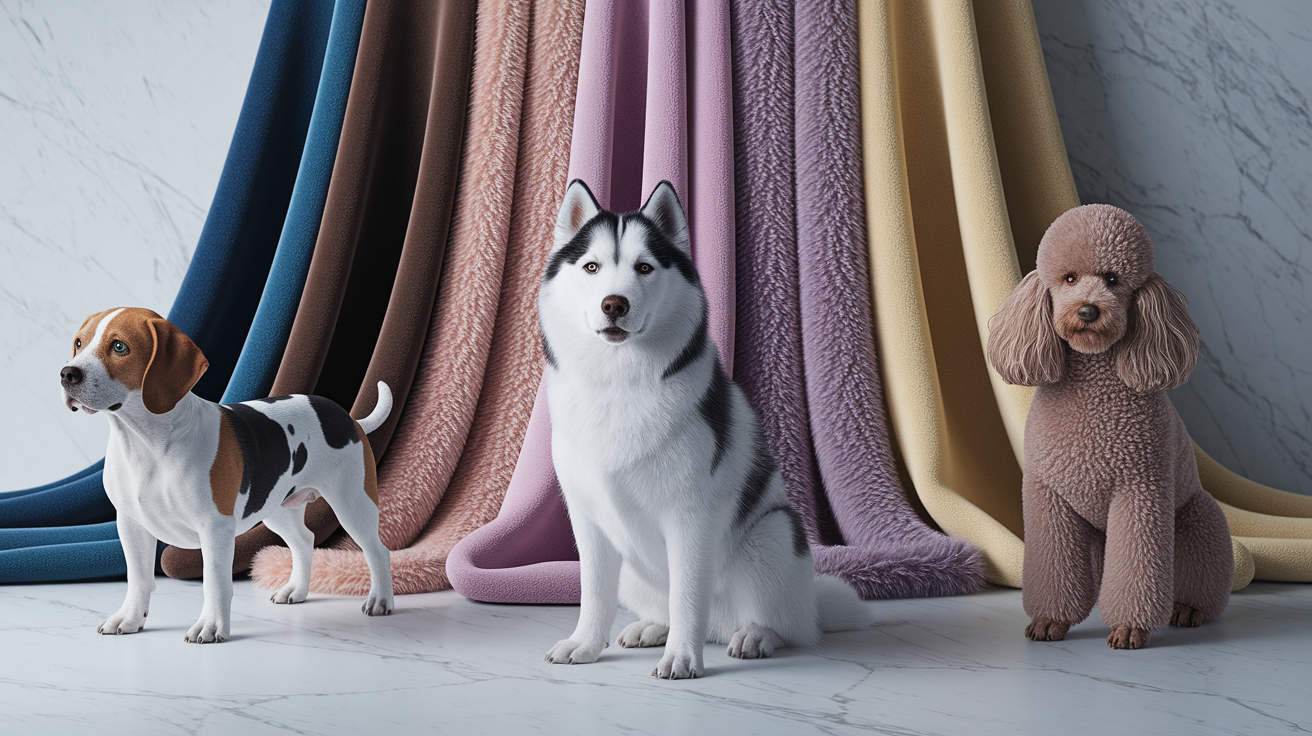
Dog coats exist to regulate temperature, protect skin from scrapes and sun, and repel water or dirt depending on what the breed was originally built to do. A Beagle running through brush needs a smooth, easy-clean coat. A Siberian Husky pulling a sled in snow relies on dense double insulation. A Poodle working in cold water benefits from tight curls that trap warmth without dragging the dog down when wet. Recognizing your dog’s coat type tells you what grooming rhythm will keep them comfortable and healthy.
Most dogs fall into one of seven coat categories. Smooth or short coats lie flat against the body and shed lightly year round. Double coats stack a soft, dense undercoat under a longer topcoat and shed heavily twice a year. Long and silky coats grow continuously and tangle easily. Curly or coiled coats form ringlets or waves that trap shed hair inside the coat rather than dropping it on your floor. Wiry or harsh coats feel rough to the touch and resist dirt. Plush or medium length coats sit somewhere between short and long, often with a bit of fluff. Hairless breeds have little to no fur and need skin care instead of coat care.
Brushing frequency changes with coat type, not just dog size. Short coated dogs like Beagles or Boxers need about 5 to 15 minutes of brushing once a week to pull loose hair and distribute skin oils. Double coated breeds such as Golden Retrievers, German Shepherds, and Huskies require brushing two to three times weekly during normal months, then daily sessions of 15 to 45 minutes when they blow their undercoat in spring and fall. Long coated dogs like Yorkshire Terriers need daily brushing for 15 to 30 minutes to stop mats before they form. Curly coated Poodles and Bichons also need daily or every other day attention for 10 to 30 minutes, plus professional clipping every four to eight weeks. Wiry coated dogs such as Wire Fox Terriers get weekly brushing and hand stripping two to three times per year. Plush coats on Cocker Spaniels or Border Collies call for brushing three to four times a week, each session running 10 to 30 minutes.
Smooth or short coats shed lightly all year and need weekly quick brushing. Double coats shed heavily twice a year and demand daily care during blowouts. Long and silky coats mat easily and require daily detangling. Curly coats trap shed hair and need frequent brushing plus regular trims. Wiry coats resist dirt but need hand stripping to stay textured. Plush coats combine moderate shedding with tangle risk, calling for regular sessions.
Grooming Tasks and Maintenance by Dog Coat Type

Routine grooming keeps skin healthy, prevents painful mats, and cuts down on fur drifting through your house. For short coated dogs, a quick weekly once over with a rubber curry brush pulls loose hair and stimulates blood flow to the skin. Double coated breeds follow a two speed schedule. Outside of shedding season, brushing two to three times a week for 10 to 30 minutes removes surface debris and checks for ticks or hot spots. When spring or fall triggers a blowout, daily sessions of 15 to 45 minutes with an undercoat rake become necessary to strip out the dense undercoat before it mats against the skin or clogs your vacuum. Long coated and curly coated dogs need daily work. Skipping even two days lets tangles lock into mats that pull skin and trap moisture.
Wiry coats follow a different rhythm. Weekly brushing keeps the topcoat tidy, but the real work is hand stripping, which pulls dead hair from the root two to three times per year to preserve the coat’s rough texture. Clippers soften wire coats permanently, so most terrier owners either learn to strip at home or book a groomer trained in the technique. Hairless dogs skip brushing entirely and focus on skin care, frequent baths with gentle shampoo, moisturizer to prevent dryness, sunscreen during outdoor time, and jackets when temperatures drop.
Identify blowout season first. Double coated breeds shed heavily for two to six weeks in spring and fall. Mark your calendar and plan daily grooming during those windows. Check mat risk zones weekly. Behind the ears, under the collar, in the armpits, and around the groin collect moisture and friction. Run your fingers through these spots even if the rest of the coat looks clean. Adjust frequency when the weather shifts. Wet winter months tangle long coats faster. Hot summer days make short coats shed more as dogs try to cool down.
Match your effort to coat density, not dog size. A small Pomeranian with a thick double coat needs more grooming time than a large Doberman with a sleek single coat. Track time between sessions. If mats appear before your next scheduled brushing, shorten the interval by a day or two until the coat stays smooth.
Essential Grooming Tools Matched to Dog Coat Types

The right tool pulls hair without scraping skin, works through tangles without breaking the coat, and makes grooming faster for both of you. A slicker brush has fine, bent wire pins set close together on a flat or slightly curved paddle. It grabs loose undercoat and surface tangles on double coated, long coated, and curly coated dogs. Expect to pay ten to thirty dollars for a durable slicker. A bristle brush, priced around five to twenty dollars, works well on short coats to polish the topcoat and distribute natural oils without pulling. An undercoat rake looks like a small garden rake with one or two rows of metal teeth. It reaches under the topcoat to strip out dead undercoat during blowouts and costs fifteen to forty dollars. A metal comb with both wide and narrow teeth, eight to twenty five dollars, helps you check for leftover tangles after brushing and works well around ears and paws on long or curly coats.
When mats form despite regular brushing, a dematting tool or mat splitter uses sharp, angled blades to slice through the tangle without pulling skin. These run ten to thirty five dollars. Straight grooming scissors and thinning shears let you trim around paws, ears, and sanitary areas at home. A decent pair of each costs fifteen to eighty dollars total. For dogs that need regular clipping, a basic home clipper kit starts around forty to one hundred twenty dollars, while professional grade clippers with stronger motors and longer blade life run one hundred fifty to four hundred dollars. If you have a large double coated or long coated dog, a high velocity dryer, eighty to three hundred fifty dollars, cuts drying time in half and blows loose undercoat free before it mats.
| Coat Type | Primary Tool | Why It Works | Optional Add-Ons |
|---|---|---|---|
| Smooth/Short | Rubber curry brush or soft bristle brush | Pulls loose hair and polishes topcoat without irritating skin | Deshedding glove |
| Double Coat | Undercoat rake or deshedding tool | Reaches dense undercoat to remove dead hair during blowouts | Slicker brush, high velocity dryer |
| Long & Silky | Slicker brush plus wide tooth metal comb | Detangles without breaking fine hair; comb checks for leftover knots | Detangling spray, thinning shears |
| Curly/Coiled | Pin brush or slicker brush | Separates curls and removes trapped shed hair | Conditioning spray, metal comb |
| Wiry/Harsh | Stripping knife or fingers (hand stripping) | Pulls dead hair from the root to maintain coarse texture | Bristle brush for weekly tidying |
| Plush/Medium | Slicker brush | Manages moderate undercoat and surface tangles | Bristle brush, undercoat rake during heavy shed |
Step by Step Grooming Techniques Tailored to Coat Type
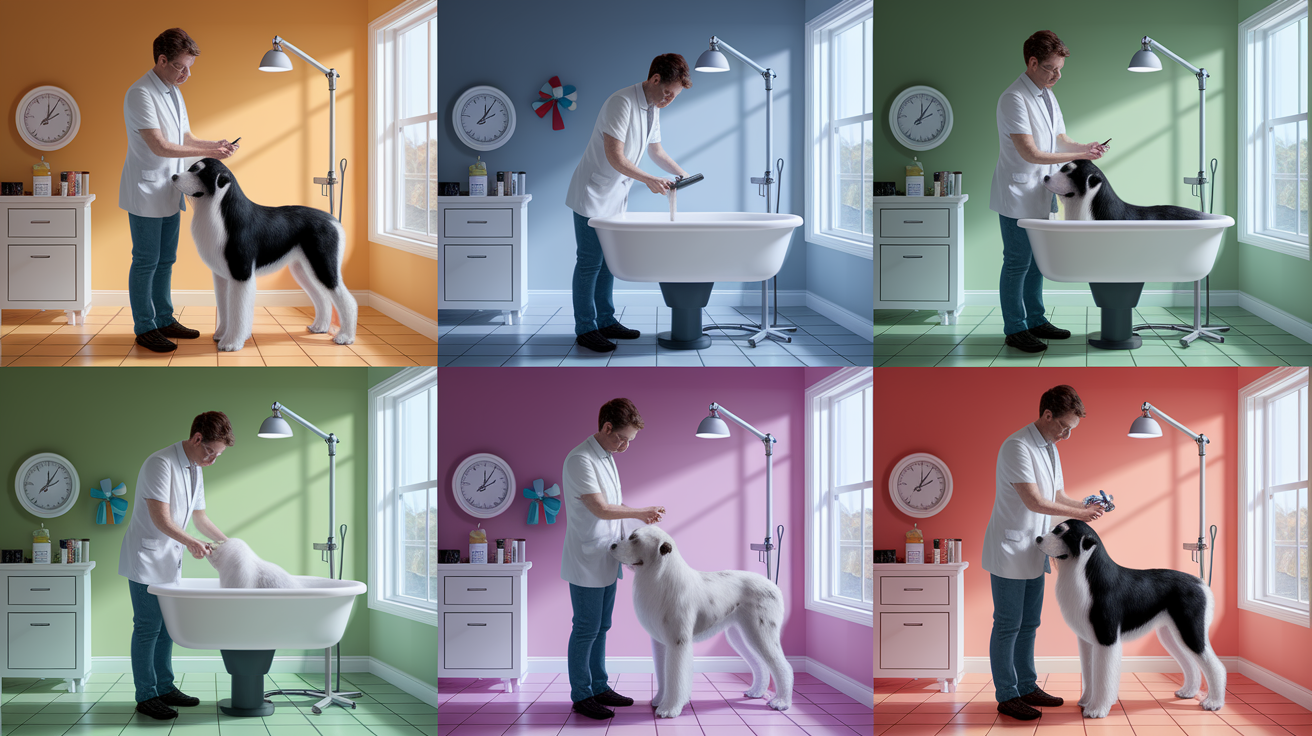
A complete grooming session follows six stages, and the time you spend at each step shifts with coat type. Start with a two to five minute inspection. Run your hands over the dog’s body to check for lumps, hot spots, ticks, or tender areas. Lift ears to look for redness or odor. Press gently on each paw pad to check for cuts or embedded debris. Next, brush and detangle. Short coats take five to ten minutes. Double coats need ten to thirty minutes normally, or up to forty five minutes during a blowout. Long and curly coats often require fifteen to forty five minutes to work through the full body without rushing and breaking hair.
Bathing comes third and usually takes ten to twenty minutes in the tub, depending on coat density and how dirty the dog is. Use lukewarm water and a dog shampoo diluted according to the bottle’s instructions, often one part shampoo to five or ten parts water for concentrated formulas. Drying is stage four. Towel drying a short coat takes five to ten minutes. A double or long coat can take twenty to sixty minutes with a high velocity dryer, which also blows out loose undercoat and speeds the process. Stage five is trimming or clipping, anywhere from fifteen minutes for a simple paw and sanitary trim to ninety minutes for a full body clip on a Poodle or Bichon. Finish with nails, ears, and any final detail work, another five to twenty minutes.
Brushing and Detangling Steps
For long and curly coats, always mist the coat lightly with a detangling spray or plain water before you brush. Brushing dry hair snaps it. Work in small sections, starting at the tips and brushing toward the skin in short strokes. If you hit a tangle, stop and use your fingers or a metal comb to gently tease it apart before continuing with the slicker brush. On double coats, use the slicker to remove surface dirt and loose topcoat, then switch to an undercoat rake during shedding season to pull the dense fluff underneath. Brush in the direction of hair growth and check behind the ears, under the legs, and around the tail base where mats hide.
Bathing and Drying Methods
Wet the coat thoroughly with lukewarm water, working from the neck back to avoid getting water in the ears. Apply diluted shampoo and lather gently, using your fingertips to scrub down to the skin on double coats. Rinse completely. Leftover shampoo causes itching and dull coats. For short coats, towel dry and let air drying finish the job. For thick or long coats, use a high velocity dryer on a low heat setting, keep the nozzle moving and about six inches from the skin to prevent burns. Drying a Golden Retriever or Husky can take forty to sixty minutes, and the dryer will blow out clouds of loose undercoat as you work.
Trimming and Clipping Variations
Clipper blade numbers tell you how much hair they leave behind. A number ten blade cuts to about 1.6 millimeters, roughly one sixteenth of an inch, and works well for close sanitary trims around the rear and belly. A number seven F blade leaves about 3.2 millimeters and is common for face and paw work. A number four F blade, six millimeters, suits body trims on breeds like Cocker Spaniels. A number three blade, ten millimeters or three eighths of an inch, gives a longer, blended look on show dogs or pets in cooler climates. Always test the blade on a small patch first, and keep clippers cool by switching them off every few minutes or using blade coolant spray.
Managing Mats, Tangles, and Heavy Shedding
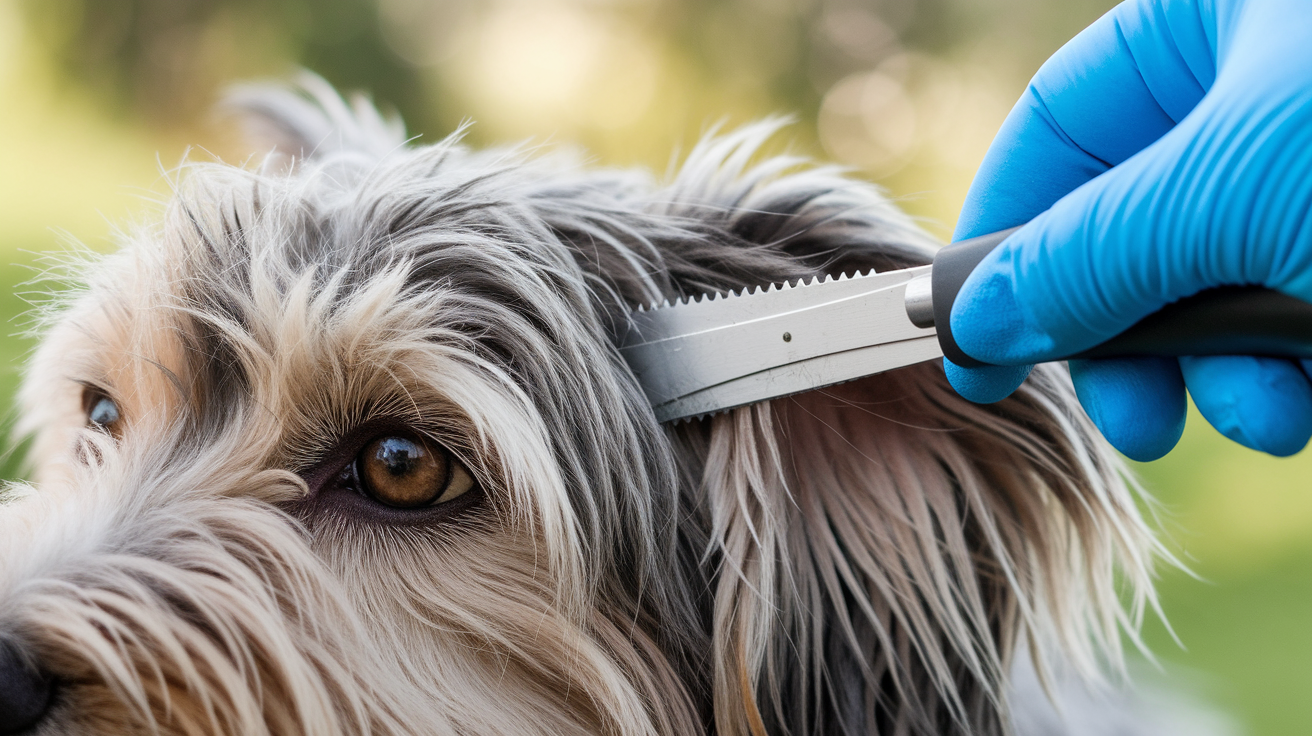
Mats form when loose hair weaves into the coat and tightens against the skin, trapping moisture and pulling with every movement. The most common trouble spots are behind the ears, in the armpits, around the groin, and under the collar. Check these zones every few days on long or curly coats. When you find a small mat, isolate it with your fingers and hold the skin beneath it taut so you’re not pulling. Use a dematting tool or mat splitter to carefully slice through the tangle from the outside edges toward the center, working in short strokes. A medium sized mat usually takes five to fifteen minutes of patient work. If a mat is large, tight against the skin, or you’ve been working for more than an hour without progress, stop and book a professional groomer. Severe mats often need to be shaved out, and trying to force them apart at home can tear skin.
Brush before the mat forms. Daily brushing on long and curly coats reduces mat formation by an estimated seventy to ninety percent compared to no routine. Use detangling spray. A light mist makes hair slippery and easier to separate without breaking. Work in sections. Tackle one small area at a time instead of dragging a brush through the whole dog and missing hidden tangles.
Never pull a mat away from the skin. Hold the base of the mat firmly while you work the edges to protect the skin underneath. Track shedding cycles. Double coated breeds blow their undercoat heavily in spring and fall, a process that lasts two to six weeks. During that window, grooming time doubles and daily sessions with an undercoat rake prevent the loose fluff from matting into the topcoat.
Breed Specific Examples for Popular Coat Types
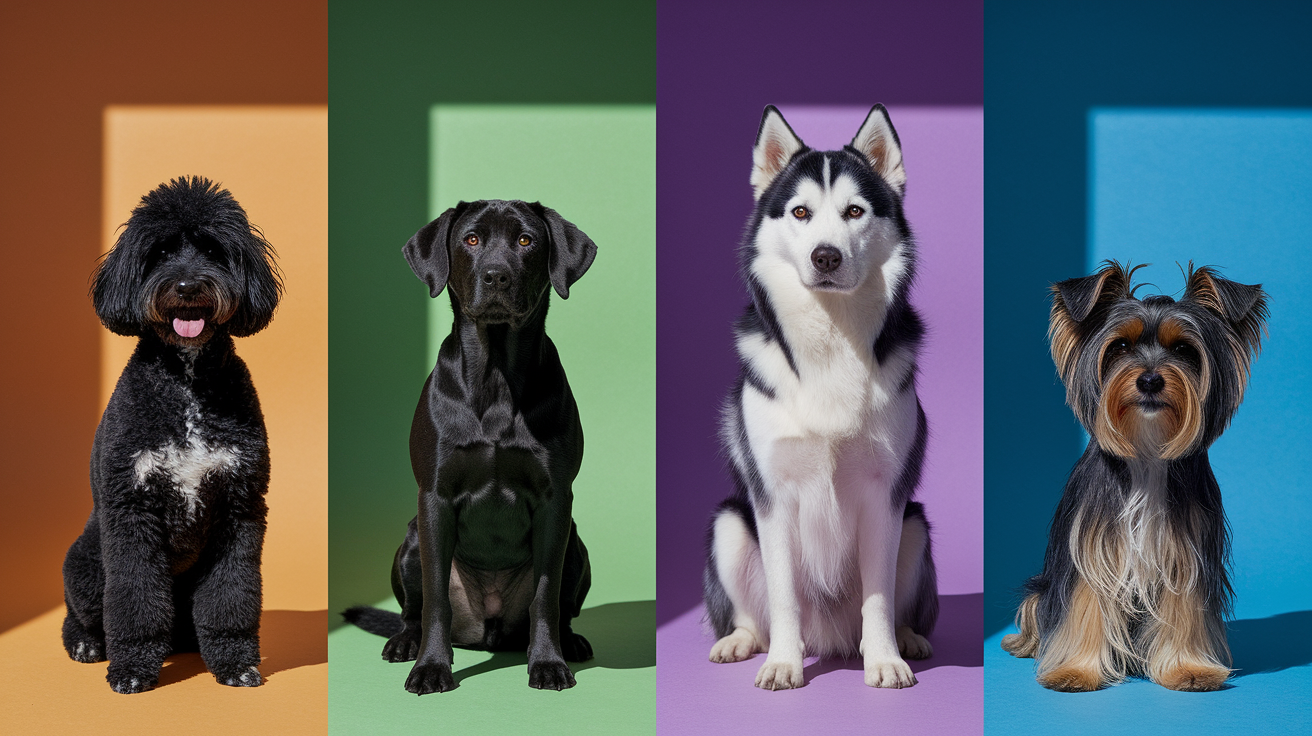
Poodles and Bichon Frises have curly coats that shed very little but tangle easily. Plan on daily brushing for ten to thirty minutes using a slicker brush and metal comb, plus a professional grooming appointment every four to eight weeks for a full body clip. Labradors and Beagles carry short, dense double coats. Weekly brushing with a rubber curry or bristle brush handles normal maintenance, but when spring or fall shedding kicks in, switch to daily sessions with an undercoat rake for ten to thirty minutes to keep your floors clean and your dog comfortable.
Golden Retrievers and Siberian Huskies wear long or dense double coats. Brush two to three times a week outside of shedding season, using a slicker and undercoat rake for ten to thirty minutes per session. During blowouts, increase to daily grooming for fifteen to forty five minutes. Many owners also book a professional deshedding treatment two to four times during peak shedding to speed the process. Yorkshire Terriers and Afghan Hounds have long, silky coats that need daily combing to prevent mats, about fifteen to thirty minutes each day with a slicker brush and metal comb. Plan on trims every four to eight weeks to keep the coat manageable, and add quick eye and foot trims every two to four weeks to keep hair out of their vision and between their paw pads.
| Breed | Coat Type | Key Tools | Frequency Notes |
|---|---|---|---|
| Poodle, Bichon Frise | Curly | Slicker brush, metal comb, clippers | Daily brushing 10–30 min; pro clip every 4–8 weeks |
| Labrador, Beagle | Short double coat | Rubber curry, undercoat rake | Weekly brushing; daily 10–30 min during blowouts |
| Golden Retriever, Husky | Dense double coat | Slicker, undercoat rake, HV dryer | 2–3× weekly; daily 15–45 min in spring/fall |
| Yorkshire Terrier, Afghan | Long & silky | Slicker, metal comb, scissors | Daily combing 15–30 min; trims every 4–8 weeks |
Seasonal Grooming and Coat Adjustments
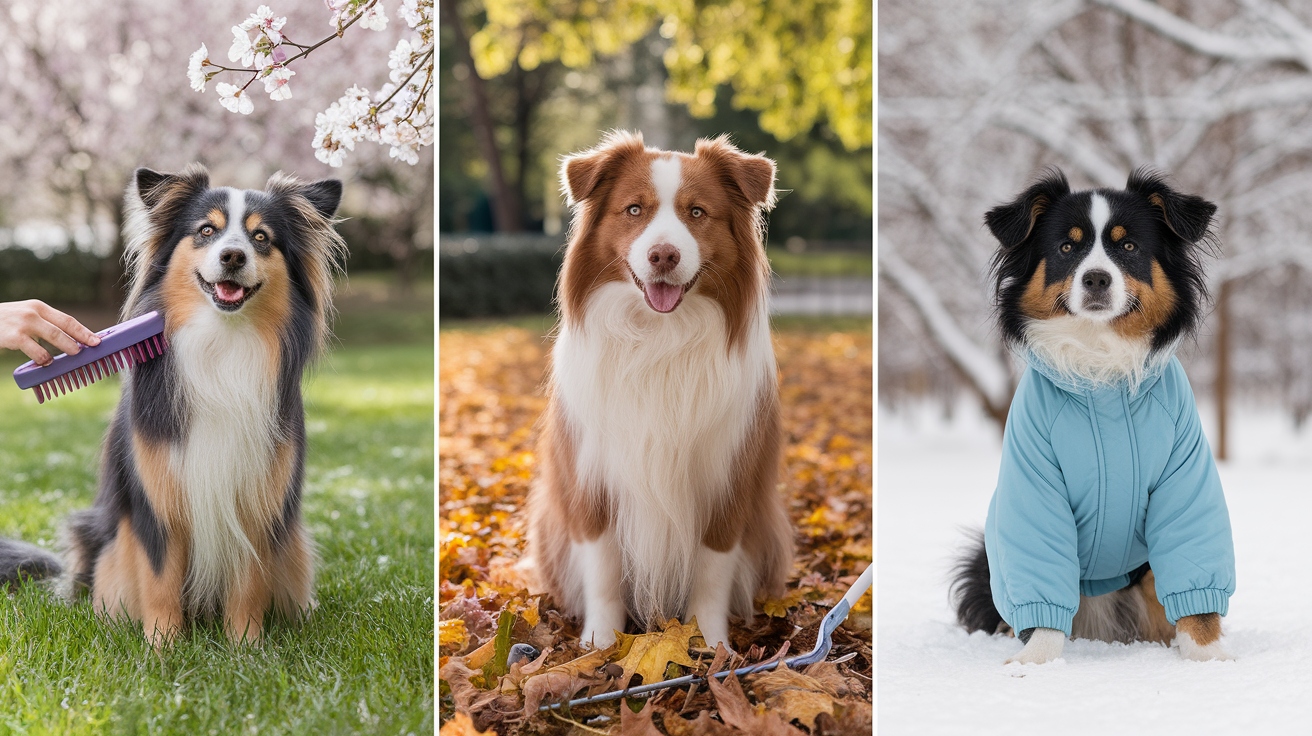
Spring and fall trigger heavy shedding in double coated breeds as they swap winter insulation for a lighter summer coat, then reverse the process in autumn. These blowouts last two to six weeks and demand daily brushing with an undercoat rake to pull the dense fluff before it mats or drifts through your house in clumps. Expect grooming sessions to take twice as long during this window. Summer calls for vigilance against fleas and ticks, consistent use of preventive treatments, and careful decisions about trimming. Shaving a double coat down to the skin removes the insulation that also helps dogs stay cool and exposes skin to sunburn. A light trim to remove excess undercoat and tidy the belly and paws is safer.
Winter grooming focuses on preventing mats caused by dampness and maintaining the coat’s insulating power. Long and plush coats pick up snow, ice, and road salt, which clump between paw pads and tangle into belly fur. Rinse paws and legs after walks and towel dry thoroughly. Keep up regular brushing to distribute oils that repel moisture. Hairless breeds need jackets or sweaters when temperatures drop below fifty degrees, and their skin may need extra moisturizer in dry indoor heat.
Increase brushing during spring and fall blowouts. Double coats shed heavily for two to six weeks. Daily sessions with an undercoat rake keep the process moving and reduce household cleanup. Avoid shaving double coats in summer. The topcoat and undercoat work together to regulate temperature. A light sanitary trim and undercoat removal are safer than a close shave.
Protect hairless dogs year round. Use dog safe sunscreen on exposed skin during outdoor time in warm months, and add jackets or sweaters when the temperature drops. Rinse and dry after winter walks. Snow, ice, and salt clump in long coats and between paw pads. A quick rinse and towel dry prevent mats and skin irritation.
Professional Grooming vs. At Home Care
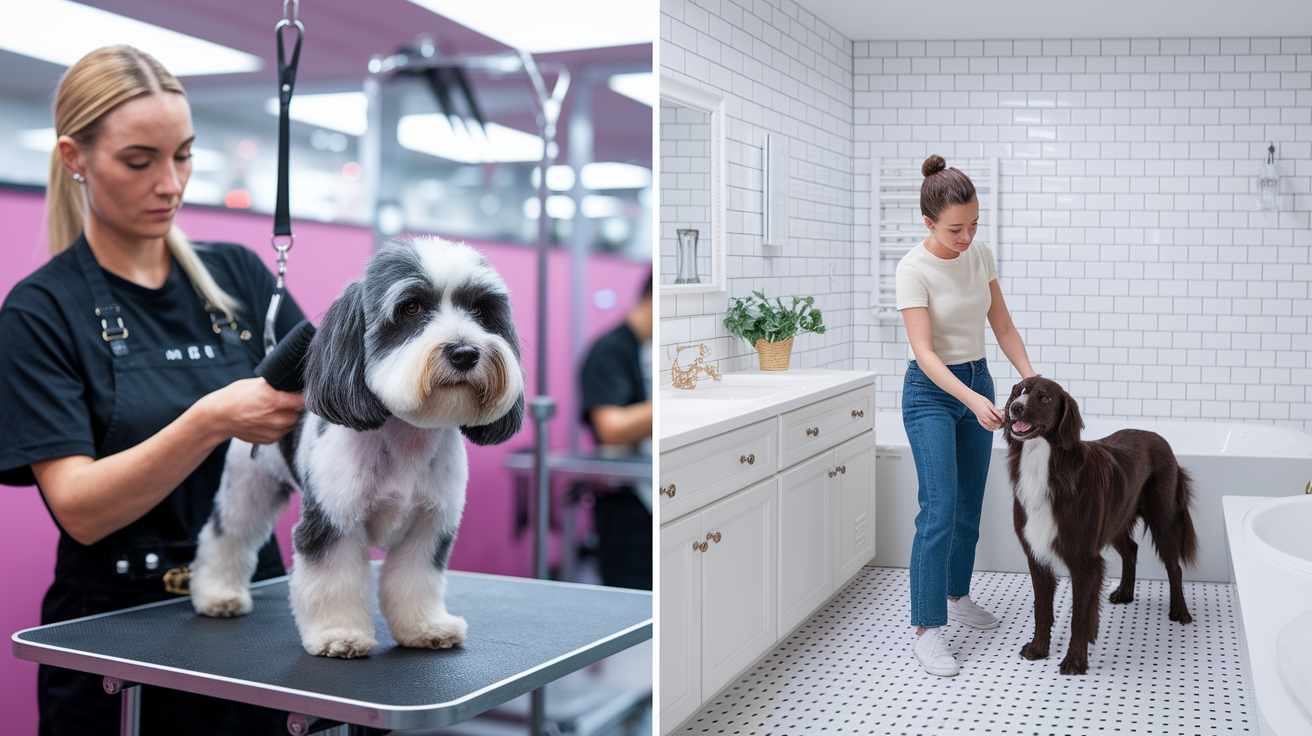
Some coats need skills, tools, or time that most pet owners don’t have at home. Hand stripping a Wire Fox Terrier’s coat to preserve its texture takes practice and can run sixty to one hundred eighty minutes for a full session. Clipping a Poodle into a breed standard style requires clipper experience and steady hands for clean lines. Severe matting on a long coated dog often means a shave down that’s safer in a groomer’s hands with professional clippers and a calm environment. Small dogs with short coats can usually visit a groomer every eight to twelve weeks for a bath, nail trim, and ear cleaning, sessions that take thirty to sixty minutes and cost thirty to sixty dollars. Medium to large dogs with long or curly coats typically need appointments every four to eight weeks, running sixty to one hundred twenty minutes and costing seventy to two hundred dollars depending on coat condition and local rates.
At home grooming works well for routine brushing, simple baths, and basic trims around paws and sanitary areas. It saves money, reduces stress for dogs who dislike car rides or unfamiliar places, and lets you work on your own schedule. The trade off is time and the learning curve for clipper work. If you’re comfortable with weekly maintenance but not confident trimming or dealing with mats, a hybrid approach makes sense. Handle brushing and baths yourself, then book a professional every few months for clips, deshedding treatments, or detail work.
Hire a groomer when hand stripping is required. Wiry coats need this technique to stay textured, and it’s hard to learn from videos alone. Book a pro for severe mats. If a mat is tight against the skin or you’ve worked for more than an hour without progress, a groomer can shave it safely. Use professional deshedding during blowouts. Groomers have high velocity dryers and undercoat tools that cut a two hour job down to forty five minutes.
Ask about breed specific experience. Not all groomers know how to hand strip terriers or clip Poodles to standard. Check reviews or ask for examples of their work. Confirm pricing before the appointment. Coat condition, dog size, and temperament all affect cost. A heavily matted dog may carry an extra fee. Request a tour or meet and greet. A clean, calm grooming space with visible safety practices, secured tables, cool clipper blades, gentle handling, gives you confidence your dog is in good hands.
Nutrition and Skin Health for Optimal Coats

A shiny, strong coat starts from the inside. Dogs fed diets low in essential fatty acids often develop dull, brittle fur that breaks easily and sheds more than normal. Omega 3 and omega 6 fatty acids support skin cell health and coat shine. Look for foods with fish oil, flaxseed, or chicken fat listed in the first few ingredients, or ask your vet about adding a fish oil supplement if your dog’s coat looks dry. Dehydration also dulls the coat. Make sure fresh water is always available, especially after exercise or during hot weather.
Medical issues show up in coat quality before other symptoms appear. Hypothyroidism, Cushing’s disease, and diabetes can all cause hair thinning, excessive shedding, or bald patches. If your dog loses hair over more than ten percent of their body, develops sores or lesions under the coat, or starts scratching persistently for more than forty eight to seventy two hours, schedule a vet visit. Food allergies sometimes trigger skin inflammation and hair loss, often around the face, paws, and belly. Your vet may recommend an elimination diet to identify the trigger ingredient.
Omega 3 fatty acids support skin cell repair and add shine to the coat. Found in fish oil, salmon, and flaxseed. Omega 6 fatty acids help maintain the skin’s moisture barrier. Common in poultry fat and vegetable oils. Protein builds strong hair shafts. Look for named meat sources, chicken, beef, fish, in the first ingredient slot.
Grooming Safety and Handling Sensitive Pets
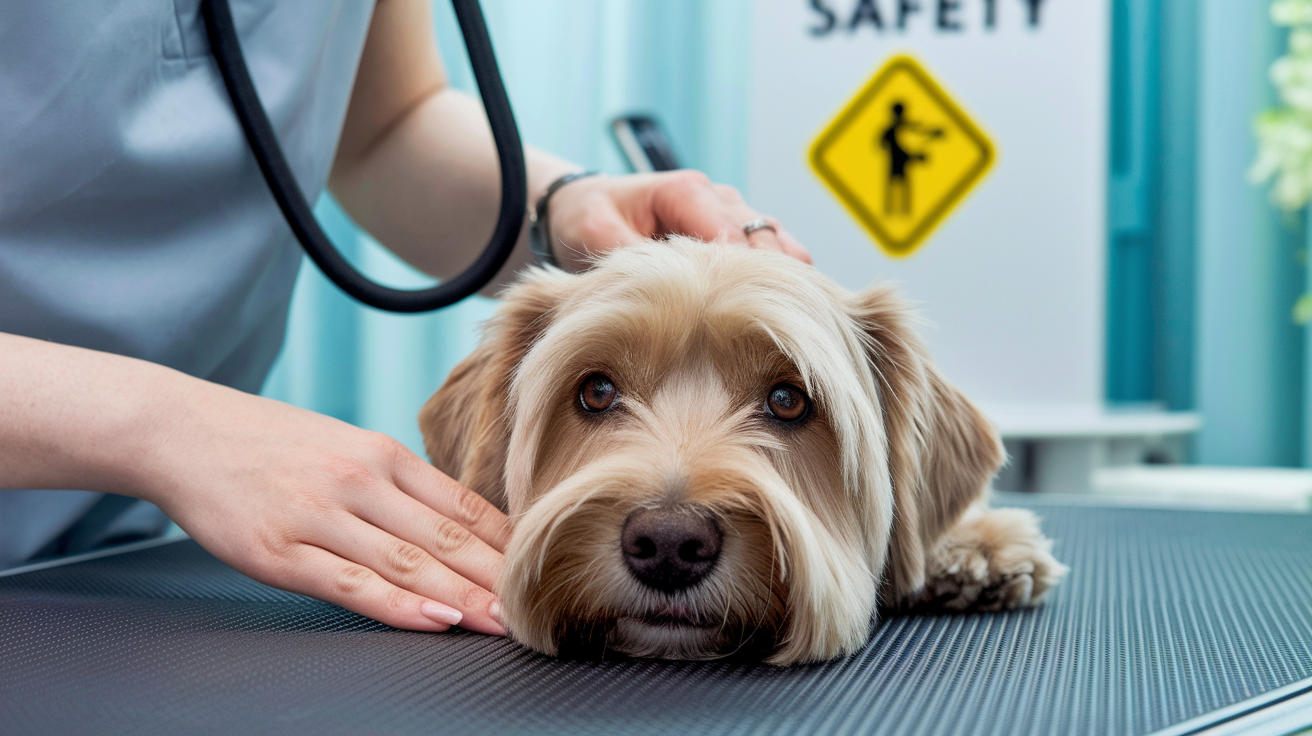
Grooming tools are sharp, clippers heat up, and even calm dogs can startle if you tug a mat or nick sensitive skin. Always test clippers on a small patch of coat before you start a full body trim to check blade length and temperature. Keep the clipper moving and take breaks every few minutes to let the blade cool, or use a blade coolant spray. Scissors should have rounded tips for work near eyes, ears, and paws. Hold them parallel to the skin, not pointing toward it, and cut small amounts at a time. Check the dog’s skin as you work. Red patches, scabs, or hot spots mean it’s time to stop and call your vet before continuing.
Puppies and anxious dogs benefit from short, positive grooming sessions. Start with two to five minutes of brushing, offer a treat, then stop before the puppy gets wiggly or stressed. Gradually build up to longer sessions as the dog learns that grooming ends calmly and often includes a reward. If your dog panics during nail trims or won’t hold still for clippers, ask your vet about mild sedation for grooming or work with a professional trainer to desensitize the dog in small steps over several weeks.
Secure the dog on a non slip surface. A rubber mat in the tub or on the grooming table prevents slipping and helps the dog feel steady. Test clipper temperature frequently. Blades heat up fast. Touch the blade to the back of your hand every few minutes. If it feels too hot for your skin, it’s too hot for theirs. Trim in good light. Work near a window or use a bright overhead lamp so you can see skin tone, mats, and any irritation clearly.
Keep one hand on the dog. A gentle hand on the chest or shoulder lets you feel if the dog tenses before they move, giving you a split second to pause and reposition. Stop if you see blood or raw skin. A small nick can be cleaned and covered with a bit of styptic powder, but anything larger or a patch of irritated skin means the session is over and a vet check is needed.
Final Words
In the action, we laid out the main dog coat categories, including short, double, long, curly, wiry, plush, and hairless, and the weekly brushing times you can use right away.
We also walked through seasonal boosts, tool matches, step-by-step grooming, mat removal, breed notes, and safety so you can handle common problems without panic.
Keep the routine small and steady. With these dog coat types and grooming basics, you’ll make grooming easier and calmer for both of you.
FAQ
Q: What are the 7 dog coat types?
A: The 7 dog coat types are smooth/short (brush weekly 5–15 min), double-coated (brush 2–3×/week, daily in blowouts), long & silky (daily 15–30 min), curly/coiled (daily or every other day), wiry/harsh (weekly + hand-strip 2–3×/yr), plush/medium (3–4×/week), and hairless.
Q: What annoys dogs the most?
A: Dogs are most annoyed by sudden loud noises, forced handling, tight or ill-fitting gear, unpredictable routines, and confusing or inconsistent training—things that threaten comfort, safety, or personal space.
Q: Which dog barks the least?
A: Dogs that bark the least often include Basenjis (naturally quiet), Greyhounds, and some hound or sighthound types; temperament, socialization, and training usually affect barking more than breed alone.